A Challenging Encounter with New Hampshire’s Iconic Pemigewasset Loop Underscores Critical Lessons for Backcountry Preparedness

Published July 24, 2026 04:39 PM
The Pemigewasset Loop, often lauded as one of the most demanding and picturesque backpacking routes in the northeastern United States, recently presented a stark reality check to an unprepared hiker, resulting in a shortened "Semi-Pemi" experience. What began as an ambitious four-day traverse of the 31-mile, 9,000-foot elevation gain circuit in New Hampshire’s White Mountains quickly devolved into a three-day lesson in backcountry resilience and meticulous preparation. The incident, which occurred in late August, highlights critical considerations for anyone attempting this challenging trail, particularly concerning terrain, weather variability, caloric needs, and campsite logistics. It also serves as a timely reminder of ongoing trail management efforts, including the current closure of the Lincoln Woods Trailhead until November 2026.
The Allure and Peril of the Pemigewasset Loop
The Pemigewasset Wilderness, nestled within the White Mountain National Forest, boasts some of New England’s most rugged and spectacular scenery. Its crown jewel, the Pemi Loop, circumnavigates the vast wilderness area, tracing a high-elevation path over eight peaks exceeding 4,000 feet, including several on the Appalachian Trail. Panoramic vistas of granite peaks, ancient forests, and sprawling valleys beneath a vast blue sky are characteristic of the Franconia Ridge, a particular highlight of the loop, promising hikers a feeling of being "on top of the world." The loop’s reputation as a quintessential Northeast challenge attracts thousands annually, often appearing on lists of "must-do" hikes for seasoned adventurers.
However, the beauty of the White Mountains often belies their inherent dangers. Despite relatively lower elevations compared to their Western counterparts, these mountains are notorious for their unforgiving environment. Treacherous rocky terrain, sudden and severe weather changes, and the sheer physical exertion required make the Pemi Loop a serious undertaking that demands respect and thorough preparation. The allure of its scenic rewards is inextricably linked to the significant risks involved, a reality that often becomes clear only when faced with adverse conditions.
A Hiker’s Unforeseen Challenges: A Chronology of the "Semi-Pemi" Attempt
The recent attempt began with an optimistic plan for a four-day expedition, aiming to complete the full 31-mile circuit. However, the initial optimism quickly gave way to a series of unforeseen difficulties, culminating in the decision to cut the journey short.
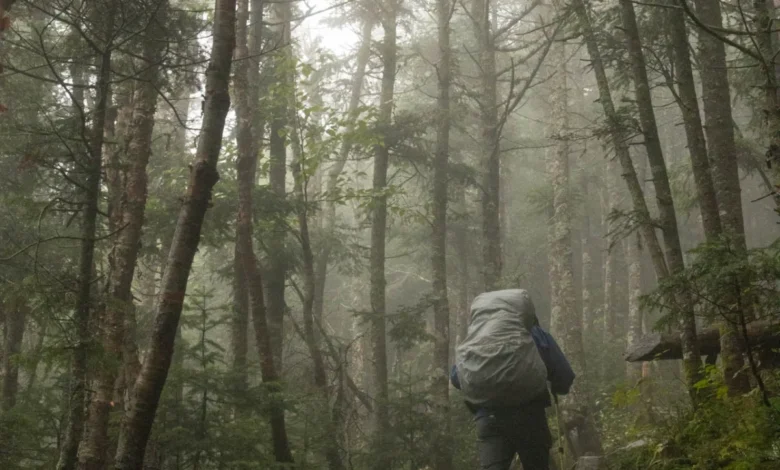
Upon reaching the famed Franconia Ridge, renowned for its panoramic vistas, the conditions were far from ideal. Instead of expansive views, the hiker reported being "actively smothered by fog so dense [they] couldn’t see 20 feet," accompanied by persistent rain that penetrated even highly waterproof gear, soaking pants, hats, and sun shirts. This meteorological assault transformed the picturesque ridge into a disorienting and uncomfortable passage.
Compounding the weather challenges was the nature of the trail itself. Sections described as "what the map said was a trail" were, in reality, "an active creek, complete with slippery limestone boulders," making forward progress painfully slow and arduous. The physical demands were exacerbated by an "ultralight" pack that proved to be anything but, and a gnawing hunger that suggested inadequate caloric planning. The mental strain was further intensified by recent reports of hikers disappearing in the area amidst bad weather, fostering a sense of unease and leading to what the hiker admitted was "some swearing."
The core of these difficulties, as later acknowledged, stemmed from significant underpreparation. The hiker had not studied topographic maps, neglected to read recent trail reviews, and embarked on the daunting 31-mile, 9,000-foot elevation gain hike "straight off the couch" without adequate physical training. This lack of foresight became a critical factor.
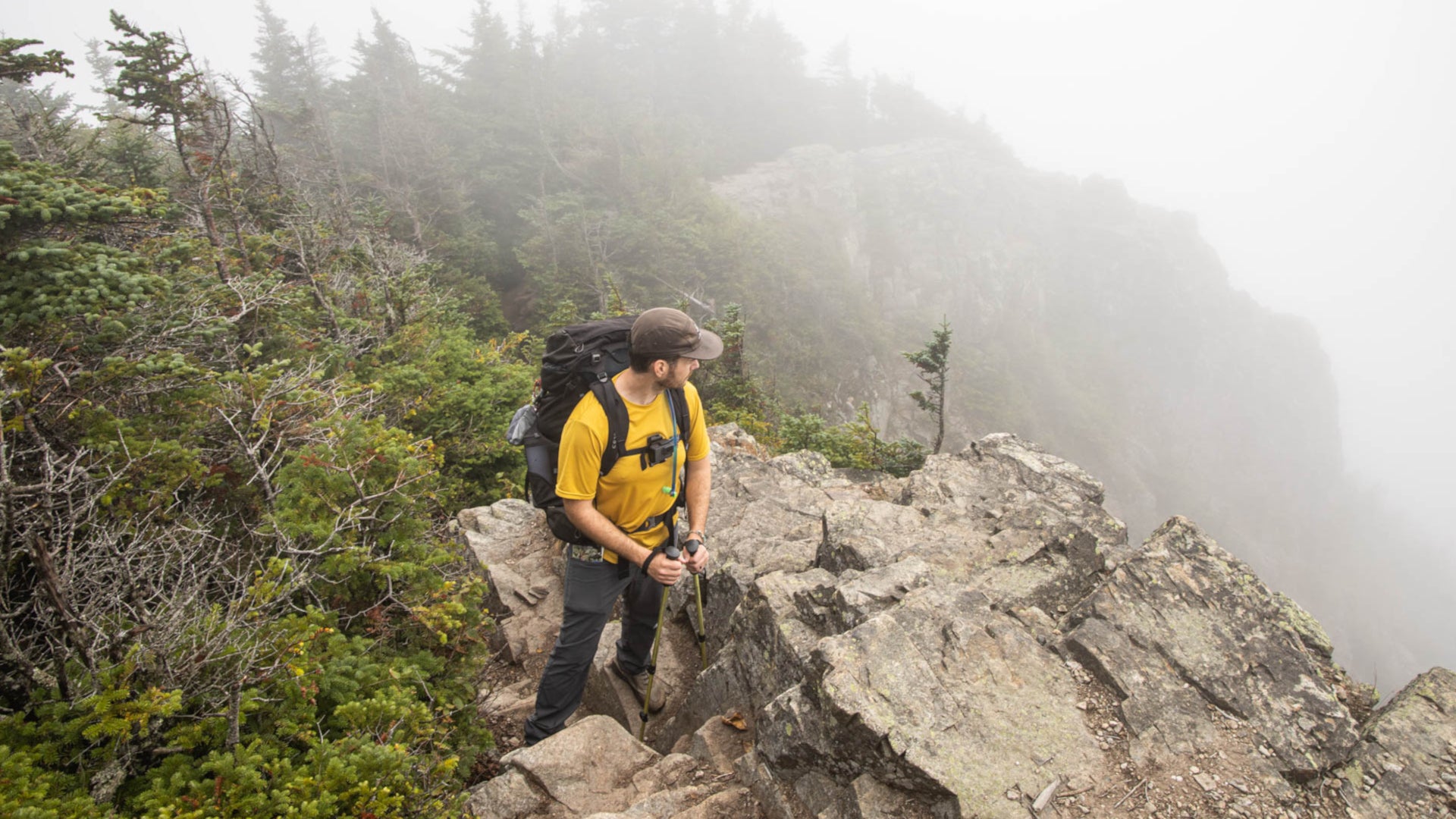
By the end of the first day, a serious discussion with the hiking partner became necessary. The realization that food supplies would run out long before the trail’s completion, combined with the extreme physical and mental toll, prompted a pivotal decision. The ambitious four-day Pemi Loop was abandoned in favor of a three-day "Semi-Pemi," utilizing the conveniently located Franconia Brook Trail to cut the loop in half. This pragmatic adjustment, made in late August, underscored the importance of adaptability and prioritizing safety over adherence to an original plan.
Key Lessons from the Trail: Supporting Data and Expert Advice
The experience of this particular hiker mirrors common pitfalls faced by many venturing into the White Mountains. Experts and trail organizations consistently emphasize several critical areas of preparation to mitigate risks and enhance the enjoyment of such challenging routes.
1. Preparing for New England’s Verticality: The Absence of Switchbacks
New England trails are distinct from many Western mountain paths, often characterized by direct, steep ascents and descents rather than long, winding switchbacks. This design philosophy, rooted in historical logging and access routes, means hikers frequently encounter sustained grades of 20-30% or more. The Pemi Loop is particularly notorious for this "up-and-down" profile, requiring constant negotiation of rocky, root-filled terrain that can feel more like climbing a ladder than walking a trail. The hiker reported feeling like the trail was "in the midst of an identity crisis (it clearly wanted to be a rocky stream, not a footpath)," highlighting the challenging nature of these direct climbs and immediate descents.
For a 31-mile trail with 9,000 feet of elevation gain, this translates to an average grade of approximately 5.5% overall, but with numerous sections significantly steeper. The Appalachian Mountain Club (AMC) and experienced guides strongly recommend advanced physical training focusing on leg strength, endurance, and cardiovascular fitness specifically tailored for steep inclines and declines. This includes regular hill workouts, stair climbing, and carrying a weighted pack to simulate trail conditions. Neglecting this specialized training can lead to rapid fatigue, increased risk of injury, and significantly slower progress, as experienced by the hiker who found even the first seven miles to a tent site "long and slow."
2. Caloric Demands of High-Intensity Backpacking: Pack for More Than You Think
Backpacking through rugged, steep terrain significantly increases caloric expenditure. While an average person might burn 2,000-2,500 calories daily, a strenuous hike like the Pemi Loop can easily push daily requirements to 3,500-5,000 calories, depending on pack weight, terrain, and individual metabolism. The hiker’s rapid depletion of food supplies, noting that "every hour, my stomach would rumble," is a common symptom of underestimating these heightened energy needs.
Food planning for multi-day treks must prioritize calorie-dense, nutritious, and easily digestible items. Dehydrated meals, nuts, dried fruits, energy bars, and high-fat snacks are staples. Experts advise packing a surplus—at least an extra day’s worth of food—to account for unforeseen delays, increased exertion, or emergency situations. The decision to shorten the "Semi-Pemi" was directly influenced by the realization of insufficient food, a critical error that underscores the importance of meticulous pre-trip meal planning and carrying a buffer.
3. Navigating the White Mountains’ Notorious Weather: Prepare for Extremes
The White Mountains are globally recognized for their extreme and rapidly changing weather patterns. Mount Washington, part of the range, holds records for some of the coldest wind chills (-108.4°F) and most powerful wind gusts (231 mph) ever recorded. While these are extreme examples, they illustrate the unpredictable nature of the region’s climate. Even in late August, as experienced by the hiker, conditions can swing dramatically from pouring rain and dense fog to cool breezes and then "unbearably humid" sunshine, all within a short period.
The White Mountains claim multiple hikers annually due to exposure, disorientation, or falls, often exacerbated by sudden weather shifts. Search and rescue operations are frequent, highlighting the very real dangers. Proper foul-weather gear is non-negotiable. This includes a high-quality rain shell, waterproof rain pants, a pack cover, and multiple non-cotton layers (synthetic or wool) to ensure warmth even when wet. Crucially, hikers should carry robust navigation tools (map, compass, GPS device) and know how to use them, as visibility can drop to mere feet, making trail markers invisible. Checking multiple weather forecasts immediately before and during the hike, and having contingency plans for adverse weather, are paramount safety measures.
4. Campsite Logistics and Backcountry Etiquette: Plan Ahead for Overnight Stays
Within the White Mountain National Forest, camping is strictly regulated to protect fragile ecosystems and ensure a quality backcountry experience. Overnight stays are generally limited to designated campsites, established tent sites, or AMC (Appalachian Mountain Club) huts. While the hiker found mid-week, late-summer camping spots available, peak season (summer weekends and holidays) often sees these sites at full capacity.

Designated tent sites, such as those at Liberty Spring, Garfield Ridge, and Franconia Brook, are strategically spaced along the loop. AMC huts, including those near Galehead Mountain and Mount Lafayette, offer indoor lodging with meals, but require reservations often months in advance. For those planning a Pemi Loop attempt, securing overnight accommodations, whether through designated site planning or hut reservations, is crucial. The US Forest Service and AMC emphasize Leave No Trace principles, including camping only in designated areas, to minimize human impact on this pristine wilderness.
Official Responses and Trail Management: The Lincoln Woods Trailhead Closure
Adding a significant logistical consideration for current and prospective Pemi Loop hikers is the ongoing closure of the Lincoln Woods Trail. This standard access route to the Pemigewasset Loop has been severely damaged by decades of floods and is currently undergoing extensive restoration work. The United States Forest Service (USFS) has announced that the trail will remain closed until November 2026.
Despite this closure, the USFS confirms that the Pemi Loop remains accessible via alternative routes. These alternatives, detailed on the USFS webpage for the Lincoln Woods Trailhead, include trails such as the Franconia Ridge Trail from Lafayette Place or the Osceola Trail from Tripoli Road. While these routes ensure access to the loop, they will undoubtedly affect total mileage, elevation profiles, and overall trip planning. Hikers must consult the official USFS resources for the most up-to-date information on access points and trail conditions. The USFS plays a vital role in managing and maintaining the extensive trail network within the White Mountain National Forest, balancing public access with critical conservation efforts. The AMC also contributes significantly to trail maintenance, education, and the operation of its hut system, providing valuable resources for hikers.
Broader Implications and the Future of Backcountry Hiking
The experience on the Pemigewasset Loop serves as a powerful case study for the broader implications of backcountry recreation. It underscores the critical importance of individual responsibility in preparing for challenging natural environments. Adequate physical conditioning, meticulous planning of gear and provisions, a thorough understanding of potential weather hazards, and a flexible mindset are not merely recommendations but necessities for safe and successful ventures.
Furthermore, incidents like these highlight the ongoing efforts of trail management organizations such as the USFS and AMC. Their work in trail maintenance, environmental protection, and public education is vital for sustaining these natural resources and ensuring safe access for future generations. The closure of the Lincoln Woods Trail, while inconvenient for hikers, is a testament to the long-term commitment to ecological restoration and trail resilience in the face of increasing environmental pressures.
The Pemigewasset Loop will undoubtedly continue to draw adventurers seeking its unique blend of challenge and beauty. The hiker who recently embarked on the "Semi-Pemi" has publicly expressed a renewed determination to complete the full loop, armed with the invaluable lessons learned from this initial attempt. The next expedition promises legs "trained for steep climbs," "dialed" rain gear, an "ultralight" pack, and a "surplus of backpacking meals and extra snacks at the ready." This resolve embodies the spirit of backcountry exploration: learning from experience, respecting the power of nature, and returning better prepared for the next adventure.