The Cursed Village of Trasmoz: How a Remote Spanish Hamlet Turned Medieval Stigma Into Modern Empowerment


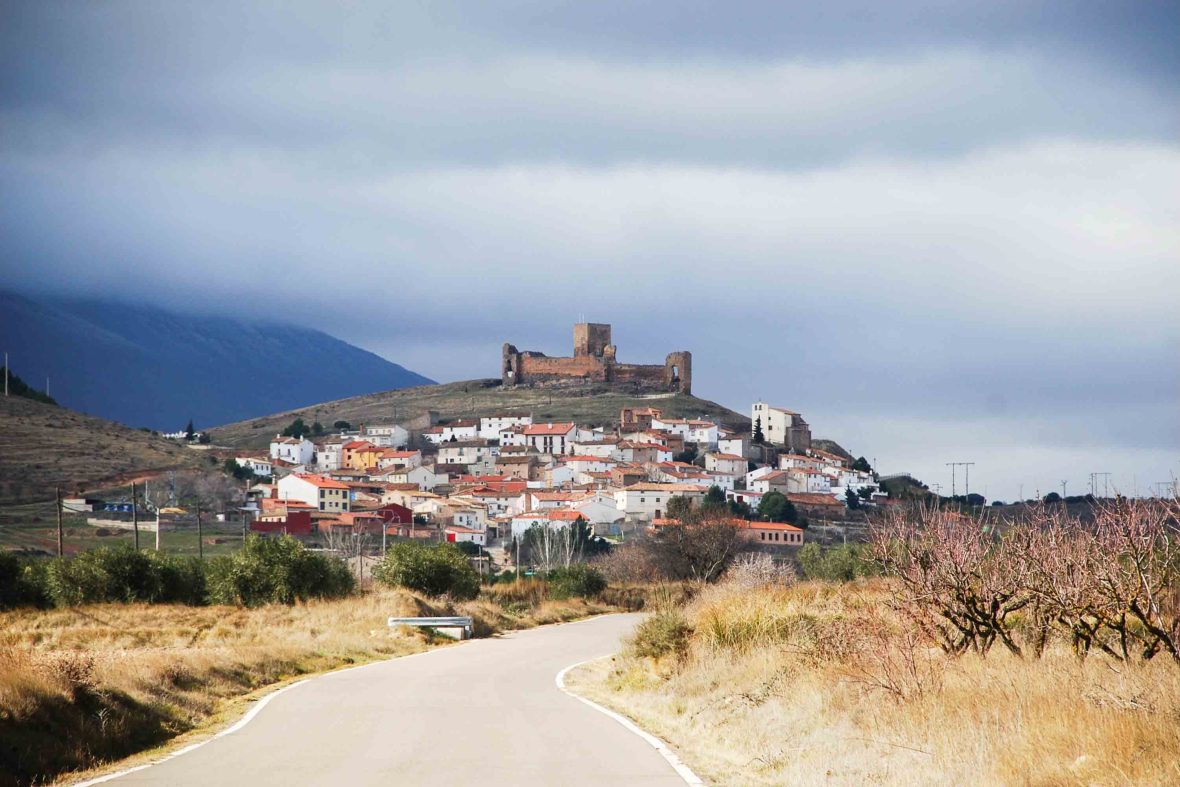
Nestled against the rugged, snow-capped backdrop of the Moncayo mountain range in northwestern Spain lies Trasmoz, a medieval hamlet that defies conventional rural decline through a singular, historical paradox. Home to fewer than 100 registered residents, this Aragonese village holds a unique and contentious distinction within the Iberian Peninsula: it is the only municipality in Spain to have been officially excommunicated and cursed by the Catholic Church. Rather than shying away from this ecclesiastical condemnation, contemporary Trasmoz has successfully rebranded itself as a sanctuary of witchcraft, transforming centuries-old stigma into a thriving engine for cultural preservation and rural tourism.
The Origins of a Medieval Legend
The roots of Trasmoz’s supernatural reputation trace back to the 13th century, born not of sorcery, but of geopolitical conflict and illicit enterprise. Historical accounts indicate that residents of the village’s commanding hilltop castle engaged in the clandestine counterfeiting of currency. To deter prying eyes and maintain the secrecy of their operations, the inhabitants allegedly propagated terrifying rumors that the rhythmic hammering echoing from the fortress was the sound of witches forging cauldrons.

This calculated deception set the stage for a protracted feud with the neighboring Monastery of Veruela. Around 1252, tensions flared over disputes regarding the harvesting rights of valuable local timber, compounded by the Church’s deep displeasure over the persistent witchcraft rumors. In response, the monastery orchestrated the excommunication of the village. At the time, Trasmoz was a diverse, wealthy fiefdom populated by Christians, Jews, and Muslims who roundly refused to repent, setting a defiant precedent of autonomy that would define the settlement for centuries to come.
A Century-Spanning Feud With the Church
The conflict between the secular enclave of Trasmoz and the ecclesiastical power of Veruela reached a second boiling point over 250 years later. Disputes erupted once more, this time centered on the control and diversion of the village’s vital water supply. Armed conflict ensued, culminating in a military victory for Trasmoz over the monastic forces. Seeking retribution for their defeat, the monastery invoked a severe ecclesiastical curse—a rare and solemn ritual that, under canonical law, traditionally requires papal intervention to lift.
Despite the gravity of these measures on paper, their practical impact on daily life was nuanced. While the excommunication technically barred residents from participating in the sacraments of communion, villagers were still baptized, preserving their official status within the Christian faith. Consequently, religious worship within Trasmoz never ceased.

Today, the Catholic Church largely views these historical edicts as archaic relics of long-dead property disputes and jurisdictional rivalries. Conversely, the modern populace of Trasmoz has embraced the narrative of ostracization, wearing its rebellious history as a badge of honor and leveraging it to combat the socioeconomic challenges facing rural Spain.
Demographic Decline and the Fight Against España Vaciada
The reinvention of Trasmoz arrives at a critical juncture for rural Aragon. Like many remote inland regions in Spain, Trasmoz has suffered decades of severe depopulation—a phenomenon known locally as España vaciada, or the emptying out of rural Spain. Following the historical expulsion of Jewish and Muslim populations, and compounded by a twentieth-century migration wave toward industrial cities and sun-drenched coastal hubs, the village saw its population plummet from a medieval peak of approximately 10,000 residents down to a precarious low of 68 inhabitants in recent decades.
Basic municipal services remain scarce within the village boundaries. Residents must travel approximately 10 miles to the neighboring town of Tarazona for commercial shopping, employment opportunities, and medical appointments. However, the deliberate cultivation of its witchcraft heritage has triggered a tangible demographic recovery.
According to municipal data provided by Trasmoz Mayor Jesús Andía, the registered resident population has rebounded to 103 individuals, with former second homes fully occupied. During peak summer months and annual cultural festivals, the temporary population swells to upwards of 500 people, injecting vital capital into the local economy.
Institutionalizing the Myth: Festivals and Cultural Preservation
The formalization of the village’s supernatural identity began in earnest in 2000 with the establishment of the Asociación Cultural El Embrujo de Trasmoz. This cultural organization was formed to spearhead annual events that celebrate local folklore while driving sustainable tourism to the isolated region.
Among these initiatives is the Luz de las Ánimas (Light of the Souls), held annually on October 31, during which pumpkin-carved skulls are placed around the local cemetery to guide traveling souls. More prominent is the annual Witchcraft Fair held on the first Saturday of July, an event that draws an estimated 6,000 visitors to the village’s narrow, traffic-free streets. The medieval-style festival features theatrical re-enactments of witch trials, the capture of local healers, and the historical Curse of Trasmoz.
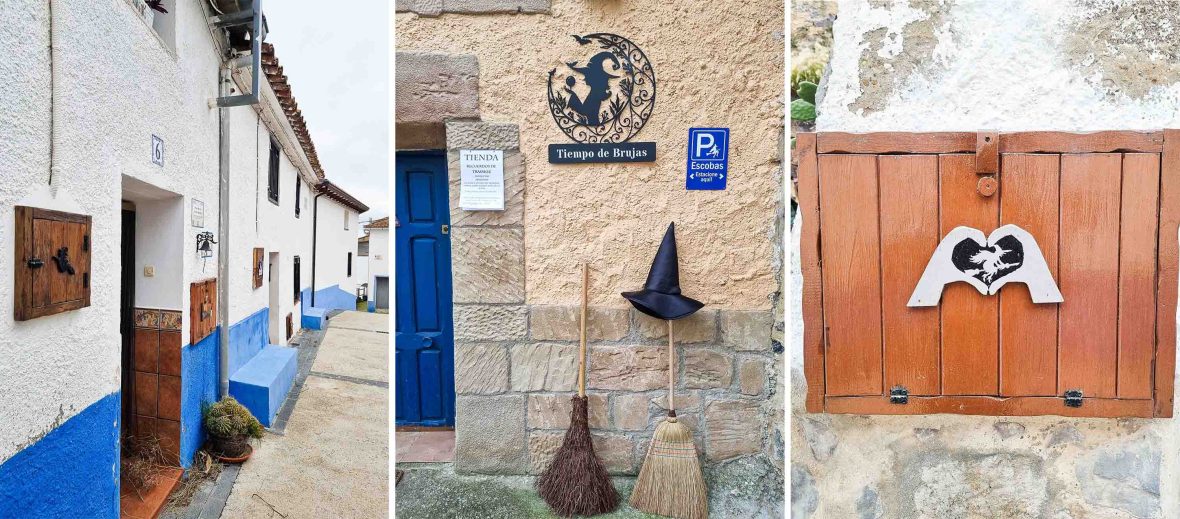
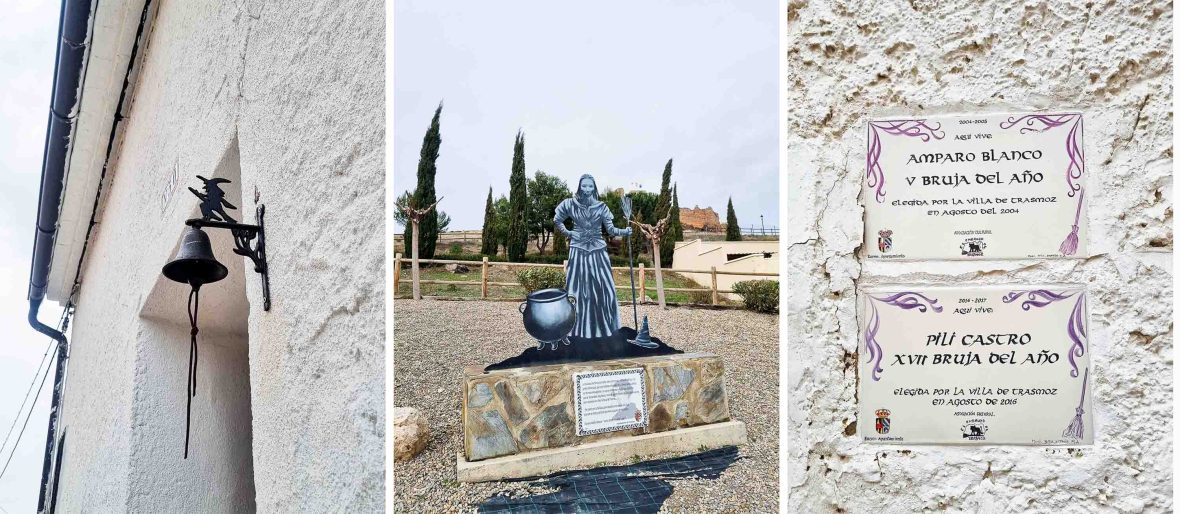
Visitors navigating the settlement encounter discreet reminders of this heritage. The village features a Witchcraft Museum housed within the keep of the partially ruined Trasmoz Castle, offering panoramic views of the surrounding scrubland and the towering 7,000-foot Mount Moncayo. Throughout the winding streets, whimsical street art, metallic silhouettes, and themed plaques honor the village’s past.
Reversing the Narrative: The Witch of the Year
Central to the modern identity of Trasmoz is the annual appointment of the Bruja del Año (Witch of the Year), a democratic tradition established alongside the cultural association in 2000. By popular vote, a woman with residency or deep familial roots in the village is honored for her exceptional commitment to the community and the preservation of local heritage. The title is held for life and grants the recipient the privilege of delivering the opening address at the summer Witchcraft Fair.
Unlike the tragic historical fate of figures like La Tía Casca—a 19th-century local herbalist scapegoated for an epidemic and ultimately murdered by a hostile mob—contemporary honorees are celebrated for their autonomy, expertise, and non-conformity.
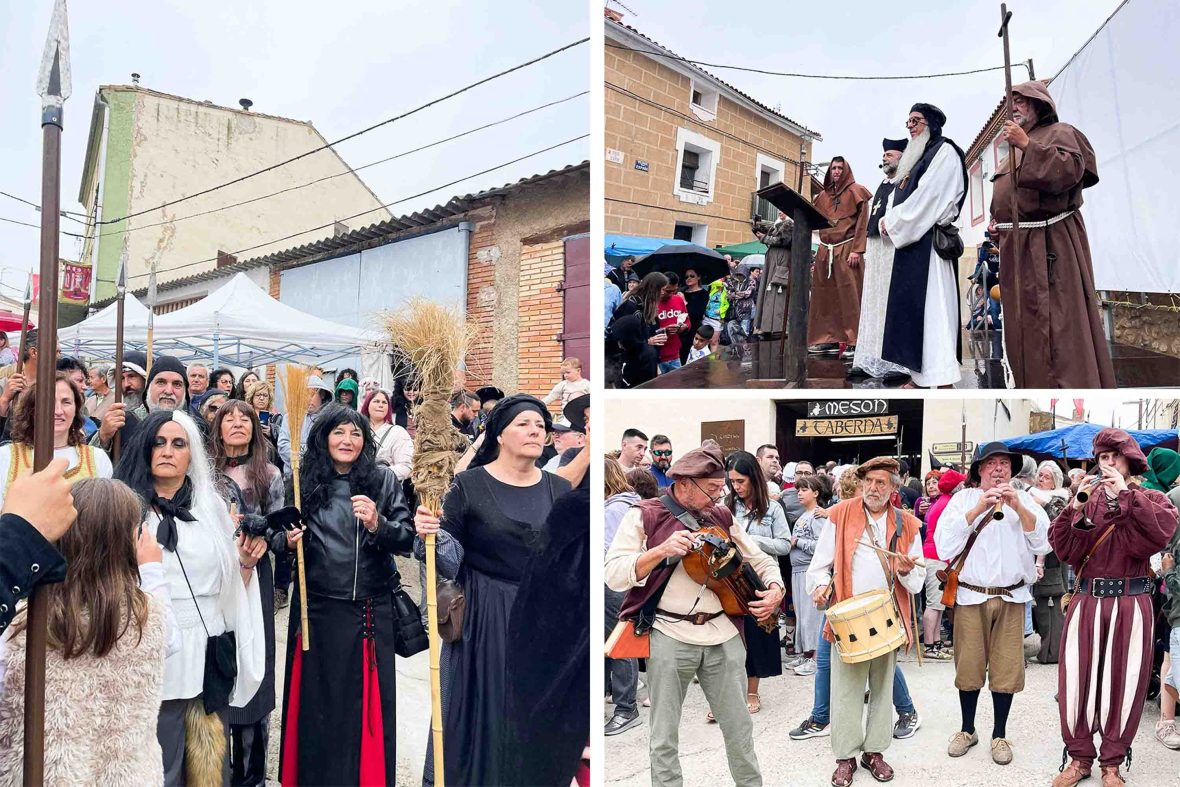
Lola Ruiz, designated the ninth Witch of the Year, exemplifies this modern interpretation. Operating a local souvenir shop named Tiempo de Brujas and working extensively with medicinal plants, oils, and herbal remedies, Ruiz notes that contemporary witches in Trasmoz mirror historical figures who acted as community healers and midwives.
Noelia Macaya, designated Witch of the Year, echoes this sentiment regarding the cultural significance of the title. For Macaya and her fellow residents, the designation represents intellectual independence, the pursuit of knowledge, and an active rejection of limiting societal expectations.
Broader Implications and Economic Resilience
The socioeconomic trajectory of Trasmoz offers a compelling case study in heritage-based rural revitalization. By confronting a dark history of female persecution and ecclesiastical marginalization, the community has successfully converted a potential liability into a unique cultural asset.
This strategic evolution has protected the hamlet from the fate of total abandonment experienced by dozens of neighboring settlements across Aragon. Through a careful balance of authentic historical preservation, community-led tourism, and civic pride, Trasmoz has secured its survival into the 21st century. The enduring magic of the village lies no longer in whispered curses or forged currency, but in the resilience of a tight-knit population redefining its place in modern Spain.