American adventurer Branden Joy recently completed a formidable 1,655-kilometer kite buggy journey across Mongolia, navigating the vast and challenging landscapes of the Central Asian nation. The 33-year-old explorer, known for his previous snowkiting expedition across Greenland, spent 61 days traversing Mongolia, commencing his self-supported journey on May 5th from Ulaangom in the country’s northwestern region and concluding on July 5th in Gurvansaikhan, a remote village situated south of the capital, Ulan Bator. This epic undertaking, while not entirely completed as originally plotted, stands as a testament to human endurance, adaptability, and the profound connection forged with one of the world’s last nomadic cultures.
The Expedition’s Genesis and Planning
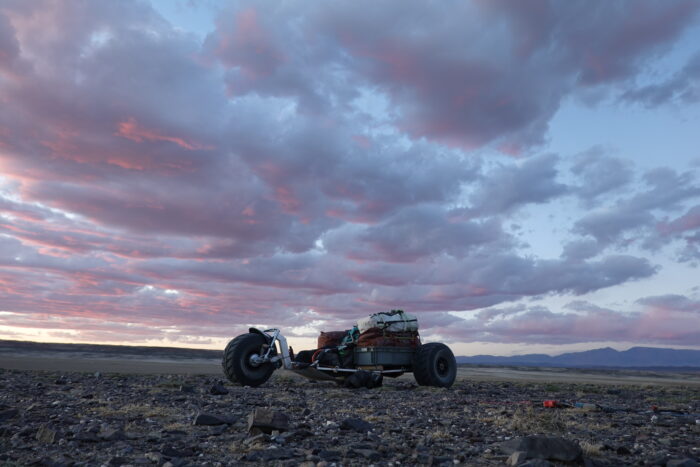
Branden Joy’s foray into kite buggying across Mongolia represented a significant pivot from his prior experience in snowkiting. In 2024, Joy, alongside fellow American Eric Gilbertson, successfully snowkited from Greenland’s southeast coast to its northwest, an environment vastly different from the arid steppes and deserts of Mongolia. His ambition for the Mongolian traverse was to harness the power of the wind to propel a specially designed, metal-framed buggy equipped with robust front and rear wheels, all while traveling self-supported. This meant carrying all necessary supplies, including food, water, and repair kits, and relying solely on wind power for propulsion and local villages for resupply.
The logistical planning for such an endeavor in a country as vast and sparsely populated as Mongolia was critical. Joy meticulously plotted a route that would take him through small towns and villages, strategically spaced approximately 100 to 200 miles apart, to facilitate essential resupply stops. This careful consideration of human settlements underscored the self-supported nature of the expedition, where external assistance was minimized, yet necessary access to basic provisions was maintained. Despite his extensive kiting background, Joy admitted to a crucial miscalculation: "I’m an experienced kiter but was new to kite buggying," he stated. "On snow, you can go essentially wherever you want. I naively assumed flat, open Mongolia would be similar. It isn’t." This initial underestimation of Mongolia’s unique terrain and wind dynamics would prove to be one of the expedition’s most significant challenges.
The Mongolian Landscape: A Formidable Adversary
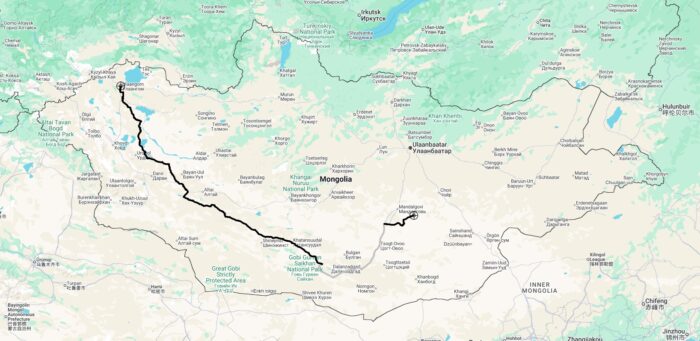
Mongolia, often referred to as the "Land of the Eternal Blue Sky," presents a diverse and extreme topography, from the Altai Mountains in the west to the vast Gobi Desert in the south and the sprawling steppes in between. It is a land characterized by dramatic temperature swings, unpredictable weather, and immense distances. Joy’s journey took him through several of these distinct ecological zones, each presenting its own set of obstacles. The Gobi Desert, in particular, proved to be a pivotal and exceptionally difficult section of the route.
The terrain itself was a constant battle. Unlike the smooth, forgiving surfaces of snow, Mongolia’s "flat, open" expanses were anything but. Joy was often confined to local dirt roads or the uneven valley floors, which offered the only passable surfaces for his buggy. The lack of suspension on his vehicle meant that every bump, rock, and rut translated directly into a jarring impact on his body. "I badly underestimated the beating my body would take from both," he recounted. Within a couple of weeks, the relentless vibration and impact led to a pinched nerve in his back, causing shooting pain along his spine – a severe physical toll that underscored the brutal reality of his chosen mode of transport and the unforgiving landscape.
Beyond the physical discomfort, the landscape presented numerous technical and navigational hurdles. Dry streambeds, often choked with dense shrubs, became impassable barriers. Culverts, intended for water flow, turned into traps. Perhaps one of the most unexpected man-made obstacles was the widespread development of Mongolia’s power grid. "Mongolia’s power grid has developed to a degree I hadn’t accounted for, and I ended up dealing with dozens of power lines over the course of the trip," Joy explained. For a kite buggyer, a power line overhead is a "hard stop," forcing immediate route deviations and dictating progress in ways entirely unanticipated during planning. This constant need to navigate around infrastructure added significant complexity and often lengthened his daily travel.
Navigating the Unpredictable Winds of the Steppe
The very essence of a kite-based expedition lies in the availability and predictability of wind. Joy’s previous experience in Greenland, where winds "ebb and flow like tides — gradual up, gradual down," had conditioned him for a certain pattern. Mongolia, however, offered a starkly different and far more challenging wind regime. Joy coined it "carousel wind." He described it as blowing from one direction, stopping abruptly, then, "two minutes later, blows from another. It could effectively come from every direction inside an hour. Unusable." This erratic, multi-directional wind made sustained progress nearly impossible, forcing him to spend significant periods waiting or resorting to other means of locomotion.
His mid-May start also placed him at a disadvantage. The optimal window for strong, consistent winds in Mongolia typically spans April to May. Having completed a contract in Antarctica, Joy’s schedule pushed his start almost past this prime period, leading to increasingly challenging wind conditions as the expedition progressed. Towards the final third of his journey, particularly in the Gobi Desert, the wind worsened dramatically. He reported only getting "one day of usable wind per week," and even that was often "turbulent and frightening." This lack of reliable propulsion was a primary factor in his decision to hitch a ride for a section through the Gobi. "I moved to seek both better wind and better terrain rather than sit through the second half of a roughly 10-day stretch with negligible usable wind," he clarified. This pragmatic decision, he emphasized, was "a risk-management decision and a choice – not a failure, and not something forced on me by an incident." Despite his efforts to find better conditions, the pattern of poor wind continued, ultimately leading to the expedition’s conclusion in Gurvansaikhan.
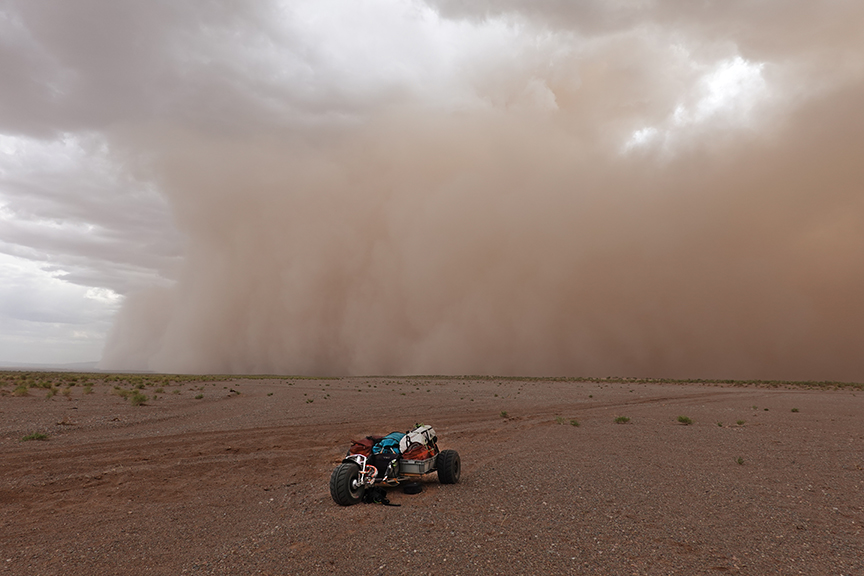
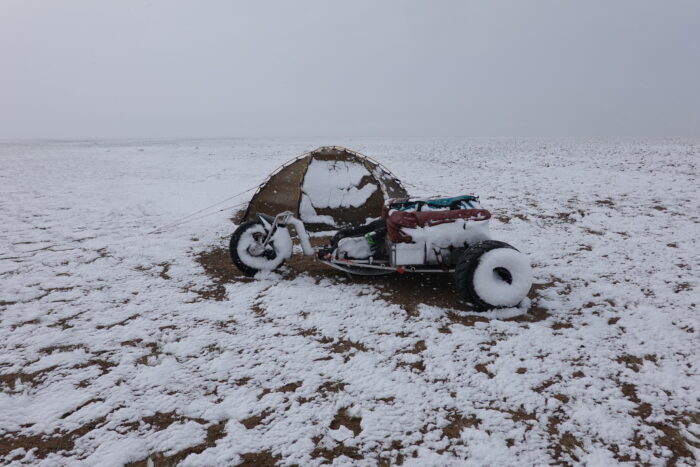
Weather, beyond just wind, proved to be an adversary of extreme contrasts. Joy experienced everything from sudden snowstorms, even in what should have been spring, to intense sandstorms, powerful dust devils, and violent thunderstorms. He noted the absence of a "warm shoulder season," stating, "It went from cold to boiling with essentially nothing in between." The visual spectacle of a "haboob" — a massive wall of sediment stretching miles wide and high, blotting out the sun and turning everything orange, with sand crunching in one’s teeth — was a stark reminder of the Gobi’s raw power.
Logistical Hurdles and Physical Toll
The self-supported nature of the expedition meant that Joy was constantly on the edge of his physical and logistical limits. Resupply, while planned for, often involved navigating unforeseen circumstances. Water scarcity in the Gobi Desert was a recurring and severe problem. Natural water sources were few and far between, and he ran out of water multiple times, relying on the immense generosity of local shepherds who shared their precious supply. This chronic dehydration, coupled with the extreme heat of the Gobi, led to systemic mild heat exhaustion. Furthermore, the physical strain and stress of the journey severely suppressed his appetite; for roughly three weeks, he could only manage about 1,000 calories a day, far less than required for such strenuous activity.
The equipment itself also faced the brunt of the harsh environment. The desert flora, particularly thorny cacti, proved to be a persistent nuisance, frequently tearing his kites and necessitating repeated repairs in the field. A more critical mechanical failure occurred when a rear axle bolt on his buggy snapped. This incident, far from any major town, triggered a week-long detour back to the capital, Ulan Bator, to source a suitable replacement part. Such a setback not only consumed valuable time but also added a layer of logistical complexity and cost, highlighting the fragility of relying on specialized equipment in remote regions.
Despite the wind propulsion, there were extensive sections where Joy had no choice but to walk and haul his heavy buggy. Over the course of the 61 days, he covered 128 kilometers, or approximately 8% of the total distance, by foot. This additional physical exertion, combined with the already taxing buggy rides and the effects of a pinched nerve, pushed his body to its absolute limits, transforming what was intended as a kiting expedition into a multi-modal test of endurance.
Cultural Immersion and Unexpected Encounters
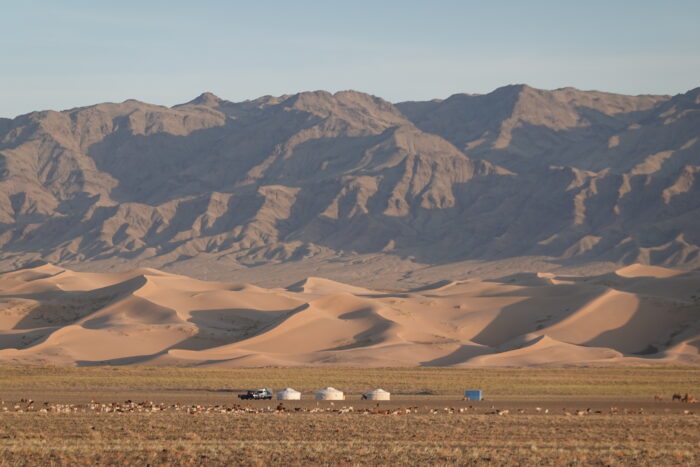
While the physical and environmental challenges were immense, Joy found that these very misfortunes often opened doors to profound cultural experiences. The necessity of seeking help or resupply brought him into close contact with the nomadic Mongolian people, renowned for their hospitality and resilience. These interactions, born out of necessity, fostered a deeper understanding of their way of life.
In the expedition’s final week, when winds completely died down, Joy was taken in by a shepherd and his family. He spent this time assisting them with managing their animals, immersing himself fully in their daily routines. "I learned enormously just by existing in that space, at that time, around those people," he reflected. This direct engagement with nomadic life, observing their practices, and sharing their struggles, provided an invaluable perspective that transcended the athletic achievement of the journey.
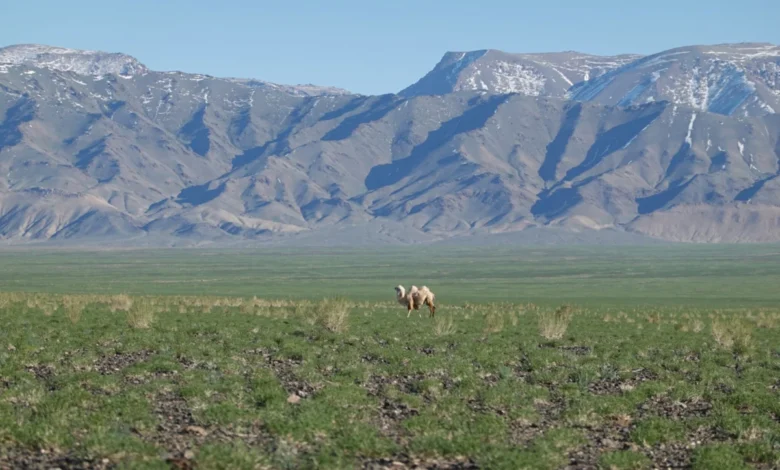
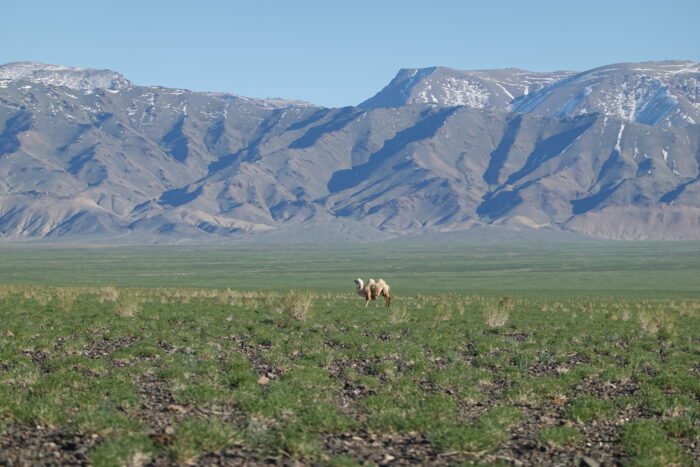
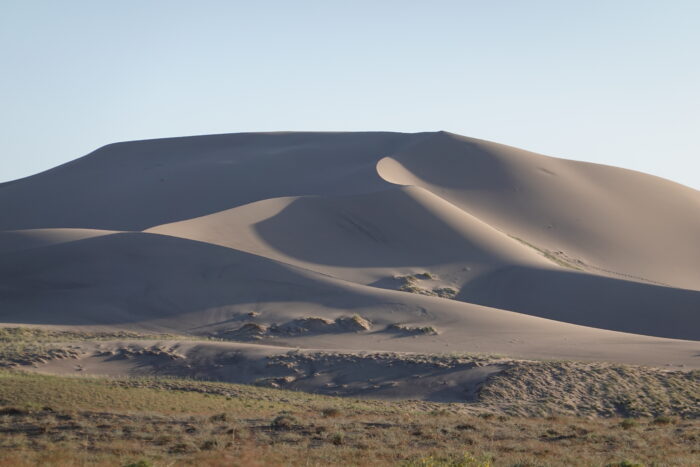
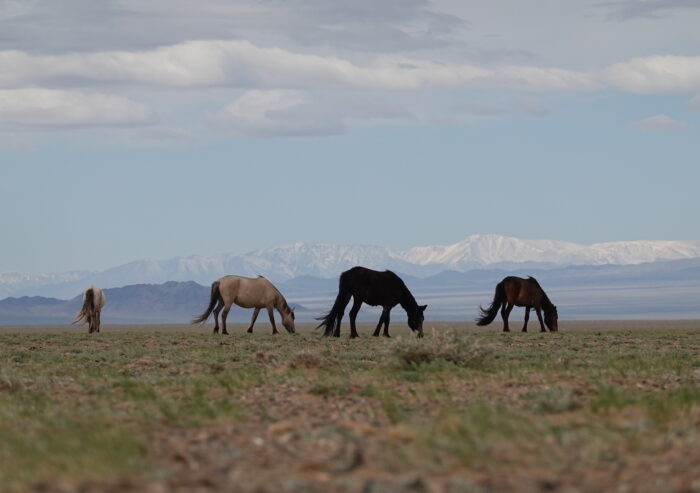
Beyond human interaction, the vast Mongolian landscape teemed with animal life, offering moments of wild beauty and connection. Joy often found himself in the company of camels, horses, sheep, goats, cows, and yaks. He particularly cherished encounters with the wild horses that roam the steppes. He described herds of 10 to 30 horses running alongside his buggy for miles, keeping pace even as he traveled at speeds of 15 to 20 mph. These unprompted displays of curiosity and exhilaration by the animals added a magical dimension to his solitary journey. Even the stark beauty of the Gobi Desert, despite its harshness, offered moments of awe. Joy recounted climbing a 200-meter sand dune to witness the mesmerizing phenomenon of "sand rip off the ridgeline exactly the way snow blows off ridges in the mountains," a powerful echo of his previous polar adventures in a radically different environment.
Lessons Learned and Future Implications
Branden Joy’s kite buggy traverse of Mongolia, though not completed precisely as envisioned, stands as a remarkable feat of exploration and a profound learning experience. His reflections highlight critical lessons for future adventurers contemplating similar expeditions. The expedition underscored the paramount importance of thorough environmental research, particularly concerning localized wind patterns and terrain characteristics, which can vary wildly even within seemingly uniform landscapes. It also reinforced the need for robust, suspension-equipped gear when traversing rugged terrain for extended periods.
From a broader perspective, Joy’s journey contributes to the growing narrative of human-powered exploration, pushing the boundaries of what is possible with sustainable modes of transport. His experience offers valuable insights into the challenges and rewards of self-supported travel in remote, culturally rich regions. The decision to halt his progress due to adverse conditions, rather than pushing into unsafe territory, serves as a powerful example of responsible expedition leadership and risk management – prioritizing safety and long-term well-being over the singular pursuit of a pre-defined objective.
Ultimately, Joy’s Mongolian adventure was not just a physical journey but also a deep dive into self-discovery and cultural exchange. "After two months in Mongolia’s variable terrain, I feel like I’ve got my black belt in kiting," he concluded, indicating a significant growth in his skills and understanding of the sport. His ability to adapt to unforeseen obstacles, from mechanical failures to extreme weather and unpredictable winds, demonstrates the resilience required for such endeavors. More importantly, his willingness to embrace the challenges as opportunities for genuine connection with the land and its people transformed a daunting physical test into a richly rewarding human experience, offering a compelling narrative of adventure, perseverance, and cross-cultural understanding.