Seattle’s Urban Wilderness: How the Pacific Northwest’s Largest City Blends High-Tech Innovation with Radical Nature Connection

Seattle continues to redefine the modern metropolitan experience, seamlessly bridging the gap between an aggressive high-tech economy and an deeply rooted outdoor lifestyle. Ranked fourth globally in Oxford Economics’ 2026 index—largely driven by clean air, abundant urban tree canopies, and low carbon emissions—the city serves as a unique cultural laboratory. Here, a progressive patchwork influenced by Indigenous peoples, Asian immigrants, and Nordic settlers collides daily with tech pioneers and dedicated conservationists. Far from being a concrete jungle isolated from its environment, Seattle offers residents and visitors alike an accessible gateway to the rugged, awe-inspiring landscapes of the Pacific Northwest, proving that digital detoxification and profound nature immersion are entirely possible within municipal boundaries.
Geographical Context and Urban Ecosystems
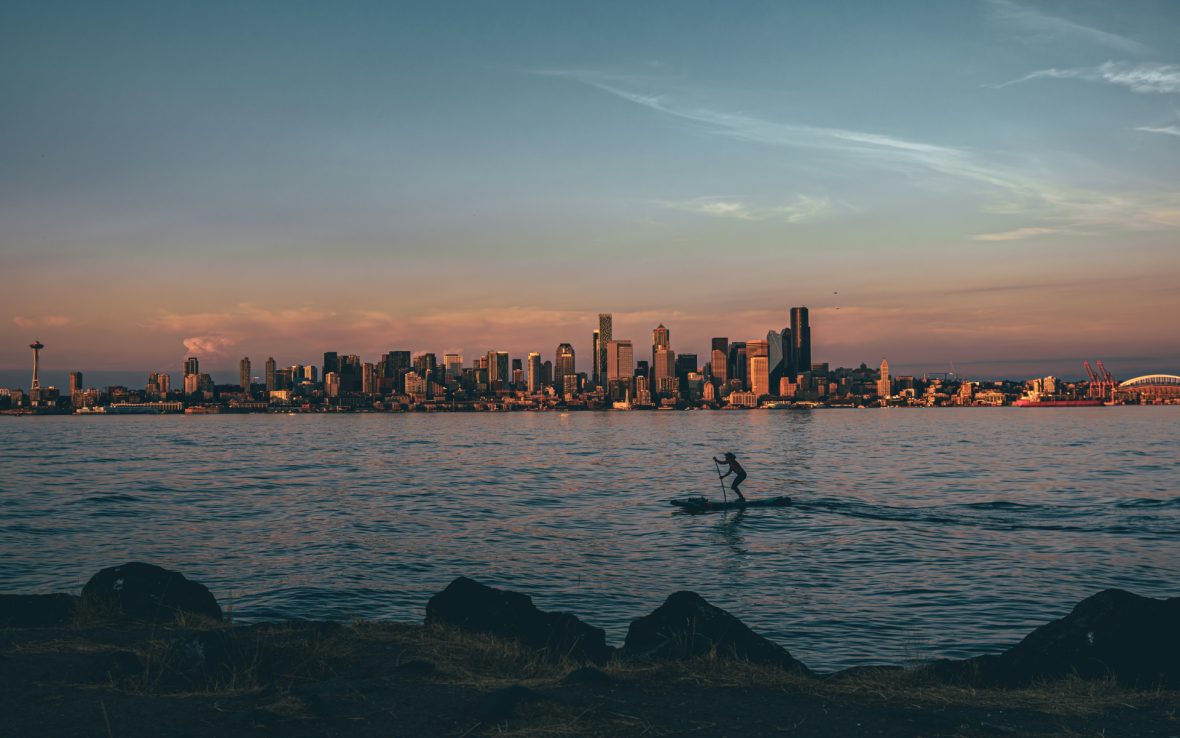
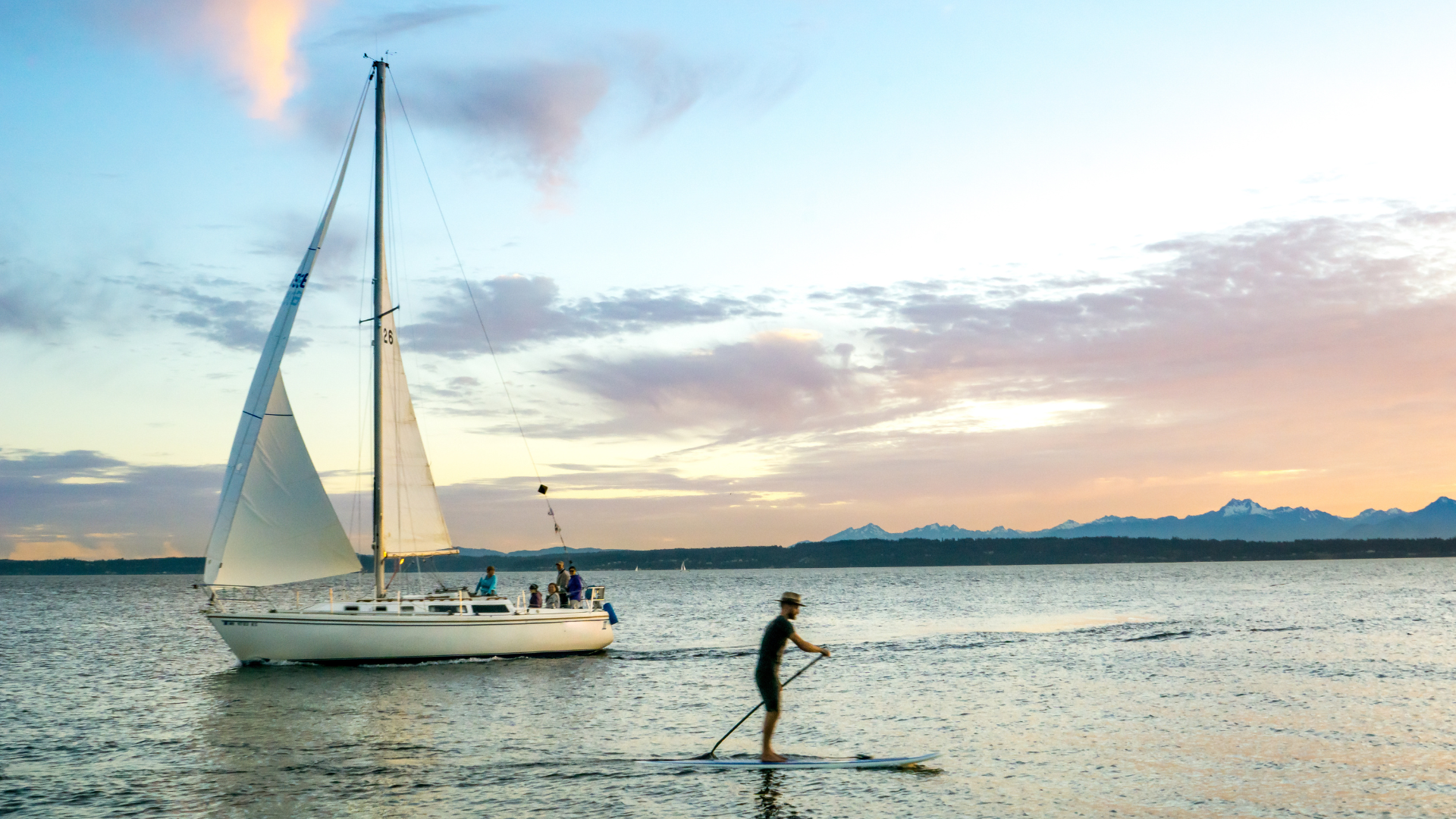
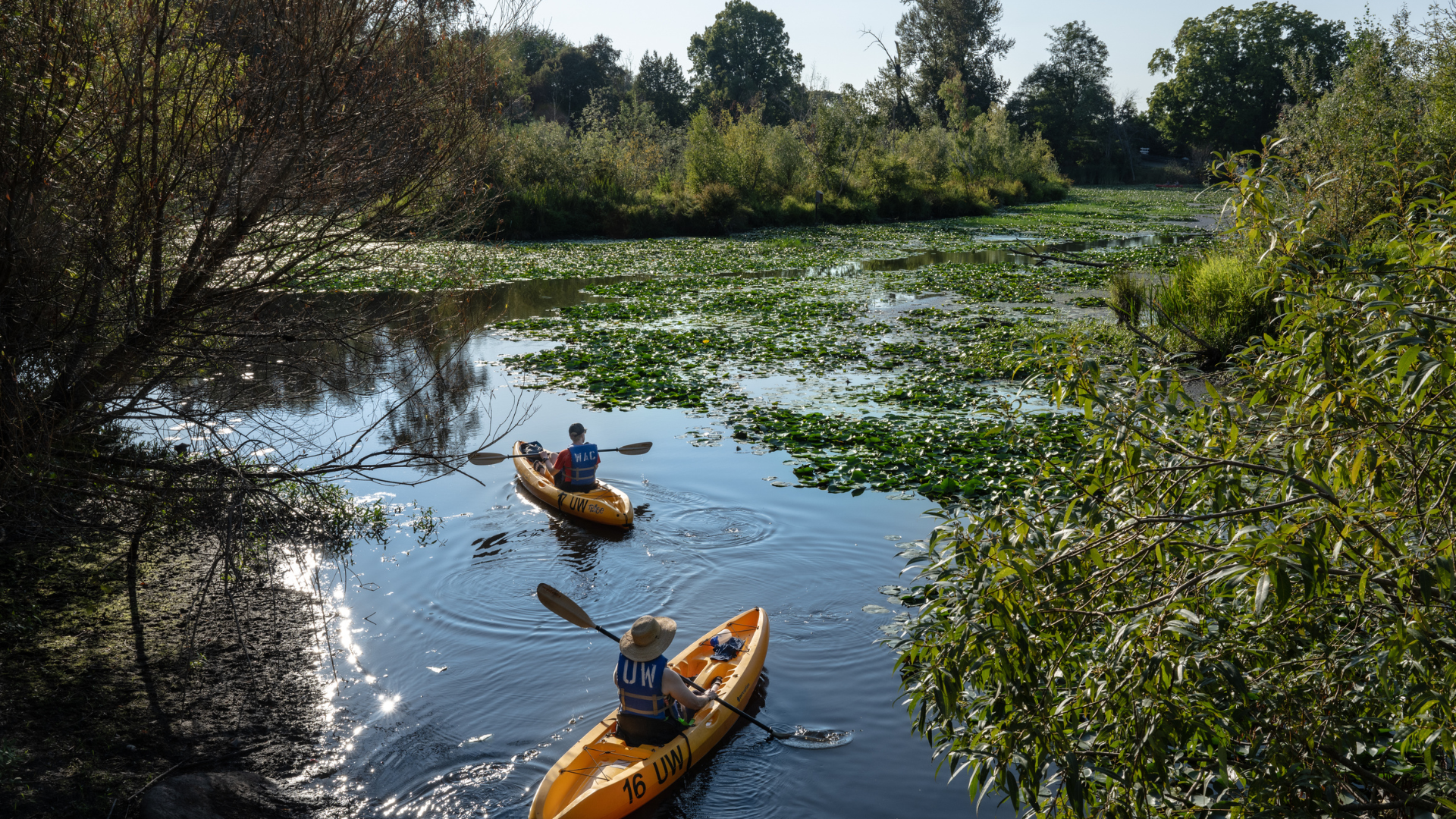
Nestled along the deep fjord of Puget Sound, Seattle is fundamentally shaped by water. The Salish Sea, North America’s second-largest estuary, defines the western boundaries of the region, while the city itself cradles 13 distinct lakes. This geography has cultivated a distinct maritime culture where marine activities—ranging from cold-water diving in 7-degree-Celsius (44-degree-Fahrenheit) waters to paddleboarding and kayaking on Lake Union—are integrated into daily life.
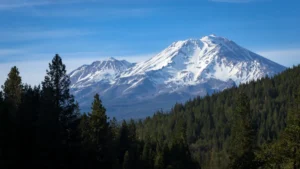
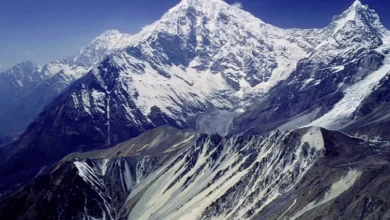
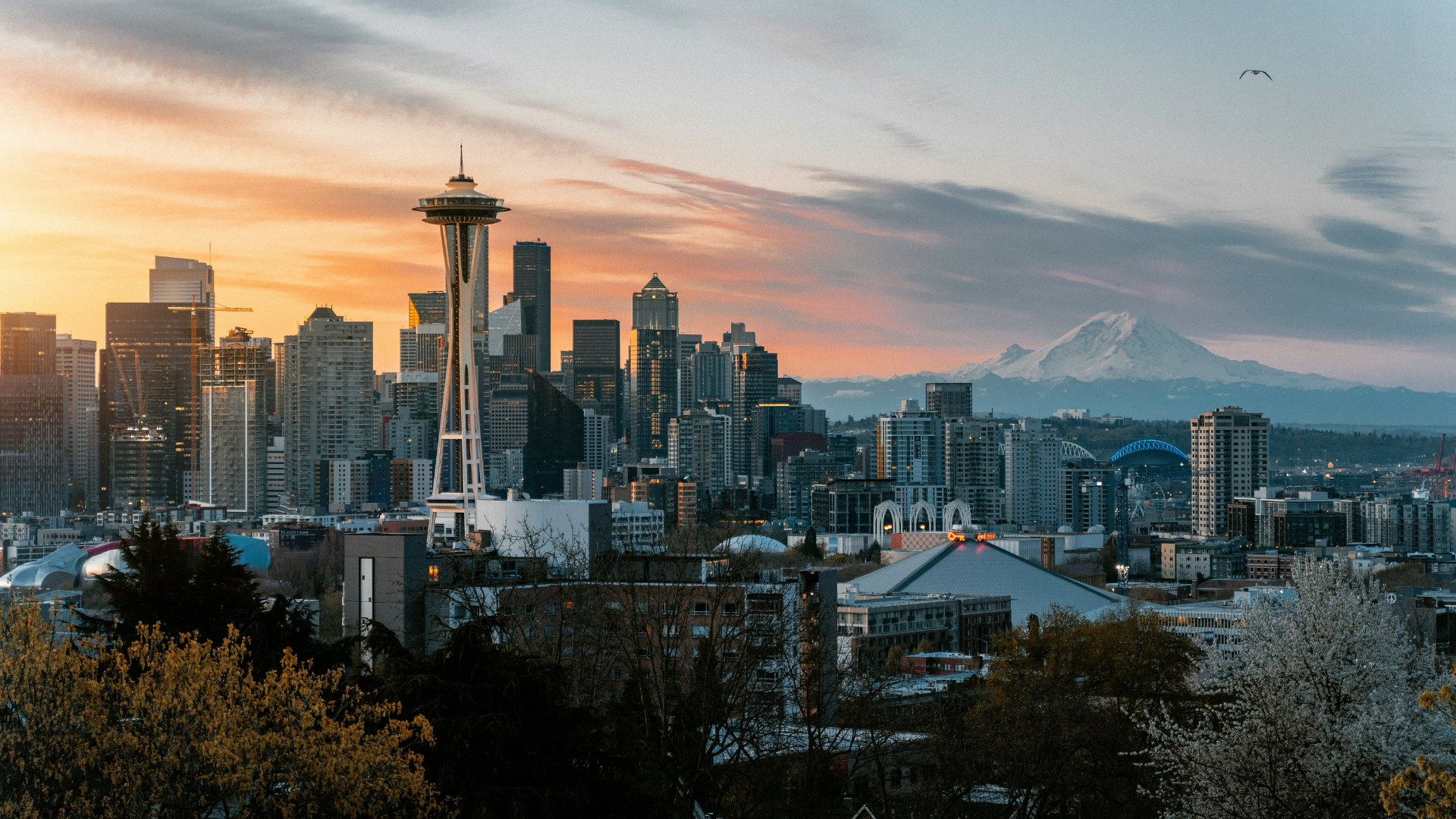
The urban topography is further anchored by iconic natural landmarks. Mount Rainier, known locally by its Indigenous name Tahoma, dominates the southeastern horizon. Though appearing deceptively close due to atmospheric perspective and its massive 4,392-meter (14,410-foot) summit, the peak actually looms 144 kilometers (90 miles) away. This proximity to dramatic wilderness allows travelers to transition rapidly from bustling urban centers to pristine backcountry ecosystems, a dynamic that underpins the region’s growing reputation as a hub for sustainable, wellness-oriented travel.
City-Side Solace: Urban Green Spaces and Shinrin-Yoku
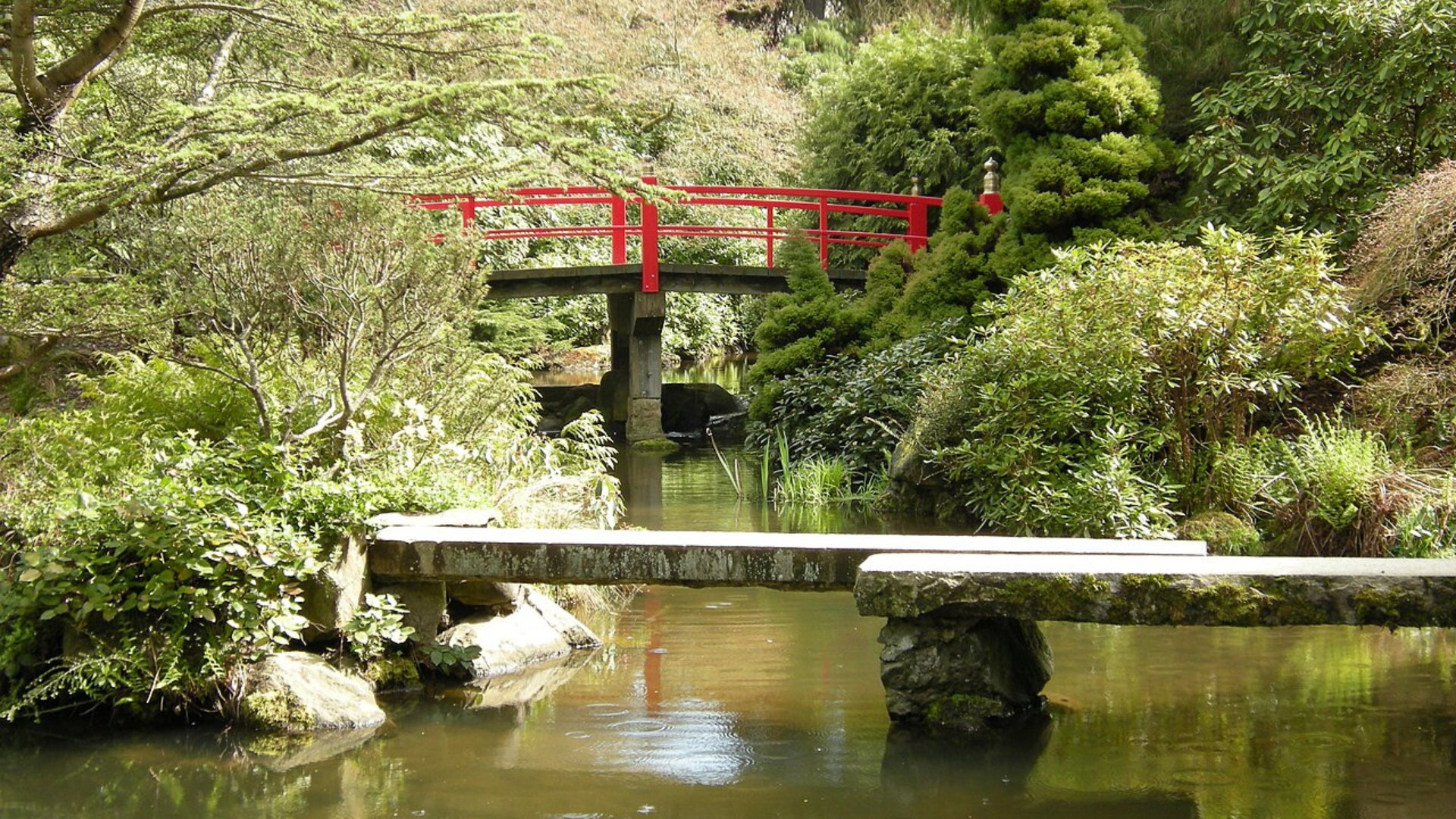
Within the city limits, historical and cultural parks provide immediate relief from digital overstimulation. South Seattle’s Kubota Garden stands as a prime example of urban sanctuary. Established in 1929 by horticultural pioneer Fujitaro Kubota, the 20-acre park masterfully blends Northwest native flora with traditional Japanese landscape design. The site endured historical trauma during World War II, when Kubota and his family were forced into internment camps. Following his passing in 1973, the city of Seattle recognized the historical and ecological significance of the property, designating it a historic landmark to protect it from commercial development.
Today, Kubota Garden attracts visitors seeking shinrin-yoku—the Japanese practice of forest bathing, which has been scientifically linked to reduced cortisol levels, lowered blood pressure, and enhanced immune function. Similarly, Discovery Park offers a 4.5-kilometer (2.9-mile) loop along coastal bluffs where dense fir forests and tangled meadows provide unobstructed views of Puget Sound, reinforcing the philosophy once articulated by Pacific Northwest environmental poet Gary Snyder: "Nature is not a place to visit. It is home."
Maritime Traditions and Sustainable Foraging
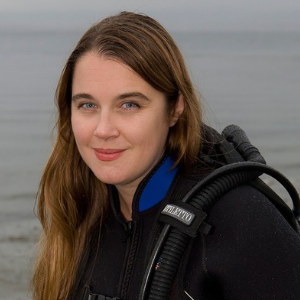
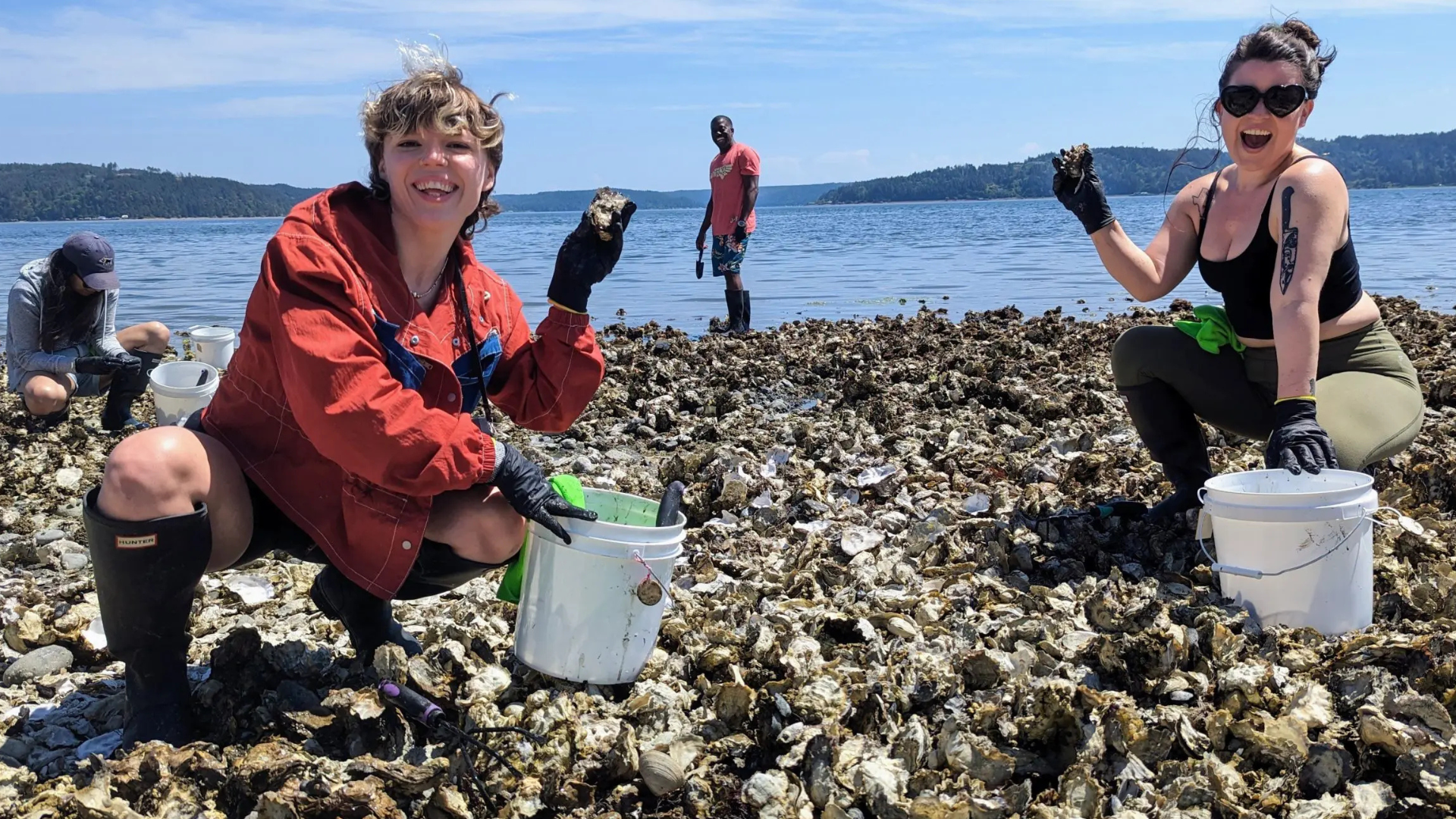
Seattle’s connection to its waterways extends beyond recreation into sustainable food systems. Local experts and authors, such as Lauren Braden, advocate for participatory culinary tourism through tidal foraging. During extreme low tides (typically -0.5 feet or lower), residents and visitors comb the mudflats for native clams and oysters.
This locavore tradition requires strict adherence to environmental safety protocols. State agencies, including the Washington Department of Health, continually monitor biotoxin levels, necessitating that harvesters verify beach openings prior to collecting shellfish. Guided excursions, such as those offered by Forage Seattle, integrate education on marine conservation with hands-on harvesting, culminating in beachside culinary experiences. Among the most notable regional delicacies is the geoduck—the world’s largest burrowing clam—which can weigh upwards of four kilograms (eight pounds) and live for decades, serving as a living historical link to the region’s pre-settlement ecology.
Recreation and Wellness along Alki Beach and Puget Sound
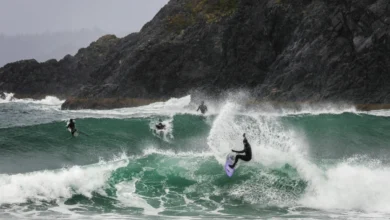
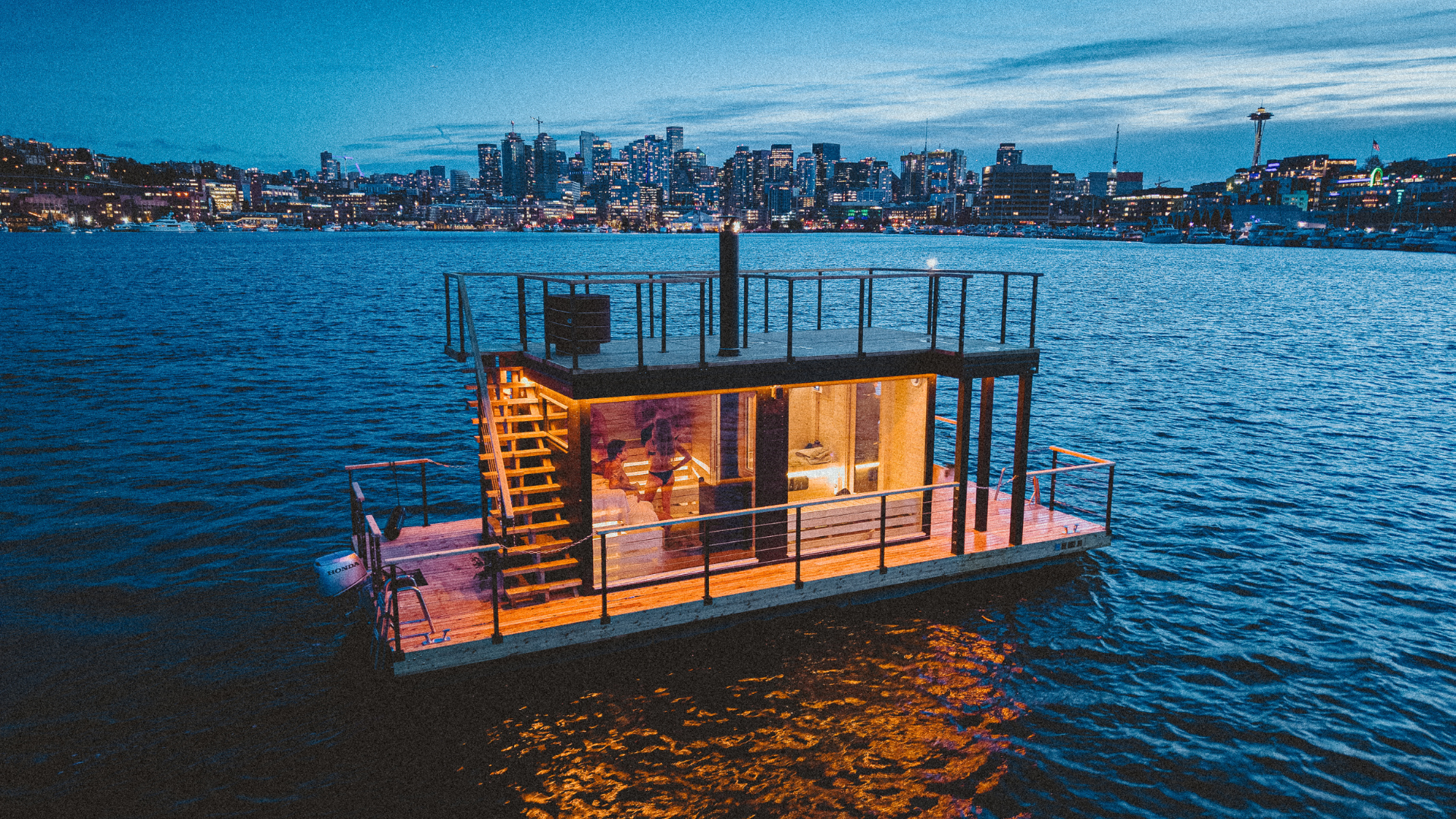
Across the water in West Seattle, Alki Beach acts as a central hub for community engagement and wellness initiatives. Featuring a four-kilometer shoreline trail, the area draws crowds year-round for coastal hiking, volleyball, and cold-water swimming. The local subculture includes groups like the "Notorious Alki Swimmers," who practice open-water swimming through winter conditions, followed by sessions in floating cedar barrel saunas and mobile boat saunas managed by operators such as WildHaus.
These cold-water immersion and heat therapy trends reflect a broader cultural push toward somatic wellness and community resilience. By merging physical endurance challenges with restorative coastal traditions, Seattle’s waterfront spaces encourage participants to disconnect from digital devices and engage directly with the physical elements.
Backcountry Escapes: Mount Rainier and Olympic National Park
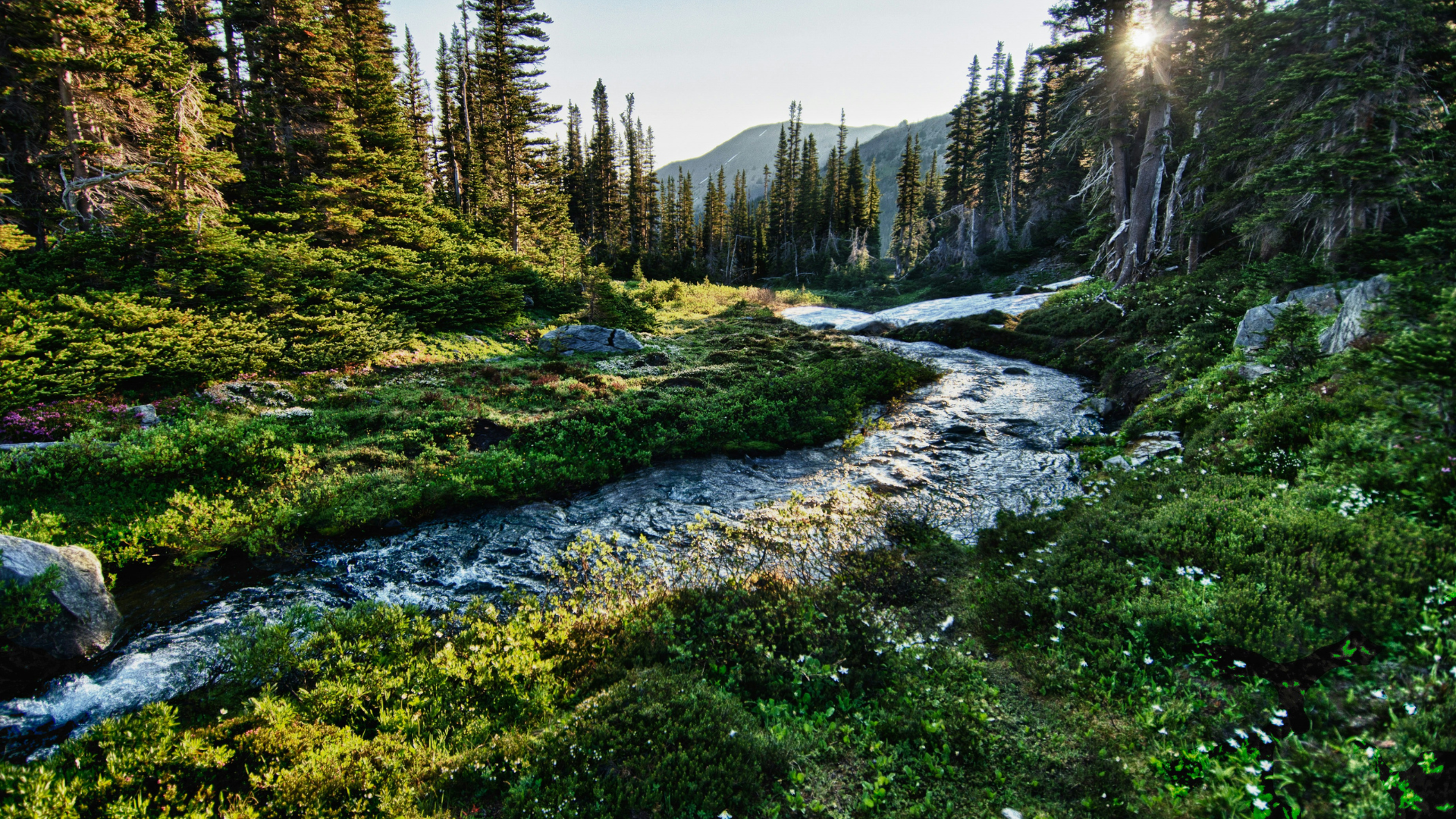
For those seeking deeper wilderness, Seattle serves as the primary basecamp for regional alpine and temperate rainforest ecosystems. Local outfitters, including Wildland Trekking, facilitate day excursions to Camp Muir on Mount Rainier, taking hikers past fragile sub-alpine meadows and active glaciers to the primary mountaineering basecamp.
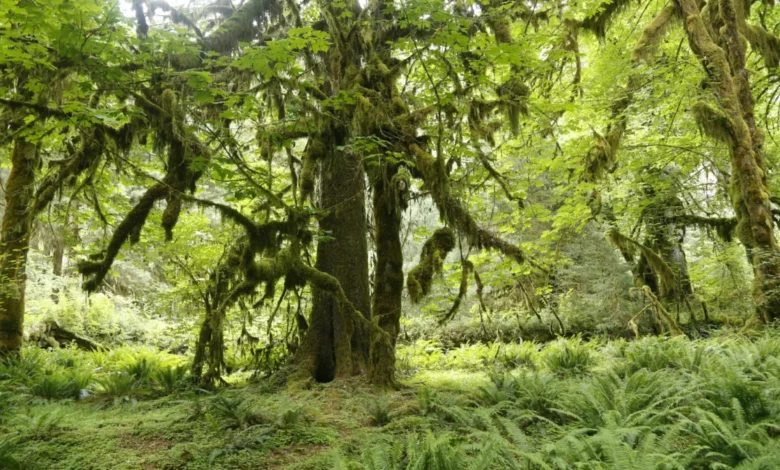
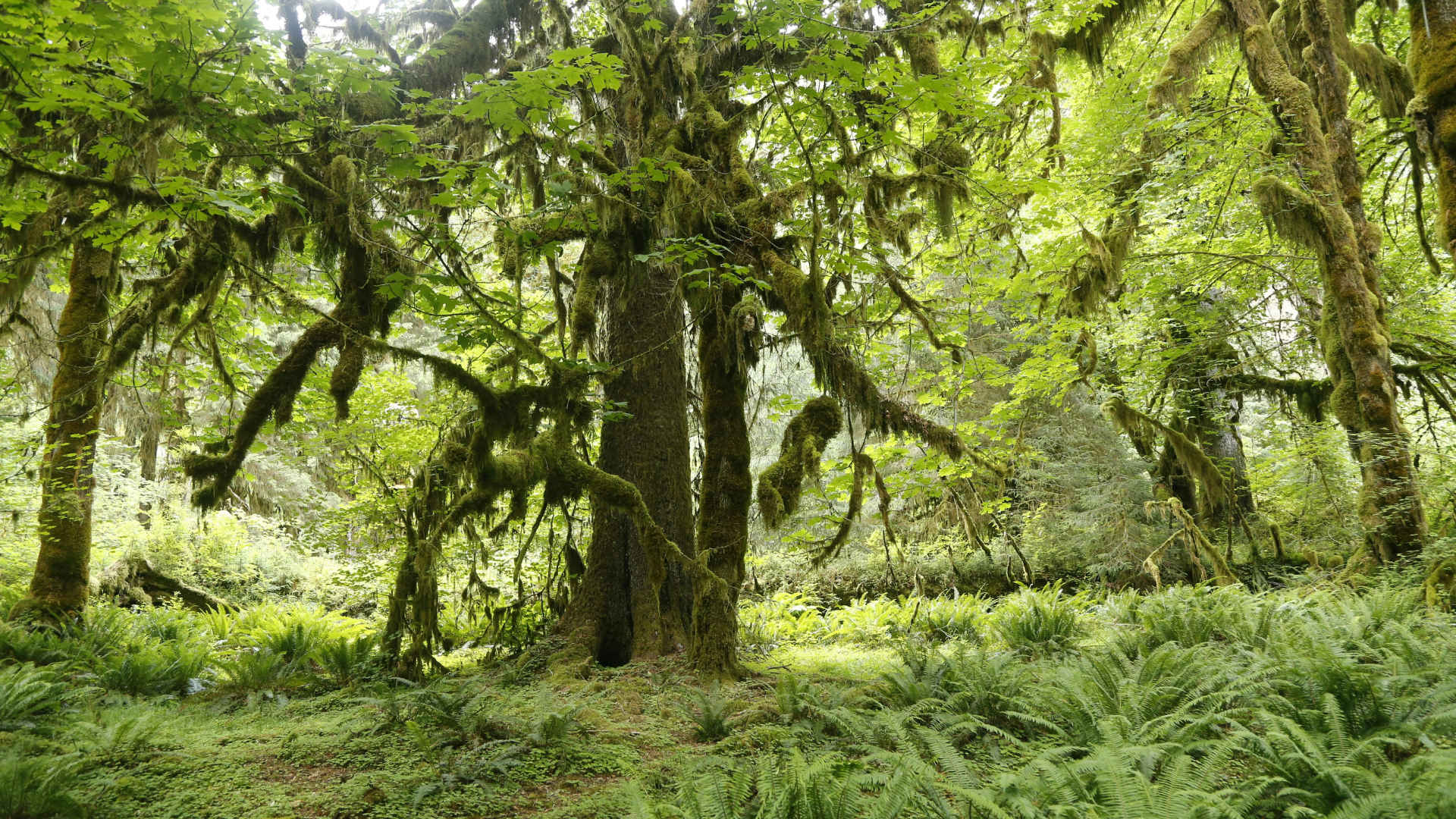
Equally accessible as a day trip is Olympic National Park, located across the Puget Sound on the Olympic Peninsula. Encompassing America’s only temperate rainforest, the park offers an acoustic and visual sanctuary characterized by old-growth Sitka spruce, moss-draped bigleaf maples, and roaming herds of Roosevelt elk. Conservationists emphasize that these acoustic sanctuaries—areas free of human-generated noise pollution—play a critical role in mental restoration and biophilic health.
Literary Culture and Indoor Retreats
Seattle’s engagement with mindfulness and disconnection is not limited to the outdoors. Recognized as a UNESCO City of Literature, the city has fostered unique indoor adaptations for overstimulated urbanites. Hotel Sorrento hosts popular biweekly silent reading parties, where patrons gather in historic fireside rooms to read in communal quietude, accompanied by live piano music. These events, alongside the striking architectural design of Rem Koolhaas’s Seattle Central Library, underscore a cultural commitment to slowing down, intellectual engagement, and low-stimulus environments.
Broader Implications and Sustainable Tourism Future
The integration of urban life with wild ecosystems in Seattle highlights a growing global shift toward regenerative travel and sustainable metropolitan planning. As cities worldwide grapple with the environmental pressures of urbanization and climate change, Seattle’s model—emphasizing low carbon emissions, preserved urban forestry, accessible public transit, and deep cultural respect for local Indigenous heritage—offers a blueprint for harmonious co-existence between human habitation and natural preservation. Through these multifaceted initiatives, the Pacific Northwest continues to challenge the conventional narrative of urban stress, inviting individuals to anchor themselves in the sensory realities of mountain stone, deep forests, and coastal tides.