Elevating Alpine Ambitions: A Comprehensive Training Guide for Conquering the World’s Most Formidable Mountain Climbs

Published July 21, 2026 01:08PM
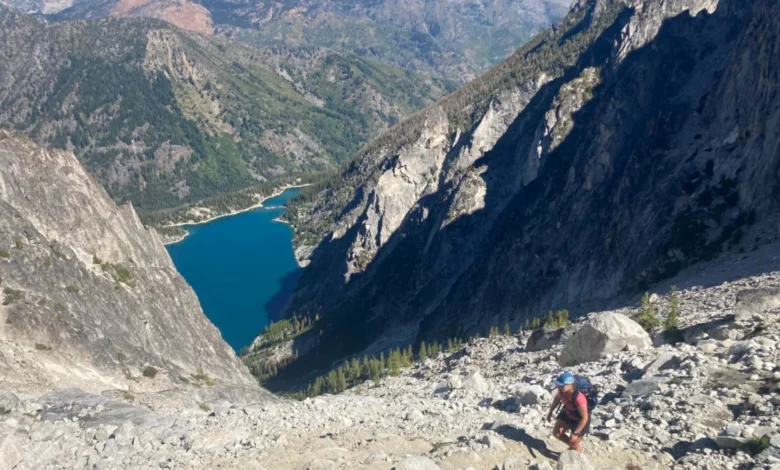
The allure of grand alpine traverses draws countless adventurers to some of the planet’s most breathtaking landscapes, yet the reality of their formidable elevation gains often confronts even seasoned hikers with an unexpected challenge. A recent account highlights this common hurdle: a meticulously planned dream loop through the Italian Dolomites abruptly transformed into a grueling test of endurance, culminating in an early retreat. Faced with an insurmountable 6,000-foot climb as the sun dipped below the horizon, with muscles burning and energy reserves depleted, the decision to abandon the planned itinerary and seek alternative transport underscored a critical lesson in preparation. While there is no inherent shame in adjusting a trip due to unforeseen circumstances or physical limits, the disappointment of missing miles of unparalleled natural beauty purely due to inadequate fitness is a sentiment many aspiring backpackers can relate to. Training for routes with accessible, similar terrain near home is often straightforward, but preparing for truly monumental ascents—the kind found in the rugged Colorado Rockies, the dramatic Italian Dolomites, or the majestic French Alps—demands a specialized approach.
The Global Appeal and Unique Demands of High-Altitude Trekking
The fascination with multi-day treks through iconic mountain ranges has seen a significant surge in recent years. Routes like the Alta Via trails in the Dolomites, the Tour du Mont Blanc, the iconic Colorado Trail, and sections of the Pacific Crest Trail continually attract adventurers seeking both physical challenge and profound connection with nature. According to the Outdoor Industry Association, participation in hiking and backpacking has steadily grown, with millions engaging in these activities annually, indicating a robust and expanding interest in outdoor adventure tourism. However, the sheer scale and sustained steepness of many European alpine routes, in particular, present a unique set of physiological demands that often exceed what many North American hikers are accustomed to.
"It’s especially hard to train in America for stuff like the Alps or the Dolomites because those mountains are so steep," explains Alexa Hasman, a distinguished mountain athlete, personal trainer, and founder of Rise Ultra Coaching. Hasman, whose expertise lies in preparing individuals for extreme endurance challenges, emphasizes that the average gradient and continuous nature of ascents and descents in these ranges differ significantly from many trails found elsewhere. Unlike trails that might feature undulating terrain or shorter, more intermittent climbs, European alpine paths often involve sustained, relentless uphill sections followed by equally demanding descents. This continuous strain requires a specific blend of aerobic endurance, muscular power, and eccentric strength—the ability of muscles to lengthen under tension, crucial for controlling descents and preventing injury.
The Perils of Underpreparedness and the Rise of Specialized Training
Failing to adequately prepare for such rigorous demands carries several implications beyond simply missing out on scenic vistas. Physical unpreparedness can significantly increase the risk of injury, ranging from sprains and strains to more severe conditions like stress fractures or overuse injuries. Moreover, exhaustion can impair judgment, potentially leading to navigation errors or increased susceptibility to environmental hazards, thereby compromising safety. The mental toll of struggling can also detract significantly from the overall enjoyment of the trip, transforming what should be an awe-inspiring adventure into a taxing ordeal. Recognising these challenges, specialized training methodologies have emerged, focusing on simulating the unique stresses of alpine environments. Hasman’s approach, which combines strategic endurance training with targeted hill repeats and dedicated gym time, aims to cultivate the serious muscular power and resilience necessary for success.
A Phased Approach to Conquering Vertical Terrain
Successful preparation for monumental climbs is not merely about accumulating mileage; it’s about a systematic, progressive build-up of specific physical attributes. Hasman advocates for a multi-phase training program that systematically addresses endurance, power, and targeted muscular strength, often spanning several months leading up to a major trip.
Phase 1: Building Foundational Endurance
The initial and arguably most critical order of business is establishing a robust endurance base. This phase is designed to enhance the body’s aerobic capacity, allowing it to sustain effort for extended periods.
The Endurance Climb
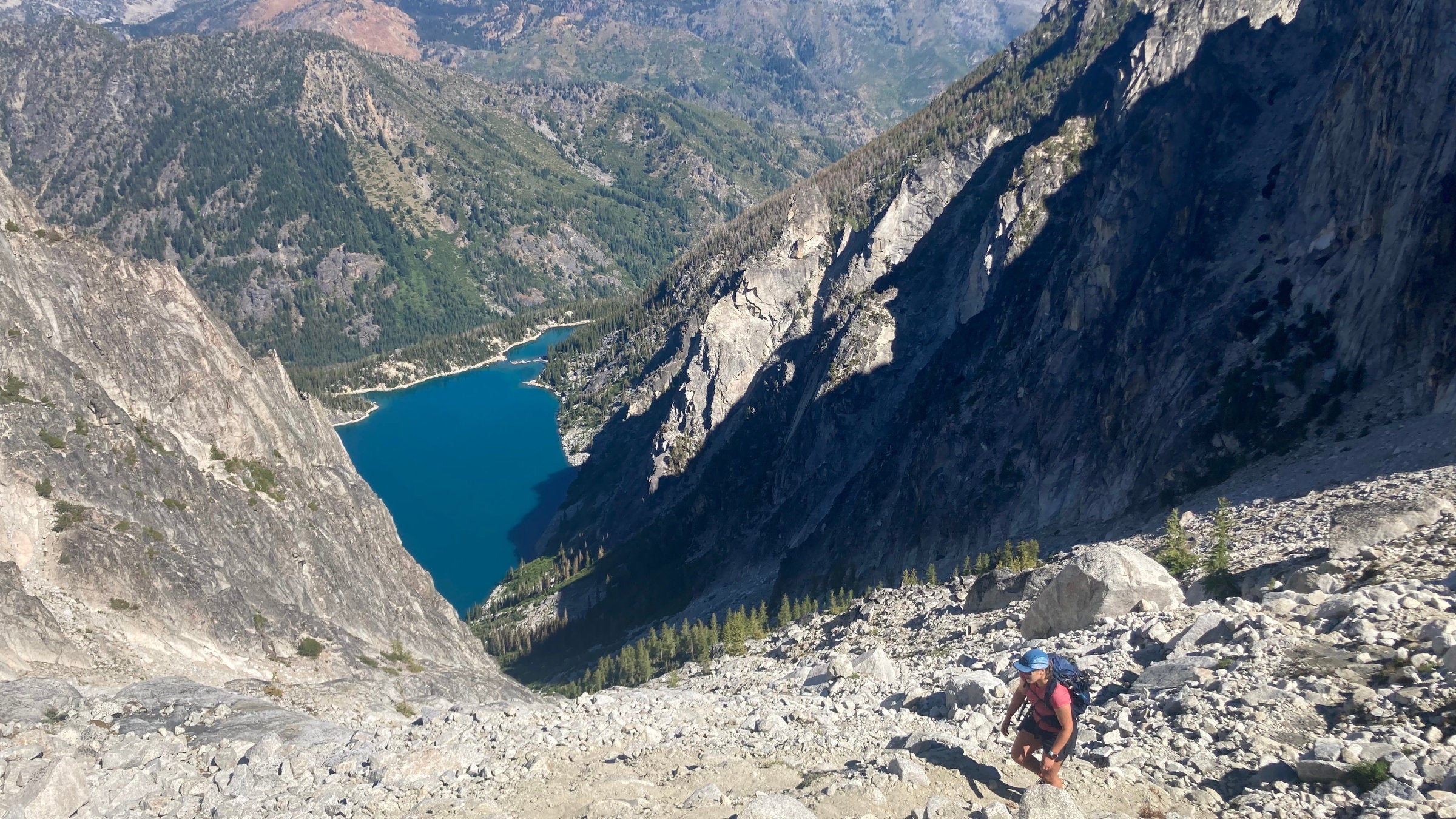
For this foundational workout, Hasman recommends identifying the longest hill available or utilizing a treadmill set to its maximum incline. The goal is to climb at a consistent, sustainable pace for one to two hours. This type of training, often referred to as Zone 2 cardio, improves mitochondrial density and efficiency, allowing the body to utilize fat as fuel more effectively, thereby conserving glycogen stores for higher intensity efforts.
Crucially, this endurance work should incorporate weighted carries. Hasman suggests beginning with a pack loaded to 10 percent of one’s body weight, hiking for 60 minutes. Gradually, an additional 15 minutes can be added to the duration each week. Alternatively, individuals can play with the load, adding approximately 5 pounds per week until they reach 20 percent of their body weight. Hasman issues a vital caution: exceeding 20 percent body weight significantly increases the likelihood of injury, outweighing any diminishing strength gains. Furthermore, it is imperative to avoid increasing both weight and distance in the same week; focus on progressing one variable at a time to allow the body to adapt safely. Throughout these sessions, maintaining a "conversational" pace is key. "If you can say three sentences at a time without gasping for breath, that’s where I want you," Hasman advises, indicating an intensity level that is engaged but sustainable for prolonged periods.
The Double-Dipper: Simulating Cumulative Fatigue
A single long hike, while beneficial, does not fully replicate the successive days of significant vertical gain and loss inherent in multi-day backpacking trips. To prepare the body for this unique challenge, Hasman recommends incorporating two endurance workouts per week on consecutive days. "Cumulative fatigue is really important there," Hasman explains. "It teaches your body to work on tired legs. You might feel stiff, sore, or heavy the next day, but that’s normal. This is just as much about mental training as it is physical." This approach conditions the body to perform under less-than-optimal conditions, mirroring the reality of a multi-day trek where full recovery between days is a luxury.
Phase 2: Developing Power and Resilience
Once a strong endurance base has been established—meaning the ability to reliably hike uphill for 90 to 120 minutes while carrying 15 to 20 percent of one’s body weight—the training shifts towards building speed and explosive power, essential for efficient climbing and dynamic movement on varied terrain.
Uphill Repeats
This workout focuses on improving anaerobic capacity and muscular power. Find a steep hill and ascend it at near-maximal effort for 10 seconds. Following this intense burst, walk slowly down to the base of the hill, allowing for active recovery, and then repeat the ascent. The initial goal is four total repetitions. Over time, the duration of the uphill interval should be progressively increased: first to 30 seconds, then 60 seconds, then two minutes, and eventually three minutes. For those without access to a sufficiently long hill, a treadmill set at its maximum incline provides an excellent alternative for these power-building intervals. This type of high-intensity interval training (HIIT) significantly improves VO2 max and muscular power, directly translating to more efficient and faster ascents on the trail.
Downhill Repeats
"If you’re an uphill athlete, then you’re also by nature a downhill athlete," Hasman asserts, highlighting the often-overlooked importance of downhill training. Anyone who has completed a long descent with a heavy pack understands that downhills can be the true quad-killers, leading to delayed onset muscle soreness (DOMS) and fatigue. To prevent "jellified quads" during a trip, specific downhill training is crucial. One effective method is to reverse the uphill repeat workout: walk slowly up a hill, then charge down it as fast as possible without being reckless. This controlled, rapid descent should be performed for four repetitions. Alternatively, these two workouts can be combined: book it up the hill, then book it down, taking the recovery rest period at the bottom. This dual approach develops both concentric strength (for uphill) and eccentric strength (for downhill), ensuring comprehensive leg conditioning.
Phase 3: Targeted Strength and Injury Prevention
Beyond general endurance and power, specific strength training addresses muscular imbalances and enhances stability, critical for navigating uneven terrain and preventing injuries.
Wall Sits
Often described as the least enjoyable yet most effective workout on the list, wall sits are Hasman’s "secret sauce for downhill." This isometric exercise is remarkably effective because it holds the body in an exaggerated, active downhill-hiking position for an extended period, building immense eccentric strength in the quadriceps and glutes. Hasman typically initiates athletes with one-minute wall sits a couple of times a week. After several weeks, the duration is pushed until failure. Progression then involves adding weight, starting with a 10-pound plate on the lap. The ultimate "boss level" is single-leg wall sits. "Most people can only hold them for a second or two—it’s almost like marching while sitting against a wall," Hasman notes. "If you can hold it for 30 seconds, you’re an absolute beast." This exercise directly translates to enhanced knee stability and reduced muscle fatigue during prolonged descents.
Step-Ups
For building uphill strength, stability, and balance, nothing surpasses single-leg exercises. Hasman strongly recommends incorporating gym sessions at least twice a week during the core training period, with a focus on strengthening the glutes, quadriceps, hamstrings, and core. While numerous relevant exercises exist, step-ups are highlighted as a particular must-do. "Do 15 to 30 reps on one leg, then switch," she recommends, starting with three sets. Each subsequent week, either an additional set or 5 pounds of extra weight should be added to progressively increase the challenge. This exercise mimics the fundamental movement of ascending steep terrain, building functional strength crucial for efficient climbing.
Other Essential Recommendations for Holistic Preparation
A truly comprehensive training program extends beyond isolated exercises to embrace a holistic approach to physical and mental well-being.
- Core Strength and Stability: A strong core is the bedrock of efficient movement and injury prevention. Incorporate exercises like planks, Russian twists, and bird-dog variations to stabilize the spine and improve overall balance, crucial for carrying a heavy pack over uneven terrain.
- Mobility and Flexibility: Dynamic warm-ups before workouts and static stretching post-workout, along with foam rolling, enhance range of motion and aid in muscle recovery. Good mobility prevents stiffness and reduces the risk of muscle strains.
- Nutrition and Hydration: Fueling the body correctly is paramount for endurance. A balanced diet rich in complex carbohydrates, lean proteins, and healthy fats supports energy levels and recovery. Consistent hydration, especially during training and on the trail, is non-negotiable for optimal performance and preventing fatigue.
- Rest and Recovery: Overtraining can be as detrimental as under-training. Incorporate adequate rest days, ensure sufficient sleep, and consider "deload" weeks where training intensity or volume is reduced to allow the body to fully recover and adapt.
- Mental Fortitude: The mountains demand mental toughness as much as physical strength. Practice visualization, develop strategies for managing discomfort, and cultivate a positive mindset. The "double-dipper" workout inherently builds mental resilience by forcing performance on tired legs.
- Gear Familiarization: Train with the actual gear that will be used on the trip, including the backpack, hiking boots, and trekking poles. This ensures that gear fits well, is comfortable, and that the body is accustomed to carrying the specific load and wearing the chosen footwear, preventing unwelcome surprises on the trail.
The Broader Impact: Empowering the Alpine Adventurer
The journey from an unprepared backpacker to one capable of conquering formidable alpine climbs is transformative. Alexa Hasman’s structured methodology, rooted in the physiological demands of extreme mountain environments, provides a clear roadmap for this transformation. The broader implications of such meticulous preparation extend far beyond simply completing a planned itinerary. It significantly enhances safety by reducing the risk of injury and poor decision-making due to fatigue. It maximizes enjoyment, allowing adventurers to fully immerse themselves in the experience rather than being consumed by physical struggle. Ultimately, it fosters a profound sense of accomplishment and self-reliance, empowering individuals to confidently pursue their most ambitious alpine dreams. While the author’s initial experience in the Dolomites served as a stark reminder of the consequences of underpreparation, it also underscores the immense value of a dedicated and informed training regimen, ensuring that future encounters with towering peaks are met not with trepidation, but with the strength and confidence to ascend.
Related posts: