Exploring the Coastal Excellence of the Peloponnese A Definitive Guide to the Best Beaches in and Around Kalamata

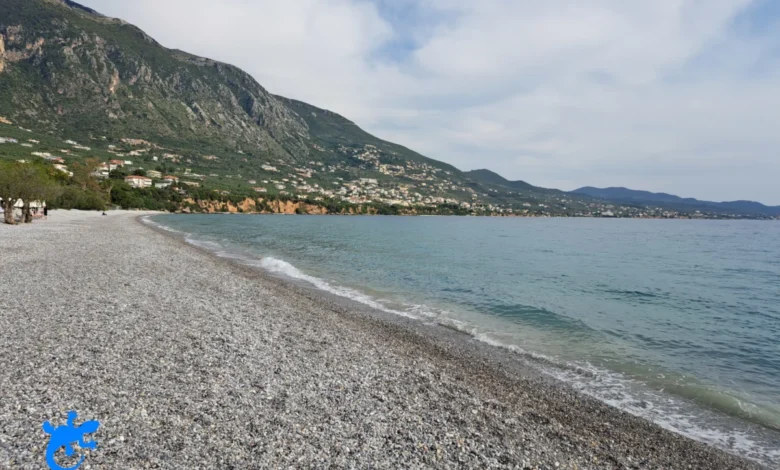
Kalamata, the capital of the Messinia region in the Peloponnese, has long been internationally recognized for its protected designation of origin (PDO) olive oil and its deep-rooted historical significance. However, in recent years, the city and its surrounding coastline have emerged as premier destinations for maritime tourism, rivaling the more traditional Greek island circuits. The Peloponnese Peninsula offers a unique geographical advantage, combining a rugged, mountainous interior dominated by the Taygetus range with a largely untouched coastline featuring some of the most pristine waters in the Mediterranean. As tourism infrastructure continues to modernize in Southern Greece, the spotlight has shifted toward the diverse array of beaches accessible from Kalamata, ranging from high-energy urban shores to secluded ecological preserves.
The Urban Standard: Kalamata Beach and Regional Infrastructure
At the heart of the region’s coastal appeal is Kalamata Beach, a sprawling stretch of yellow-white sand that serves as the city’s primary recreational hub. The beach holds the prestigious Blue Flag certification, an international designation that requires stringent adherence to standards regarding water quality, environmental management, safety, and services. Unlike many urban beaches that suffer from congestion or pollution, Kalamata Beach benefits from its sheer scale and the deep, self-cleansing currents of the Messinian Gulf.
The shoreline is complemented by a gentrified boardwalk that has become a model for Mediterranean urban planning. This esplanade integrates traditional tavernas with modern hospitality ventures, creating a dual economy that serves both local residents and international visitors. The shallow, warm waters make it a strategic choice for family-oriented tourism, a sector that local authorities have actively promoted through the "Mythical Peloponnese" branding initiative.
Ecological Conservation and Ancient Landscapes: Voidokilia and Gialova
Approximately an hour’s drive from Kalamata lies Voidokilia Beach, arguably the most iconic coastal landmark in the Peloponnese. Characterized by its symmetrical "Omega" shape, the beach is more than a scenic destination; it is a critical component of the Gialova Lagoon, a designated nature protection area. This region is integrated into the Natura 2000 network, protected under the EU Habitats and Birds Directives. The lagoon serves as a vital migratory stop for over 270 species of birds, making it a focal point for ecological research and birdwatching tourism.

The historical layers of Voidokilia add a dimension of cultural heritage rarely found in seaside resorts. To the southwest lies Nestor’s Cave, associated with the legendary King of Pylos from Homer’s Iliad and Odyssey. Overlooking the bay is the Old Pylos Castle (Palaiokastro), offering a panoramic view that encompasses the Bay of Navarino—the site of the 1827 naval battle that was instrumental in Greek independence. The intersection of environmental conservation and archaeological significance positions Voidokilia as a site of "slow tourism," where visitors are encouraged to engage with the landscape’s history rather than just its leisure offerings.
The Mani Peninsula: Rugged Beauty and Literary Heritage
Moving south and east from Kalamata, the landscape transitions into the Mani Peninsula, a region known for its austere stone towers and dramatic cliffs. Here, the beaches take on a different character.
Foneous Beach: The Hidden Geological Gem
Located near Kardamili, Foneous Beach is often cited by travel analysts as a "hidden gem" due to its relative obscurity among mass-market tourists. This small, pebbled cove is defined by a massive rock formation protruding from the center of the bay, which serves as a natural diving platform. The surrounding sea caves and cliffs offer opportunities for snorkeling and hiking, catering to the "adventure tourism" demographic.
Kalogria Beach and the Zorba Connection
Kalogria Beach offers a blend of natural beauty and literary significance. The beach is famous as the location where the Greek author Nikos Kazantzakis lived and worked. It was here that he met George Zorbas, the inspiration for his world-renowned novel, Zorba the Greek. The beach itself features turquoise waters that have led many to compare it to tropical locales, though the backdrop of the Taygetus mountains remains quintessentially Peloponnesian.
Biodiversity and the Impact of Ecotourism: Mavrovouni Beach
On the eastern coast of the Mani Peninsula, Mavrovouni Beach represents one of the longest stretches of coastline in the region, spanning approximately six kilometers. While its size allows for extensive tourism infrastructure, including resorts and windsurfing schools, its primary global importance is biological.
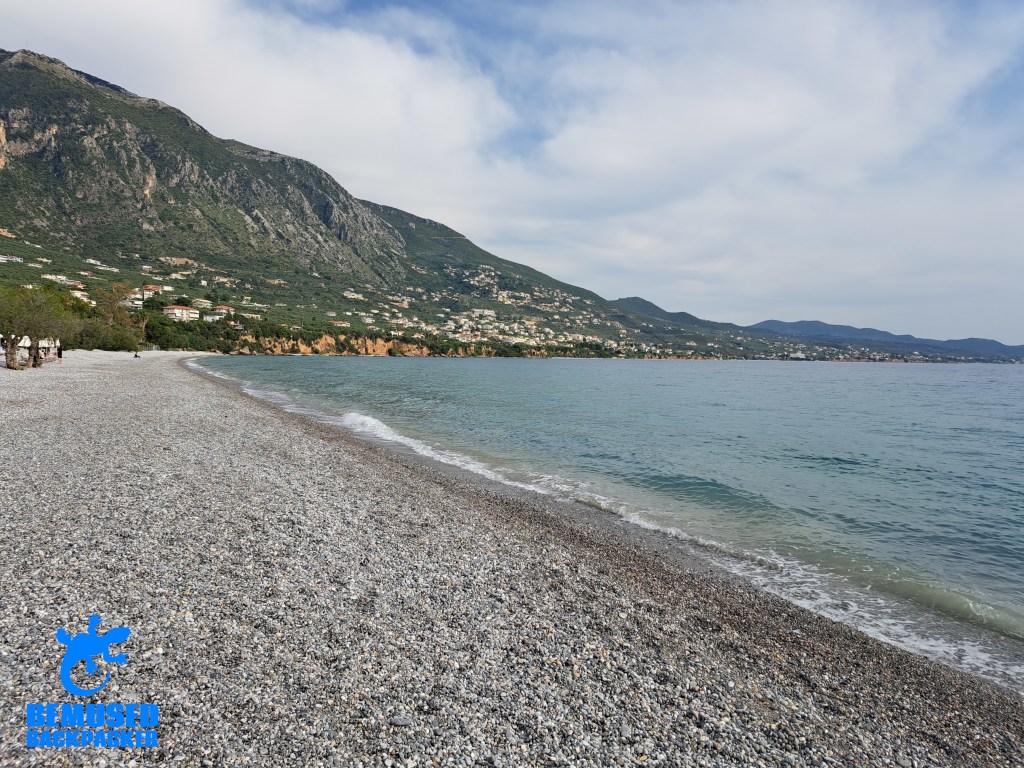
Mavrovouni is a major nesting ground for the Caretta caretta (Loggerhead) sea turtle, an endangered species. Every year, the Sea Turtle Protection Society of Greece (Archelon) monitors the beach to protect nesting sites. The coexistence of high-volume tourism—driven by the beach’s excellent windsurfing conditions—and sensitive ecological nesting sites has necessitated a sophisticated management plan. Local businesses are often required to dim lights and remove beachfront furniture at night during hatching seasons to ensure the survival of the species. This model of "sustainable coexistence" is increasingly becoming a requirement for Greek coastal developments.
Regional Variations: From Party Hubs to Fishing Villages
The diversity of the Messinian coastline is further evidenced by Santova, Mikri Mantinia, and Kitries, each serving a distinct market segment.
- Santova Beach: Located just a few kilometers from Kalamata, Santova is the region’s premier destination for the younger demographic. It is characterized by a high density of beach bars and a schedule of organized events, contributing significantly to the local "nightlife economy."
- Mikri Mantinia: This village serves as a secondary urban beach hub. With its own water park and a high concentration of sunbeds and shops, it targets the domestic family market, providing an alternative to the main city beach.
- Kitries Beach: In contrast to the expansive sands of Mavrovouni or Kalamata, Kitries is a small, pebbly inlet. Its value proposition is not based on size but on gastronomy. As a working fishing village, the local tavernas have built a reputation for serving "dock-to-table" seafood. This culinary tourism is a vital part of the regional economy, preserving traditional fishing practices while catering to modern tourists seeking authentic experiences.
Chronology of Development and Economic Context
The rise of Kalamata as a beach destination is a relatively recent phenomenon in the context of Greek tourism history. For much of the 20th century, the Peloponnese was considered a secondary destination compared to the Cyclades or Crete.
- 1986: A devastating earthquake struck Kalamata, necessitating a total overhaul of the city’s infrastructure. The subsequent reconstruction focused on creating a modern, accessible waterfront.
- 2010s: The opening of the A7 motorway significantly reduced travel time from Athens to Kalamata (now approximately 2.5 hours), making the region accessible for weekend tourism from the capital.
- 2012–Present: The expansion of Kalamata International Airport (KLX), named after Captain Vassilis Constantakopoulos, saw a surge in direct flights from major European hubs like London, Munich, and Amsterdam. This infrastructure was largely driven by the development of Costa Navarino, a luxury resort complex that redefined Messinia as a high-end destination.
Broader Implications and Future Outlook
The strategic development of the Peloponnesian coastline reflects a broader shift in Greek national tourism policy. There is a concerted effort to move away from "sun and sea" mass tourism toward a more diversified "holistic experience" that includes history, gastronomy, and ecology.
The beaches around Kalamata are central to this strategy. By maintaining Blue Flag status and protecting ecological sites like the Gialova Lagoon and Mavrovouni, the region is positioning itself as a sustainable alternative to the overcrowded islands. However, this growth brings challenges. The influx of tourists requires careful management of water resources and waste, especially in the arid Mani Peninsula.

Furthermore, the rise of "Instagram tourism," particularly at sites like Voidokilia, has led to increased foot traffic in sensitive archaeological and ecological zones. Future policy is expected to focus on "carrying capacity" studies to ensure that the natural beauty that attracts visitors is not degraded by the volume of arrivals.
In conclusion, the beaches in and around Kalamata represent some of the most diverse coastal environments in Greece. From the literary history of Kalogria to the biological importance of Mavrovouni and the ancient myths of Voidokilia, the region offers a multifaceted tourism product. As the Peloponnese continues to grow in international stature, the preservation of these coastal assets will remain a priority for local stakeholders, ensuring that the "Mythical Peloponnese" remains both a viable economic engine and a pristine natural sanctuary.