Rare Arctic Predation Dynamics and the Ecological Significance of Coningham Bay in the Northwest Passage

Located deep within the Kitikmeot Region of Nunavut, Canada, Coningham Bay has emerged as a focal point for researchers and wildlife observers studying the complex predatory relationship between polar bears (Ursus maritimus) and beluga whales (Delphinapterus leucas). Situated at approximately 70° North along the Northwest Passage, this remote geographical feature provides a unique ecological "trap" that facilitates a rare hunting behavior seldom witnessed in other parts of the Arctic. While polar bears are traditionally classified as marine mammals that rely on sea ice to hunt ringed and bearded seals, the specific topographic and tidal conditions of Coningham Bay have created a seasonal hunting ground where these apex predators target large cetaceans.
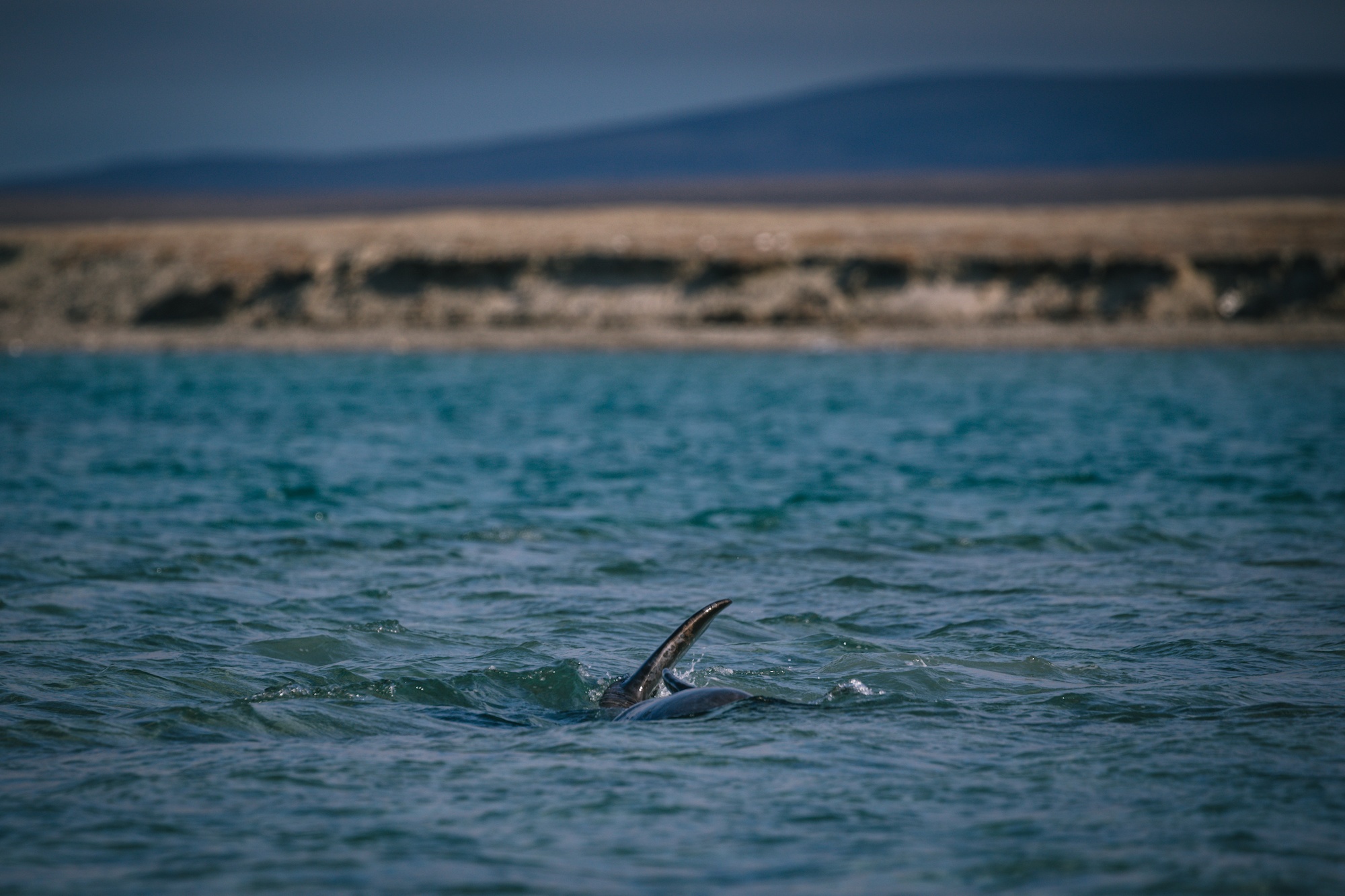
The phenomenon at Coningham Bay is driven by the bay’s distinct bathymetry. The area is characterized by a narrow, shallow entrance and an interior basin that remains significantly shallow even at high tide. During the late summer and early autumn months, large pods of beluga whales migrate into the bay. Biological studies suggest that belugas frequent these shallow, gravel-bottomed waters to engage in molting, a process where they rub their bodies against the seabed to shed old skin. However, the receding tide often leaves the whales vulnerable; as the water level drops, the belugas become physically restricted within the shallows, unable to navigate back through the narrow egress to the deeper waters of the Prince of Wales Strait.
The Mechanics of the Coningham Bay Trap
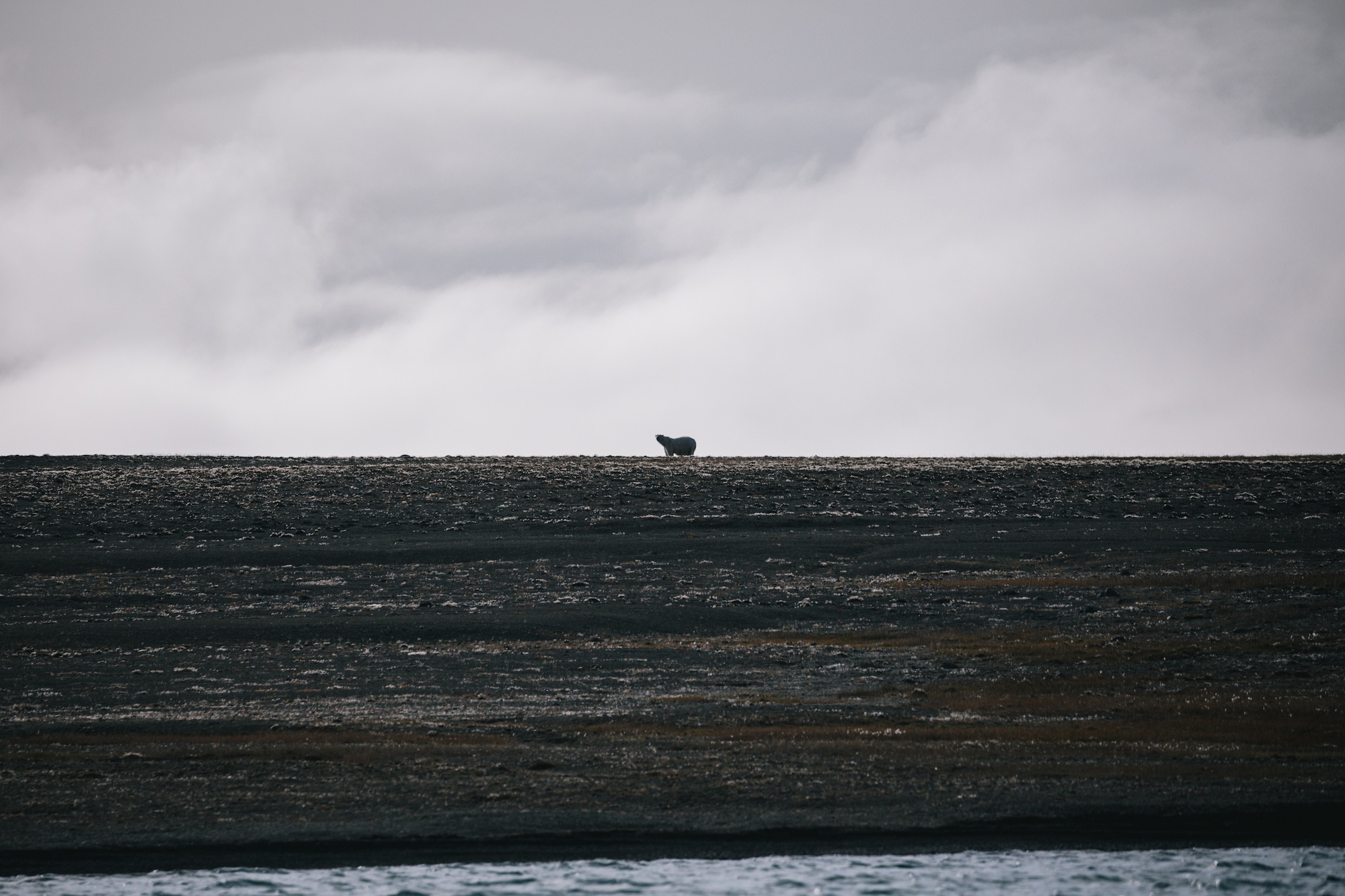
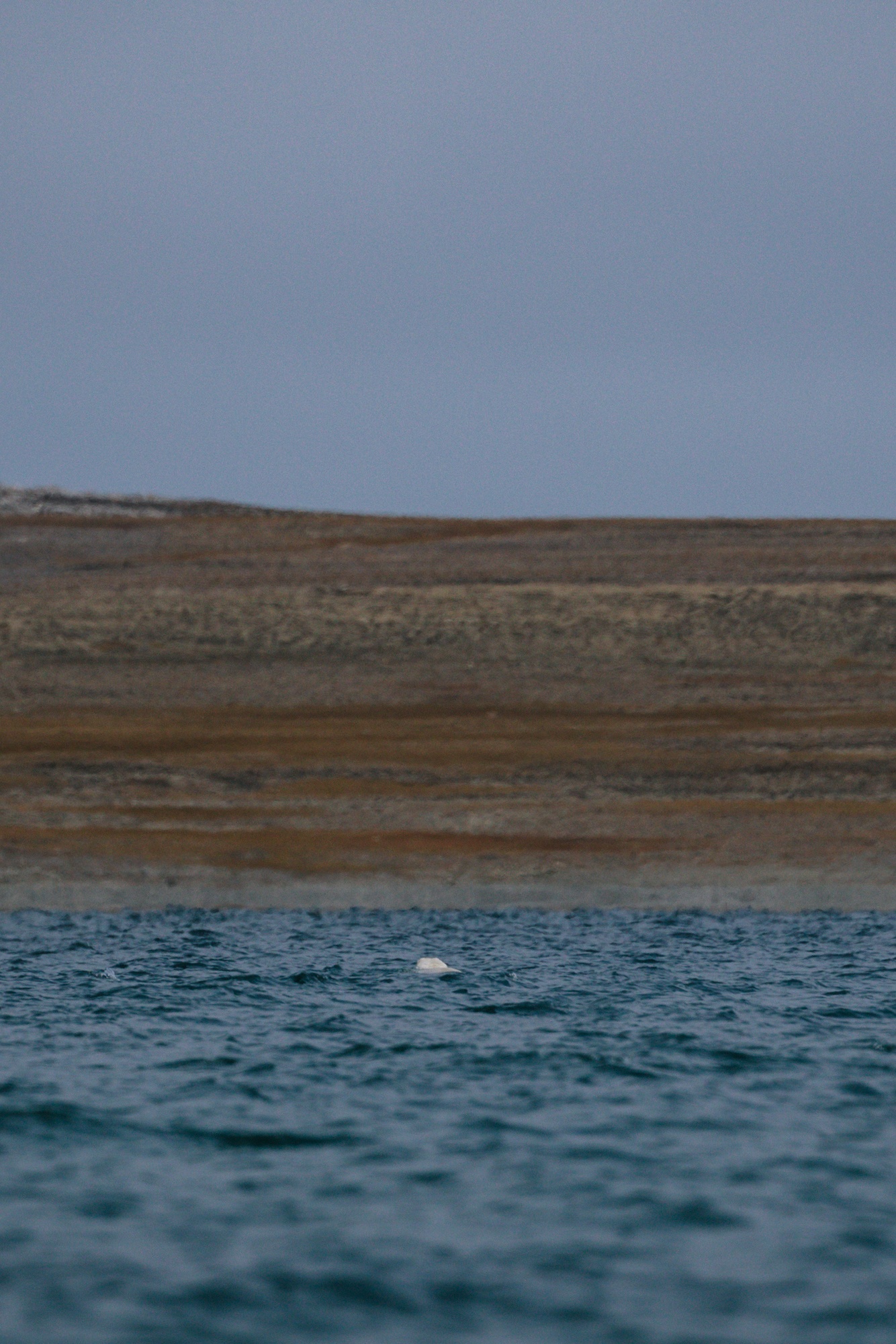
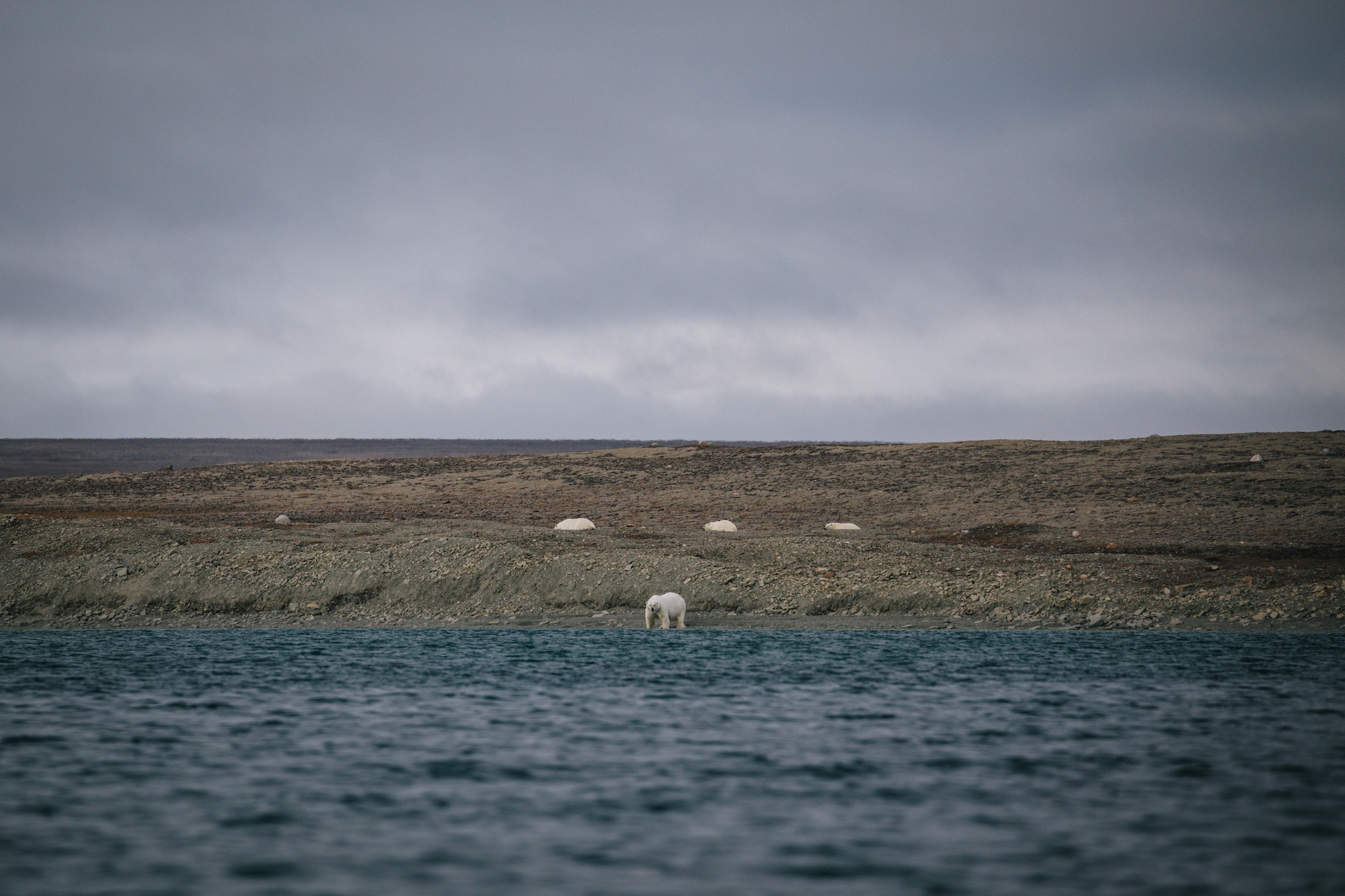
The predatory cycle at Coningham Bay is a direct result of the interplay between lunar cycles and Arctic geography. As the tide ebbs, the water depth in the bay can decrease to a point where the dorsal surfaces of the belugas are exposed. It is during these windows of vulnerability that polar bears, which have moved off the melting summer ice and onto the coastal tundra, congregate along the shoreline. Unlike the solitary hunting patterns typical of polar bears on the pack ice, the abundance of prey at Coningham Bay often leads to a high density of bears in a localized area.
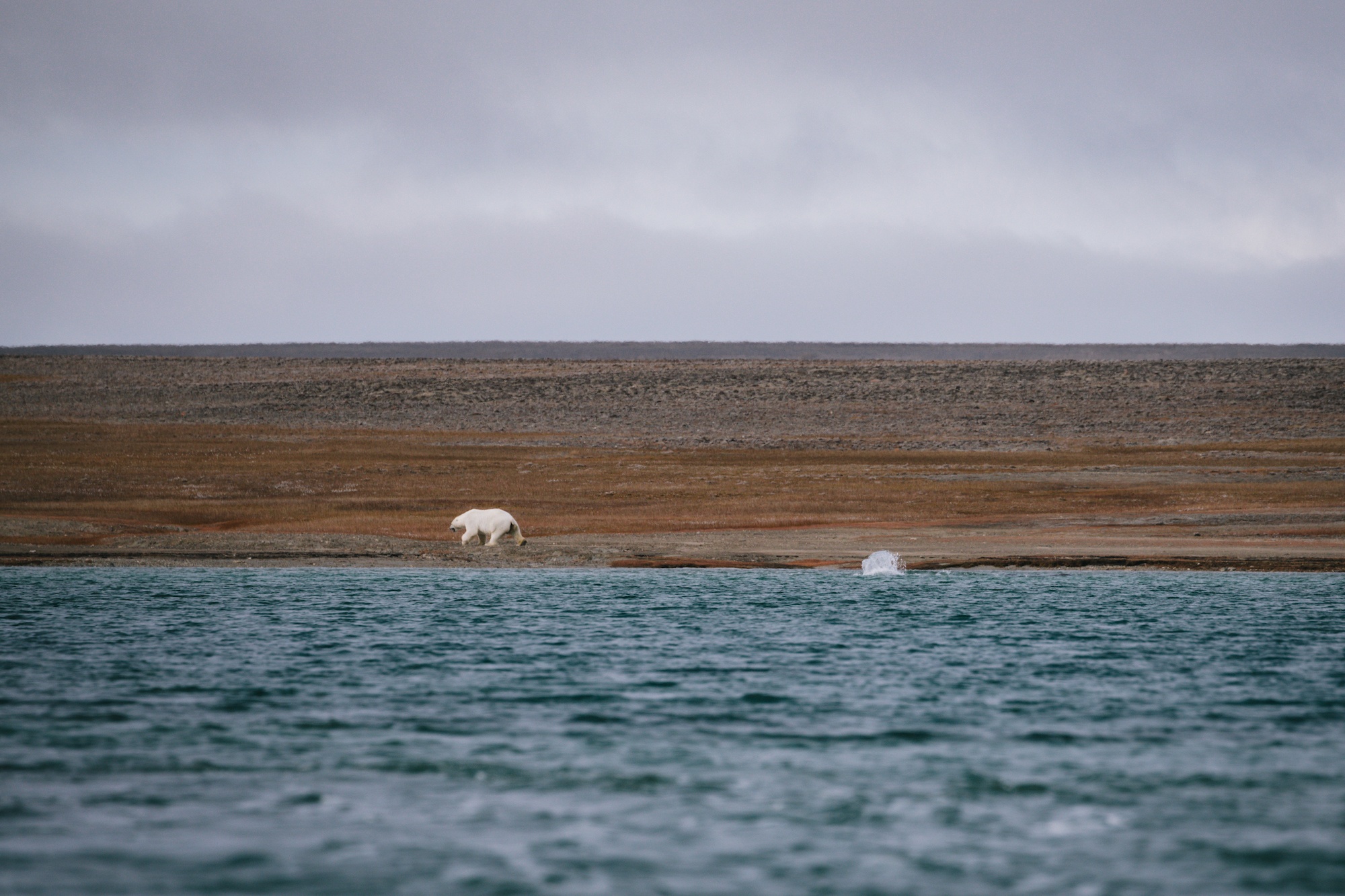
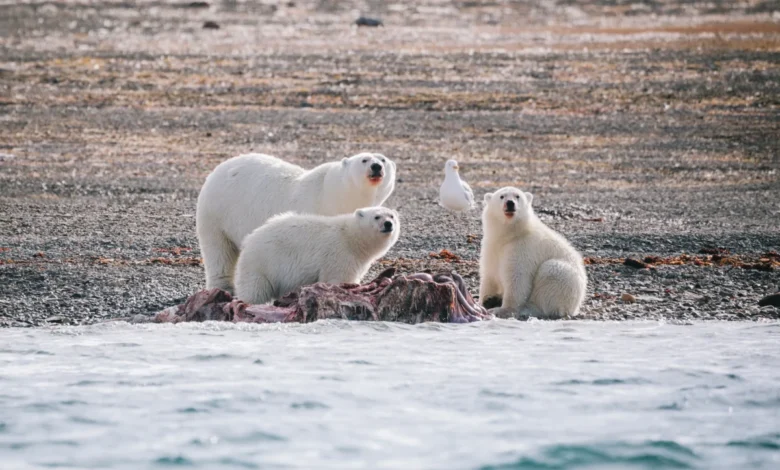
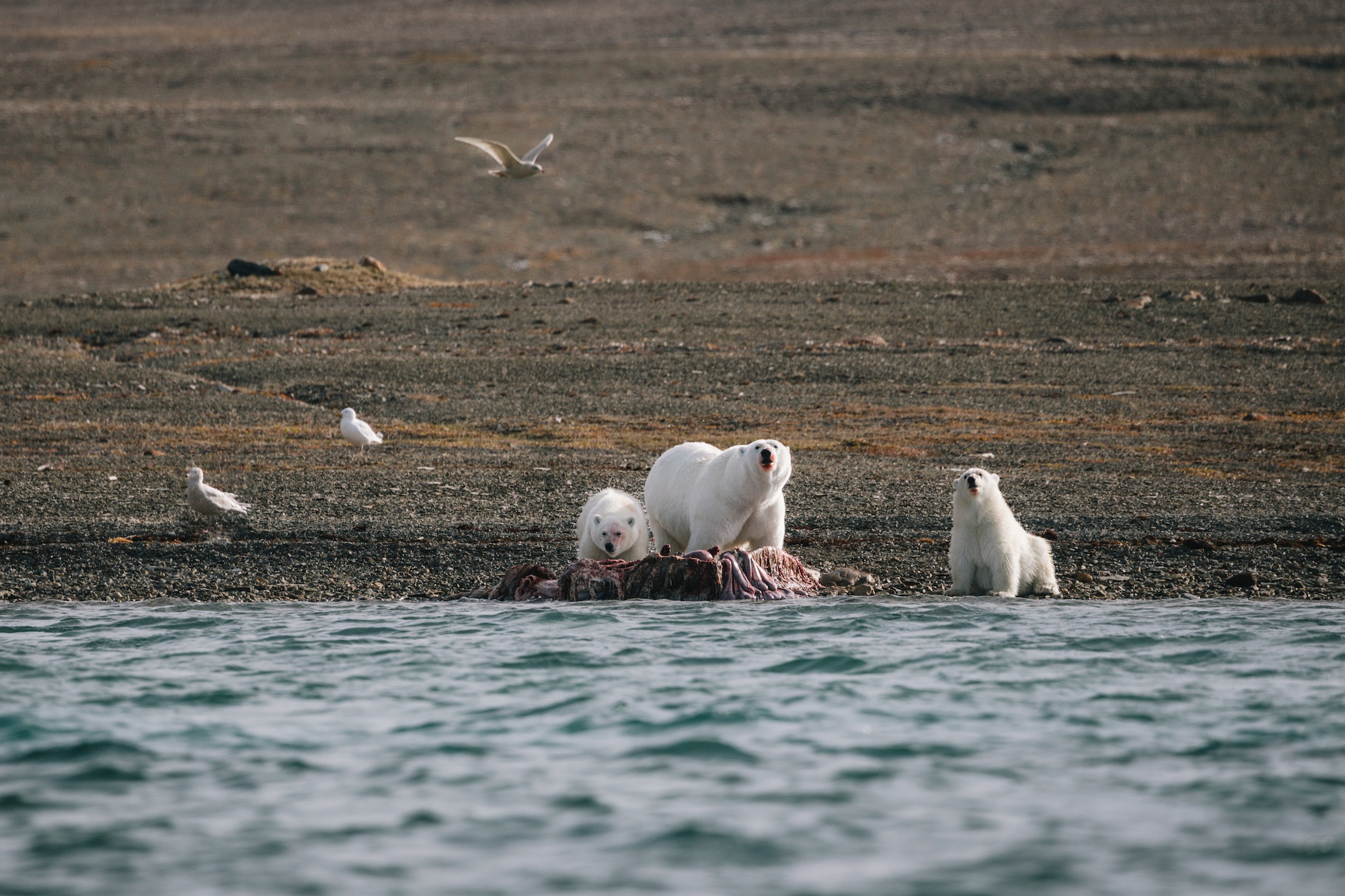
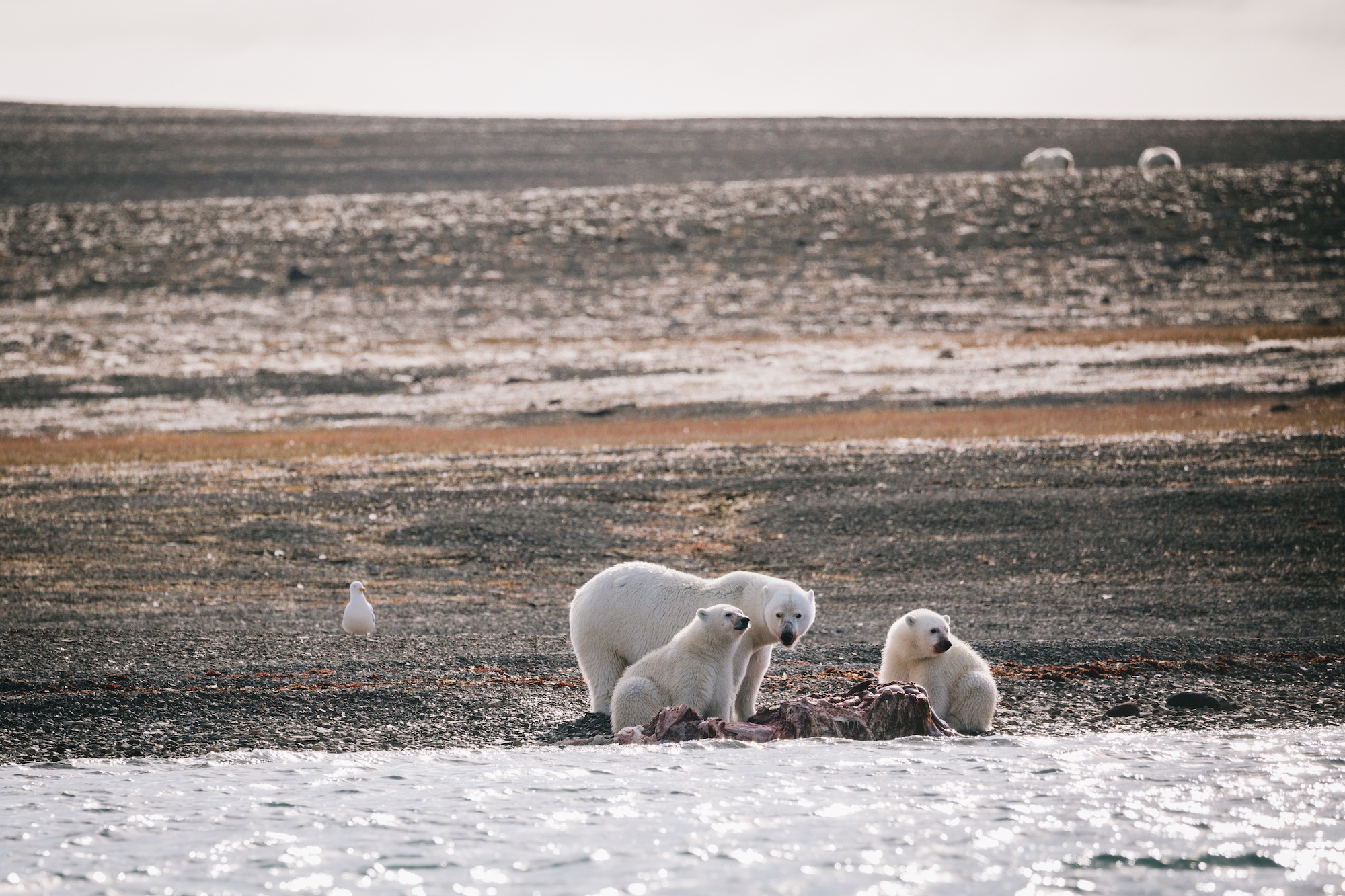
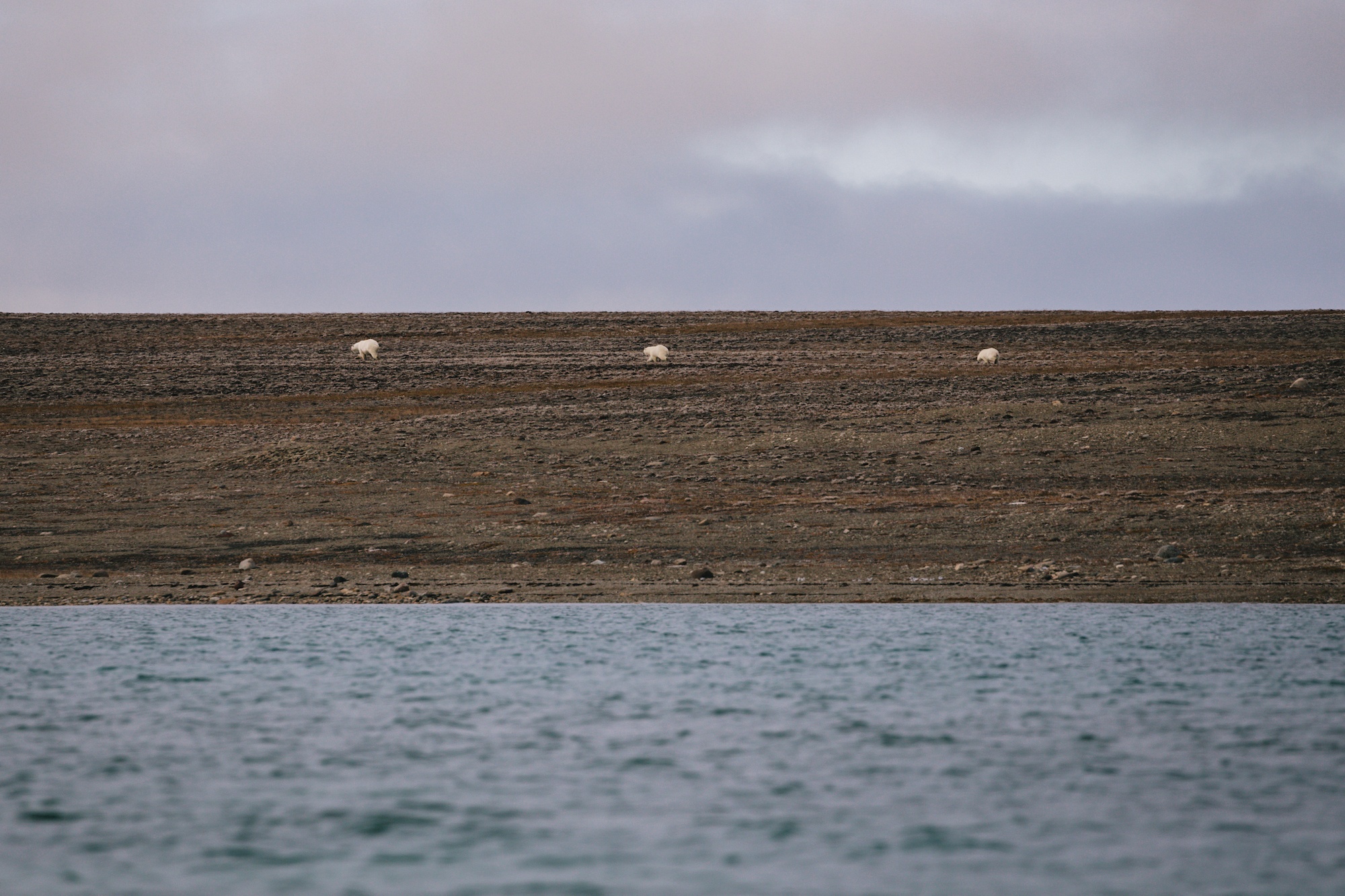
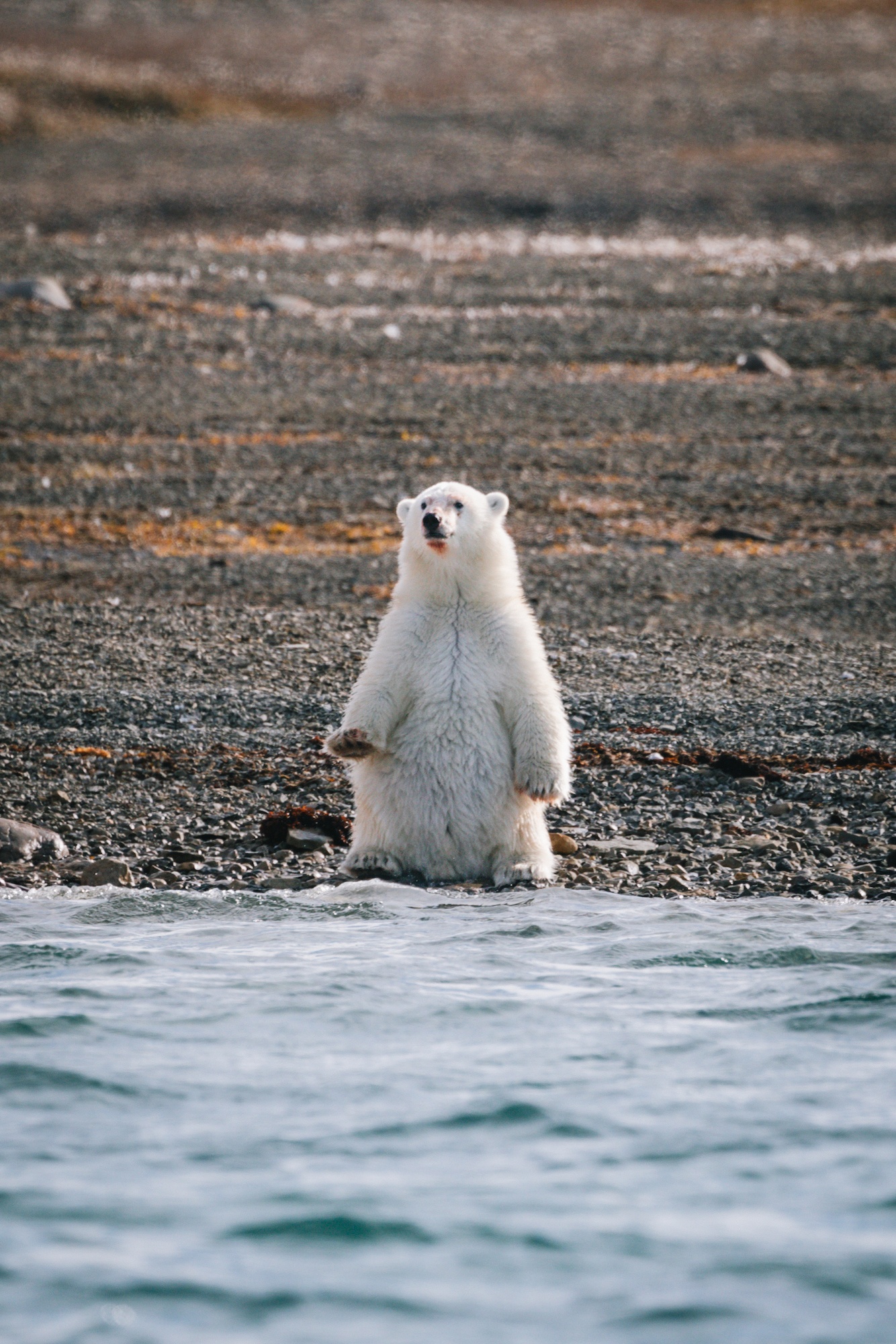
Observers and expedition teams from Adventure Canada, a leading operator in Arctic maritime travel, have documented as many as twenty to thirty polar bears within the immediate vicinity of the bay during the peak of the beluga molting season. This gathering includes large solitary males, sub-adults, and female bears with cubs. The presence of multiple bears feeding in proximity suggests a temporary suspension of territorial aggression, facilitated by a surplus of high-caloric food. For a polar bear, a single beluga whale represents a massive energy reserve, providing significantly more blubber and protein than a standard seal kill.
Chronology of the Seasonal Predation Event
The window for observing these interactions is brief and dictated by the harsh transition of Arctic seasons. The timeline typically follows a specific progression:
- Late July to August: As the sea ice in the Northwest Passage breaks up, polar bears are forced ashore. Simultaneously, beluga populations move into the estuaries and shallow bays of the Canadian Arctic Archipelago to utilize the warmer, fresher water for skin regeneration.
- Early September: This marks the peak of the activity in Coningham Bay. The whales are at their highest concentration within the bay’s interior. It is during this month that expedition vessels, such as the Ocean Endeavour, navigate the Northwest Passage, often stopping at Coningham Bay if ice and weather conditions permit.
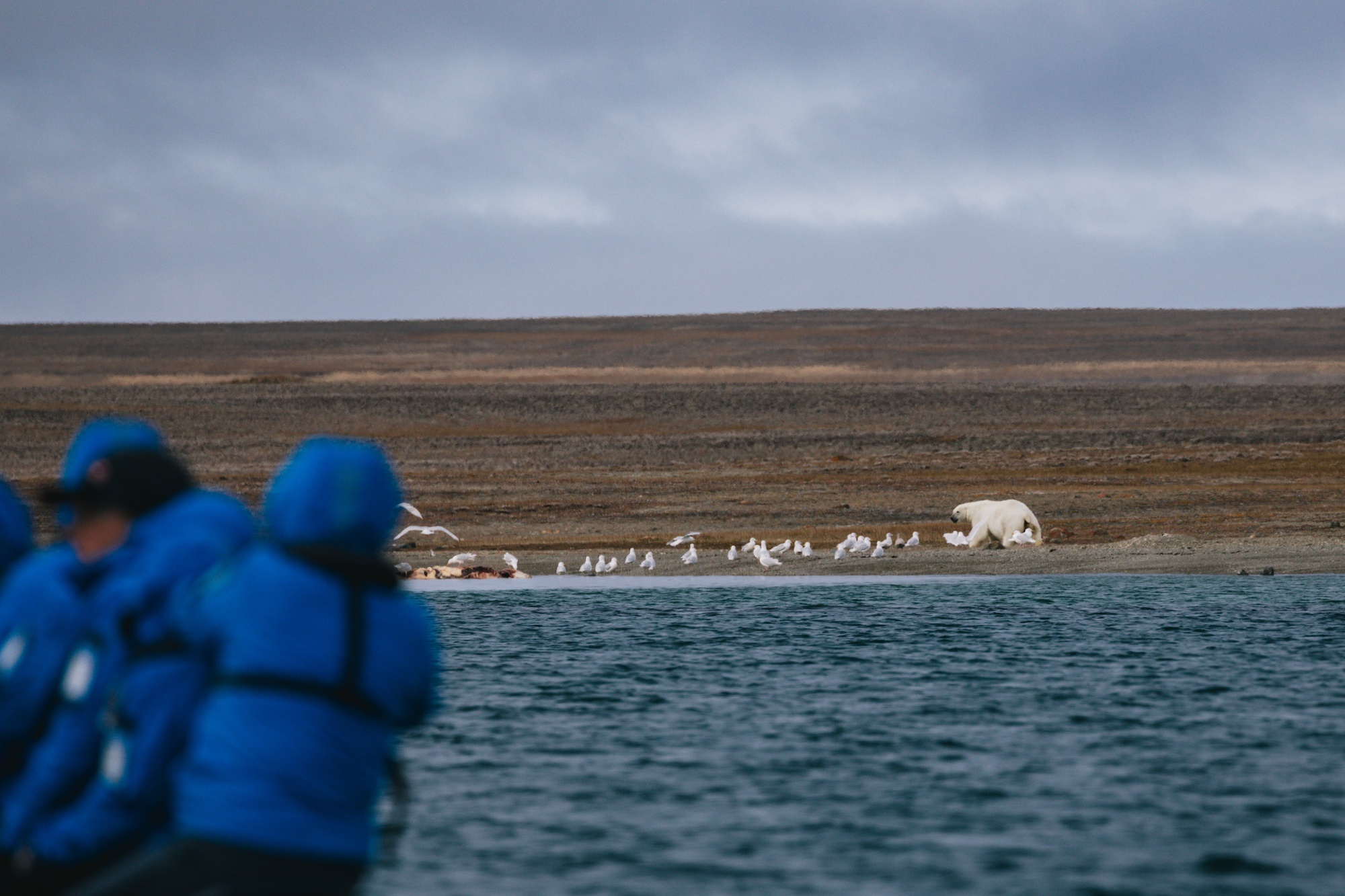
- Mid-September: Autumnal cooling begins. Snowfall starts to accumulate on the tundra, and the first "pancake ice" begins to form on the water’s surface. The bears are observed feasting on whale carcasses, often with multiple family units sharing the remains of a single kill.
- Late September to October: As the "freeze-up" begins, the belugas must migrate out of the region to avoid being trapped by solid ice. The polar bears begin to move back onto the forming sea ice to resume their winter seal-hunting season.
Scientific Context and Wildlife Observations
The hunting of whales by polar bears is a behavior that was once considered an extreme rarity or a sign of desperation. However, recent ecological data suggests that certain subpopulations of bears have developed specialized techniques for this type of predation. In Coningham Bay, bears have been observed leaping from the shore or from shallow rocks onto the backs of trapped whales, using their massive weight and powerful forelimbs to inflict fatal wounds or to drown the cetacean by preventing it from surfacing to breathe.
Supporting data from the Government of Nunavut’s Department of Environment indicates that the M’Clintock Channel polar bear subpopulation, which frequents this region, has shown resilience despite the challenges of changing ice patterns. The ability to supplement their diet with beluga whales during the ice-free summer months may be a critical factor in the nutritional health of these bears, particularly for nursing mothers.
During recent expeditions, observers have also noted the presence of other rare species in the area, including narwhals (Monodon monoceros). The presence of narwhals in the shallow reaches of Coningham Bay is less common than that of belugas, but it underscores the bay’s importance as a biodiversity hotspot. The clear, cold waters allow for high visibility, providing researchers with opportunities to document interspecies interactions that are usually hidden beneath the ice or in the deep ocean.
Regulatory Oversight and Safety Protocols
Due to the sensitivity of the environment and the potential for human-wildlife conflict, all visits to Coningham Bay are strictly regulated. The Association of Arctic Expedition Cruise Operators (AECO) provides comprehensive guidelines that vessels must follow. These protocols include maintaining a mandatory distance from both the bears and the whales to ensure that natural behaviors are not disrupted.
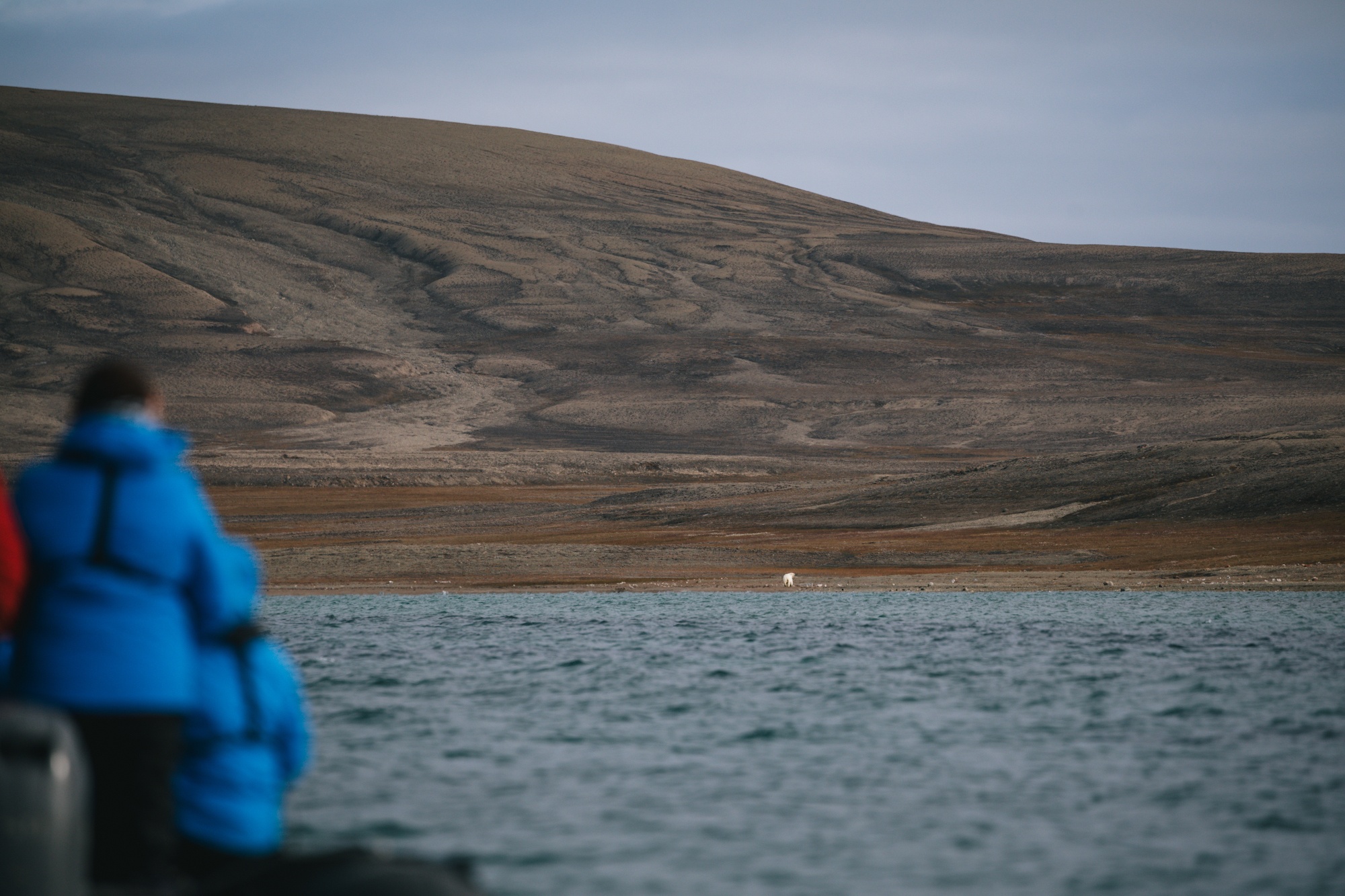
Furthermore, expeditions in Nunavut are required to involve local Inuit communities. Adventure Canada and similar organizations employ Inuit expedition leaders and polar bear guards. These individuals possess Traditional Ecological Knowledge (TEK), which is vital for navigating the terrain and understanding the nuances of bear behavior. The guards are equipped with deterrents, such as flare guns and noisemakers, to ensure that if a bear approaches a landing party, it can be discouraged without the use of lethal force. The integration of local expertise not only ensures safety but also provides a cultural framework for understanding the Arctic ecosystem.
Broader Ecological Implications and Analysis
The predatory dynamics at Coningham Bay serve as a microcosm for the broader changes occurring across the Arctic. As global temperatures rise and the duration of the sea ice season decreases, polar bears are spending more time on land. This shift is forcing the species to adapt to terrestrial-based food sources. While some bears have turned to raiding bird colonies for eggs or scavenging near human settlements, the "whale trap" at Coningham Bay represents a more natural, albeit localized, adaptation.
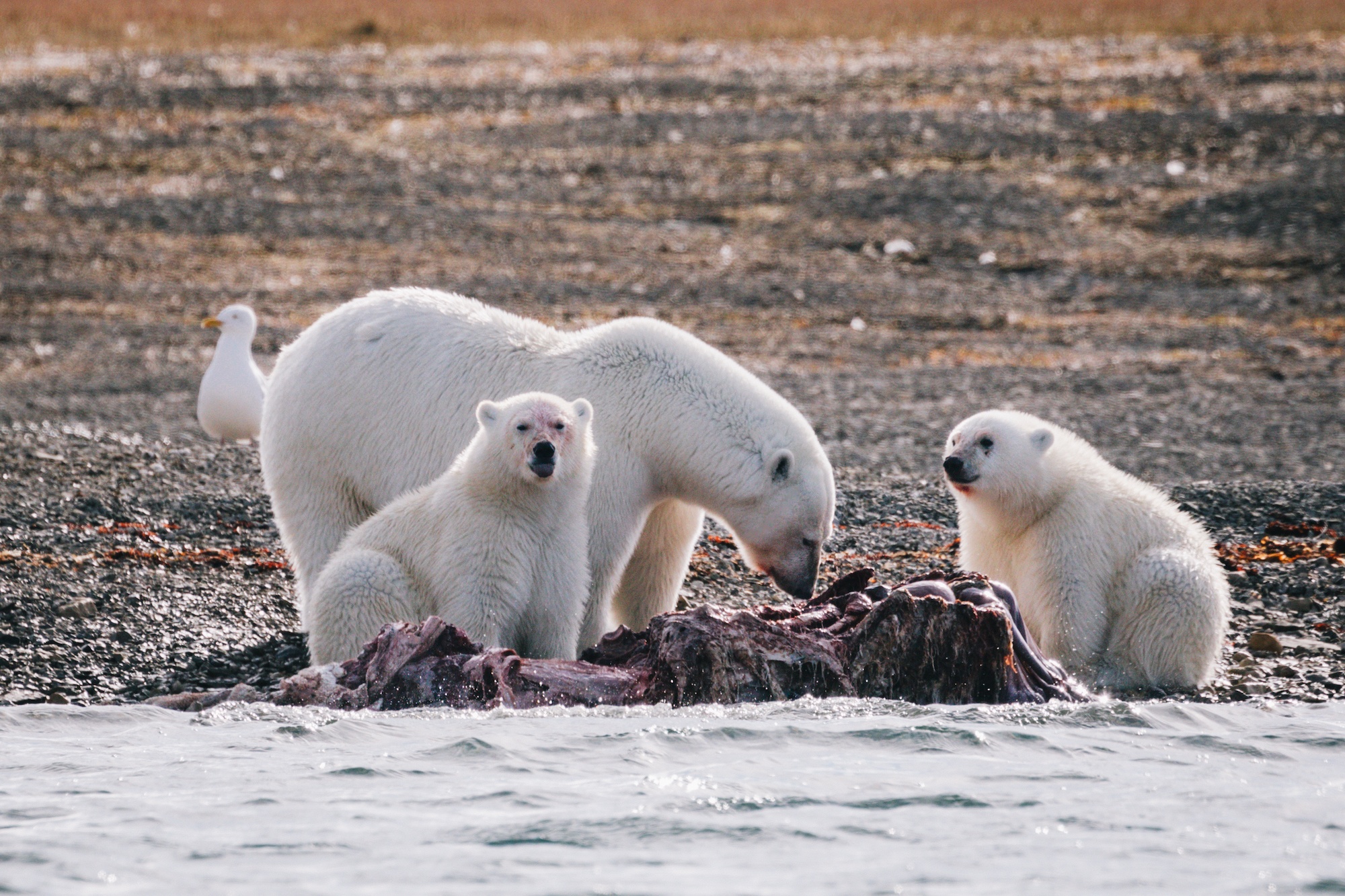
From a conservation standpoint, the site is of immense value. It allows scientists to study the caloric intake of bears in a "feast" scenario versus the "famine" often associated with the summer months. However, there are concerns regarding the long-term stability of this interaction. If the timing of the beluga migration or the tidal patterns were to shift due to rising sea levels or changing currents, the reliability of this food source could diminish.
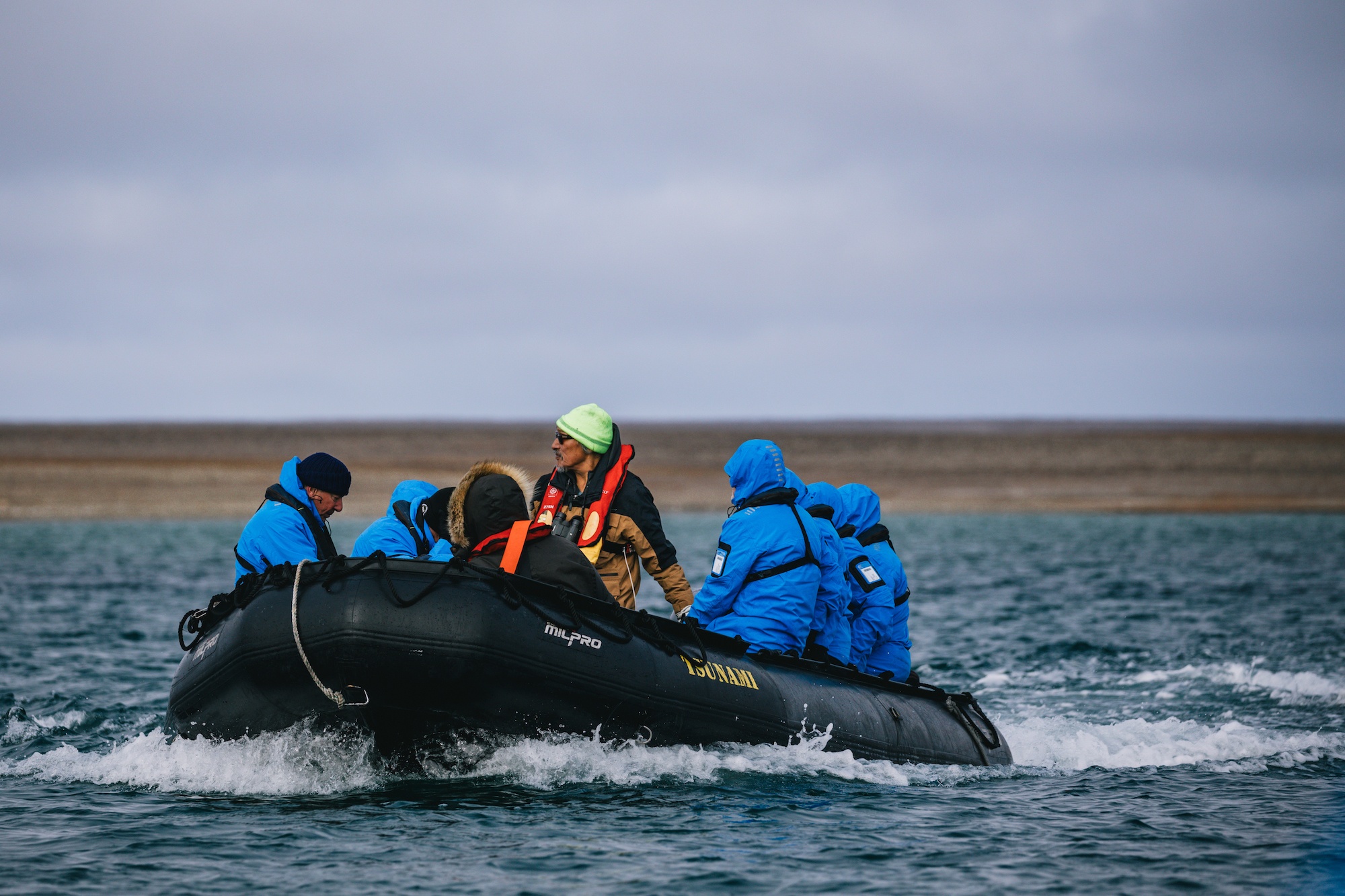
Furthermore, the increased visibility of such events through expedition tourism brings both awareness and pressure. While responsible tourism provides funding for conservation and economic opportunities for Inuit communities, it also necessitates rigorous environmental monitoring to prevent habitat degradation.
Conclusion
Coningham Bay remains one of the most remarkable natural theaters in the high Arctic. Its combination of specific geography, tidal mechanics, and seasonal wildlife migrations creates a spectacle of survival that is both brutal and essential to the local ecosystem. The sight of polar bears—predators of the ice—transforming into predators of the shallows highlights the incredible plasticity of the species. As the Northwest Passage continues to open and human interest in the region grows, the preservation and study of unique sites like Coningham Bay will be paramount in understanding the future of Arctic biodiversity in a rapidly changing world. The data gathered from these remote encounters provides a vital link in the chain of knowledge required to manage and protect the fragile equilibrium of the North.