Prague Travel Guide: What to See, Do & Know Before You Go
Prague, the historical and political capital of the Czech Republic, continues to assert its position as one of Europe’s most resilient and visually captivating urban centers. Situated along the winding Vltava River in Central Europe, the city spans a rich tapestry of architectural epochs, ranging from medieval Romanesque and Gothic structures to ornate Baroque palaces and striking Art Nouveau facades. While global tourism trends fluctuate across the continent, Prague maintains its enduring appeal, welcoming millions of international visitors annually who seek to navigate its labyrinthine cobblestone streets, centuries-old fortifications, and deeply embedded cultural institutions.
Architectural Chronology and Historical Context
The historical significance of Prague is rooted in its evolution as a vital crossroad of European trade, politics, and culture. Founded in the late 9th century, the city expanded rapidly under the rule of the Přemyslid dynasty and later reached its medieval golden age during the 14th century under Charles IV, Holy Roman Emperor and King of Bohemia. It was during this period that foundational monuments such as the Charles Bridge and the expansive Prague Castle complex were established, solidifying the city’s status as a major seat of European power.

Architecturally, Prague is colloquially celebrated as the "City of a Hundred Spires," though topographical surveys and urban planners estimate the actual number of towers and spires to be closer to one thousand. This dense vertical landscape reflects a rare historical continuity: unlike many Western European capitals, Prague largely escaped the extensive devastation of 20th-century conflicts, allowing its medieval, Renaissance, and neoclassical layers to remain intact. Romanesque chapels sit in immediate proximity to Gothic cathedrals, while Baroque and modernist structures blend seamlessly into a skyline that defines the Central European aesthetic.
Essential Landmarks and Cultural Sites
Navigating the Czech capital requires an understanding of its distinct, geographically segmented districts, each offering a specialized lens into the city’s heritage.

Prague Castle and Hradčany
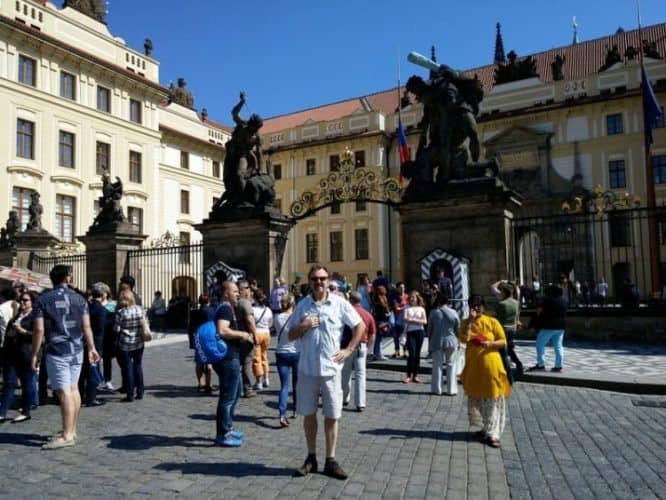
Perched strategically on a promontory overlooking the Vltava River, the Prague Castle complex functions less as a single stronghold and more as a historic administrative district. Spanning nearly 70,000 square meters, it is recognized by Guinness World Records as the largest ancient castle complex in the world. Dominating the hill is St. Vitus Cathedral, a masterpiece of Gothic architecture whose construction began in 1344 and spanned nearly six centuries. The complex also encompasses the Old Royal Palace, the Basilica of St. George, and Golden Lane—a historic street featuring modest, colorful dwellings originally constructed for castle guards in the 16th century. Heritage authorities and tourism boards consistently advise early-morning arrivals to mitigate congestion, as the complex routinely manages substantial visitor volumes exceeding two million individuals annually.
Charles Bridge and the Vltava Crossings
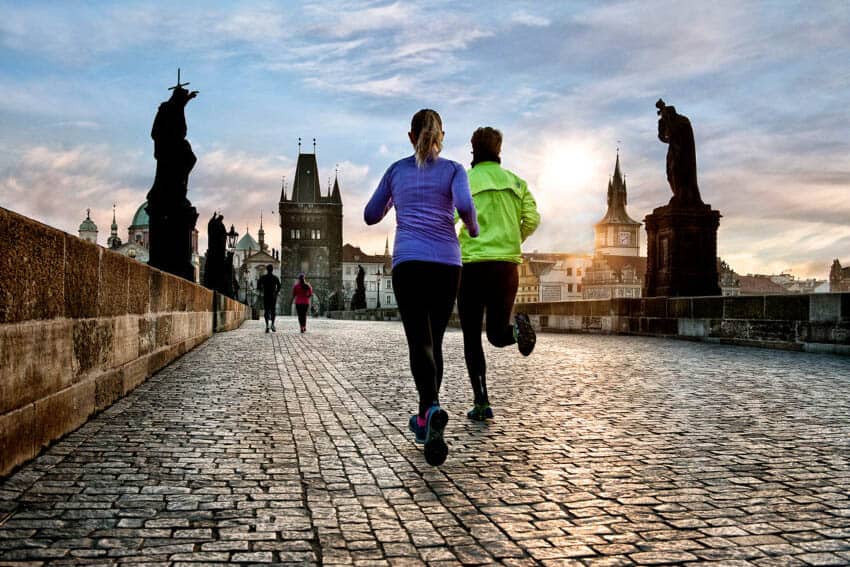
Commissioned by King Charles IV in 1357 and completed in the early 15th century, the Charles Bridge serves as the primary pedestrian artery connecting the Old Town to Malá Strana (Lesser Town). Lined with 30 Baroque statues added primarily between 1683 and 1714, the stone bridge historically functioned as a vital economic link for trade routes across Europe. Today, urban management authorities balance its heavy pedestrian traffic with conservation efforts to preserve the structural integrity of its sandstone masonry and original sculptural elements.
Old Town Square and the Astronomical Clock
Situated at the historical core of Prague, Old Town Square has functioned as a central marketplace and public gathering space since the 12th century. The area is anchored by the Old Town Hall, featuring the world-renowned Prague Astronomical Clock (Orloj), which was first installed in 1410. The medieval mechanism attracts continuous crowds with its hourly mechanical procession of the Twelve Apostles and allegorical figures. The surrounding square is framed by the Gothic towers of the Church of Our Lady before Týn and the Baroque St. Nicholas Church, illustrating the architectural juxtaposition characteristic of the city.
Josefov (The Jewish Quarter)
Prague’s Jewish community dates back to the 10th century, making Josefov one of the oldest and most historically significant Jewish settlements in Central Europe. Despite significant urban redevelopment at the turn of the 20th century—which swept away many of the original ghetto structures—several key sites remain intact. These include the Old-New Synagogue, Europe’s oldest active synagogue dating from the 13th century, and the Old Jewish Cemetery. Established in the early 15th century, the cemetery contains layered burials spanning more than 300 years, with thousands of densely packed headstones projecting a powerful historical narrative of the community’s perseverance.

Neighborhood Diversity and Urban Geography
Beyond the heavily visited historic center, Prague’s municipal structure comprises diverse districts, each possessing a distinct socioeconomic and cultural character:
- Malá Strana (Lesser Town): Located directly beneath Prague Castle, this district is characterized by sloping cobblestone lanes, aristocratic Baroque palaces, and manicured terraced gardens such as the Vrtba Garden.
- Vinohrady: Named after the historical vineyards that once covered its hillsides, this residential district features 19th-century Art Nouveau apartment blocks, expansive parks like Svatopluk Čech Square, and a rapidly expanding contemporary café and dining culture.
- Žižkov: Historically a working-class industrial neighborhood, Žižkov maintains an alternative cultural vibe, distinguished by traditional pubs, independent creative spaces, and the towering Žižkov Television Tower, a prominent example of late-20th-century brutalist architecture.
- Letná: Positioned on a plateau overlooking the Vltava River, Letná is anchored by Letná Park, which offers panoramic views of the city’s bridges and serves as a major recreational hub for residents.
Culinary Traditions and Gastronomic Evolution
The culinary identity of Prague is anchored in hearty Central European traditions while simultaneously adapting to contemporary global dining trends. Traditional Czech gastronomy heavily features slow-cooked meats, rich gravies, and dumplings. Notable local dishes include svíčková na smetaně (marinated sirloin of beef served with a creamy root vegetable sauce), traditional beef goulash, and roast duck paired with red or white cabbage and bread dumplings.

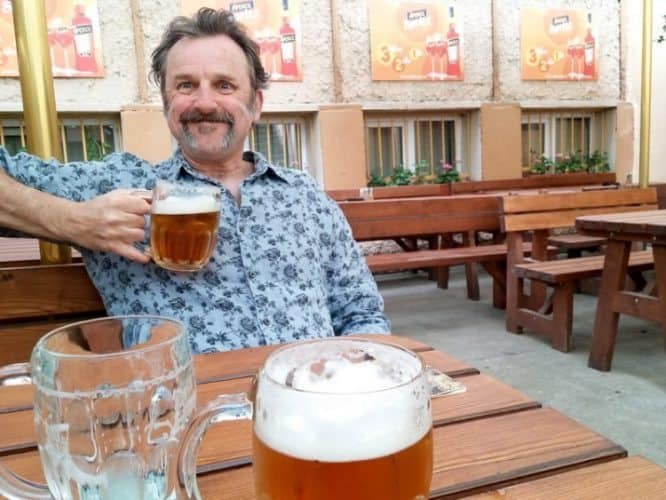
Concurrently, Prague’s beverage culture is defined by its preeminence in the brewing sector. The Czech Republic consistently ranks first globally in per capita beer consumption, a statistic underpinned by a deep-rooted brewing heritage dating back to the Middle Ages. Iconic local styles, particularly pale lagers pioneered in Pilsen and Prague, form a cornerstone of the nation’s social and economic fabric.
In recent decades, the city’s culinary landscape has experienced significant diversification. The influx of international culinary talent and a rising domestic appreciation for specialty coffee, artisan bakeries, and farm-to-table dining have transformed Prague into a recognized gastronomic destination within Central Europe, bridging historical recipes with modern culinary innovation.
Tourism Infrastructure and Strategic Logistics
Prague functions as a highly accessible destination supported by an integrated and efficient public transportation network managed by the city. The infrastructure comprises an extensive underground metro system, an extensive and reliable tram network, and municipal buses that collectively link the historic core with peripheral residential districts. Urban planners widely recommend walking or utilizing the tram system to navigate the historic center, noting that traditional cobblestone streets—while aesthetically vital to the city’s heritage—pose accessibility challenges and require appropriate footwear for visitors.
Seasonality and Visitor Management
Tourism patterns in Prague are subject to distinct seasonal variations, each presenting specific logistical considerations for travelers and municipal authorities alike:

- Spring (March to May): Characterized by moderate temperatures, blooming urban parks, and moderate visitor density, offering optimal conditions for walking tours.
- Summer (June to August): Features extended daylight hours and peak tourist volume, resulting in heightened congestion around major landmarks such as the Charles Bridge and Old Town Square.
- Autumn (September to November): Marked by cooler weather, vibrant foliage, and a decrease in international tourist numbers, facilitating a more measured pace of exploration.
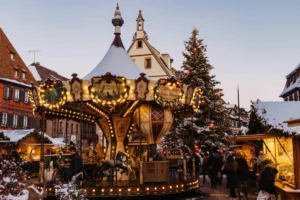
- Winter (December to February): Brings cold temperatures and occasional snowfall, accompanied by traditional Christmas markets across public squares that draw regional and international visitors.
Duration of Stay and Economic Impact
Tourism economic analyses indicate that the optimal duration for a comprehensive visit ranges from three to four days. This timeframe allows travelers to move beyond the primary monuments of the historic center, engage with peripheral neighborhoods, and support local businesses, thereby mitigating the localized congestion associated with short-term, high-density tourism. As Prague continues to refine its sustainable tourism strategies, municipal stakeholders emphasize the importance of dispersing visitor traffic across diverse districts to preserve the long-term integrity of the city’s cultural and architectural heritage.