The Evolution of Solo Female Travel Trends and the Rising Demographic of Travelers in Their Thirties

The global travel industry is witnessing a significant demographic shift as a growing number of women in their thirties opt for solo expeditions, moving away from traditional group-oriented or family-centric travel models. This transition reflects broader societal changes, including the delay of traditional milestones such as marriage and parenthood, increased financial independence among millennial women, and a psychological shift toward "slow travel" and self-actualization. As these travelers move past the budget-constrained backpacking phases of their twenties, their priorities are reshaping the hospitality and tourism sectors, demanding a blend of luxury, autonomy, and cultural authenticity.
The Changing Landscape of Solo Female Travel
For over two decades, solo travel was often categorized as a rite of passage for those in their late teens and early twenties. However, current market data suggests a maturation of this trend. According to industry reports from travel sentiment trackers, solo travel bookings have seen a 40% increase since 2019, with women accounting for nearly 70% of this growth. Within this subset, the 30-to-40-year-old age bracket has emerged as a powerhouse, possessing both the physical stamina for adventure and the financial capital to sustain high-value tourism.
Historically, the solo female traveler of the early 2000s relied on analog tools—international calling cards, physical information centers, and paper maps. The lack of real-time connectivity often necessitated a high degree of vulnerability and a reliance on the hospitality of strangers. In the current era, the proliferation of smartphones, GPS technology, and digital translation apps has lowered the barrier to entry, providing a safety net that encourages more women to venture out alone. Despite this technological "safety net," the core appeal remains unchanged: the pursuit of autonomy and the challenge of navigating the world on one’s own terms.
Economic Drivers and the "She-conomy" in Tourism
The financial profile of the traveler in her thirties differs drastically from that of the traditional backpacker. In the United States and Europe, women in this age group are increasingly reaching peak or mid-career earning potential. This economic independence allows for a departure from the "shoestring" budget of the past.
Data indicates that travelers in their thirties are more likely to invest in "flashpacking"—a style of travel that maintains the adventurous spirit of backpacking but incorporates higher-end accommodations, private transportation, and premium experiences. This demographic is less likely to patronize low-cost budget airlines with restrictive schedules and more likely to pay for business-class upgrades or lounge access, particularly when travel serves as a respite from high-pressure professional lives.
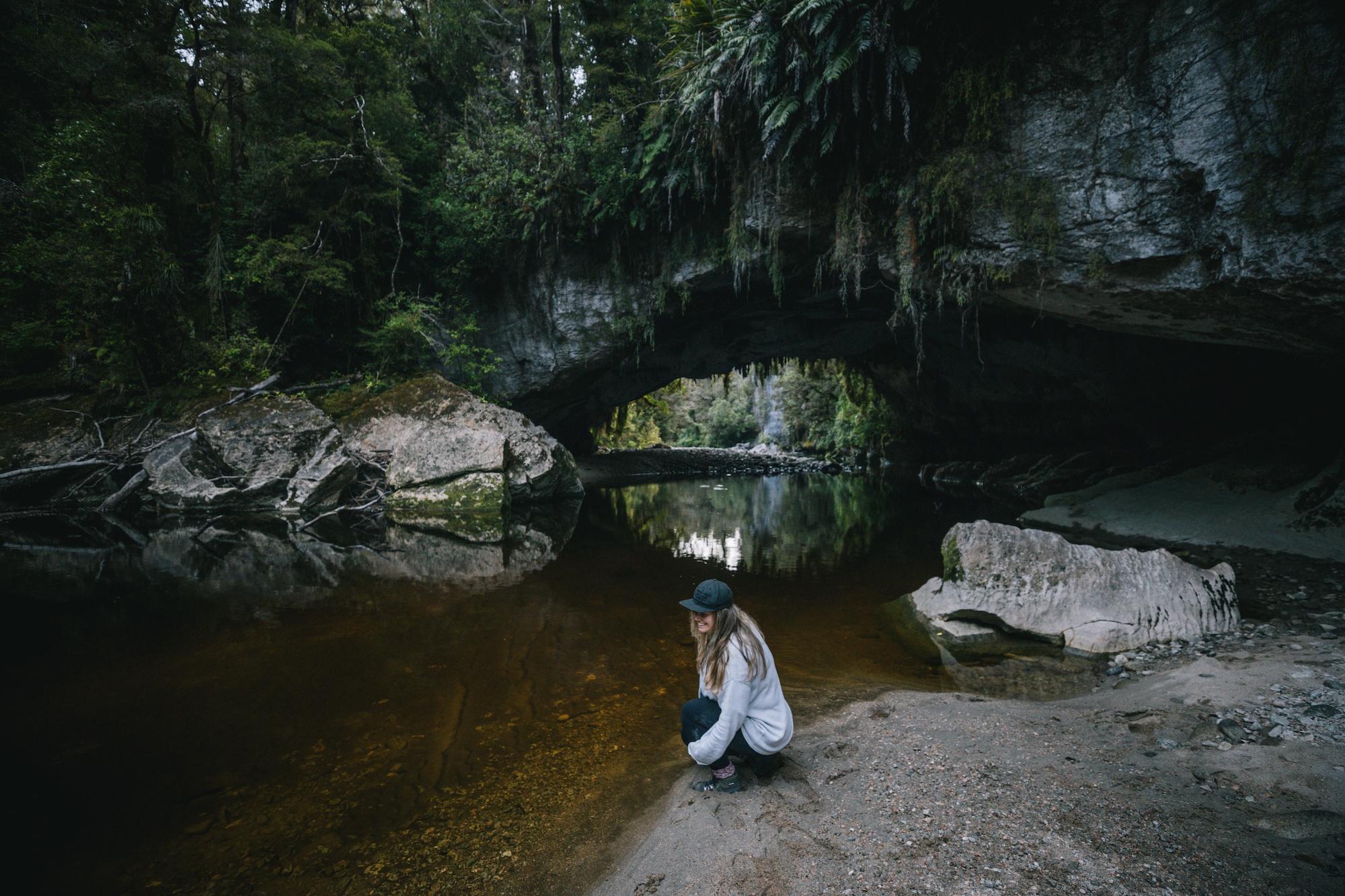
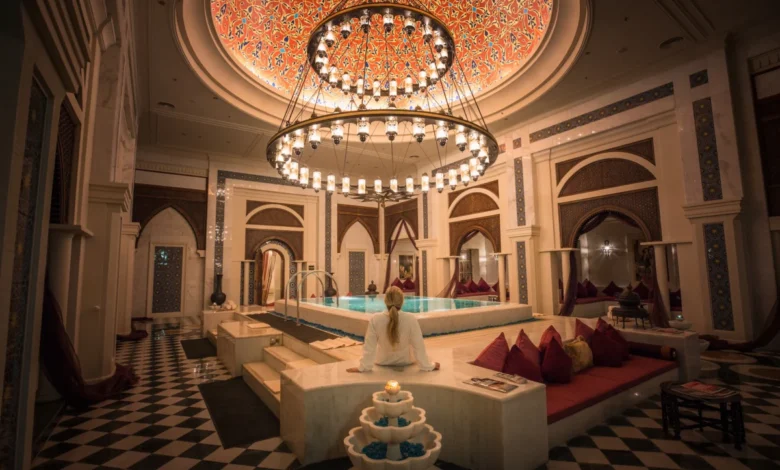
The hospitality industry has responded by pivoting away from the "party hostel" model toward boutique hotels and co-living spaces that offer private rooms and high-speed internet, catering to the "digital nomad" or the professional seeking a "workcation." The shift is not merely about luxury; it is about the value of time and comfort. For a 36-year-old traveler, a 6:00 AM flight or a 15-bed dormitory is no longer viewed as a cost-saving measure but as a detrimental impact on the overall quality of the experience.
Psychological Maturation and Assertiveness
A critical component of the solo travel experience in one’s thirties is the development of psychological resilience and assertive communication. Sociologists note that as individuals age, they often experience a reduction in "people-pleasing" behaviors, a trait that is particularly transformative for female travelers.

In her twenties, a traveler may feel social pressure to remain polite in uncomfortable situations or succumb to the "sunk cost fallacy" of staying in a destination that does not meet her needs. By her thirties, the traveler is more likely to have honed a "bullshit radar"—an intuitive ability to detect scams, harassment, or unsatisfactory service—and the confidence to address these issues directly. This assertiveness is a safety mechanism; being able to firmly decline unwanted attention or negotiate fair prices in markets is essential for a successful solo journey.
Furthermore, the "comparative mindset"—the tendency to measure one’s life against the traditional milestones of peers—often undergoes a shift during this decade. While friends may be navigating the complexities of early parenthood or domestic life, the solo traveler in her thirties often uses her journeys to "reform the narrative" of her own life, viewing her independence not as a lack of stability but as a deliberate choice of freedom.

The Evolution of Taste: From Nightlife to Mindfulness
The motivations for travel undergo a profound evolution as women enter their thirties. In the third decade of life, the "full throttle" approach—characterized by high-adrenaline bucket-list items and nightlife-centric itineraries—often gives way to "slow travel" and mindfulness.
1. Culinary and Cultural Immersion
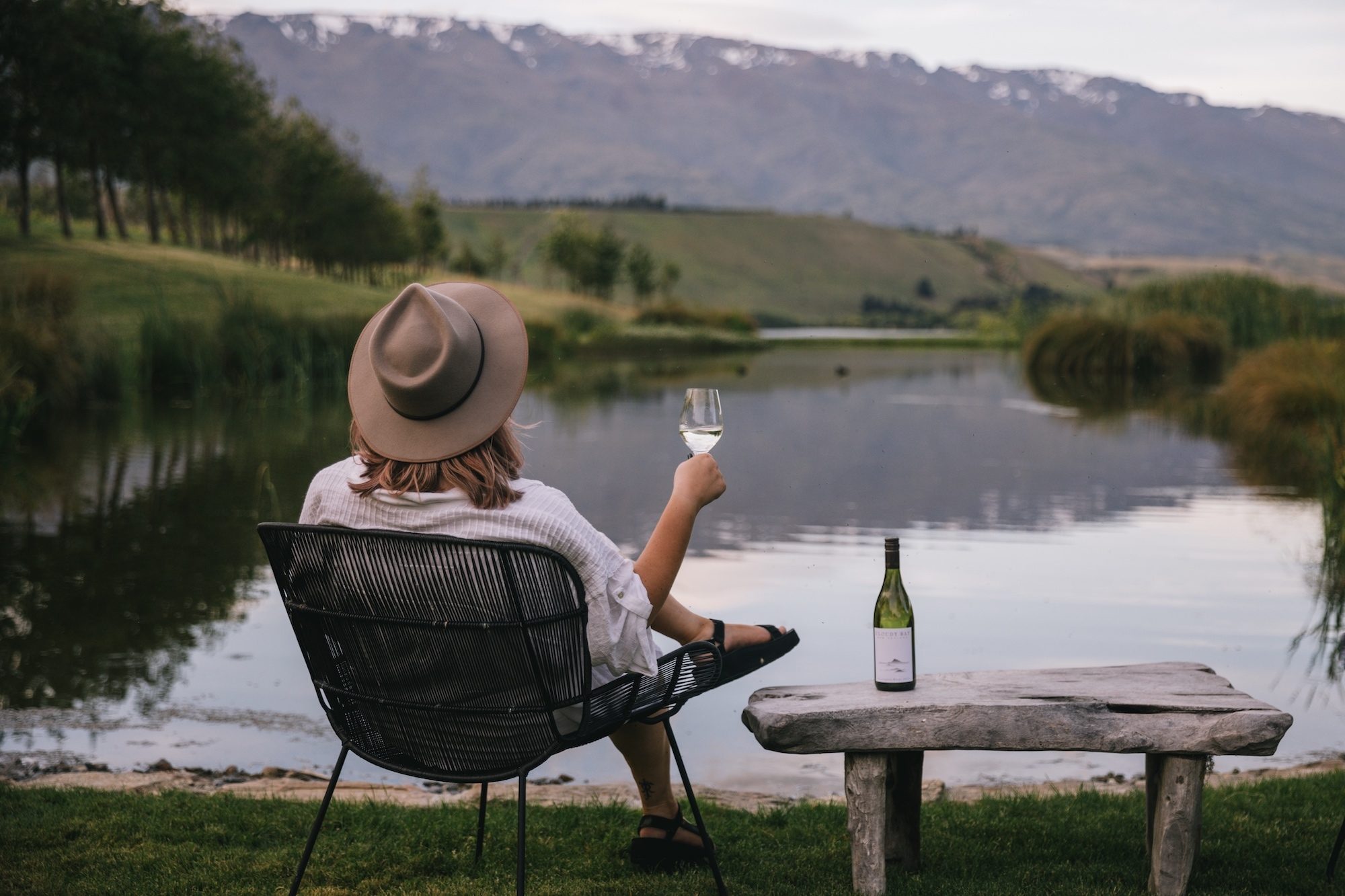
For the mature solo traveler, food culture becomes a primary lens through which to view a destination. This is not limited to Michelin-starred dining; it encompasses a sophisticated appreciation for street food, local markets, and regional viticulture. The "one-euro box wine" of a study-abroad year is replaced by wine-tasting tours in regions like the Douro Valley or Marlborough. This demographic seeks "degustation" over "intoxication," valuing the history and craftsmanship behind local cuisine.
2. Nature and Physical Challenge
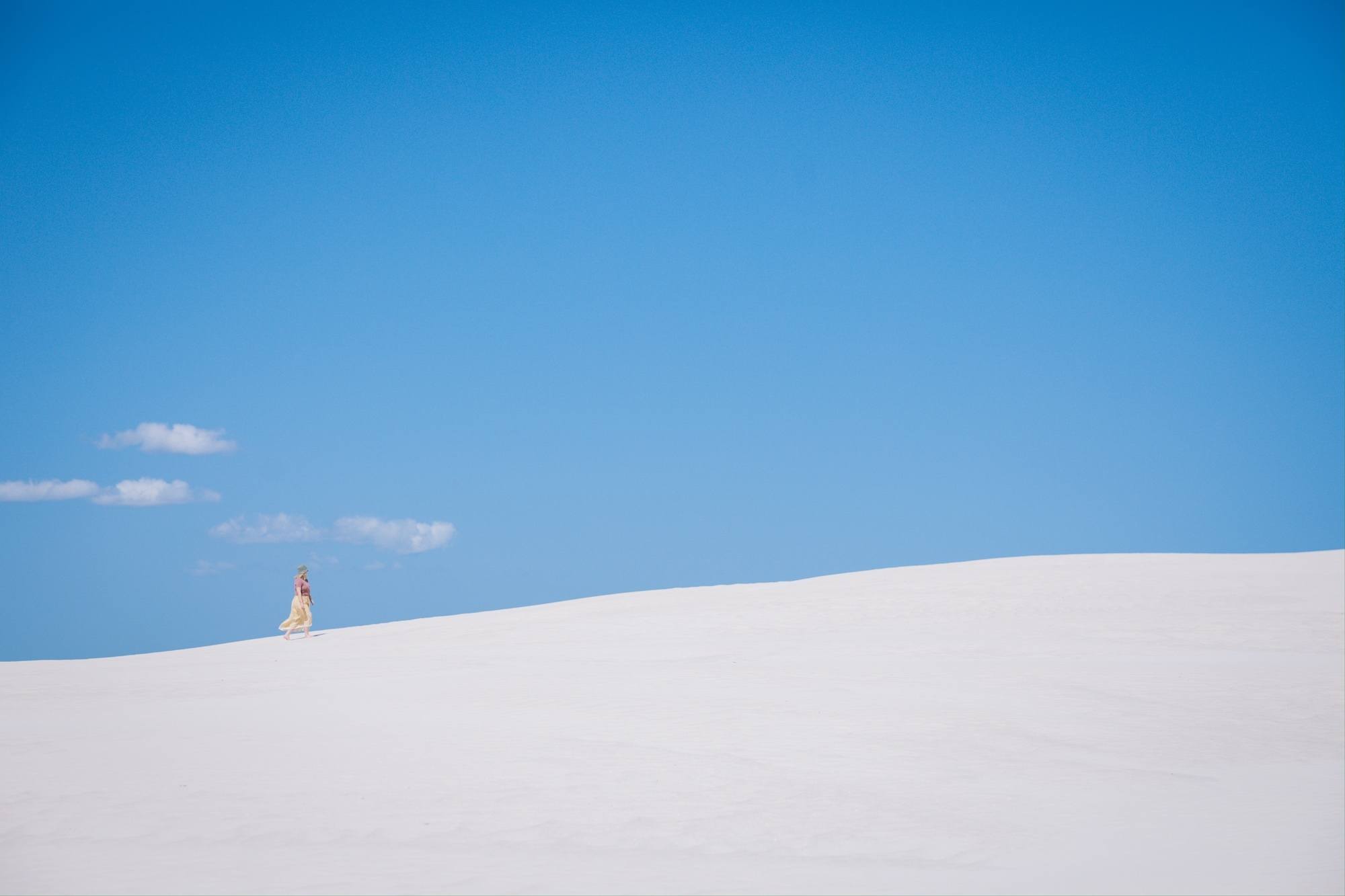
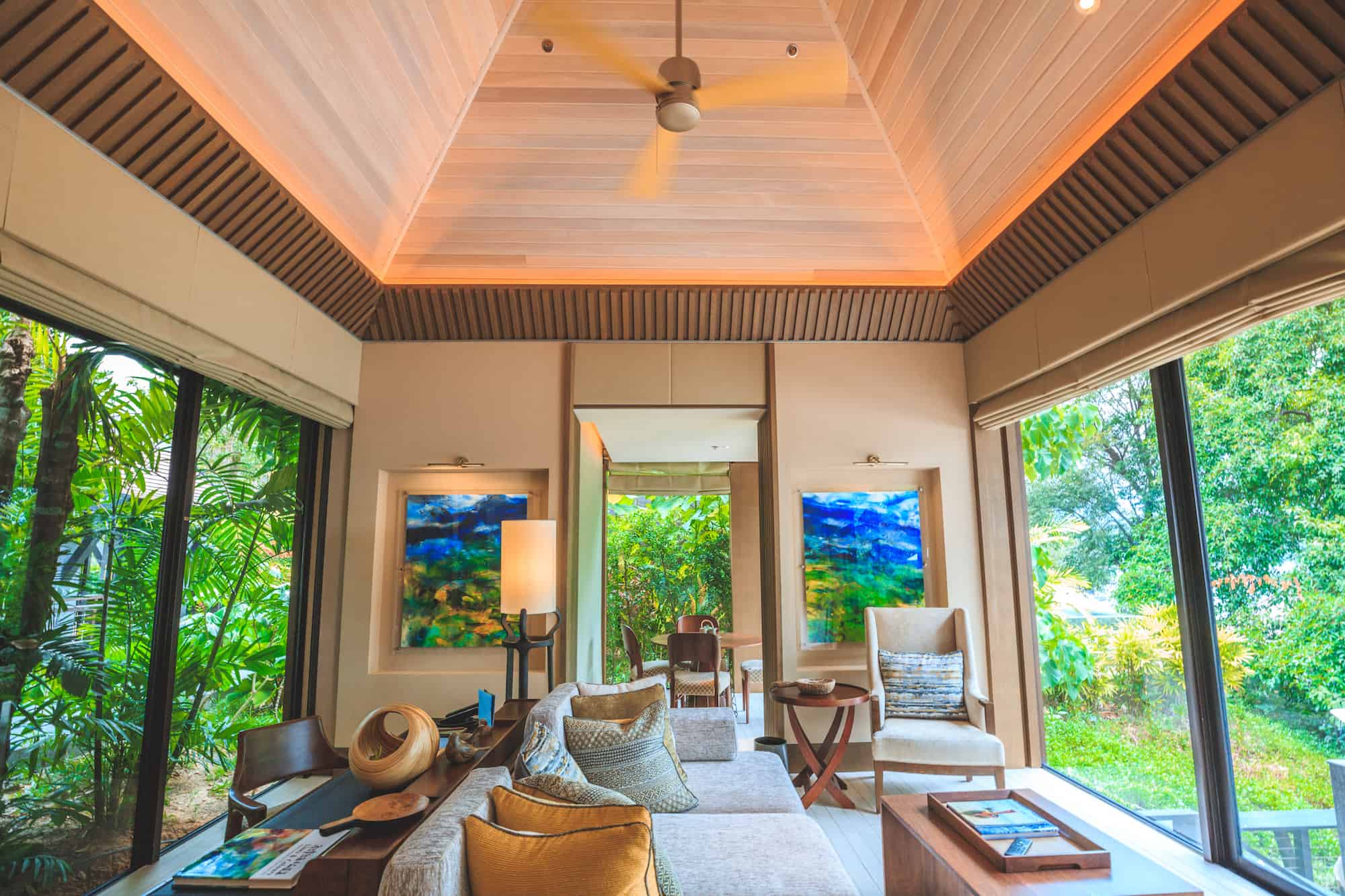
Interests often shift from urban centers to more remote, natural environments. Hiking, "tramping," and birdwatching are increasingly popular among women in their thirties. These activities offer a different form of "adventure"—one that emphasizes endurance, solitude, and a connection to the environment rather than the sheer adrenaline of bungee jumping or skydiving.
3. Sustainability and Impact
Older travelers are generally more aware of their environmental and social footprint. There is a growing trend toward "regenerative travel," where women seek to leave a positive impact on the communities they visit. This includes following local regulations more strictly, supporting female-owned businesses, and choosing eco-friendly accommodations.

Industry Responses and Targeted Services
The travel industry is no longer viewing solo women as a niche market but as a primary consumer segment. Tour operators like Intrepid Travel and G Adventures have reported a surge in "women-only" expeditions, which provide the safety of a group with the independence of solo booking. These tours often focus on female empowerment, visiting women’s cooperatives and employing female guides in regions where the tourism industry is traditionally male-dominated.
Airlines and airports are also adapting. The rise in solo travel has led to increased demand for single-seat configurations in premium cabins and enhanced security features in hotels, such as well-lit hallways and 24-hour staffing. Some hotel chains have even introduced "women-only" floors or wings to provide an added layer of comfort for solo female guests.
Broader Societal Implications
The rise of the solo female traveler in her thirties is a bellwether for larger demographic trends. As the average age of first-time mothers continues to rise in developed nations—now exceeding 30 in many OECD countries—there is a widening window of time for women to explore the world independently.
This trend also intersects with the "wellness" movement. Solo travel is increasingly framed as a form of self-care or "travel therapy." The ability to spend time in one’s own company, navigating foreign landscapes and making 100% of the decisions, is cited by many women as a vital tool for mental health and self-discovery. It allows for a level of introspection that is rarely possible in a domestic or group setting.
Chronology of the Solo Travel Experience
To understand the current state of solo travel, one must look at the trajectory of the traveler’s journey:
- The Early Years (Late Teens/Early 20s): Characterized by "quantity over quality." The goal is to see as many countries as possible on a minimal budget. Safety is often secondary to adventure, and social interaction is centered around hostels and nightlife.
- The Transition (Mid-20s): A period of refinement where the traveler begins to identify specific interests, such as photography, hiking, or language immersion. Budgeting becomes slightly more flexible as career stability begins.
- The Golden Era (30s): The "quality over quantity" phase. Travel becomes a curated experience. The traveler is willing to pay for convenience and comfort, possesses the confidence to navigate complex social environments, and seeks deep, meaningful connections with local cultures.
Conclusion: The Future of Independent Exploration
Solo female travel in one’s thirties is not merely a trend but a permanent shift in the global tourism landscape. As more women realize that the "traditional path" is not the only route to a fulfilling life, the demand for independent, high-value travel experiences will continue to grow. The industry must continue to evolve, recognizing that this demographic values autonomy, safety, and authentic cultural engagement above all else. For the woman in her thirties, the world is no longer a place to be feared or simply "checked off" a list; it is a space for continuous evolution, wisdom, and the unapologetic pursuit of personal joy.