Nichupté Bridge: Transforming Connectivity and Infrastructure in the Mexican Caribbean

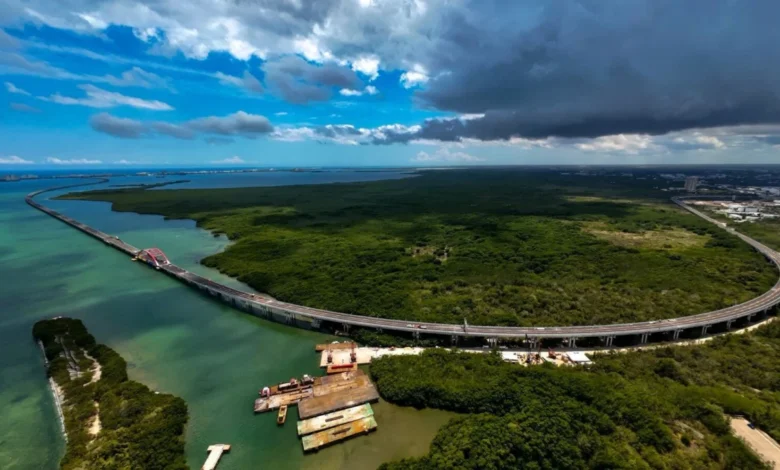
The newly inaugurated Nichupté Bridge represents a paradigm shift in the logistical landscape of one of the world’s most prominent travel destinations, providing a critical new artery between downtown Cancún and the internationally renowned Hotel Zone. By offering an alternative to the historically congested Kukulcán Boulevard, the project serves as a cornerstone of the regional government’s broader strategy to modernize infrastructure and enhance the visitor experience within the Mexican Caribbean. As international travel demand continues to rise, the bridge serves as a vital tool in mitigating the friction often associated with transit in high-traffic tourism hubs.
Chronology and Development of the Infrastructure Project
The genesis of the Nichupté Bridge project was rooted in the urgent need to alleviate the chronic traffic congestion that has plagued the Cancún peninsula for over a decade. As the number of hotel rooms and commercial establishments in the Hotel Zone expanded, the singular corridor serving as the gateway to the beach strip became increasingly overwhelmed, leading to prolonged delays for both tourists and local workers.
Preliminary planning for the bridge began in earnest several years ago, with the project being formally conceptualized as an elevated structure stretching across the Nichupté Lagoon. The construction phase was marked by rigorous environmental impact assessments and engineering challenges, given the sensitive ecosystem of the lagoon. Throughout the development period, the project was framed by local and federal authorities not merely as a roadway, but as a comprehensive solution to the bottlenecking that defined the Cancún commute.
Following years of construction, the project reached completion in 2026, coinciding with a period of significant regional focus on tourism infrastructure. The bridge’s unveiling serves as the latest in a series of improvements, including terminal expansions at the Cancún International Airport and regional road network enhancements aimed at facilitating smoother movement between Cancún, Playa del Carmen, and the burgeoning Tulum corridor.
Supporting Data and Infrastructure Scope
The Nichupté Bridge is an engineering undertaking of significant scale, designed to reduce travel times between the mainland and the coastal resort area by a substantial margin. Traffic data historically indicated that during peak travel seasons—particularly the winter months and the spring break period—the primary access road experienced gridlock that could turn a short distance into a multi-hour ordeal.
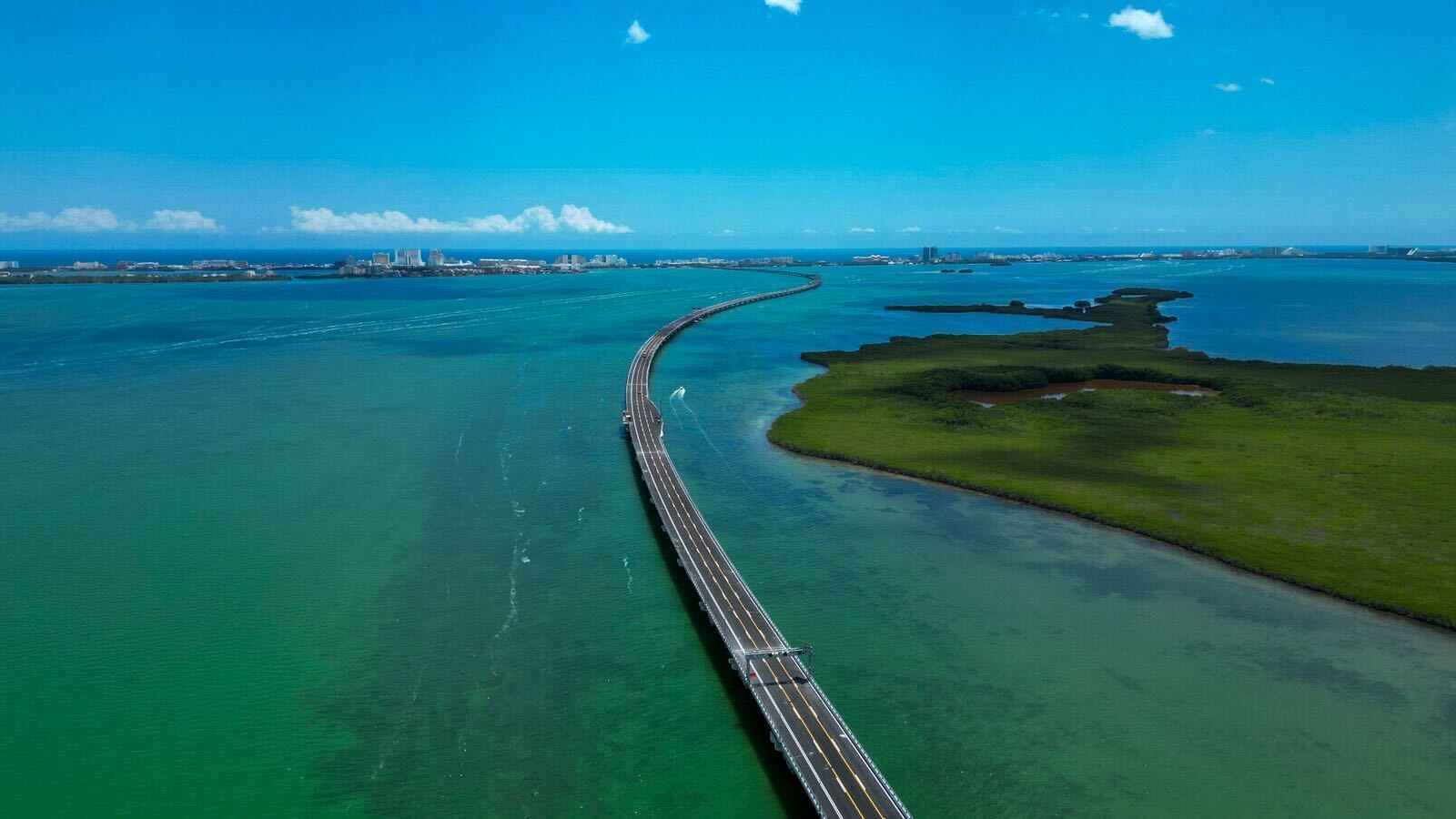
The bridge’s design prioritizes high-volume throughput. While specific traffic capacity metrics vary based on flow management, the addition of this route is expected to divert a significant percentage of light vehicle traffic, effectively thinning out the density on Kukulcán Boulevard. This redirection is expected to lower the carbon footprint of regional tourism by reducing idle times for vehicles stuck in traffic, a metric that aligns with the sustainable development goals currently being prioritized by the Quintana Roo state government.
Furthermore, the project’s scope extends beyond the concrete spans. It integrates with existing urban planning frameworks to ensure that traffic flow into the downtown area remains fluid, preventing the creation of new congestion points at the bridge’s entry and exit nodes.
Strategic Significance: EDGE 2026 and Beyond
The importance of the Nichupté Bridge was underscored during the recent EDGE 2026 conference held in San Diego, a premier gathering for tourism industry stakeholders. During the proceedings, the Mexican Caribbean Tourism Board utilized the global platform to highlight the bridge as a testament to the region’s commitment to evolving infrastructure.
The announcement that the EDGE 2027 conference will be hosted in the Cancún-Riviera Maya region further cements the area’s status as a leader in international travel innovation. Industry experts suggest that the timing of the bridge’s completion is strategic, providing a showcase of modern, functional, and user-centric infrastructure to the global delegates who will congregate in the region next year. By addressing the "logistical friction" of travel, the local authorities are effectively marketing the Mexican Caribbean not just as a static destination of beaches and resorts, but as a high-functioning, modernized travel environment.
Official Perspectives and Institutional Vision
Andrés Martínez Reynoso, CEO of the Mexican Caribbean Tourism Board, has characterized the project as a "transformational" development. In his assessment, the bridge is not merely an engineering feat but a necessary evolution to meet the expectations of the contemporary traveler. Modern tourism, according to industry analysts, is defined by "seamlessness"—the ability of a guest to navigate from point A to point B without the stress of systemic delays.
Institutional stakeholders view this project as part of a broader, decade-long push to shift the perception of the Mexican Caribbean from a destination that relies solely on its natural assets to one that offers a comprehensive, high-quality service experience. By investing in the "in-between" spaces of travel—the transit from the airport, the commute to a restaurant, or the connection between urban life and beach life—the region is attempting to future-proof its competitive edge against other emerging global luxury destinations.
Broader Implications for Regional Tourism
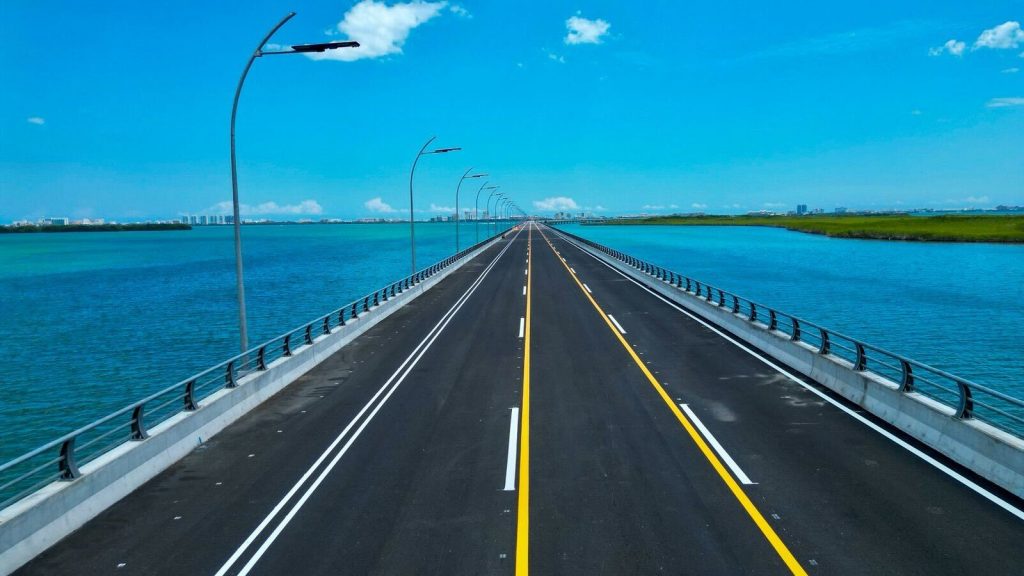
The impact of the Nichupté Bridge transcends the mere convenience of a shorter commute. It signals a shift in the regional economic rhythm. Historically, the geographic separation between "Downtown" (the local hub) and the "Hotel Zone" (the tourist hub) created a silo effect. Visitors often stayed within the confines of the beach strip to avoid the perceived hassle of transit.
With the improved connectivity provided by the bridge, local businesses, cultural sites, and dining establishments in downtown Cancún are now more accessible to the millions of visitors who flock to the coast annually. This has the potential to redistribute the economic benefits of tourism, allowing local entrepreneurs who operate away from the high-rent districts of the beach to tap into a broader customer base.
From a macro-economic standpoint, the success of this infrastructure project will likely serve as a blueprint for future developments in neighboring municipalities. As Playa del Carmen and Tulum continue to experience rapid population and tourism growth, the lessons learned from the planning, construction, and traffic management of the Nichupté Bridge will be instrumental.
Furthermore, the focus on "the rhythm of travel" suggests that future infrastructure projects in the region will likely prioritize multi-modal transportation systems. There is growing evidence that regional planners are considering how to integrate the bridge with public transit initiatives and shuttle services, which could further decrease the reliance on private vehicle rentals.
Conclusion: A New Era for Cancún
The Nichupté Bridge is ultimately a reflection of a destination that has reached a point of maturity. After years of explosive growth, the Mexican Caribbean is moving into a phase of optimization. The bridge serves as a physical bridge between the past and the future—connecting the traditional, high-density tourism model with a more sophisticated, efficient, and integrated approach to travel.
For the international traveler, the benefit is immediate: less time spent in a car, more time spent at the destination. For the local authorities, it represents the successful delivery of a complex, high-stakes infrastructure project that reinforces the brand promise of the Mexican Caribbean. As the region prepares to host international leaders and industry experts in 2027, the bridge will stand as a tangible example of the efforts being made to ensure that the destination remains at the forefront of the global travel industry, proving that even in a region defined by its natural beauty, the quality of the journey remains just as important as the destination itself.