Navigating the Waters of Expedition Cruising: A Comprehensive Evaluation of National Geographic and Lindblad Expeditions for Family Travelers

The landscape of family vacations has experienced a significant paradigm shift over the past decade, moving away from passive leisure toward immersive, educational, and experiential travel. Among the sectors capitalizing on this trend is expedition cruising, a specialized niche that blends adventure tourism with academic enrichment. A prominent player in this segment is the joint venture between National Geographic and Lindblad Expeditions, a partnership that has redefined small-ship exploration by offering itineraries focused on marine biology, geology, anthropology, and regional history.
For families evaluating high-end travel options, these expeditions represent a substantial financial investment. A recent voyage aboard the National Geographic Orion through the Ancient Mediterranean—spanning coastal regions of Greece, Albania, and Croatia with family members aged 20 and 22—provides a clear case study for prospective travelers. While these voyages deliver unparalleled access to remote cultural and historical sites, industry analysts and seasoned travelers emphasize that expedition cruising diverges sharply from mainstream commercial cruising, requiring careful alignment with a family’s specific travel expectations, physical capabilities, and educational interests.
Main Facts and Structural Realities of Expedition Ships
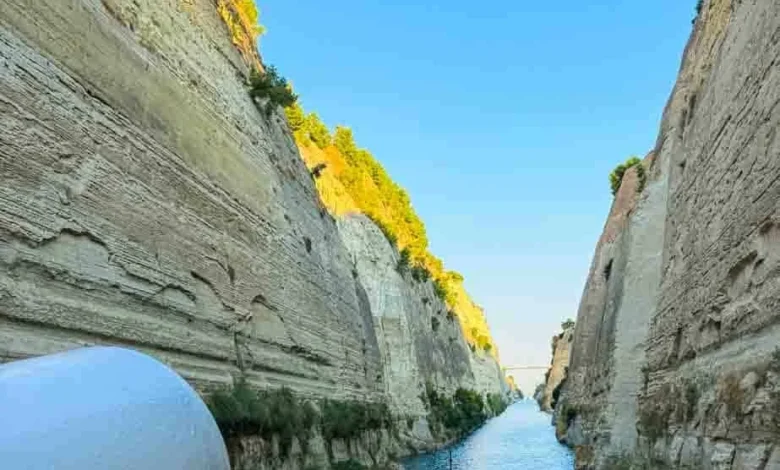
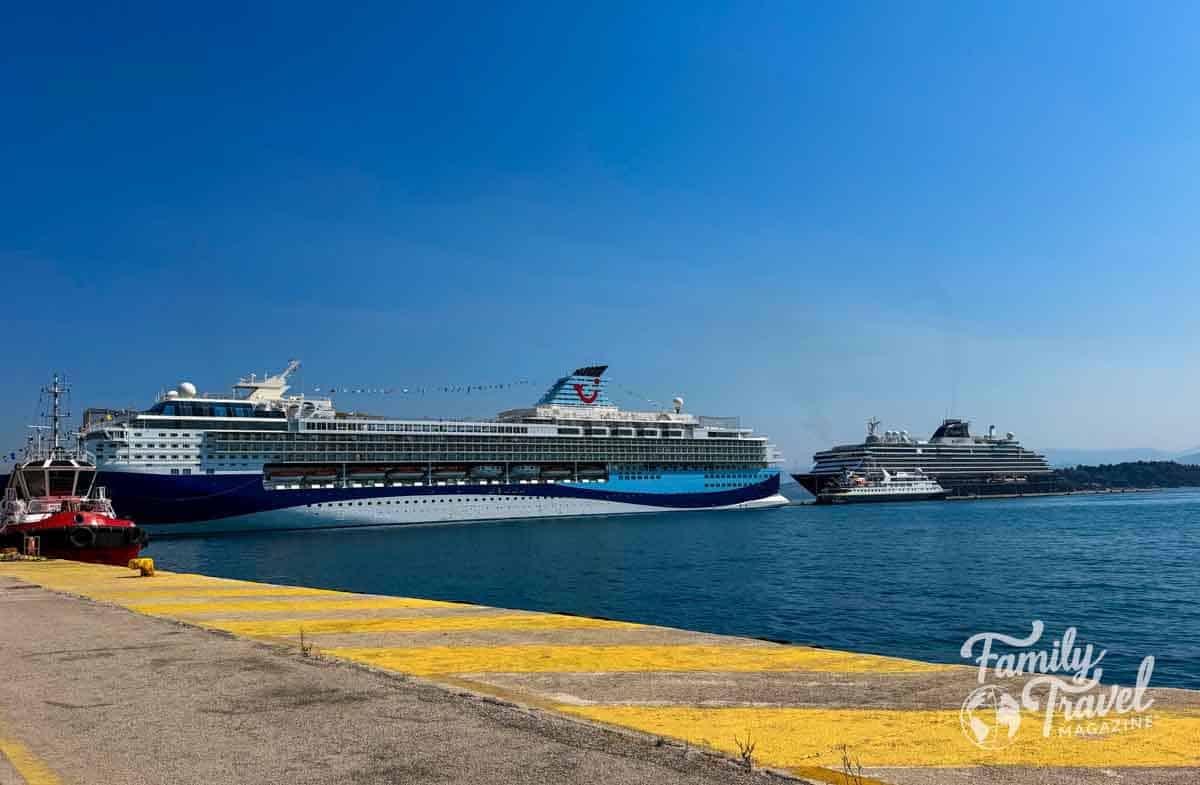
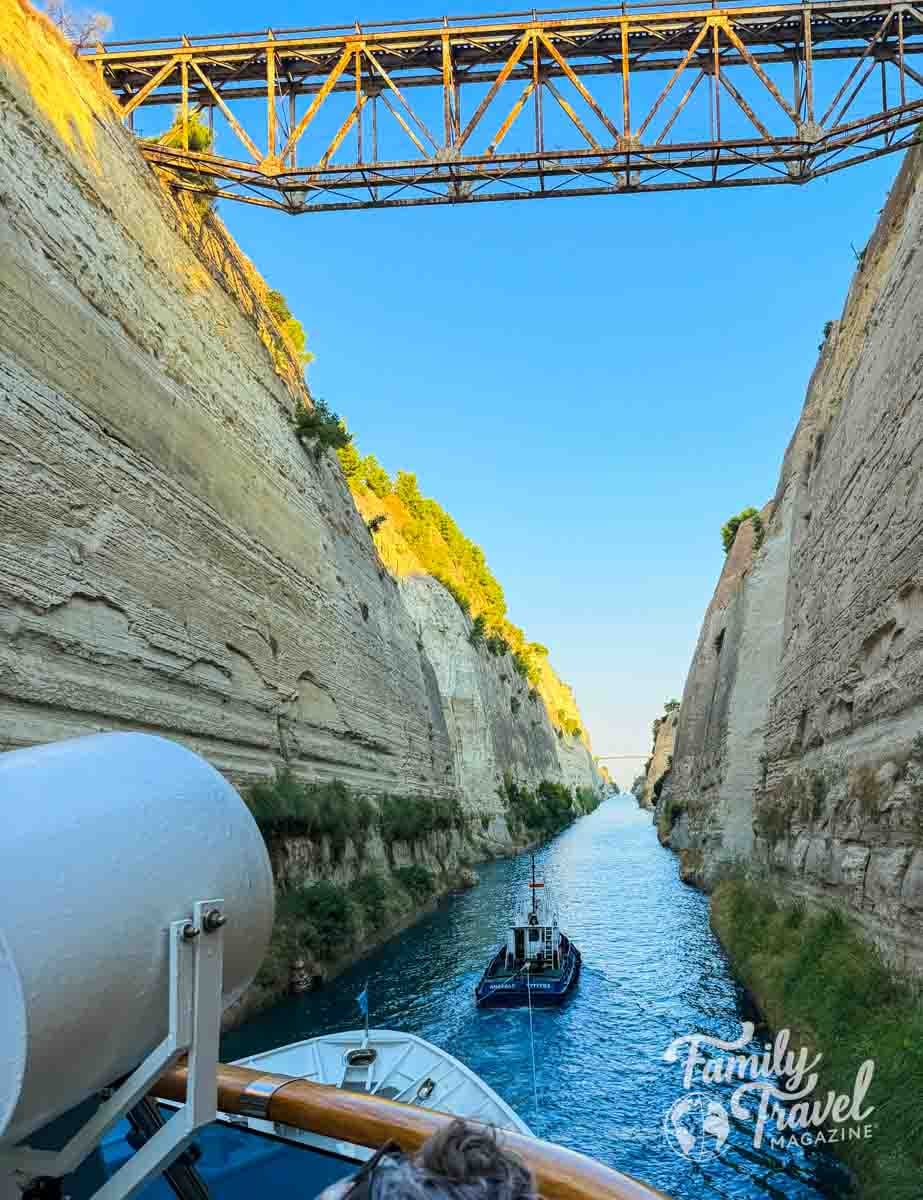
Unlike mega-ships operated by commercial cruise lines, which function as floating amusement parks complete with water slides, broad sports decks, casinos, and expansive theatrical venues, vessels like the National Geographic Orion are engineered strictly for utilitarian exploration and guest comfort. Measuring significantly smaller than conventional cruise liners, these expedition ships possess a distinct navigational advantage: they can anchor in secluded harbors, navigate narrow waterways such as the historic Corinth Canal, and dock at ports entirely inaccessible to mass-tourism vessels.
However, this design philosophy entails the deliberate omission of traditional resort-style amenities. There are no swimming pools, dedicated kids’ clubs, arcades, or structured youth programming. Instead, the onboard infrastructure emphasizes shared public spaces for lectures, observation decks for wildlife and landscape viewing, and streamlined stateroom accommodations.
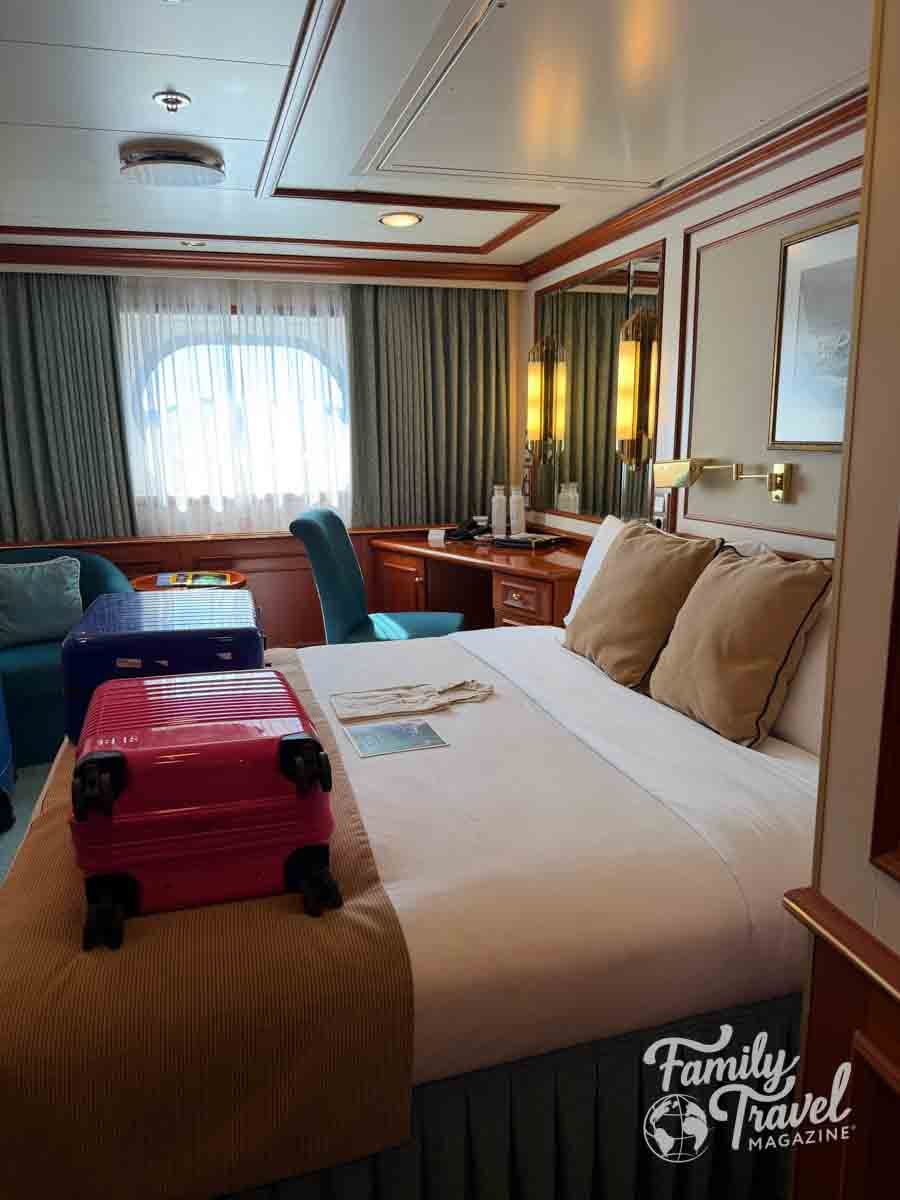
Stateroom layouts vary considerably depending on the specific vessel and cabin tier. On the National Geographic Orion, configurations for multi-person families typically involve booking adjacent staterooms. While these rooms generally do not feature internal connecting doors, unlockable partition policies allow families to move freely between adjacent quarters upon request, offering a functional alternative for parents traveling with older teenagers or young adults.
Chronology and Daily Operations on an Expedition Itinerary
A typical day aboard a Lindblad-National Geographic expedition is structured around active engagement rather than passive relaxation. The daily routine generally commences with an early morning buffet breakfast, immediately preceding the primary excursion blocks.
Preparation for excursions begins days prior to departure, when passengers receive detailed documentation outlining the various shore-side options available at upcoming ports. At most destinations, guests are presented with a tiered selection of at least three distinct activities, ranging from historical walking tours and archaeological site visits to strenuous geological hikes. Passengers submit their preferences in advance, and finalized schedules are distributed onboard.
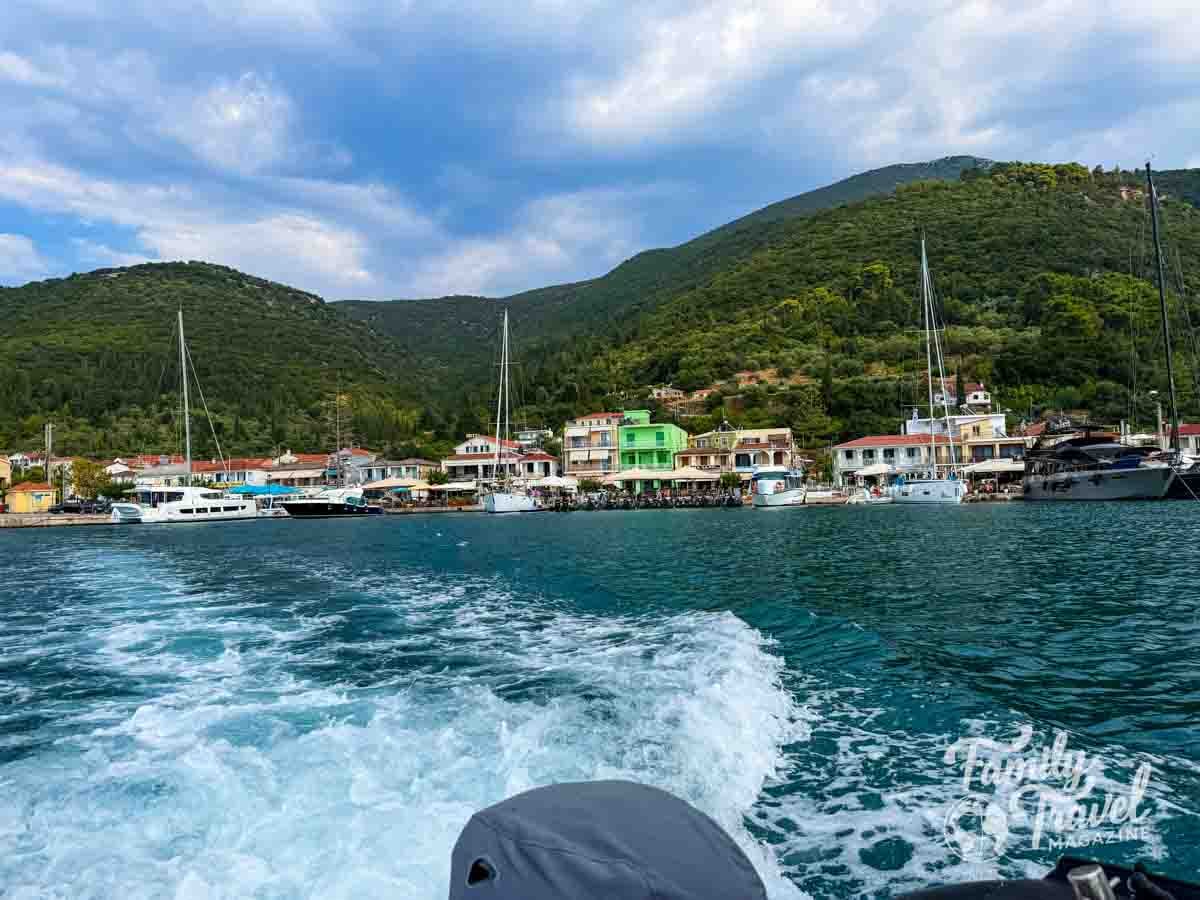
Logistical execution is tightly managed due to the physical constraints of small-ship operations. At ports lacking deep-water docking facilities, the vessel drops anchor offshore, requiring passengers to transfer to motorized inflatable Zodiac boats to reach the shore. This amphibious style of embarkation demands a baseline level of mobility and physical dexterity from all travelers.
Excursion durations fluctuate widely; certain itineraries involve full-day explorations inland, while others entail targeted half-day excursions, allowing passengers to return to the ship for midday meals. Dining arrangements reinforce the communal, academic atmosphere of the ship. Lunches and dinners are served within a single, open-seating main dining room, fostering interaction among diverse passenger groups. Evening meals follow an à la carte format designed to accommodate varied dietary preferences, including selective palates among younger travelers, while maintaining high culinary standards.
Educational programming forms the backbone of the afternoon and evening schedules. While the vessel is underway between ports, resident experts—including marine biologists, historians, geologists, and National Geographic photography experts—conduct optional lectures and workshops. These sessions cover regional context, historical frameworks, and practical skills such as mobile and digital landscape photography, providing intellectual continuity between shore excursions and time spent at sea.
Financial Considerations and Demographic Suitability
The economic commitment required for a National Geographic and Lindblad Expedition places these voyages firmly in the luxury and specialty travel tier. Pricing structures, however, are largely all-inclusive. Fares typically encompass shore excursions, Zodiac transfers, onboard meals, standard alcoholic beverages, specialty coffees, gratuities, and the services of expedition leaders and naturalists.
To mitigate cost barriers for multigenerational groups, Lindblad Expeditions periodically implements targeted promotional campaigns, such as specialized youth and teen incentive programs and reduced fare structures for children traveling with full-fare adults. Travel industry financial advisors recommend evaluating the aggregate cost of the vacation—factoring in the extensive list of inclusions—rather than solely reviewing the base ticket price when comparing expedition cruises to land-based tours or traditional cruises.
Demographically, these voyages are optimized for families with older children, specifically older tweens, teenagers, and college-aged young adults. The pedagogical nature of the programming requires a foundational interest in history, geography, and science. Conversely, travel planners caution that families with younger children dependent on structured day-care facilities, or those whose primary vacation objective is poolside leisure and entertainment shows, are fundamentally unsuited for this travel style.
Industry Implications and Broader Impact on Family Travel
The sustained popularity of expedition cruising highlights a broader evolution in consumer preferences within the tourism sector. Modern consumers, particularly affluent demographic segments, increasingly prioritize transformative travel experiences over passive consumption. By embedding credentialed scientists, historians, and photographers directly into the guest experience, expedition lines have successfully bridged the gap between leisure tourism and experiential education.
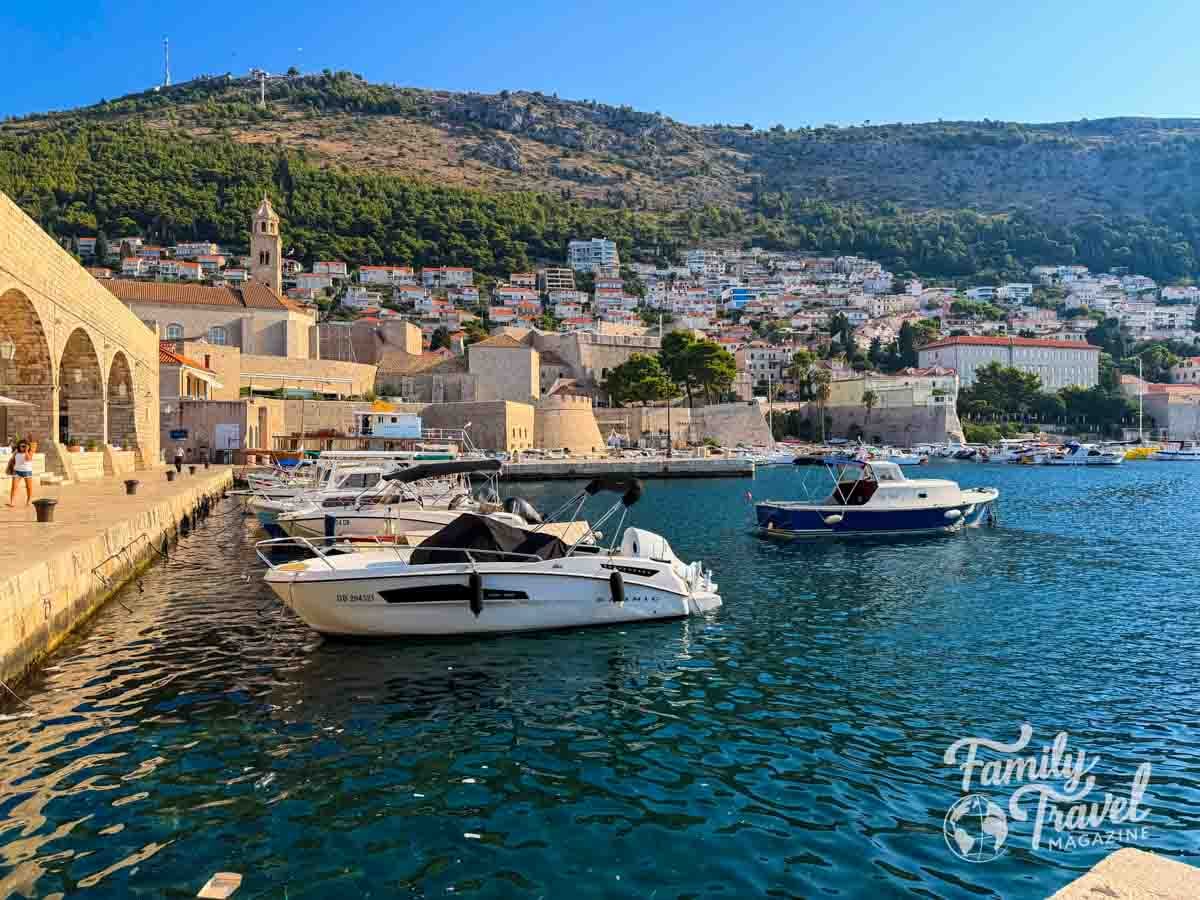
Furthermore, the operational model of small-ship cruising addresses growing concerns surrounding overtourism in fragile coastal environments. By utilizing Zodiacs and docking at lesser-known ports in regions like the Mediterranean, the Adriatic, and polar territories, expedition operators distribute economic impact more evenly across developing or peripheral tourism destinations while minimizing the ecological footprint associated with massive cruise terminals.
Ultimately, while National Geographic and Lindblad Expeditions represent a niche product requiring significant financial outlay and specific demographic readiness, they offer a blueprint for multi-generational travel focused on intellectual curiosity and active exploration. For families equipped with the physical adaptability and the desire for academic immersion, these voyages provide an unmatched window into the cultural and geological history of the world’s most storied coastlines.
Related posts: