Chase Sapphire Preferred vs. Capital One Venture: Comprehensive 2026 Credit Card Comparison for Travelers


Navigating the landscape of travel rewards credit cards can be an intimidating venture for consumers who wish to maximize points and miles without committing to steep annual fees. For decades, premium travel cards commanded attention with luxury perks and substantial yearly overhead costs exceeding $400 or $500. However, a lucrative tier of mid-level travel credit cards priced at under $100 annually has emerged as the preferred option for both novice and seasoned globetrotters alike. Among these financial instruments, two titans dominate the market: the Chase Sapphire Preferred® Card and the Capital One® Venture® Rewards Credit Card.
Both financial products command attention due to massive introductory welcome offers, each carrying a value worth at least $750 toward travel expenses. Yet, despite matching price points and comparable upfront incentives, the underlying mechanics, point-earning structures, redemption pathways, and travel protections differ drastically. Analyzing these divergence points is essential for cardholders attempting to optimize their everyday spending and long-term travel strategies.
Annual Fees and Upfront Costs
When evaluating mid-tier travel credit cards, the baseline out-of-pocket expense serves as the initial benchmark. Both the Chase Sapphire Preferred and the Capital One Venture card carry a straightforward annual fee of $95.
Because the direct financial cost is identical, the determination of value relies entirely on how effectively each card offsets that fee through credits, statement rebates, and ongoing benefits. While both products demand the same annual $95 investment, the methods utilized to return value to the consumer establish a distinct operational contrast between the two issuers.

Welcome Bonuses and Introductory Offers
Introductory sign-up bonuses represent the single fastest method for accumulating a substantial balance of points or miles, frequently enabling cardholders to book luxury flights or hotel stays shortly after opening an account.
The Chase Sapphire Preferred and the Capital One Venture both roll out generous welcome packages designed to attract new sign-ups. While the nominal value of the point or mile bonuses remains closely matched, the structural delivery of these offers creates a point of differentiation. Notably, the Capital One Venture card has periodically featured targeted, limited-time promotions incorporating immediate statement credits toward travel stays—such as a $300 Capital One Travel credit applied prior to fulfilling minimum spending requirements.
Financial analysts generally advise consumers to align welcome bonus timelines with upcoming, unavoidable large expenditures. Meeting minimum spend requirements organically without triggering interest charges or unnecessary consumer debt remains the cardinal rule of point and miles optimization.
Everyday Point and Mile Earning Structures
Beyond initial sign-up incentives, the long-term utility of a travel card depends on its ongoing earning potential across daily spending categories, including dining, groceries, transit, and general purchases.
Chase Sapphire Preferred Earning Rates
The Chase Sapphire Preferred relies on a tiered category structure designed to reward specific consumer habits. Cardholders earn elevated points on routine expenditures:
- 3x points per dollar spent on dining, select streaming services, and online grocery purchases (excluding Target, Walmart, and wholesale clubs).
- 2x points per dollar spent broadly on travel purchases globally.
- 5x total points per dollar spent on travel booked directly through the Chase Travel portal.
- 5x points per dollar spent on qualifying Lyft rides.
Additionally, the Sapphire Preferred features an annual hotel statement credit of up to $100 for bookings made through Chase Travel, directly targeting the $95 annual fee to effectively make the card a net-positive holding for frequent travelers.
Capital One Venture Earning Rates
In contrast, the Capital One Venture card favors a flat-rate earning philosophy intended for maximum simplicity:
- Unlimited 2x miles per dollar spent on every single purchase, regardless of the merchant category.
- 5x miles per dollar spent on hotels, vacation rentals, and rental cars booked specifically through the Capital One Travel portal.
Comparative Analysis on Earnings
The choice between these two earning structures depends heavily on personal spending habits. Consumers with high expenditures in dining, online groceries, and transit frequently accumulate rewards faster using the Chase Sapphire Preferred’s multiplier categories. Conversely, individuals who prefer a streamlined card that eliminates the need to track specific merchant categories often gravitate toward the Capital One Venture’s flat 2x miles on all purchases.
Point and Mile Redemption Flexibility
Accumulating points is only the foundational phase of travel hacking; the true intrinsic value of a rewards currency is realized during the redemption process. Both Chase Ultimate Rewards and Capital One Miles offer multiple pathways for utilization, ranging from simple statement credits to sophisticated airline and hotel transfer partnerships.
Chase Ultimate Rewards Ecosystem
Chase points offer exceptional versatility, though recent program adjustments have introduced new considerations:
- Transfer Partners: Cardholders can transfer Chase Ultimate Rewards points at a 1:1 ratio to over a dozen airline and hotel loyalty programs, including United Airlines, Air Canada Aeroplan, Air France/KLM Flying Blue, and British Airways. However, a notable shift occurred with World of Hyatt: Chase adjusted its transfer ratio to 4:3. Consequently, transferring points to Hyatt now requires additional calculation, compounded by recent point-price devaluations across several top-tier Hyatt properties.
- Chase Travel Portal: Points can be redeemed for flights, hotels, and car rentals through the portal at a fixed value of 1.25 cents per point for Sapphire Preferred holders, or utilized alongside promotional boost offers.
- Cash Back and Gift Cards: Points maintain a baseline value of 1 cent each when redeemed for cash back or statement credits.
Capital One Miles Ecosystem
Capital One has dramatically expanded its redemption ecosystem, evolving into a powerhouse for flexible travel management:
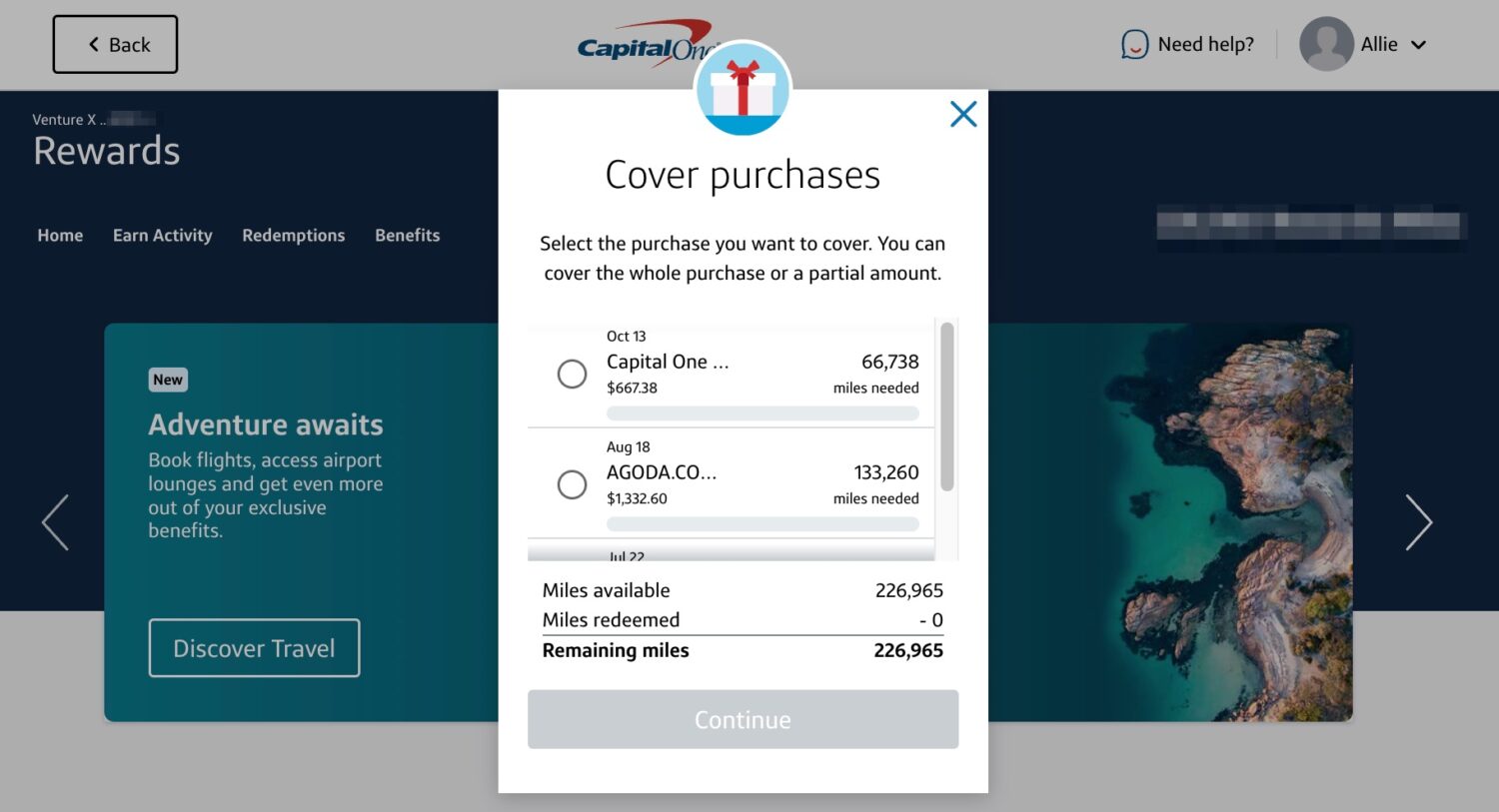
- Purchase Eraser: One of Capital One’s signature features allows cardholders to post any travel-related expense—ranging from traditional airline tickets and hotels to unconventional travel bookings like Airbnb stays or golf resort packages—to their card and subsequently erase the charge using miles at a flat rate of 1 cent per mile.
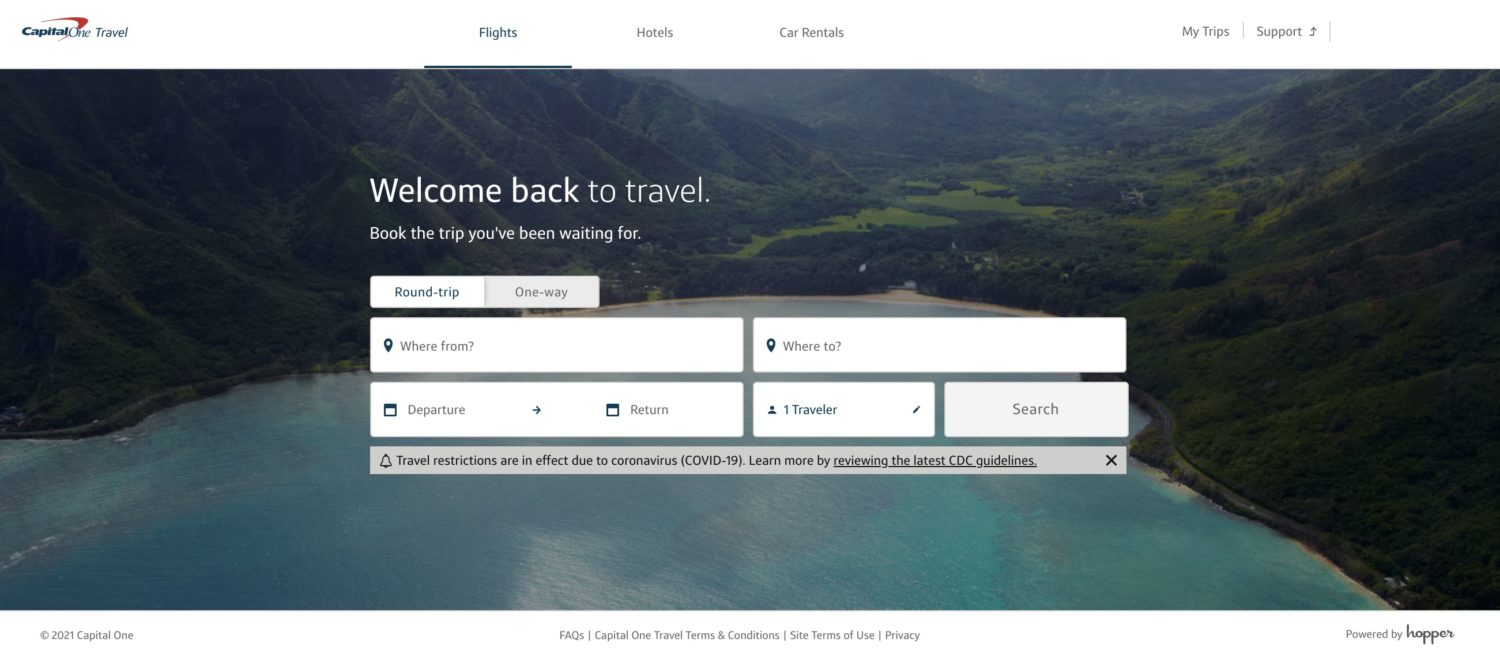
- Capital One Travel Portal: Powered by the Hopper booking engine, the portal allows users to apply miles directly toward bookings. While the portal features price-drop protection and price-match guarantees, industry analyses suggest that certain hotel properties booked through the platform may occasionally price higher than direct bookings or alternative online travel agencies (OTAs), necessitating diligent price comparison.
- Transfer Partners: Capital One features an extensive roster of airline and hotel transfer partners—such as Air Canada Aeroplan, Avianca LifeMiles, Turkish Airlines, and British Airways—typically operating at a 1:1 transfer ratio, though select partners operate at differing conversion rates.
Travel Perks, Incidental Credits, and Lifestyle Benefits
Mid-tier travel cards generally avoid offering exhaustive luxury perks like airport lounge memberships, which are typically reserved for premium cards with annual fees exceeding $500. Nonetheless, both the Chase Sapphire Preferred and Capital One Venture include valuable incidental credits.
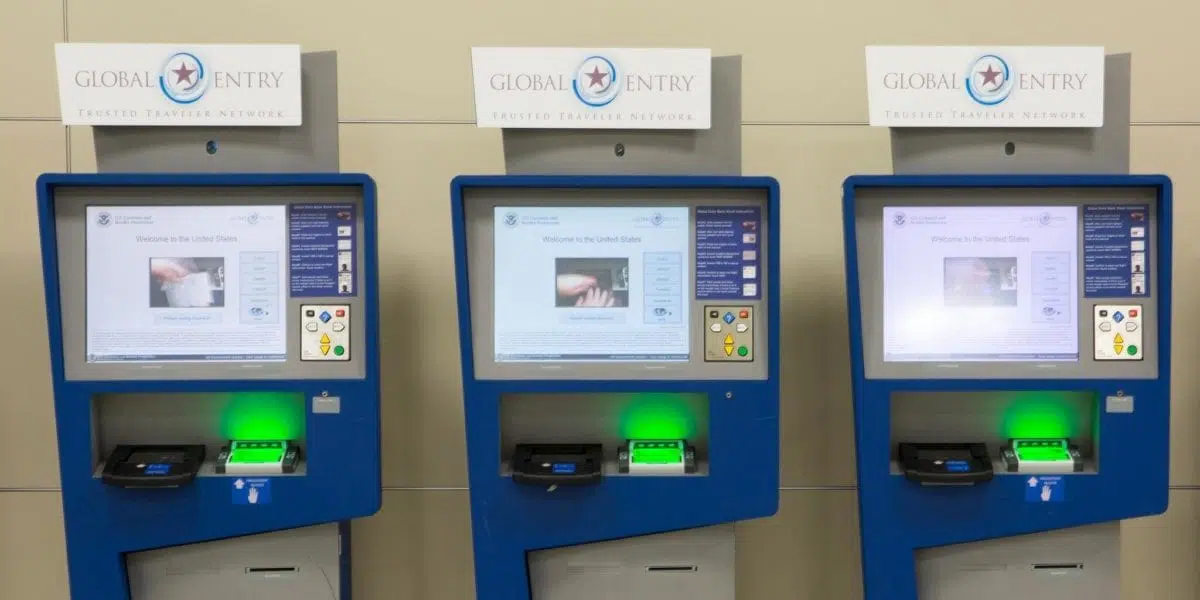
- Application Fee Credits: Both cards reimburse the application fee for TSA PreCheck or Global Entry (up to $120 value) once every four to four-and-a-half years.
- Lifestyle Subscriptions: The Chase Sapphire Preferred includes value-added partnerships, such as complimentary DoorDash DashPass subscriptions and promotional access to digital streaming services like Apple TV, significantly elevating the card’s non-travel utility.
Comprehensive Travel Protections and Insurance
When unexpected disruptions occur during transit—such as flight cancellations, lost baggage, or rental car collisions—the insurance policies embedded within a credit card can prevent substantial out-of-pocket expenses. This category represents the most pronounced operational divergence between the two cards.
Chase Sapphire Preferred Insurance Suite
The Sapphire Preferred provides industry-leading travel protections that frequently rival cards costing triple its annual fee:
- Primary Rental Car Coverage: Provides up to $60,000 in primary collision damage waiver protection for up to 31 consecutive days, eliminating the need to file claims through personal auto insurance policies. (Excludes exotic vehicles and select high-value brands like Tesla).
- Trip Delay Reimbursement: Reimburses non-refundable expenses (such as meals and hotel accommodations) up to $500 per ticket for covered delays lasting 12 hours or more, or requiring an overnight stay.
- Baggage Delay Insurance: Provides up to $100 per day for up to five days for essential purchases if checked luggage is delayed by more than six hours.
- Emergency Evacuation and Transportation: Offers up to $100,000 in coverage for medical services and emergency transportation during qualifying trips.
Capital One Venture Insurance Suite
While the Capital One Venture offers foundational travel assistance, its insurance policies are comparatively restricted:
- Secondary Rental Car Coverage: For domestic rentals within the United States, coverage is secondary, meaning cardholders must first exhaust their personal auto insurance policy and pay applicable deductibles before utilizing card benefits (though coverage is primary internationally).
- Luggage Protections: While it covers lost luggage, it generally lacks robust compensation for short-term baggage delays.
Strategic Industry Outlook and Implications
The decision between the Chase Sapphire Preferred and the Capital One Venture ultimately hinges on individual financial priorities and travel philosophies.
The Chase Sapphire Preferred emerges as the superior option for consumers who prioritize comprehensive travel insurance, high-multiplier spending categories, and maximized point values through transfer partners. The inclusion of the annual hotel credit and robust trip delay protections easily justifies the $95 annual fee for regular travelers.
Conversely, the Capital One Venture appeals directly to consumers who value absolute simplicity. The predictable, flat-rate 2x return on every purchase, paired with the straightforward "Purchase Eraser" redemption model, eliminates the complexity of tracking bonus categories or calculating transfer ratios.
Market analysts note that rather than viewing these financial instruments as mutually exclusive, many advanced travelers deliberately hold both cards in their wallets to leverage the distinct structural advantages of each ecosystem.