Chase Freedom Flex Review: Why This No-Annual-Fee Card Punching Above Its Weight Belongs in Your Wallet

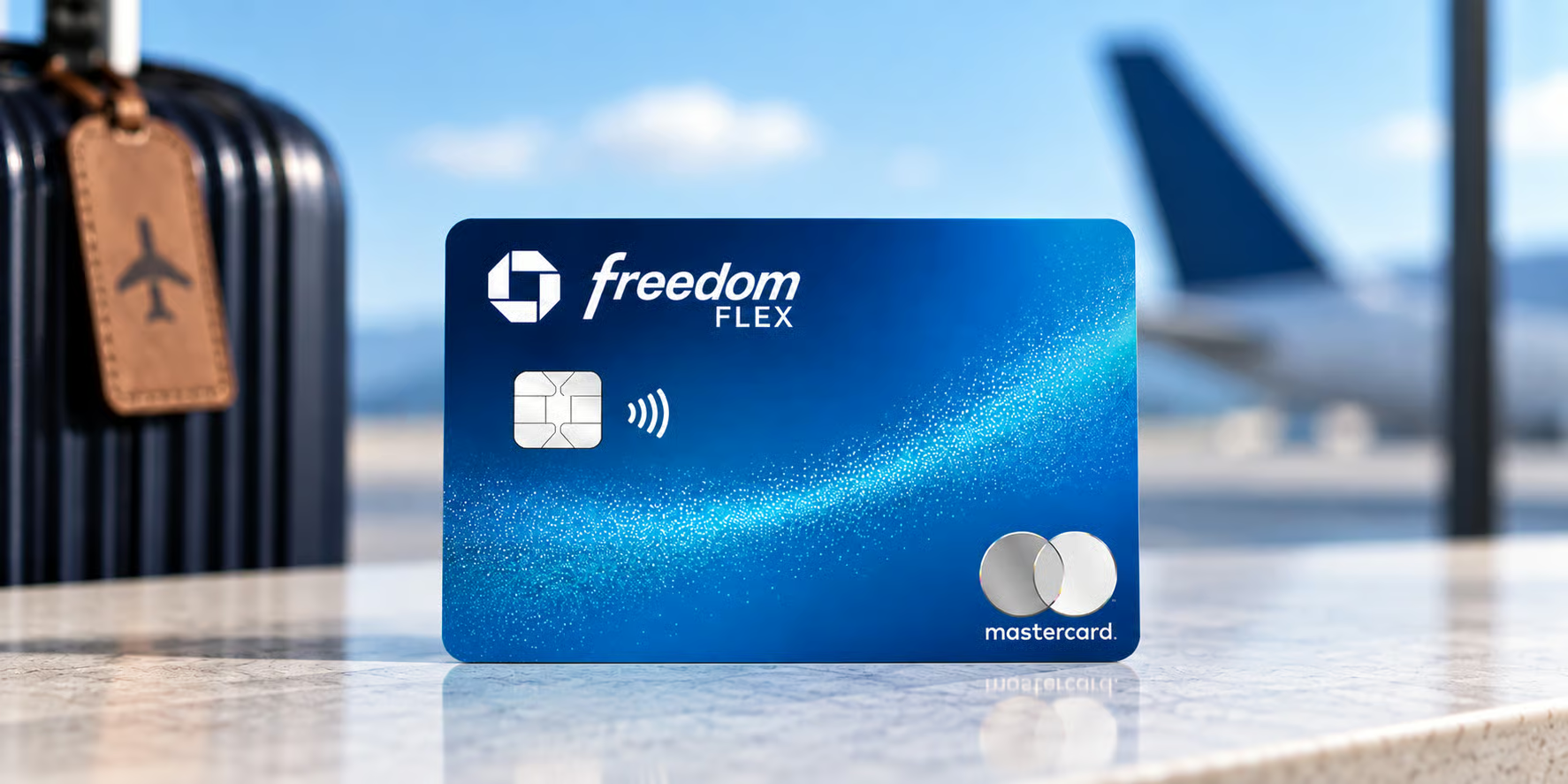
The credit card landscape is continuously evolving, divided sharply between cards designed for high-spending elite travelers and those meant for everyday utility. Within the latter category, no-annual-fee options traditionally serve as modest entry points—stepping stones for beginners looking to build credit history without financial overhead. However, the Chase Freedom Flex has successfully challenged this paradigm. Despite carrying a $0 annual fee and attracting first-time cardholders, it functions as one of the most structurally rewarding everyday spending instruments available on the consumer market, appealing equally to novices and veteran points-and-miles enthusiasts.
The Mechanics of Rotating Quarterly Rewards
At the core of the Chase Freedom Flex’s value proposition is its rotating bonus category structure. Cardholders can earn 5% cash back on up to $1,500 in combined purchases within designated categories that shift every three months. This system encourages active engagement, as consumers must manually activate the categories each quarter to secure the higher earning rate.
For example, during the final quarter of the year, Chase structured its bonus categories to include dining, grocery store purchases (excluding wholesale giants like Target and Walmart), and charitable donations made to the American Red Cross. The inclusion of dining highlights a powerful synergy within the card’s architecture: because the Freedom Flex natively earns 3% back on dining year-round, the quarterly bonus stacks on top of this baseline. Consequently, cardholders earn a staggering 7% back on dining expenses during this period—comprising a 1% base earning rate, a 2% dining bonus, and a 4% quarterly activation bonus—up to the spending cap.
Beyond these seasonal spikes, the card maintains consistent earning structures, including standard cash back on drugstores and travel booked through Chase Travel, alongside a dependable 1% back on all other general purchases.
Unlocking Ultimate Rewards: The Hidden Superpower
While Chase markets the Freedom Flex primarily as a cash back credit card, its underlying currency operates as Chase Ultimate Rewards points. For the casual consumer, this distinction may seem semantic; a 5% cash back return equates directly to $0.05 per dollar spent. However, for strategic spenders, this transforms the card’s utility entirely.
The true strategic value of the Freedom Flex is unlocked when it is paired with a premium Chase product, such as the Chase Sapphire Preferred Card, the Chase Sapphire Reserve, or the Ink Business Preferred Credit Card. Cardholders who maintain both a Freedom Flex and a Sapphire-tier or Ink-tier card gain the ability to transfer their cash back earnings into a central pool as full-fledged Ultimate Rewards points at a 1:1 ratio.
Once converted into Ultimate Rewards points, their monetary value multiplies significantly when transferred to Chase’s extensive network of airline and hotel loyalty partners. These partners include major global carriers like United Airlines and Air France/KLM Flying Blue, as well as hospitality giants like World of Hyatt. By channeling modest cash back earnings from everyday purchases like groceries and dining into high-value redemption vehicles—such as international business class flights or luxury resort stays—savvy travelers can extract a return on spending that far exceeds the nominal cash back percentage.
Introductory Offer and Acquisition Strategy
To capture market share among new applicants, Chase has periodically deployed competitive welcome bonuses for the Freedom Flex. A prominent limited-time promotion offers $250—or alternatively, 25,000 Ultimate Rewards points if paired with a qualifying Sapphire or Ink card—after meeting a modest spending threshold of $500 within the first three months of account opening.
This low spending requirement makes the bonus exceptionally attainable for college students, young professionals, and budget-conscious consumers who might otherwise struggle to meet the hefty minimum spend thresholds associated with premium travel cards. In the broader context of personal finance, securing a $250 return on a $500 investment represents a 50% immediate return, making the card’s acquisition cost virtually negligible given its $0 annual fee.
Fee Structure and International Usability
Historically, no-annual-fee credit cards came with a hidden penalty: steep foreign transaction fees that made them impractical for international travel. The Chase Freedom Flex has broken from this convention by omitting foreign transaction fees entirely.
This policy shift allows cardholders to travel abroad and utilize the card internationally without incurring the standard 3% surcharge typically levied on foreign purchases. Combined with its lack of an annual fee, this feature elevates the card from a domestic utility tool to a viable companion for international trips, reducing friction for consumers who want robust rewards without ongoing maintenance costs.
World Elite Mastercard Benefits and Insurance Protections
A frequently overlooked aspect of the Chase Freedom Flex is its designation as a World Elite Mastercard. While payment network branding often feels secondary to the issuing bank’s terms, the Mastercard tier grants cardholders access to a suite of lifestyle and consumer protections that are rarely bundled into no-annual-fee products.
Among the most tangible benefits is complimentary cell phone insurance. Cardholders who charge their monthly cellular telephone bill directly to their Chase Freedom Flex are automatically enrolled in coverage that provides up to $1,000 in yearly protection against theft or damage. The policy allows for a maximum of $600 per claim, subject to a small deductible, and covers up to two claims within a 12-month period. For tech-dependent consumers, this built-in protection can easily offset the cost of third-party insurance plans.
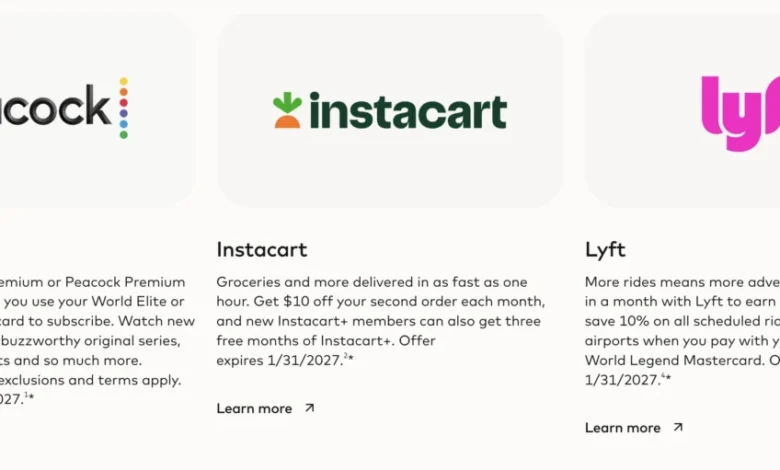
Additionally, the World Elite status unlocks lifestyle perks such as promotional credits on rideshare services like Lyft, delivery discounts, and a complimentary ShopRunner membership for expedited shipping with participating online retailers.
On the travel and security front, the card provides foundational consumer protections, including limited trip cancellation and interruption insurance, secondary auto rental collision damage waiver coverage, and a roadside dispatch service for vehicle emergencies. While secondary rental insurance requires cardholders to rely on their primary auto insurance first, it still offers critical financial shielding during roadside incidents.
Strategic Synergy: The Sapphire and Freedom Combination
Financial analysts frequently emphasize the concept of the "Chase Trifecta"—a coordinated strategy where consumers hold multiple Chase credit cards to maximize points accumulation across different spending categories. Within this framework, the Freedom Flex acts as the engine for high-velocity category spend, while the Chase Sapphire Preferred or Reserve acts as the vault and transfer engine.
When a consumer holds both the Freedom Flex and a Sapphire card, the psychological and financial barrier between "earning cash back" and "travel hacking" dissolves. Every dollar spent on rotating quarterly categories accrues points that can be redirected toward high-value travel redemptions. Even for consumers who choose not to travel extensively, the optionality provided by this ecosystem ensures that the card never loses its foundational utility; if travel is not on the horizon, cash statements and direct bank deposits remain available at a reliable baseline of one cent per point.
Comparative Market Analysis and Industry Implications
When evaluated against competing no-annual-fee cash back products from issuers like Discover, Citi, and American Express, the Chase Freedom Flex holds a distinct competitive advantage due to its integration with the Ultimate Rewards ecosystem. While competing quarterly-rotation cards offer similar 5% structures, they lack the ability to convert cash back into transferable airline and hotel miles.
This structural superiority has made the Freedom Flex a staple recommendation across personal finance forums, travel blogs, and independent financial advisory publications. Industry experts note that as credit card issuers face rising acquisition costs and shifting consumer behaviors, products that bridge the gap between simple cash back and sophisticated travel rewards will continue to dominate market share.
Fact-Based Analysis of Cardholder Implications
For the average consumer, integrating the Chase Freedom Flex into a wallet requires minimal effort relative to the potential financial return. However, maximizing the card demands active management. Because the 5% cash back categories change every quarter and are subject to a $1,500 spending cap per quarter, cardholders must remain vigilant about activation deadlines and spending limits to avoid missing out on peak earnings.
Furthermore, consumers must weigh the hard inquiry and temporary dip in average account age associated with opening a new credit line against the long-term benefits of increased credit limits and diversified reward generation. For those disciplined enough to pay their balances in full each month—thereby avoiding high revolving interest rates—the card presents virtually zero financial downside.
Broader Economic Context and Issuer Strategy
The persistence of lucrative reward structures on no-annual-fee cards reflects a broader strategy by major financial institutions to capture primary customer relationships early in a consumer’s financial lifecycle. By offering high-value rewards on entry-level products like the Freedom Flex, issuers like Chase successfully onboard younger or credit-building demographics. Over time, these customers often graduate to premium annual-fee products, creating a long-term, highly profitable banking relationship.
This customer acquisition funnel relies on balancing the cost of generous reward payouts with interchange fees collected from merchants and interest revenue from revolving balances. As payment networks evolve, the viability of such rewards depends heavily on sustained consumer spending volume and digital payment adoption.
Conclusion and Practical Recommendations
The Chase Freedom Flex occupies a rare space in consumer finance: a product that genuinely serves beginners and advanced practitioners alike without forcing compromises. Its $0 annual fee, absence of foreign transaction fees, robust cell phone protection, and high-ceiling quarterly rotating categories make it a formidable standalone cash back tool.
When paired with a Chase Sapphire or Ink Preferred card, its utility expands exponentially, turning everyday purchases on groceries, dining, and rotating merchants into high-yield travel points. Supported by a competitive introductory welcome bonus, the card remains a compelling option for anyone looking to optimize their everyday spending architecture without incurring unnecessary annual overhead.