Strategic Geography and Ionian Context
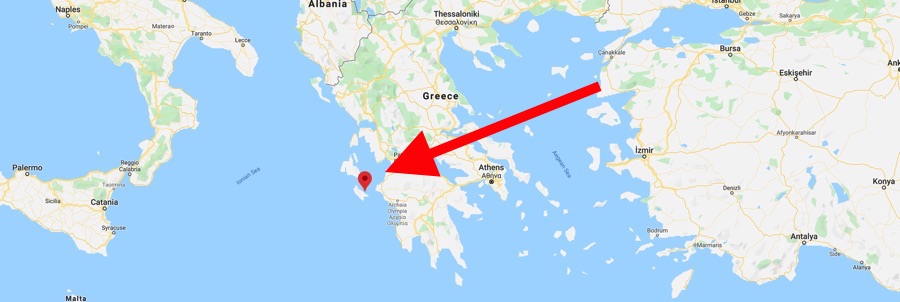
Zakynthos, often referred to by its Italian name "Zante," is the third largest of the Ionian Islands, positioned roughly 20 kilometers off the westernmost point of the Greek Peloponnese. Historically, its location was of paramount importance for maritime trade routes connecting the Adriatic Sea with the eastern Mediterranean. The Venetian Castle occupies the site of the island’s ancient acropolis, known in antiquity as Psofis. This elevated position provides a natural vantage point, offering 360-degree views of the Ionian Sea, the neighboring island of Kefalonia, and the Peloponnesian coast.
The island’s accessibility has evolved significantly since the castle’s heyday. Today, Zakynthos is a major hub for international tourism, serviced by Zakynthos International Airport "Dionysios Solomos," which receives direct flights from major European capitals such as London, Rome, and Amsterdam. Additionally, a robust ferry network connects the island to the mainland port of Kyllini, with approximately seven daily sailings during the peak summer season. While the island is widely recognized for its natural landmarks, such as the iconic Navagio Beach (Shipwreck Cove) and the vibrant nightlife of Laganas, the Venetian Castle represents the cultural and historical core of the island’s administrative history.
Chronology of Occupation and Construction
The history of the Venetian Castle is a narrative of destruction and reconstruction, reflecting the volatile geopolitical landscape of the Ionian Islands. The site has been fortified since ancient times, but the current structure is primarily a product of the late Middle Ages and the Renaissance.
1460 – Ottoman Incursion: The original medieval fortifications were largely decimated during a period of Ottoman expansion. The Turkish forces, seeking to control the strategic Ionian outposts, left the fortress in a state of ruin.

1484 – Beginning of Venetian Rule: The Republic of Venice took control of Zakynthos, recognizing that the island’s defense was critical to maintaining their "Stato da Màr" (State of the Sea).
1515 – Initial Repairs: Records indicate that the Venetians began significant repairs to the walls during this period, though the project faced setbacks due to the unstable soil and frequent tremors.
1646 – Completion of the Current Structure: The fortress as it is seen today was largely finalized in the mid-17th century. Venetian engineers implemented the "trace italienne" style, characterized by thick, sloped walls designed to withstand artillery fire.
1812 – British Administration: Following the Napoleonic Wars, the Ionian Islands became a British protectorate. The British military occupied the castle, adding modern barracks, gunpowder stores, and administrative buildings. For a period, the castle served as the seat of the British Parliament in the Ionians.
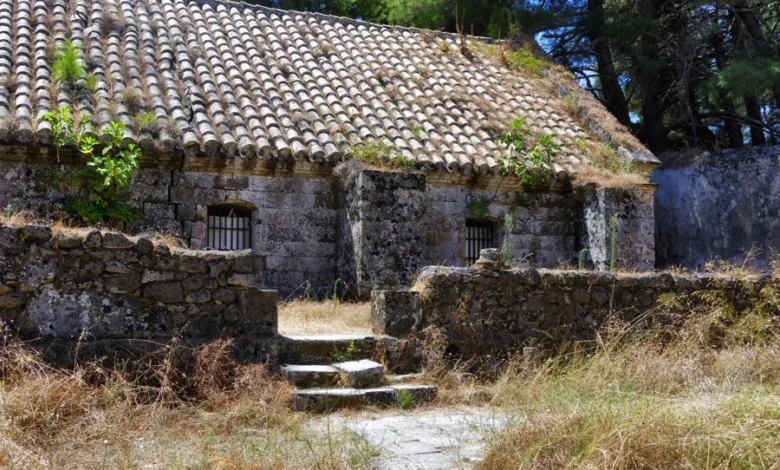
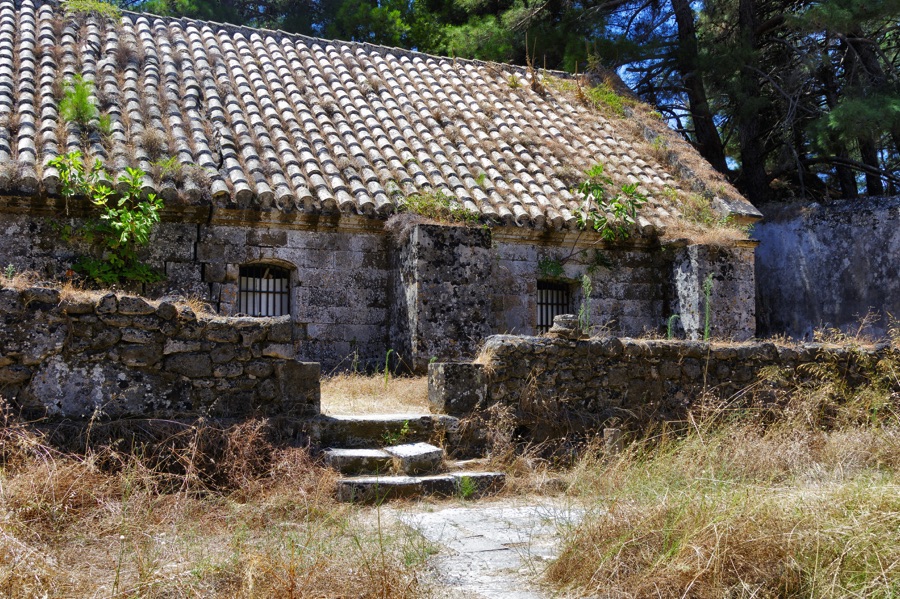
1953 – The Great Ionian Earthquake: This catastrophic 7.2 magnitude event leveled much of Zante Town and caused substantial damage to the castle’s internal structures. While the outer curtain walls remained largely intact, many of the interior Byzantine and Venetian buildings were reduced to ruins.
Architectural Features and Symbolic Heritage
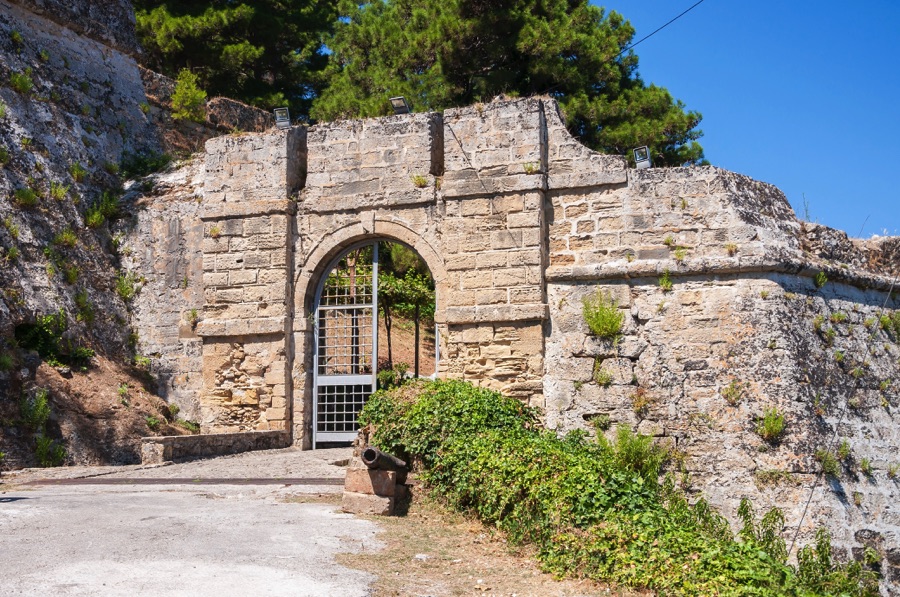
The most prominent architectural feature of the castle is the main gateway, which bears the relief of the Winged Lion of Saint Mark. This icon, depicting a lion holding an open book, was the official symbol of the Republic of Venice and served as a clear marker of Venetian sovereignty and divine protection. The presence of this symbol at the entrance underscored the castle’s role as the administrative and military heart of the island.
Inside the sprawling perimeter, which covers several hundred meters, the ruins of various religious and military structures remain visible. These include:
- Church of the Savior (San Salvatore): Dating back to the 12th century, this Byzantine structure represents the pre-Venetian religious heritage of the site.
- Church of Saint Francis: A 14th-century edifice that highlights the influence of Western monastic orders during the medieval period.
- Church of Santa Barbara: Another significant ecclesiastical ruin that served the garrison and the local population who sought refuge within the walls during pirate raids.
- The Prison Cells and Munitions Depots: Located in the more confined, subterranean, or heavily fortified sections of the castle, these areas reflect the harsh realities of military life and the constant threat of siege.
The construction utilized local limestone, and the walls were engineered with a "scarp" (a sloping face) to deflect cannonballs and prevent scaling. The interior was once a bustling town, acting as the island’s capital before the population gradually moved toward the harbor area as the threat of piracy diminished in the 18th and 19th centuries.
Tourism and Economic Impact
In the contemporary era, the Venetian Castle has transitioned from a military bastion to a significant cultural asset. According to regional tourism data, the castle is one of the most visited historical sites on Zakynthos, particularly favored by those seeking an alternative to the island’s coastal attractions.
The site is currently managed by the Hellenic Ministry of Culture and Sports. Access is typically free of charge, though operating hours are subject to seasonal changes, generally closing by mid-afternoon (around 3:30 PM) in the winter and extending later in the summer months. The lack of a formal entry fee makes it a highly accessible landmark, though it also means that the site lacks the extensive interpretive facilities—such as audio guides or interactive museums—found at more commercialized European heritage sites.
Local hospitality experts note that the proximity of the castle has bolstered the economy of Zante Town and the village of Bohali. High-rated accommodations, such as the Phoenix Hotel and the Yria Hotel, benefit from their location near the base of Bohali Hill. The hill itself has become a premium destination for "sunset tourism," where visitors congregate at the castle’s viewing platforms to photograph the Ionian Sea and the harbor.
Conservation Challenges and Implications
The preservation of the Venetian Castle presents ongoing challenges for Greek archaeologists. The Ionian region remains one of the most seismically active zones in Europe. The 1953 earthquake demonstrated the vulnerability of the site’s internal structures. Consequently, conservation efforts are focused on stabilizing the existing ruins rather than full-scale reconstruction.
Architectural historians argue that the "ruin state" of the castle offers a unique educational value, illustrating the layers of history from the Byzantine era through the Venetian and British occupations. However, there are calls from local cultural organizations for enhanced signage and the restoration of certain internal paths to improve safety and educational engagement.
The castle’s survival is a testament to the durability of Venetian engineering. While many other contemporary structures across the island were lost to the 1953 disaster, the fortress walls remain a defining feature of the Zakynthian skyline. This resilience has symbolic importance for the local population, representing the island’s ability to endure and rebuild after natural and man-made catastrophes.
Conclusion: A Bastion of Collective Memory
The Venetian Castle of Zakynthos is more than a collection of weathered stones and collapsed arches; it is a monument to the island’s complex identity. As a site that has seen the transition from Byzantine Orthodoxy to Venetian Catholicism and British Anglicanism, it encapsulates the diverse cultural currents that have shaped the Ionian Islands.
For the modern traveler, the castle offers a tranquil retreat from the high-energy tourism of the coast. For the historian, it provides a tangible record of the Republic of Venice’s maritime empire. As Zakynthos continues to grow as a global travel destination, the preservation and promotion of the Venetian Castle will remain essential in ensuring that the island’s rich historical narrative is not overshadowed by its natural beauty. The fortress stands as a reminder that the true essence of the Ionian lies in its layers of history, waiting to be explored by those who ascend the slopes of Bohali.