Fiordland’s Great Walks From Te Anau: A Three-Day Guided Exploration of New Zealand’s Premier Wilderness Trails

Te Anau has solidified its position as the strategic gateway to Fiordland National Park, offering a structured three-day guided experience that highlights the Kepler, Milford, and Routeburn tracks. This logistical framework allows travelers to experience three of New Zealand’s "Great Walks" while maintaining a single base of operations in the lakeside town of Te Anau. Unlike traditional multi-day tramping, which requires backcountry hut stays and significant equipment portage, this model emphasizes accessibility, local ecological education, and the economic support of the Southland regional community. By returning to Te Anau each evening, the program bridges the gap between rugged wilderness exploration and the comfort of established infrastructure, reflecting a broader trend in New Zealand’s tourism sector toward high-value, low-impact "slow travel."
Strategic Context: Te Anau as a Wilderness Hub
While Queenstown has historically served as the primary transit point for international tourists visiting the South Island, industry experts and conservationists increasingly advocate for Te Anau as the more sustainable and logical base for Fiordland expeditions. Situated on the borders of a 1.2-million-hectare UNESCO World Heritage site, Te Anau reduces transit times to trailheads significantly. For instance, the drive to the Milford Sound trailhead from Te Anau is approximately two hours, whereas the journey from Queenstown can exceed four hours each way, leading to driver fatigue and increased carbon emissions.
The economic implications of this shift are notable. By centering the experience in Te Anau, tourism revenue is directed toward local family-owned businesses rather than larger multinational hospitality chains often found in major hubs. This regional investment supports ongoing conservation efforts and the maintenance of the infrastructure necessary to manage the 1.3 million visitors who typically frequent the Fiordland region annually.
Chronology of the Three-Day Expedition
The guided program is structured to provide a comprehensive overview of Fiordland’s diverse ecosystems, ranging from alpine ridgelines to temperate rainforests.
Day One: The Kepler Track and Alpine Dynamics
The expedition commences on the Kepler Track, a 60-kilometer circular loop that was custom-built in 1988 to showcase the best features of the region while relieving pressure on the Milford and Routeburn tracks. The guided experience offers two primary points of entry: a jet boat transit across Lake Te Anau to Brod Bay or a scenic helicopter ascent to Luxmore Hut.
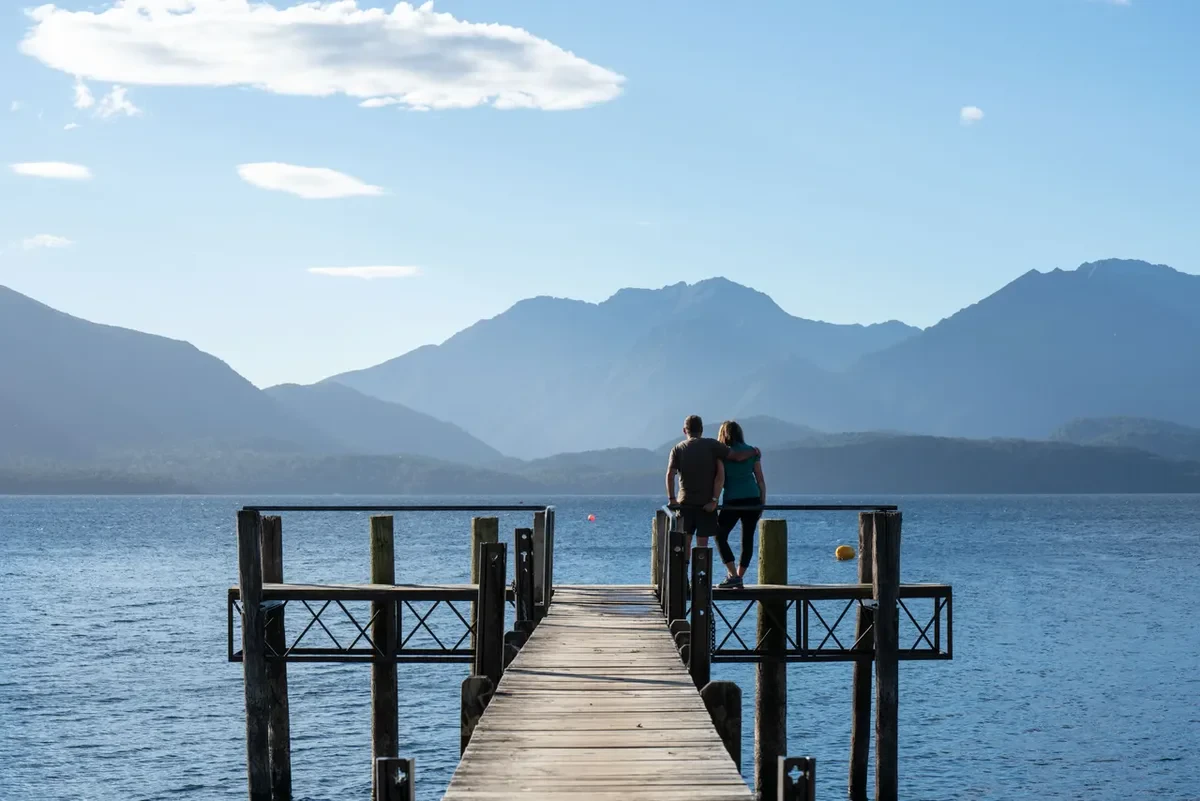
The Luxmore Hut section, situated at 1,085 meters above sea level, provides a vantage point over the "Hidden Lakes" and the vast beech forests of the Te Anau basin. The descent involves an 8-kilometer trek through limestone bluffs and sub-alpine scrub. This segment is designed for participants with a medium-to-high fitness level, as the sustained downhill gradient requires physical resilience. The day concludes with a water taxi return to Te Anau, emphasizing the integrated transport logistics that define the modern guided experience.
Day Two: The Milford Track and Rainforest Ecology
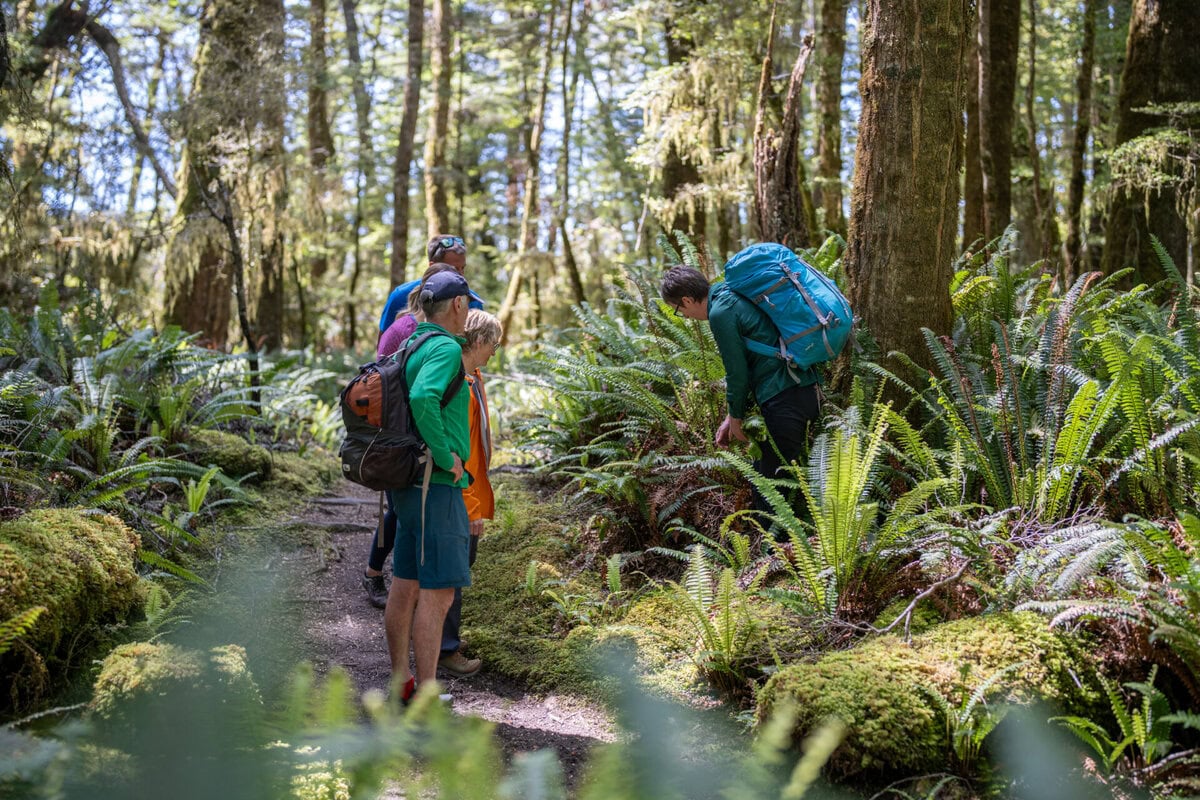
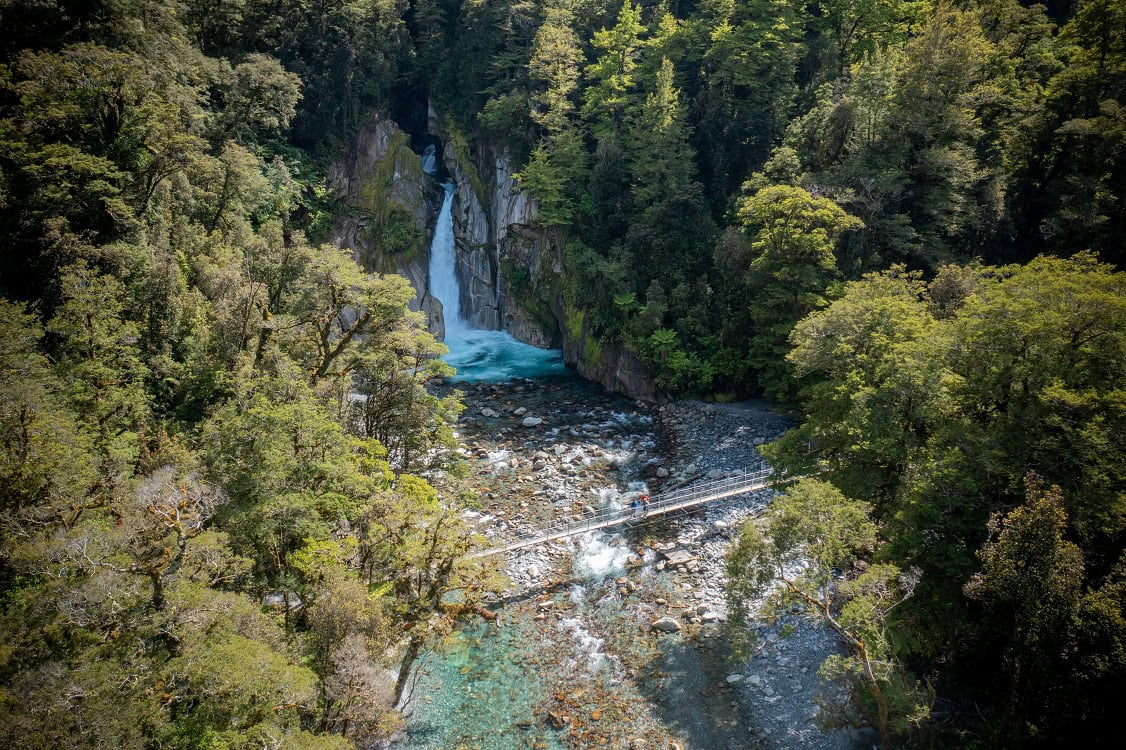
Day two focuses on the Milford Track, often referred to since the late 19th century as "the finest walk in the world." The itinerary utilizes the Milford Road (State Highway 94), a corridor recognized internationally for its engineering and scenic value. Participants engage in a half-day walk on the northern end of the track, characterized by lush rainforests, moss-covered beech trees, and the Giant Gate Falls.
Fiordland is one of the wettest inhabited places on Earth, with Milford Sound receiving an average of 6,412mm of rainfall annually. This high precipitation is a critical component of the local ecology, feeding the rapid growth of bryophytes and maintaining the crystal-clear rivers that are home to the endangered Whio (blue duck). Following the hike, the program integrates a two-hour cruise of Milford Sound, extending out to the Tasman Sea. This allows for a geological perspective on the U-shaped glacial valleys and the hanging waterfalls that define the fiord’s topography.
Day Three: The Routeburn Track and the Alpine Divide
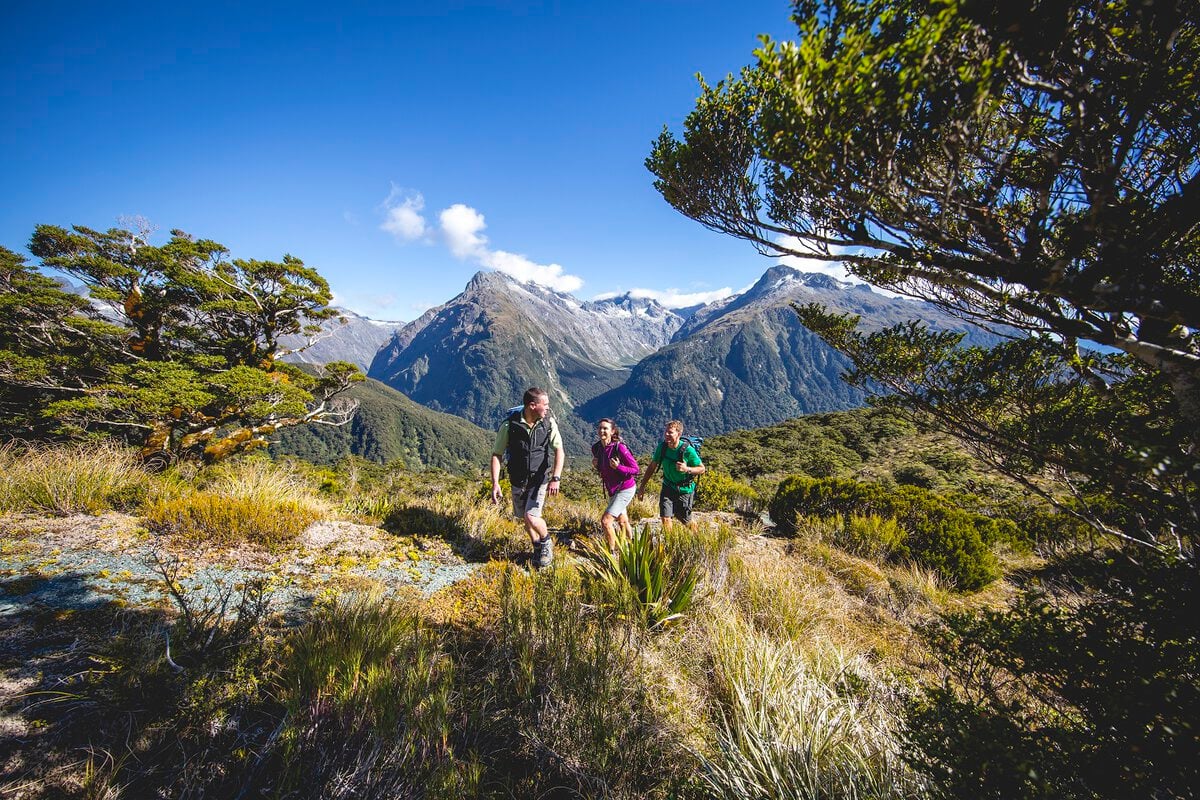
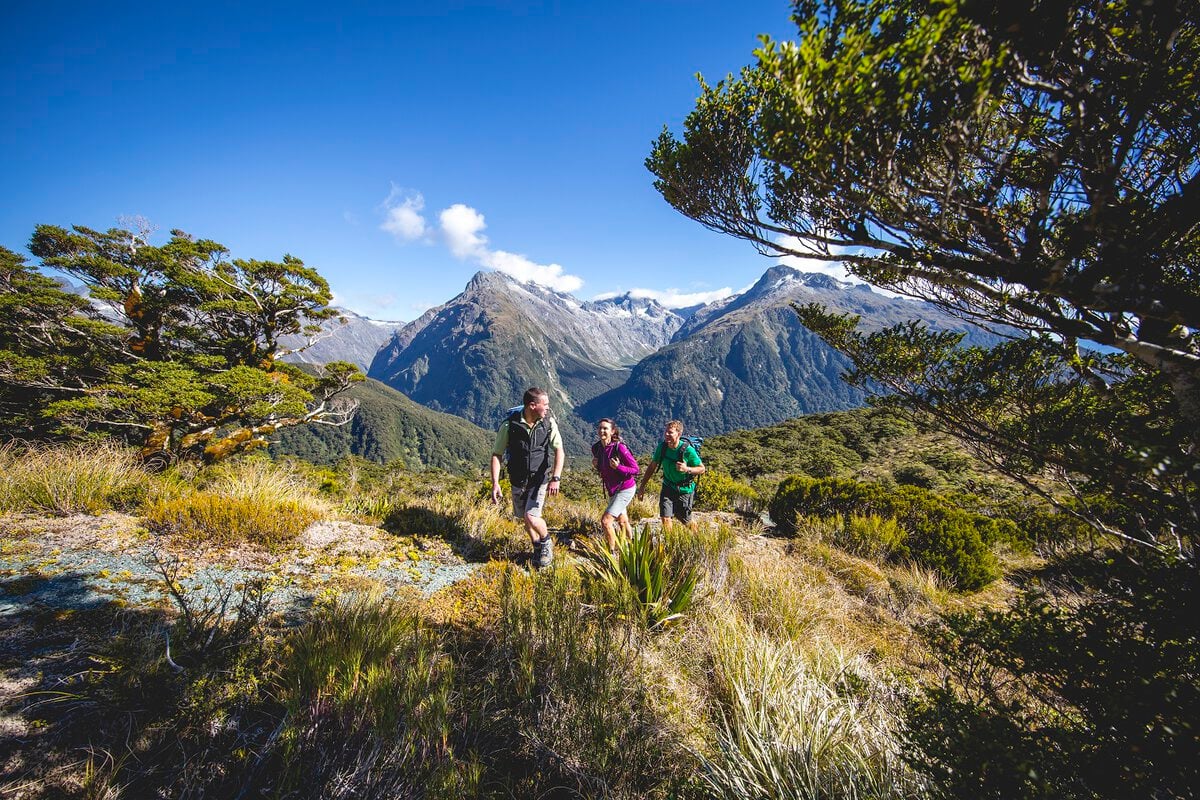
The final day involves an ascent on the Routeburn Track, which traverses the Humboldt and Richardson mountain ranges. The walk begins at the Divide Shelter, the lowest pass across the Southern Alps. The trail climbs steadily through silver beech forest before breaking the treeline into alpine tarns.
The Routeburn is geologically distinct, featuring high-altitude wetlands and panoramic views of the Hollyford Valley and the Darran Mountains. For many participants, this day represents the peak physical challenge, involving a 400-meter vertical ascent to Key Summit. The transition from the dense, humid forest of the previous day to the exposed, wind-swept alpine environment of the Routeburn provides a definitive conclusion to the three-day ecological survey.
Supporting Data and Environmental Management
The "Great Walks" are managed by the Department of Conservation (DOC), which enforces strict visitor limits to prevent environmental degradation. The popularity of these tracks is such that independent booking slots often sell out within minutes of being released. The guided model, such as that operated by Fiordland Trips & Tramps, provides a managed alternative that includes expert interpretation.
Ecological and Safety Metrics
- Biodiversity: The tracks are sites for intensive predator control programs. Local guides often assist in educating visitors about the "Trapping for Tertiary" initiatives aimed at protecting the Kea (mountain parrot) and the South Island Robin.
- Weather Volatility: Safety is managed through real-time satellite communication and local knowledge of "weather windows." In Fiordland, rain is a constant; however, the guided structure ensures that participants are equipped with professional-grade gear and that routes are modified during high-flow river events.
- Demographics: The heli-hike and guided segments are restricted based on fitness and age (generally not recommended for those over 70 or children under 8) to ensure the safety of the group and the maintainable pace of the itinerary.
Cultural Integration: The Role of Manaakitanga
A significant component of the Fiordland guiding experience is the integration of manaakitanga—the Māori concept of hospitality, care, and the nurturing of relationships. Local guides, such as Olivia Norris of Fiordland Trips & Tramps, represent a multi-generational commitment to the region. This cultural approach shifts the tour from a transactional service to an educational immersion.
Guides serve as the primary link between the visitor and the landscape’s history, covering everything from early Māori routes used for transporting pounamu (greenstone) to the European surveying era of the 1880s. This narrative-driven approach is designed to foster a sense of guardianship (kaitiakitanga) among visitors, encouraging them to view the wilderness as a fragile resource requiring active protection.
Broader Impact and Tourism Implications
The success of the three-day Fiordland package from Te Anau reflects a shift in New Zealand’s national tourism strategy. Following the global pandemic, the Ministry of Business, Innovation and Employment (MBIE) and Tourism New Zealand have prioritized "regenerative tourism." This model seeks to ensure that tourism gives back more to the environment and the community than it consumes.
By utilizing Te Anau as a hub, the program:
- Reduces Over-Tourism: It spreads the visitor load across three different tracks rather than concentrating all activity on a single site like Milford Sound’s foreshore.
- Supports Local Resilience: It provides stable employment for local guides, boat operators, and hospitality workers in a town that is otherwise vulnerable to seasonal fluctuations.
- Enhances Accessibility: It opens the Great Walks to a demographic that may not have the physical ability or the desire to carry 15kg packs and sleep in communal bunks, thereby diversifying the visitor profile.
Practical Information for the 2024-2025 Season
The Fiordland Great Walk season typically runs from November 1st through April 30th. Travelers are advised to arrive in Te Anau at least 24 hours prior to their first hike to acclimate to the local conditions and undergo a safety briefing.
- Logistics: Te Anau is accessible via a 2.5-hour drive from Queenstown Airport or a 2-hour drive from Invercargill. Shuttle services are available for those not utilizing rental vehicles.
- Equipment: Essential gear includes high-grip waterproof hiking boots, multi-layered thermal clothing (merino wool or synthetic), and high-quality rain shells.
- Investment: Current pricing for guided segments ranges from NZ$299 for the Milford day trip to NZ$795 for the Kepler Heli-Hike, reflecting the inclusion of specialized transport, gourmet lunch provisions, and expert guiding fees.
The three-day guided experience from Te Anau represents a sophisticated evolution of the New Zealand tramping tradition. It balances the demand for world-class wilderness experiences with the logistical and environmental realities of the 21st century, ensuring that the "Great Walks" remain both accessible to the public and preserved for future generations.