Chiang Mai has solidified its reputation as the preeminent global hub for digital nomads, offering a unique synthesis of traditional Thai culture, high-speed modern infrastructure, and an exceptionally low cost of living. As the remote work landscape continues to evolve, this northern Thai city remains a primary destination for entrepreneurs, freelancers, and remote corporate employees seeking a balance between professional productivity and high quality of life. In 2026, the city has adapted to these influxes with modernized visa regulations, expanded coworking ecosystems, and a robust services sector tailored specifically to the international "location-independent" workforce.

The Evolution of a Digital Nomad Mecca
The rise of Chiang Mai as a tech-centric haven began in the early 2010s, transitioning from a popular stop on the Southeast Asian backpacking circuit to a sophisticated ecosystem for remote professionals. This transformation was driven by three primary factors: the proliferation of high-speed fiber-optic internet, the relative safety of the city, and a climate that allows for year-round activity.
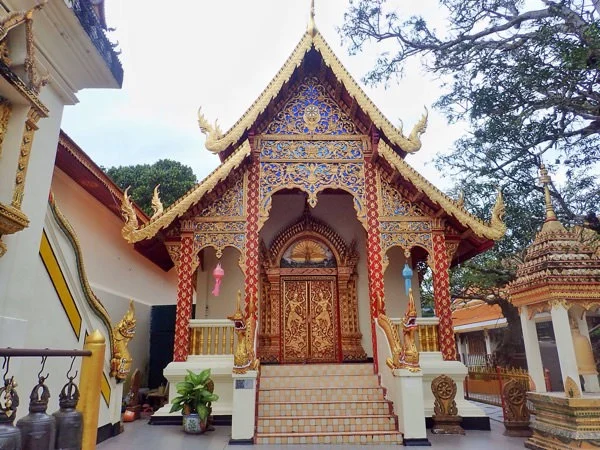
By 2026, the local government and the Tourism Authority of Thailand (TAT) have leaned into this identity. While Bangkok serves as the nation’s commercial and political capital, Chiang Mai has been positioned as the "Creative City." This branding reflects a concerted effort to attract high-value human capital rather than just high-volume tourism. The result is a city that feels both ancient and cutting-edge, where 14th-century temples sit adjacent to 24-hour coworking spaces equipped with the latest 5G technology.

Strategic Accommodation and Housing Market Analysis
The housing market in Chiang Mai is diverse, catering to varying lengths of stay and budgetary requirements. For professionals planning a residency of less than three months, the most viable option remains serviced apartments. These facilities bridge the gap between hotels and traditional rentals, offering flexible monthly or even daily rates.
Serviced Apartments and Short-Term Stays
Serviced apartments typically include amenities such as weekly cleaning, high-speed Wi-Fi, and utility management within a single monthly bill. In 2026, a spacious, air-conditioned studio in a modern building typically ranges from $450 to $750 per month on a short-term basis. These units generally feature a kitchenette, private balcony, and access to communal facilities like fitness centers and swimming pools.

Long-Term Residential Leasing
For those committing to three months or longer, the traditional rental market offers significantly better value. Popular areas like Nimmanhemin and the Old City see one-bedroom apartments fetching between $300 and $550 per month. Those willing to live slightly further from the city center, such as in the Chang Puak or Santitham districts, can find basic studios for as little as $150 to $250.
Real estate experts suggest that the most effective way to secure a long-term lease is to arrive in the city, stay in temporary accommodation for the first week, and engage a local agent. Most agents in Chiang Mai operate on a commission paid by the landlord, making their services free for the renter. Furthermore, Facebook rental groups remain a vital resource for "lease takeovers" and direct-from-owner deals.

Neighborhood Profiles and Location Strategy
Selecting the right neighborhood is critical to the digital nomad experience, as each district offers a distinct atmosphere and logistical advantages.
- Nimmanhemin (Nimman): Often referred to as the "Coolest Neighborhood," Nimman is the epicenter of nomad life. It boasts the highest density of coffee shops, boutique galleries, and high-end coworking spaces. It is also home to the Maya Lifestyle Shopping Center.
- The Old City: Enclosed by historic moats and walls, this area is the cultural heart of Chiang Mai. It is favored by those who prefer a walkable environment and proximity to traditional markets and temples.
- Chang Puak (Santitham): Located just north of the Old City, this area provides a more "local" feel. It is popular among budget-conscious nomads due to its proximity to local universities and cheap, high-quality street food.
- Night Bazaar Area: Southeast of the Old City, this district is more commercial and tourist-focused but offers competitive pricing on older, larger apartment units.
Infrastructure, Connectivity, and Coworking Ecosystems
Reliable infrastructure is the backbone of any digital nomad hub. Chiang Mai excels in this regard, offering internet speeds that often surpass those found in major Western cities.

Internet and Mobile Connectivity
Personal broadband installations are standard in most modern condos, with providers like SINET and AIS offering fiber-optic packages for approximately $20 per month. Mobile connectivity is equally robust, with 5G coverage extending across the entire metropolitan area. Prepaid SIM cards from AIS, TrueMove, or DTAC can be acquired at the airport or any 7-Eleven, with unlimited data plans costing roughly $15 to $20 per month.
The Rise of 24-Hour Coworking
Coworking spaces in Chiang Mai have moved beyond simple desk rentals to become community centers. Establishments like Punspace continue to lead the market, offering 24/7 access, ergonomic seating, and private call booths. Monthly memberships in 2026 generally cost between $110 and $160, while day passes remain affordable at approximately $10. These spaces often host networking events, workshops, and "mastermind" groups, which are essential for professional development and social integration.

Transportation and Logistics
Navigating Chiang Mai is characterized by a mix of traditional and modern transport options. While the city is increasingly congested, the variety of choices ensures mobility.
- Ride-Hailing and Apps: Grab remains the dominant ride-hailing service for both cars and motorbikes. It is widely used not only for transport but also for food and grocery delivery.
- Songthaews and Tuk-Tuks: The iconic "red trucks" (songthaews) operate as shared taxis and are a cost-effective way to move along major routes for about $1 per trip.
- Motorbike Rentals and Ownership: Many nomads opt for scooter rentals, which cost between $70 and $90 per month. For those staying longer than six months, purchasing a second-hand bike and reselling it upon departure is a common financial strategy.
Financial Overview: 2026 Cost of Living Data
A key attraction of Chiang Mai is the ability to maintain a high standard of living on a modest budget. Supporting data for 2026 indicates the following average costs:

- Basic Street Food Meal: $1.50 – $3.00
- Western Restaurant Entrée: $7.00 – $12.00
- Large Domestic Beer (Supermarket): $1.80
- Monthly Gym Membership: $30.00 – $50.00
- Traditional Thai Massage (1 Hour): $6.00 – $10.00
- Average Monthly Utilities (Electricity/Water): $40.00 – $80.00
Total monthly expenditures for a "comfortable" lifestyle typically range from $1,000 to $1,600, covering all rent, food, transport, and entertainment.
The Destination Thailand Visa (DTV): A Regulatory Shift
The most significant change for the nomad community in 2026 is the stabilization of the Destination Thailand Visa (DTV). Introduced to replace the often-exploited visa-exempt entries and "border runs," the DTV is a specific pathway for remote workers.

Key Features of the DTV:
- Validity: Up to five years with multiple entries.
- Stay Duration: 180 days per entry, extendable for another 180 days within Thailand.
- Requirements: Proof of remote employment or a freelance portfolio and a minimum bank balance (currently set around 500,000 THB or approx. $14,000 USD).
- Impact: This visa has significantly reduced the legal anxiety previously associated with long-term stays in Thailand, encouraging nomads to invest more deeply in the local community.
Health, Wellness, and Mental Sustainability
Chiang Mai’s wellness sector has expanded to address the specific needs of remote workers, including physical health and mental well-being. The city is home to world-class private hospitals, such as Chiang Mai Ram and Sriphat, which offer affordable healthcare services to foreigners.

Addressing Burnout
A growing trend in the nomad community is the focus on mental health. The isolation of remote work and the lack of a traditional office structure can lead to burnout. In response, facilities like "The Dawn" have developed specialized programs for professional burnout and executive stress. Furthermore, the city’s numerous yoga studios and meditation centers provide a holistic approach to maintaining a sustainable work-life balance.
Broader Impact and Economic Implications
The influx of digital nomads has had a profound impact on Chiang Mai’s local economy. While it has spurred the growth of the service and tech sectors, it has also led to discussions regarding "gentrification" and the rising cost of living for local residents.

Economic analysts note that the "Nomad Economy" contributes billions of Baht annually to the northern Thai region. However, the Thai government is increasingly looking for ways to ensure this wealth is distributed more equitably. This includes encouraging nomads to engage in local "social impact" projects and fostering collaboration between international freelancers and Thai startups.
Conclusion
Chiang Mai in 2026 remains a peerless destination for the global digital nomad. By combining a low cost of living with high-tier infrastructure and a newly formalized visa system, the city offers a stable and enriching environment for remote work. While challenges such as seasonal air quality (the "burning season" from February to April) and urban congestion persist, the city’s unique cultural appeal and vibrant professional community continue to make it the gold standard for location-independent living. For those seeking to optimize both their professional output and their personal adventures, Chiang Mai remains an essential stop on the global nomad circuit.