The onset of the 2026 summer season has signaled a robust resurgence in international and domestic travel, characterized by significant surges in tourism across major American metropolitan hubs and European capitals. Data from June indicates that travel patterns are being heavily influenced by major sporting events, localized heat waves, and a shifting preference for experiential travel among North American and European travelers. This report examines the key developments, logistical challenges, and broader economic implications of the travel trends observed throughout the month.

The Impact of Global Sporting Events on Urban Tourism
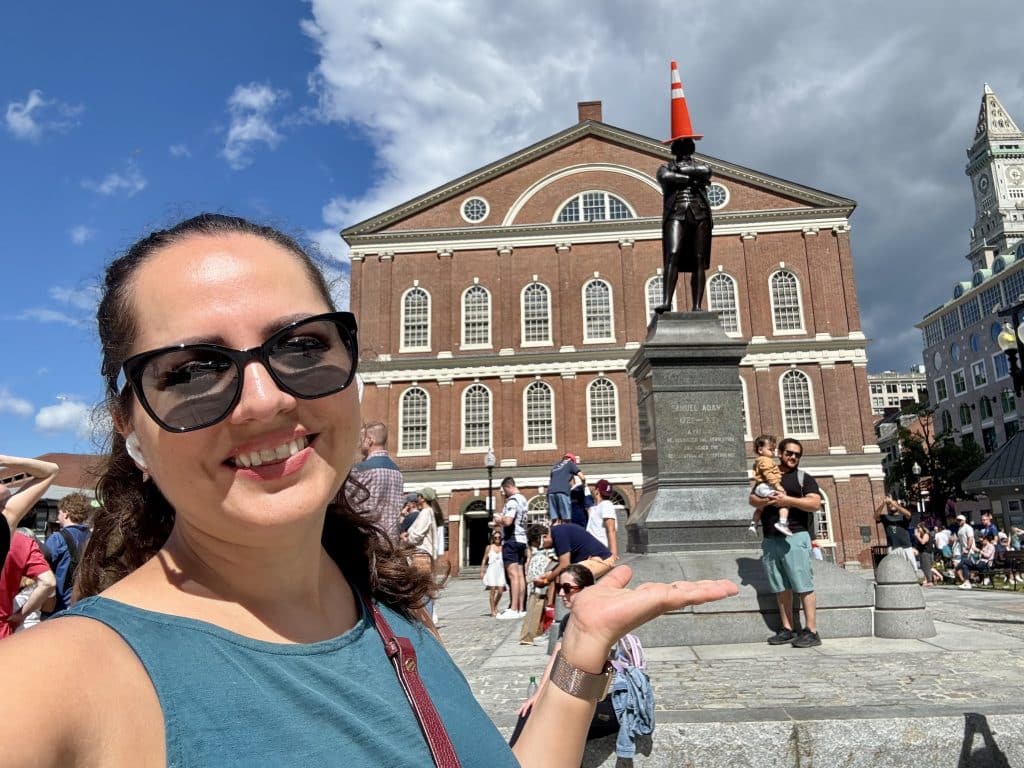
A primary driver of tourism in the United States throughout June was the influence of the World Cup, which catalyzed an influx of international visitors to key hubs, notably Boston. The presence of international fan bases—such as the Scotland-based Tartan Army—resulted in a marked increase in local economic activity. In Boston, the intersection of sporting fans and historical tourism led to higher-than-average occupancy rates in hospitality venues and increased foot traffic in cultural districts such as the Emerald Necklace.
Economic analysts note that the influx of international supporters provides a temporary but significant boost to local retail and hospitality sectors. The phenomenon of "event-based tourism" is increasingly serving as a pillar for municipal economic planning, as cities leverage major events to maximize short-term revenue. However, such events also place strain on local infrastructure, as seen in the logistical complexities of managing large, mobile fan groups moving between venues like Fenway Park and suburban locations.

Infrastructure and Urban Navigation Challenges
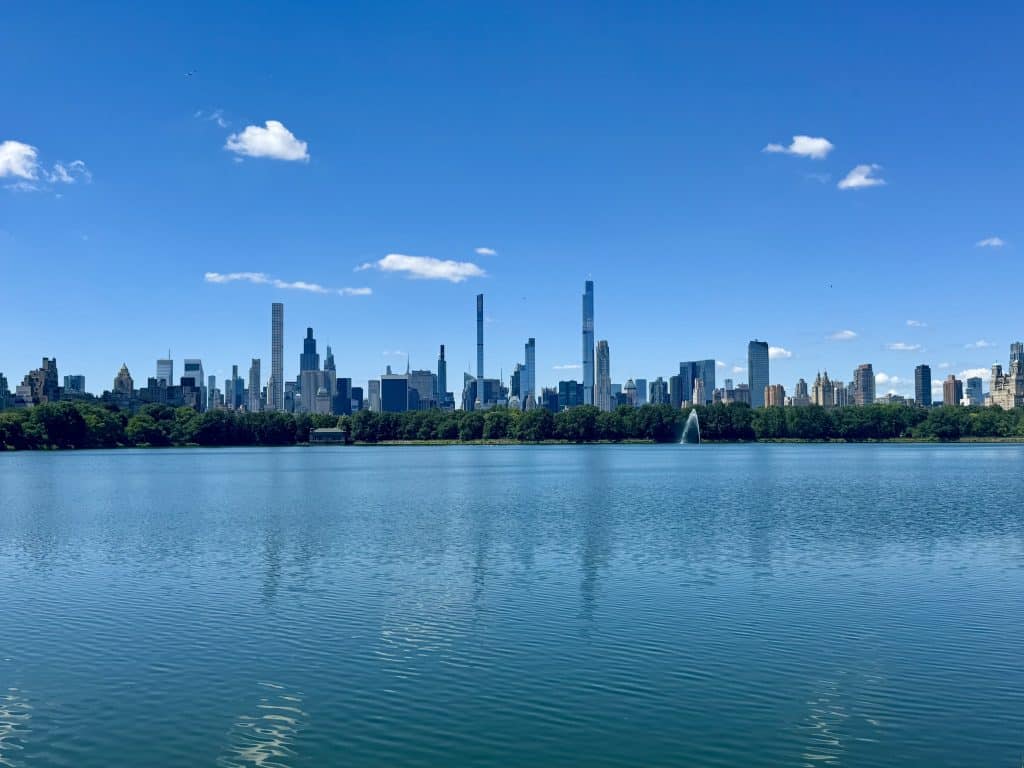
The month of June also highlighted the importance of modern transit infrastructure in managing the flow of large tourist volumes. A notable development was the increased utilization of the George Washington Bridge Bus Station in New York City. This facility, which serves as a critical transit node for Upper Manhattan, has proven vital for regional connectivity, allowing travelers from New England to bypass midtown congestion.
Transportation experts argue that the integration of such peripheral transit hubs is essential for the future of urban tourism. By redirecting traffic away from central transit cores, cities can reduce carbon emissions and improve the overall visitor experience. This shift in travel behavior reflects a broader trend of "de-centralized tourism," where visitors prioritize convenience and local accessibility over traditional, congested tourist centers.
Climate Trends and Their Effect on Travel Logistics
Environmental factors, specifically the record-breaking heat waves that affected large swaths of Europe, have forced a reassessment of summer travel logistics. In Prague and other Central European cities, temperatures reached levels that challenged existing infrastructure, particularly in historic buildings that lack modern central air conditioning.
The resulting strain on hospitality services was notable. Hotels that provided climate-controlled environments experienced a significant rise in demand, even among local residents seeking temporary shelter from extreme temperatures. This trend suggests a growing market for "resiliency-based tourism," where the availability of climate-controlled, high-quality amenities becomes a deciding factor for travelers planning trips during peak summer months.

Furthermore, the heat-related cancellation of high-profile entertainment events—such as concert series—demonstrates the vulnerability of the summer cultural calendar to climate instability. For organizers, the economic losses associated with these cancellations are prompting a reevaluation of indoor venue requirements and event scheduling.
Public Safety and Transit Anomalies
The month was not without operational hazards. A report regarding an isolated incident in the Prague public transport system, where a passenger was temporarily trapped on an out-of-service tram, has raised concerns regarding safety protocols. Industry standards typically mandate that transit operators perform a thorough sweep of all vehicles before they are taken out of service to a depot.
The investigation into this incident highlights a critical need for enhanced communication systems and secondary security measures within automated or high-frequency transit systems. From a policy perspective, transit authorities are under pressure to ensure that emergency egress protocols are both intuitive and reliable for all passengers, regardless of their familiarity with the transit network.
Cultural Engagement and Media Consumption Patterns
Beyond physical travel, the month of June saw significant shifts in digital content consumption, particularly regarding music and literature. The viral nature of social media content surrounding the Tartan Army’s visit to the U.S. demonstrates how cultural exchange continues to be amplified by digital platforms.

In the music industry, there has been a notable resurgence of interest in comprehensive historical catalogs. Public engagement with initiatives such as the Rolling Stone 500 Greatest Albums list indicates a trend toward long-form, curated media consumption. Analysts suggest that this behavior is a response to the fragmentation of the digital landscape, with audiences increasingly seeking structured, high-quality historical retrospectives. The critical success of albums such as Kendrick Lamar’s To Pimp a Butterfly and Michael Jackson’s Off the Wall highlights the enduring commercial and cultural value of cohesive, artistically significant work in an era dominated by singles and streaming algorithms.
Outlook for July 2026
As the industry moves into July, the focus shifts toward cross-border tourism within Europe and the resumption of regional travel circuits. The planned increase in road-trip tourism between Prague and the Provence region of France serves as a case study for the resurgence of leisure-oriented, multi-country travel. These trips, which integrate historical site visits with personal milestones, are representative of the "slow travel" movement—a trend that prioritizes longer, more immersive stays over rapid, destination-hopping itineraries.

Furthermore, the travel industry is preparing for a significant increase in birthday-related and celebratory travel, particularly to Mediterranean destinations like the island of Ischia. This anticipated rise in leisure travel suggests that, despite global economic fluctuations and climate challenges, consumer confidence in international travel remains high.
In summary, the month of June 2026 served as a barometer for the state of global travel. While infrastructure, climate, and safety continue to present significant hurdles, the sector is demonstrating high levels of adaptability. The convergence of major sporting events, cultural engagement, and shifting transit preferences paints a picture of a travel industry that is increasingly sophisticated, logistically complex, and deeply integrated into the digital and environmental realities of the 21st century. As travel volumes continue to climb through the remainder of the summer, the emphasis for stakeholders will remain on resilience, improved infrastructure, and the prioritization of the passenger experience.
Related posts: