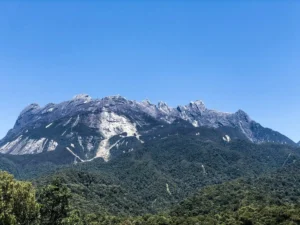
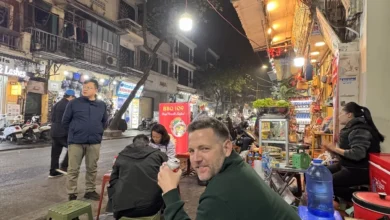
The landscape of international tourism in Central Asia experienced a notable uptick in engagement throughout April 2026, driven by a surge in solo travelers exploring the historic corridors of Kazakhstan, Uzbekistan, and Tajikistan. The region, long considered a challenging frontier for independent tourism, has recently seen an improvement in logistical infrastructure, including streamlined rail services and localized tour operations that cater to a growing demographic of international visitors seeking both cultural heritage and geographical exploration.
Chronology of the 17-Day Expedition
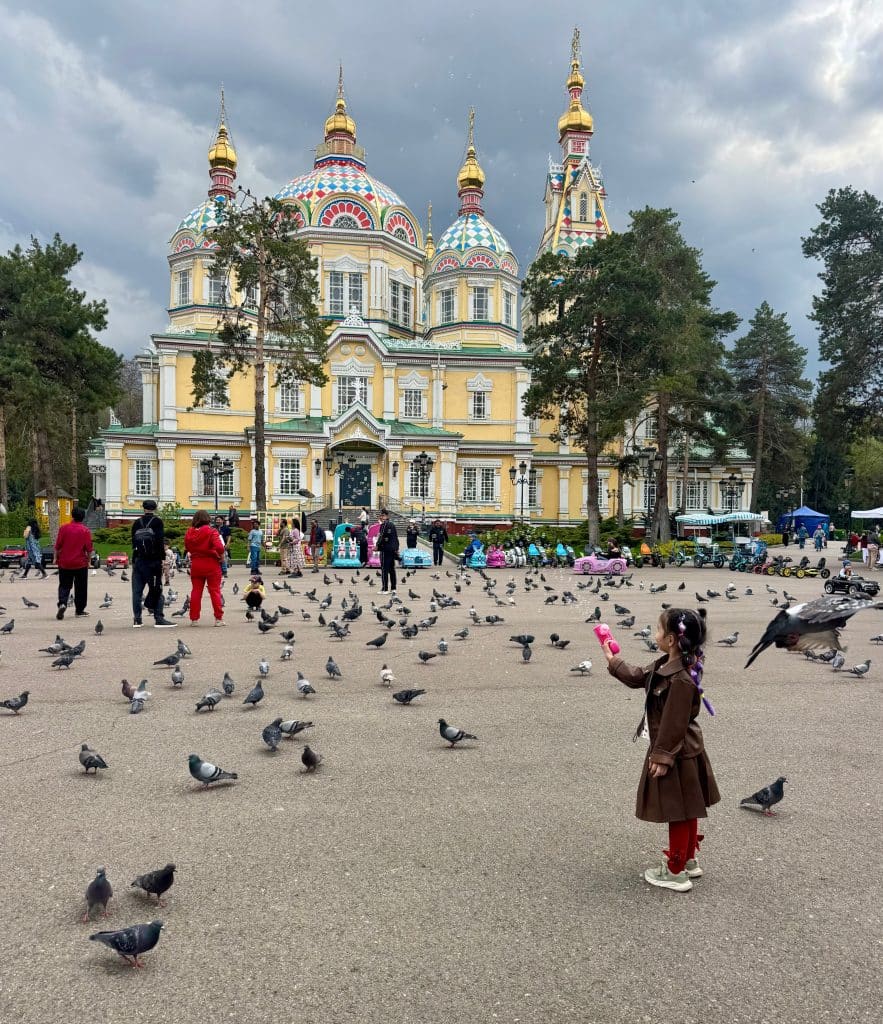
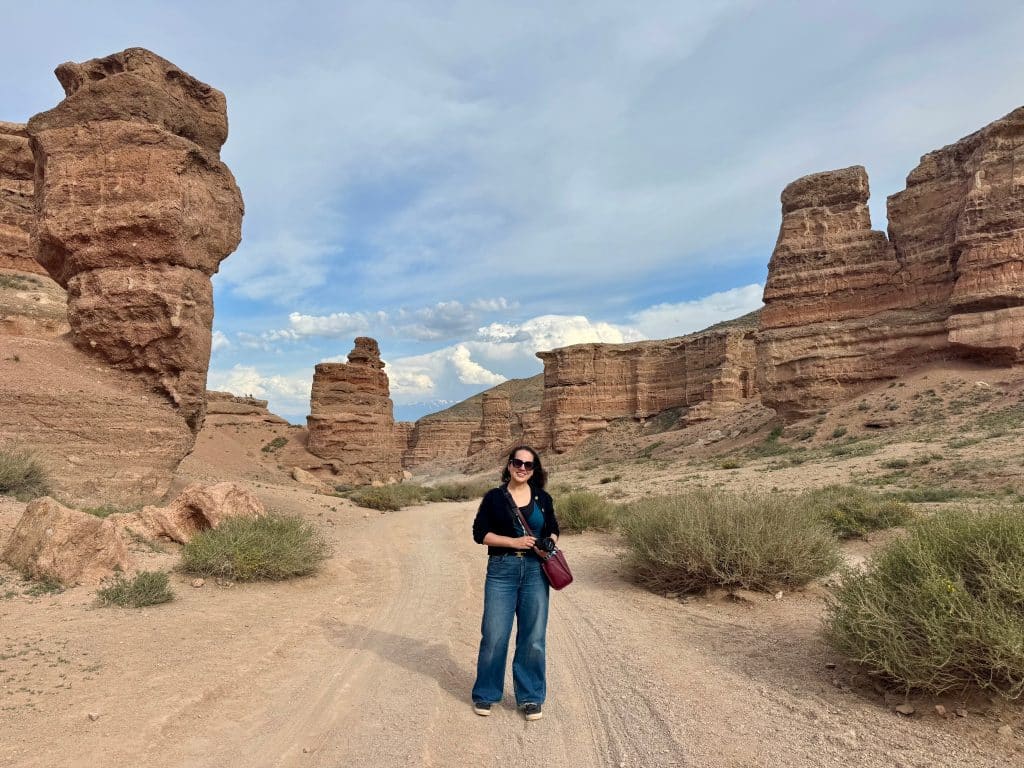
The itinerary commenced in Almaty, Kazakhstan, a city recognized for its integration of urban development and proximity to the Trans-Ili Alatau mountains. During the initial phase of the trip, travelers focused on the city’s historic architecture, such as the Ascension Cathedral, while utilizing specialized regional guides to navigate the surrounding natural geography. A significant component of the mid-month travel included a two-day excursion through the Almaty region, encompassing Charyn Canyon, the Kolsay Lakes, and Lake Kaindy.
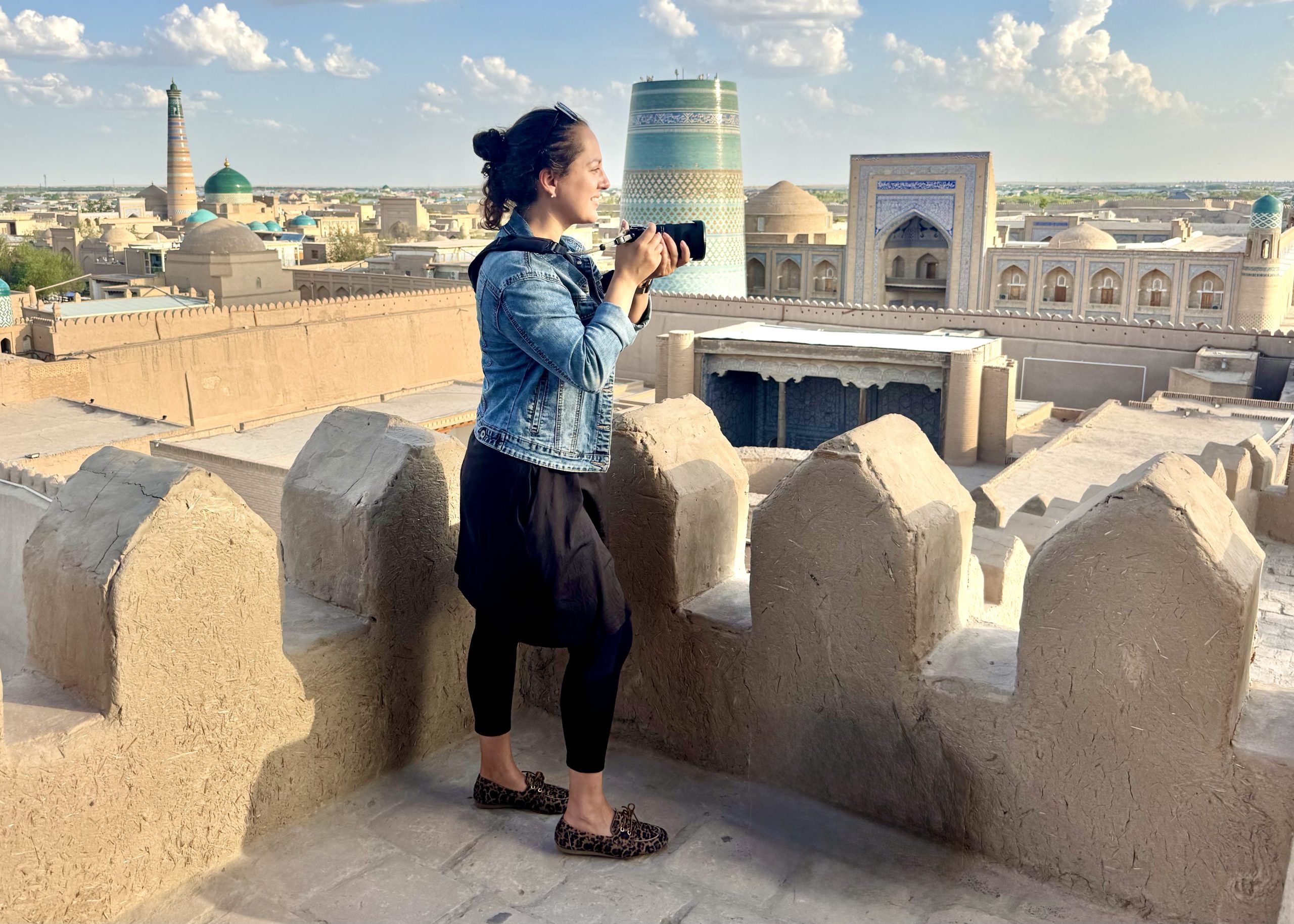
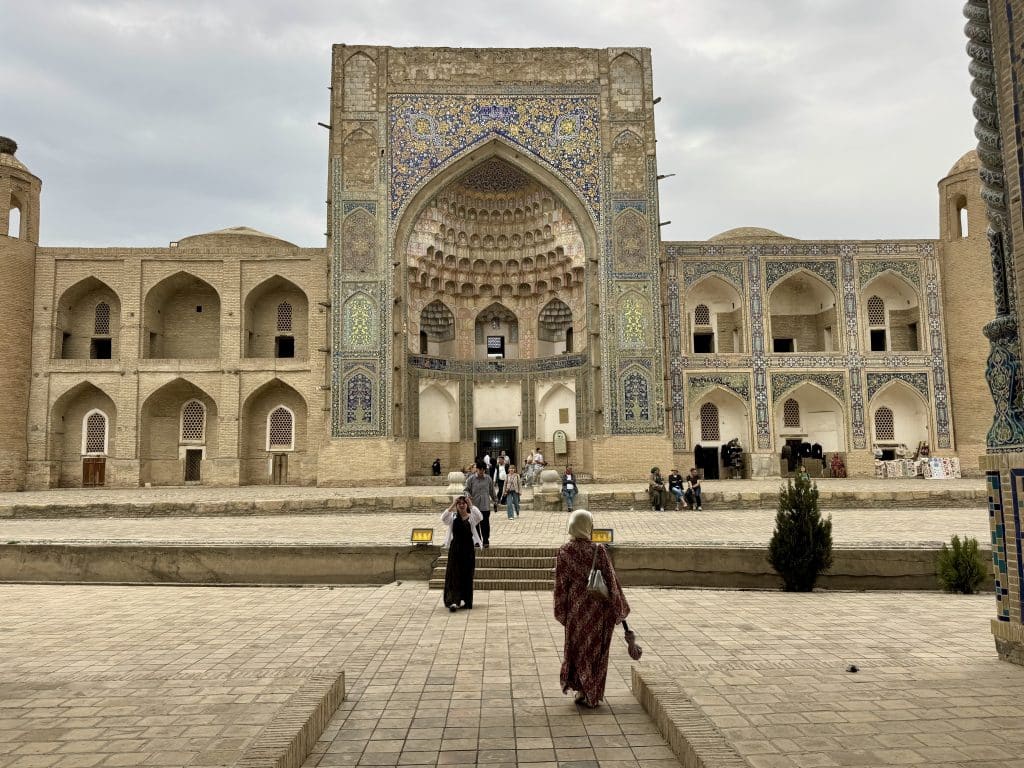
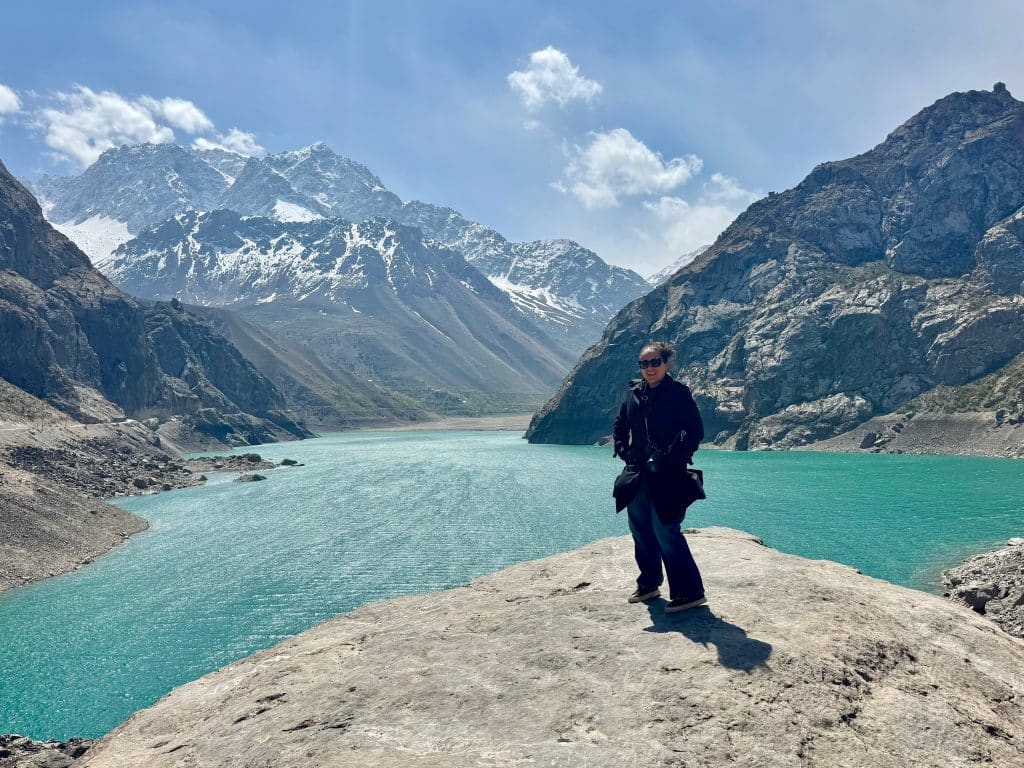
Following the Kazakhstan leg, the focus shifted to Uzbekistan, with a multi-city circuit covering Tashkent, Samarkand, Bukhara, and Khiva. The transport infrastructure, specifically the high-speed rail connectivity between these historic Silk Road hubs, proved essential for maintaining the 17-day schedule. The final segment of the journey involved a cross-border expedition into Tajikistan, specifically targeting the Panjakent bazaar and the UNESCO-recognized archaeological site of Sarazm, highlighting the increasing feasibility of multi-country itineraries within the region.
Infrastructure and Logistical Analysis
The primary logistical hurdle for travelers in Central Asia remains the procurement of transit documents and high-demand transportation. Uzbekistan’s state rail system frequently reaches maximum capacity 45 to 60 days in advance of departure dates. Industry analysts note that this bottleneck is a direct consequence of the post-pandemic tourism boom, which has outpaced the current expansion of rolling stock.
Furthermore, the integration of technology in local tourism—such as the rise of niche guided tours like Walking Almaty and specialized craft workshops—has allowed for a more immersive experience than traditional sightseeing. The use of digital platforms for booking cross-border transport and local artisanal experiences has mitigated some of the traditional friction associated with independent travel in remote jurisdictions. However, the reliance on digital connectivity presents its own set of vulnerabilities, as evidenced by common tourist scams involving misdirection or theft in high-traffic urban areas like Prague, where similar digital-age security risks persist.
Economic and Cultural Implications
The economic impact of this travel segment is twofold. First, the influx of independent, higher-spending travelers has revitalized local craft industries. In cities like Bukhara, the demand for traditional textiles, specifically suzani embroidery and Persian-style miniatures, has incentivized the preservation of these specialized arts. By participating in workshops facilitated by local organizations such as Craftnculture, tourists contribute directly to the maintenance of these heritage skills, which might otherwise decline in the face of mass-produced commercial goods.
Second, the region’s geopolitical stability has allowed for a "soft power" expansion. The development of cross-border tourism, such as the 50-minute transit route from Samarkand to the Tajik border, fosters regional cooperation. The presence of international visitors serves as a stabilizing force, encouraging local governments to further invest in infrastructure and cultural preservation.
Comparative Regional Trends and Security Considerations
While the Central Asian corridor is becoming more accessible, it remains distinct from the saturated tourism markets of Western Europe. In Europe, the concentration of visitors in hubs like Prague creates different challenges, such as the prevalence of sophisticated pickpocketing scams and the commodification of historic sites.
Data from the region indicates that while major incidents against tourists are statistically low, the "early adopter" nature of travel in Central Asia necessitates higher levels of self-reliance. Travelers must account for the lack of on-site staff in boutique accommodations—a growing trend in modern hospitality—which can lead to issues such as lockouts or communication failures. The recent incident involving a stolen mobile device at a market in Prague serves as a reminder that regardless of a location’s perceived safety, urban centers globally are subject to opportunistic crime.
Broader Perspectives on Cultural Consumption
Beyond the physical travel, the consumption of global media and literature has played a significant role in shaping the current tourist demographic. The popularity of serialized content, such as Apple TV+’s For All Mankind and various documentary series exploring niche global competitions, has driven interest in specific geographic locations, from the lunar-focused narratives of the space race to the extreme traditionalism of events like the Cooper’s Hill cheese-rolling in England.
This trend of "narrative-driven tourism" suggests that travelers are increasingly seeking experiences that connect with their digital consumption habits. Whether it is visiting the site of a historic cheese-rolling competition in the Cotswolds or exploring the architectural remnants of the Soviet-era space program in Central Asia, the modern traveler is motivated by a desire to bridge the gap between media-curated fascination and physical reality.
Future Outlook and Sustainability
Looking ahead to the remainder of 2026, the industry expects a continued focus on sustainable and experiential tourism. In the United Kingdom, upcoming excursions—such as those centered on the Cotswolds and the culinary scene in Bristol—demonstrate a shift toward regional specialization. The focus on Michelin-starred, sustainable dining and historical sites like Cheddar Gorge highlights a desire for depth over breadth.
As these regions continue to develop their tourism sectors, the emphasis will likely remain on balancing the economic benefits of increased visitor numbers with the necessity of preserving the cultural and environmental integrity of these historic landscapes. The success of the Central Asian model, characterized by its mix of high-speed infrastructure and deep-rooted artisanal traditions, provides a blueprint for other emerging regions aiming to capture the interest of the modern, globally connected traveler.