The Ultimate Guide to Planning an Orlando Staycation for Florida and Georgia Residents

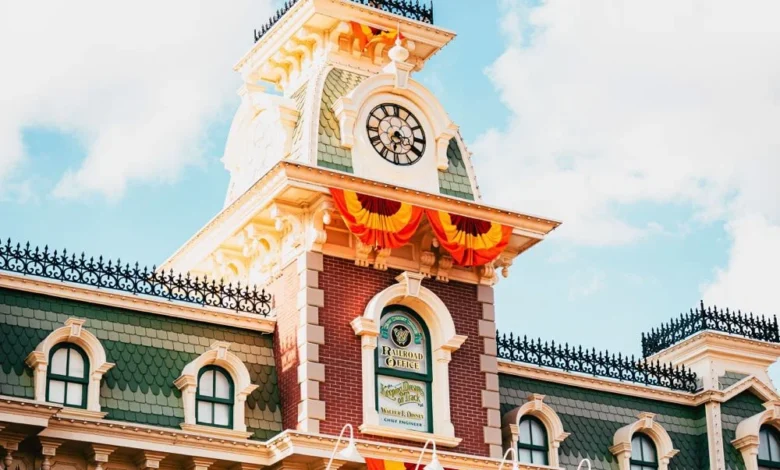
Millions of travelers annually embark on long-haul journeys to central Florida, navigating crowded airports and rigid itineraries to visit iconic destinations such as the Magic Kingdom. These tourists routinely face premium pricing, exhaustive queues, and strict time constraints. Conversely, residents living within a 90-minute radius of Orlando often overlook the region as a viable leisure destination, underutilizing the tourism infrastructure located directly in their backyards. Travel industry analysts and regional tourism boards have increasingly highlighted staycations as a practical, cost-effective alternative to traditional long-distance travel, noting that the psychological benefits of a holiday depend more on a shift in routine than geographical distance. For residents of Florida and Georgia, proximity to Orlando offers unique logistical and financial advantages, particularly through localized discount structures and shoulder-season accessibility.

Economic Context and Regional Demographics
Orlando stands as one of the most visited metropolitan areas in the United States, welcoming tens of millions of domestic and international visitors each year. The local economy is heavily anchored by the hospitality, entertainment, and tourism sectors. However, the economic model of traditional tourism often disproportionately burdens out-of-state visitors with peak pricing for accommodations, parking, and admission tickets.

For residents of Florida and neighboring Georgia, regional marketing initiatives and residency-based promotions alter this economic equation. Major hospitality providers, including Westgate Resorts and various independent properties across Orange and Osceola counties, routinely offer verified residents discounted nightly rates. Similarly, major theme park operators such as The Walt Disney Company and Universal Destinations & Experiences implement tiered pricing strategies and resident-exclusive annual pass programs. These incentives are typically structured to encourage visitation during lower-demand periods, effectively distributing tourism density throughout the calendar year.
Strategic Neighborhood Selection in the Orlando Metropolitan Area

Geographically, the Orlando metropolitan area is sprawling, covering hundreds of square miles across multiple municipalities and unincorporated districts. Urban planners and local tourism authorities emphasize that selecting the appropriate neighborhood dictates the nature of a staycation experience. Visitors who fail to research regional micro-markets frequently find themselves stranded in high-traffic corridors, diminishing the intended relaxation of a weekend getaway.
International Drive (I-Drive) functions as the primary resort corridor of the city. Running parallel to Interstate 4, this commercial strip concentrates a high density of hotels, convention facilities, dining establishments, and entertainment venues, including ICON Park and the Orlando Eye observation wheel. The area provides immediate access to Universal Orlando Resort and is engineered for travelers seeking convenience and centralized amenities.

Conversely, Lake Buena Vista and the Highway 192 corridor in Kissimmee serve as the primary orbit for Walt Disney World. This southern sector features a higher concentration of multi-room villas and residential-style resort units, making it logistically efficient for family-oriented itineraries. For travelers seeking an alternative to the commercialized theme park environment, Winter Park offers a historic urban contrast characterized by brick-lined streets, independent boutiques, cultural institutions such as the Morse Museum, and scenic boat tours. Meanwhile, Downtown Orlando and surrounding districts—including Thornton Park, Mills 50, and the Milk District—provide access to the city’s residential core, featuring local culinary scenes, craft breweries, and public green spaces like Lake Eola Park.
Alternative Itineraries Beyond the Theme Parks

While theme parks remain the dominant economic driver of the region, Orlando’s tourism portfolio has diversified significantly to include cultural, educational, and natural attractions. This evolution allows staycationers to construct itineraries entirely independent of major amusement parks.
Educational and cultural excursions within the region include the Chocolate Kingdom Factory in Kissimmee, which provides guided interactive tours detailing the bean-to-bar cocoa production process. For aerospace enthusiasts, the Kennedy Space Center Visitor Complex on Merritt Island—located approximately one hour east of Orlando—serves as a primary regional attraction operated in conjunction with NASA, featuring historical spacecraft exhibitions, launch simulation experiences, and astronaut encounter programs.

Natural ecosystems within the greater metropolitan area offer recreational alternatives centered on conservation and outdoor activity. Wekiwa Springs State Park, situated north of Orlando in Apopka, provides freshwater springs, kayaking routes, and hiking trails. Due to high demand and environmental capacity limits, the Florida Park Service requires advance vehicle registration for day-use entry, reflecting broader state-level management strategies to balance ecological preservation with public access.
Localized Consumer Strategies and Financial Implications

The financial viability of a regional staycation relies on strategic planning that contrasts sharply with out-of-state travel logistics. By eliminating airfare, baggage fees, and rental car expenses, resident travelers retain significant discretionary capital. Furthermore, driving allows visitors to transport bulk provisions, specialized equipment, and domestic supplies, mitigating inflated resort-level consumer prices.
Industry analysts recommend several operational adjustments for maximizing the staycation model:

- Midweek Travel Optimization: Booking accommodations between Sunday and Thursday yields substantially lower nightly rates compared to Friday and Saturday peaks.
- Shoulder-Season Scheduling: Targeting periods of historically lower tourism volume—such as September, late January, and early May—reduces congestion at major regional attractions and lowers lodging costs.
- Self-Catering Accommodations: Selecting properties equipped with full kitchens enables travelers to prepare certain meals independently, offsetting daily dining expenditures that often constitute a major portion of travel budgets.
- Resident Verification Protocols: Ensuring proper state identification is readily available at ticket counters and hospitality check-ins guarantees access to regional promotions that are legally restricted to permanent residents.
Psychological and Behavioral Adjustments for Effective Rest
Behavioral psychologists studying leisure patterns note that the restorative efficacy of a trip is frequently undermined by incomplete psychological detachment from domestic and professional responsibilities. To transition effectively from a residential mindset to a vacation state, travel consultants advise implementing strict behavioral parameters.

These measures include formalizing the packing process with a dedicated suitcase rather than temporary duffel bags, establishing firm departure timelines to maximize weekend duration, and disabling professional communication channels. Additionally, urban planners and hospitality experts emphasize the value of unstructured downtime. Rather than replicating the high-density scheduling characteristic of out-of-town tourists, staycationers benefit from balancing a limited number of primary daily activities with periods of passive rest, thereby aligning the local travel experience with the foundational objectives of rest and recovery.