From Sea to Summit: The Ultimate Alaska Expedition Redefines Remote Luxury Travel in 2027

The Alaskan wilderness has long been considered one of the final frontiers for the intrepid traveler, but a new, high-concept expedition launching in 2027 promises to bridge the gap between extreme alpine isolation and maritime exploration. EYOS Expeditions, a firm globally recognized for its prowess in ultra-remote travel, has unveiled a bifurcated itinerary that merges the high-altitude solitude of Denali National Park with the deep-water navigation of the Alaskan coastline. This bespoke "Sea to Summit" package represents a significant shift in luxury tourism, moving away from traditional, high-density cruise models toward a model of hyper-exclusive, total-buyout immersion.
The Anatomy of an Alpine Sanctuary
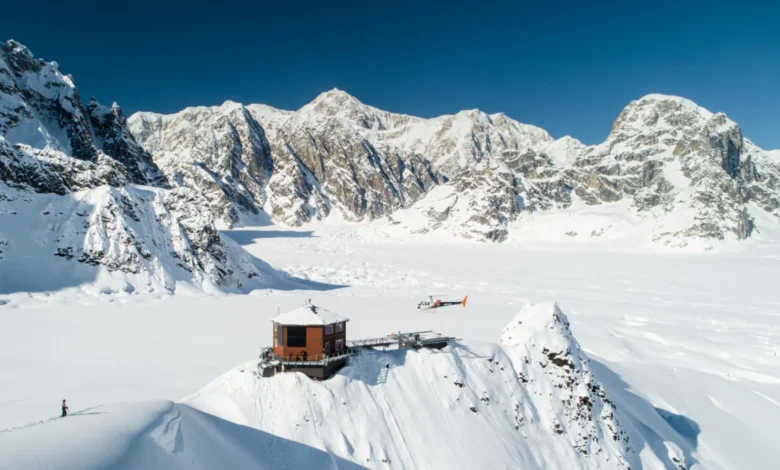
The inland segment of the journey centers on a complete, private buyout of the Sheldon Chalet. Perched at an elevation of 6,000 feet on a nunatak—a glacial ridge surrounded by the Ruth Glacier—this five-bedroom lodge is geographically isolated. Located merely 10 miles from the summit of Denali, the highest peak in North America, the chalet is accessible exclusively by helicopter.
For the guests opting for this three- to four-day portion of the trip, the experience is designed to be as rigorous or as restful as the traveler desires. The Don Sheldon Amphitheater, named after the legendary bush pilot who pioneered aviation in this treacherous terrain during the mid-20th century, serves as the primary outdoor playground. Because the lodge sits within the boundaries of Denali National Park, the logistical challenges are significant. The chalet operates under a unique land-use permit, ensuring that the number of visitors in this specific high-altitude sector remains exceptionally low. Activities here are not merely scenic; they include technical crevasse rappelling, glacier trekking, and ice climbing, all conducted under the supervision of expert guides who navigate the shifting topography of the Alaskan interior.

Navigating the Maritime Frontier
The transition from the alpine environment to the coastal waters marks the second phase of the expedition. Travelers will board the Hanse Explorer, a 157-foot purpose-built expedition superyacht. Unlike standard cruise vessels, the Hanse Explorer is engineered with an ice-strengthened hull, allowing it to navigate fjords and narrow channels that are inaccessible to larger, deep-draft ships.
The vessel, which carries a crew of 15 to serve a limited number of guests across seven staterooms, functions as a self-contained research and exploration platform. Key features of the vessel include an expansive aft deck for wildlife observation, an onboard sauna and Jacuzzi for recovery after cold-water excursions, and a specialized dive center equipped for Nitrox diving. For closer encounters with the rugged shoreline, guests have access to Zodiac tenders and two-person inflatable kayaks. This mobility allows for spontaneous exploration of the state’s massive, often uncharted, glacial inlets and hidden waterfall coves.
Chronology of the Expedition Design
The development of this dual-phase journey follows years of growing interest in "transformative travel." While the formal launch of this specific package is slated for the summer of 2027, the groundwork was laid through a series of scouting missions that evaluated the viability of combining high-altitude lodge stays with luxury maritime logistics.
- Early 2024: Initial feasibility studies conducted by EYOS regarding the integration of land-based alpine permits with maritime expedition routes.
- Late 2025: Secured exclusive rights for the 2027 season for full-lodge buyouts at Sheldon Chalet in conjunction with Hanse Explorer charters.
- Mid-2026: Finalization of logistics, including flight paths for helicopters and nautical charts for the Hanse Explorer to reach previously under-visited regions of the Icy Strait.
- Summer 2027: The inaugural season for the integrated "Sea to Summit" itinerary commences.
Regional Significance and Wildlife Biodiversity
The itinerary is designed to traverse regions of profound ecological importance. The Inian Islands, a critical stop on the route, are recognized by biologists as one of the most productive marine environments in the Northern Hemisphere. The high concentration of nutrients in these waters supports a vast food web, facilitating regular sightings of Steller sea lions, sea otters, and bald eagles.

Furthermore, the route includes the waters surrounding the islands of Admiralty, Baranof, and Chichagof. These islands are part of the Alexander Archipelago and are home to some of the highest densities of brown bears in the world. By coordinating the maritime portion of the trip with the coastal movements of these apex predators, the expedition offers a rare, non-intrusive glimpse into the natural behaviors of Alaskan fauna.
Official Perspectives on Private Expeditionary Travel
In a statement regarding the launch of the project, Bey Lyons, CEO of EYOS, noted the strategic importance of the collaboration. "By pairing a deep-water voyage aboard Hanse Explorer with an exclusive stay at Sheldon Chalet, we are unlocking an unprecedented level of access to the state’s most untouched landscapes," Lyons stated. "It is a rare opportunity to experience the true vastness of Alaska in absolute privacy."
Industry analysts suggest that this type of "buyout" travel model is a response to the post-pandemic desire for physical distancing and highly personalized, secure travel environments. By controlling the entire ecosystem of the trip—from the helicopter flight to the yacht’s route—the operator minimizes the variables that can detract from the sense of wilderness isolation.
Economic and Environmental Implications
The pricing for the "From Sea to Summit: Ultimate Alaska" package starts at $437,500. This premium price point reflects not only the exclusivity of the accommodation but also the massive logistical overhead required to operate in such extreme environments.

From a broader economic perspective, these expeditions provide a high-value, low-volume alternative to mass-market cruise tourism. In Alaska, where the environmental impact of large cruise ships has been a subject of intense political and ecological debate, the move toward smaller, expedition-style vessels is often viewed as a more sustainable path forward. These smaller ships generally produce less noise pollution and have a significantly smaller footprint on fragile coastal ecosystems.
However, the expansion of high-end, helicopter-supported travel into protected zones like Denali National Park remains a point of scrutiny for conservationists. Regulatory bodies ensure that such operations adhere to strict "Leave No Trace" principles. The success of the 2027 season will likely be measured not only by guest satisfaction but by the company’s ability to maintain these rigorous ecological standards while operating in one of the world’s most sensitive climates.
Looking Toward 2027
As the travel industry continues to evolve, the "Sea to Summit" expedition signals a move toward a more curated, expert-led style of exploration. By blending the high-adrenaline potential of mountain climbing with the comfort of a luxury yacht, the program addresses a specific niche: the traveler who is unwilling to sacrifice comfort, but who demands the authentic, raw experience of a true wilderness expedition.
Whether the market for such high-ticket, hyper-exclusive travel continues to expand will depend on the stability of global luxury travel trends. However, for those seeking to engage with the Alaskan frontier, the integration of these two distinct, remote environments offers a standard of access that has rarely been achievable for private citizens. The journey is not merely a vacation; it is an exercise in complex logistics, designed to place the individual in the absolute center of one of the planet’s most formidable landscapes.