Stepping Off the Beaten Path: Why Zimbabwe’s Walking Safaris Are Redefining African Wilderness Exploration


When modern travelers envision a walking trail, the expectations are usually standardized. Marked routes, pocket maps, and designated endpoints define the traditional hiking experience, usually keeping participants on meticulously engineered paths designed for predictability. In the global tourism sector, these excursions follow a well-trodden blueprint of human-made infrastructure aimed at taking trekkers from point A to point B.
However, the tourism landscape in Zimbabwe challenges this conventional model entirely. Within the country’s premier protected areas, a walking safari is not merely an auxiliary activity bolted onto a vehicle-based itinerary, nor is it simply an extended version of the brief bush walks offered by mainstream lodges. Instead, locomotion on foot becomes the primary medium of the safari itself, shifting the focus from vehicular wildlife viewing to an immersive, uninsulated journey through the ecosystem.
This operational shift has repositioned Zimbabwe at the forefront of specialized African adventure travel. Rather than focusing solely on the destination, the country’s wilderness model emphasizes the continuous discovery that occurs between the departure point and the campsite. Crucially, these expeditions operate without the infrastructure of human-built trails. Daily routes are dictated by an ancient network of elephant thoroughfares, seasonal riverbeds, and game trails carved over centuries by indigenous fauna.

Historical Context and Regional Evolution of the Walking Safari
To understand Zimbabwe’s prominence in contemporary walking safaris, one must look at the historical trajectory of southern African conservation and tourism. Neighboring Zambia is universally recognized as the historical birthplace of the modern walking safari, pioneered in the mid-20th century by conservationists in the Luangwa Valley who sought to connect visitors more intimately with nature.
Over subsequent decades, Zimbabwe absorbed this philosophy and refined it, developing a distinct operational identity rooted in strict guiding standards and vast, untamed wilderness tracts. While other destinations across East and Southern Africa rely heavily on game-drive vehicles due to density restrictions or safety protocols, Zimbabwe cultivated an ethos that prioritized foot-based tracking. This approach aligns with the broader conservation history of the country, where national parks like Hwange were established to protect vast, continuous ecosystems rather than fragmented pockets of land.
The Rigors of Zimbabwe’s Professional Guide Certification
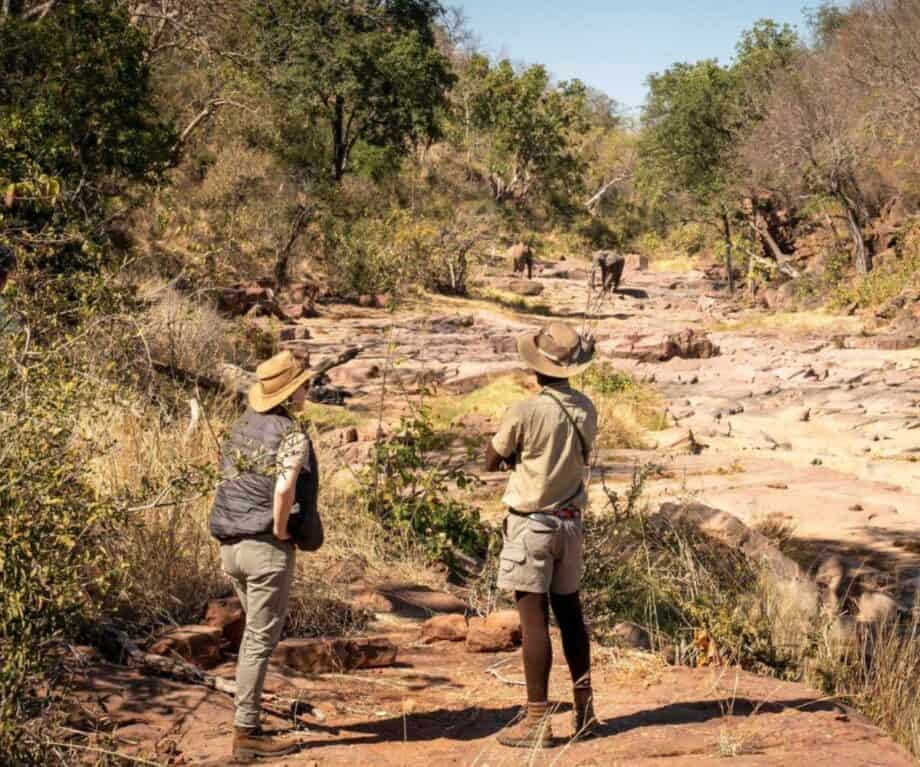
The defining element of Zimbabwe’s safari sector is not merely its wildlife populations, but the rigorous training and certification required of its field guides. The Zimbabwe Professional Guides Association (ZPGA) oversees a qualification process widely regarded within the international tourism and conservation communities as one of the most demanding on the African continent.
Earning a full Professional Guide license is a multi-year endeavor. Aspiring guides must log thousands of hours as apprentices, mastering an exhaustive curriculum that includes advanced ecology, bushcraft, animal behavior, tracking methodologies, ornithology, astronomy, and wilderness survival. Furthermore, because these safaris operate on foot in areas inhabited by potentially dangerous game—such as elephants, lions, buffalo, and leopards—guides must undergo rigorous firearm proficiency testing and crisis-management training.
This intensive preparation alters the dynamic of the safari experience. Guides possess granular knowledge of the ecosystem, capable of identifying avian species from subtle alarm calls, interpreting fresh spoor in shifting sands, and recognizing medicinal flora utilized historically by local communities. This level of expertise transforms the walk from a physical excursion into an educational masterclass in ecological literacy.
Reading the Bush: The Mechanics of Foot-Based Tracking
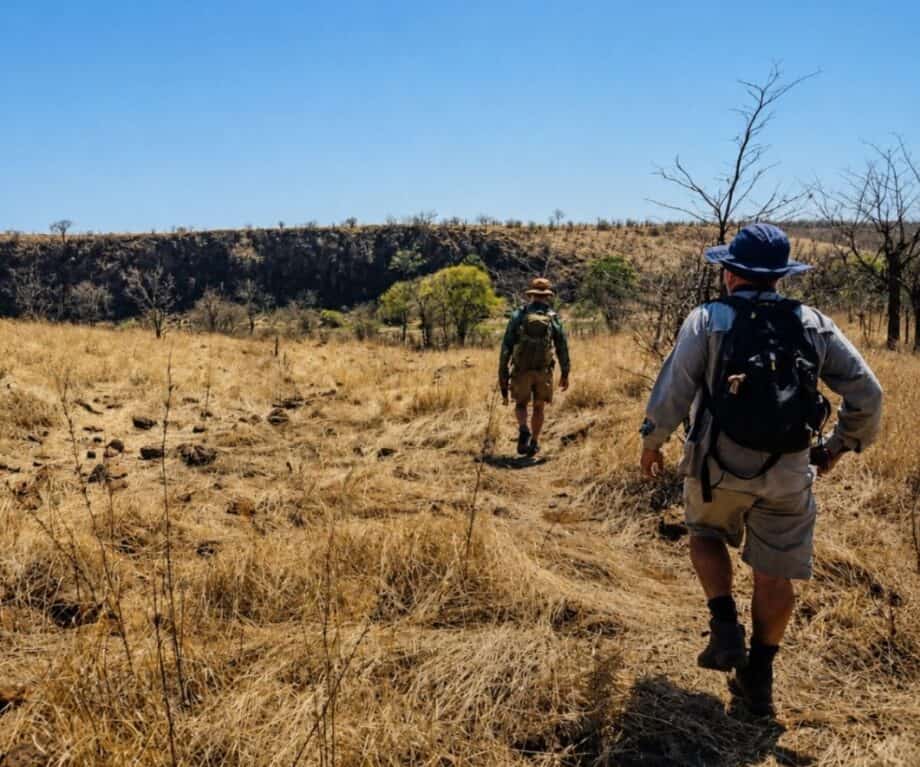
In a traditional game drive, the primary objective is ocular: scanning the horizon or using binoculars to locate visible wildlife. In contrast, a walking safari engages all sensory faculties, turning the landscape into a readable text.
Participants learn to interpret the micro-narratives written into the earth and vegetation. The prevailing direction of the wind dictates the safety and viability of a route, dictating how scent travels through the bush and how wildlife perceives human presence. Acoustic cues, such as the sharp alarm bark of a kudu or the mobbing behavior of francolins, cease to be ambient background noise and instead function as real-time indicators of predator movement—often signaling the presence of a leopard or lion before it is seen.
Physical traces left in the soil become primary points of interest. A newly fractured branch, an overturned stone exposing subterranean insects, or deep impressions in a dry riverbed tell a chronological story of the preceding night’s activities. This methodology shifts the traveler’s mindset from destination-oriented sightseeing to process-oriented engagement, where the journey itself holds greater cognitive value than the final sighting.
Geographical Advantages: The Case of Northern Hwange National Park
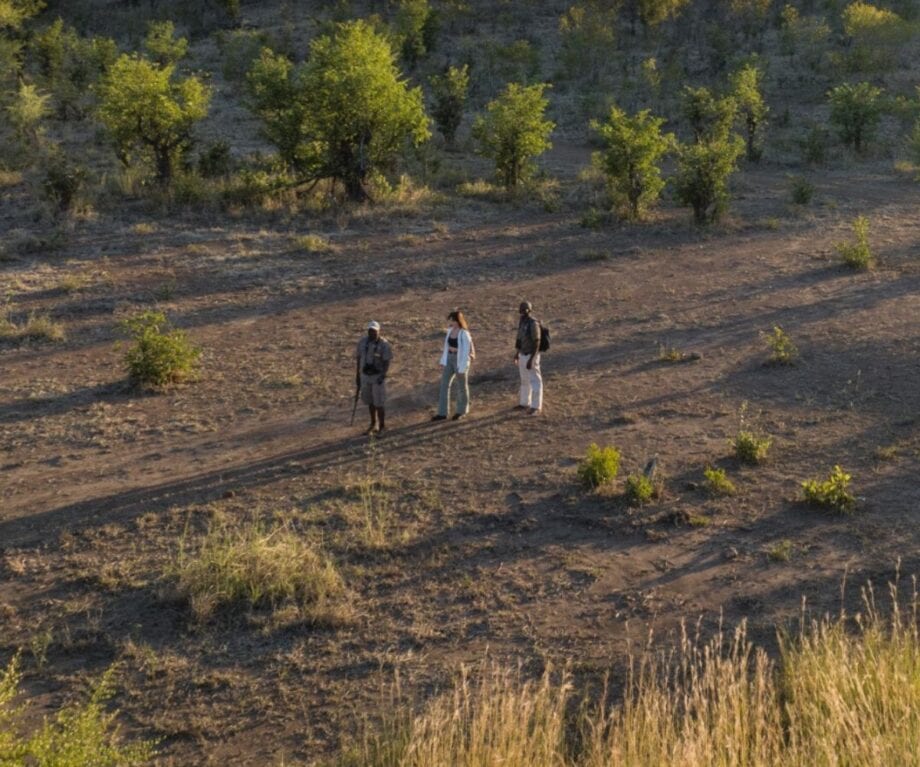
While walking safaris occur across various regions of Zimbabwe, northern Hwange National Park offers a topography uniquely suited to foot-based exploration. Spanning over 14,600 square kilometers, Hwange is Zimbabwe’s largest game reserve. However, while the southern sectors are characterized by expansive, monotonous Kalahari sand sheets and sparse surface water, the northern region presents a sharply contrasting landscape.
Northern Hwange is shaped by rugged sandstone hills, subterranean thermal springs, hidden gorges, and the winding course of the Deka River. This geological diversity creates a mosaic of micro-habitats within a compact geographic footprint. Walkers transition seamlessly from open mopane woodlands to rocky escarpments and riverine vegetation, following ancient migration routes that have served wildlife for generations.
Beyond its rich biodiversity, northern Hwange acts as an archaeological and historical archive. The region features ancient Nambya stone-walled settlements, San hunter-gatherer rock art sites, and extensive petrified forests dating back millions of years. These historical layers demonstrate that humans have inhabited and interpreted this landscape for millennia, adding an anthropological dimension to the ecological journey.
The Role of Private Concessions in Modern Safari Logistics
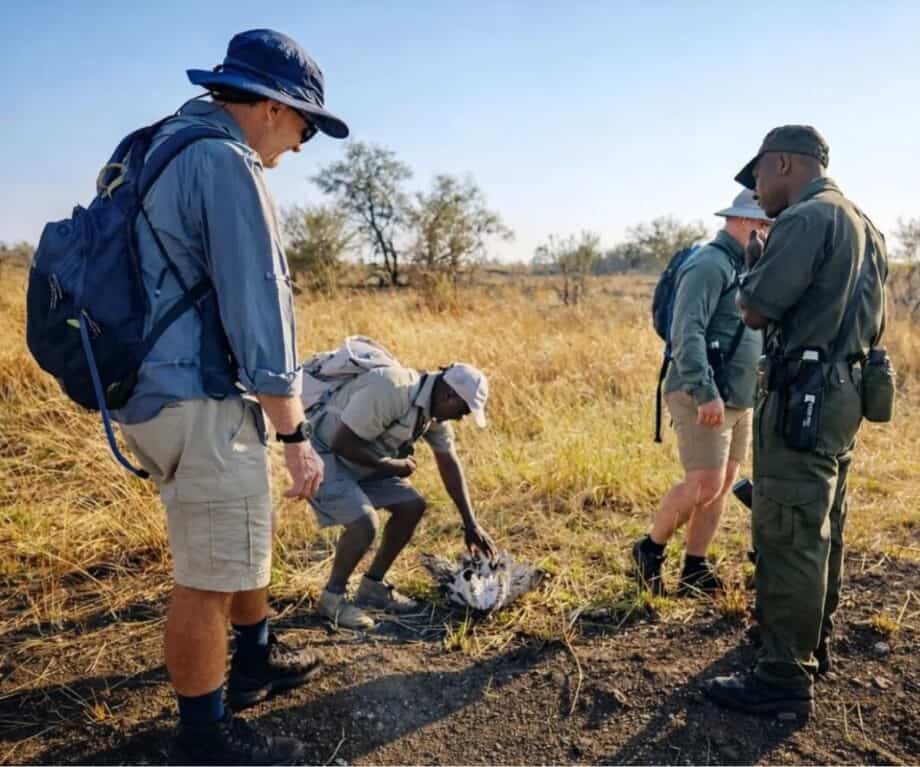
A critical factor enabling the success of high-end walking safaris in Zimbabwe is the utilization of private concessions bordering national parks. Unlike public tourist zones where vehicle congestion can occasionally disrupt the wilderness atmosphere, private concessions operate under strict visitor caps and exclusive access rights.
This operational model grants professional guides the flexibility to adapt daily itineraries dynamically. If fresh lion tracks cross a morning path, or a breeding herd of elephants gathers near a water source, guides can alter the route without schedule constraints. The absence of other safari vehicles eliminates competitive pressure, preserving the acoustic and visual integrity of the natural environment. Garth Jenman, Managing Director of Hideaways Africa, notes that this personalized pacing allows travelers to experience the wilderness organically. "Crafting adventures tailored entirely to personal preferences allows visitors to explore Africa at their own pace, connecting deeply with the rhythm of the bush," Jenman observes.
Economic and Conservation Implications
The proliferation of low-impact, foot-based tourism models carries significant economic and conservation implications for Zimbabwe. Private concessions and high-end safari operators contribute directly to anti-poaching initiatives, community employment, and wildlife corridor preservation. By placing economic value on untouched, walkable landscapes, local stakeholders are incentivized to protect vital habitats from industrial encroachment or unsustainable agricultural expansion.
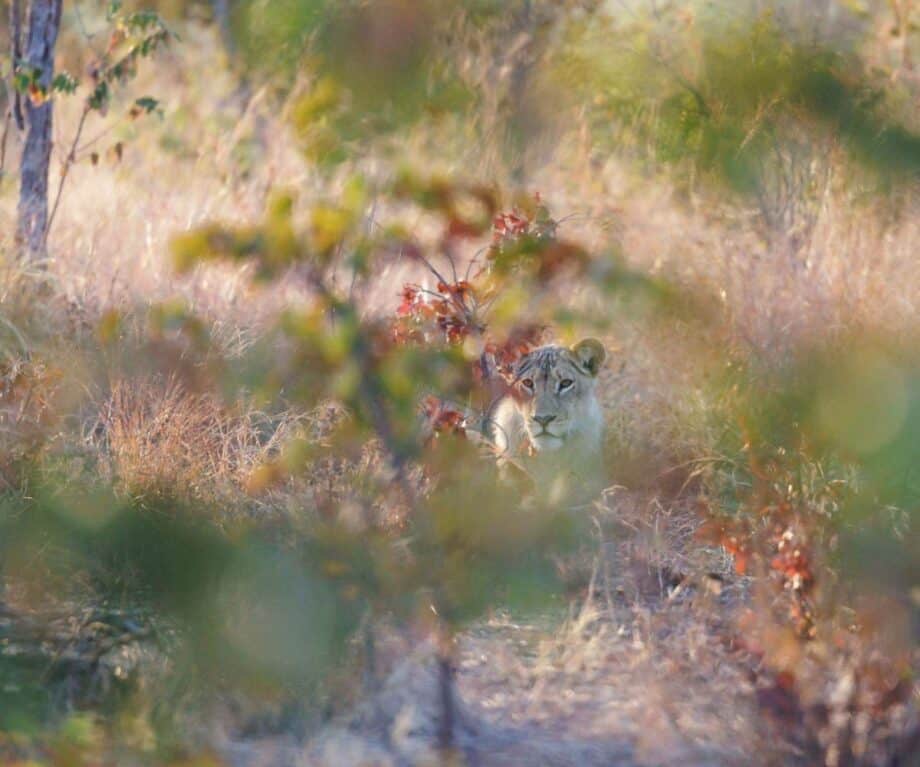
Furthermore, foot-based tourism generates a specialized demographic of travelers: conservation-minded visitors who develop a long-term stake in the preservation of the areas they visit. The intimacy of walking safaris fosters a deeper appreciation for biodiversity, which frequently translates into philanthropic support for local conservation NGOs and anti-poaching units.
Future Outlook for Zimbabwe’s Tourism Sector
As international travel trends shift toward experiential, low-density, and sustainable tourism models, Zimbabwe’s established expertise in professional guiding positions the country advantageously. The demand for authentic wilderness encounters—unfiltered by mass-market tourism infrastructure—continues to grow among discerning travelers.
Industry analysts suggest that the future of African safari travel lies in these specialized, low-impact niches. By maintaining rigorous licensing standards for guides and protecting the integrity of private concessions, Zimbabwe has insulated its premier wildlife regions from over-commercialization.
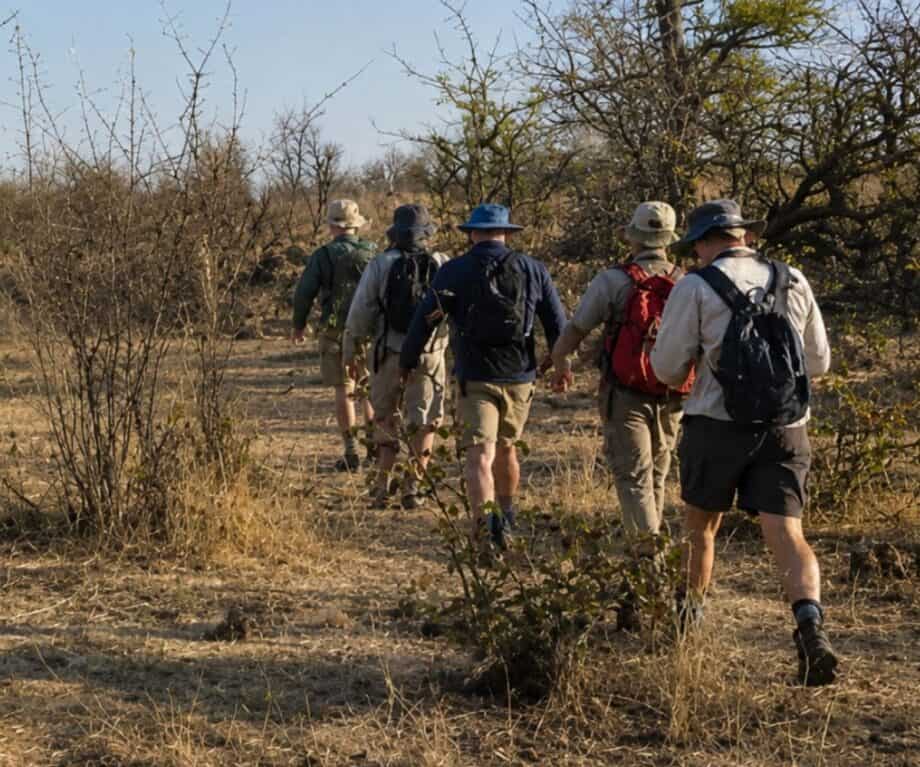
Ultimately, the enduring appeal of the Zimbabwean walking safari lies in its fidelity to natural rhythms. In an era dominated by digital navigation and rigid itineraries, stepping into the bush without a human-engineered path offers a rare encounter with unpredictability. The finest trails in Zimbabwe were never constructed by human hands; rather, they remain living testaments to the enduring movement of the wild, preserved through generations of careful stewardship and expert ecological interpretation.