Delta Air Lines Revitalizes SkyMiles Program with Record Low Redemption Rates to Australia and New Zealand

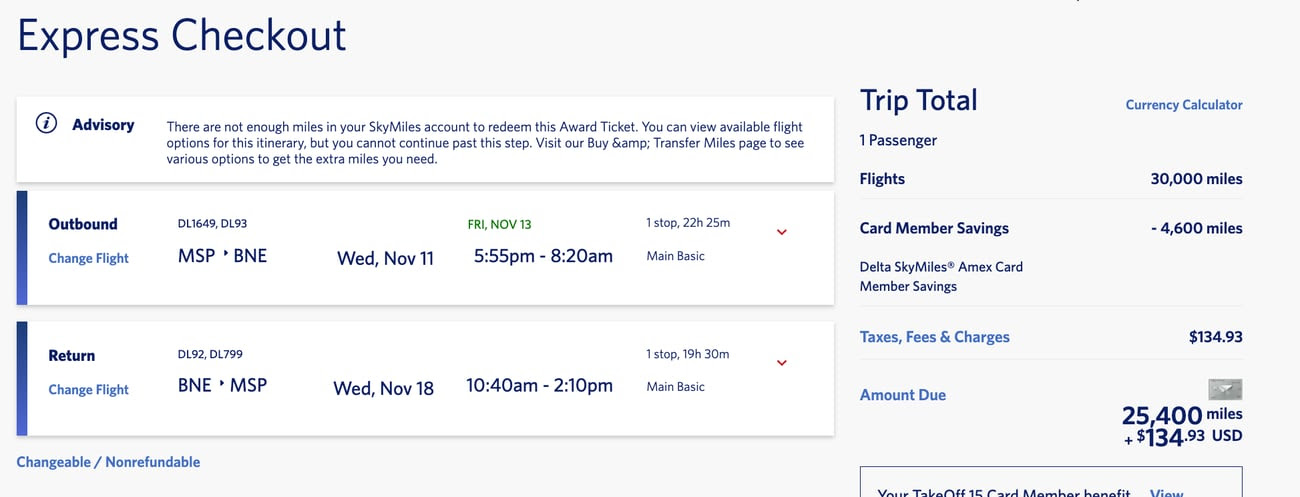
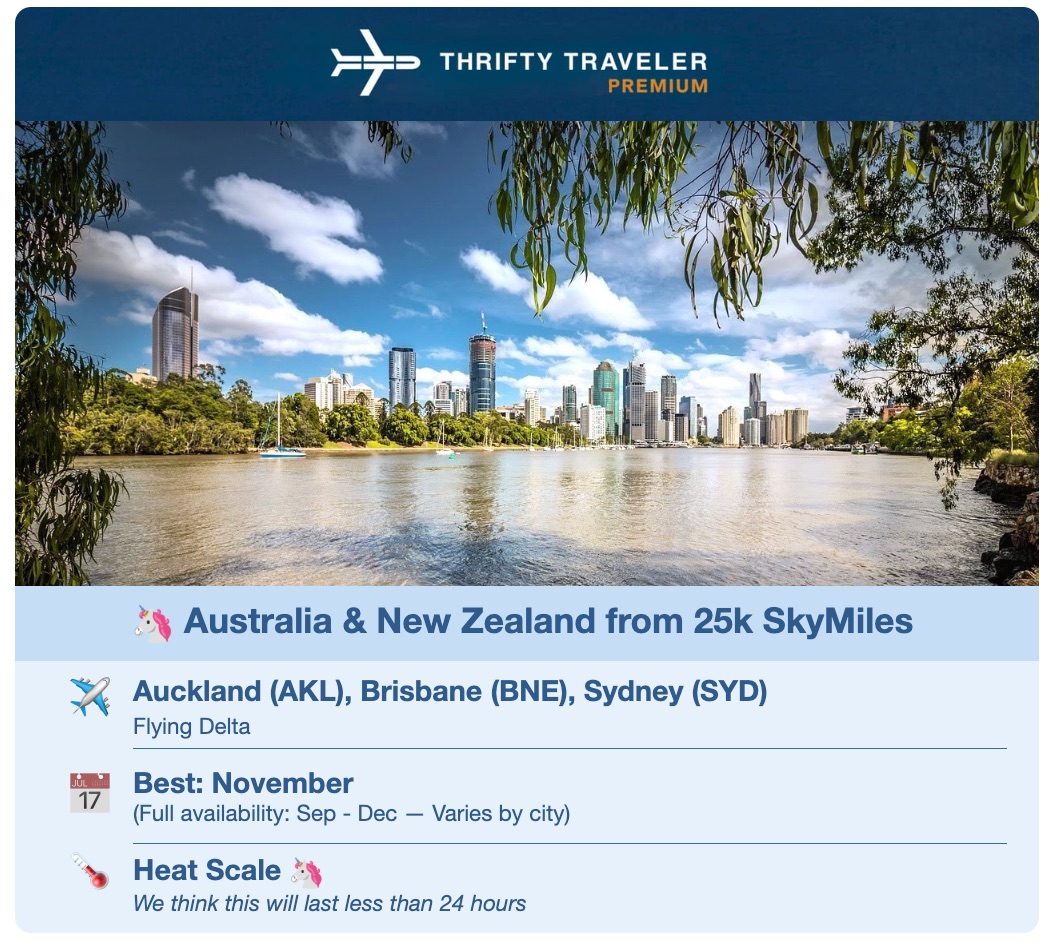
Delta Air Lines has fundamentally altered the value proposition of its loyalty program, SkyMiles, by releasing a series of unadvertised award sales that challenge the long-standing industry perception of the currency’s worth. The most recent and significant of these developments involved roundtrip flights from nearly 200 U.S. airports to major destinations in Australia and New Zealand for as low as 25,400 SkyMiles. This redemption rate, which surfaced without official marketing from the carrier, represents a historic low for transpacific travel and signals a broader strategic pivot in how Delta manages its inventory and engages with its frequent flyers.
The deal, which focused on routes to Brisbane (BNE) and Auckland (AKL), was available not only from Delta’s primary West Coast gateway in Los Angeles (LAX) but also from secondary and regional airports across the United States. For context, standard award pricing for these routes typically fluctuates between 80,000 and 120,000 SkyMiles, with some peak-season dates exceeding 200,000 miles. By pricing these bucket-list destinations at approximately 25,000 miles, Delta offered a redemption value that rivals domestic short-haul flights to cities like New York or Chicago, effectively granting travelers access to $1,500 international tickets for a fraction of the expected cost.

The Mechanics of the "Unicorn" Deal
The recent flash sale to the South Pacific was characterized by its brevity and its depth. Industry analysts noted that the lowest rates were initially available for several hours before the airline adjusted the pricing for connecting flights, eventually leaving only the nonstop departures from Los Angeles at the discounted rate. The 25,400-mile figure was achieved primarily by SkyMiles members who hold co-branded American Express credit cards, which grant an automatic "TakeOff 15" discount—a 15% reduction on the mileage cost of award bookings.
While the headline-grabbing 25,400-mile rate was applicable to Delta’s Basic Economy tier, the sale also included reasonable upgrade paths to the Main Cabin. For an additional 12,000 to 18,000 miles, travelers could secure a standard economy seat, which includes advanced seat selection and the ability to cancel the ticket for a full refund of miles. This flexibility has become a cornerstone of Delta’s post-pandemic strategy, as the airline seeks to balance high load factors with consumer demand for risk-free booking.
The inclusion of nearly 200 U.S. origin cities is perhaps the most statistically significant aspect of this event. Historically, deep discounts on award travel were restricted to major hubs or "fortress" airports. However, this sale allowed passengers in smaller markets—ranging from Des Moines, Iowa, to Richmond, Virginia—to book the same low rates as those living in major metropolitan areas. This suggests a departure from the "hub penalty," a phenomenon where travelers flying out of Delta’s primary bases, such as Atlanta (ATL) or Minneapolis-St. Paul (MSP), were historically charged a premium due to the airline’s dominant market share in those regions.
A Chronology of SkyMiles Devaluations and Rebounds
To understand the impact of the current trend, one must examine the historical trajectory of the SkyMiles program. In 2015, Delta was the first major U.S. carrier to remove its published award charts, moving toward a dynamic pricing model where the mileage cost of a flight is loosely tied to its cash price. This move was initially met with widespread criticism from the points and miles community, earning the currency the derogatory nickname "SkyPesos" due to its perceived lack of value for international business-class redemptions.
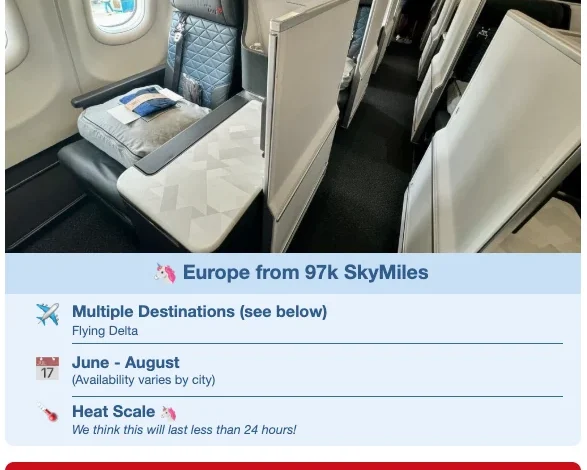
Throughout the late 2010s and the early 2020s, Delta continued to devalue its partner awards and increased the cost of Delta One (business class) suites to astronomical levels, often exceeding 400,000 miles for a one-way trip to Europe or Asia. However, the 2024–2026 period has seen a counter-trend. Over the last six months, Delta has released several "flash sales" that contradict the narrative of perpetual devaluation:
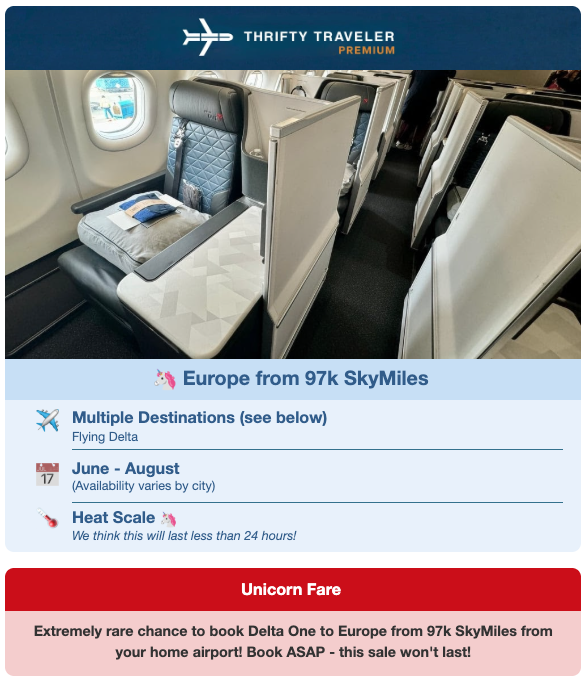
- Europe: Roundtrip flights to various European capitals for 25,000 to 32,000 SkyMiles.
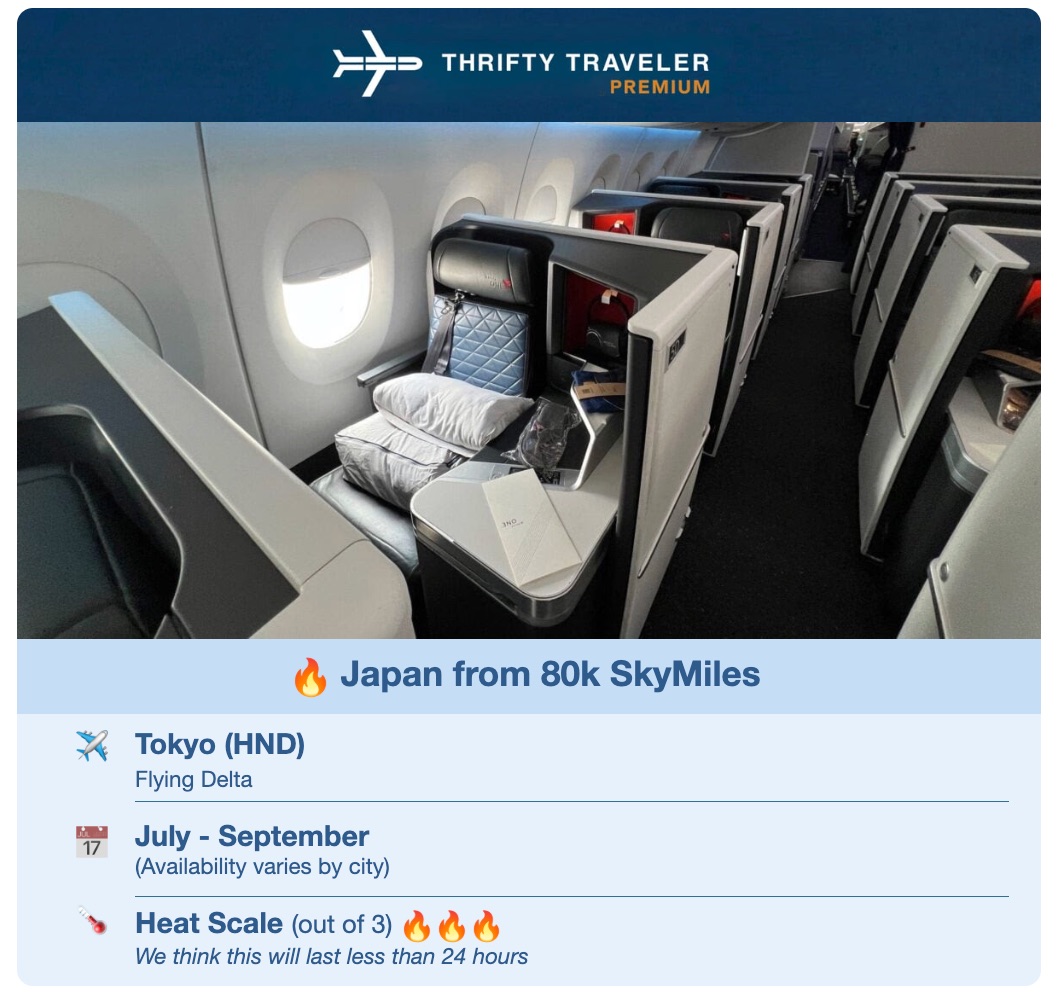
- Japan: Delta One business class suites to Tokyo-Haneda (HND) for 80,000 SkyMiles, a route that frequently commands 350,000 miles or more.
- Domestic: Short-haul U.S. flights for as low as 5,000 miles roundtrip.
These sales are rarely advertised on Delta’s "SkyMiles Award Deals" landing page. Instead, they appear as "stealth" updates to the booking engine, requiring third-party monitoring services and dedicated travel analysts to identify them before the inventory is exhausted.
Strategic Implications for the Airline Industry
Delta’s shift toward unadvertised, high-value flash sales serves several strategic purposes. First, it creates an environment of "forced engagement." When travelers know that "unicorn" deals can appear at any moment, they are more likely to check the Delta app frequently or maintain their loyalty to the brand to ensure they have a sufficient mileage balance when a sale occurs.
Second, it allows Delta to manage its load factors with surgical precision. By opening up deep discounts for a matter of hours, the airline can fill seats on specific under-performing routes or during shoulder seasons without permanently lowering the perceived value of its product. This is a sophisticated form of yield management that leverages the psychological impact of a "limited-time offer" to move inventory that might otherwise remain empty.
Furthermore, these moves put significant pressure on Delta’s primary competitors, United Airlines and American Airlines. While United has also moved toward dynamic pricing, it has generally maintained higher floors for its international award rates. American Airlines, which still utilizes a more traditional (though increasingly dynamic) award structure, often requires significantly more miles for similar transpacific routes unless a traveler is booking a "Web Special." By offering Australia for 25,000 miles, Delta is positioning SkyMiles not as a devalued currency, but as a high-volatility asset that offers immense returns for "active" users rather than "passive" accumulators.
Economic Value and Consumer Response
The economic implications of the Australia deal are stark when calculated as a "cents per point" (CPP) value. If a roundtrip flight to Brisbane costs $1,500 in cash, and a traveler secures it for 25,400 miles plus roughly $100 in taxes and fees, the resulting value is approximately 5.5 cents per mile. This is significantly higher than the standard valuation of SkyMiles, which most financial analysts peg at 1.1 to 1.2 cents per mile.
Traveler reactions to these deals have been overwhelmingly positive, though tempered by the reality of "blink-and-you-miss-it" availability. Social media platforms and travel forums have seen a surge in discussions regarding the "new Delta strategy," with many users reporting that they are reconsidering their loyalty to other carriers in favor of Delta’s potentially high-value redemptions.
However, some analysts warn that this strategy may alienate less-frequent travelers. Because these deals are unadvertised and short-lived, they benefit a small subset of the population that is "plugged in" to travel alerts. The average consumer, who may only check flight prices once or twice a year, remains subject to the standard, often high, dynamic pricing. This creates a bifurcated loyalty program where the "savvy" user extracts massive value, while the "casual" user continues to see SkyMiles as a low-value currency.
Future Outlook: Is This the New Normal?
As Delta continues to refine its algorithm-driven pricing, the frequency of these unadvertised sales is expected to increase. The airline’s massive investment in its partnership with American Express—which generates billions of dollars in annual revenue for the carrier—depends on the continued perceived value of SkyMiles. If the miles are seen as worthless, consumers will stop spending on the credit cards. Therefore, these high-value flash sales serve as essential marketing "proof points" for the entire Delta-Amex ecosystem.
Looking ahead to the remainder of 2026, industry observers anticipate that Delta will continue to target "bucket-list" destinations like Tahiti, South Africa, and Northern Europe with similar stealth sales. The trend suggests that Delta is moving away from the role of a traditional airline and toward that of a sophisticated data and finance company, using its flight inventory as a flexible tool to maintain the health of its multi-billion-dollar loyalty ecosystem.
In conclusion, the 25,400-mile deal to Australia and New Zealand is more than just a cheap flight; it is a signal of a sophisticated shift in airline loyalty economics. By eliminating the hub penalty and offering unprecedented value through unadvertised channels, Delta is rewriting the rules of the frequent flyer game, forcing both competitors and consumers to adapt to a new era of dynamic, high-stakes award travel.
Related posts: