The Evolution of Modern Travel Gear: A Decade of Innovation and Utility in Global Tourism

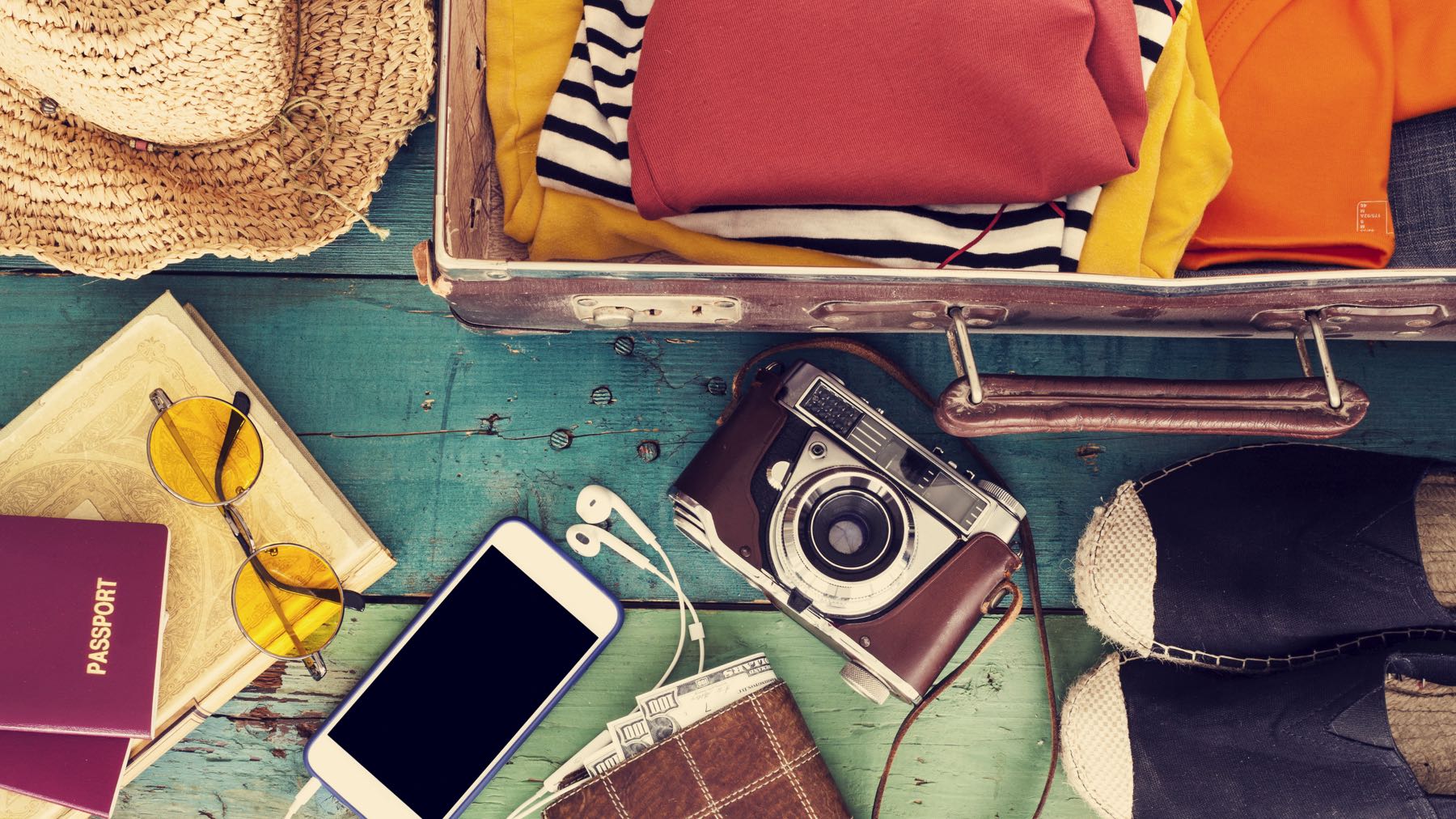
The global travel gear and equipment market, valued at approximately $48.2 billion in 2022, is undergoing a significant transformation as travelers shift away from bulk consumption toward a philosophy of "essentialism." This transition is driven by a decade of technological advancements and a growing community of long-term travelers who prioritize portability, durability, and multi-functionality. Industry data suggests that the "one-bag" travel movement—characterized by using a single 40-liter backpack for international excursions—has moved from a niche subculture to a mainstream standard for frequent flyers. This shift is not merely about convenience; it represents a fundamental change in how the modern tourist interacts with their environment, balancing the need for professional-grade technology with the constraints of airline weight limits and nomadic living.
The Chronology of Gear Innovation: 2010 to 2024
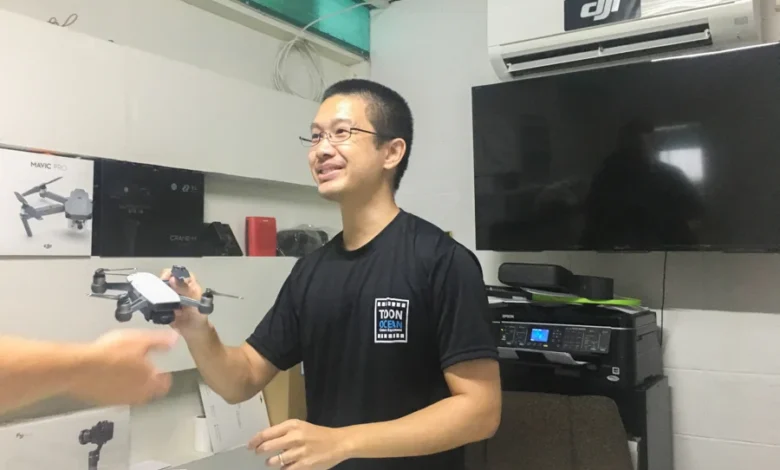
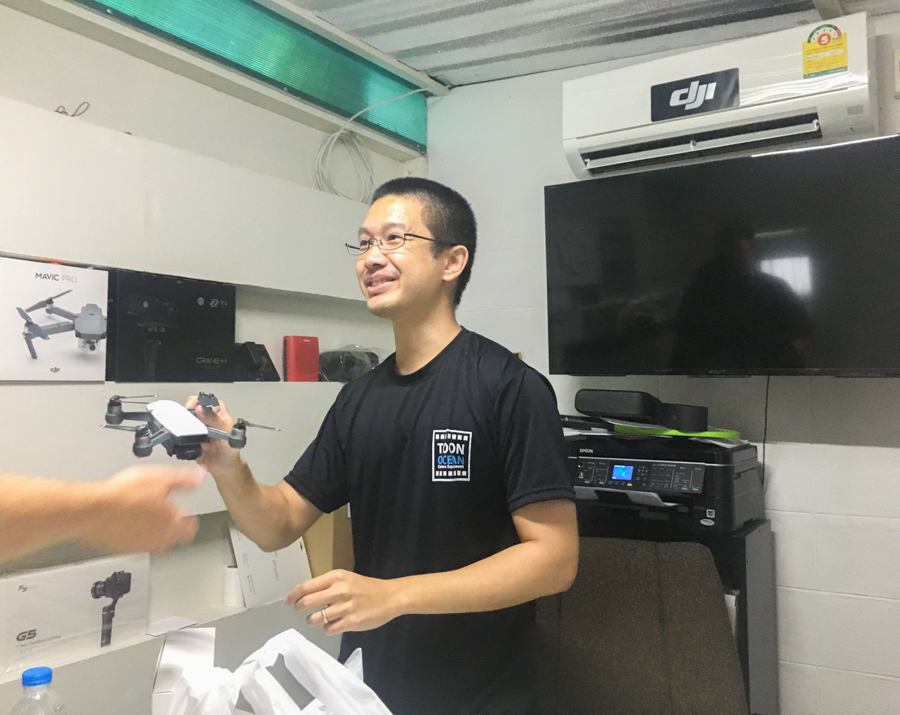
The landscape of travel essentials has shifted dramatically over the last fourteen years. In 2010, the average international traveler carried a heavy DSLR camera, physical guidebooks, and a separate MP3 player. By 2014, the introduction of consumer-grade drones, such as the DJI Phantom series, began to revolutionize travel documentation, though these devices remained bulky and difficult to transport. The subsequent decade saw a rapid miniaturization of this technology. The release of the DJI Spark and the later Mavic Mini series marked a turning point, allowing high-definition aerial photography to fit into a standard daypack.
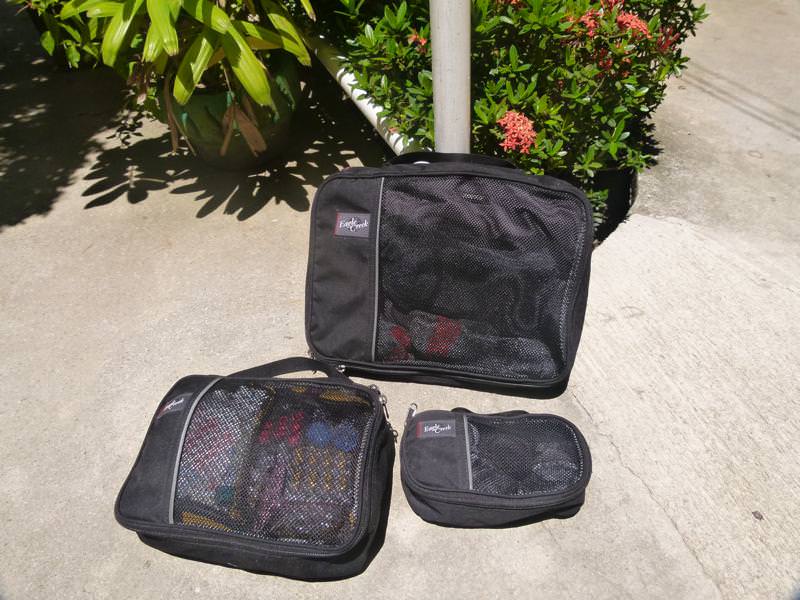
Parallel to the tech boom, the organizational systems within luggage evolved. The adoption of compression-based zipper cubes, pioneered by brands like Eagle Creek, replaced the traditional method of rolling clothes. These durable nylon or mesh containers allow travelers to maximize internal volume while maintaining a systematic inventory of their belongings. For those traveling for over a decade across more than 65 countries, these cubes have proven to be the backbone of long-term mobility, enduring years of mechanical stress.
High-Utility Gadgets and the Rise of "Portable Luxury"
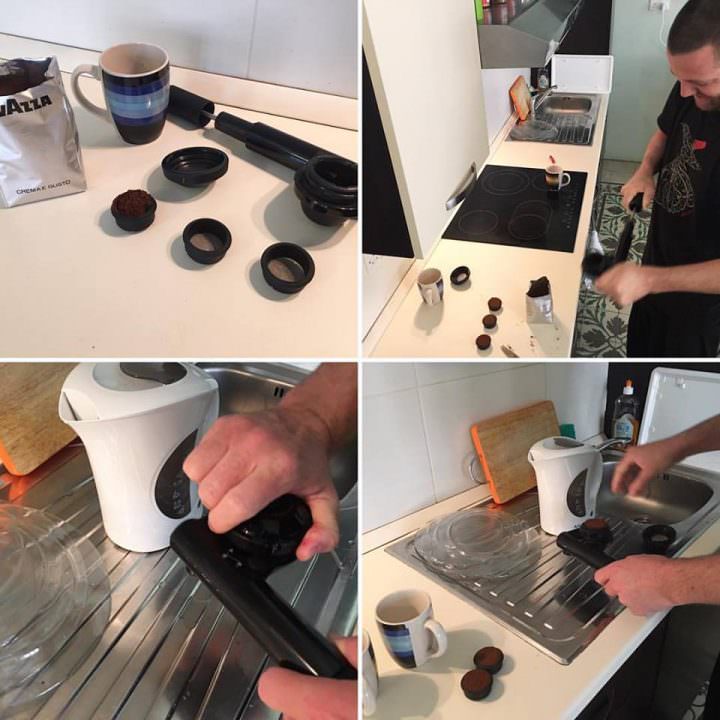
One of the most notable trends in modern travel is the integration of "luxury" items that have been engineered for extreme portability. A primary example is the Handpresso, a compact, hand-pumped espresso machine that requires no electricity. For coffee enthusiasts, this represents a significant economic and lifestyle shift. Market analysis indicates that the average price of a latte at major international chains like Starbucks is approximately $3.65. By utilizing a portable espresso maker and high-quality ground beans (averaging $4.50 per bag for 40 servings), travelers reduce their per-cup cost to roughly $0.15. Over a year of travel, this gadget can save an individual over $1,200, effectively paying for its own weight and space in a 40-liter pack.
The "boil coil" or portable immersion heater remains a staple for budget-conscious travelers. This device, which can boil water in minutes, provides a versatile solution for preparing tea, coffee, or dehydrated meals in accommodations lacking kitchen facilities. Recent updates to the market have also seen the rise of the Aeropress, which many travelers now favor for its lightweight plastic construction, though the Handpresso remains a top choice for those seeking authentic crema-topped espresso.
Connectivity and the Power Crisis
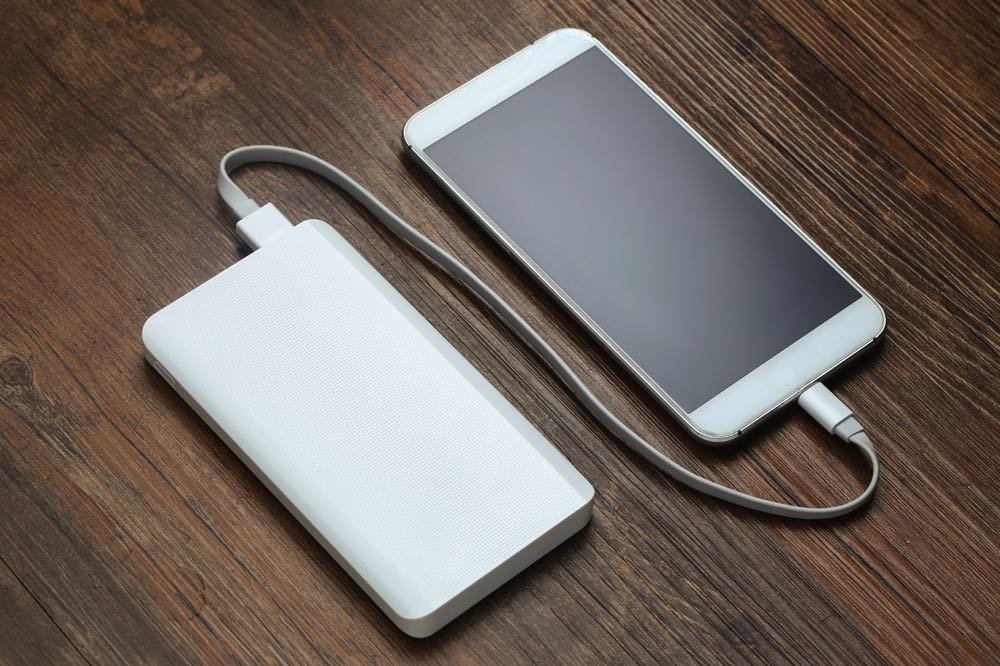
As smartphones have become the primary tool for navigation, banking, and communication, the "power bank" has transitioned from a luxury to a mandatory safety item. Modern lithium-ion portable chargers, such as those from RavPower or TP-Link, now offer high-capacity shells that can charge a standard smartphone up to six times on a single cycle. The emergence of ultra-slim "travel cards"—chargers the size of two credit cards—provides an emergency failsafe for travelers who require a 35% to 50% battery boost without the weight of a traditional power bank.
The audio environment of travel has also been transformed by noise-cancellation technology. Devices like the Bose QuietComfort 20 and Apple’s AirPods Pro utilize active noise cancellation (ANC) to scan ambient sound and emit an inverted signal to neutralize it. This technology is particularly critical for long-haul flights and loud transit hubs, where "acoustic fatigue" can significantly impact a traveler’s recovery time and mental well-being.
Sustainable Hygiene and Ethical Apparel
The environmental impact of global tourism has led to a surge in sustainable travel products. The Diva Cup, a silicone menstrual cup, has become an essential item for female travelers, particularly in regions where sanitary products are scarce or where waste management infrastructure is lacking. Beyond the environmental benefits of reducing disposable waste, these products offer long-term cost savings and take up significantly less space than a multi-month supply of traditional tampons.
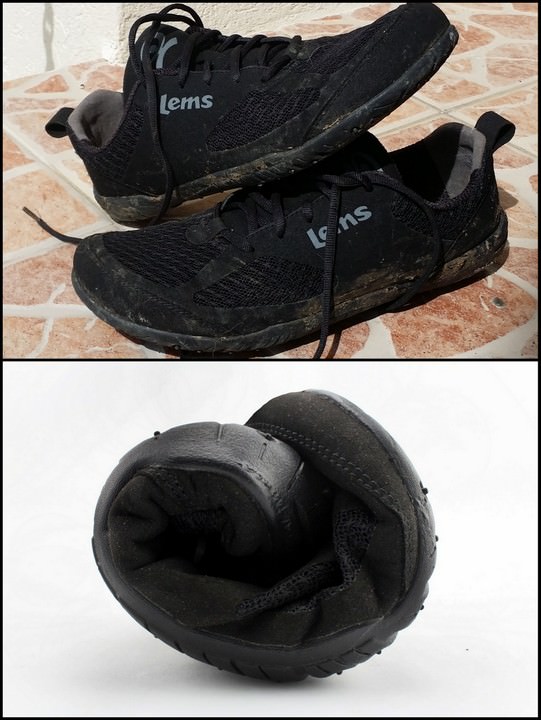
In the realm of apparel, the focus has shifted toward ethical manufacturing and versatile textiles. Prana, a leader in the outdoor apparel industry for over 22 years, has set a benchmark for "travel-ready" clothing. Their use of organic cotton, recycled materials, and Fair-Trade Certified factories appeals to the modern traveler’s desire for social responsibility. Items like the Halle Pant are engineered to be stretchy, moisture-wicking, and aesthetically versatile enough for both mountain trekking and city exploration. Similarly, footwear has seen a move toward "minimalist" designs. Lems Shoes, for example, are designed to be folded or rolled into a ball, allowing them to fit into small crevices of a backpack while serving as both a casual dress shoe and a functional walking shoe.
Security, Safety, and the "Digital Nomad" Infrastructure
As more individuals work remotely, the security of their temporary living spaces has become a priority. The use of portable doorstops and doorstop alarms provides an additional layer of protection in hostels or guesthouses. These devices, which can emit a 120-decibel alarm when triggered, are essential for solo travelers. Furthermore, the standardization of TSA-approved locks ensures that security personnel can inspect luggage without damaging the locking mechanism, a critical requirement for navigating international transit regulations.
Water safety remains a primary concern in many developing nations. To combat the environmental catastrophe of single-use plastic bottles, travelers are increasingly turning to UV-C sterilization tools like the Steri-Pen and reusable filtration bottles. In countries like Mexico or Indonesia, where tap water is generally non-potable, these tools allow travelers to safely consume local water, significantly reducing their carbon footprint.
Market Implications and Future Outlook
The broader implications of these travel gear trends are reflected in the shifting strategies of major manufacturers. Companies are no longer just competing on price; they are competing on "packability" and "durability-to-weight" ratios. The rise of the digital nomad—a demographic that has grown by 131% since 2019 in the United States alone—has created a permanent market for gear that functions as both professional equipment and personal survival tools.
Expert analysis suggests that the next five years will see a further integration of "smart" features into basic gear, such as GPS-enabled backpacks and solar-integrated textiles. However, the core lesson learned from a decade of professional travel remains: the best gear is that which is used daily. Items that seem "cool" but lack multiple use cases are quickly discarded in favor of essentials like wet wipes, Ziploc bags, and travel towels. The MSR Pack Towel, a microbial, super-absorbent cloth, has remained a staple for over a decade because it solves multiple problems—hygiene, shade, and comfort—with minimal weight.
Conclusion: The Professionalization of Packing
Ultimately, the transition from a casual tourist to an efficient traveler is marked by the quality of one’s gear. By investing in high-durability items like Eagle Creek cubes, Bose headphones, and Prana apparel, travelers can sustain long-term movement across diverse climates and cultures. The "one-bag" philosophy is not about deprivation; it is about the liberation that comes from carrying only the most effective tools. As the travel industry continues to recover and expand post-2020, the demand for these 22 essential items—ranging from Handpresso machines to TSA locks—is expected to grow, defining the next era of global exploration. Travelers are encouraged to view their gear as an investment in their mobility, ensuring that every gram of weight in their 40-liter pack serves a distinct, vital purpose in their journey.