Comprehensive Guide to Cape Cod Day Trips: Navigating Regional Tourism and Family Excursions in Coastal Massachusetts

Cape Cod, a glacial peninsula extending into the Atlantic Ocean, remains one of the premier summer destinations in the United States, attracting millions of visitors annually to its unique blend of maritime history, ecological diversity, and recreational opportunities. While many travelers opt for week-long stays, the region has seen a significant rise in day-trip tourism, driven by improved ferry services from Boston and a diverse array of localized attractions that cater to specific interests ranging from oceanographic research to colonial history. Managing a successful excursion to this region requires an understanding of the geographical layout—traditionally divided into the Upper, Mid, Lower, and Outer Cape—as well as the logistical constraints imposed by the two primary vehicular arteries: the Sagamore and Bourne bridges.
The Logistics of Regional Access and Infrastructure
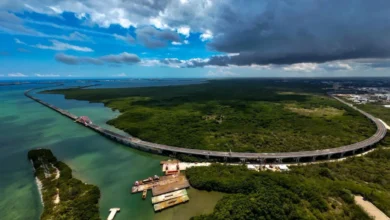
The accessibility of Cape Cod is dictated largely by its infrastructure. As a landmass separated from mainland Massachusetts by the Cape Cod Canal, entry is restricted to two mid-century steel truss bridges. According to data from the Massachusetts Department of Transportation (MassDOT), traffic volume over these bridges increases exponentially during the summer months, particularly on Fridays and Sundays. For day-trippers, this necessitates a strategic approach to timing; mid-week visits are statistically less likely to encounter the multi-mile backups that characterize weekend peak hours.
For those traveling from metropolitan Boston, the expansion of high-speed ferry services has transformed the day-trip feasibility of the Outer Cape. The fast ferry from Boston’s Long Wharf or the World Trade Center to Provincetown reduces a potentially three-hour drive to a 95-minute maritime transit. This shift has not only eased bridge congestion but has also bolstered the local economy of Provincetown by providing a steady stream of "foot-traffic" tourists who do not require parking infrastructure.
The Outer Cape: Provincetown and the National Seashore
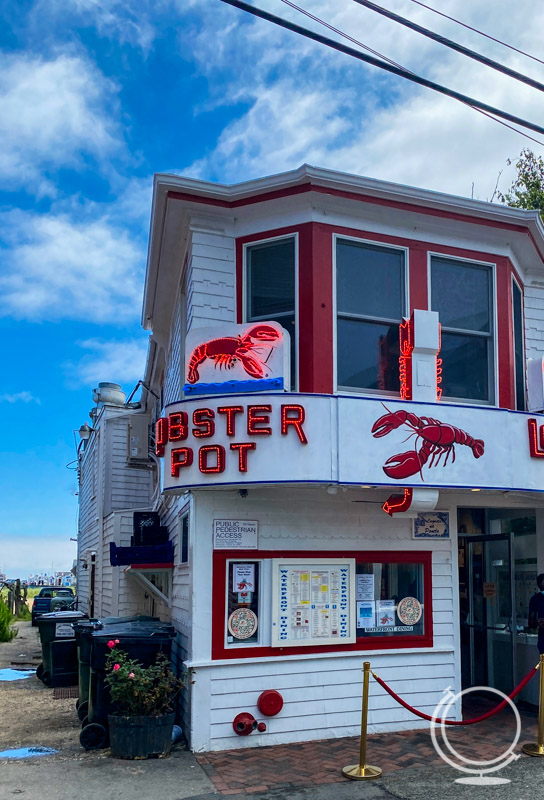
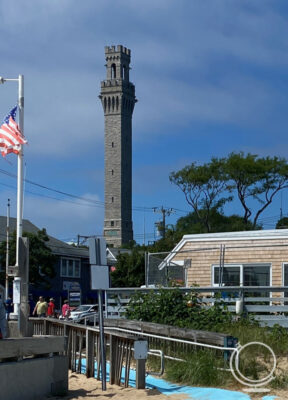
Provincetown, situated at the extreme northern tip of the peninsula, serves as a focal point for cultural and ecological tourism. Known for its vibrant arts scene and historical significance as the site of the Mayflower’s first landing in 1620, the town offers a concentrated variety of activities suitable for a single-day itinerary. Commercial Street serves as the economic heart of the village, featuring a dense array of galleries, specialty shops, and high-density dining options.
Beyond the urban center, the Cape Cod National Seashore—established by President John F. Kennedy in 1961—encompasses over 43,000 acres of protected dunes, salt marshes, and Atlantic beachfront. For families, the National Seashore provides educational opportunities through its visitor centers, while the availability of whale-watching excursions and dune tours allows for a comprehensive experience of the Atlantic ecosystem. Analysts note that the preservation of this land has been a critical factor in maintaining the Cape’s appeal, preventing the over-commercialization seen in other Atlantic coastal regions.
The Islands: Logistics of Martha’s Vineyard and Nantucket
While Martha’s Vineyard and Nantucket are often grouped with Cape Cod, they present distinct logistical challenges for day-trippers. Both islands are accessible via the Steamship Authority ferries operating out of Woods Hole and Hyannis. Martha’s Vineyard, being larger and comprised of six distinct towns, often necessitates the use of the island’s public transit system or a vehicle, though the latter requires ferry reservations months in advance.
Nantucket, by contrast, is more compact and conducive to pedestrian or bicycle exploration. For those staying on the mainland Cape, a day trip to the islands is a viable extension of their itinerary. However, travel experts suggest that for visitors coming from outside the region, attempting a one-day visit to the islands can result in a disproportionate amount of time spent in transit relative to time spent on-site. The economic impact of these islands is substantial; they represent a high-wealth tourism demographic that supports a specialized market of luxury retail and fine dining.
Environmental Recreation: Nickerson State Park and the Rail Trail
For travelers prioritizing outdoor recreation and physical activity, Brewster’s Nickerson State Park offers a departure from the traditional coastal experience. Unlike the salt-water beaches of the Atlantic or Cape Cod Bay, Nickerson is characterized by "kettle ponds"—freshwater bodies formed by receding glaciers. The park provides a controlled environment for kayaking, canoeing, and fishing, with infrastructure managed by the Massachusetts Department of Conservation and Recreation (DCR).
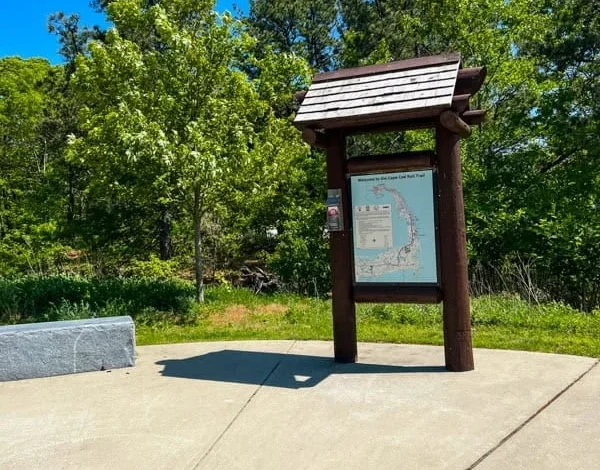
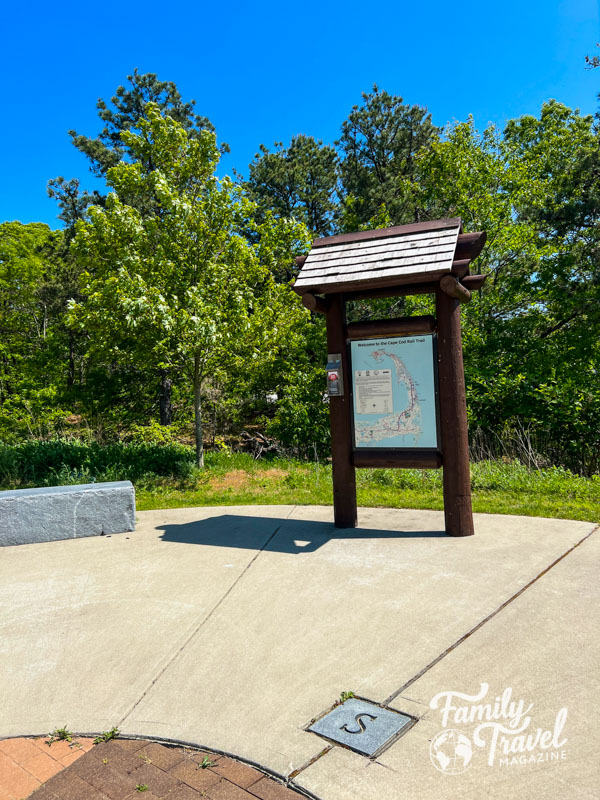
The park also serves as a major trailhead for the Cape Cod Rail Trail, a 25-mile paved path following a former railroad right-of-way. This trail facilitates safe, vehicle-free travel through six towns: South Yarmouth, South Dennis, Harwich, Brewster, Eastham, and South Wellfleet. The success of the Rail Trail has spurred similar "rail-to-trail" projects across New England, demonstrating the high demand for multi-use recreational corridors that link disparate municipal centers.
Historic and Scientific Hubs: Sandwich and Woods Hole
The Upper Cape towns of Sandwich and Woods Hole provide a more academic and historical focus for day-trippers. Sandwich, incorporated in 1639, is the Cape’s oldest town and serves as a repository for regional history. The Heritage Museums & Gardens and the Sandwich Glass Museum highlight the area’s 19th-century industrial heritage. Proximity to the Sagamore Bridge makes Sandwich an ideal destination for those wishing to minimize travel time within the peninsula.
In Falmouth, the village of Woods Hole serves as a global center for marine science. Home to the Woods Hole Oceanographic Institution (WHOI) and the Marine Biological Laboratory (MBL), the village attracts a specialized demographic of scientific tourists. For families, the Woods Hole Science Aquarium—the country’s oldest public aquarium—provides a focused educational experience. The village also marks the start of the Shining Sea Bikeway, a 10.7-mile trail that offers some of the most scenic coastal views available to cyclists in the region.
The Mid-Cape: Yarmouth and the Family-Centric Model
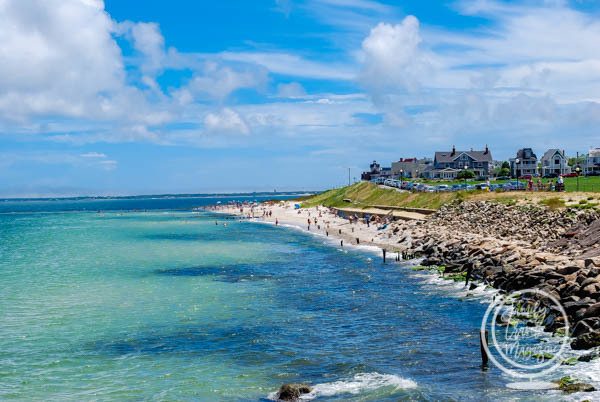
Yarmouth, located in the Mid-Cape region, has historically positioned itself as the center for family-oriented commercial tourism. This area features a high concentration of miniature golf courses, water parks, and themed museums, such as the Whydah Pirate Museum, which houses artifacts from a 1717 shipwreck. The Mid-Cape’s economy relies heavily on this family-centric model, offering a range of lodging from traditional roadside motels to expansive resorts.
Chatham, located at the "elbow" of the Cape, offers a more upscale version of the Cape Cod experience. Its downtown area is noted for its architectural preservation and boutique retail. The Chatham Fish Pier remains a working commercial dock, providing a transparent view of the region’s fishing industry—an attraction that has the unintended but popular consequence of attracting large populations of harbor seals, which in turn draw crowds of spectators.
Broader Impact and Regional Analysis
The tourism economy of Cape Cod is a vital component of the Massachusetts state economy, but it is not without its challenges. The seasonal nature of the region creates a significant demand for temporary labor, often filled by international students under J-1 visa programs. Furthermore, the rise of short-term rental platforms has tightened the housing market, leading to ongoing debates within local town meetings regarding the balance between tourism revenue and resident quality of life.
Infrastructure remains the most pressing concern for the region’s future. The federal government and the Commonwealth of Massachusetts have recently initiated plans for a multi-billion dollar project to replace the aging Sagamore and Bourne bridges. This project is expected to take over a decade to complete and will involve significant logistical hurdles. However, officials argue that the replacement is essential to maintain the safety and economic viability of the peninsula.
From a sociological perspective, the "day-trip" phenomenon reflects a broader trend in American travel toward shorter, more frequent excursions rather than singular, extended vacations. By offering a diverse range of micro-destinations—from the scientific enclave of Woods Hole to the historic streets of Sandwich and the natural vistas of the National Seashore—Cape Cod has successfully adapted its 17th-century geography to meet 21st-century tourism demands. As the region moves forward, the integration of environmental conservation with sustainable tourism practices will be the benchmark by which its success is measured.