Eid al-Adha, often recognized as the most significant holiday for Muslims worldwide, marks a profound spiritual and cultural event celebrated with deep reverence and joyous festivities. Occurring approximately two lunar months after the conclusion of Ramadan, this multi-day observance is known by various names across different regions, reflecting its widespread cultural integration. Commonly referred to as Eid el-Kbir, which translates to "The Big Holiday," particularly in North Africa, it is also known as La Fête du Mouton (the "sheep festival") among Francophone communities, highlighting a central ritual of the celebration.
The Enduring Significance: A Narrative of Devotion
At the heart of Eid al-Adha lies the powerful narrative of Prophet Ibrahim (Abraham in Abrahamic faiths) and his profound willingness to sacrifice his son as an act of obedience to God. This foundational story, shared across Islam, Christianity, and Judaism, underscores themes of faith, submission, and divine mercy. In the Islamic tradition, it is Prophet Ismail (Ishmael) who is offered, a parallel to the Old Testament account where Isaac is presented. According to Islamic scripture, just as Ibrahim was about to perform the sacrifice, God intervened, providing a ram to be sacrificed instead, thereby commending Ibrahim’s unwavering devotion.
This historical event serves as the theological bedrock for the ritual of Qurbani, or sacrifice, performed during Eid al-Adha. It is not merely a reenactment but a symbolic act intended to remind believers of Ibrahim’s ultimate submission to God’s will and to foster a spirit of selflessness, gratitude, and charity. The holiday, therefore, transcends a simple feast, evolving into a period of introspection, communal solidarity, and the reaffirmation of core spiritual values.
Global Observance: Dates and Cultural Nuances
The timing of Eid al-Adha is determined by the Islamic lunar calendar (Hijri calendar), specifically falling on the 10th day of Dhu al-Hijjah, the twelfth and final month of the Islamic year. This placement also coincides with the culmination of the annual Hajj pilgrimage to Mecca, making it a globally synchronized celebration. However, due to the reliance on moon sightings, particularly in Morocco where an actual physical sighting determines the calendar, dates can vary by a day or two between different countries and regions. This adds a unique local flavor to the global observance, where communities eagerly await official announcements.
Globally, the celebration spans three to four days, though local customs might extend festivities. With over 1.8 billion Muslims worldwide, the scale of Eid al-Adha is immense, impacting cultures and economies across continents. From the bustling streets of Cairo to the serene villages of Indonesia, and from the vibrant marketplaces of Morocco to the diaspora communities in the West, the essence of the holiday—family, faith, and feasting—remains constant, even as specific traditions adapt to local contexts.
The Preparatory Period: A Symphony of Anticipation
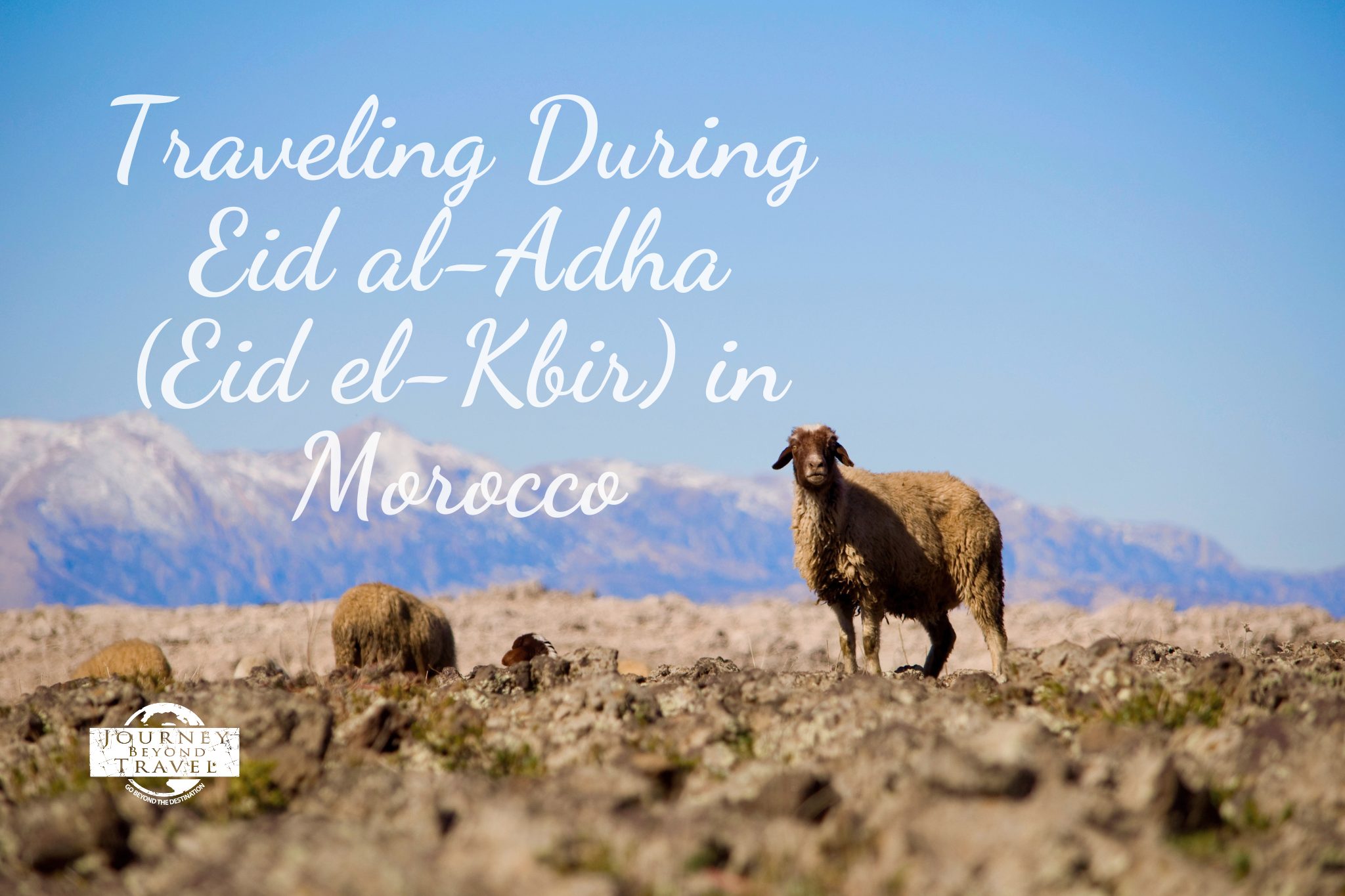
The days leading up to Eid al-Adha are characterized by a palpable sense of anticipation and fervent activity. Across Muslim-majority nations, the landscape transforms. Livestock markets, usually modest, swell into bustling hubs of commerce. Sheep, goats, and sometimes cows or camels, destined for sacrifice, become a ubiquitous sight. In Morocco, for instance, this preparatory phase is particularly vivid. Sheep are transported through cities and rural areas alike, often in unconventional ways: crammed into pickup trucks, tied to the handlebars of scooters, or even paraded through streets, becoming temporary members of households, grazing in fields, backyards, or even on rooftops and balconies. The air fills with their characteristic bleating, an auditory prelude to the impending festivities. Children, in particular, often develop a bond with the sacrificial animal, adding an emotional layer to the tradition.
Families engage in extensive cleaning and decorating of their homes, preparing for guests and celebrations. Special ingredients for holiday meals are procured, and new clothes are often bought, especially for children, symbolizing renewal and joy. The collective energy builds towards the first day, marked by early morning prayers and the central ritual.
The Ritual of Sacrifice (Qurbani): A Sacred Act
The first day of Eid al-Adha commences with communal Eid prayers held in mosques and open-air prayer grounds, where Muslims gather to offer supplications and listen to a sermon (khutbah). Following the prayers, the ritual of Qurbani begins. This is the act of ritually sacrificing an animal, typically a sheep, goat, or cow, in accordance with Islamic law (halal methods). In many regions, particularly those with strong traditional practices like Morocco, butchers roam the streets, moving from home to home with their specialized knives, performing the sacrifices for families. This can be a stark, visceral experience, not for the faint of heart, but deeply meaningful for those observing the tradition.
After the sacrifice, a significant portion of the meat is designated for charity. Traditionally, the sacrificed animal is divided into three parts: one-third is kept by the family, one-third is given to relatives, friends, and neighbors, and the final third is distributed to the poor and needy. This charitable aspect is fundamental to Eid al-Adha, emphasizing social responsibility, compassion, and ensuring that even the less fortunate can partake in the holiday’s bounty. The practice reinforces community bonds and embodies the spirit of generosity central to Islam. Later in the afternoon, in many Moroccan communities, sheep heads are customarily burned in outdoor barrels on street corners, the pungent aroma of burning wool and charred meat filling the air – a customary practice ensuring that virtually every part of the animal is utilized.
Culinary Traditions: A Feast for the Senses
The culinary landscape of Eid al-Adha is a testament to the richness of Islamic culture and regional diversity, though centered around the freshly sacrificed meat. In Morocco, the holiday is a multi-day gastronomic journey, featuring dishes rarely prepared at other times of the year.

- Day 1: The immediate aftermath of the sacrifice sees the preparation of kebda charmoula and/or boul fev. These dishes utilize specific cuts of the sheep, often the liver and a particular layer of fat around the stomach. Spiced generously with paprika, cumin, garlic, parsley, and coriander, the meat is typically grilled, offering the first taste of the holiday’s bounty. Later that night, laa’lawa or kersha are prepared, using the organs and intestines, spiced similarly to kebda charmoula, forming small, flavorful morsels.
- Day 2: A grand lunch is usually the highlight, often featuring a giant couscous, a staple in Moroccan cuisine. The head and/or feet of the sheep are frequently buried within the couscous, and delicacies like the cheeks and eyes are highly prized. For dinner, a lighter fare is prepared: shorba, a soup made with kidneys, and sometimes testicles, along with onion and vermicelli.
- Day 3: The third day brings further culinary delights. Mhammar, a special preparation of lamb chops, is a favorite. The chops are coated in smen (aged, clarified butter), marinated with cumin, turmeric, coriander grains, garlic, olive oil, salt, and pepper, then seared, boiled, and finally baked to perfection. Another exquisite dish is mrrozeya, a unique tajine made from the neck of the sheep. This meat is slow-cooked with ras-al-hanoot (a complex spice blend), ginger, pepper, turmeric, garlic, and onion. Before the cooking is complete, honey or sugar is added, along with raisins and almonds, creating a rich, sweet, and savory flavor profile.
These meals are not just about sustenance; they are communal experiences, bringing families together around tables laden with food, reinforcing bonds, and sharing the joy of the holiday.
Social Fabric and Economic Impact
Eid al-Adha plays a crucial role in strengthening social fabric. It is a time for extensive family reunions, with relatives often traveling long distances, sometimes even across international borders, to celebrate together. Visiting friends, neighbors, and the elderly is customary, fostering a sense of community and mutual respect. The charitable distribution of meat also acts as a vital social safety net, ensuring that the less fortunate are included in the celebrations, thereby mitigating social disparities, if only temporarily. Religious institutions and NGOs often organize large-scale Qurbani projects, collecting donations and distributing meat to millions globally, highlighting the organized charitable infrastructure surrounding the holiday.
Economically, Eid al-Adha generates significant activity. The demand for livestock surges in the weeks leading up to the holiday, boosting agricultural sectors. Markets for spices, cooking utensils, new clothing, and gifts also experience heightened sales. While providing a temporary stimulus, this surge also necessitates robust logistical planning for transportation, veterinary checks, and market regulation to ensure fair prices and healthy animals. The global livestock trade sees a notable spike, impacting rural economies and cross-border commerce.
Implications for Travelers: Navigating the Festive Period
For travelers considering a visit to Muslim-majority countries like Morocco during Eid al-Adha, understanding the holiday’s unique dynamics is crucial.
The Pros of Traveling During Eid al-Adha:
- Unforgettable Cultural Immersion: Eid al-Adha offers an unparalleled opportunity for cultural immersion. Being invited to share a meal with a local family during this time is a cherished, authentic experience that can create lifelong memories. The streets buzz with a unique energy, filled with joyous celebrations, music, and the aroma of festive cooking. It’s truly "The Big Holiday," with a vibrant, family-friendly atmosphere.
- Reduced Crowds in Tourist Hotspots: Paradoxically, while major cities might feel quiet, many popular tourist sites, beaches, national parks, and nature reserves can experience significantly fewer crowds. As locals return to their hometowns and villages for family gatherings, these areas become more accessible and serene for travelers seeking tranquility.
The Cons of Traveling During Eid al-Adha:

- Transportation Gridlock: The most significant challenge is transportation. In the days immediately preceding and following the holiday, motorways, train lines, and inter-city buses become heavily congested as families travel across the country. Public transport within cities may also be severely curtailed or completely shut down. Taxis become a scarce commodity, and ride-sharing services might see surge pricing or limited availability.
- Service Disruptions: Many businesses, including restaurants, shops, and government offices, will be closed for the duration of the holiday. This can make finding open eateries, accessing services, or even withdrawing cash challenging, particularly in smaller towns or rural areas.
- Sensory Experience: The initial days of Eid al-Adha, especially the first day, involve the ritual of sacrifice. The sights, sounds (bleating animals, the work of butchers), and smells (burning wool, charred meat) can be intense and potentially unsettling for those unaccustomed to such practices.
- Limited Accommodation Options: Some hotels or guesthouses might operate with reduced staff or services, particularly in smaller establishments where owners and staff return home for the holidays.
Navigational Advice for Travelers:
If traveling during Eid al-Adha, it is generally advisable to:
- Plan Ahead: Book all transportation and accommodation well in advance.
- Stay in Major Cities: Metropolitan centers like Casablanca, Fez, Marrakesh, Rabat, or Tangier typically offer a better chance of finding open restaurants and hotels catering to travelers.
- Embrace the Experience: Approach the holiday with an open mind and respect for local customs. Consider seeking out opportunities to experience the celebrations respectfully, perhaps through local tour operators who can facilitate a safe and enriching experience.
- Stock Up: Purchase any necessary supplies, snacks, or toiletries before the holiday begins, as shops may be closed.
Upcoming Dates for Eid al-Adha
As Morocco utilizes a physical sighting of the moon to determine its lunar calendar, the following dates are approximate and may change by 1-2 days:
(Original article did not provide specific upcoming dates, so this section would typically contain a list of forecasted dates for the next few years. For the purpose of this exercise, I will state that such a list would be included here.)
In conclusion, Eid al-Adha is a time of immense joy, profound spiritual reflection, and deep communal bonding across the Muslim world. It represents an incredible opportunity for families and friends to reunite, often traveling great distances, and to partake in lavish meals and heartfelt celebrations. For the discerning traveler, it offers a unique window into the rich cultural tapestry and traditional practices of countries like Morocco, promising an unforgettable experience for those who embrace its vibrant ambiance and navigate its logistical nuances with understanding and respect.
This article draws upon information and insights originally provided by Lucas Peters, an award-winning writer, photographer, and Morocco expert, author of "Moon Morocco," "Marrakesh and Beyond," and "Grand European Journeys." He is the director of Journey Beyond Travel. Cover photo by Amina Lahbabi.