Madagascar, the world’s fourth-largest island, stands as a captivating and profoundly challenging destination, offering intrepid travelers an unparalleled immersion into its distinctive landscapes, endemic wildlife, and vibrant culture. A recent journey in September 2025 highlighted both the island nation’s breathtaking beauty and the significant infrastructural and socio-political complexities that shape the visitor experience, including a period of civil unrest in the capital, Antananarivo. This article delves into the realities of travel in Madagascar, examining its unique attractions, inherent difficulties, and the considerations for those contemplating an adventure to this extraordinary land.
Madagascar’s Allure: A Realm of Endemic Wonders
Often described as a land barely touched by mass tourism, Madagascar offers a profound sense of discovery. Its geological isolation for millions of years has fostered an astonishing biodiversity, with approximately 90% of its wildlife found nowhere else on Earth. The allure for travelers is multifaceted:
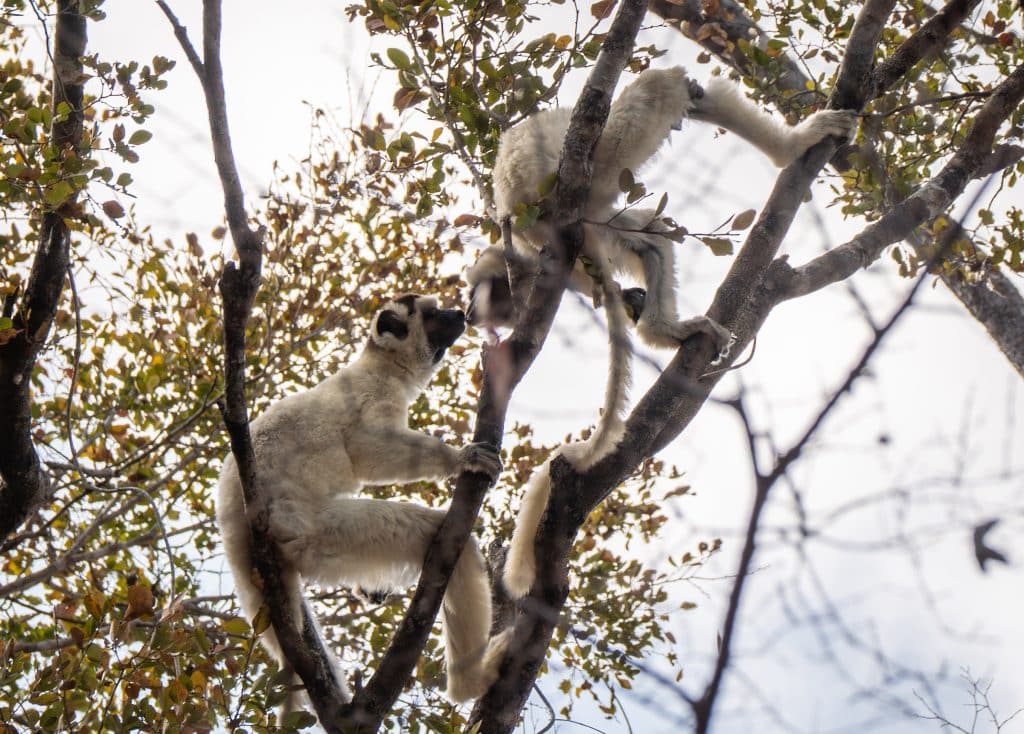
- Unique Wildlife: Foremost among its treasures are the lemurs, primates whose diverse species range from the tiny mouse lemur to the striking ring-tailed lemur. Beyond lemurs, the island is home to the elusive fossa (a cat-like predator), vibrant chameleons, and an array of geckos and other reptiles.
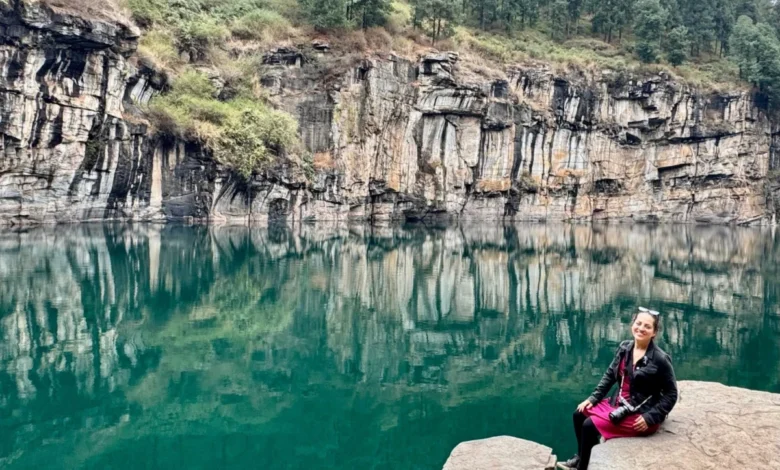
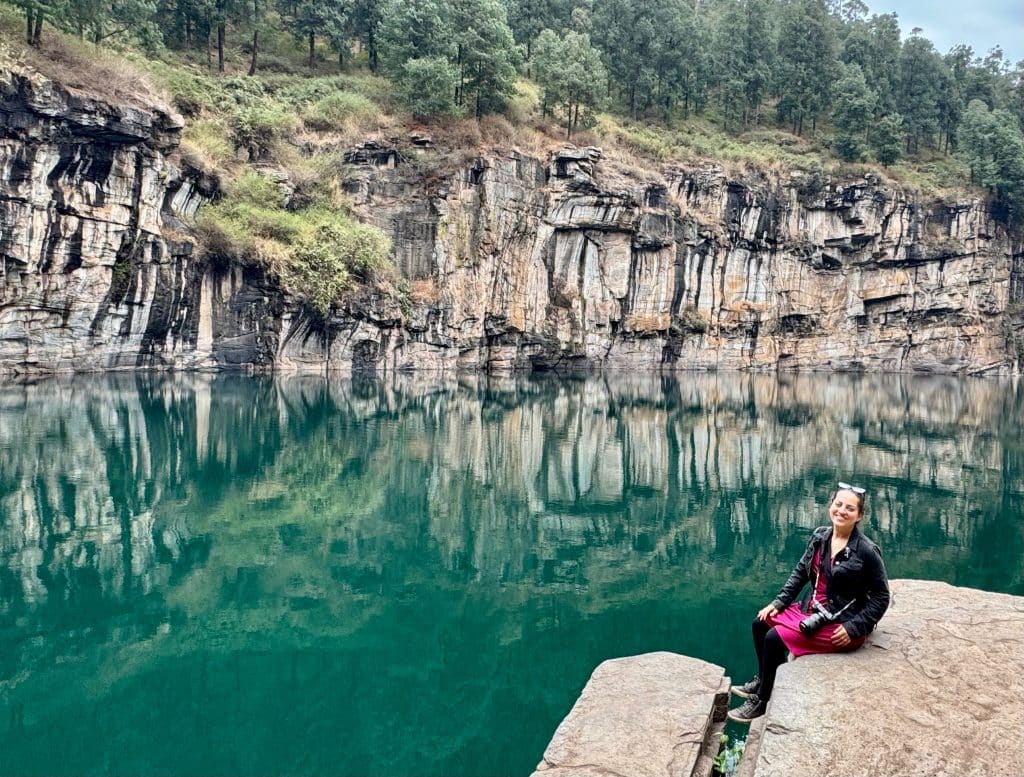
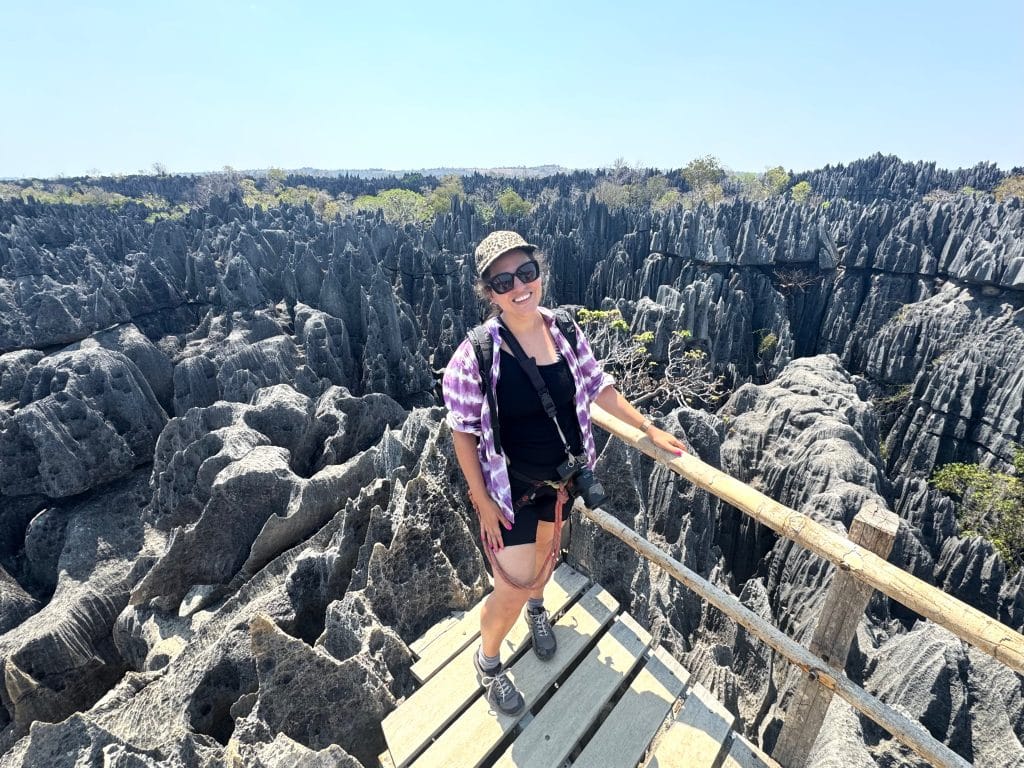
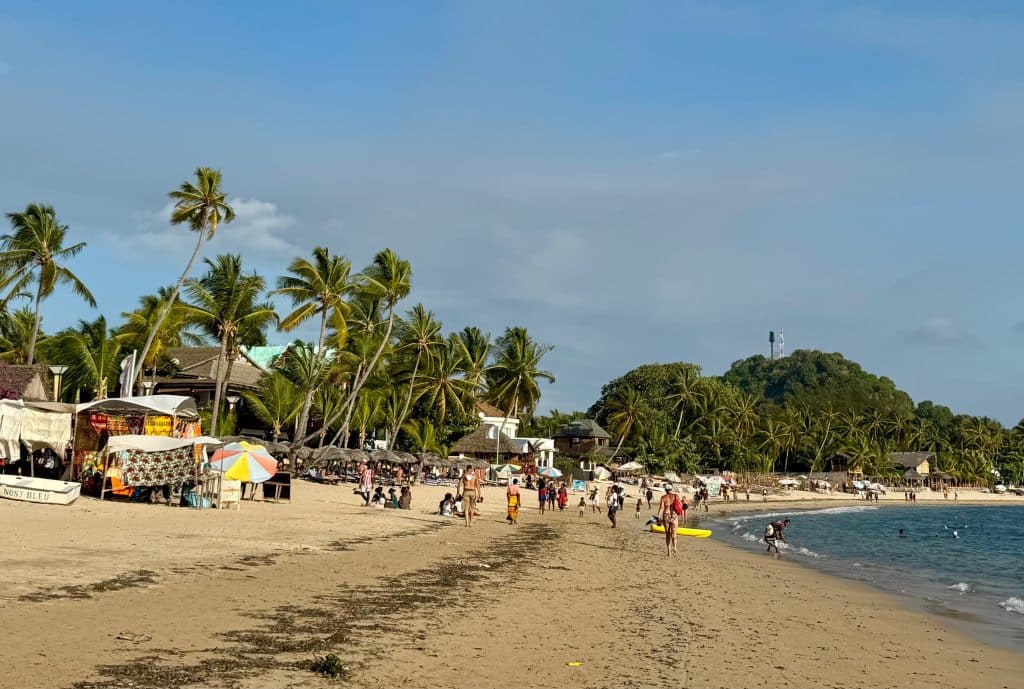
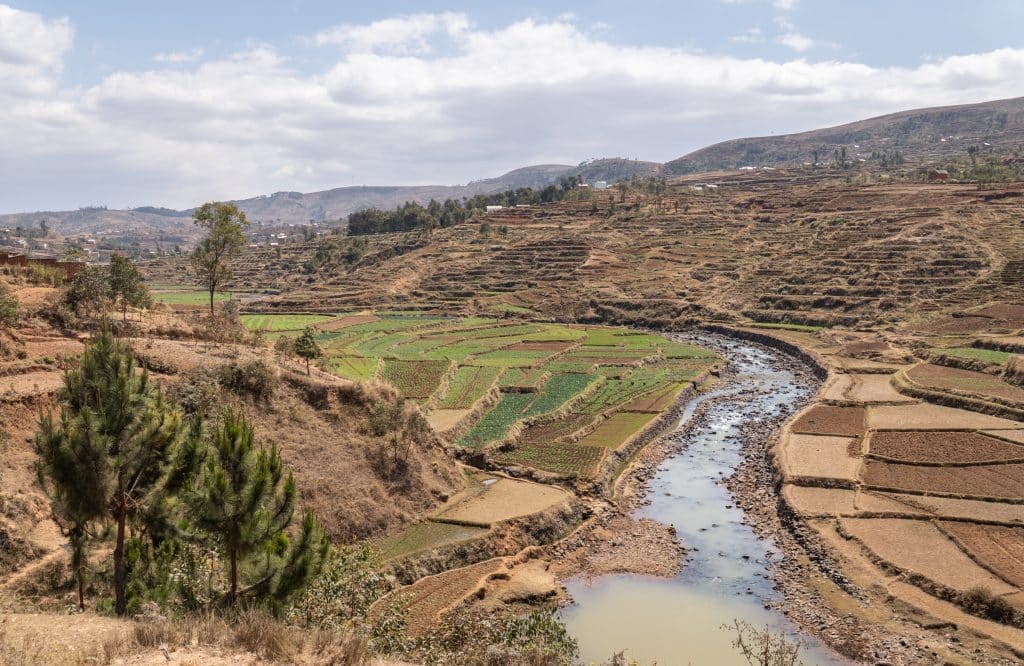
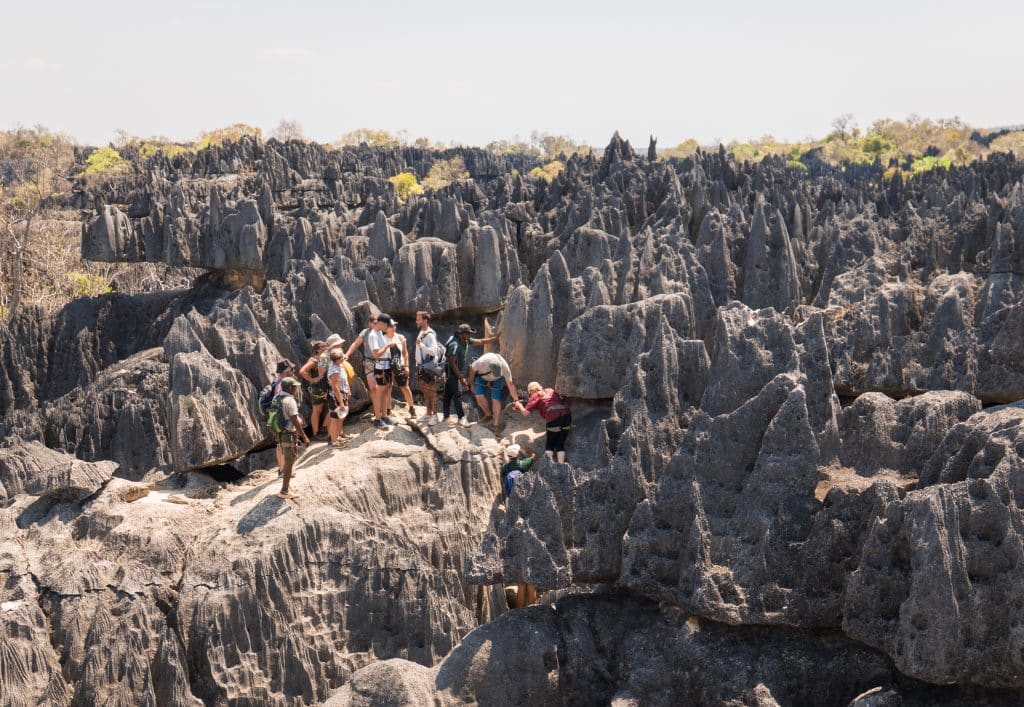
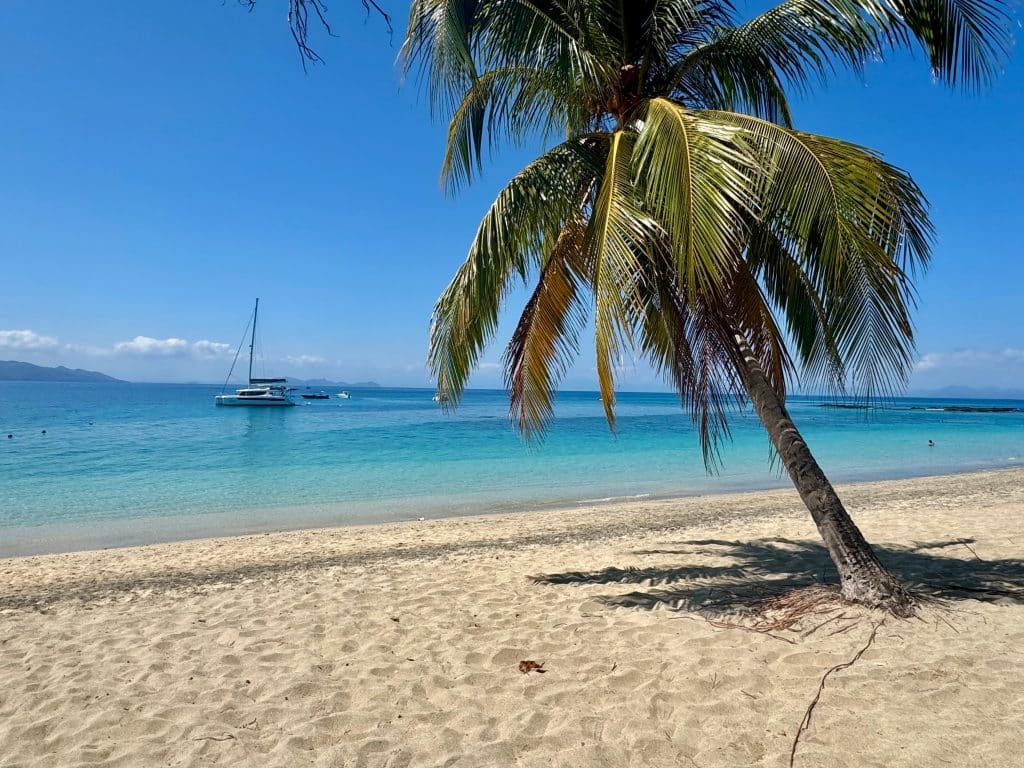
- Diverse Landscapes: The island boasts an incredible spectrum of natural environments, from the spiky limestone formations of the Tsingy de Bemaraha National Park, a UNESCO World Heritage Site, to the iconic Avenue of the Baobabs near Morondava, where ancient, majestic trees dominate the horizon, especially at sunset. Tropical beaches with turquoise waters, such as those found around Nosy Be and Nosy Tanikely, contrast sharply with the central highlands’ verdant rice paddies and volcanic lakes like Lake Tritiva.
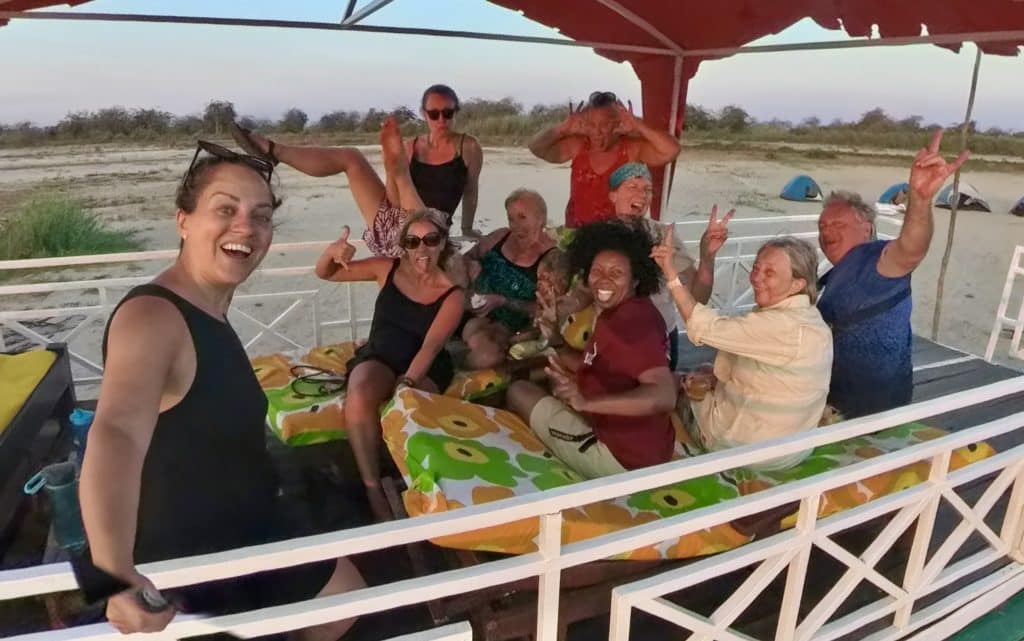
- Warm and Welcoming Culture: Malagasy people are renowned for their hospitality. Interactions with local communities, particularly in remote villages, reveal a deep sense of connection and warmth, often expressed through shared laughter and genuine curiosity. The cultural heritage, influenced by Austronesian seafarers and Bantu peoples, manifests in unique customs, agriculture, and cuisine.
Navigating the Challenges: Infrastructure and Practical Realities
Despite its natural splendor, travel in Madagascar is not for the faint of heart. It demands flexibility, resilience, and an understanding of the limitations inherent in one of the world’s poorest nations.
- Road Conditions: Madagascar’s infrastructure is notoriously challenging. Its secondary roads, known as "B-roads," are largely unpaved, poorly maintained, and often require 4×4 vehicles. Journeys lasting "the better part of a day" are common, and these roads can become impassable during the rainy season (January to March). Even paved main roads can present unexpected blockages, necessitating lengthy detours.
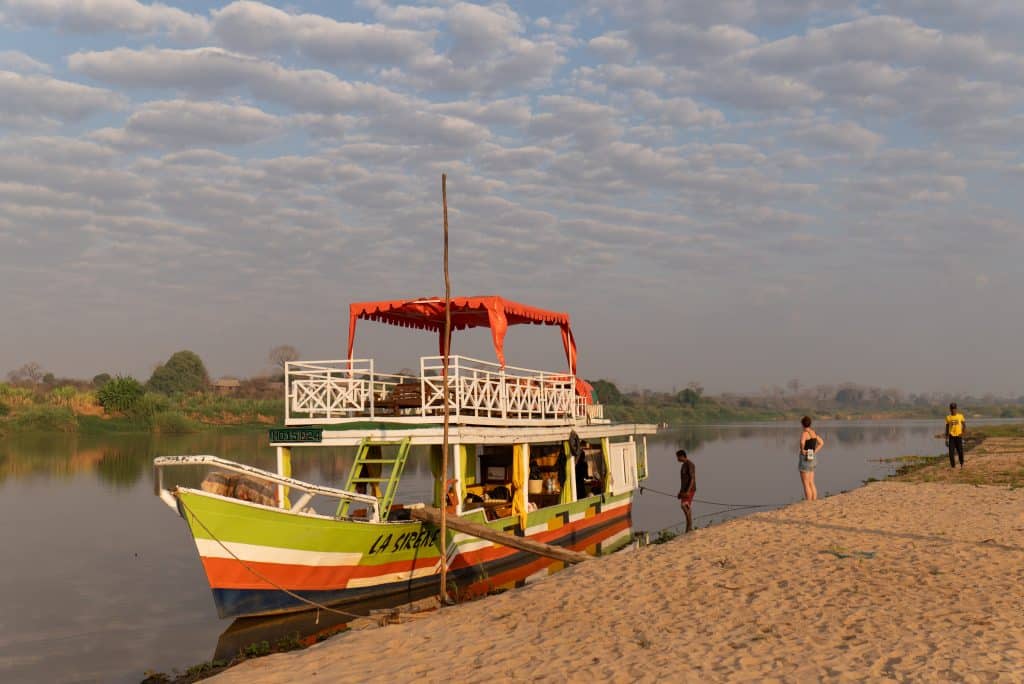
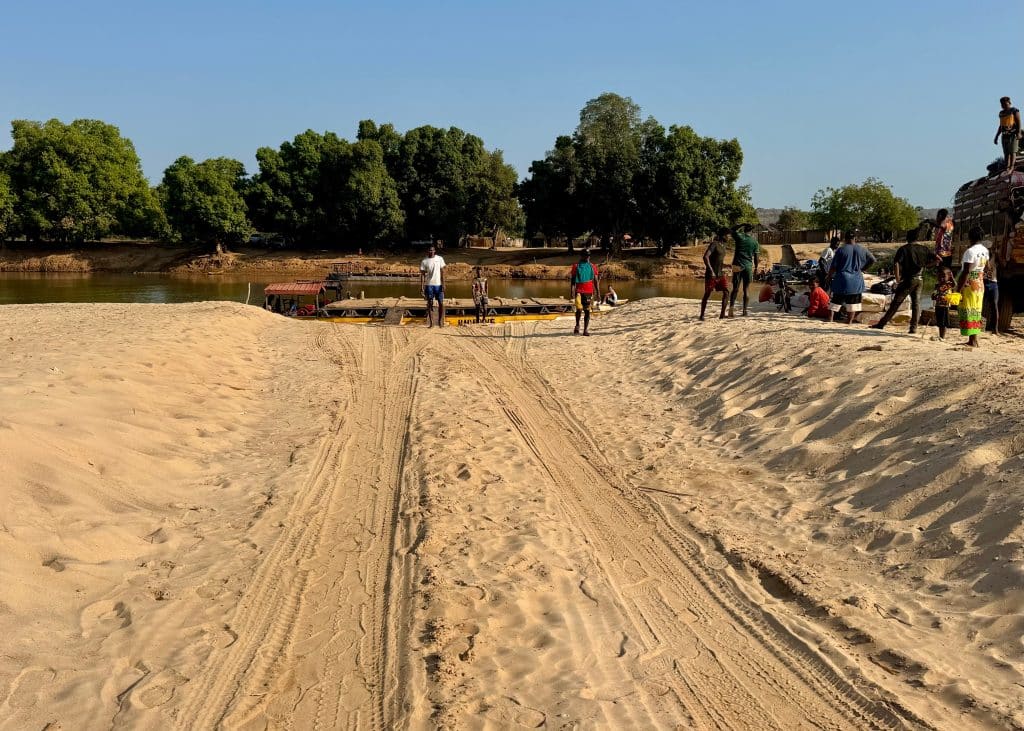
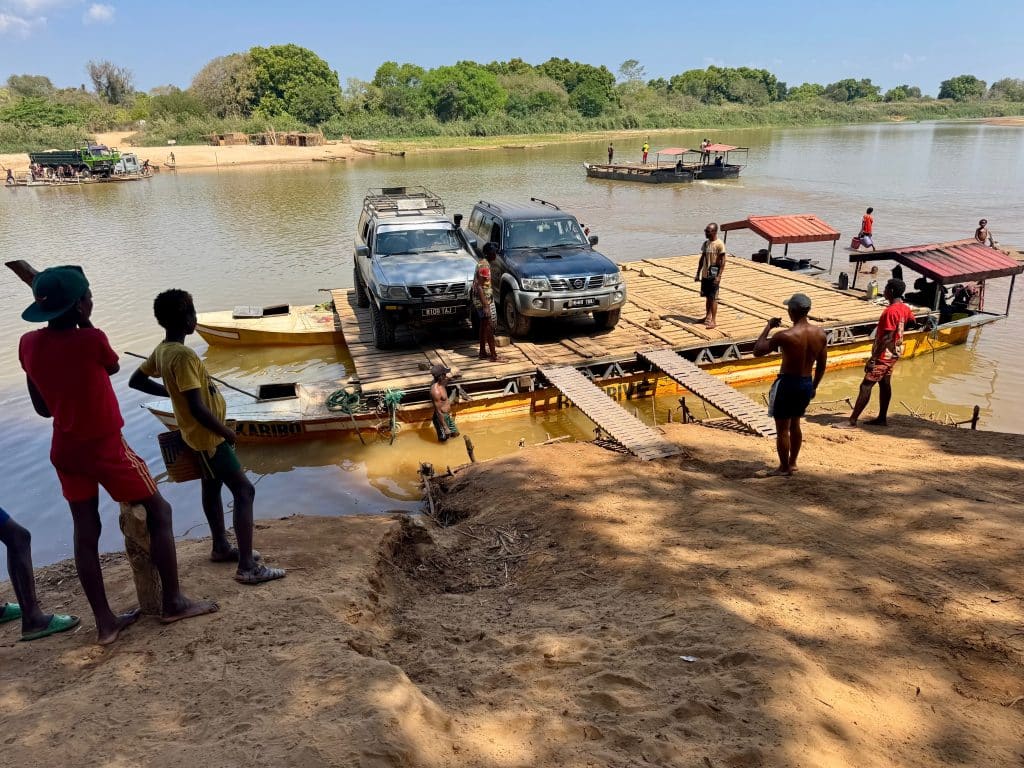
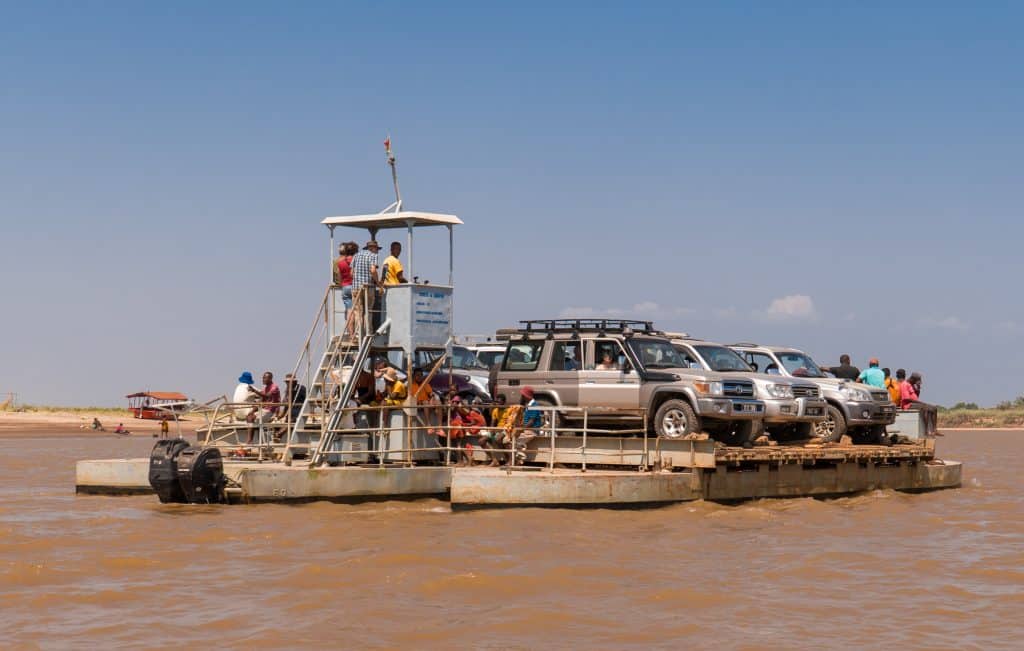
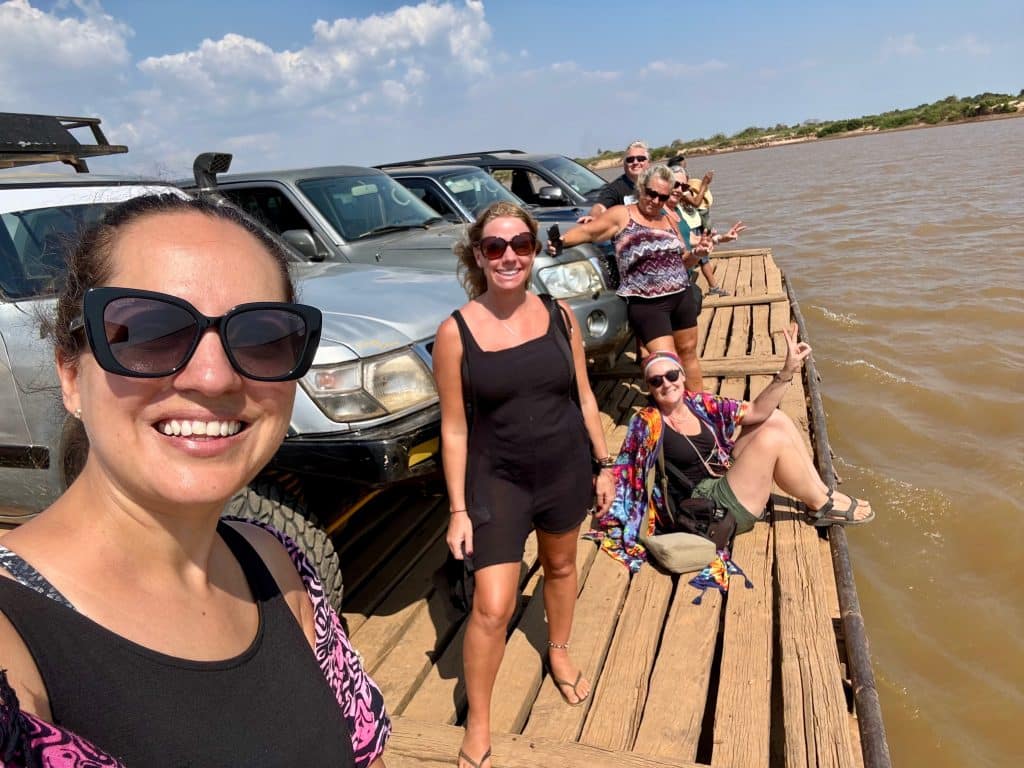
- River Crossings: A notable aspect of overland travel involves rudimentary river crossings. Vehicles are carefully maneuvered onto wooden rafts, supported by canoes, which are then propelled across rivers by small, often noisy, motors. These crossings are a testament to local ingenuity but add significantly to travel times and unpredictability.
- Limited Comforts: Air conditioning is a rarity outside of high-end urban accommodations, and travelers should be prepared for high temperatures. Access to modern sanitation facilities, such as flush toilets, is often non-existent in rural areas, where squatting behind trees is a common practice.
- Healthcare Limitations: Medical facilities across Madagascar are extremely limited, particularly outside major cities. In the event of an emergency, access to adequate medical care or medevac services is challenging and protracted. This underscores the critical need for comprehensive travel insurance and a well-stocked personal medical kit.
- Internal Flights: While internal flights offer a quicker alternative to arduous overland journeys (e.g., a 90-minute flight versus a 12.5-hour bus ride from Antananarivo to Morondava), they are infrequent and book out months in advance. Planning and booking these segments well ahead of time is crucial. Madagascar Airlines, the primary domestic carrier, often faces cancellations and delays, requiring travelers to build buffer time into their itineraries.
A Period of Unrest: The September 2025 Antananarivo Protests
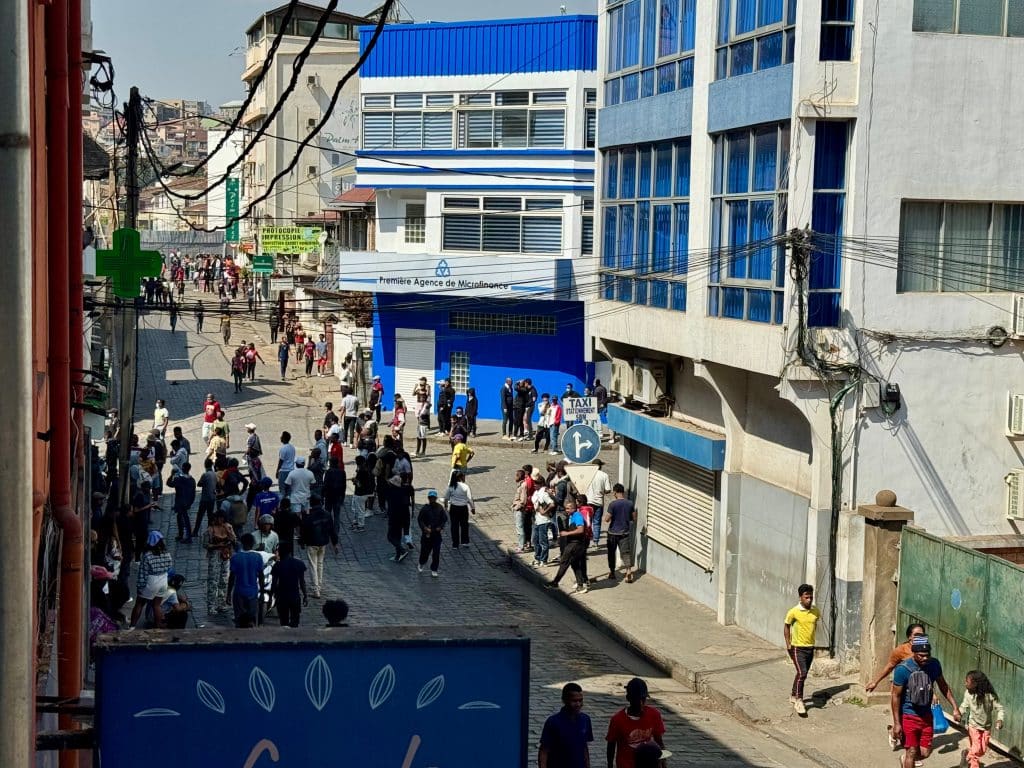
A significant event that impacted travelers in late September and early October 2025 was a wave of country-wide protests, particularly concentrated in Antananarivo. Young adults initiated these demonstrations, expressing grievances over persistent power cuts, water shortages, and perceived government corruption.
- Chronology of Events:
- September 25, 2025: Protests escalated in Antananarivo. Travelers arriving in the capital, including a tour group, encountered demonstrations turning violent, with tear gas deployed by police. Hotels in affected areas advised guests to remain indoors.
- Late September – Early October: Domestic flights from Antananarivo were subject to widespread cancellations, particularly after 1 PM, leading to stranded travelers and disrupted itineraries. A curfew was imposed in Antananarivo and other cities, with supermarkets and attractions closing.
- Early October: The US government issued a "Level 3: Reconsider Travel" advisory for Madagascar, with similar warnings from other nations.
- Post-Early October: The political situation culminated in the evacuation of the Malagasy president and a military takeover of leadership. This transition was reportedly met with approval by some local populations, indicating a desire for change.
- Impact on Travelers: While not directly targeted by the unrest, travelers faced inconveniences such as extended stays in the capital, the need to relocate to safer areas, and missed connections. The experience underscored the importance of traveling with experienced tour operators who can adapt to rapidly changing situations and the value of government travel enrollment programs (like the US STEP program) for receiving real-time updates. Following the leadership change, the country gradually returned to normalcy, and travel conditions stabilized.
Socio-Economic Landscape and Responsible Tourism
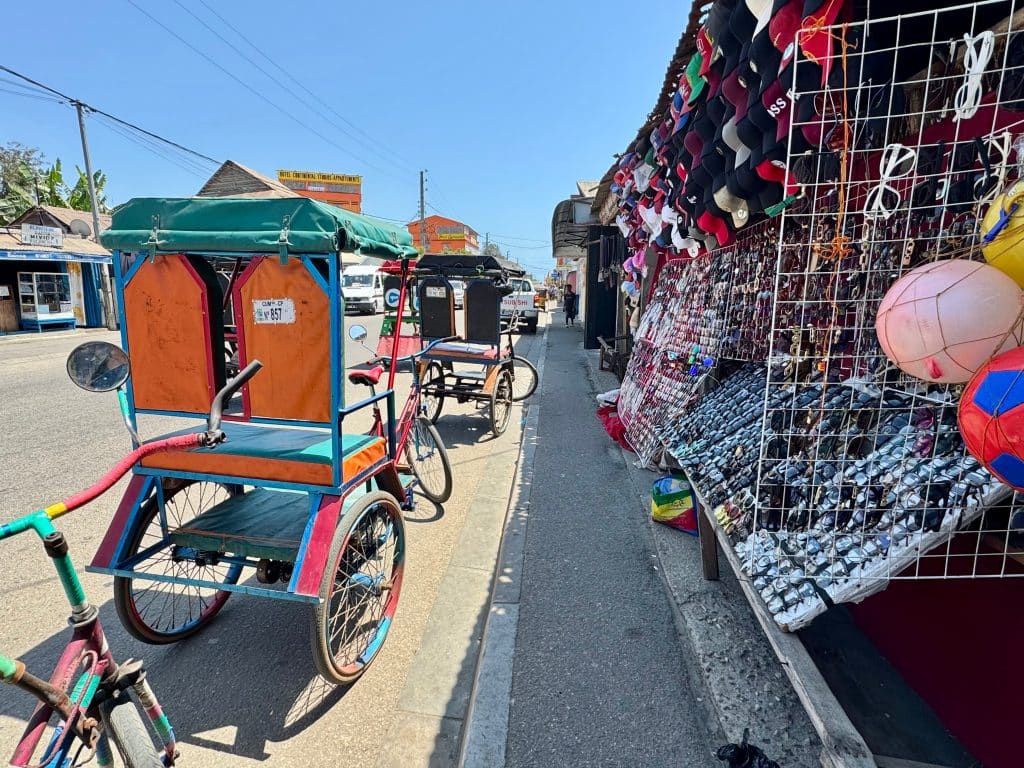
Madagascar’s pervasive poverty is a stark reality that visitors will encounter. Many villages lack basic plumbing, and children often wear torn clothing or no shoes. Schools are basic, with limited resources.
- Ethical Interactions: Responsible tourism practices are paramount. Direct monetary handouts or candy to children are discouraged, as they can foster a culture of begging and negatively impact local health. Instead, offering practical items like stickers (distributed equally) or donating directly to local schools can be more beneficial.
- Supporting Local Economies: Travelers are encouraged to support local communities by hiring local guides and drivers, staying in locally owned guesthouses, dining at local restaurants, and purchasing souvenirs directly from artisans. Tipping generously is also appreciated.
- Sustainable Practices: A unique aspect of Malagasy culture allows for the donation of used, but still functional, clothing and shoes, which are received with gratitude in communities where resources are scarce.
Culinary Experiences
Madagascar’s cuisine is simple yet flavorful. Local meals typically feature fish or zebu (local cattle) served with rice and vegetables. Romazava, a Malagasy beef stew, is a recommended traditional dish. While not a gourmet destination, some establishments, like Mad Zebu in Belo Tsiribihina and Nosy Tagada in Nosy Be, offer surprisingly sophisticated and delicious fare, blending local ingredients with French and international influences.
Considerations for Family Travel
Given the aforementioned challenges, particularly the limited medical infrastructure and demanding travel conditions, Madagascar is generally not recommended for families with young children. While some travel blogger colleagues have visited with their children, the consensus among experienced travelers and medical professionals leans towards caution. The risks associated with illness or injury in remote areas, coupled with difficult evacuation options, suggest that other African nations with more developed healthcare and infrastructure (e.g., South Africa, Kenya, Botswana) might be more suitable for family adventures.
Enhancing the Journey: Regional Add-ons
For those undertaking the long journey to Madagascar, considering a side trip to nearby islands like Reunion or Mauritius can enrich the experience. Both are within a two-hour flight and offer contrasting experiences:
- Reunion: A French overseas department, Reunion boasts stunning volcanic landscapes, excellent French-Creole cuisine, and robust infrastructure, making it ideal for adventurous travelers who appreciate dramatic scenery and hiking.
- Mauritius: Known for its luxurious beach resorts, vibrant Hindu culture, and diverse natural attractions, Mauritius appeals to those seeking a more relaxed, resort-centric island experience.
Conclusion: A Rewarding Expedition
Madagascar, with its extraordinary natural beauty, unique biodiversity, and resilient people, offers a truly transformative travel experience. It is a destination that will undoubtedly test a traveler’s patience and adaptability, demanding a readiness to embrace discomfort and unpredictability. However, the rewards—magnificent landscapes, intimate encounters with endemic wildlife, and heartwarming interactions with a welcoming populace—are profound. For the seasoned traveler seeking an authentic adventure far removed from conventional tourism, Madagascar is not merely a destination; it is an unforgettable journey of discovery that promises to thrill, challenge, and inspire.