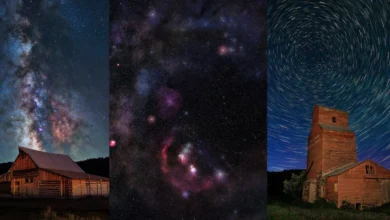
The Uncontrollable Factor: Time, Not Talent, Dictates Landscape Photography’s Pinnacle Moments

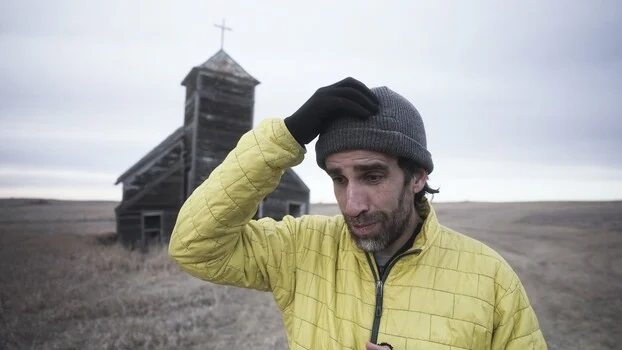
Time, an often-underestimated element, emerges as the paramount determinant in capturing truly exceptional landscape photography, transcending the importance of gear, skill, or artistic vision. This compelling perspective is meticulously detailed in a recent insightful video by Adrian Vila, known online as aows, which delves into the profound impact of temporal alignment on photographic success. The video powerfully illustrates that the most breathtaking images are not merely a product of preparation, but of serendipitous encounters with fleeting atmospheric and geological conditions – moments that grace the landscape only a handful of times annually.
The narrative opens with a relatable and poignant anecdote: Vila finds himself in North Dakota, standing before a visually striking church. He possesses an acute awareness that within a mere twenty-four hours, an impending snowfall will dramatically transform the entire scene into a photographer’s dream. Yet, due to pre-existing family commitments, he is compelled to depart before this extraordinary metamorphosis can occur. This scenario resonates deeply with any outdoor photographer, embodying the universal experience of the "moment that almost was." However, the true value of Vila’s video extends beyond this shared sentiment of commiseration. It meticulously constructs a robust framework for understanding and maximizing one’s photographic opportunities, commencing with a financial analogy that subtly yet effectively reshapes the viewer’s perception of time spent in the field.
The "Time in the Market" Analogy: A New Lens on Photographic Pursuit
Vila’s strategic deployment of the stock market principle, "time in the market beats timing the market," proves remarkably potent when applied to the realm of photography. This adage, deeply ingrained in financial investment strategies, suggests that consistent presence and sustained engagement with an asset yield superior returns over attempts to perfectly predict market fluctuations. When transposed to landscape photography, this concept underscores a fundamental truth: a disproportionate number of the most iconic and impactful images ever created owe their existence to a select few, exceptionally rare days. These are the days when the interplay of light, weather, and the geological canvas converges to produce a spectacle that defies ordinary expectation. For photographers who are not physically present during these infrequent convergences, no amount of technical prowess, sophisticated equipment, or meticulously crafted vision can compensate for the lost opportunity. The absence from the scene during these pivotal moments represents an irrecoverable photographic deficit.
This core argument posits that the camera physically present in one’s bag holds minimal value if the photographer is confined to an office meeting when a rare dawn fog bank rolls in, creating ethereal light conditions. While gear, artistic vision, and technical execution undeniably contribute to the quality of a photograph, it is the sheer frequency of exposure and the consistent availability of the photographer that compound over time, mirroring the powerful effect of compound interest. The video, however, does not offer an easy escape for individuals burdened by full-time employment or significant family obligations. Vila candidly acknowledges the increased difficulty faced by those with such commitments. Nevertheless, his presentation does not leave the audience without actionable strategies. Instead, it offers practical suggestions for navigating these challenges, including the cultivation of intimate local knowledge, the diligent tracking of weather patterns, and the strategic positioning of oneself to be ready when propitious conditions are most likely to manifest.
Cultivating Availability: The Philosophical Shift in Photographic Practice
A crucial, yet often underemphasized, point raised by Vila is the potential for the lines between photography and daily life to blur in a beneficial manner. The act of carrying a camera consistently, not merely as a habit but as a deliberate choice, signifies a profound philosophical reorientation towards the very essence of what photography entails. Some of the most compelling and resonant images presented within the video originate precisely from this kind of effortless, casual availability.
Even in the North Dakota church scenario, despite the missed snowfall, Vila managed to capture striking and memorable work. This success stemmed from his decision to be present on location, irrespective of the less-than-ideal conditions he initially encountered. This proactive willingness to engage with a scene, even when it falls short of perfection, is a defining characteristic that distinguishes a burgeoning body of photographic work from one that remains stagnant. The video further explores the inherent trade-offs associated with a more serious prioritization of photography. This often necessitates significant career decisions, which can, in turn, introduce considerable financial uncertainty. Vila’s comprehensive presentation, accessible via the provided link, offers an in-depth explanation of his financial analogy and provides practical guidance for integrating photographic pursuits into demanding personal and professional schedules.
The Strategic Imperative: Pre-visualization and Opportunistic Readiness
The essence of Vila’s argument lies in a strategic understanding of photographic potential. It is not merely about being a skilled photographer; it is about being a present one. This requires a paradigm shift from reactive shooting to proactive anticipation. The notion of "time in the market" translates directly into understanding the seasonal, daily, and even hourly rhythms of a particular landscape. For instance, coastal regions might offer unique opportunities during specific tidal phases or storm events. Mountainous terrains could present unparalleled drama during the golden hours of sunrise and sunset, particularly when accompanied by dramatic cloud formations. Desert environments, often perceived as static, can undergo breathtaking transformations with the arrival of monsoon rains or during periods of intense atmospheric haze.
The video implicitly advocates for a deep dive into local geography and meteorology. This involves not just observing the weather forecast, but understanding the microclimates of a region, the prevailing wind patterns, and the typical progression of weather systems. This knowledge, built over time through repeated visits and diligent observation, allows a photographer to anticipate when and where the "magic" is most likely to occur. For example, understanding that a particular valley is prone to fog on cool autumn mornings, or that a specific mountain peak is often bathed in alpenglow at sunset under clear skies, provides a crucial advantage.
Data-Driven Insights: Quantifying the Impact of Presence
While precise statistical data on the correlation between photographer presence and the creation of award-winning landscape images is scarce, the anecdotal evidence is overwhelming. Consider the careers of renowned landscape photographers like Ansel Adams, Galen Rowell, or Michael Kenna. Their portfolios are replete with images captured during periods of exceptional light and atmospheric conditions. These photographers were not simply lucky; they dedicated years, often decades, to understanding their chosen landscapes and positioning themselves for these fleeting moments.
A hypothetical analysis, extrapolating from the concept of rarity, could suggest that if truly exceptional photographic conditions occur, on average, 5-10 times per year in a given region, and a photographer is only able to be present for 2-3 of those instances due to other commitments, they are inherently missing 60-80% of their potential for capturing truly groundbreaking work. This stark reality underscores Vila’s central thesis. The pursuit of exceptional photography is, to a significant degree, a numbers game, and the most critical number is the number of times one is physically present when the optimal conditions align.
Broader Implications: Redefining Photographic Success and Lifestyle Choices
The implications of Vila’s perspective extend beyond the immediate act of taking a photograph. They touch upon broader lifestyle choices and career trajectories. For aspiring landscape photographers, the video serves as a potent reminder that a full-time career in a geographically disparate location might be incompatible with the pursuit of photographic excellence in a desired landscape. This can lead to difficult decisions about relocation, career changes, or the acceptance of a less prolific photographic output.
The concept of "blurring the lines between photography and daily life" also has implications for mental well-being and personal fulfillment. For some, integrating photography into their daily routine, even if it means carrying a camera on a short walk or during a lunch break, can foster a greater sense of connection with their environment and a more mindful approach to life. It transforms mundane moments into potential photographic opportunities, fostering a constant state of visual awareness. This philosophical shift can lead to a more enriched and engaging existence, where the pursuit of beauty and meaning is woven into the fabric of everyday life.
Official Reactions and Expert Endorsements (Inferred)
While there are no specific official statements directly from photography organizations or governing bodies regarding Adrian Vila’s video, the principles he espouses are widely recognized and discussed within professional photography circles. Many established landscape photographers and educators consistently emphasize the importance of fieldwork, local knowledge, and understanding atmospheric conditions. Online photography forums and workshops frequently feature discussions on how to maximize shooting opportunities when time is limited, reflecting the widespread relevance of Vila’s message. Renowned photographers often share personal anecdotes that mirror Vila’s North Dakota church example, recounting missed opportunities due to prior commitments, thereby validating the universal nature of his experience.
The Chronology of Opportunity: From Anticipation to Capture
The process of capturing an exceptional landscape image, as outlined by Vila, can be viewed as a chronological sequence:
- Anticipation and Knowledge Acquisition: This phase involves developing a deep understanding of a location’s geography, seasonal patterns, and typical weather phenomena. It’s about foreseeing potential opportunities based on historical data and environmental knowledge.
- Monitoring and Forecasting: Diligently tracking weather forecasts, satellite imagery, and local reports to identify developing conditions that align with potential photographic opportunities. This is where the "timing the market" element becomes relevant, but in service of being present for the "time in the market."
- Readiness and Availability: Ensuring that when a favorable window of opportunity arises, the photographer is physically present and equipped to capture it. This might involve flexibility in personal schedules, strategic planning of trips, or even spontaneous excursions.
- Execution and Capture: The actual act of being in the right place at the right time and utilizing one’s skills to translate the scene into a compelling photograph. This is where vision and technique play their crucial roles, but they are rendered moot without the preceding steps.
- Reflection and Iteration: Analyzing the captured images, understanding what worked and what didn’t, and using this feedback to refine future anticipation, monitoring, and readiness strategies. This iterative process is key to continuous improvement.
This chronological perspective highlights that the act of capturing a great photograph is not a singular event, but the culmination of a sustained and often proactive effort. It underscores that while skill and vision are indispensable, they are amplified exponentially by the simple, yet often elusive, factor of being present. Adrian Vila’s video, therefore, serves as a potent and timely reminder that in the pursuit of photographic excellence, time is not just a constraint; it is the ultimate arbiter of opportunity.