Exploring London on Foot: A Comprehensive Guide to the Capital’s Premier Walking Routes.

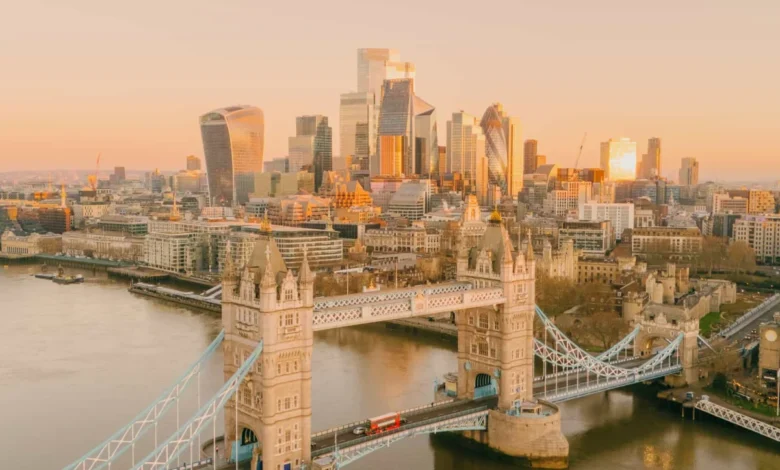
London, a city celebrated globally for its rich history, diverse culture, and architectural grandeur, offers an unparalleled experience for visitors and residents alike, particularly when explored on foot. The capital’s intricate network of streets, verdant parks, and riverside paths provides an immersive journey through its many facets, from ancient landmarks to vibrant contemporary districts. This article details eight distinct walking routes, each carefully curated to showcase the unique charm and historical significance of various London areas, encouraging a deeper engagement with the city’s narrative.

The Strategic Importance of Walking in Urban Exploration
Walking serves as a fundamental mode of transport and discovery in dense urban environments like London. Beyond the immediate physical benefits, pedestrian exploration offers a unique perspective, allowing for serendipitous encounters with hidden gems, intimate appreciation of architectural details, and a profound connection to the rhythm of local life often missed from public transport. Transport for London (TfL) actively promotes walking as a sustainable and healthy way to navigate the city, contributing to both individual well-being and reduced urban congestion and emissions. These initiatives underscore a broader urban planning philosophy that prioritizes accessible public spaces and pedestrian infrastructure.

1. The Hand Luggage Only London Landmark Route
This meticulously planned route, designed to encompass many of London’s most iconic sights, offers an extensive journey through the city’s historical and cultural heartlands. While comprehensive, it is recommended to undertake this extensive walk in segmented portions over several days to fully appreciate each location without undue exertion. A free, publicly accessible Google Maps list facilitates navigation for explorers.

The itinerary commences in West London, with a visit to Kensington Palace, a royal residence with a history stretching back to the 17th century, serving as home to various members of the British Royal Family. From here, a leisurely stroll through Hyde Park leads to the Albert Memorial, an ornate Gothic monument commemorating Prince Albert, and the adjacent Royal Albert Hall, an iconic venue renowned for its architectural majesty and diverse performance schedule, offering guided tours or event attendance.

Proceeding eastward, the route includes the globally acclaimed Natural History Museum and the Victoria and Albert Museum, both distinguished by their vast collections and impressive architecture. These institutions, approximately five minutes’ walk from the Royal Albert Hall, could each command a full day’s exploration. Further east lies Harrods in Knightsbridge, a luxury department store synonymous with opulence, followed by the historical Wellington Arch. This segment typically constitutes a substantial day’s walking.

Continuing on a subsequent day, the path leads from Wellington Arch to Buckingham Palace, the official residence of the monarch. Visitors can observe the palace from The Mall or pre-book tours during specific periods. The walk then progresses to Trafalgar Square, a prominent public square housing Nelson’s Column and surrounded by cultural institutions. The National Portrait Gallery, offering free admission consistent with many UK national museums, is a key stop. The route then weaves through Leicester Square, known for its entertainment venues, the vibrant culinary and cultural hub of Chinatown, and Regent Street, a grand thoroughfare celebrated for its shopping and architectural elegance.

Advancing through Oxford Street, another major shopping destination, the route reaches the British Museum, a treasure trove of world art and artifacts, where an entire day can easily be spent. A subsequent 50-minute walk south leads to Covent Garden, an area famed for its market, street performers, and diverse eateries.

The final leg of this extensive route circles back past Trafalgar Square to Whitehall, home to government buildings, including Horse Guards Parade and the historic Downing Street. Crossing the River Thames via Westminster Bridge, walkers encounter the Houses of Parliament and the iconic Big Ben. The journey concludes along the Southbank, featuring the London Eye, Tate Modern, Shakespeare’s Globe, Borough Market, and finally, the historic Tower Bridge and Tower of London, offering insights into London’s medieval past and royal heritage.

This route, while extensive, is best approached by selecting "bite-sized" sections over approximately five days for a relaxed pace. Alternatively, leveraging London’s efficient Tube and bus network between key sights allows for a more condensed experience.

2. The Regent’s Canal Walk
Offering a tranquil contrast to the bustling city centre, the Regent’s Canal Walk traverses a diverse range of London neighbourhoods, connecting King’s Cross to Little Venice. This route, while lengthy, provides a refreshing escape into greener, more serene landscapes within the urban fabric, making it ideal for those seeking a quieter exploration.

The suggested starting point is Granary Square, located behind King’s Cross Station. This area, a testament to successful urban regeneration, now boasts numerous restaurants, shops, and public art installations, providing an excellent opportunity for refreshment before embarking on the walk. Following the canal westward, the path leads to Camden, a vibrant district renowned for its eclectic markets, independent shops, and alternative culture. Camden Lock Market, in particular, offers a sensory experience with its food stalls, crafts, and vintage finds.

Continuing west, the canal passes London Zoo and the expansive Regent’s Park. These attractions, situated on the south side of the canal, are particularly popular on sunny days, offering family-friendly activities and extensive green spaces. The walk culminates in Little Venice, a picturesque area characterized by its charming canal boats, waterside cafes like Cafe Laville, and a distinctly European ambiance. The entire route is navigable with a free Google Maps list, allowing for easy exploration and selection of preferred sections. The Regent’s Canal, originally constructed in the early 19th century, played a vital role in London’s industrial past, facilitating the transport of goods, and its transformation into a recreational pathway highlights the city’s adaptive urban development.
3. The Central London Circular Walk
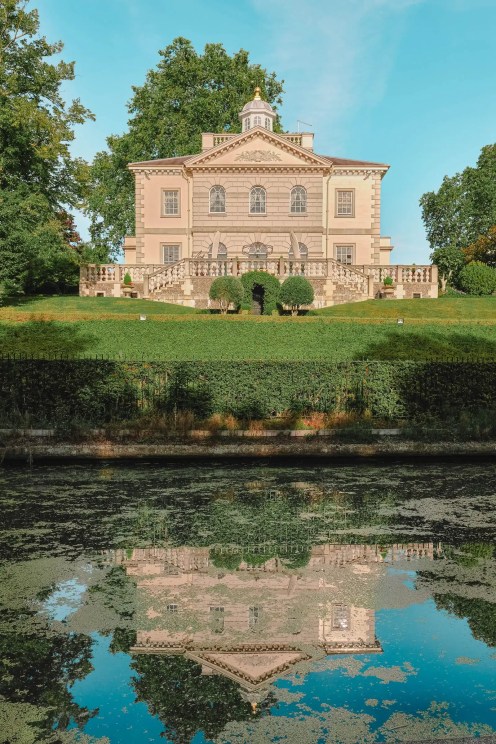
This circular route offers an intensive exploration of Central London’s key sites, allowing walkers to join and depart at any convenient point. Like the Landmark Route, its length necessitates segmentation for a comfortable experience, encouraging a slower pace to absorb the historical and cultural significance of each stop.

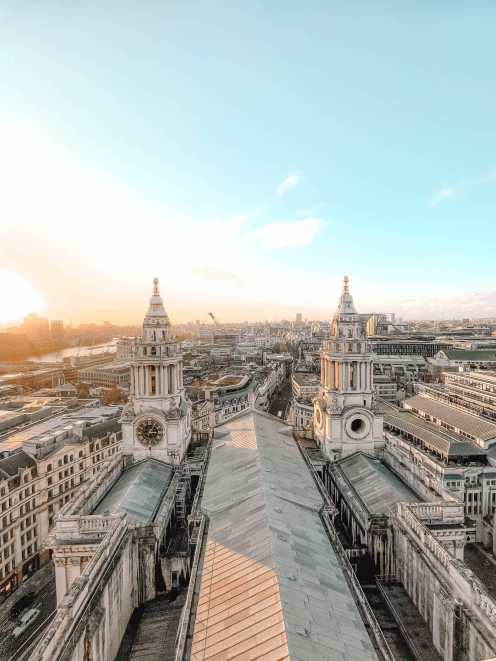
Beginning at St Paul’s Cathedral, an architectural masterpiece by Sir Christopher Wren, the route heads east to the financial heart of the city, encompassing Bank and the Royal Exchange, a historic hub of commerce. A stop for refreshments within the Royal Exchange is a popular choice before proceeding to Leadenhall Market, a stunning Victorian covered market. The walk then leads to the Sky Garden, London’s highest public garden, offering panoramic city views. Free tickets must be booked in advance due to high demand.
The journey continues to the Tower of London, a historic castle with a millennium of history, housing the Crown Jewels. From there, walkers cross the iconic Tower Bridge to reach Borough Market, a renowned food market perfect for a culinary interlude. Following the River Thames westward, the path includes Shakespeare’s Globe, a reconstruction of the Elizabethan playhouse, where visitors can take a tour or attend a performance, and the Tate Modern, a leading contemporary art gallery with free admission.

Further west along the Southbank, the route features the London Eye, offering unique aerial views, before crossing Westminster Bridge to Big Ben and the Houses of Parliament. A short walk leads to Westminster Abbey, a site of coronations and royal weddings. The path then continues to Downing Street, the official residence of the Prime Minister, and through St James’s Park, one of London’s royal parks, leading directly to the gates of Buckingham Palace.

After observing the palace, the route proceeds to Wellington Arch and then eastward to the esteemed Ritz Hotel, a quintessential London experience for afternoon tea. The walk then navigates to Piccadilly Circus, a bustling intersection, through Chinatown, and back to Covent Garden for further exploration. The final leg follows The Strand back to St Paul’s Cathedral, completing the loop. This extensive circuit, best divided into multiple days, is supported by a free Google Maps list for detailed navigation.

4. The Thames Path
The Thames Path, an impressive National Trail stretching 185 miles from the River Thames’ source in the Cotswolds to Woolwich in East London, offers an expansive walking experience. While its entirety is a multi-day endeavour, specific sections within London provide exceptional urban and natural scenery.

A particularly recommended segment begins in Greenwich, a UNESCO World Heritage Site renowned for its maritime history and royal connections. Here, walkers can explore the Royal Naval College, marvel at the clipper ship Cutty Sark, visit the magnificent Painted Hall, and enjoy the expansive Greenwich Park, home to deer and the Prime Meridian. The path then extends eastward, revealing various historical sites and river views.

Continuing westward along the Thames from Greenwich can lead to prominent landmarks such as Tower Bridge, Borough Market, Tate Modern, and the London Eye. Further west, the path extends to the revitalized Battersea Power Station, now a vibrant complex of shops, restaurants, and residential spaces. This Greenwich-to-Battersea segment alone can take approximately eight hours of casual walking, emphasizing the need for careful planning. Along the route, historical pubs like the Mayflower Pub in Rotherhithe, from where the Pilgrim Fathers reputedly set sail, offer quaint rest stops and historical anecdotes. The Thames Path offers a profound connection to London’s identity, with the river serving as its historical lifeline.

5. The Line Art Walk
For those with an interest in contemporary art and urban regeneration, The Line Art Walk in East London presents a unique outdoor gallery experience. This shorter walk, concentrated around North Greenwich and the River Thames shoreline, provides an accessible way to engage with diverse art installations.

The route typically commences in Stratford, a district transformed by the 2012 Olympic Games. Here, visitors can explore the ArcelorMittal Orbit, a distinctive observation tower offering exhilarating slides. The walk then guides participants past various public art pieces, including "The Hatchling," "Liberty Grip," and "A Bullet from a Shooting Star," among others, each offering a unique artistic statement within the urban landscape.

A significant cultural highlight along The Line is the V&A East Storehouse, one of London’s newer museums. This innovative institution offers free access to the V&A’s vast collection vaults, providing a behind-the-scenes look at conservation and restoration work. This concept allows the public to witness the meticulous care and scholarly effort involved in preserving cultural heritage. The Line Art Walk serves as an excellent way to explore East London’s evolving identity, blending Olympic legacy with artistic expression and community engagement. A free PDF map of the route and key installations is available for download, facilitating exploration.

6. The Capital Ring Walk
The Capital Ring Walk is an ambitious 78-mile circular route encircling London, designed to showcase the city’s greener outskirts and diverse suburban landscapes. It offers a stark contrast to the central landmark routes, appealing to those seeking quieter, more natural environments away from the main tourist hubs.

This extensive trail is not intended for completion in a single day. Recognising its scale, TfL has segmented the Capital Ring into manageable sections, allowing walkers to join the route at points most convenient to their location in London. These segments reveal a different side of the capital, encompassing areas such as the Olympic Park in Stratford, the impressive Thames Barrier, and the historic Crystal Palace area. The walk emphasizes London’s vast green spaces, including parks, woodlands, and nature reserves, highlighting efforts in urban conservation and biodiversity. Each route section is detailed on the TfL website, providing comprehensive guides for independent exploration.

7. The Green Link Walk
Connecting disparate green areas across London, the Green Link Walk offers a continuous pedestrian path from Epping Forest in the northeast to Peckham in the south. This route underscores London’s commitment to maintaining and expanding its urban green infrastructure, providing vital ecological corridors and recreational spaces.

Along its course, the Green Link traverses a mix of natural and urban environments, including the vibrant London Fields, the cultural precinct around Tate Modern and St Paul’s Cathedral (overlapping with other central routes), and the community-focused Burgess Park in South London. The walk allows for an appreciation of London’s diverse topography and its success in integrating nature within a bustling metropolis. Given its length, this route is also best explored in sections, appealing to those who wish to experience a north-to-south journey through London’s varied landscapes. The full route details are available through Footways.London, providing guidance for navigating this extensive green corridor.

8. The Jubilee Walkway
The Jubilee Walkway is a 15-mile loop route specifically designed to celebrate London’s royal history and connect many of its most iconic central landmarks. Established to commemorate Queen Elizabeth II’s Silver Jubilee in 1977, it provides a curated journey through the city’s ceremonial heart.

This walk offers a concentrated experience of royal and governmental sites, including the formidable Tower of London, the grand Houses of Parliament, the tranquil St James’s Park, and Buckingham Palace. The route is punctuated by distinctive pavement markers featuring the Jubilee emblem, guiding walkers through the rich tapestry of London’s past and present. Due to the density of attractions, it is recommended to explore the Jubilee Walkway over two to three days, allowing ample time to delve into the history and significance of each landmark. The official TfL website provides detailed maps and information for navigating the full route and its individual sections, ensuring visitors can fully immerse themselves in Central London’s historical narrative.

Conclusion: The Enduring Appeal of London on Foot
These eight distinct walking routes collectively underscore London’s extraordinary walkability and its capacity to offer diverse experiences. From the monumental grandeur of the central landmark trails to the tranquil canals and artistic pathways, walking remains an accessible and enriching method of engaging with the city. Promoting pedestrianism not only supports sustainable tourism but also fosters a deeper appreciation for London’s layered history, dynamic present, and commitment to accessible public spaces, solidifying its reputation as a premier destination for urban exploration.