Beyond the Boardwalk: A Comprehensive Analysis of America’s Premier Natural Beaches and the Shift Toward Quiet Coastal Tourism

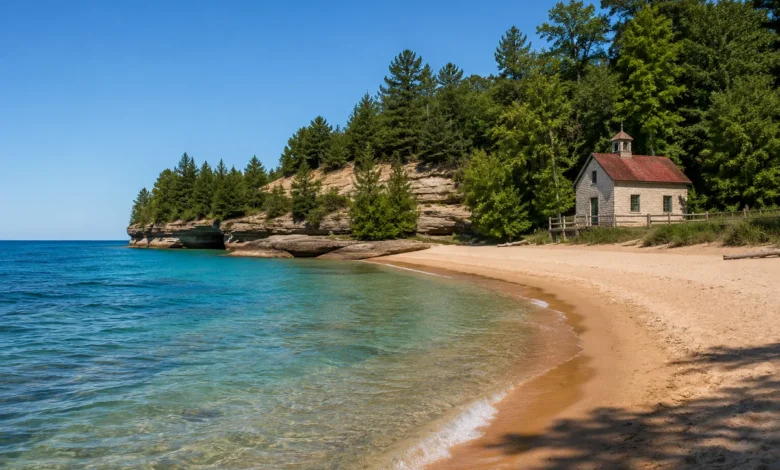
The quintessential image of the American summer often revolves around neon-lit boardwalks, bustling amusement piers, and high-rise oceanfront resorts. However, a new analytical study suggests that a growing demographic of travelers is eschewing commercialized shorelines in favor of "natural beaches"—coastal environments defined by ecological integrity rather than commercial development. According to the "Most Relaxed States Index" recently released by SlotsLV, the demand for serene, undeveloped coastlines is reshaping the domestic travel landscape, prompting a closer look at where these pristine environments still flourish.
By synthesizing data on the total number of natural beaches per state and cross-referencing these locations with consumer sentiment via TripAdvisor reviews, researchers identified a distinct hierarchy of coastal relaxation. The study highlights ten states that serve as the primary custodians of America’s natural shoreline, ranging from the rugged cliffs of the Pacific Northwest to the freshwater dunes of the Great Lakes.
The Methodology of Naturalness: Defining the "Quiet" Shoreline
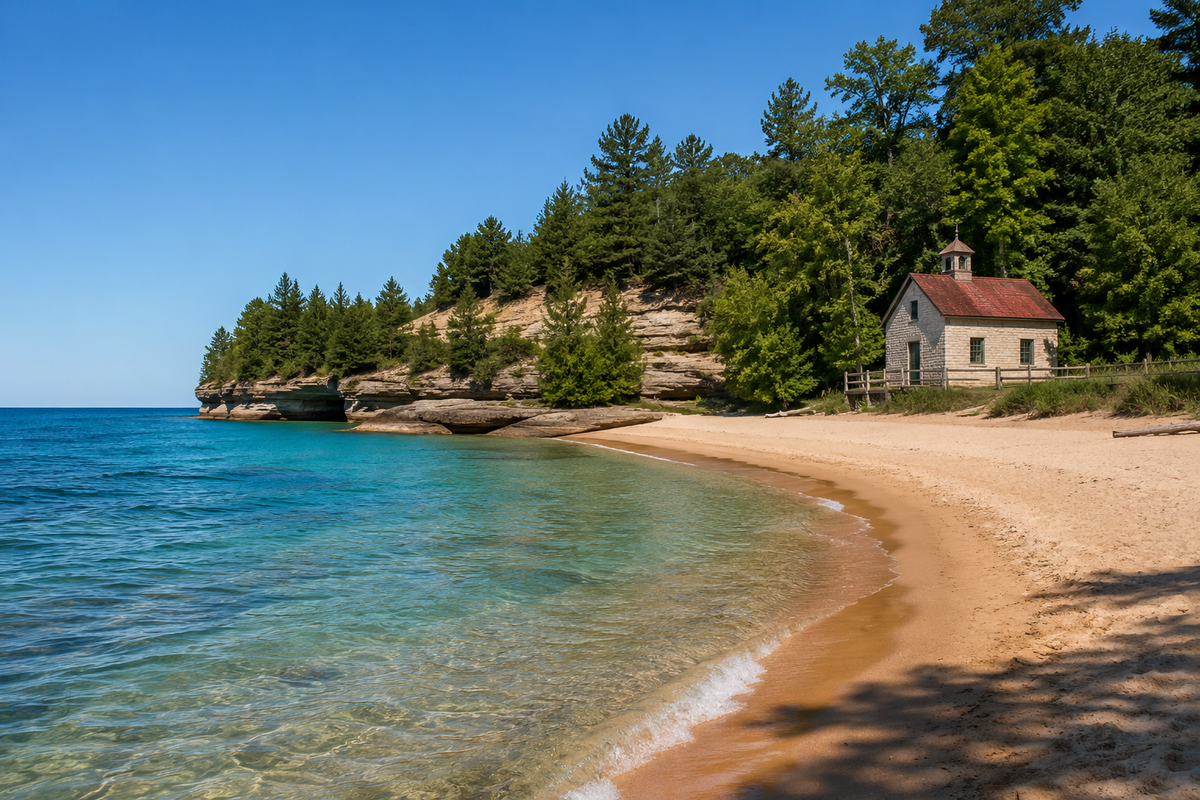
In the context of this study, a "natural beach" is defined as a shoreline shaped predominantly by geomorphological processes—wind, waves, and sediment transport—rather than human engineering. These locations are typically devoid of seawalls, permanent commercial structures, and paved boardwalks. Most are situated within protected federal or state jurisdictions, such as National Seashores, National Parks, and State Nature Preserves.
The index utilized a dual-metric approach. First, it quantified the volume of natural beaches within each state to determine accessibility and variety. Second, it analyzed qualitative data from thousands of TripAdvisor reviews to identify the "best" representative beach for each top-performing state. This approach ensures that the rankings reflect both geographical abundance and the actual visitor experience.
The National Rankings: A State-by-State Breakdown
The data reveals a surprising distribution of natural coastal assets, with the Northeast and the Great Lakes regions outperforming traditional "sun and sand" destinations in terms of sheer volume and visitor satisfaction.
1. Massachusetts: The Standard of the Atlantic
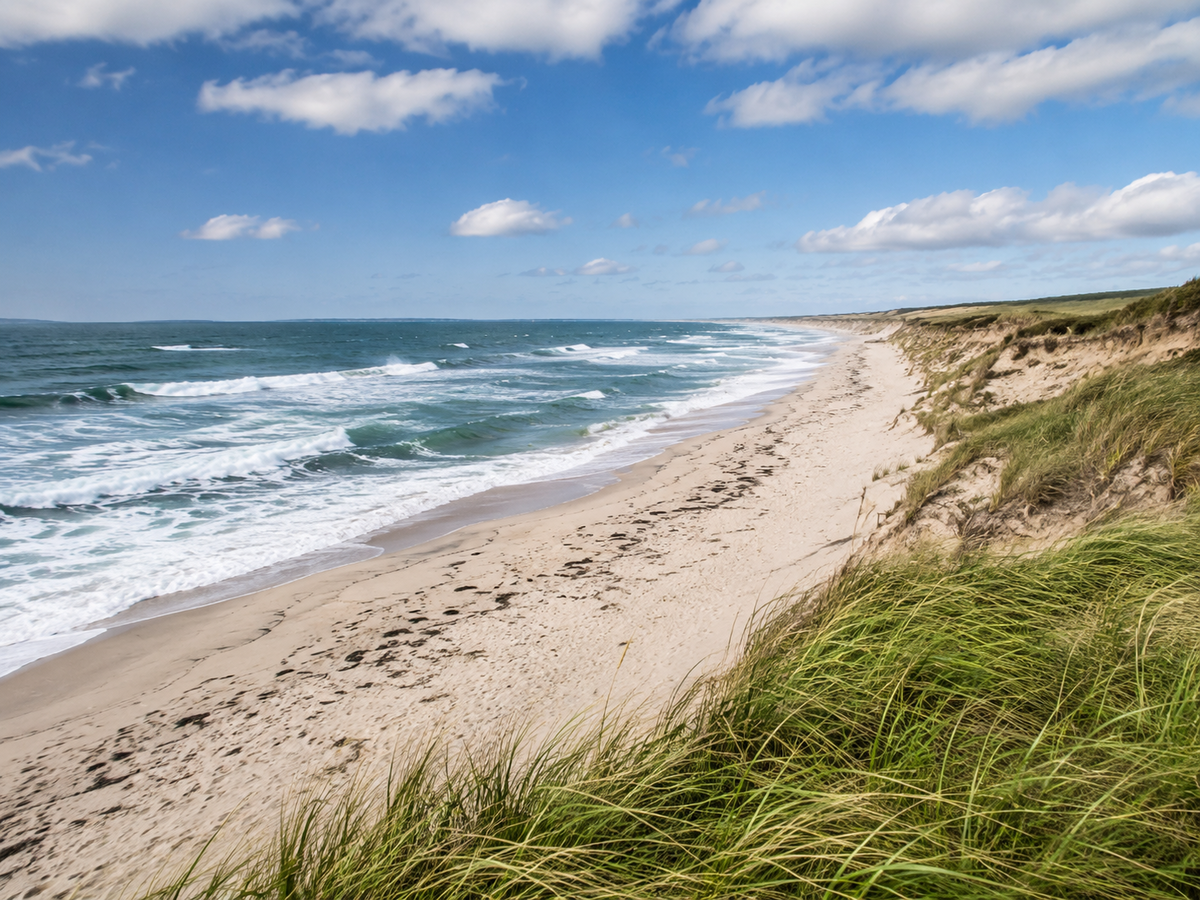
Massachusetts secured the top position with an impressive 2,342 natural beaches. The state’s crown jewel, according to the index, is Coast Guard Beach in Eastham. Located within the Cape Cod National Seashore, Coast Guard Beach holds a 4.7 out of 5 rating on TripAdvisor.
Historically, this area gained fame through the writings of Henry Beston, whose 1928 book The Outermost House chronicled a year spent on these dunes. The beach is characterized by its dramatic glacial bluffs and expansive marshlands. Unlike the commercialized piers of nearby towns, Coast Guard Beach offers a raw look at the Atlantic, where the landscape is in a constant state of flux due to coastal erosion.
2. Florida: Beyond the Neon
Despite its reputation for high-density tourism, Florida ranks second with 1,880 natural beaches. The standout location is Playalinda Beach, situated within the Canaveral National Seashore. With a 4.5 rating, Playalinda represents a stark contrast to the nearby attractions of Orlando or the crowded sands of Miami.
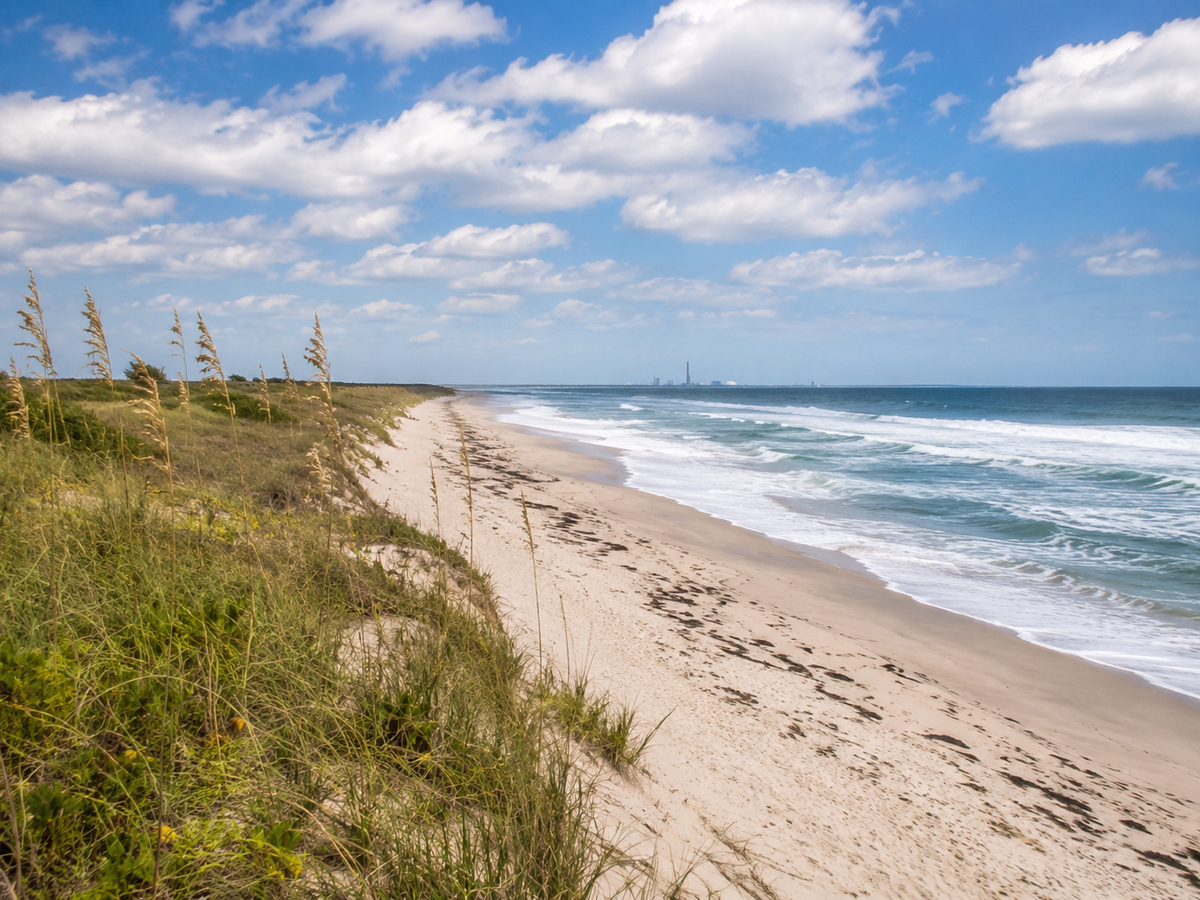
Playalinda serves as a critical habitat for nesting sea turtles and sits in the shadow of NASA’s Kennedy Space Center. The juxtaposition of high-tech launch pads and primitive barrier island ecosystems makes it one of the most unique coastal stretches in the world.
3. New York: The Unexpected Wilderness
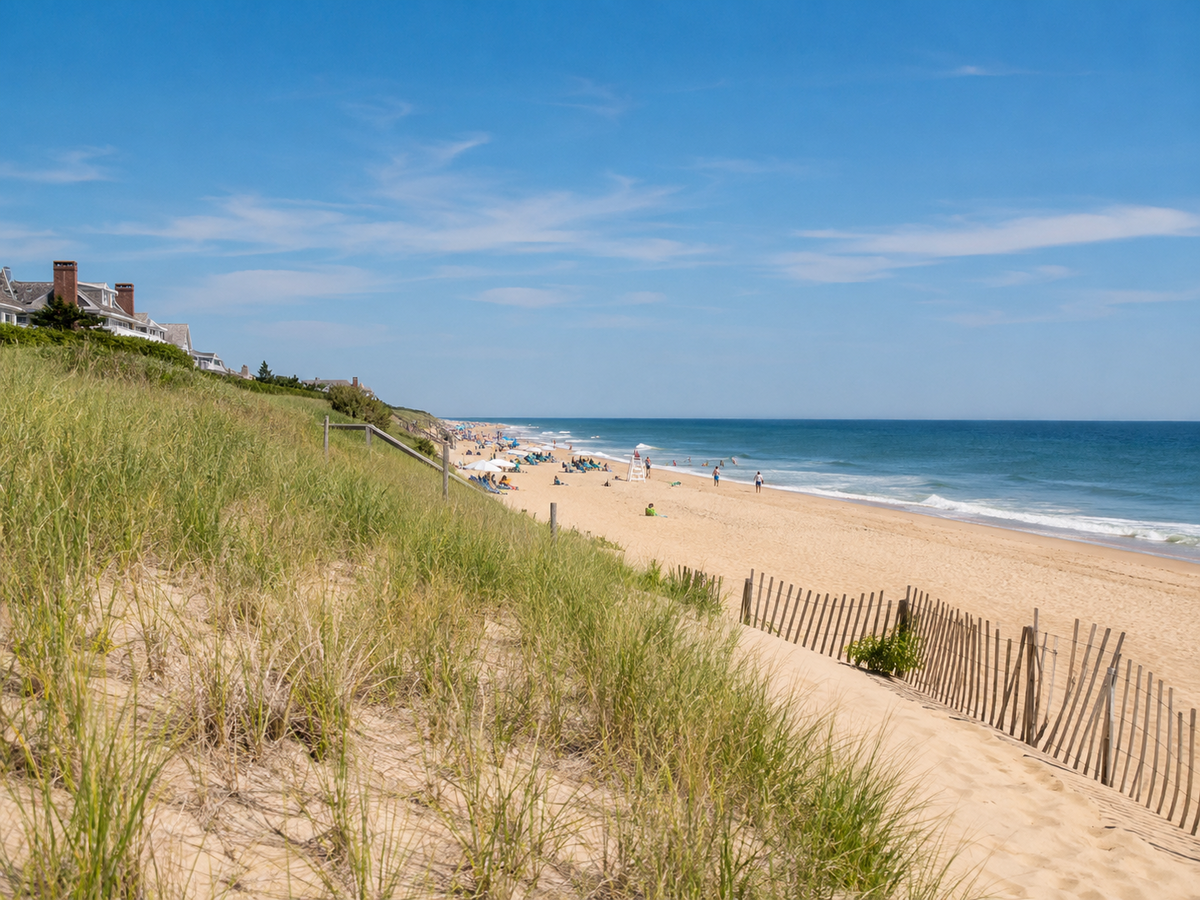
New York ranks third with 1,605 natural beaches, largely due to the extensive shoreline of Long Island. Cooper’s Beach in Southampton, with a 4.6 rating, is frequently cited by coastal experts as one of the finest in the nation. It offers a sophisticated yet natural environment, where wide white sands are backed by historic estates and rolling dunes rather than commercial storefronts.
4. California: The Rugged Pacific
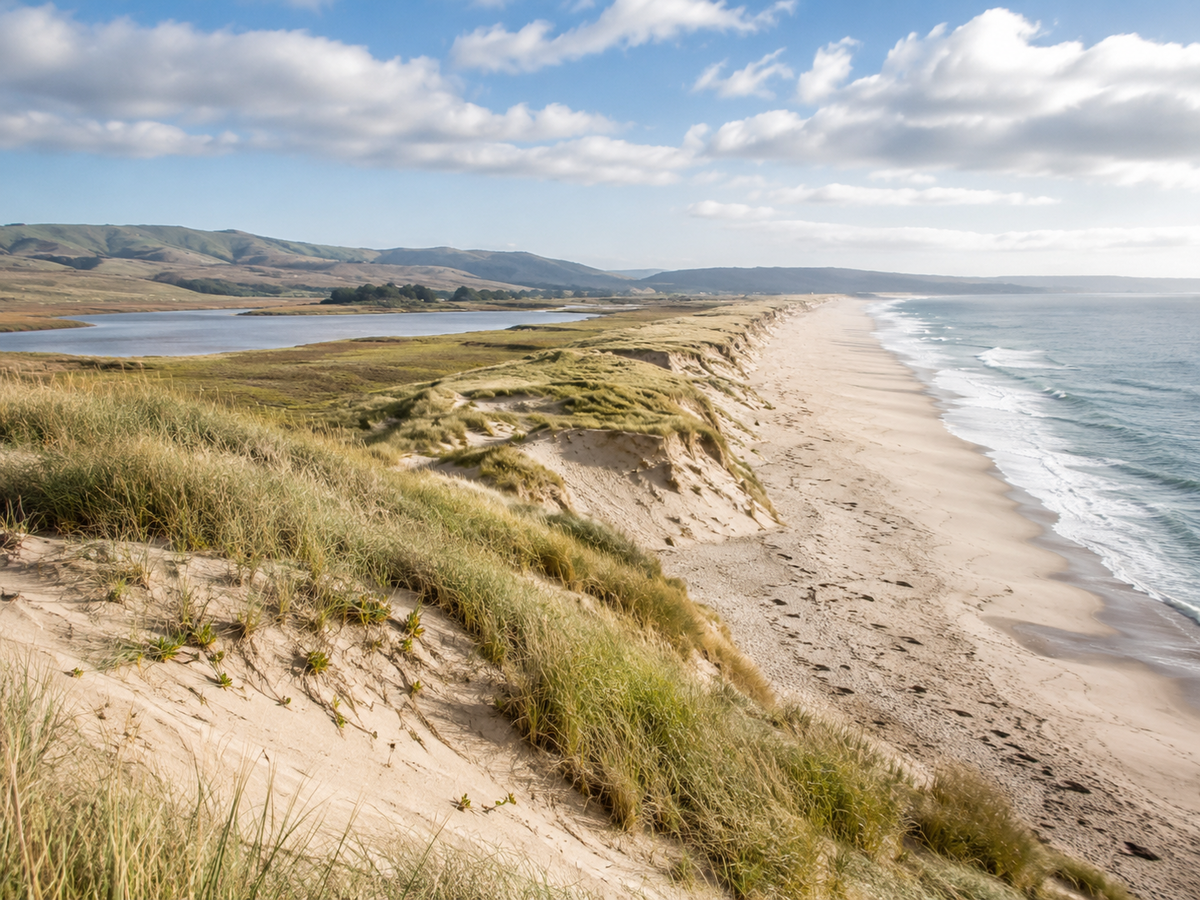
California’s 1,536 natural beaches place it fourth on the list. While Southern California is famous for its urban "surf culture" beaches, the index highlights Limantour Beach in the Point Reyes National Seashore (4.6 rating) as the state’s premier natural escape. Limantour is a "spit" beach, bordered by Drakes Bay and an estuarine estero, offering a sanctuary for harbor seals and hundreds of bird species.
5. Michigan: The Rise of the "Third Coast"
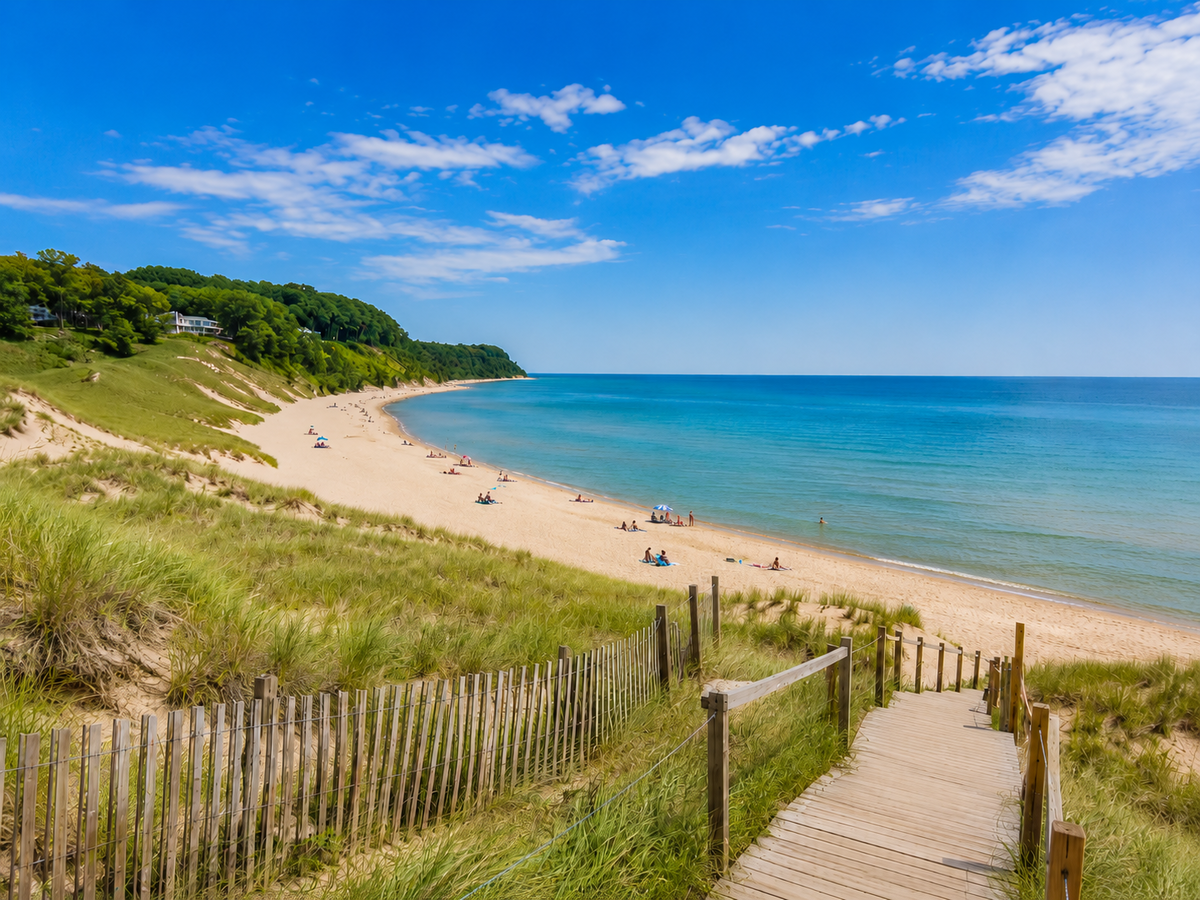
Michigan’s fifth-place ranking (1,241 natural beaches) underscores the significance of the Great Lakes in the national coastal conversation. Oval Beach in Saugatuck earned a 4.5 rating from over 1,100 reviews—the highest volume of feedback in the study. Surrounded by towering sand dunes and the winding Kalamazoo River, Oval Beach provides a freshwater experience that rivals oceanic coastlines in scale and beauty.
6. Washington: The Frontier of the Northwest
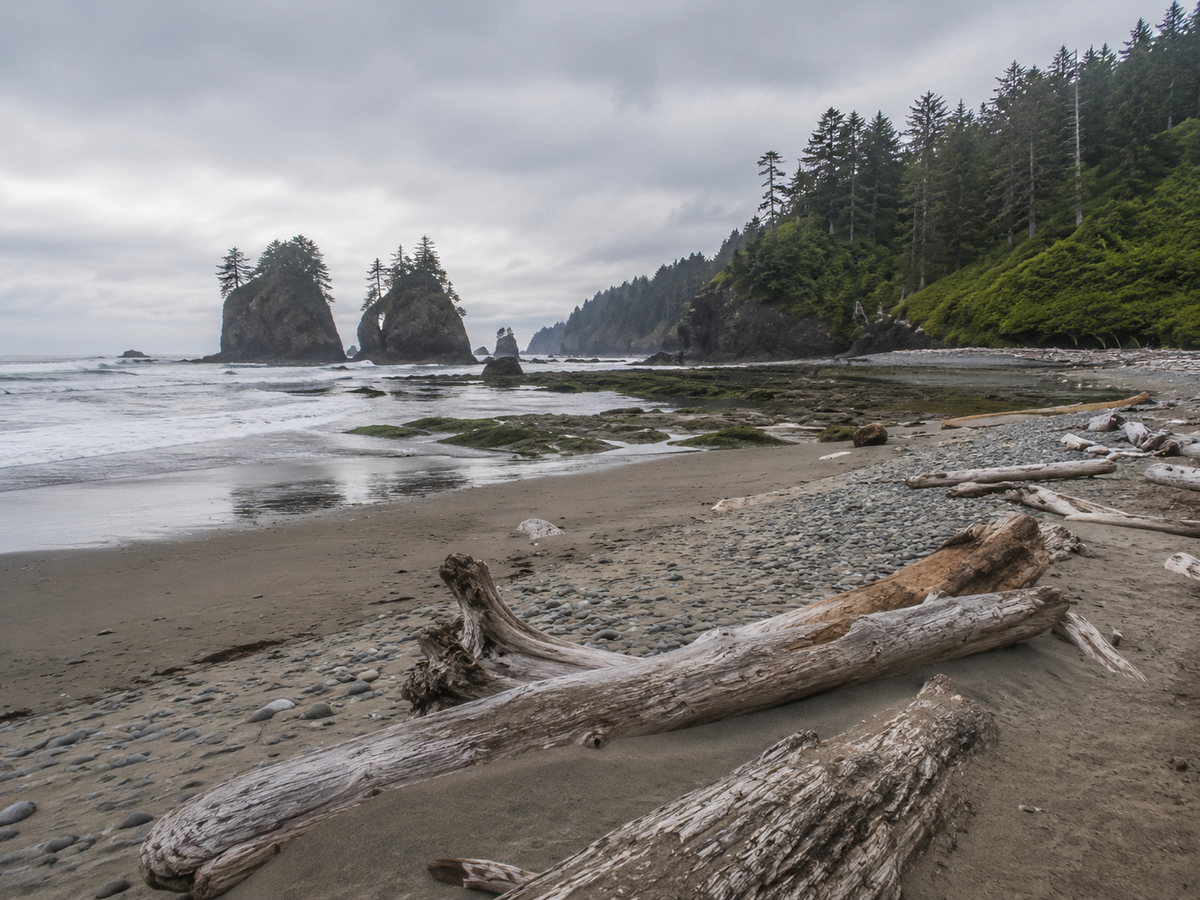
Washington holds 1,104 natural beaches, with Shi Shi Beach (4.5 rating) representing the pinnacle of the state’s rugged maritime identity. Reaching Shi Shi requires a significant hike through the Makah Reservation and Olympic National Park, a barrier to entry that ensures the beach remains a wilderness experience characterized by sea stacks and tide pools.
7. Maine: The Granite Coast
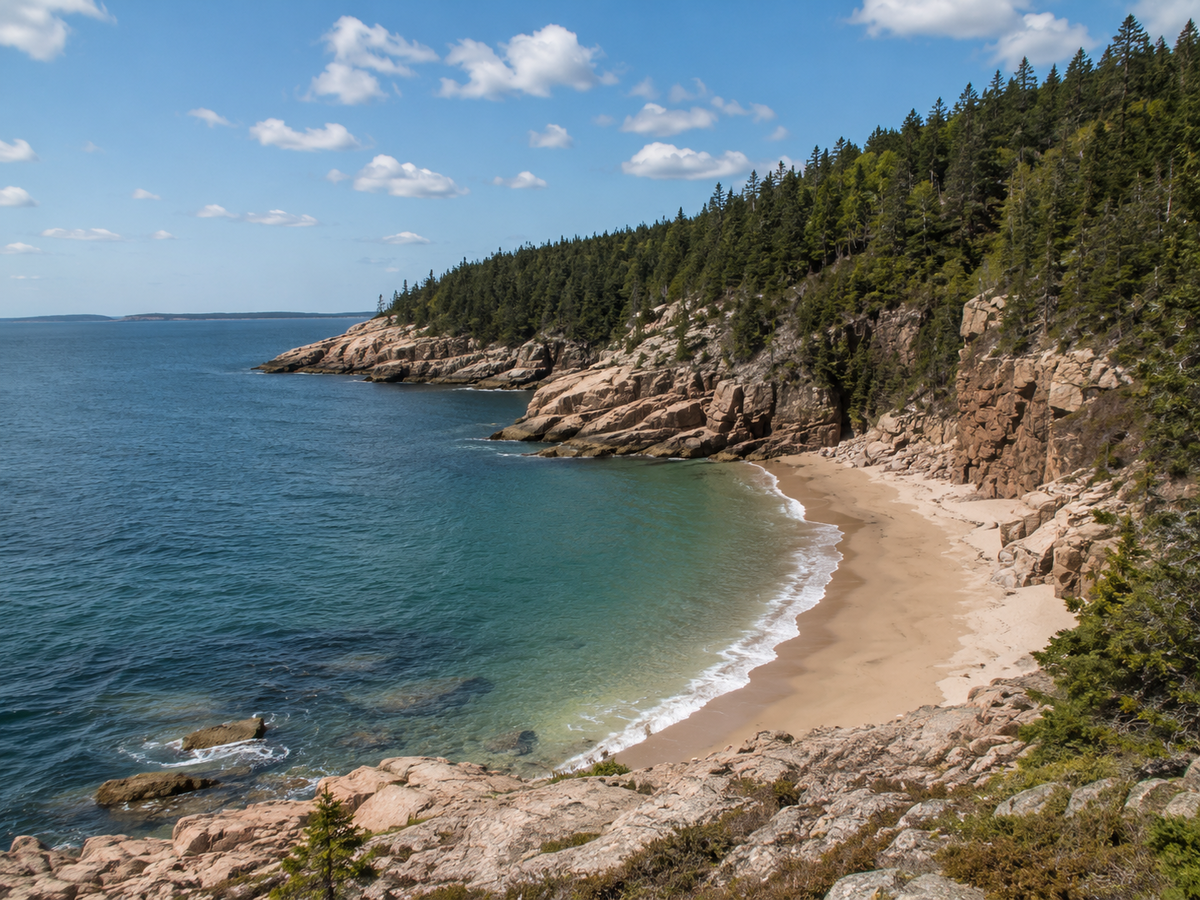
Maine’s 885 natural beaches are often rocky, but Sand Beach in Acadia National Park (4.5 rating) is a notable exception. Tucked into a small cove on Mount Desert Island, the "sand" here is actually composed of crushed shell fragments, a geological rarity in a state dominated by granite.
8. Wisconsin: The Limestone Anomaly
Wisconsin ranks eighth with 737 natural beaches. Schoolhouse Beach on Washington Island (4.6 rating) is one of only a handful of limestone pebble beaches in the world. The absence of sand results in exceptionally clear water, reminiscent of the Caribbean, though the temperatures remain strictly North Midwestern.
9. Ohio: The Lake Erie Preserve
Ohio (650 natural beaches) is home to Headlands Beach, the largest natural sand beach in the state. With a 4.2 rating, it is part of a larger complex that includes a state nature preserve protecting rare switchgrass and sandbar willow communities.
10. Minnesota: The Singing Sands
Rounding out the top ten is Minnesota with 510 natural beaches. Iona’s Beach (4.6 rating) is famous for its "singing" pink rhyolite pebbles. When the waves of Lake Superior retreat, the stones clink together, creating a high-pitched musical sound that has made it a destination for acoustic tourists and nature lovers alike.
Chronology of the Coastal Shift: From Exploration to Exploitation and Back
The evolution of the American beach experience has followed a distinct historical arc. In the 19th century, beaches were largely the domain of naturalists and the social elite, who visited "watering holes" for medicinal purposes. The early 20th century saw the birth of the boardwalk—originally designed to keep sand out of hotel lobbies—which eventually morphed into the commercial hubs seen today in Atlantic City or Santa Cruz.
The post-World War II era brought the "motel boom," leading to the privatization of vast stretches of the Atlantic and Gulf coasts. However, the 1960s and 70s marked a turning point with the establishment of the National Seashore system, protecting areas like Cape Cod and Point Reyes from impending development.
Data from the SlotsLV index suggests we are currently in a "Third Wave" of coastal tourism. Following the COVID-19 pandemic, there has been a documented surge in "socially distanced" travel and "nature-based recreation." Travelers are increasingly prioritizing psychological restoration—often found in quiet, natural settings—over the high-stimulus environment of traditional resort towns.
Ecological and Economic Implications
The preference for natural beaches carries significant implications for both environmental conservation and local economies.
Environmental Stewardship: Natural beaches serve as vital buffers against climate change. Unlike beaches with seawalls, which often exacerbate erosion, natural dune systems are resilient, absorbing storm surges and providing habitat for endangered species like the piping plover or various sea turtles. The popularity of these sites increases public awareness of coastal conservation but also necessitates strict "Leave No Trace" policies to prevent over-tourism from degrading the very environments travelers seek.
The "Quiet" Economy: While natural beaches lack boardwalk concessions, they drive a different type of economic activity. Gateway communities near places like Acadia or Olympic National Park benefit from an influx of "eco-tourists" who spend on outdoor gear, guided tours, and local artisanal hospitality. This shift promotes a more sustainable, seasonal economic model that values landscape preservation as a primary asset.
Statements and Perspectives
Travel industry analysts suggest that the high ratings for these natural sites reflect a "quality over quantity" mindset. "The fact that a beach like Shi Shi, which requires a multi-mile hike and a permit, maintains such a high rating tells us that the modern traveler is willing to work for an authentic experience," says Marcus Reed, a senior travel consultant. "They aren’t looking for a daiquiri machine; they’re looking for a horizon line."
Conservationists, however, express a cautious optimism. While increased interest in natural beaches can lead to more funding for parks, it also puts pressure on infrastructure. "We are seeing ‘social media hotspots’ emerge in places that weren’t designed for thousands of daily visitors," notes a representative from a coastal preservation non-profit. "The challenge is managing the ‘Relaxed States’ index reality with the physical limits of the land."
Conclusion: The Future of the American Shoreline
The findings of the Most Relaxed States Index provide a roadmap for the future of domestic travel. As urban centers become more crowded and digital fatigue continues to rise, the value of the "natural beach" is expected to appreciate. Whether it is the singing stones of Minnesota or the windswept dunes of Massachusetts, these ten states offer a glimpse into a version of America that remains wild, quiet, and profoundly restorative. The study concludes that while the boardwalk will always have its place in Americana, the true heart of the coast lies where the pavement ends and the tide begins.