The Essence of Madrid A Comprehensive Guide to Spains Cultural and Geographic Heart

Madrid, the capital and largest city of Spain, stands as a sophisticated metropolis that serves as the political, economic, and cultural center of the Iberian Peninsula. Situated on the Manzanares River in the center of the country, the city is home to approximately 3.3 million residents, with a metropolitan population reaching nearly 6.7 million. Unlike many European capitals that grew from ancient Roman foundations, Madrid’s prominence was established in 1561 when King Philip II moved the royal court there, choosing the site for its geographic neutrality. Today, the city is recognized not only for its historical significance but for a vibrant urban lifestyle that prioritizes social interaction, world-class art, and a unique temporal rhythm that distinguishes it from other global hubs.
The Temporal Rhythms of the Spanish Capital
One of the most striking characteristics of Madrid is its schedule, which operates significantly later than most Western cities. This cultural phenomenon is deeply rooted in the country’s history and geography. While Spain sits geographically in line with the United Kingdom and Portugal, it operates on Central European Time (CET), leading to later sunrises and sunsets. This has fostered a lifestyle where the day is divided into distinct social segments.
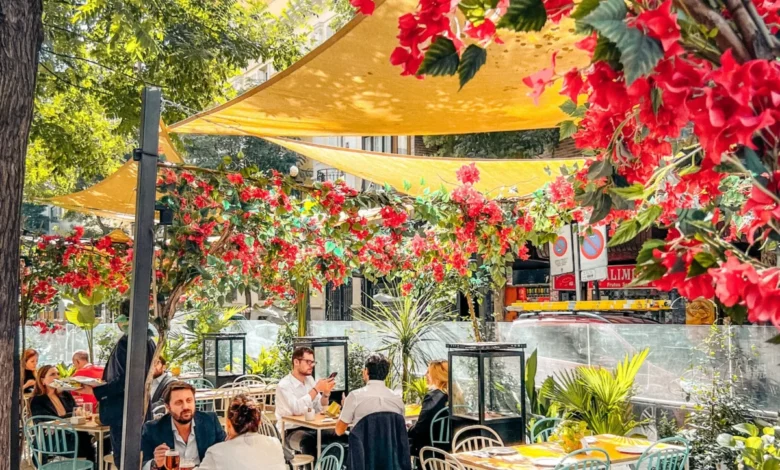
The "tardeo" is a quintessential Madrileño tradition, referring to the practice of social gathering in the late afternoon. Between the end of the workday and the start of dinner—which rarely begins before 9:00 PM and often stretches past midnight—the city’s terraces and plazas fill with residents. Data from the Spanish hospitality sector indicates that the peak hours for social dining in Madrid occur between 10:00 PM and 11:00 PM, even on weekdays. This late-night vibrancy is supported by a city infrastructure that remains active well into the early morning hours, creating an environment that feels perpetually lived-in and secure.
A Chronology of Urban Development
Madrid’s evolution from a modest fortress to a global city followed a distinct trajectory. The "Mayrit" fortress was established by Muhammad I of Córdoba in the late 9th century. Following the Christian conquest in 1083, the city slowly expanded, but its true transformation began in the 16th century.
- The Habsburg Era (1516–1700): This period saw the creation of the Plaza Mayor and the narrow, winding streets of the "Madrid de los Austrias."
- The Bourbon Influence (1700–Present): Under King Charles III, known as the "best mayor of Madrid," the city underwent massive modernization in the 18th century. This included the construction of the Royal Palace, the Prado Museum (originally intended as a natural history cabinet), and the iconic fountains of Cibeles and Neptune.
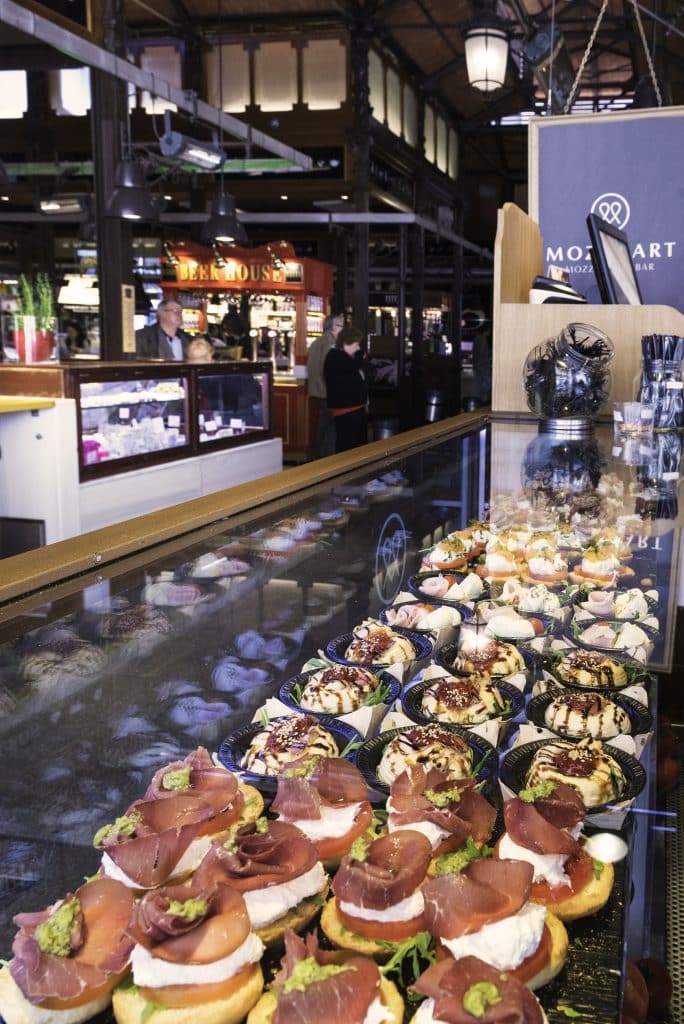
- The 20th Century Expansion: The Gran Vía, often called the "Spanish Broadway," was constructed between 1910 and 1929, introducing grand architecture and commercial vitality.
- Modern Decentralization: In recent decades, the city has expanded into a polycentric region, with the development of the Cuatro Torres Business Area and the revitalization of peripheral neighborhoods like Carabanchel.
The Golden Triangle of Art
Madrid is home to what is internationally known as the "Golden Triangle of Art," a concentration of three world-class museums located along the Paseo del Prado. In 2021, this area, along with the Buen Retiro Park, was declared a UNESCO World Heritage site under the name "Paisaje de la Luz" (Landscape of Light).
The Prado Museum (Museo del Prado)
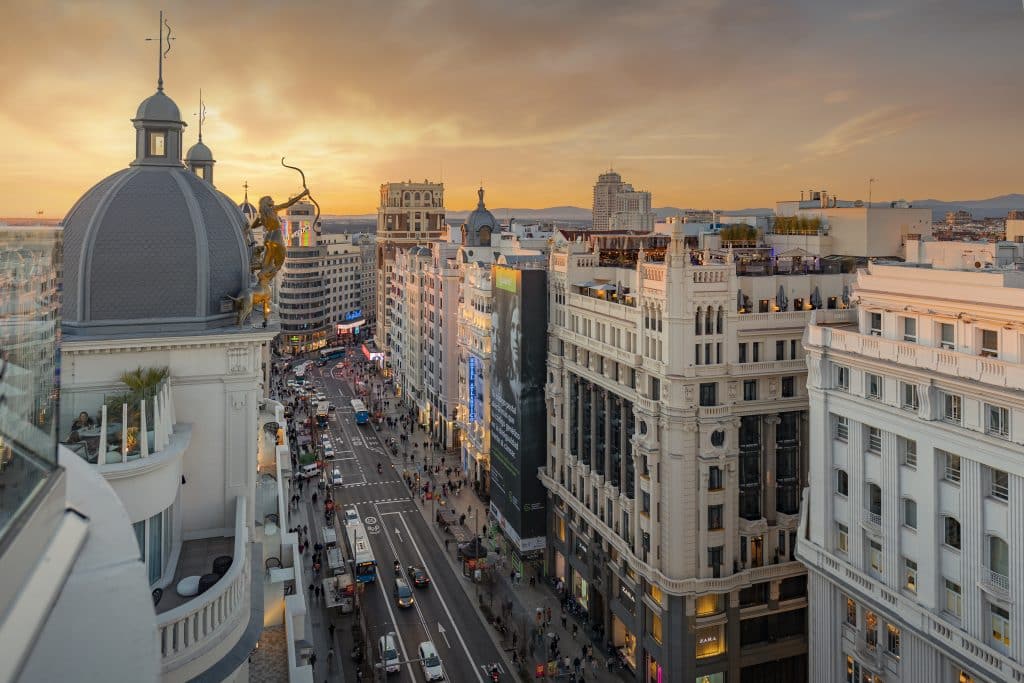
As Spain’s premier national art museum, the Prado houses one of the world’s finest collections of European art from the 12th century to the early 20th century. It is particularly renowned for its extensive holdings of works by Diego Velázquez, Francisco Goya, and Hieronymus Bosch. The museum receives over 3 million visitors annually, serving as a cornerstone of the city’s cultural tourism.
The Reina Sofía National Art Center (Museo Reina Sofía)
Dedicated primarily to 20th-century art, the Reina Sofía is the modern counterpart to the Prado. Its most famous resident is Pablo Picasso’s Guernica, a massive mural depicting the horrors of the Spanish Civil War. The museum also features significant collections of Salvador Dalí and Joan Miró. It is housed in a converted 18th-century hospital with a modern expansion designed by architect Jean Nouvel.
The Thyssen-Bornemisza National Museum
The Thyssen-Bornemisza fills the historical gaps left by its two neighbors, offering a chronological survey of art from the Italian Primitives to English, Dutch, and German schools, as well as Impressionism and 20th-century American painting. Originally a private collection, it was acquired by the Spanish state in 1993.
Urban Greenery and the Landscape of Light
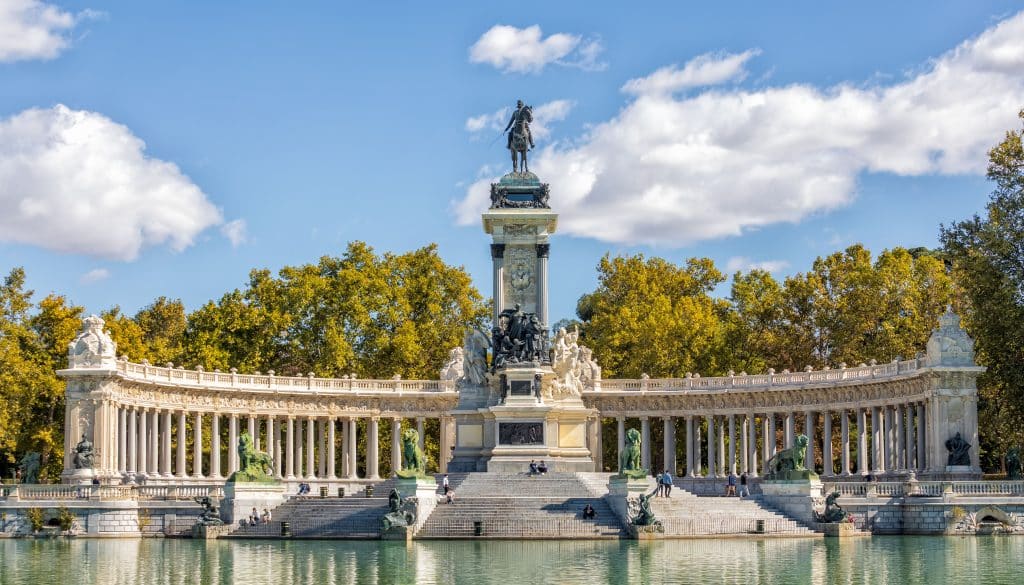
Madrid’s commitment to green space is evident in the Parque del Buen Retiro (Retiro Park). Spanning 125 hectares (309 acres), the park was originally a royal retreat before being opened to the public in the late 19th century. Key features include:
- The Crystal Palace (Palacio de Cristal): An iron-and-glass structure built in 1887 to exhibit flora from the Philippines.
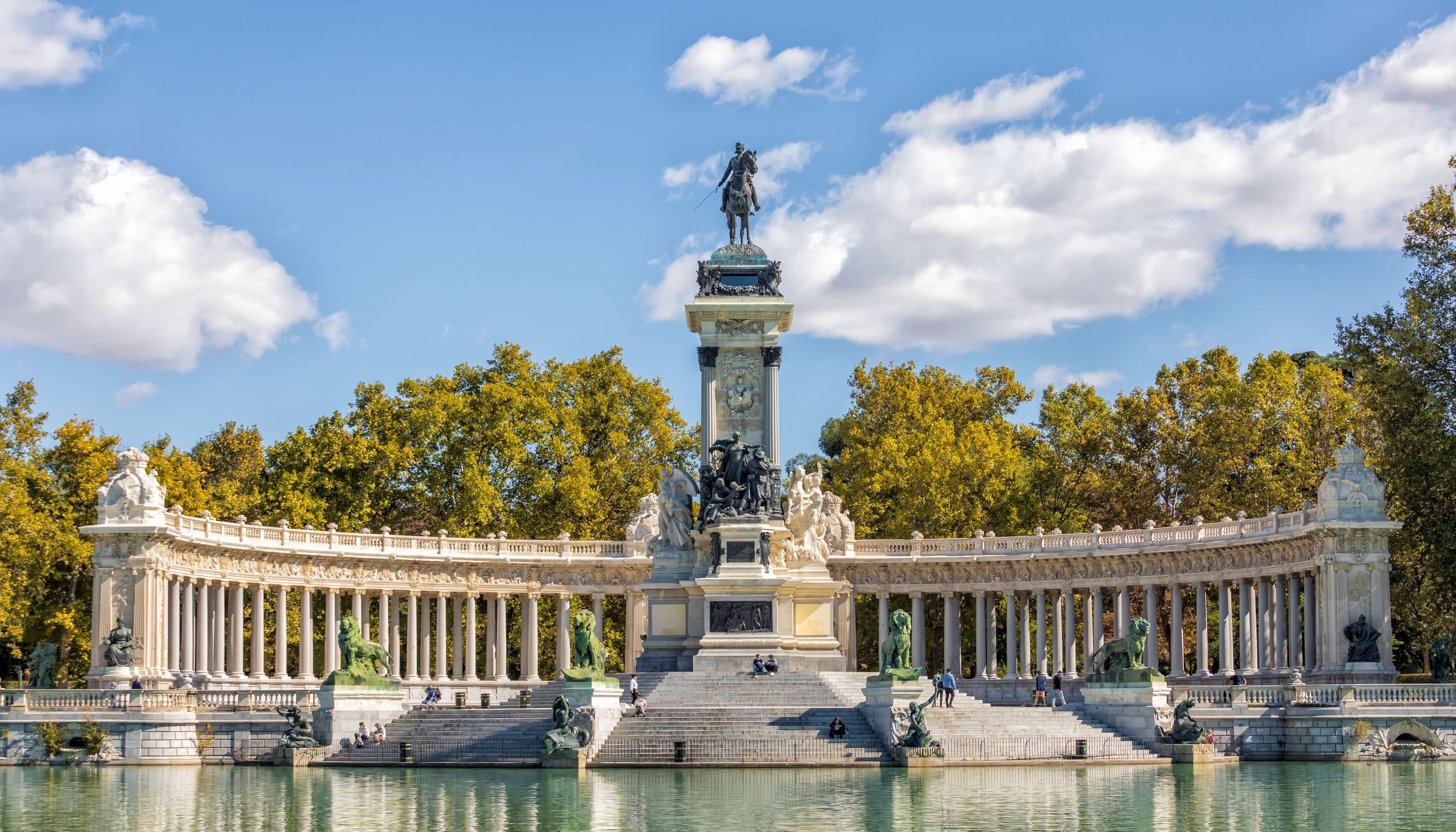
- The Great Pond (Estanque Grande): A large artificial lake where visitors can rent rowing boats, overlooked by the monument to King Alfonso XII.
- The Rosaleda: A rose garden containing over 4,000 bushes.
The city also boasts the Madrid Río project, a massive urban reforestation effort that transformed the banks of the Manzanares River into a 10-kilometer-long park after the undergrounding of the M-30 motorway.
Gastronomy and the Culinary Economy
Madrid’s culinary scene is a microcosm of Spain’s diverse regional flavors. The city serves as the primary market for the country’s agricultural output, and its Mercamadrid is the second-largest wholesale fish market in the world, surpassed only by Tokyo.
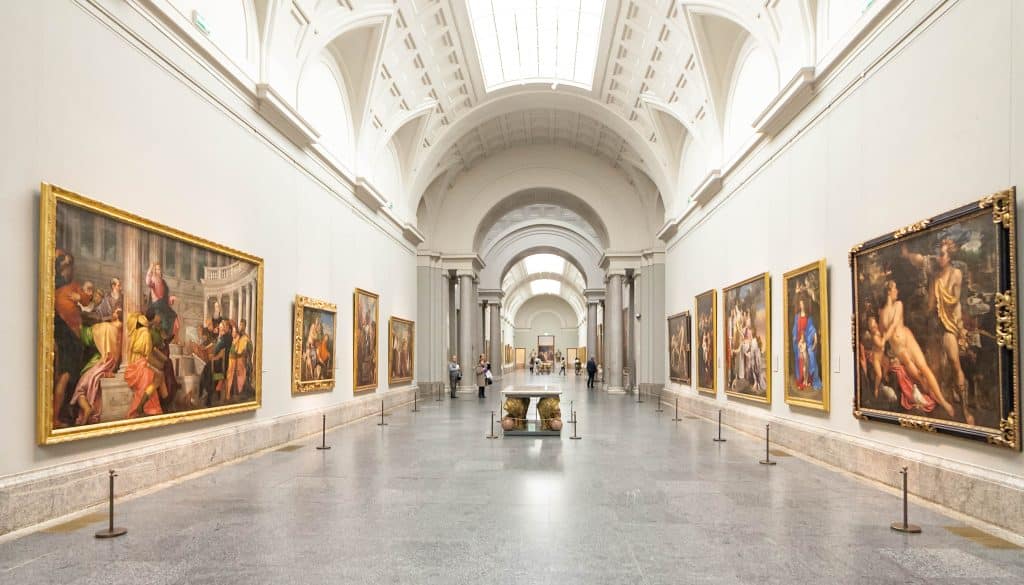
The Mercado de San Miguel, located near Plaza Mayor, represents the modernization of traditional markets. While it retains its early 20th-century iron structure, it now serves as a gourmet hall offering tapas, Iberian ham (jamón), and regional wines.
Traditional Madrileño cuisine is characterized by hearty dishes such as cocido madrileño, a three-course chickpea-based stew. However, the city has also become a hub for innovation. As of 2024, Madrid boasts over 20 Michelin-starred restaurants, reflecting a shift toward high-concept fine dining. The "tapas crawl" remains the most popular way to experience the city’s food, particularly in the La Latina neighborhood, where bars serve small plates alongside vermouth or beer.
A Mosaic of Neighborhoods
The city’s identity is defined by its "barrios," each possessing a distinct socio-economic and cultural profile:
- Salamanca: The upscale district characterized by 19th-century grid planning, luxury boutiques, and refined dining.
- Malasaña: The center of the "Movida Madrileña" counter-culture movement of the 1980s, now a hub for vintage shops, street art, and indie nightlife.
- Chueca: Internationally recognized as one of Europe’s most vibrant LGBTQ+ neighborhoods, known for its inclusive atmosphere and trendy cafes.
- La Latina: One of the oldest parts of the city, famous for the El Rastro flea market and traditional taverns.
- Chamberí: A residential district that retains a traditional "Madrileño" feel, offering a glimpse into the daily life of the city’s middle class.
- Carabanchel: Historically a working-class district, it is currently undergoing a cultural renaissance, with many artists moving to the area to utilize affordable warehouse spaces for studios.
Infrastructure and Global Connectivity
Madrid-Barajas Airport (Adolfo Suárez) is the primary gateway to Spain and a major hub for flights between Europe and Latin America. In 2023, the airport handled over 60 million passengers, making it one of the busiest in the world.
Internally, the Madrid Metro is one of the most efficient and extensive underground systems globally. With nearly 300 kilometers of track, it is the third-largest metro system in Europe by length, surpassed only by London and Moscow. Furthermore, Madrid is the hub of the AVE (Alta Velocidad Española), Spain’s high-speed rail network. This allows travelers to reach cities like Seville, Barcelona, and Valencia in under three hours, making Madrid the ideal base for national exploration.
Broader Impact and Comparative Analysis
In recent years, travel trends have shown a significant shift in how Madrid is perceived relative to Barcelona. While Barcelona has long been the primary draw for international tourists due to its coastal location and Gaudí architecture, Madrid has seen a surge in "quality tourism." This refers to travelers who stay longer and spend more on cultural and gastronomic experiences.
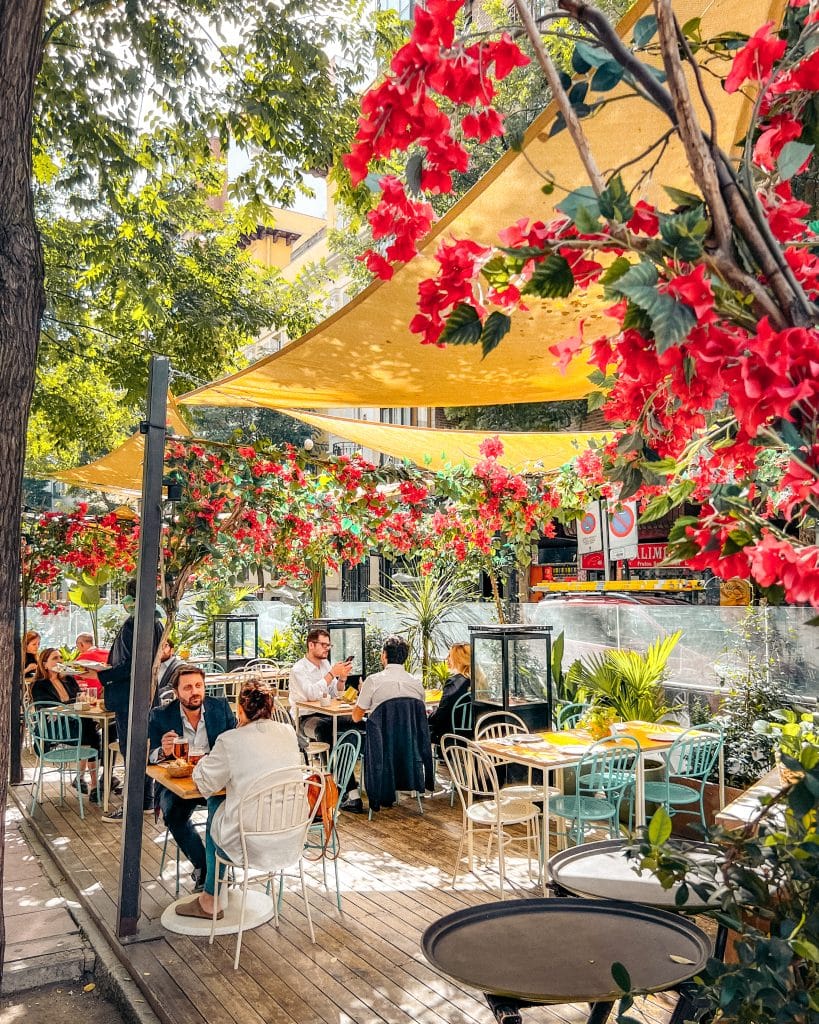
The city’s government has focused on "desestacionalización" (de-seasonalization), promoting Madrid as a year-round destination. Unlike coastal cities that may experience a winter slump, Madrid’s cultural offerings—museums, theaters, and shopping—remain consistent. Even in the height of summer, when temperatures can exceed 35°C (95°F), the city adapts with a "summer schedule" and outdoor evening events.
Conclusion and Future Outlook
Madrid remains a city that successfully balances its historical weight with modern dynamism. It is a metropolis that prioritizes the quality of public life, from its meticulously maintained parks to its robust public transit and safe, walkable streets. For the "city connoisseur," Madrid offers a depth of experience that goes beyond simple sightseeing, providing an authentic look into the Spanish soul. As the city continues to invest in sustainable urban planning and cultural preservation, its status as a premier global capital is only expected to grow, offering a compelling alternative to more traditional European tourist circuits.