Central Asian Tourism Expansion and Urban Safety Trends: A Strategic Overview of Regional Travel and Cultural Developments in April 2026


The month of April 2026 marked a significant period for the tourism sectors of Kazakhstan, Uzbekistan, and Tajikistan, as the region continued its trajectory toward becoming a primary destination for international solo travelers and cultural historians. Industry reports and traveler data indicate that Central Asia’s accessibility has improved significantly, driven by infrastructure investments and a post-pandemic pivot toward diversified tourism portfolios. A 17-day expedition through the Silk Road heartland serves as a case study for the region’s current travel climate, highlighting both the logistical ease of modern transit and the enduring appeal of its historical architecture.
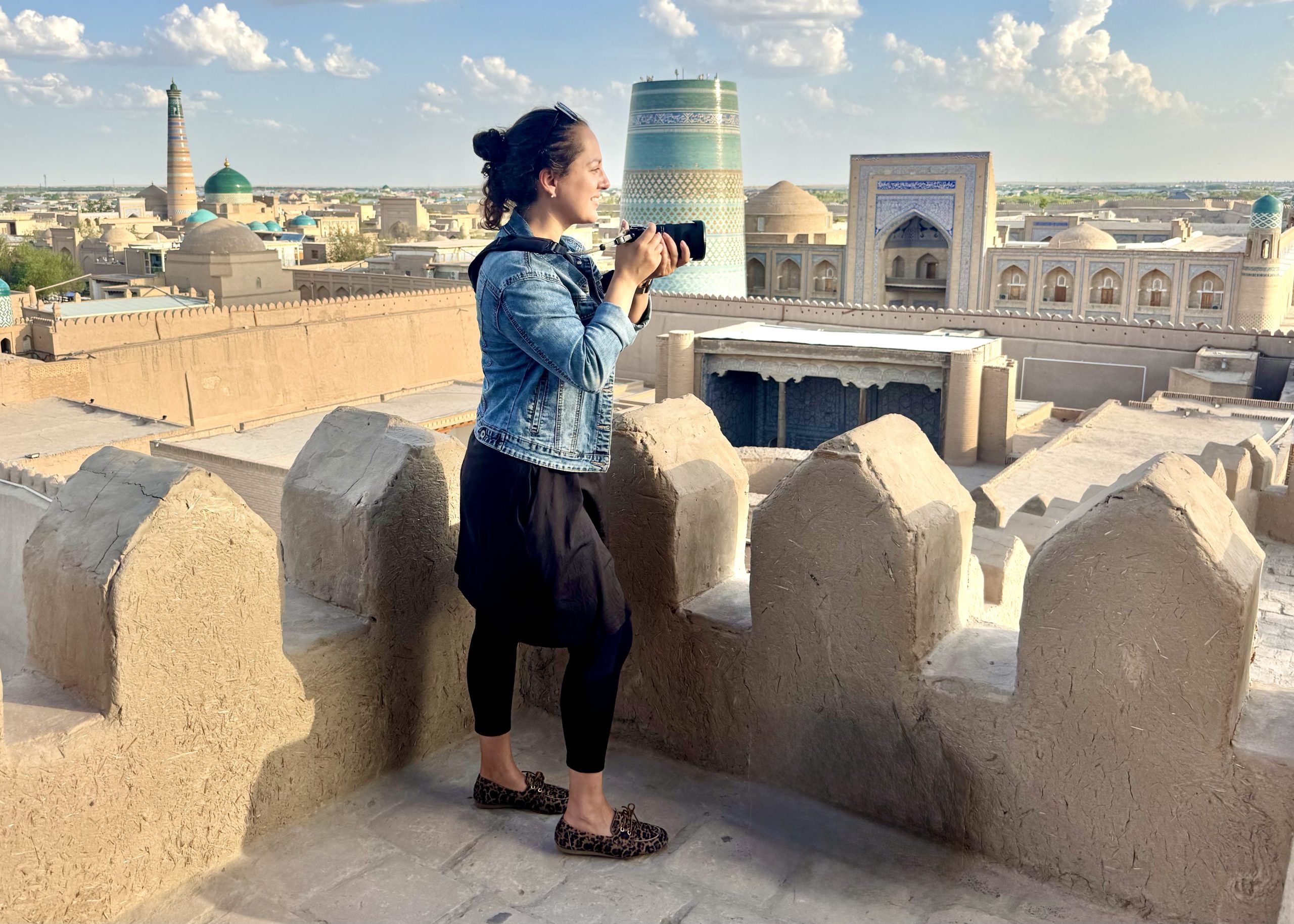
The Kazakhstan Corridor: Urban Modernity and Natural Wonders
The expedition commenced in Almaty, Kazakhstan’s largest metropolis, which has increasingly become a hub for digital nomads and Western tourists. Analysts attribute Almaty’s popularity to its "green city" initiatives, characterized by extensive pedestrian zones, a robust cafe culture, and proximity to the Trans-Ili Alatau mountains.
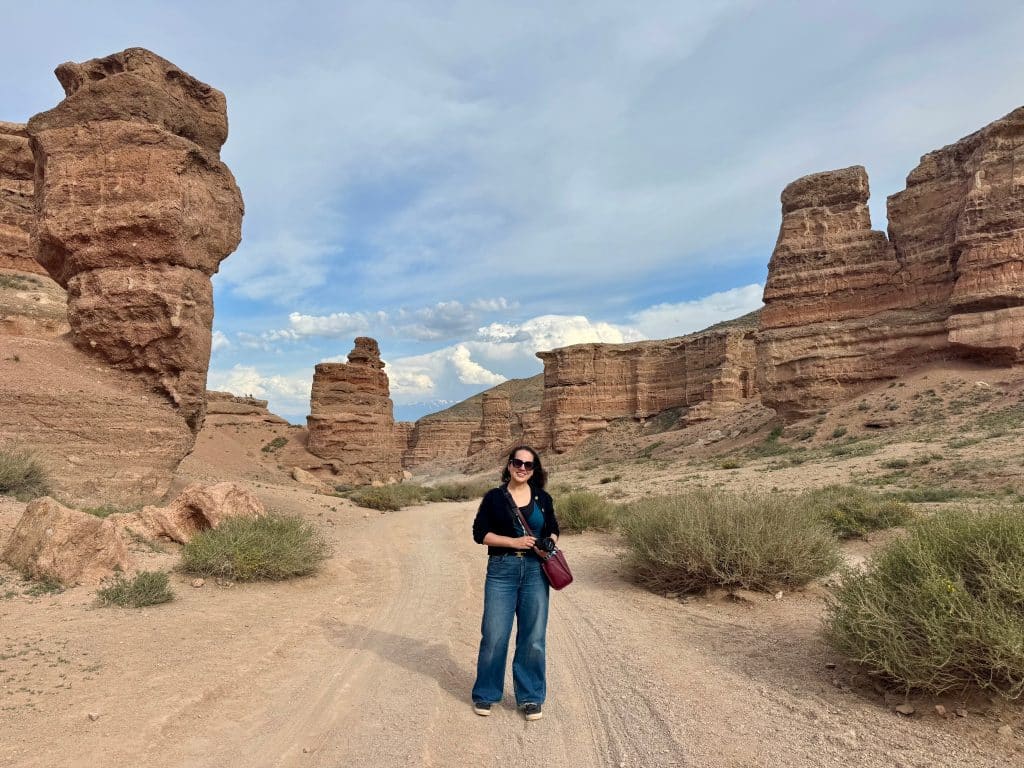
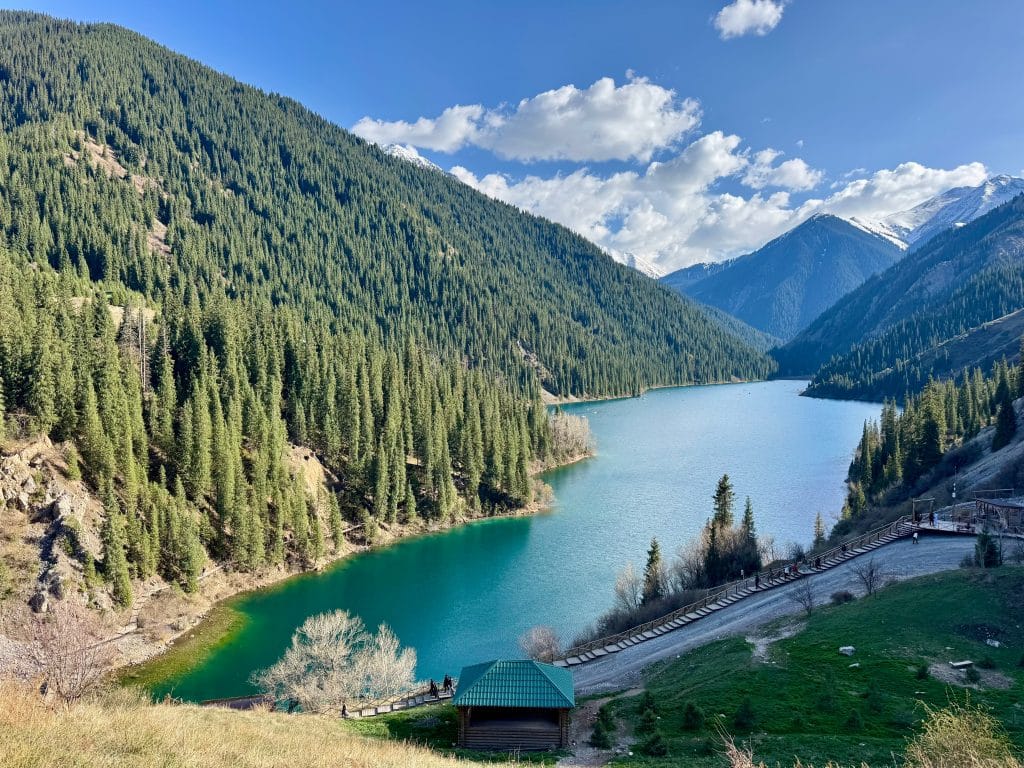
Local cultural experts, including Dennis Keen of Walking Almaty, have noted a surge in interest regarding Kazakh history and Soviet-era architecture. This interest is being met by specialized tours that focus on vernacular history and linguistic preservation. Beyond the urban center, the Almaty region’s natural infrastructure—specifically Moon Canyon, Black Canyon, Kolsay Lake, Lake Kaindy, and Charyn Canyon—has seen a rise in multi-day group tours. Charyn Canyon, often compared to the American Southwest’s geological formations, remains a cornerstone of the Kazakh tourism brand.
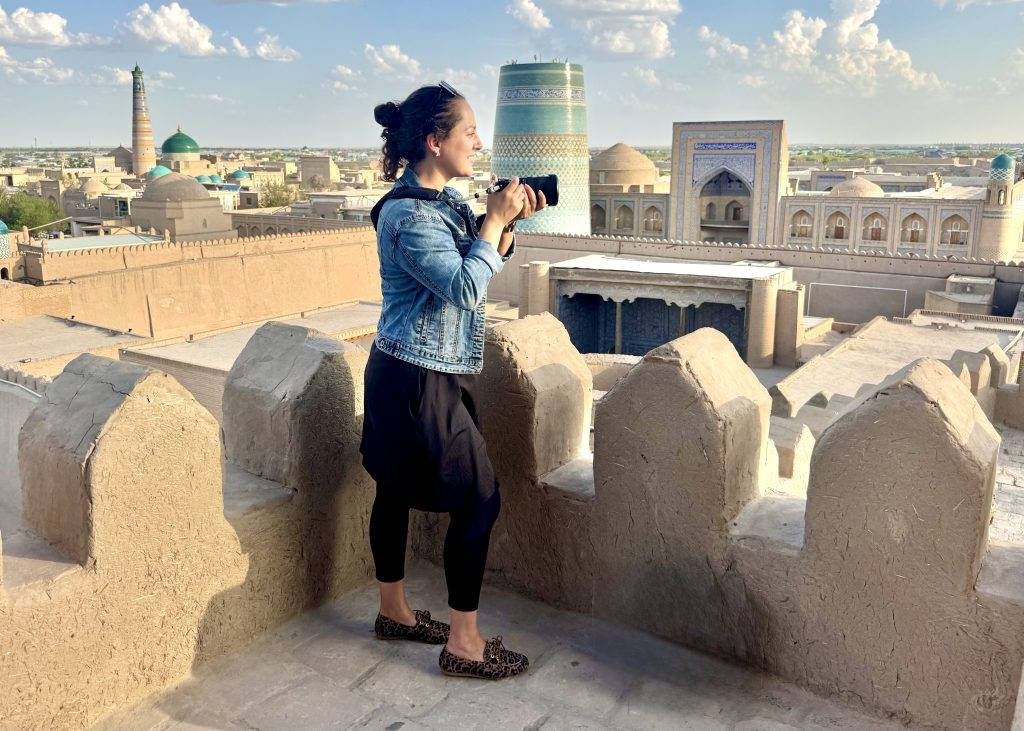
Statistical data from early 2026 suggests that two-day itineraries are becoming the industry standard for these regions, as they mitigate the fatigue associated with the long transit times required for single-day excursions. The integration of traditional yurts into these tours provides a blend of cultural immersion and hospitality that has become a hallmark of the Kazakh experience.
Uzbekistan’s High-Speed Connectivity and Heritage Tourism
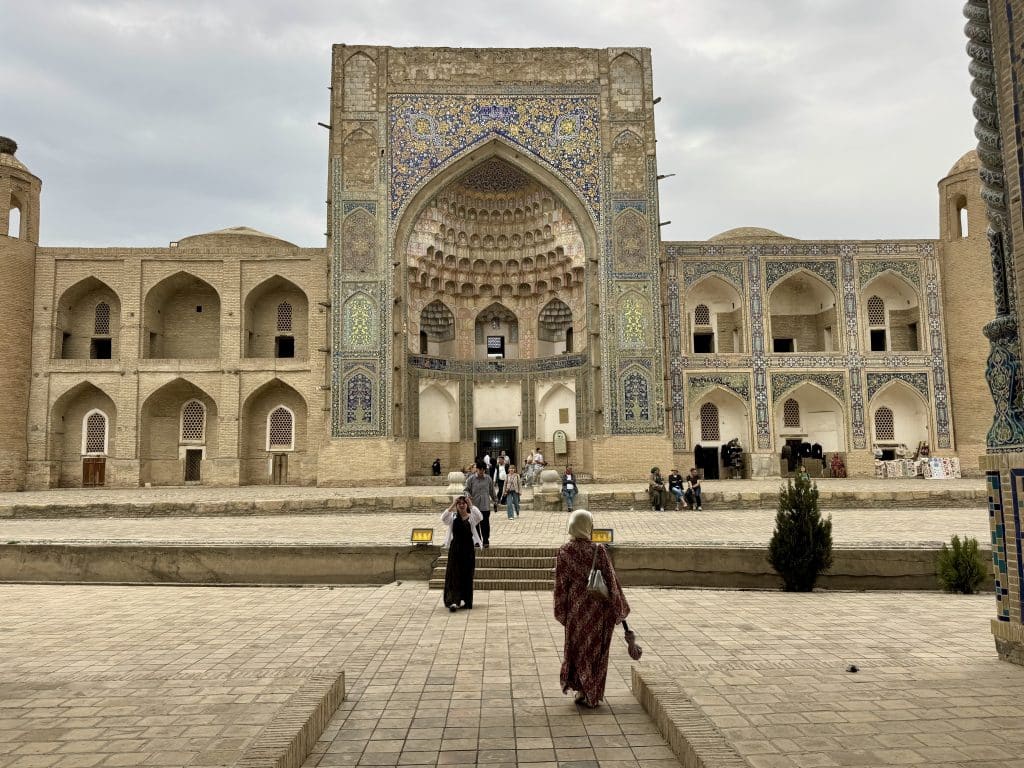
Uzbekistan’s tourism strategy in April 2026 focused on its "Big Four" cities: Tashkent, Samarkand, Bukhara, and Khiva. The nation has successfully leveraged its rail infrastructure, specifically the high-speed Afrosiyob train service, to connect major heritage sites. However, demand has reached a critical threshold where tickets frequently sell out 45 to 60 days in advance, prompting calls for increased frequency or capacity.
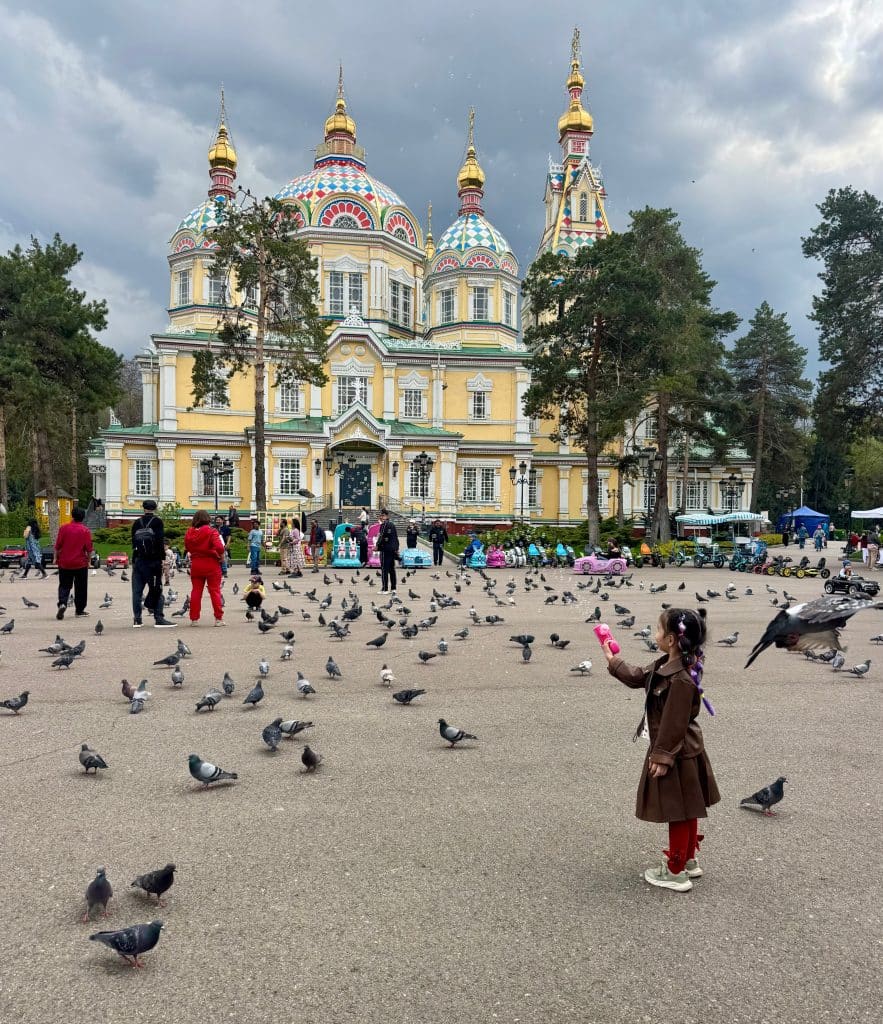
Bukhara has emerged as the premier destination for artisan-based tourism. The city’s pedestrianized center and preserved architecture provide a backdrop for a thriving souvenir market that experts rank among the most robust in the world. Meanwhile, Samarkand continues to serve as the aesthetic center of the Silk Road, with the Shah-i-Zinda Mausoleum’s turquoise tilework remaining a primary draw for architectural photography.
In a move toward "slow tourism," travelers are increasingly participating in heritage workshops. Programs such as those offered by Craftnculture, which focus on Suzani embroidery and Persian miniature painting, are credited with preserving intangible cultural heritage while providing sustainable income for local artisans.
Tajikistan and Cross-Border Integration
The accessibility of Tajikistan from Uzbek hubs has improved, with the border crossing near Samarkand allowing for efficient day-trip logistics to Panjakent. This regional integration is vital for the development of the "Silk Road Visa" concept, intended to allow seamless travel across multiple "Stans."
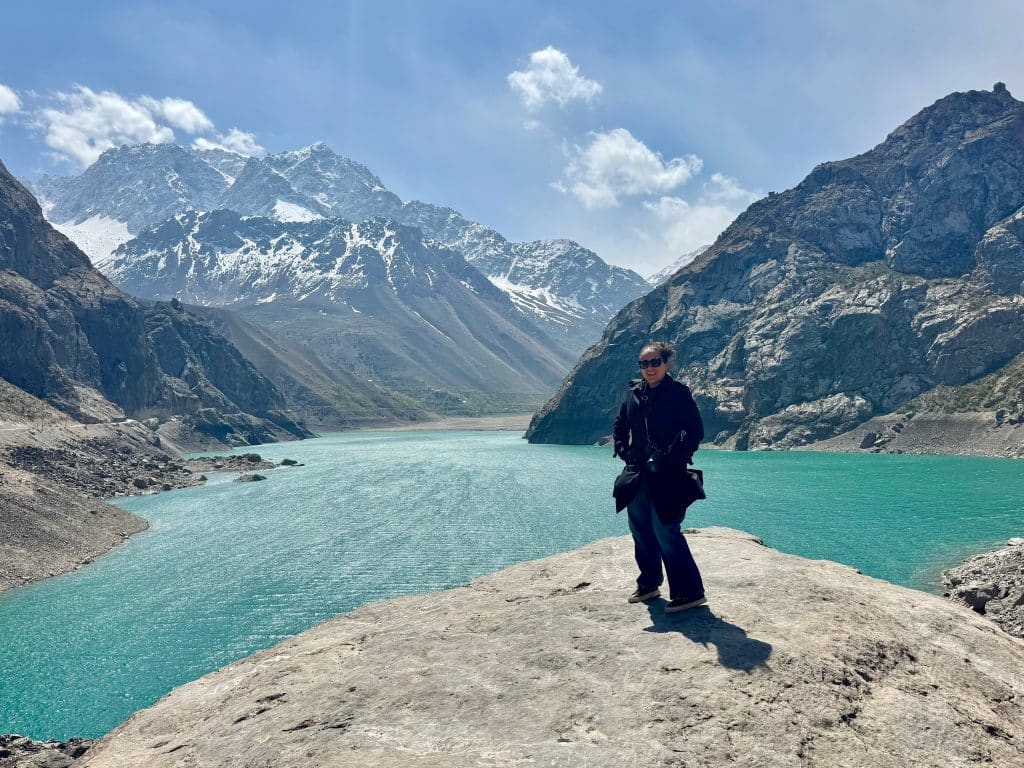
Key highlights in the Tajik sector include the Seven Lakes (Haft Kul) and the Sarazm archaeological site, a UNESCO World Heritage site dating back to the 4th millennium BCE. While Sarazm offers deep historical value, the Panjakent Bazaar remains the focal point for cultural exchange. Observers have noted the distinct sartorial traditions of Tajik women—often involving vibrant, sequined attire—as a testament to the country’s resilient local identity in the face of globalizing trends.
Urban Security Challenges in Central Europe
While Central Asia reported high levels of perceived safety among solo travelers in April 2026, Central European hubs like Prague faced ongoing challenges with petty crime. A recurring "paper and folder" scam was documented at high-traffic venues such as the Manifesto Market. In this maneuver, a perpetrator places a document over a victim’s mobile device on a table, removing the device alongside the paper after a brief distraction.
Security analysts note that while Prague remains statistically safer than many Western European capitals, the professionalization of pickpocketing syndicates requires heightened vigilance. This incident coincided with other logistical setbacks for international travelers, such as hardware damage to mobile devices in remote areas. The cost of technical repairs in Samarkand, for instance, was reported at approximately $259 for a screen replacement, highlighting the importance of specialized "contingency budgeting" in modern travel planning.
Evolution of the Digital Nomad Infrastructure
The month of April also highlighted shifts in the professional landscape for remote workers. Financial services like Revolut have expanded their "Ultra" membership tiers to include perks such as WeWork passes, signaling a deeper integration between fintech and the coworking industry. This trend allows travelers to maintain high productivity levels in cities like Prague while benefiting from the social and professional infrastructure of established coworking networks.
In Prague specifically, the month of April is characterized by the blooming of cherry blossoms and unique seasonal traditions, such as the serving of "green beer" during the Easter period—a distinct cultural departure from the Irish associations of the beverage.

Music and Media Consumption: A 2026 Retrospective
Cultural consumption in April 2026 was marked by a blend of nostalgia and critical reappraisal. The "Rolling Stone 500 Greatest Albums" challenge remains a popular framework for music enthusiasts. Notable highlights from the 2026 listening cycle included:
- Curtis Mayfield’s Super Fly (1972): Recognized for its cohesive narrative and its role as a cinematic companion piece, reflecting a peak in the funk and soul genre.
- Alanis Morissette’s Jagged Little Pill (1995): Analysts noted the album’s enduring relevance in its portrayal of female autonomy and rock-pop fusion.
- Beyoncé’s Renaissance (2022): Praised for its meticulous layering of dance genres and its celebration of Black queer and trans pioneers.
Conversely, the legacy of artists like Kanye West faced continued scrutiny. The dichotomy between the "trailblazing" nature of The College Dropout and West’s subsequent radicalization remains a point of contention in musicology, raising questions about the ability to separate art from the artist.

In the film and television sector, the fifth season of Apple TV+’s For All Mankind premiered, continuing its high-budget exploration of an alternative space race. The show’s success is attributed to its ability to blend historical "what-if" scenarios with technical accuracy. Additionally, the Michael Jackson biopic, Michael, drew significant theater attendance. While the narrative structure faced some criticism, the performances of Jaafar Jackson and Juliano Krue Valdi were cited as uncanny reproductions of the subject’s physicality and vocal range.
Literature and The "Tradwife" Critique
The literary landscape in April 2026 was dominated by titles exploring social performance and identity. Caro Clair Burke’s Yesteryear (2026) became a "buzzy" focal point for its critique of the "tradwife" movement. The novel, which follows a social media influencer transported to the harsh reality of 1855, has been analyzed as a commentary on the sanitization of history in digital spaces.

Other significant releases included:
- Leila Mottley’s The Girls Who Grew Big: A poignant look at teenage motherhood and community in the Florida panhandle.
- Virginia Evans’ The Correspondent: An epistolary novel that uses letter-writing to peel back the layers of a complex, aging protagonist.
- Samantha Harvey’s Orbital: A winner of multiple awards, celebrated for its philosophical look at humanity from the perspective of the International Space Station.
Chronology of Upcoming Events: May 2026
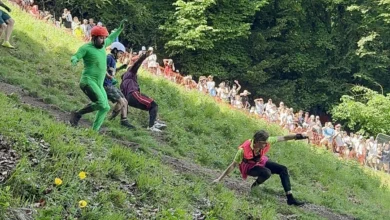
Looking ahead to May 2026, the focus of the travel community shifts toward the United Kingdom, specifically for the annual Cooper’s Hill Cheese-Rolling and Wake. This event, though unofficial due to safety risks, remains a significant draw for "extreme tourism."
The event’s popularity has been bolstered by documentary series such as Netflix’s We Are the Champions. Travelers are pairing this spectacle with tours of the Cotswolds and Bristol. Bristol’s culinary scene is of particular interest following the Michelin success of "Wilson’s," a restaurant featured in the Apple TV+ series Knife Edge. Furthermore, a "pilgrimage" to Cheddar Gorge—the birthplace of cheddar cheese—highlights the growing trend of "origin-based food tourism," where travelers visit the specific geographical sources of global culinary staples.
This shift toward niche, event-based travel indicates that by mid-2026, the global traveler is increasingly seeking "hyper-local" experiences that combine traditional spectacle with high-end culinary exploration.