The Idaho Chainsaw Debate: Navigating the Future of Wilderness Management and Recreation

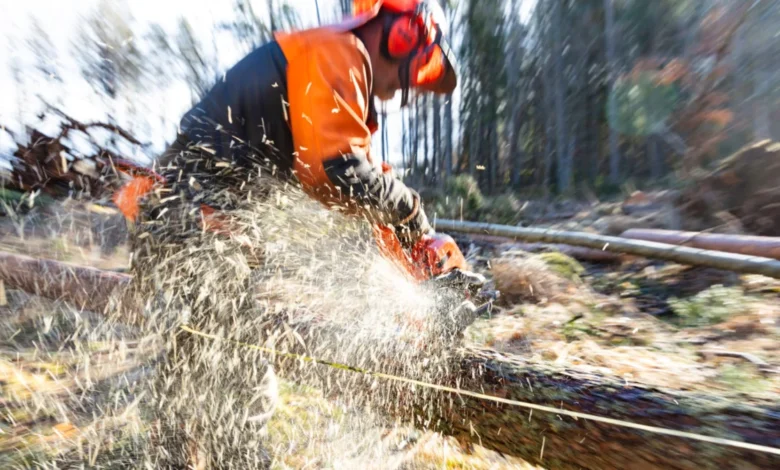
The United States Forest Service’s recent decision to permit chainsaw use within Idaho’s sprawling Frank Church-River of No Return Wilderness has ignited a fervent national debate, challenging the foundational principles of wilderness preservation and sparking a critical conversation among conservationists, recreationists, and land managers alike. This unprecedented move, which allows motorized tools in an area explicitly protected by the Wilderness Act of 1964, has drawn significant public attention and scrutiny, raising questions about the balance between maintaining trail access and upholding the pristine character of designated wilderness. Following an opinion piece published by Idahoan and former trailworker Nathan Pipenberg, readers have overwhelmingly weighed in, reflecting the profound ideological divide inherent in this complex issue.
The Heart of the Debate: A Policy Shift in Wilderness Management
In May 2026, the U.S. Forest Service (USFS) announced its initial approval for the use of chainsaws to clear trails within a significant portion of the Frank Church-River of No Return Wilderness, specifically targeting 542 miles of trail in the Salmon-Challis National Forest. This decision, granted for seven months out of each of the next three years, represented a notable departure from long-standing wilderness management practices. Just two months later, in early July, the USFS expanded this approval, extending chainsaw authorization to an additional 542 miles of trail located within the Payette National Forest, also encompassing segments of the vast wilderness area.
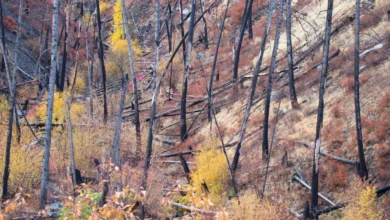
The catalyst for this controversial policy shift was a proposal from the Idaho Outfitters and Guides Association (IOGA). The association argued that years of environmental challenges—including severe blowdowns resulting from successive wildfires, widespread bark beetle outbreaks, and a substantial backlog in routine trail maintenance—had rendered hundreds of miles of trails impassable. They contended that this situation created an emergency warranting the temporary allowance of power tools to restore essential access for their operations and for the broader recreational public.
The Frank Church-River of No Return Wilderness, affectionately known as "The Frank," is a crown jewel of the American wilderness system, famed for its exceptional whitewater boating on the Salmon and Middle Fork rivers, as well as extensive backcountry hiking and hunting opportunities. Its status as the largest contiguous wilderness area in the Lower 48 states underscores the gravity of any decision impacting its management. As Pipenberg observed, "Its status as a crown jewel of the wilderness system has sparked heated responses on both sides of the chainsaw issue, with critics fearing that decisions made concerning the Frank might soon be the status quo in Wilderness nationwide."
The Wilderness Act of 1964: Cornerstone of Preservation
At the core of the controversy lies the Wilderness Act of 1964, a landmark piece of legislation that defines and protects America’s most pristine wildlands. Signed into law by President Lyndon B. Johnson, the Act established the National Wilderness Preservation System (NWPS), designating areas "where the earth and its community of life are untrammeled by man, where man himself is a visitor who does not remain." A key tenet of the Act, codified in Section 4(c), explicitly prohibits the use of motorized vehicles and mechanical equipment, including chainsaws, within legally designated wilderness areas. This prohibition is fundamental to maintaining the wilderness character—the wildness, solitude, and primitive recreation opportunities that the Act seeks to preserve.
The Act was a culmination of decades of advocacy by conservationists like Howard Zahniser of The Wilderness Society, who championed the idea of setting aside lands to remain essentially untouched by modern human interventions. It recognized that some areas possess intrinsic ecological, geological, and historical value that warrants their protection from development and mechanized intrusion. As such, the USFS decision in Idaho is viewed by many as a direct challenge to the spirit and letter of this foundational law. Wilderness Watch, a prominent advocacy group, has been vocal in its opposition, asserting that the Forest Service is ignoring federal laws and potentially setting a dangerous precedent that could erode the protections afforded to wilderness areas across the country.
The Frank Church-River of No Return Wilderness: A Landscape Under Pressure
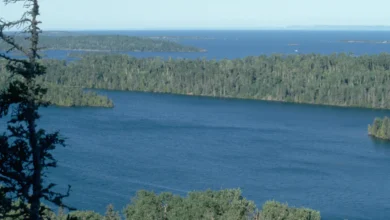
Encompassing over 2.3 million acres across central Idaho, the Frank Church-River of No Return Wilderness is a testament to the rugged beauty of the Rocky Mountains. It is a vast expanse of towering peaks, deep canyons, wild rivers, and ancient forests, home to diverse wildlife including elk, bighorn sheep, wolves, and grizzly bears. Its sheer size and remoteness contribute significantly to its wilderness character, offering unparalleled opportunities for solitude and primitive recreation.
However, even such a formidable landscape is not immune to natural disturbances and the impacts of a changing climate. The area has experienced a significant increase in the frequency and intensity of wildfires in recent decades, exacerbated by climate change and historical fire suppression policies. These fires, while a natural ecological process, can lead to extensive blowdowns—large swaths of trees felled by high winds after their root systems are weakened by fire or disease. Coupled with outbreaks of bark beetles, which decimate tree populations, and a chronic underfunding of trail maintenance, the result has been a significant degradation of trail accessibility. The USFS manages approximately 13,000 miles of trails in Idaho alone, with a substantial portion falling within wilderness boundaries. The maintenance backlog across the national forest system is estimated to be in the hundreds of millions, if not billions, of dollars, leaving many trails in a state of disrepair.
Catalyst for Change: The Outfitters’ Plea and Environmental Factors
The Idaho Outfitters and Guides Association’s proposal was rooted in practical concerns. Outfitters play a crucial role in the local economy, guiding clients on hunting, fishing, and whitewater rafting expeditions deep into the wilderness. Impassable trails directly impact their ability to operate, affecting livelihoods and the economic vitality of surrounding communities that rely on wilderness tourism. Their argument centered on the efficiency of chainsaws in clearing large-scale blowdowns, asserting that hand tools simply cannot keep pace with the magnitude of the problem.
Proponents of chainsaw use emphasize that the goal is not to pave wilderness trails but to restore them to a passable condition, thereby preserving the public’s ability to experience these areas. They argue that if trails become completely overgrown or blocked, it not only deters visitors but can also lead to off-trail travel, potentially causing more widespread environmental damage. Furthermore, some argue that allowing limited, managed chainsaw use under specific circumstances is a pragmatic solution to an urgent problem, especially given the USFS’s budget constraints and the sheer volume of work required.
Voices from the Frontlines: Arguments For and Against Chainsaw Use
The debate has elicited strong reactions from various stakeholders, highlighting the deep philosophical chasm regarding wilderness management.
Arguments for Chainsaw Allowance:
Many readers, particularly those who frequent the backcountry, voiced support for the USFS decision. Michael Jurasius commented, "I’ve seen blow downs stacked three layers high that would take years to clear with a hand saw. The sooner the trail is cleared the less damage occurs from hikers forced off route through the woods." This perspective underscores the perceived impracticality of manual methods for extensive clearing. Mark Laken and Kirk Luedtke echoed this sentiment, suggesting that "As long as chainsaws use is properly managed, they should be allowed for authorized persons/groups in designated Wilderness areas during specific windows of time during the year." Their statements imply a desire for a balanced approach, where exceptions are made under controlled conditions to ensure access and prevent further environmental degradation from trail braiding.
Arguments Against Chainsaw Allowance:
Opponents, on the other hand, staunchly defend the integrity of the Wilderness Act. Wilderness Watch’s blog post articulated this position, stating that "Many Wildernesses have minimal to non-existent trail systems; wilderness character, and the wildlife that rely on it, will not suffer with the natural blockage of trails." This viewpoint prioritizes the inherent wildness of wilderness, arguing that recreation, and thus trail access, should not override the primary purpose of preservation. Kenneth Mark Vampran succinctly stated, "handsaws are all you need," while Brenda-David Morrow reminded readers, "There was a time when the entire lumber industry operated with hand saws," highlighting the historical efficacy of manual labor.
The Trailworker’s Perspective: Experience vs. Expediency
A crucial voice in this debate comes from experienced trailworkers, who offer practical insights into the realities of clearing backcountry trails. Autumn Lear, with nearly two decades of experience in trail work and certified in both crosscut and chainsaw use, provided a comprehensive comparison: "Crosscuts are efficient in terms of the human body. Cut and run crews can easily clear and maintain trails camping along the way. Chain saws weigh more, get hot, need oil and gas and sharpening, are more hazardous and more likely to be fatal should an accident occur, and use more energy to control to use. Chainsaws must be shut off after 3 pm to prevent wildfire—the list goes on for why we prefer crosscut saws and hand saws with sharp teeth. A silky saw can cut small diameter trees in minutes. Muscles and lungs are utilized without the noise and pollution of a chainsaw. Ask a trail crew worker what they prefer. I’ve used both and prefer the crosscut 100%."
Lear’s testimony highlights several key points: the physical demands and logistical challenges of chainsaws in remote areas, the increased safety risks, and environmental concerns like noise and pollution. The preference for crosscut saws among many seasoned trailworkers stems from their efficiency in the hands of a skilled crew, their minimal environmental footprint, and the alignment with the "primitive" experience of wilderness work.
However, other trailworkers recognize the complexities. Pat Hawkins, who has led hand crews carrying two-man crosscut saws for miles in the Bob Marshall Wilderness, acknowledged the need for a balance. He commented, "Last December we had heavy rains followed by extreme winds which led to high amounts of windfall. The USFS just doesn’t have the budget to get the crews necessary to open the trails. Volunteers are great and doing what they cannot [sic] just aren’t as productive as real crews. Having exceptions or situational waivers to get the work done under the extreme circumstances seems reasonable. But to just unequivocally open it up could be a slippery slope." Hawkins’s perspective underscores the severe impact of extreme weather events, the chronic underfunding of federal land management agencies, and the difficulty of relying solely on volunteer efforts for large-scale clearing. He articulates the concern that while exceptions might be necessary, they must be carefully managed to avoid undermining the Wilderness Act.
Still others expressed a more fundamental philosophical objection to prioritizing human access over natural processes. Former Backpacker editor Casey Lyons commented, "Let nature have ‘em back. Trails in Wilderness aren’t supposed to be permanent." This view aligns with the deep ecology movement, which advocates for allowing wilderness to evolve naturally, even if it means trails disappear or access becomes more challenging. It challenges the anthropocentric notion that all parts of a wilderness area must be accessible for human recreation.
Legal Challenges and Precedent-Setting Concerns
Wilderness Watch, in particular, has indicated its intent to challenge the USFS decision, arguing that it represents a clear violation of the Wilderness Act. Legal experts suggest that if this decision is allowed to stand, it could set a dangerous precedent, potentially opening the door for similar allowances of motorized equipment in other wilderness areas across the country. The Act, while allowing for exceptions in cases of "minimum requirement" for administrative purposes, has historically been interpreted very strictly regarding mechanized equipment for trail maintenance. The current USFS justification, based on an "emergency" for recreational access, could be seen as stretching the boundaries of these exceptions.
The implications extend beyond just chainsaws. If the principle of "emergency access" for recreation is established, it could potentially be applied to other forms of motorized transport or equipment, gradually eroding the very character of wilderness that the Act was designed to protect. The legal battle could thus define the future interpretation and enforcement of wilderness protections for decades to come.
Broader Implications: Balancing Access, Preservation, and Ecology
The debate over chainsaws in the Frank Church-River of No Return Wilderness is emblematic of a broader, ongoing tension in wilderness management: how to balance human access and recreational opportunities with the imperative of preserving wilderness character and ecological integrity.
Ecological Considerations: While chainsaws are more efficient, their use introduces noise pollution, which can disturb wildlife, and air pollution from exhaust. The increased speed of clearing might also alter natural processes of decomposition and ecological succession that would occur with slower, manual clearing or no clearing at all. The very act of creating and maintaining trails, regardless of method, introduces a human footprint into wilderness, and the scale of this footprint is a constant point of contention.
Socio-economic Impacts: For gateway communities and outfitters, maintaining trail access is directly linked to economic survival. The ability to guide clients into the wilderness generates revenue, supports local businesses, and provides jobs. If trails become impassable, this economic engine falters, creating a ripple effect throughout rural economies.
The Philosophical Divide: Ultimately, the debate highlights a fundamental philosophical divide. One perspective views wilderness as a resource for human enjoyment and recreation, where management should facilitate access and safety. The other perspective sees wilderness as an intrinsic value, a place where natural processes should unfold without human interference, and where human access is secondary to the preservation of its wildness. The USFS, as a federal agency, is tasked with navigating these often-conflicting mandates. Its decisions reflect an attempt to balance public demand for recreation with its legal obligations to protect wilderness character.
The situation in the Frank Church-River of No Return Wilderness is not an isolated incident but rather a microcosm of the challenges facing wilderness areas nationwide. As climate change increases the frequency of extreme weather events, leading to more blowdowns and wildfires, and as recreational demand continues to grow, land managers will increasingly grapple with how to respond while adhering to the letter and spirit of the Wilderness Act. The outcome of this debate, both in the court of public opinion and potentially in actual courts of law, will undoubtedly shape the future of America’s cherished wilderness heritage. The question remains: should legally designated Wilderness adapt to modern challenges through pragmatic exceptions, or should its strict protections remain inviolable, even if it means some trails become lost to the wild?
The conversation continues, reflecting a deep societal commitment to these unique landscapes and a passionate disagreement on the best path forward for their stewardship.