People Changing How We See the World: Innovators, Artists, and Activists Redefining Our Relationship with Nature

The human relationship with the natural world has long been mediated by distance, infrastructure, and modern convenience. Yet across the globe, a distinct class of individuals is challenging this paradigm, altering how humanity perceives, interacts with, and ultimately protects the environment. From the storm-battered coastlines of the Pacific Northwest to the ancient canopies of California redwoods, and through the glowing lenses of America’s public lands, visionaries are reshaping our ecological consciousness. These modern pioneers demonstrate that understanding the planet requires stepping outside traditional boundaries—whether by curating the ocean’s discarded debris, translating centuries of forest history into visceral fine art, or transforming cinematic appreciation into active legislative defense.
The Archaeology of the Tide: Extreme Beachcombing on the Olympic Peninsula
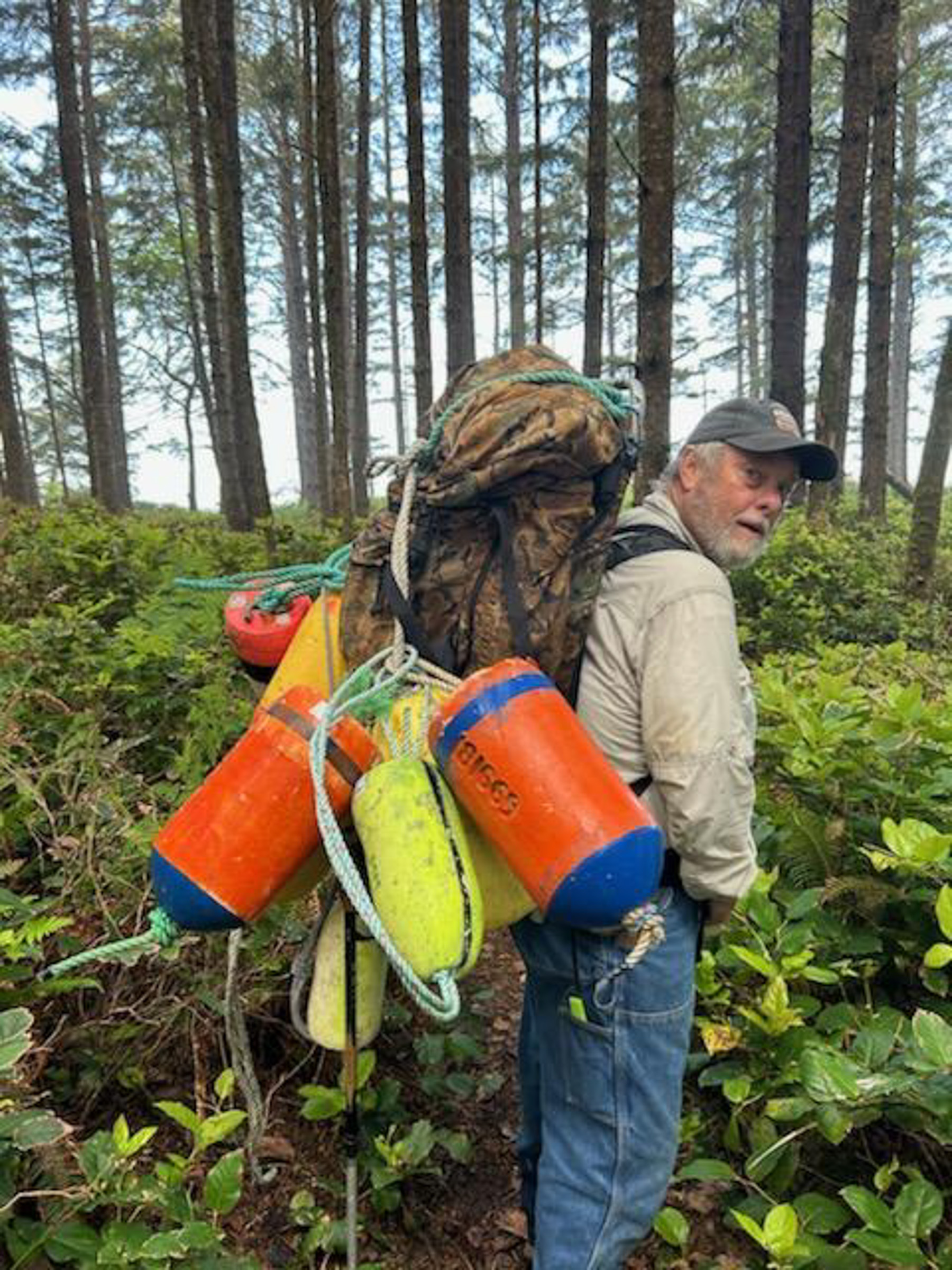
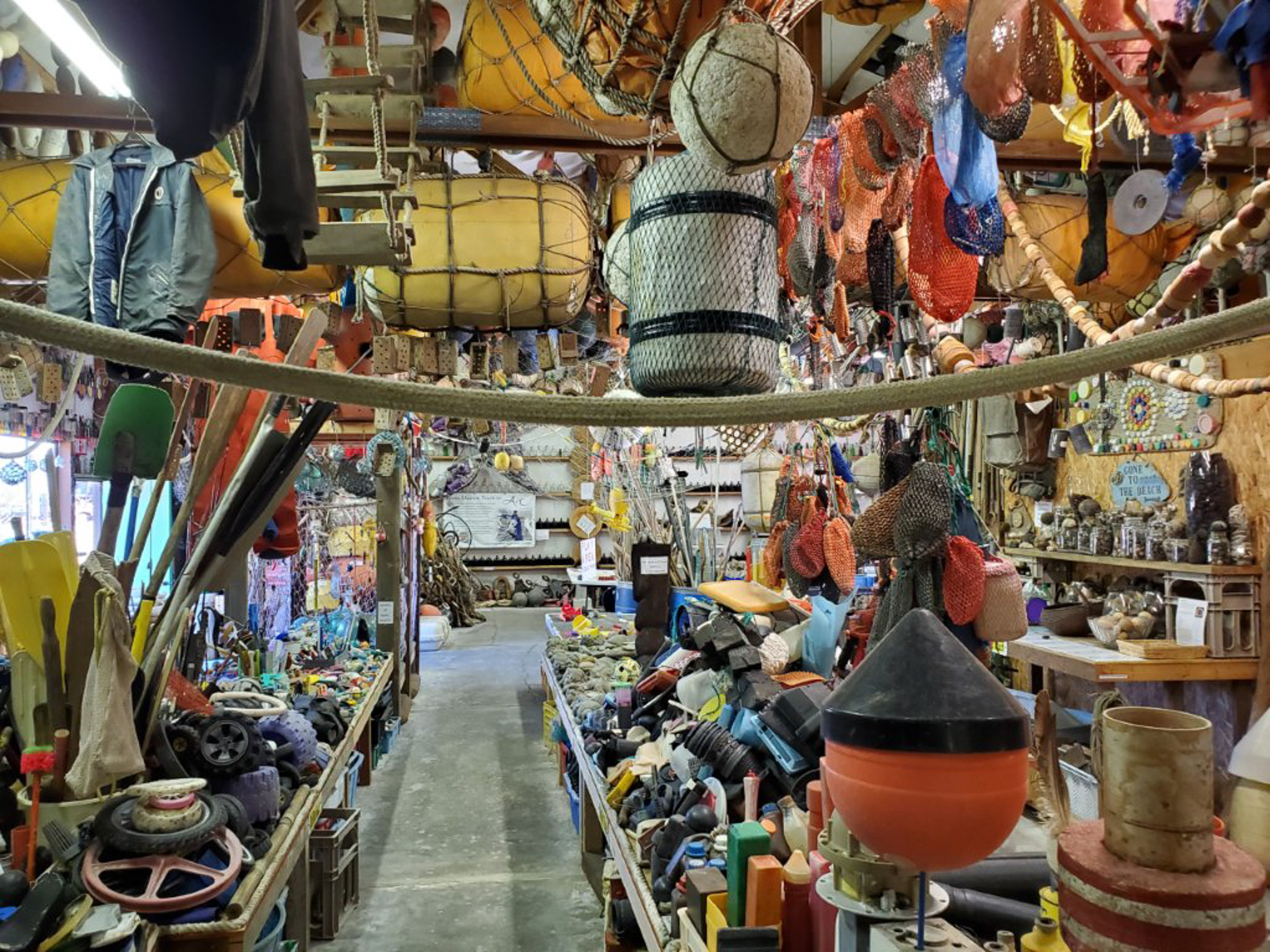
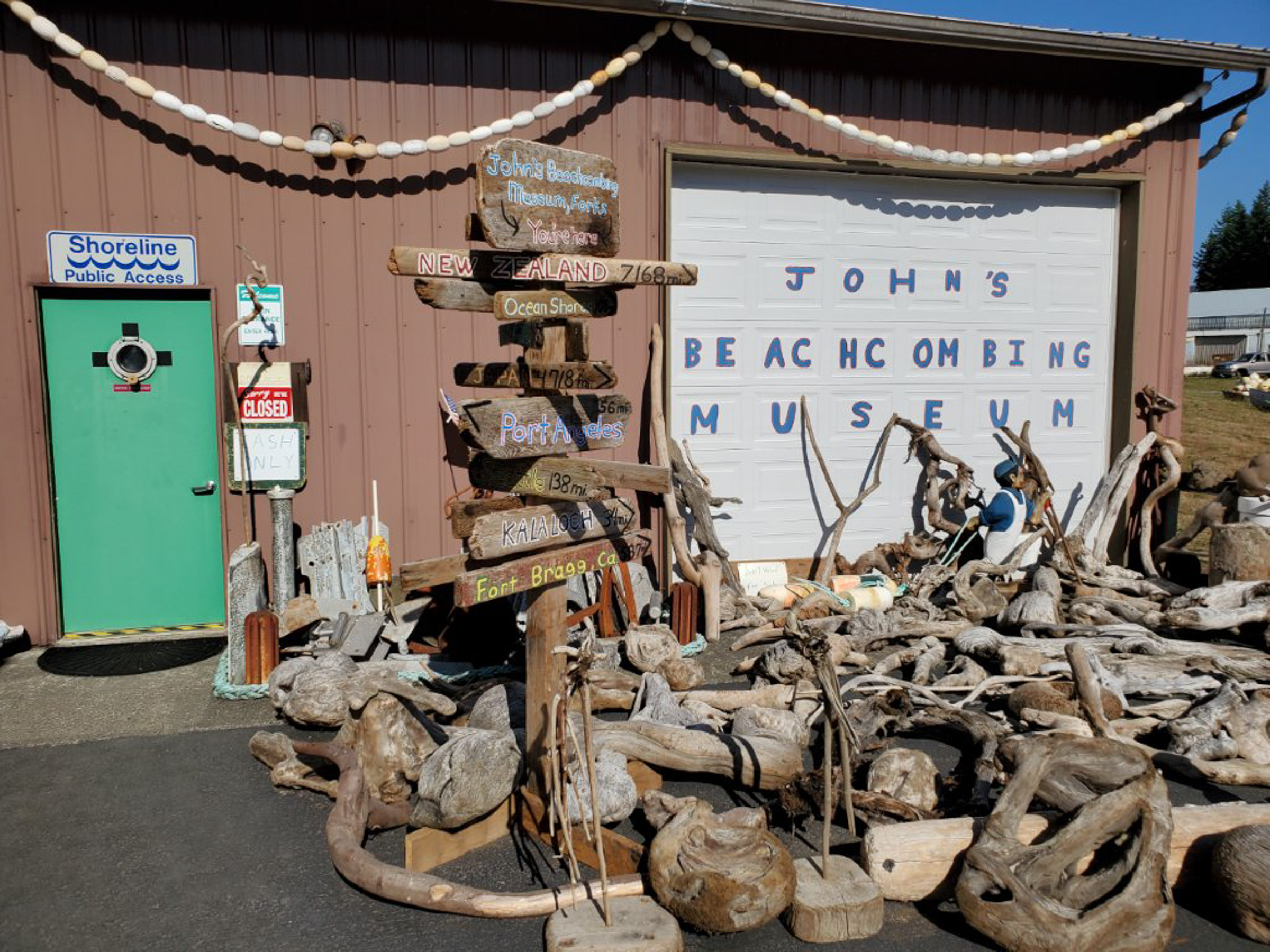
Along the wind-scoured, driftwood-cluttered shores of Washington’s Olympic Peninsula, former plumber John Anderson engages in a quiet, methodical form of marine archaeology. For nearly half a century, Anderson has dedicated his life to beachcombing, transforming what most would dismiss as flotsam and jetsam into a profound historical record of human maritime activity. His workspace—a modest former plumbing shop now operating as the country’s first dedicated Beachcombing Museum—houses a bizarre, captivating taxonomy of oceanic drift: weather-beaten sneakers, fishing lures, glass buoys, bones, wagon wheels, and rows of vintage Raggedy Ann dolls.
Anderson’s methodology far exceeds casual shoreline strolling. He classifies his pursuits as "extreme beachcombing," a grueling logistical endeavor that often involves solo hikes through dense, temperate rainforests and multi-day treks lasting up to sixty-two consecutive hours. This physical endurance allows him to access remote, current-heavy coastlines where oceanic debris—ranging from lost shipping containers of children’s toys to spinner cones from Boeing 727 aircraft—inevitably washes ashore.
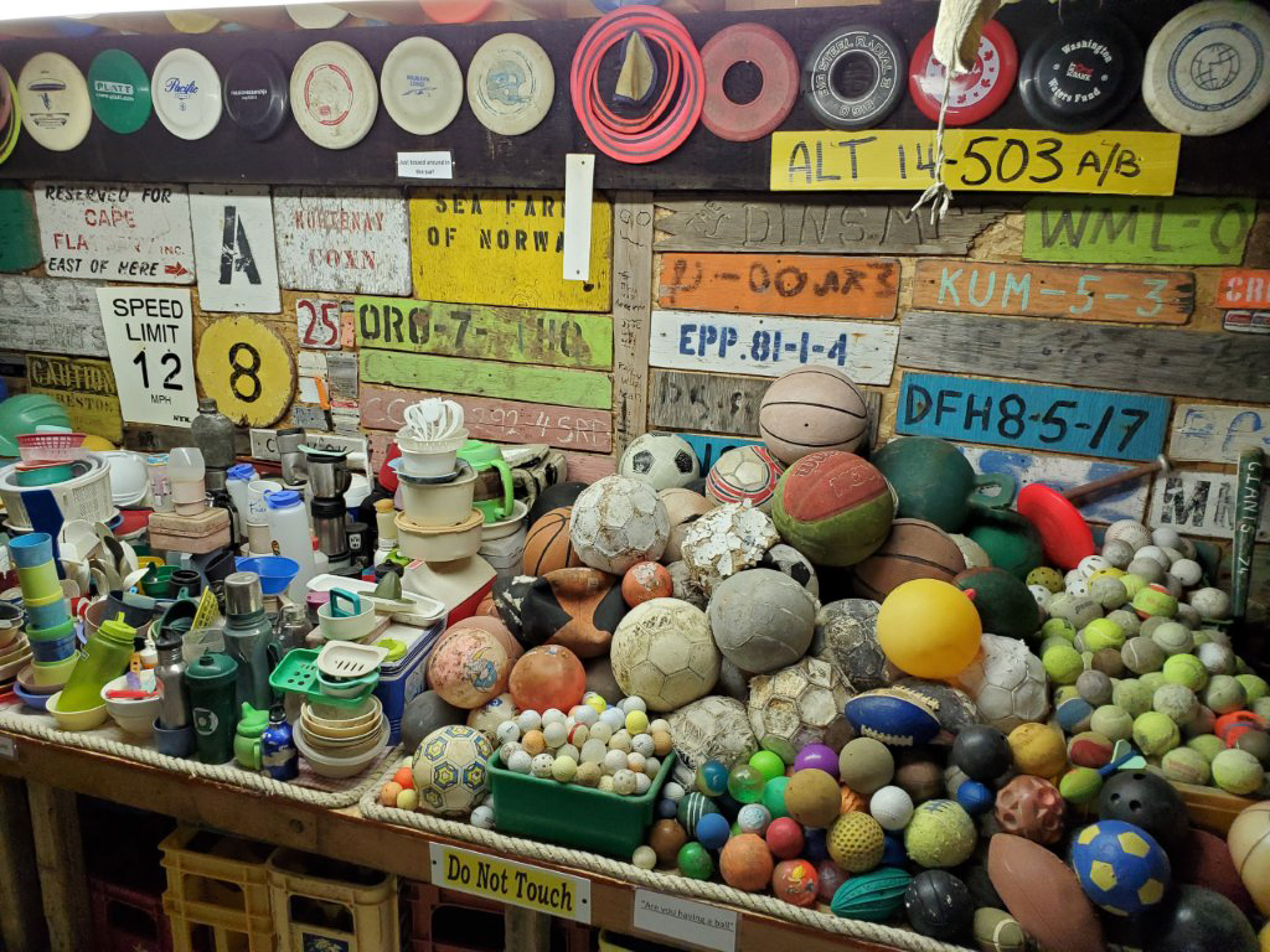
At its core, Anderson’s collection is less about accumulation and more about human connection. Every artifact recovered from the surf carries an invisible tether to an owner, a tragedy, or a journey: the childhood doll, timber from a tsunami-ravaged home, or handwritten notes sealed in glass bottles. By preserving these messages in archival binders and, when possible, responding to surviving senders via traditional mail, Anderson bridges the physical divide of the seas. His work underscores a sobering reality of modern globalization: the world’s oceans function as an expansive, interconnected archive of human consumption and loss.
Translating the Forest: Jane Kim and the Hidden Ecology of Redwoods
While Anderson reads the stories written by ocean currents, contemporary artist Jane Kim decodes the ancient narratives inscribed within the rings of old-growth trees. Kim’s artistic practice focuses on making the hidden complexities of nature visible to the public. Her latest endeavor, an immersive study of redwood ecology, began with a five-hundred-year-old "cookie"—a forester’s term for a cross-section cut from a massive old-growth redwood stump in the Santa Cruz Mountains.
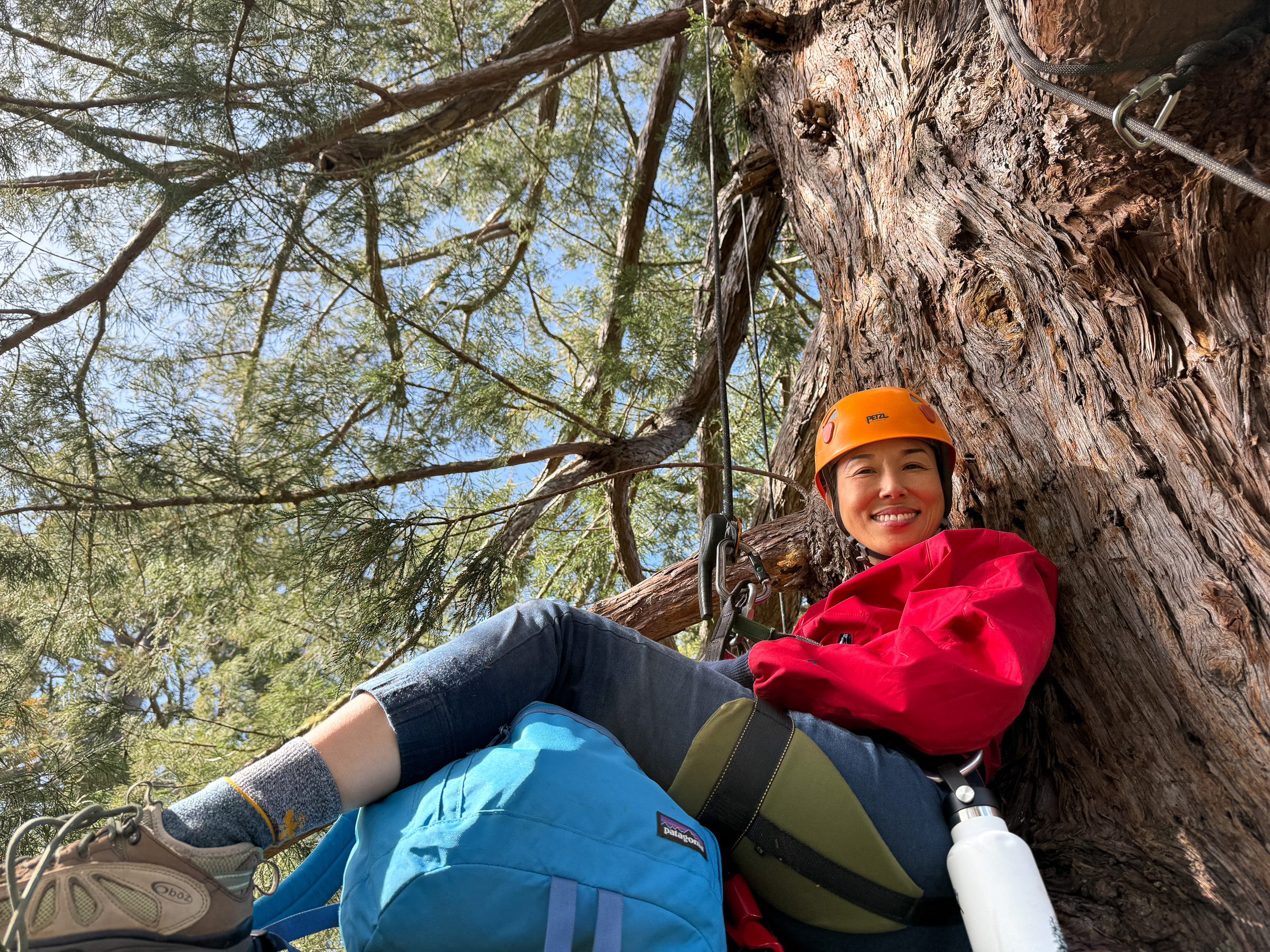
Working in collaboration with the Sempervirens Fund as their inaugural Forest Fellow, Kim physically participated in harvesting these cross-sections using a chainsaw. This hands-on fieldwork provided a tangible connection to the centuries of climatic fluctuations, severe droughts, destructive fires, and rapid growth cycles imprinted in the tree’s concentric rings.
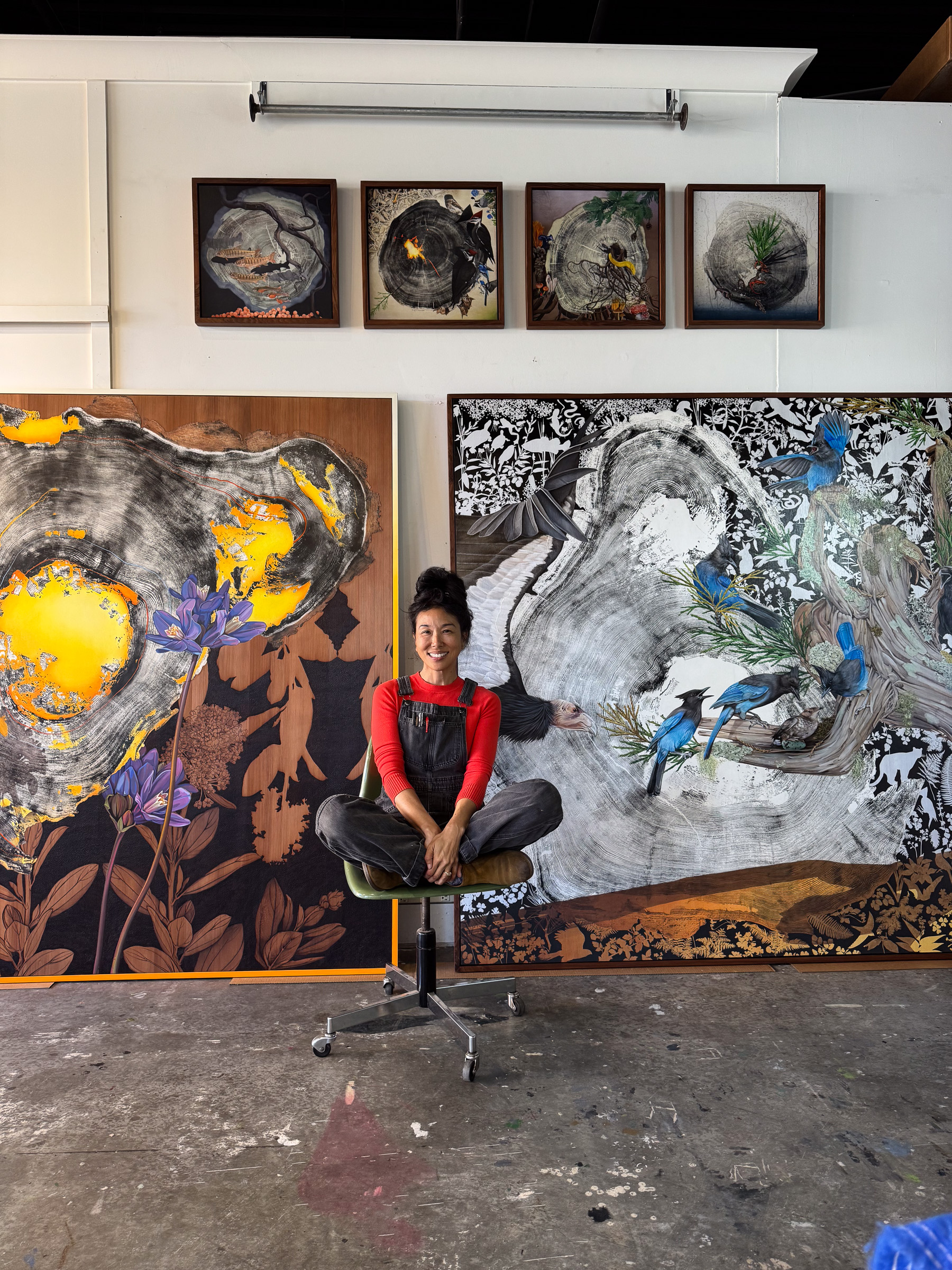
Kim’s career has long been defined by large-scale public art installations designed to bring conservation dialogue out of traditional galleries and directly into everyday civic spaces. Her acclaimed Migrating Mural series previously transformed urban architecture with massive portraits of native fauna, including a fifty-foot-tall monarch butterfly mural in San Francisco.
As a Korean American raised near Chicago who found solace in neighborhood creeks and climbing willows, Kim’s artistic trajectory has consistently interrogated the intersection of biology and human identity. Her residency in the redwood ecosystem involved rigorous scientific engagement, including ascending two-hundred-foot trees to study canopy dynamics. This immersion revealed the intricate, mutualistic relationships sustaining old-growth forests—from fog-drinking foliage and subterranean fungal networks to the reciprocal nutrient exchanges linking ancient trees with oceangoing salmon.
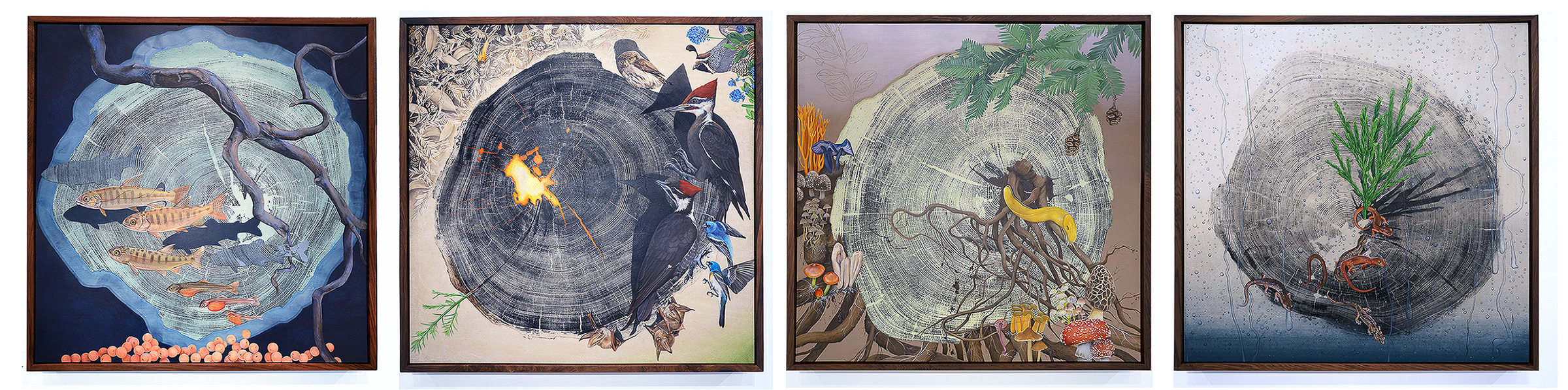
Through monumental paintings and detailed print series derived from redwood cookies, Kim illustrates ecological truths, such as the vital role of wildfire in regenerating forest life. Furthermore, her scientific inquiry has yielded surprising emotional insights, noting that mature redwoods emit airborne molecules that demonstrably induce physiological calm in humans. Through her art, Kim bridges rigorous ecological science with visceral human experience, inviting audiences to view trees not as isolated wooden monuments, but as the central processing hubs of complex, living communities.
From Cinematic Appreciation to Legislative Defense: The Evolution of More Than Just Parks
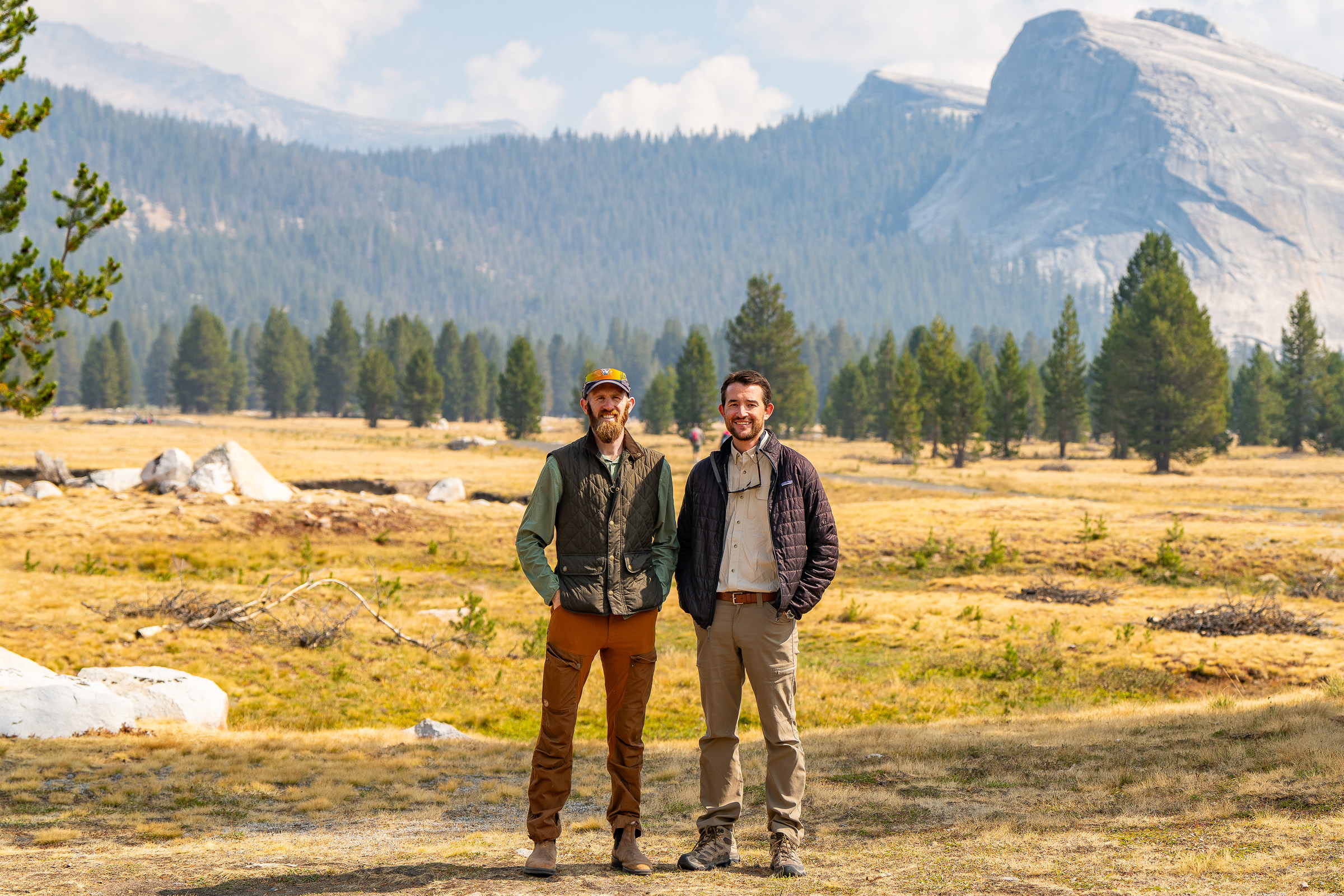
Few mediums have influenced contemporary outdoor recreation as profoundly as the digital filmmaking of brothers Jim and Will Pattiz. Operating under the banner of More Than Just Parks, the duo spent over a decade crafting cinematic love letters to America’s public lands, initially launching their enterprise after a transformative, cross-country road trip undertaken in a borrowed compact car.
Confronted for the first time by the staggering expanse of desert thunderstorms, New Mexico night skies, and the rugged majesty of the Grand Canyon, the brothers recognized a profound cultural disconnect. Millions of citizens lived entirely divorced from the public lands legally designated for their stewardship. The Pattiz brothers set out to bridge this gap through high-definition visual storytelling, capturing the ecological diversity of national parks, monuments, and forests.
Their early production years were defined by grassroots determination—enduring freezing temperatures, soggy tents in Olympic National Park, and hazardous wildlife encounters, including a memorable charge by a black bear in Grand Teton National Park. These early successes eventually captured the attention of federal agencies, leading to formal partnerships with the U.S. Forest Service, the National Park Service, and state tourism boards across the nation.
However, the trajectory of More Than Just Parks reflects a critical evolution within modern environmentalism. What began primarily as a promotional and aesthetic enterprise has systematically transformed into an active public lands advocacy organization. Recognizing that aesthetic appreciation alone was insufficient to protect threatened ecosystems, the brothers expanded their organizational scope to include investigative journalism, policy analysis, and digital civic tools. Today, the organization deploys a congressional public lands scorecard, maps monitoring threatened public habitats, and mobilizes an extensive advocacy action network.
Broader Implications and Cultural Impact
The collective efforts of figures like John Anderson, Jane Kim, and the Pattiz brothers illustrate a fundamental shift in how modern society engages with the natural world. In an era defined by rapid climate change, biodiversity loss, and digital alienation, these practitioners utilize distinct methodologies—archival preservation, fine art, and cinematic advocacy—to re-establish human accountability toward the environment.
Anderson’s beachcombing museum highlights the persistent physical footprint of human commerce on remote coastlines, turning industrial waste into a testament of resilience and loss. Kim’s artistic translations of redwood ecology dismantle the barrier between hard scientific data and emotional public engagement, proving that ecological literacy can be communicated through aesthetic wonder. Meanwhile, the evolution of More Than Just Parks demonstrates that modern conservation storytelling must extend beyond passive admiration to encompass rigorous political defense, policy tracking, and legislative accountability.
Ultimately, these individuals challenge the public to look closer, think deeper, and act more decisively. Whether examining a piece of plastic washed ashore from a distant shipping lane, contemplating the rings of a centuries-old tree, or confronting legislative threats to national monuments, their work converges on a single, vital objective: redefining humanity’s place within the global ecosystem before the landscapes they document are lost to history.