A Brewing Storm in the Wilderness: Chainsaws Approved for Idaho’s Frank Church Amidst Conservation Concerns

The pristine, federally designated Wilderness Areas of the United States have long represented the pinnacle of public land protection, embodying a philosophy of preserving nature "untrammeled by man." Since the landmark Wilderness Act of 1964, these areas, which comprise approximately five percent of the nation’s landmass, strictly prohibit most forms of development, motorized vehicles, and mechanical equipment. This foundational principle, however, is now being tested in Idaho’s vast Frank Church-River of No Return Wilderness, where the United States Forest Service (USFS) has made a controversial decision to authorize the use of chainsaws for trail clearing, sparking a heated debate between recreation advocates and conservationists.
The Bedrock of Wilderness Protection: The Wilderness Act of 1964
The Wilderness Act, signed into law by President Lyndon B. Johnson, established the National Wilderness Preservation System, aiming to secure for present and future generations the benefits of an enduring resource of wilderness. The Act defines wilderness as "an area where the earth and its community of life are untrammeled by man, where man himself is a visitor who does not remain." Key prohibitions within these areas include commercial enterprise, permanent roads, motor vehicles, motorized equipment, motorboats (with some grandfathered exceptions), landing of aircraft (with exceptions), and other forms of mechanical transport. For decades, this has meant that trail maintenance within Wilderness Areas relies exclusively on hand tools such as axes, pulaskis, and traditional crosscut saws, which require significant manual labor and specialized skills. This approach has been central to maintaining the "wilderness character" – the untamed, unmechanized essence – that the Act seeks to protect.
The Frank Church-River of No Return Wilderness: A Crown Jewel Under Scrutiny
At 2.3 million acres, the Frank Church-River of No Return Wilderness is the largest contiguous wilderness area in the United States outside of Alaska. Established in 1980, it is a landscape of profound ecological and recreational significance, encompassing vast stretches of the Salmon River, deep canyons, rugged mountains, and diverse ecosystems. It serves as a critical habitat for iconic wildlife, including elk, bighorn sheep, wolves, and bears, and its rivers are vital for salmon and steelhead runs. Revered by whitewater boaters, backpackers, horseback riders, and hunters, the "Frank" is considered a life-list destination for outdoor enthusiasts, offering unparalleled opportunities for solitude and primitive recreation. Its status as a cornerstone of the Wilderness System makes any deviation from established management practices a matter of national concern.
The Controversial Decision: Chainsaws Approved for Trail Clearing
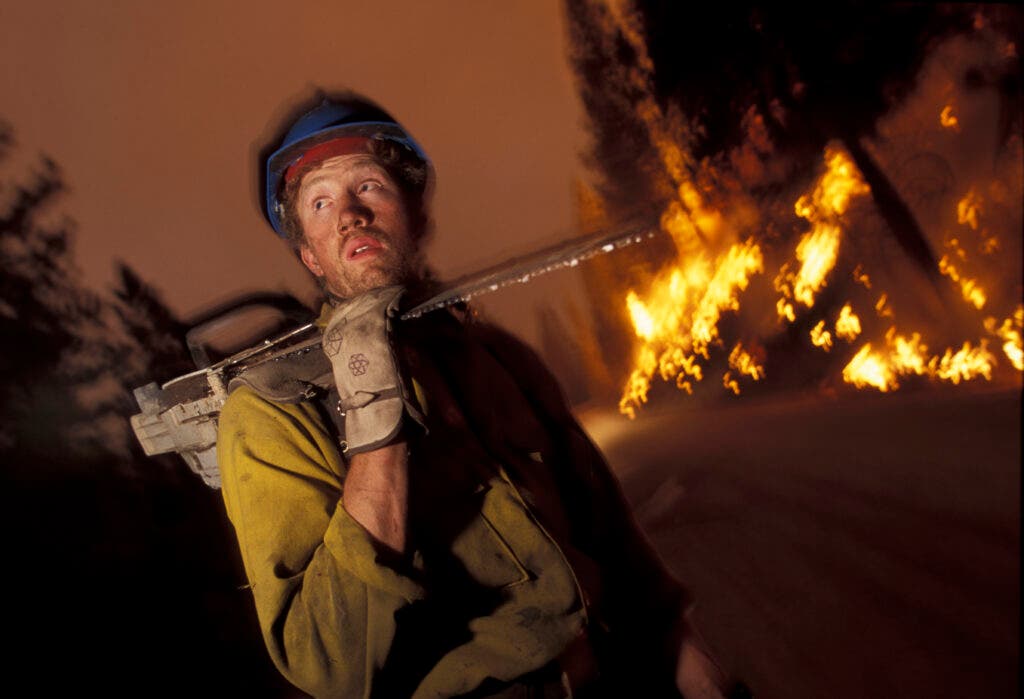
In a move that has sent ripples through the conservation community, the USFS announced in May 2026 a surprise authorization for the use of chainsaws within the Frank Church-River of No Return Wilderness. This decision followed a proposal from the Idaho Outfitters and Guides Association (IOGA), which argued that the scale of downed timber blocking trails had become so immense that traditional hand tools were no longer sufficient to maintain access.
The initial approval granted by the Salmon-Challis National Forest authorized outfitters’ approved operators to use chainsaws to clear 542 miles of trails from January 1 to August 1 for a period of three years. This was quickly followed by a similar authorization from the Payette National Forest, which also manages a portion of the Frank, extending chainsaw use to an additional 542 miles of trail. Combined, these approvals permit chainsaw operation on approximately 40 percent of the Frank’s extensive 2,616-mile trail network. While isolated, short-term emergency chainsaw uses have occurred in Wilderness Areas previously, this three-year, wide-ranging authorization is one of the most extensive since the Wilderness Act’s inception, raising questions about its legality and precedent-setting nature.
A Chronology of the Controversy:
- 1964: The Wilderness Act is passed, establishing strict prohibitions on motorized equipment in designated Wilderness Areas.
- 1980: The Frank Church-River of No Return Wilderness is established, becoming the largest wilderness area in the Lower 48.
- Prior to 2026 (unspecified date): The Idaho Outfitters and Guides Association submits a proposal to the USFS, advocating for the use of chainsaws to address severe trail blockages.
- May 2026: The USFS announces its approval for chainsaw use in the Salmon-Challis National Forest section of the Frank Church Wilderness, citing an "emergency" need to restore recreational opportunities. The authorization allows approved operators employed by outfitters to use chainsaws on 542 miles of trails from January 1 to August 1 for three years.
- July 2026 (Last week of reporting): The Payette National Forest, also within the Frank, approves a similar chainsaw authorization for an additional 542 miles of trail, bringing the total to over 1,000 miles.
- July 17, 2026: News of the decision becomes public, igniting widespread debate.
The Arguments: Conservationists vs. Forest Service
The decision has polarized stakeholders, with conservation groups vehemently opposing it and the Forest Service defending it as a necessary measure.
Wilderness Watch’s Stance:
Conservation advocates, most notably Wilderness Watch, have sharply criticized the authorization, labeling it a direct violation of the Wilderness Act. They argue that the Forest Service is misinterpreting the Act’s language and purpose. Wilderness Watch asserts that maintaining trails, while beneficial for recreation, is not the primary purpose of Wilderness, which is fundamentally about preserving natural processes and untrammeled character. They contend that the natural blockage of trails, even extensive ones, does not inherently diminish wilderness character or harm wildlife. Furthermore, Wilderness Watch highlighted the concerning lack of a public comment period or environmental review process preceding the approval, suggesting a lack of transparency. Information regarding the decision largely came to light through a Freedom of Information Act (FOIA) request published by the organization. They also voiced strong objections to the agency’s choice to delegate chainsaw operation to private outfitters rather than federal employees, raising concerns about accountability and adherence to wilderness ethics. Their central fear is that this decision sets a dangerous precedent, potentially leading to a "slippery slope" of motorized incursions into other Wilderness Areas nationwide.
Forest Service’s Justification:
The USFS maintains that the approval is a targeted, one-time emergency measure aimed at restoring essential recreational access to one of the country’s most cherished wilderness destinations. They contend that thousands of downed logs have rendered significant portions of the Frank’s trail system impassable, severely limiting public enjoyment and potentially impacting emergency access. The agency emphasizes that the decision is temporary and designed to address an urgent backlog of maintenance, not to alter long-term wilderness management policy. The Idaho Outfitters and Guides Association, whose proposal initiated the action, supports the USFS, arguing that the impassable trails pose safety risks and severely hinder their ability to operate and provide guided wilderness experiences, which are vital for local economies and public engagement with the wilderness.
Legal Precedent and Interpretation
The legal question of chainsaw use in Wilderness Areas is, as many experts note, "murky at best." While the Wilderness Act generally prohibits motorized equipment, exceptions have historically been made for genuine emergencies, primarily during wildfires or after catastrophic natural disasters like major windstorms or floods. Even then, such exemptions have typically been short-lived, lasting weeks rather than years. The National Park Service, for instance, has historically shown slightly more flexibility in allowing limited chainsaw use after large storms.
Opponents argue that the Forest Service’s current justification stretches the definition of "emergency" beyond its original intent. They claim that the deteriorating condition of the Frank’s trails is a chronic maintenance issue, not a sudden, unforeseen event. This distinction is crucial, as the Act’s prohibitions are intended to be broadly applied, with exceptions granted only under truly exceptional circumstances. The fact that the USFS is putting these tools into the hands of private contractors, rather than trained federal personnel, further complicates the legal and ethical landscape. Ultimately, whether this specific chainsaw authorization is legally defensible under the Wilderness Act remains a question that could potentially be decided in court, should conservation groups pursue legal action.
Analysis of the "Emergency" Claim and the Efficacy Debate
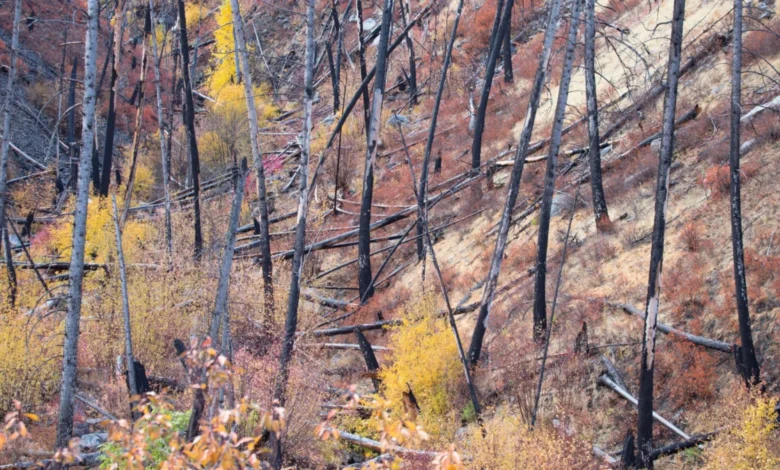
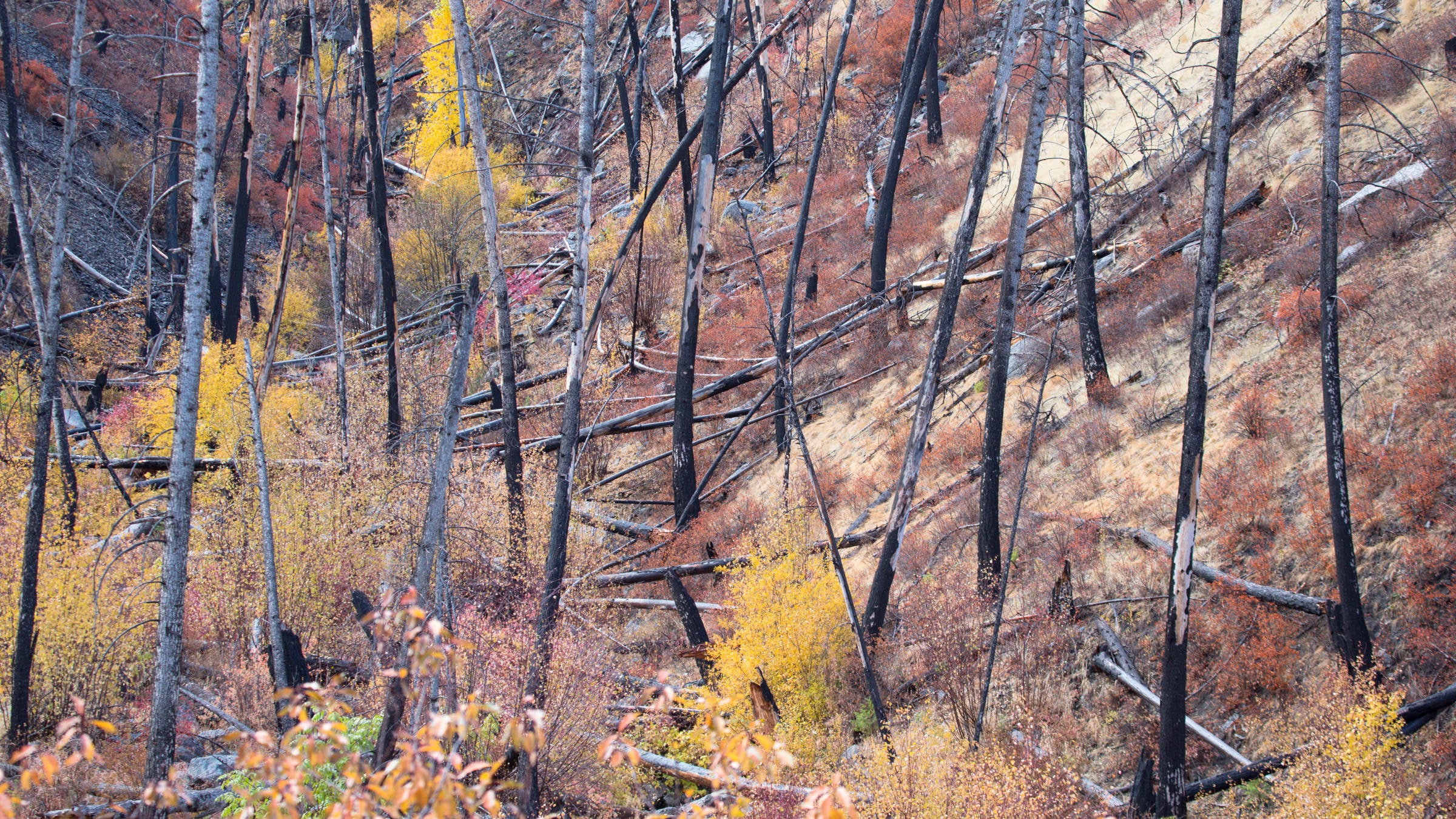
Critics argue that the Forest Service’s framing of the situation as a sudden emergency overlooks years of systemic issues. The disrepair of the Frank’s trail system is widely seen not as the result of a single devastating event, but rather a long-term consequence of chronic underfunding, significant workforce reductions, and the rerouting of federal funds away from trail maintenance over the past two decades. In many sections of the Frank, dead trees, often due to bark beetle outbreaks and previous burn scars, now outnumber living ones, creating a perpetual challenge for trail crews. This backlog of "routine maintenance," exacerbated by the remote and rugged nature of the Frank, has created a situation where hundreds of miles of trails have literally disappeared, not just on the ground but from official Forest Service maps.
Furthermore, the effectiveness of chainsaws as a "miracle cure" for the Frank’s maintenance woes is debated. While chainsaws undeniably cut faster than traditional crosscut saws, their logistical demands in remote wilderness settings can significantly offset this speed advantage. Chainsaws are heavier, require fuel and bar oil (adding weight and potential for spills), need more frequent sharpening, and are more prone to mechanical failure in rugged conditions.
A 2024 Forest Service study, which tracked numerous trail work projects using both chainsaws and crosscut saws, surprisingly concluded that factors such as travel time to the work site, the size and density of downed trees, and crew size had a greater impact on overall trail clearing time than the specific type of saw used. This suggests that simply introducing chainsaws may not be the silver bullet the USFS claims it to be. The pervasive nature of trail maintenance backlogs across the country, even in areas where chainsaws and ATVs are regularly used, further supports the argument that the tool itself is not the primary limiting factor.
Broader Implications for Wilderness Management
The decision in the Frank Church-River of No Return Wilderness carries significant implications for the future of wilderness management nationwide. Conservationists fear it could establish a dangerous precedent, weakening the protective framework of the Wilderness Act. If "backlog of maintenance" can be reclassified as an "emergency" to justify motorized equipment in one of the nation’s largest wilderness areas, what prevents similar authorizations in others? This concern is amplified by a perceived trend of broader attacks on public lands, including drastic staffing cuts within federal land management agencies and the recent repeal of the 2001 Roadless Rule, which had protected millions of acres of inventoried roadless areas in national forests from development.
On the other hand, proponents argue that maintaining access to Wilderness Areas is crucial for public engagement and support. If trails become impassable, the public loses its connection to these lands, potentially eroding the political will to protect them. The question arises: how does one balance the strictures of wilderness preservation with the practical need for public access and the safety of those who venture into these remote landscapes? This tension between "pure" preservation and managed access is a perennial challenge in wilderness stewardship.
The Root Cause: Funding and Workforce Shortages
Beneath the surface of the chainsaw debate lies a more fundamental issue: the severe underfunding and chronic workforce shortages plaguing the US Forest Service and other federal land management agencies. For decades, budgets for recreation and trail maintenance have been consistently slashed, leading to a dramatic decline in the number of professional, career trail workers. These skilled individuals, once stationed in local communities, possessed intimate knowledge of their areas and the capacity to maintain extensive trail networks year-round.
Today, federal agencies increasingly rely on a patchwork of volunteers, non-profit organizations, Americorps programs, and private contractors. While invaluable, these groups often lack the sustained capacity, consistent funding, and institutional knowledge of dedicated career trail crews. Volunteer groups, for example, may travel long distances for short stints of work, while Americorps programs often feature high turnover rates and stipends that do not reflect a living wage, limiting long-term expertise. Private outfitters, while capable, prioritize their commercial operations, meaning trail work can be intermittent and project-focused rather than continuous systemic maintenance.
Many experts argue that a few well-staffed, professional trail crews, adequately funded and permanently stationed throughout areas like the Frank Church, could largely eliminate the current maintenance crisis. Such crews would not only address immediate needs but also proactively manage the trail system, reducing the need for emergency measures. The decline of the career trail worker represents a significant institutional loss, impacting not only trail conditions but also rural economies where these positions once provided stable employment.
The Future of Wilderness: Access and Preservation
The Frank Church chainsaw debate underscores a critical juncture in the history of American wilderness management. It highlights the challenge of balancing the foundational tenets of preservation with the practicalities of modern land management and public access. While the ideal of "untrammeled wilderness" remains a guiding principle, the reality of climate change-induced tree mortality, increasing visitor numbers, and persistent budget shortfalls demands careful consideration.
The resolution to this dilemma likely lies not in a binary choice between power tools and pristine wilderness, but in a renewed commitment to adequately funding the stewardship of these invaluable public lands. Investing in a robust, professional workforce dedicated to trail maintenance, equipped with the necessary resources and tools (both traditional and, where absolutely justified, temporary exceptions for motorized equipment in genuine emergencies), could ensure that both the integrity of wilderness character and the public’s ability to experience it are preserved for generations to come. Without such investment, the "emergency" in the Frank Church may become a recurring narrative, threatening the very essence of America’s wilderness legacy.
Related posts: