Turkey presents an unparalleled destination for motorcycle enthusiasts, boasting an extraordinary diversity of landscapes, from snow-capped peaks to azure coastlines, all interwoven with a profound culture of hospitality. This vast nation, officially Türkiye, offers an experience that should be on the bucket list of every dedicated biker. Having traversed its roads multiple times, experiencing both solo journeys and group expeditions, including a comprehensive circumnavigation, the allure of Turkey remains potent. The country consistently offers new discoveries, making it an eternally captivating destination for motorcycle adventurers.
The Allure of Motorcycle Travel in Turkey
Motorcycle travel in Türkiye is characterized by a blend of adventure and accessibility. The Turkish government has significantly invested in its infrastructure, resulting in well-maintained, high-quality paved roads that extend across the nation. While Turkish drivers can exhibit a more assertive style compared to European counterparts, they generally remain predictable and manageable. The country’s infrastructure is robust, ensuring easy access to fuel stations, motorcycle repair shops in urban centers, and a wide array of accommodation options, from hotels to guesthouses. Furthermore, the permissive attitude towards wild camping adds an element of freedom and connection with nature, a significant draw for many riders.
The primary linguistic challenge for foreign visitors lies in communication outside of major tourist hubs like Istanbul, Cappadocia, and the western Mediterranean coast, where English proficiency is less common. However, the inherent patience and willingness of the Turkish people to bridge language barriers, coupled with the utility of translation apps, often mitigate this challenge.
Optimal Timing for Motorcycle Exploration
Türkiye’s expansive geography allows for year-round motorcycle travel, provided riders are equipped for varying conditions. However, for the most agreeable riding experience, the shoulder seasons of March-April and September-October are highly recommended. These periods offer pleasant temperatures, avoiding the peak summer heat and crowds, while providing ideal weather for both the northern regions and the warmer south.
Summer travel (June-August) can be exceptionally hot, with temperatures frequently exceeding 40°C (104°F). For those venturing out during these months, the Black Sea coast and eastern regions offer cooler alternatives due to their higher elevations and mountainous terrain. Winter travel is feasible but demands preparedness for frigid conditions. The Mediterranean coast, particularly its southernmost stretches, offers milder winter temperatures, typically ranging from 15-20°C (59-68°F) on sunny days, making it a more comfortable option for riding during the colder months. For winter sports enthusiasts, destinations like Erciyes, one of Turkey’s highest ski resorts, offer opportunities for activities beyond motorcycling.
Safety and Security Considerations
The question of safety is paramount for any traveler, and motorcycle touring in Turkey is generally considered safe. As a solo female rider under 40, having completed extensive travel across the country, the author attests to feeling secure. While isolated security incidents have occurred, particularly in border regions, a significant military presence and monitoring of risk areas tend to mitigate direct exposure for tourists. The primary safety concern for motorcyclists often stems from the road itself. Turkish traffic dynamics, while manageable, require defensive riding practices due to occasional unpredictable maneuvers by other drivers. Adhering to safe riding protocols is crucial, as motorcycling inherently carries risks regardless of location.
For solo female riders, Turkey generally offers a comfortable and welcoming environment. While cultural norms may differ, the author’s experiences indicate that most interactions are positive, with many locals showing respect, curiosity, and even protectiveness towards female riders. Precautions, such as avoiding solo consumption of alcohol with unfamiliar groups, are advisable, as they are in any travel context.
Economic Landscape of Motorcycle Travel
Historically, Turkey was perceived as an affordable destination for travelers earning in Western currencies. However, recent economic shifts have seen prices rise significantly, making motorcycle travel costs comparable to those in Central and Southern Europe. Fuel prices, for instance, are now in the range of $1.25-$1.50 per liter, reflecting European levels. Budget accommodation can start around $25 per night, with daily food expenses ranging from $5-$10 for basic meals or groceries, and double or triple that for restaurant dining.
Despite these changes, significant savings are possible through strategies like wild camping, avoiding toll roads, and self-catering meals. Furthermore, the renowned Turkish hospitality often leads to unsolicited offers of food and drink, particularly once travelers venture beyond heavily touristed areas. While not as inexpensive as it once was or compared to some neighboring Balkan countries, motorcycle travel in Turkey remains a rewarding experience that can be managed within a reasonable budget with careful planning.
Premier Riding Destinations in Turkey
Türkiye offers a rich tapestry of riding experiences, each region providing unique charms:
-
Mediterranean Coast: This region is arguably the most accessible for motorcycle travel, offering pleasant weather, stunning vistas of green mountains meeting the turquoise sea, and abundant historical sites. The coastal highway is spectacular, though it can become quite busy, especially during peak tourist seasons. Travelers can explore charming coastal villages nestled between larger resort towns, enjoying the scenic beauty and historical remnants.
-
Black Sea Region: Characterized by lush, misty mountains cascading towards the Black Sea, this region is a haven for those seeking cooler temperatures and natural beauty. Riders can choose between winding mountain roads leading to high plateaus or scenic coastal routes. It is a popular summer retreat for locals seeking respite from the heat.
-
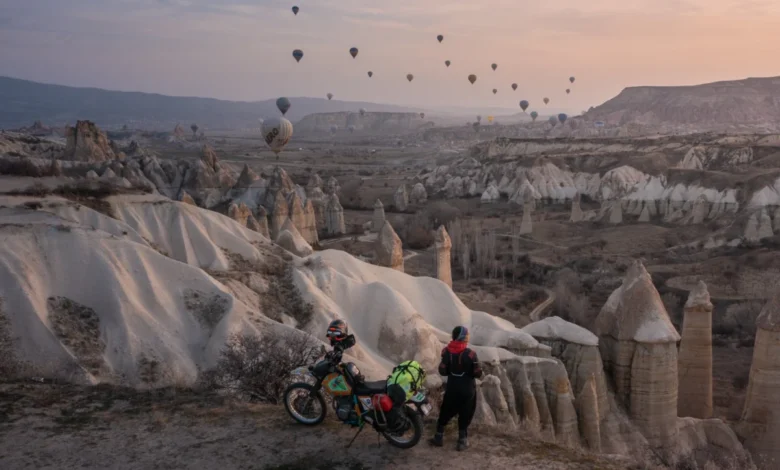
Central Turkey: This area presents a different cultural and topographical landscape. Cappadocia, with its unique fairy chimneys and hot air balloon spectacles, is a major draw. Beyond Cappadocia, the region offers the dramatic mountain scenery of Erciyes and the spiritual heartland of Konya, a center of Sufi culture.
-
Kurdistan (South and East): This region, often misunderstood, is celebrated for its exceptionally friendly people and off-the-beaten-track allure. Kurdish hospitality is legendary, with locals frequently offering tea and food to travelers. The area is rich in historical sites, including abandoned Armenian churches and ancient ruins like Göbeklitepe, alongside vast, unpopulated mountain ranges ideal for exploration.
Navigating Entry and Logistics
Entering Turkey by Motorcycle:
Motorcyclists can enter Türkiye via land borders with Greece, Bulgaria, Georgia, Iran, and Iraq. Sea ferries also operate from Greek islands like Chios and Kos, and from Ukraine to ports like Karasu. Land border crossings are generally straightforward, requiring a passport, valid visa (if applicable), motorcycle insurance, and registration documents. No entry fees are levied for vehicles at land borders.
Motorcycle Insurance:
Third-party motorcycle insurance is mandatory for entry into Turkey. It can typically be purchased at land borders. For sea arrivals, it is advisable to arrange insurance in advance. European riders should verify if their existing "green card" insurance covers Turkey; if not, purchase is required at the border.
Vehicle Duration and Documentation:
Foreign vehicles are permitted in Turkey for up to three months. This duration can be extended to two years for individuals holding a Turkish residency permit. Overstaying this period incurs substantial fines. Riders can leave their motorcycles in Turkey for extended periods by notifying customs and obtaining a declaration document, which must be presented to immigration upon departure.
Required Documents:
A valid motorcycle license is sufficient for riding in Turkey; an International Driving Permit (IDP) is not legally required, nor is a Carnet de Passage, which is typically needed for onward travel into countries like Iran or Iraq.
Motorcycle Rental:
Motorcycle rental is available, with Istanbul and Antalya offering the most options. However, rental costs can be relatively high due to import duties. Websites like Riderly.com and MotorcycleRentalTurkey.com can provide current pricing and availability.
Fuel and Infrastructure:
Fuel stations are abundant across Turkey, with most offering full-service fueling. Credit cards are widely accepted. While fuel is not as cheap as in oil-rich neighboring countries, it is generally less expensive than in Western Europe. Brands like Opet and BP are noted for quality fuel.
Toll Roads (HGS):
Toll roads in Turkey are automated and require an HGS (High-Speed Geçiş Sistemi) tag affixed to the vehicle. These can be obtained at select Shell stations and PTT post offices. While the author’s personal experience suggests enforcement on motorcycles may be lax, fines are issued for non-compliance, which can be settled within 15 days to avoid escalation.
Speed Limits and Fines:
Motorcycle speed limits in Turkey are generally lower than for cars, though enforcement can vary. Speed cameras are present, particularly near major cities. Fines for traffic violations, if incurred by foreign vehicles, are typically settled at the border upon departure. Checking for outstanding fines is possible via a government website.
Safety Gear:
While helmet use is becoming more enforced in larger cities, it is not strictly mandated nationwide. However, wearing a helmet is strongly recommended for safety. Other protective riding gear is not legally required but is advisable for rider safety.
Mechanics and Parts:
Motorcycle workshops are common in towns and cities, offering relatively inexpensive labor. While imported spare parts can be challenging to find, Turkish mechanics are adept at fabricating custom parts when necessary, often at a lower cost and with efficient turnaround times. Resources like iOverlander and Google Maps can help locate repair facilities.
Accommodation:
Finding hotels is straightforward, with various booking platforms available (note: Booking.com may require a VPN due to a ban in Turkey). Securing safe parking for motorcycles can be a challenge; many riders opt for paid garages or park their bikes directly in front of their accommodation, often covered.
Motorcycle Camping:
Wild camping is legal and encouraged in many areas of Turkey, offering a secure and often picturesque option for overnight stays. Apps like iOverlander and Park4Night are valuable for identifying suitable camping spots. Responsible camping practices, including leaving no trace, are essential.
Off-Road Riding:
Turkey boasts extensive off-road trail networks, including the Trans Euro Trail (TET) Turkey. These trails offer spectacular scenery and are generally manageable for riders with moderate off-road skills. It is advisable to ride cautiously and, if possible, with a companion in remote areas.
Emergency Services:
In case of emergencies, the following numbers are critical: 112 for general emergency services, 155 for police, and 110 for fire.
Turkey’s rich history, diverse geography, and welcoming populace create an exceptional environment for motorcycle travel. By understanding the logistical and cultural nuances, riders can embark on an unforgettable journey through this captivating transcontinental nation.
Related posts: