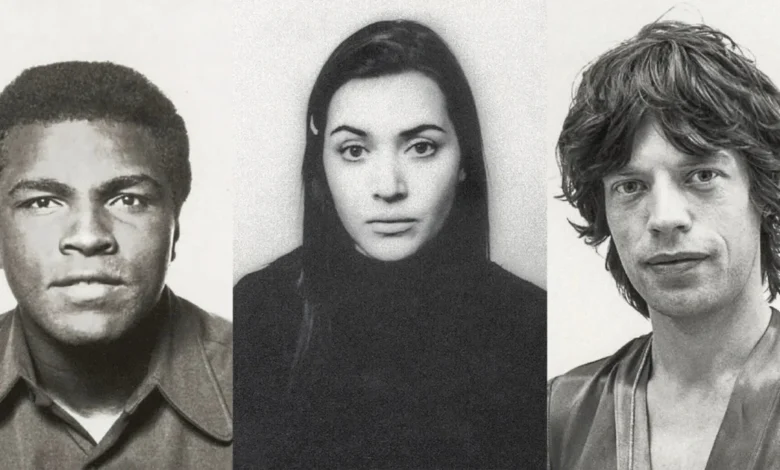
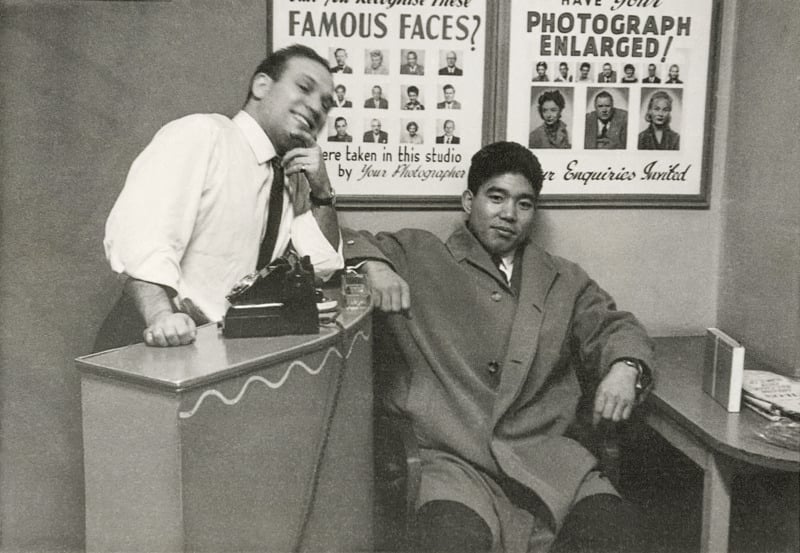
The unassuming storefront of Passport Photo Service, nestled on London’s Oxford Street, was a portal not just for official documentation, but for an extraordinary collection of candid celebrity portraits. For decades, this small studio, founded in 1953, cultivated a unique archive, capturing the likenesses of global icons in the most utilitarian of settings: the passport photo booth. Now, this remarkable visual history has been brought to light in the recently published book, Passport Photo Service: An Unexpected Archive of Celebrity Portraits, offering a fascinating glimpse into the lives of the famous through the lens of everyday necessity.
The genesis of Passport Photo Service was rooted in pragmatism. Its strategic location near the United States and Canadian embassies in London made it a convenient stop for individuals requiring official photographic documentation. The establishment’s early claim to fame was its audacious promise: "Ready in 10 Minutes." This swift turnaround, revolutionary for its time, was made possible by the integration of advanced photographic processing technology. The automatic Kodak Veribrom processor, a marvel of its era, could develop prints in under five minutes, a speed that set Passport Photo Service apart from its competitors and contributed to its enduring appeal.
David Sharkey, the photographer at the heart of this archive, began his career at the tender age of 16 within the very walls of the studio. The family affair was evident, with his mother, uncle, and father also contributing to the operation. This intimate environment likely fostered a sense of familiarity and ease, which, coupled with Sharkey’s skill, contributed to his reputation for capturing flattering, yet authentic, passport photos. His unique ability to make even the most camera-shy celebrities appear at ease transformed the often-dreaded passport photo session into something more akin to a brief, yet significant, personal encounter. As loyal customer Stephen Fry remarked, those who sat for Sharkey "always left feeling that we had participated in a ritual that elevated us to a special kind of club." This sentiment speaks to the unique atmosphere and personal touch that defined the Passport Photo Service experience.
A Pantheon of Stars Through a Passport Lens
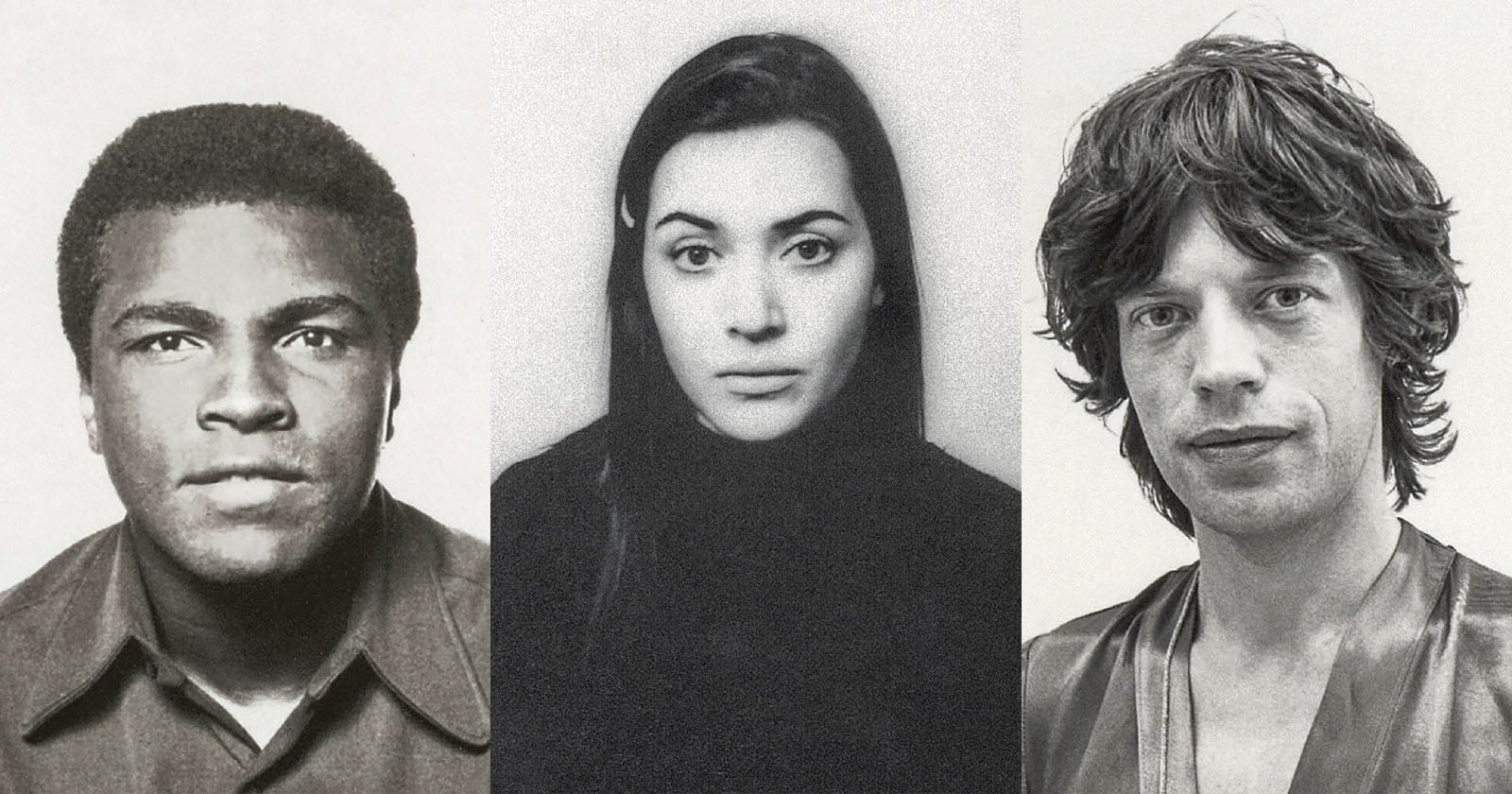
The sheer breadth of talent that passed through Passport Photo Service is staggering. The newly released book showcases a curated selection of these images, transforming the utilitarian ID portrait into a compelling social document. Among the luminaries featured are:
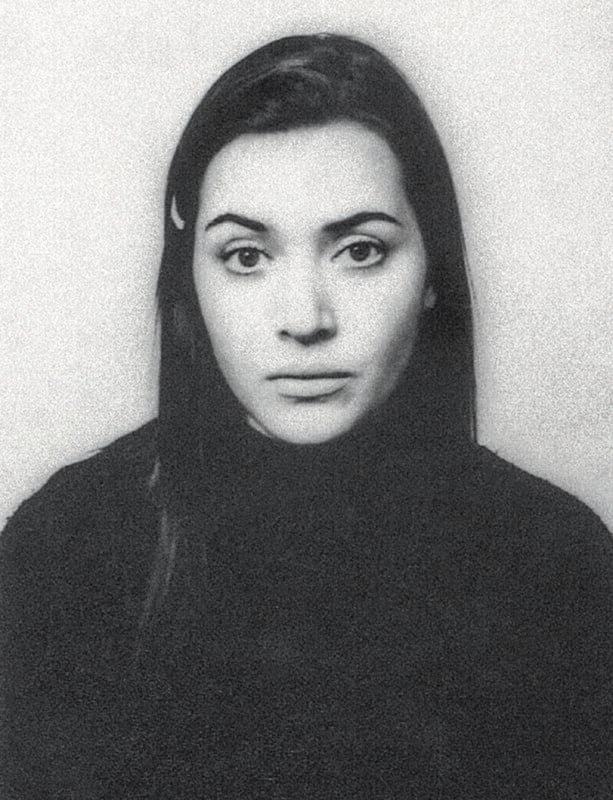
- Kate Winslet: The Oscar-winning actress, captured in a striking black and white portrait, her youthful intensity evident even in the constraints of a passport photo. The image, dated October 2, 1997, offers a snapshot of Winslet prior to some of her most iconic roles, yet her star power is undeniable.
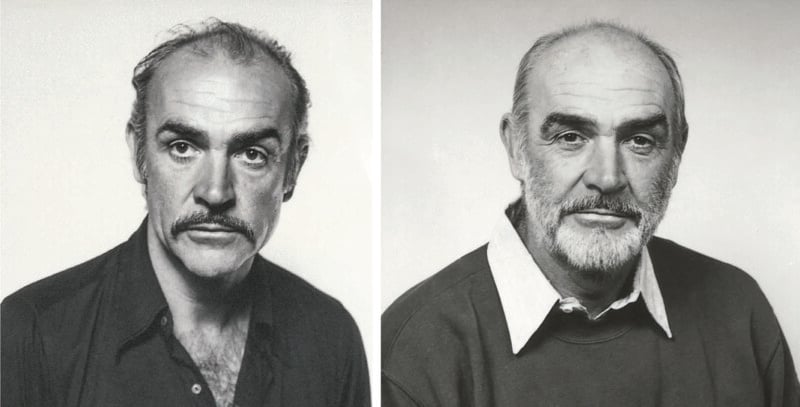
- Sean Connery: The legendary James Bond actor appears in dual portraits, one from September 14, 1977, and another from May 15, 1982. These images reveal the subtle shifts in his appearance over time, demonstrating the studio’s long-standing relationship with prominent figures.
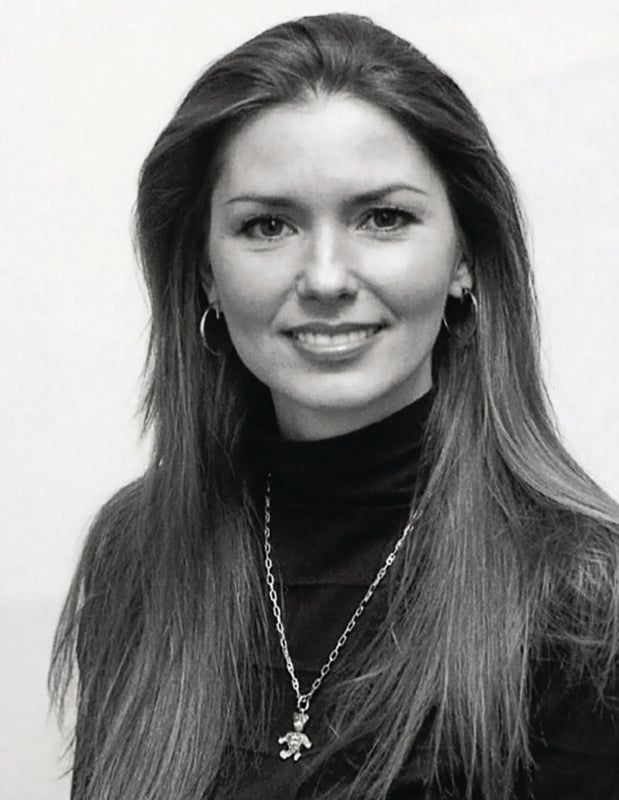
- Shania Twain: The country music superstar, photographed on March 5, 2003, her characteristic poise visible even in the formal setting. The image highlights a period of significant global success for Twain.
- Mick and Bianca Jagger: A fascinating pairing, both captured on June 1, 1976. Their portraits offer a glimpse into the iconic couple during a vibrant era of music and culture. Mick’s image shows him with his signature rockstar swagger, while Bianca’s portrait exudes an effortless chic.
- Muhammad Ali: The legendary boxer, photographed on June 11, 1974, signed with a dedication to Philip Sharkey, reading "To Philip Free." This personal touch underscores the rapport between the subjects and the photographer, and Ali’s inscription hints at a connection beyond a simple transactional photo session. This was a period leading up to the iconic "Rumble in the Jungle" fight, adding a layer of historical significance to his portrait.
- Madonna: While not explicitly detailed with a date in the provided excerpts, her inclusion in the book signifies her visit to the studio, adding another layer of global superstardom to the archive.
- Angelina Jolie: Another significant figure whose presence in the archive speaks to the studio’s draw for Hollywood’s elite.
- Tilda Swinton: Known for her distinctive and often avant-garde style, Swinton’s passport portrait would undoubtedly offer a unique perspective within the collection.
- David Hockney: The influential artist, whose presence in the book suggests the studio catered to a wide array of prominent individuals across the cultural spectrum.
The book’s title, Passport Photo Service: An Unexpected Archive of Celebrity Portraits, accurately reflects the serendipitous nature of this collection. It was not the intention of the studio to create a celebrity archive, but rather to serve the practical needs of its diverse clientele. However, the sheer volume of famous faces that frequented the establishment, combined with David Sharkey’s skill, resulted in an unintentional yet invaluable historical record.
The Evolution of a Studio and its Archive
The establishment of Passport Photo Service in 1953 marked the beginning of a decades-long journey. David Sharkey’s early involvement, starting at 16, means he was likely present for much of the studio’s most active period. The technological advancement of the Kodak Veribrom processor was a critical factor in the studio’s success, enabling the rapid turnaround that became its hallmark. This speed was not merely a convenience; it allowed for a more fluid and less time-consuming experience for individuals who were often on tight schedules.
The studio’s reputation for producing flattering portraits likely extended through word-of-mouth. In an era before the ubiquity of digital photography and instant selfies, a well-executed passport photo was crucial. The meticulous attention to lighting, background, and posing, even within the strict parameters of passport regulations, would have been appreciated by those accustomed to professional photography.
The "Celebrity Board," a visual testament to the studio’s clientele, further illustrates the caliber of individuals who patronized Passport Photo Service. This display, a collage of numerous small portraits, likely served as both a point of pride for the studio and a subtle endorsement for potential customers. The presence of such a board suggests a conscious recognition of the unique clientele the studio served.
Publication and Broader Impact
The publication of Passport Photo Service: An Unexpected Archive of Celebrity Portraits by Phaidon, a renowned publisher of art and photography books, elevates this collection from a personal archive to a significant cultural artifact. The book, available for $24.95, aims to "transform the utilitarian ID portrait into a fascinating social document." This ambition is realized through the careful selection and presentation of these images, which offer a different perspective on familiar faces.
The implications of this collection extend beyond mere celebrity gawking. It provides a unique lens through which to view the evolution of celebrity culture, fashion, and even the changing landscape of photographic technology. The black and white portraits, imbued with a timeless quality, capture individuals at various stages of their careers and lives, offering a historical narrative woven through the fabric of passport applications.
In an age saturated with carefully curated online personas and ubiquitous smartphone photography, the stark simplicity and candid nature of these passport photos offer a refreshing contrast. They remind us that even the most public figures have official, functional needs, and that sometimes, the most revealing portraits are captured not under the glare of a studio spotlight, but within the confines of a passport photo booth. The legacy of Passport Photo Service, through this published archive, ensures that these unexpected moments in the lives of global icons will continue to fascinate and inform for years to come. The book serves as a testament to the enduring power of photography to capture moments, preserve history, and reveal the human element even in the most formal of settings.