The Golden Days of Crowd-Free Backcountry Skiing in Jackson Hole Are Over: Navigating a New Era of Responsible Recreation

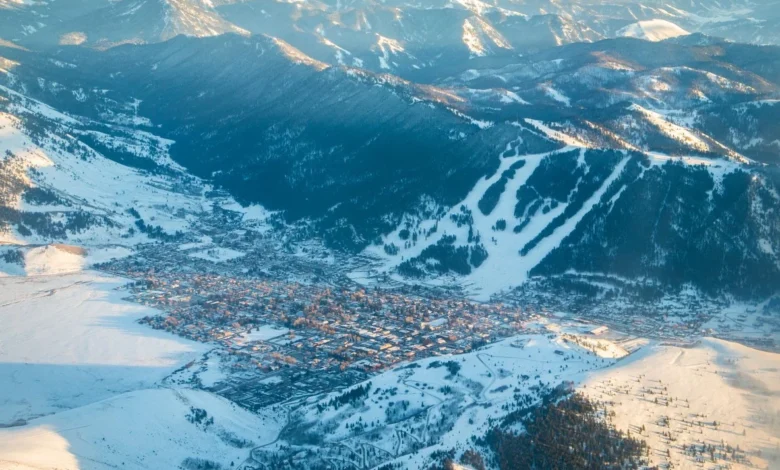
The allure of pristine, untracked powder and the majestic solitude of the Tetons have long drawn backcountry skiers to Jackson Hole, Wyoming. However, the “golden days” of crowd-free slopes are now a distant memory, replaced by bustling trailheads and quickly tracked-out runs. As backcountry skiing experiences an unprecedented surge in popularity, this iconic region faces the critical challenge of balancing burgeoning visitation with the imperative to preserve its delicate environment and ensure the safety and enjoyment of all who seek its renowned snow.
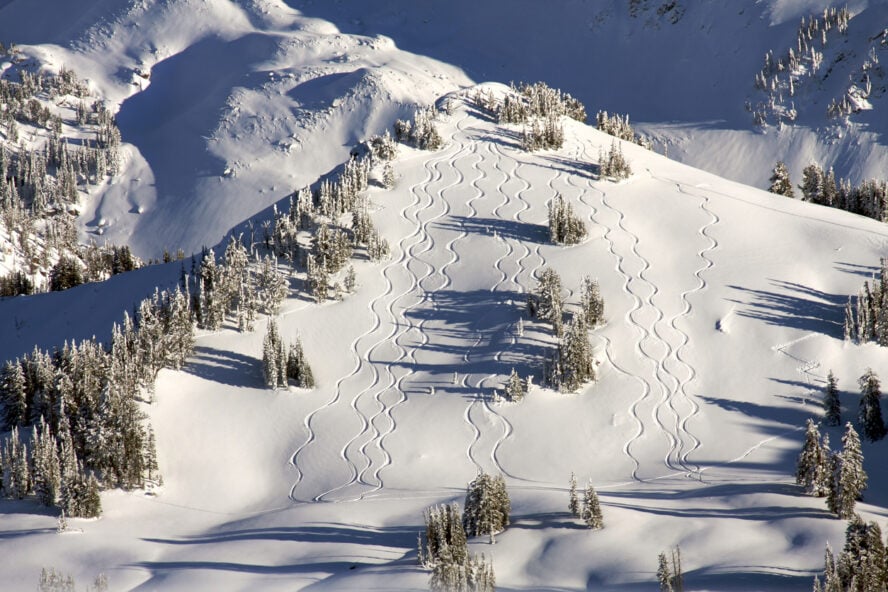
Jackson Hole, with its dramatic vertical relief, legendary snowfall, and accessible terrain, has cemented its reputation as a world-class skiing destination. From the dawn patrol laps on Teton Pass to ambitious multi-day tours deep within Grand Teton National Park, the pursuit of endless backcountry turns is a near-daily ritual for both the valley’s residents and the tens of thousands of annual visitors. This popularity, while a testament to the area’s extraordinary offerings, has brought with it significant pressures, transforming once-serene wilderness into spaces that, at times, resemble busy resort mogul fields. The mad dash to trailheads following fresh snowfall, with classic lines tracked out before 9 a.m., underscores an urgent need for collective responsibility and a redefined approach to recreating on these cherished public lands.

The Irresistible Draw of Jackson Hole’s Backcountry
The Tetons’ appeal is multifaceted and profound. The jagged skyline, boasting some of the Lower 48’s most dramatic peaks, combines with notoriously high annual snowfall totals to create a skier’s paradise. Steep, iconic lines and challenging ski mountaineering objectives beckon expert skiers from across the globe, eager to test their mettle on terrain that has shaped legends. Figures like Bill Briggs, often credited with pioneering modern ski mountaineering in the Tetons, along with Doug Coombs and Kit DesLauriers, have laid the groundwork for generations of skiers pushing the sport’s boundaries. Their exploits cemented the Tetons’ place in backcountry lore, further amplifying its mystique.
Yet, the Tetons are not solely for the extreme athlete. The region also offers a lifetime of wide-open tree skiing, long sustained fall lines, and playful meadows, all often with remarkably convenient roadside access. This diversity makes it an ideal proving ground for those just beginning their backcountry journey, fostering a vibrant community of all ability levels on the skintrack. The almost postcard-perfect vistas from nearly every angle only add to its magnetic charm. With Teton Pass, Grand Teton National Park, and accessible backcountry zones around Jackson Hole Mountain Resort all less than 30 minutes from downtown, maximizing time on snow is uniquely feasible here, explaining much of the area’s burgeoning popularity.
A Surge in Visitation: Context and Consequences
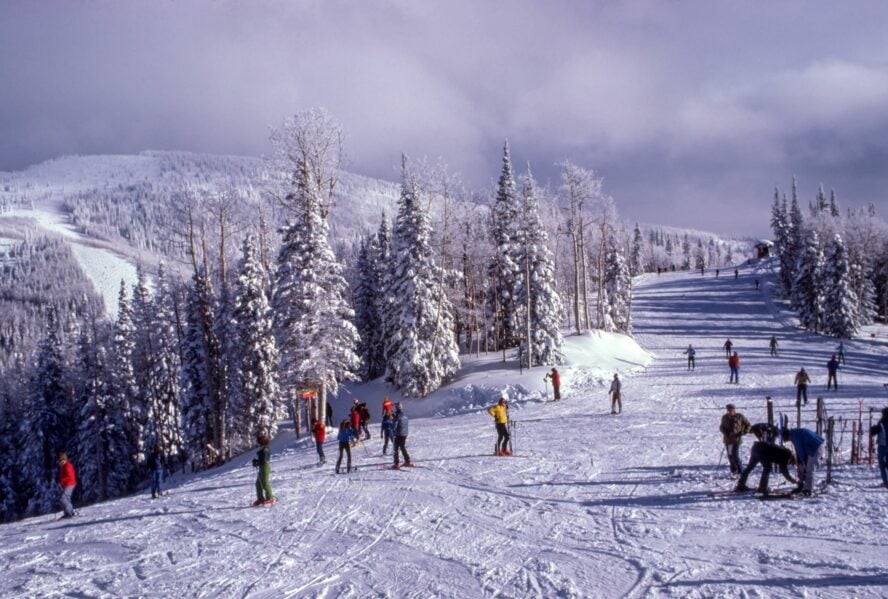
The growth in outdoor recreation across the United States has been exponential in recent years, significantly accelerated by the COVID-19 pandemic. People flocked to natural spaces for solace, exercise, and escape, and this trend has largely persisted. Grand Teton National Park, for instance, reported 3.8 million recreation visits in 2022, a substantial increase from previous years, highlighting the broader demand for outdoor experiences. While summer months account for the majority of these visits, the winter season has also seen a dramatic uptick, particularly in self-propelled activities like backcountry skiing.
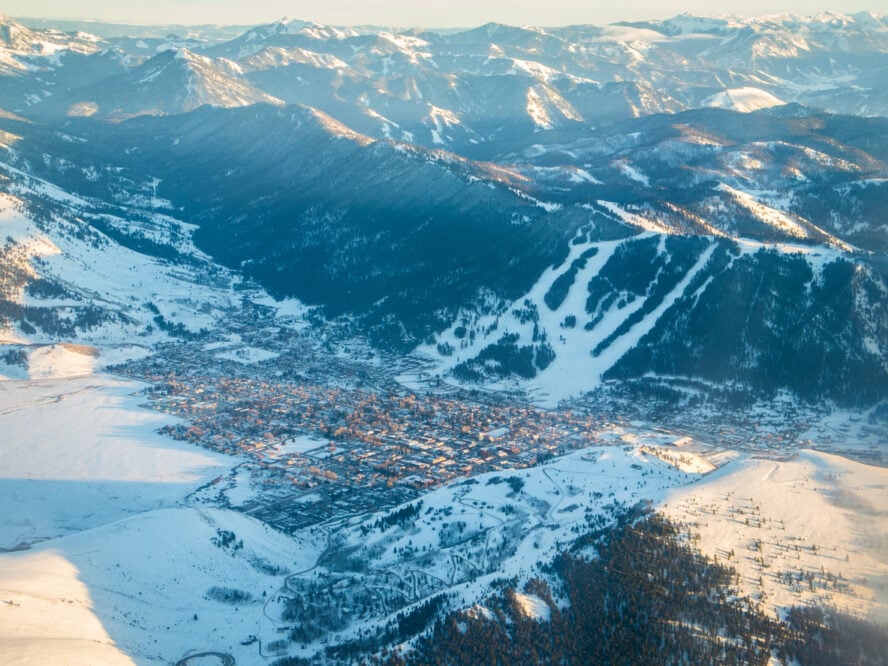
For a valley with a year-round population of approximately 24,000, hosting between 2 to 2.5 million visitors annually places immense pressure on infrastructure, natural resources, and the local community. The sight of numerous ski bags hitting the luggage belt at Jackson Hole Airport is a tangible sign of this winter influx. While visitors seek a vacation experience, locals are navigating their daily lives in a place increasingly stretched by demand. The responsibility of stewardship, therefore, falls to both residents and guests, demanding a collective commitment to treading lightly.
Collaborative Efforts to Safeguard Access and Environment
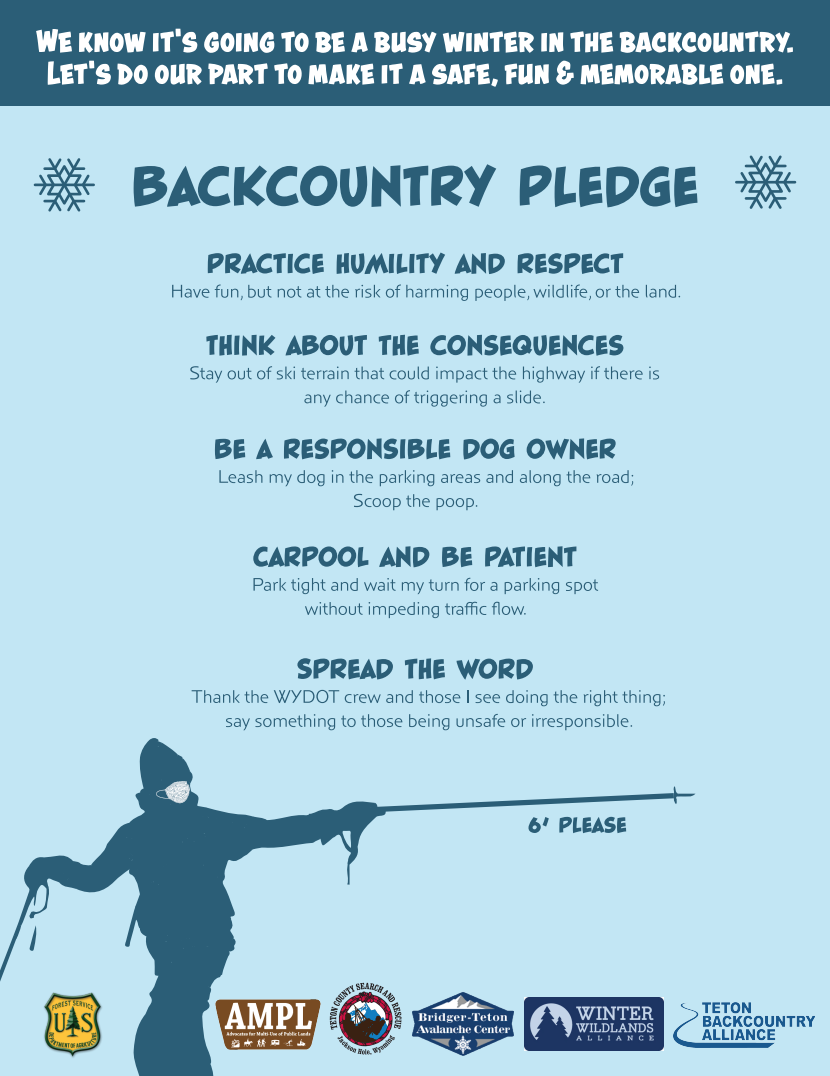
The increasing pressures on the Jackson Hole backcountry have not gone unnoticed. Challenges such as skier-triggered avalanches impacting Teton Pass highway, severe parking congestion, pedestrians walking dangerously on the highway, and issues related to dog management have spurred local initiatives. In 2017, a group of dedicated local skiers founded the Teton Backcountry Alliance (TBCA) with a clear mission: to promote safety, education, and conservation to ensure the long-term preservation of backcountry skiing access in the Tetons.
The TBCA acts as a crucial bridge between recreational users and land management agencies. Through a team of over a dozen volunteer ambassadors, the organization actively collaborates with entities like the Bridger-Teton National Forest (BTNF) and the Wyoming Department of Transportation (WYDOT). These partnerships are vital for sharing best practices, disseminating critical information, and developing etiquette solutions that enhance safety and sustainability for everyone. As Gary Kofinas from the TBCA notes, "Sometimes ‘common knowledge’ is in fact, commonly inaccurate, or shifts in community behavior lead to better and safer outcomes for everyone." This highlights the importance of ongoing education and adaptation in a rapidly changing environment.
Essential Etiquette for Sustainable Backcountry Skiing in the Tetons
To foster a sustainable backcountry culture, adherence to a set of widely accepted etiquette guidelines is paramount. These go beyond basic avalanche education and equipment preparedness, addressing the social and environmental impacts of increased usage.
1. Mindful Navigation of Crowded Trailheads and Limited Parking:
Teton Pass, a primary gateway to many popular backcountry routes, frequently experiences significant parking congestion. It is not uncommon for a queue of cars to form at the summit before 7 a.m. on a powder day, exacerbated by commuter traffic between Jackson and Teton Valley.
- What You Should Do: Anticipate delays, especially on weekends and during peak weekday times (dawn patrols, lunch laps after fresh snow). Consider alternative trailheads like Phillips Bench, Coal Creek, or Old Pass Road if the main lot is full. Carpooling is highly encouraged; the Stilson Parking Lot in Wilson (Village Road Transit Center) offers a free and convenient option to consolidate vehicles. Park tightly and efficiently once a spot is secured. Respect the queue for parking spots, and if TBCA ambassadors are present, follow their directions. Illegal parking can lead to fines and towing, further exacerbating congestion and creating safety hazards.
2. Proactive Utilization of Local Resources:
The Tetons present a complex intermountain snowpack, typically deeper and often more stable than continental regions like the Colorado Rockies. However, persistent weak layers can linger throughout winter, and high winds are a constant factor leading to dangerous wind slab avalanches at mid-to-high elevations. Thorough preparation is non-negotiable.
- What You Should Do: Prioritize consulting the Bridger-Teton Avalanche Center (BTAC) daily avalanche forecast. This resource provides crucial information on snowpack stability, danger ratings, and observations from forecasters and the public. Attend BTAC’s "State of the Snowpack" discussions, held every other Wednesday at Headwall Sports, for in-depth analysis from forecaster Mike Rheam. Supplement this with local guidebooks, such as Tom Turiano’s "Teton Pass Backcountry Guide" and "Jackson Hole Backcountry Skier’s Guide: South," which offer invaluable route descriptions and local knowledge. For emergencies, download the Backcountry Zero app, which streamlines communication with local rescue resources. Local gear shops and outfitters are also excellent sources for real-time conditions and advice.
3. Acute Awareness of What (and Who) is Below You:
Many popular ski runs on Teton Pass, notably Glory Bowl and Twin Slides, have slide paths that can directly impact the highway below. Skier-triggered avalanches hitting the road have occurred in the past, fortunately without fatalities, but they pose severe risks to motorists and can lead to highway closures, threatening future access. Furthermore, with hundreds of skiers in the backcountry on a given day, the risk of dropping in on another party is significant.
- What You Should Do: Prioritize communication. As Kailey Mckenna, a guide and avalanche educator at Jackson Hole Mountain Guides, emphasizes, "Talk to other parties, even if you’re not in really big terrain it can still be stressful if you don’t know who’s dropping first. Communication is huge, both within your group and with other parties." For larger objectives in Grand Teton National Park, research lines thoroughly and understand the common "top-down" approach, where parties typically descend a line once they’ve climbed it. Avoid booting up popular lines if skiers are already above you, and communicate plans with other groups at the trailhead. Always have a backup plan (or A, B, and C) if your intended line is already occupied, rather than forcing a descent or creating a risky situation. The tragic accident in Silver Couloir on Nez Perce, where a solo snowboarder triggered an avalanche by dropping on a climbing party, highlights the critical importance of communication and yielding to parties already in a line.
4. Adherence to Dog Management Regulations:
While Teton Pass permits skiing with dogs, specific regulations are in place to manage their impact.
- What You Should Do: Keep your dog on a leash in the parking lot and near trailheads to avoid a $200 fine. Always scoop your dog’s waste; leaving it behind pollutes the environment and detracts from the experience for others. Be acutely aware of your dog’s location and behavior in the backcountry. Dogs can inadvertently wander into steeper, more dangerous avalanche terrain, or disturb wildlife. On crowded days or in consequential terrain, consider leaving your dog at home to minimize risks to them, other skiers, and wildlife. Respect other skiers who may be nervous around dogs.
5. Comprehensive Understanding of Wildlife Closures and Guidelines:
The Tetons are home to diverse wildlife, many of which are particularly vulnerable during the harsh winter months. Seasonal closures are implemented to protect these animals from unintended disturbances, which can deplete their critical energy reserves.
- What You Should Do: Familiarize yourself with current seasonal closures, which are typically aimed at protecting endangered bighorn sheep (primarily in Grand Teton National Park and parts of Bridger-Teton National Forest), elk, and mule deer. These closures are often voluntary but are crucial for maintaining healthy wildlife populations and preventing more restrictive regulations in the future. Maps detailing these closures are available from the Teton Conservation District, BTNF, and GTNP websites. If you encounter wildlife, such as a moose on Old Pass Road, give them ample time and space. As Kofinas advises, "Stop and wait, don’t try to run them off." Disturbing wintering animals forces them to expend precious energy, impacting their survival.
6. Considering the Expertise of a Professional Guide:
For those unfamiliar with the Tetons or looking to deepen their backcountry knowledge, hiring a local ski guide offers unparalleled advantages.
- What You Should Do: A guided backcountry skiing tour in Jackson Hole can significantly enhance your experience by taking the hassle out of trip planning, providing expert navigation, and offering invaluable local insights into snow conditions, terrain, and hazards. Guides can also tailor the day to specific learning objectives, such as refining skinning techniques or avalanche risk assessment. While concerns about guided groups contributing to overcrowding sometimes arise, guiding operations in the Tetons operate under specific permit systems that effectively disperse their use across the range. For example, Teton Backcountry Guides might have more permits for Teton Pass, while Jackson Hole Mountain Guides and Exum operate extensively in Grand Teton National Park. This regulated dispersal ensures that guided parties generally do not monopolize terrain. Moreover, hiring a guide directly supports local businesses and contributes to the community, creating a mutually beneficial arrangement.
Preserving the Backcountry Experience for Future Generations
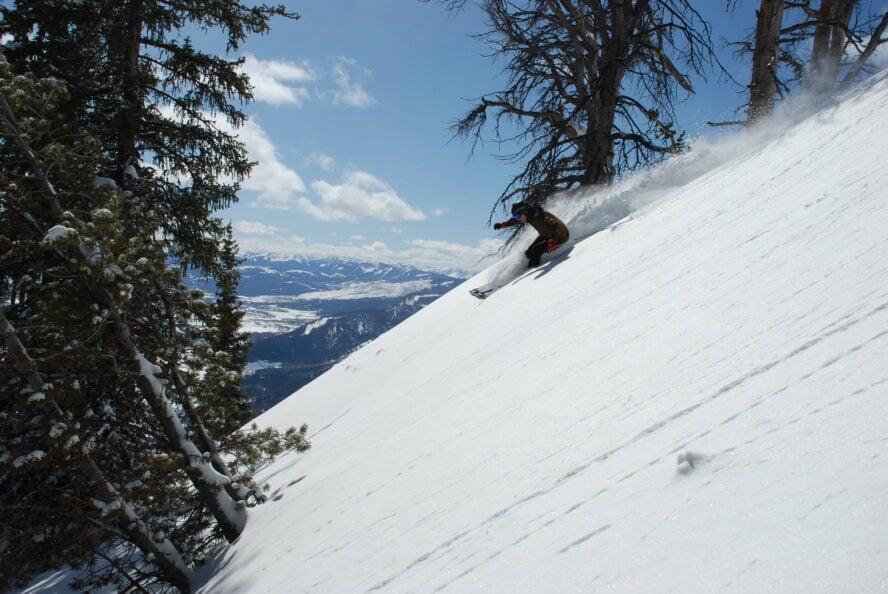
The increasing pressure on the Jackson Hole backcountry demands a collective shift towards a more responsible and sustainable culture. "I’m really pleased that people are taking the need to be good stewards seriously, and I hope that continues," remarks Gary Kofinas. At its core, responsible backcountry recreation boils down to communication, respect, and the "golden rule."
If uncertainties arise, asking questions—whether of TBCA ambassadors on Teton Pass, fellow skiers at the trailhead, or professional guides—is always encouraged. Equally important is the mantra, "If you don’t know, don’t go." This ethos prioritizes safety and informed decision-making above all else. By actively working together to be good stewards of the land, locals and visitors alike can ensure that the unique magic of backcountry skiing in the Tetons remains accessible and pristine for generations to come. The future of this extraordinary landscape depends on the conscious choices made by every individual who seeks solace and adventure within its majestic peaks.