The Evolution of Polar Tourism and the Professionalization of Expedition Guiding in the Arctic and Antarctic Regions

The global expedition travel industry is undergoing a significant transformation as the demand for specialized, expert-led voyages to the Earth’s most remote regions continues to rise. This shift is characterized by a move away from traditional "influencer-led" marketing toward a model rooted in professional guiding, scientific education, and long-term environmental stewardship. In particular, the Arctic and Antarctic sectors are seeing a professionalization of the workforce, where seasoned travelers and content creators are transitioning into formal roles as expedition guides and specialized travel consultants. This evolution reflects a broader trend in the high-end travel market: a preference for authentic, community-driven experiences over the curated aesthetics of social media.
The Logistics and Accessibility of Modern Polar Exploration
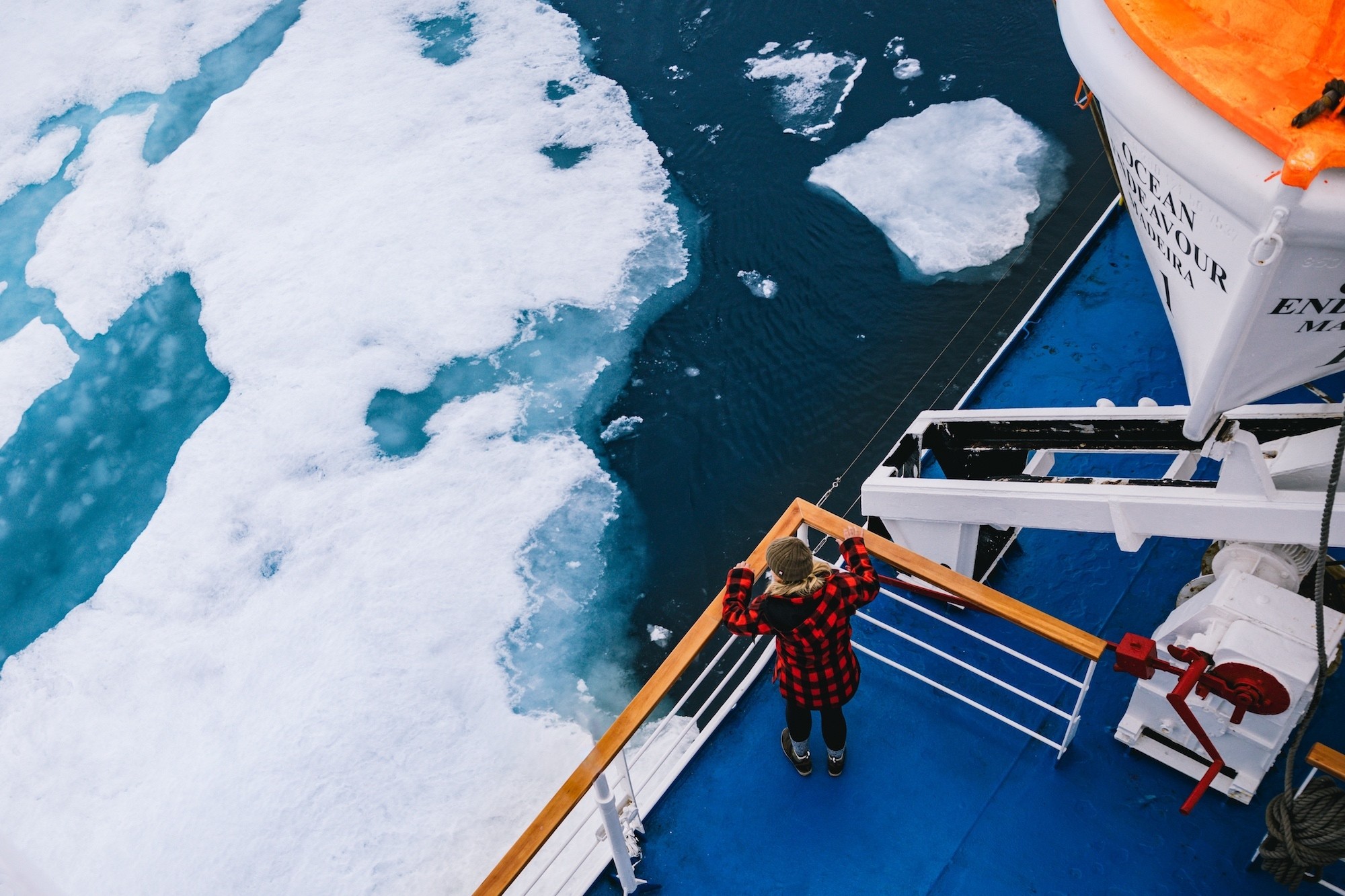
Polar travel remains one of the most logistically challenging sectors of the global tourism industry. Unlike traditional cruise destinations, the Arctic and Antarctic are largely inaccessible to standard commercial vessels. The primary mode of transport is the expedition ship, a vessel specifically designed with ice-strengthened hulls to navigate the volatile conditions of the high latitudes.
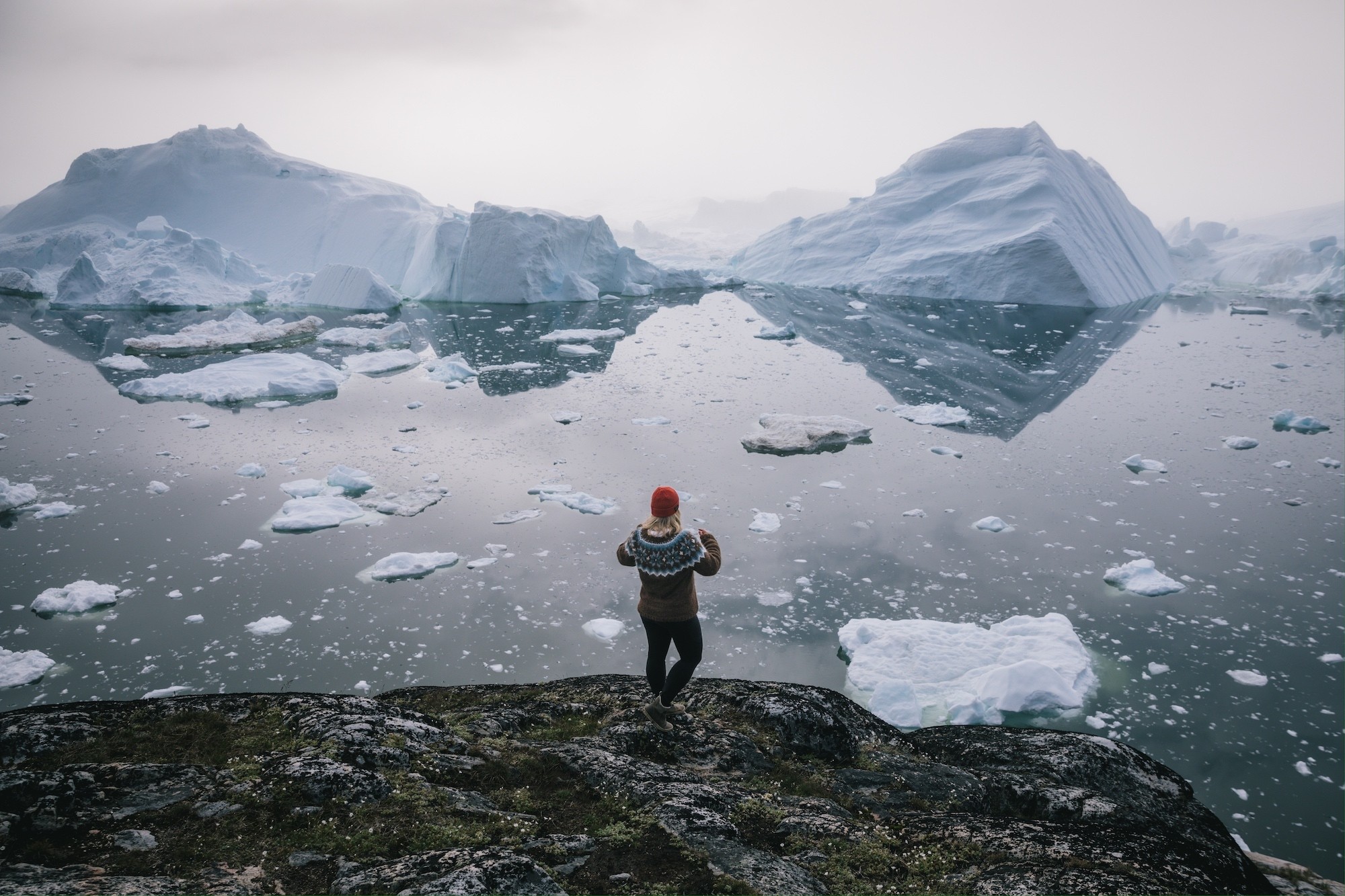
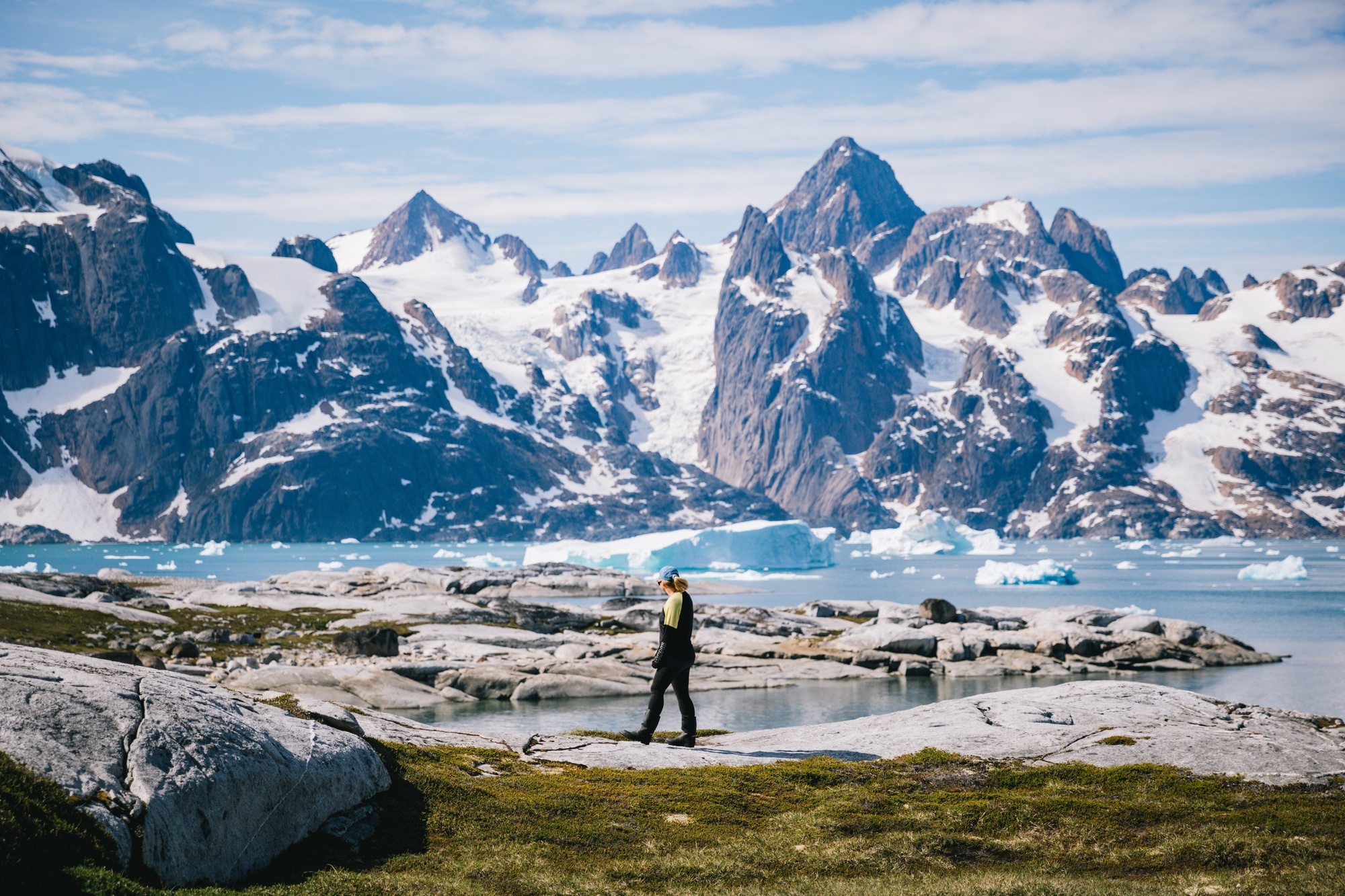
In the Arctic, accessibility is strictly dictated by the seasonal melting of sea ice. For the majority of the year, the region remains locked in ice, with a narrow window for navigation typically opening from late June through September. During this brief summer period, expedition companies such as Adventure Canada facilitate travel through the Northwest Passage, along the coasts of Greenland, and into the Canadian Arctic Archipelago.
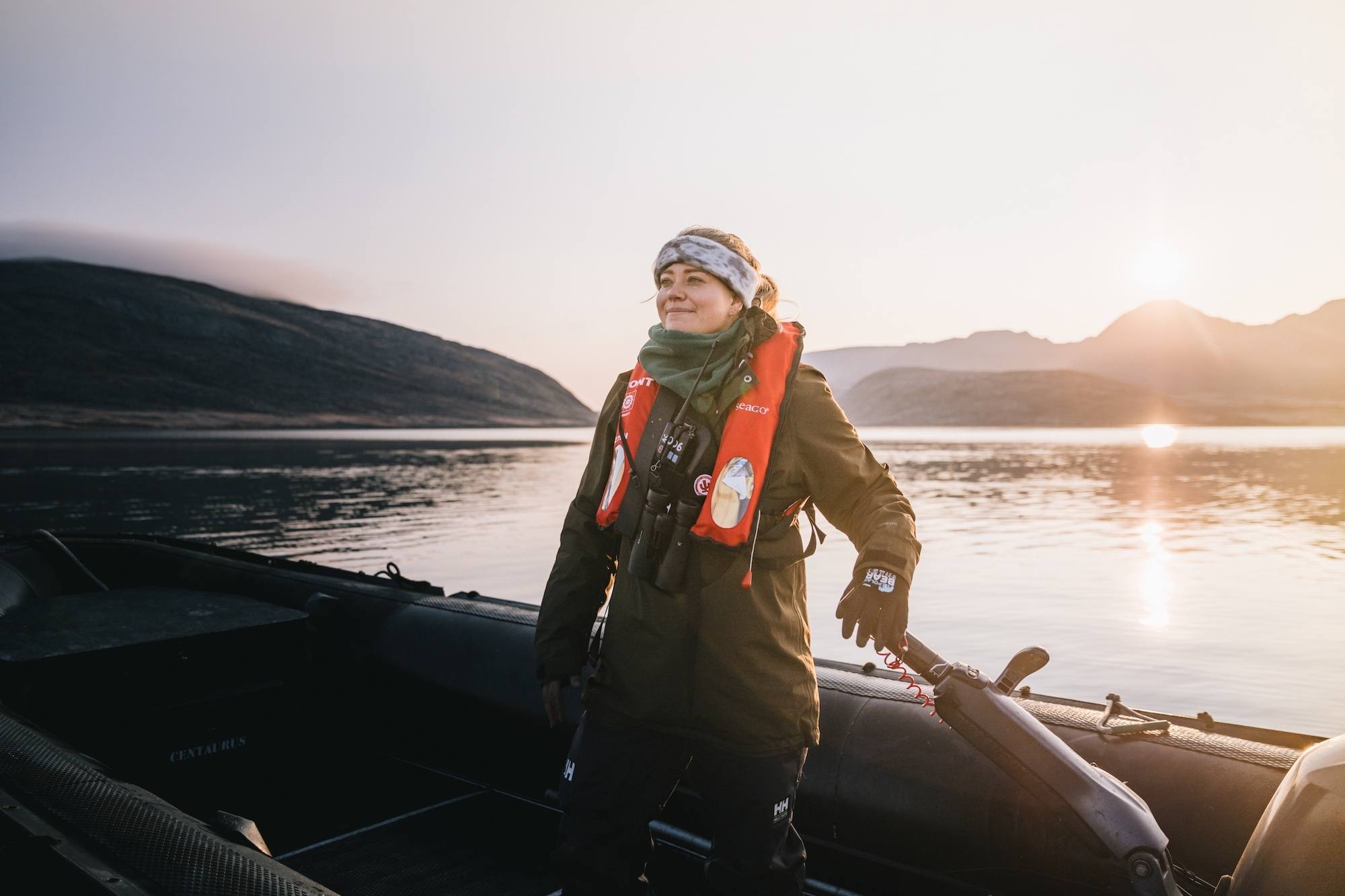
Transportation within these regions is a multifaceted operation. Beyond the primary vessel, travelers and guides rely on Zodiacs—heavy-duty inflatable boats—to navigate shallow fjords and conduct shore landings. In many Arctic communities, where road infrastructure is non-existent, local transit is limited to small aircraft, boats, or snowmobiles during the winter months. This isolation is a primary draw for the modern "expeditioner," a demographic increasingly seeking disconnect from globalized urban centers.
Chronology of a Career Transition: From Content Creation to Professional Guiding
The career trajectory of modern polar professionals often begins in the digital space. The "influencer" era of the 2010s saw a surge in travel bloggers who utilized platforms to document remote journeys. However, the global pandemic of 2020 served as a critical inflection point for many in this field. The subsequent "disillusionment" with the high-paced, competitive nature of social media marketing has led to a professional migration.
Industry experts note that between 2021 and 2024, there has been a notable increase in veteran travel writers seeking formal certification in expedition guiding. This transition involves rigorous training in small-boat handling (Zodiac operations), polar bear safety and firearm proficiency, wilderness first aid, and regional history. This professionalization allows former content creators to integrate their storytelling skills with operational expertise, providing a more substantive value proposition to travel companies.
For many, the shift is also a response to the "hustle culture" of the digital economy. By joining established teams, such as the family-owned Adventure Canada, guides are able to find a sense of community and institutional support that is often lacking in the freelance influencer world. Adventure Canada, founded by the Swan family and now operated by three siblings, represents the "family-run" model of expedition travel that prioritizes high passenger-retention rates—often exceeding 50%—over aggressive mass-market expansion.
Biodiversity and the Historical Significance of Arctic Itineraries
The appeal of the Arctic is rooted in its unique biodiversity and the haunting history of polar exploration. Expedition itineraries are frequently designed around wildlife sightings and historical landmarks, requiring guides to possess deep knowledge of both biology and maritime history.
Marine and Terrestrial Wildlife
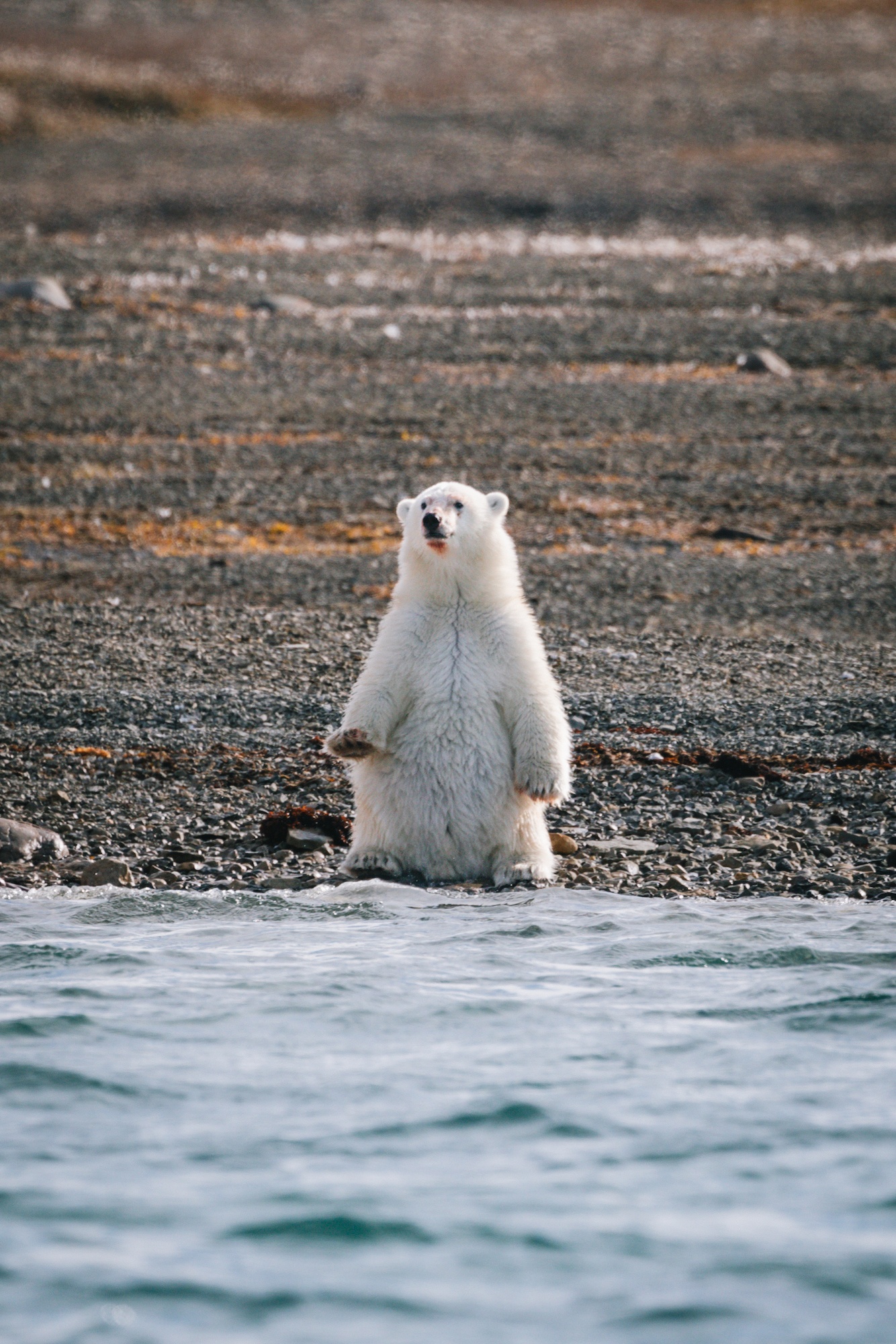
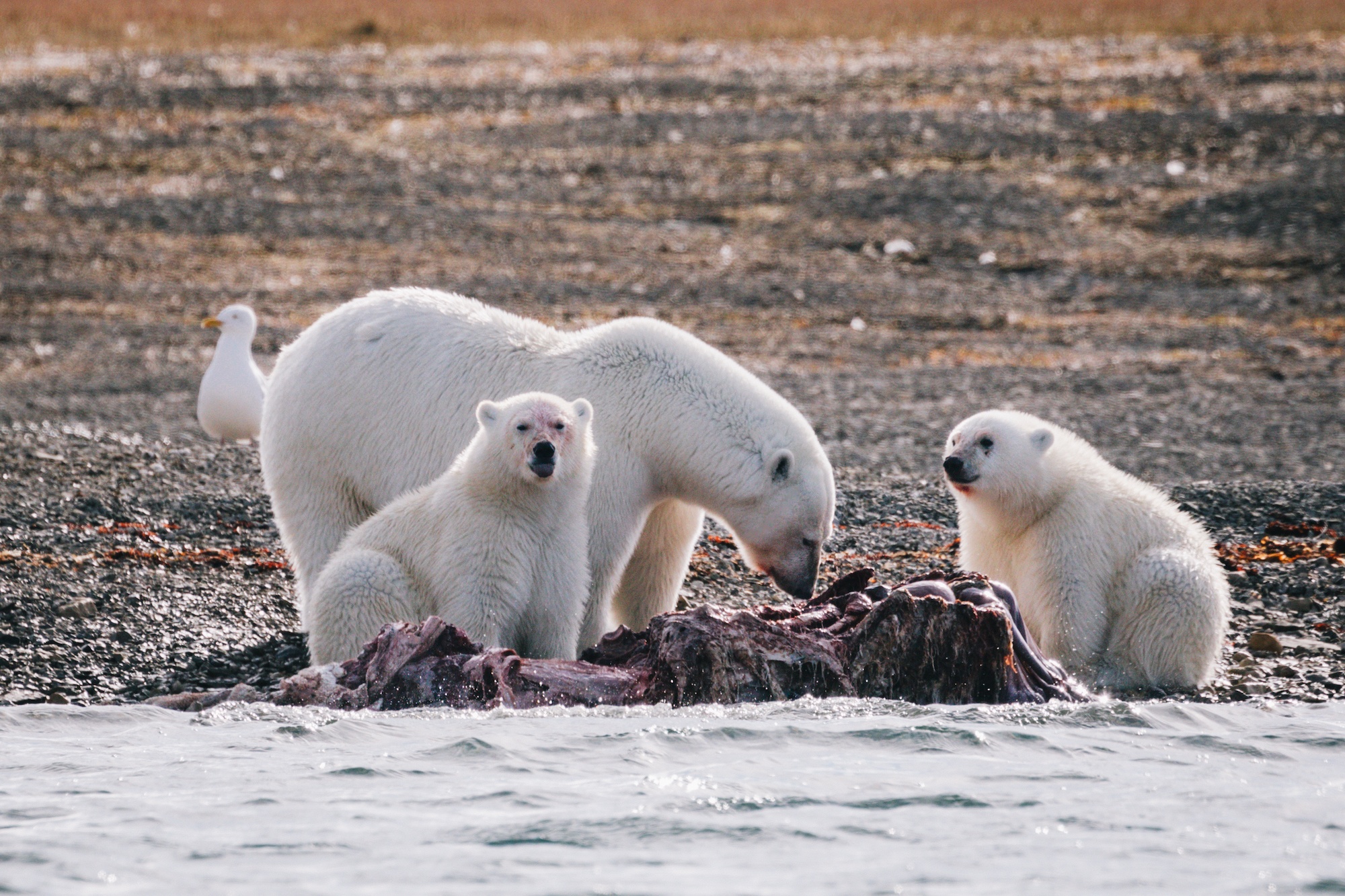
Wildlife encounters are a cornerstone of the Arctic experience. The region is home to approximately 22,000 to 31,000 polar bears (Ursus maritimus) distributed across 19 subpopulations. Sightings, such as a mother and cubs scavenging a beluga whale carcass, are not merely tourist attractions but serve as critical data points for observing the health of the ecosystem. Furthermore, the presence of whales—including bowheads, belugas, and narwhals—requires guides to be well-versed in marine mammal behavior and conservation regulations, such as those set by the Association of Arctic Expedition Cruise Operators (AECO).

The Legacy of the Northwest Passage
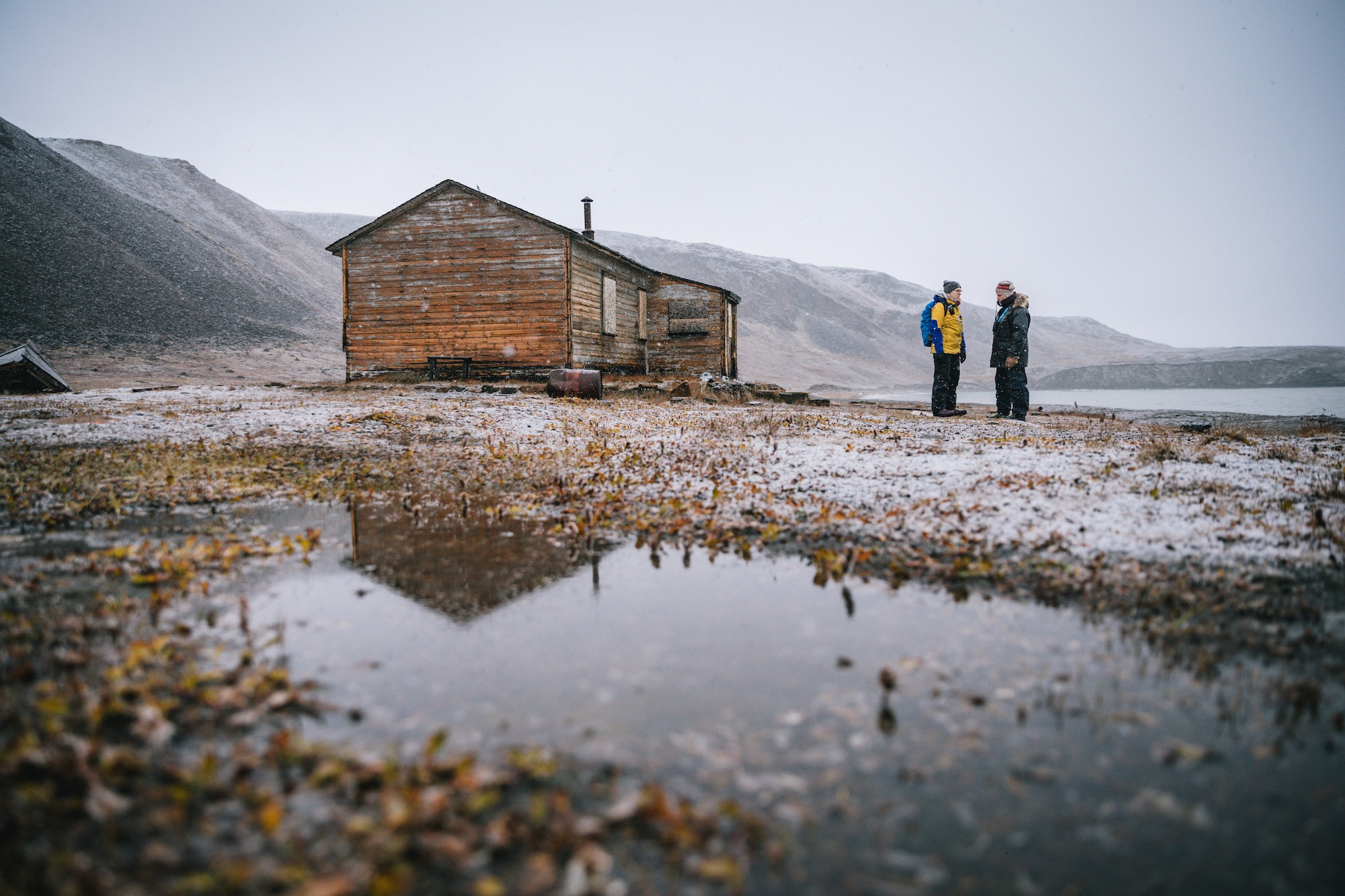
Historical context adds a layer of depth to the physical journey. One of the most significant sites in Arctic history is Beechey Island, a small island in the Canadian Arctic Archipelago. It is best known as the wintering site for Sir John Franklin’s ill-fated 1845 expedition in search of the Northwest Passage. The graves of three crewmen on the island serve as a somber reminder of the dangers of polar exploration. Modern guides facilitate visits to these sites, connecting the 19th-century "Age of Discovery" with contemporary discussions on climate change and the diminishing sea ice that Franklin once found impenetrable.
The Economic Impact and the Travel Consultant Model
As the polar travel market matures, the way these trips are sold is also changing. There is a growing trend toward "referral-based" travel consulting, where experienced guides act as intermediaries between the traveler and the expedition company. This model operates similarly to a specialized travel agent, where the consultant earns a commission on bookings made through their referral.
This shift offers several advantages:
- Expert Vetting: Potential travelers receive advice from individuals who have firsthand knowledge of the ships, the crews, and the specific nuances of different itineraries.
- Professional Transparency: By moving away from "sponsored content" and toward a commission-based referral model, professionals can maintain higher levels of transparency and creative freedom.
- Personalized Experiences: Consultants can match travelers with trips that align with specific interests, whether it be Inuit art and culture, glaciology, or wildlife photography.
Economic data suggests that the polar tourism market is expected to grow as travelers prioritize "once-in-a-lifetime" experiences. According to industry reports, the luxury expedition cruise market is one of the fastest-growing segments of the travel industry, with a projected compound annual growth rate (CAGR) of over 7% through 2030.
Official Responses and the "Ambassador" Philosophy
Conservationists and industry leaders often emphasize the "Ambassador" philosophy of polar travel. The International Association of Antarctica Tour Operators (IAATO) and its Arctic counterpart, AECO, argue that responsible tourism creates a global network of advocates for polar protection.
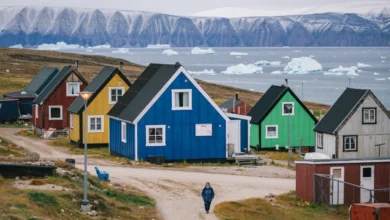
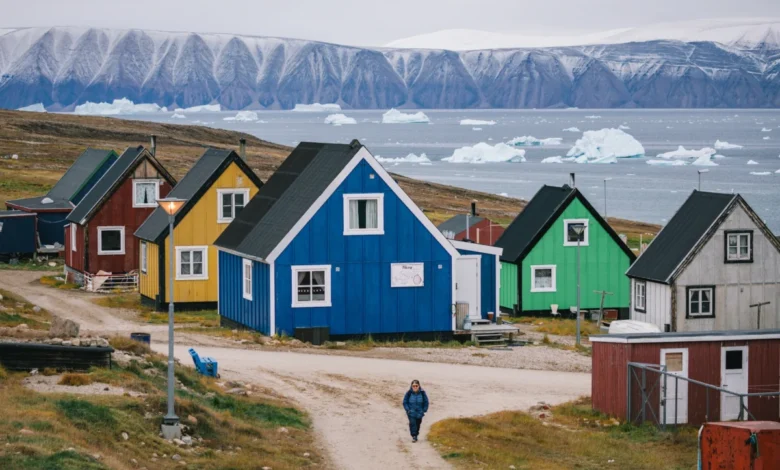
"The goal of expedition travel is not just to see these places, but to understand them," states one industry analyst. "When a traveler stands on the sea ice or visits a remote Inuit community in Greenland, they develop a visceral connection to the region. They return home as ambassadors who are more likely to support climate policy and conservation efforts."
This sentiment is echoed by the guides themselves, who view their roles as educators rather than just facilitators. The transition from an influencer—who often focuses on the "self" in the landscape—to a guide—who focuses on the landscape and its inhabitants—is a critical component of this educational mission.
Broader Implications for the Future of Remote Travel
The professionalization of the polar guiding workforce has broader implications for the future of remote travel. As more experts enter the field, the quality of education and safety on these voyages is likely to improve. Furthermore, the move toward specialized travel consulting may reduce the "noise" of traditional travel marketing, leading to a more informed and respectful class of traveler.
However, this growth also brings challenges. The increasing number of ships in the Arctic and Antarctic requires stringent regulation to prevent environmental degradation and to ensure that local communities benefit from the influx of visitors. The "community-first" approach seen in companies like Adventure Canada, which emphasizes deep connections with Inuit communities and supports local economies, provides a potential blueprint for sustainable growth.
In conclusion, the Arctic and Antarctic are no longer the exclusive domain of scientists and professional explorers. While they remain wild and unpredictable, the professionalization of guiding and the shift toward expert-led travel are making these regions accessible to a new generation of "lifelong ambassadors." For those who navigate these waters, the reward is a profound sense of belonging in one of the world’s last great wildernesses—a fulfillment that transcends the fleeting nature of digital influence and enters the realm of meaningful, lifelong vocation.