Modern Travel Gear Trends: A Comprehensive Analysis of Essential Equipment and Global Mobility Logistics


The global travel equipment market, valued at approximately $16 billion in 2023, is undergoing a significant transformation as travelers shift away from traditional checked luggage toward minimalist, high-efficiency gear. This evolution in consumer behavior is driven by a combination of rising airline baggage fees, the proliferation of the "digital nomad" lifestyle, and a growing emphasis on sustainable tourism. For seasoned travelers, particularly those operating within the ten-year veteran bracket of continuous global movement, the transition to a 40-liter backpack standard represents more than a logistical preference; it is a strategic response to the increasing complexities of modern international transit.
The Strategic Shift Toward Minimalist Global Mobility
The history of travel gear has moved from the heavy steam trunks of the 19th century to the rigid suitcases of the mid-20th century, and finally to the ultralight, high-tenacity nylon backpacks of the current era. Industry analysts note that the "one-bag" movement—traveling exclusively with carry-on luggage—has seen a 25% increase in adoption among millennial travelers over the last five years. This shift necessitates a rigorous selection process where every item must justify its weight and volume.

Experienced travelers who have navigated over 60 countries emphasize that the core of this strategy lies in the primary vessel: the backpack. Professional-grade 40-liter packs are now designed with ergonomic suspension systems and weather-resistant materials, serving as the foundational unit for long-term mobility. Within this framework, the selection of internal gear has become a specialized field, blending high-tech utility with essential survival and comfort items.
Technological Integration and Content Creation Tools
As remote work becomes a permanent fixture of the global economy, the distinction between professional equipment and travel gear has blurred. The integration of compact technology allows travelers to maintain high-level productivity and content creation without the burden of heavy hardware.
Unmanned Aerial Vehicles and Imaging
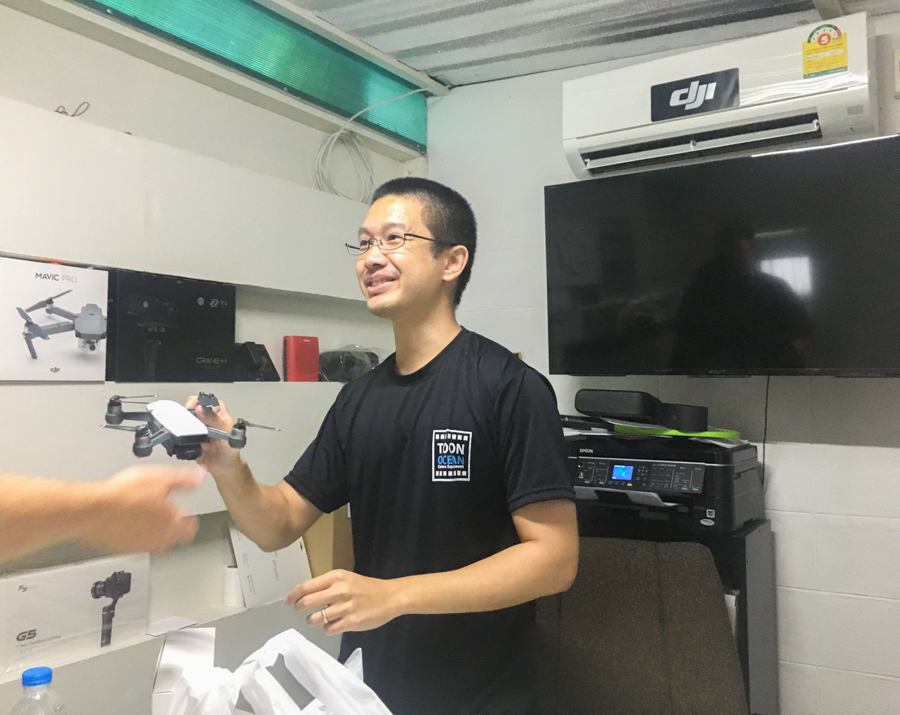
The democratization of aerial photography has been facilitated by the miniaturization of drones. Devices such as the DJI Spark and its successor, the Mavic Mini, have redefined the requirements for travel videography. These units, often weighing less than 250 grams to bypass certain international registration requirements, provide 2.7K or 4K stabilized video. Market data indicates that the portable drone segment is one of the fastest-growing niches in travel tech, as travelers seek unique perspectives for digital storytelling.

Power Management and Redundancy
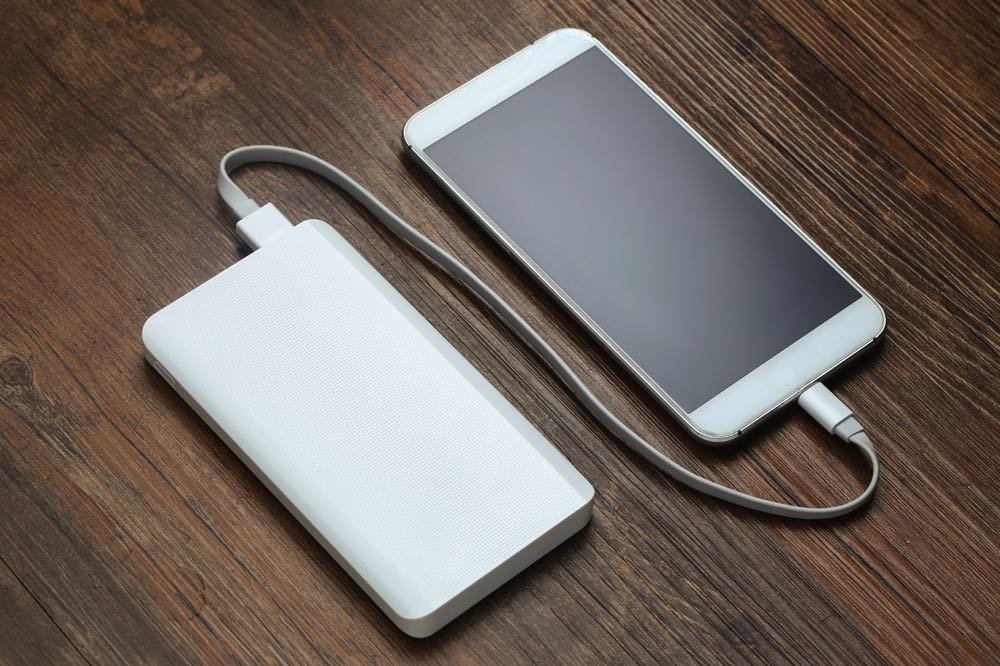
The reliance on smartphones for navigation, translation, and financial transactions has elevated the portable power bank to an essential utility. Modern travelers frequently employ a tiered charging strategy, utilizing high-capacity banks (20,000mAh+) for long-haul transit and ultra-compact, card-sized chargers for daily excursions. This redundancy is critical in regions where electrical infrastructure may be inconsistent or where power outlets utilize varying international standards.
Specialized Audio and Noise Mitigation
The psychological impact of long-term travel is often mitigated through high-fidelity audio solutions. Noise-canceling technology, pioneered by firms like Bose with their QuietComfort series, has become a standard requirement for managing the auditory stressors of aviation and urban environments. Furthermore, the rise of Bluetooth-enabled earbuds, such as the Apple AirPods Pro, reflects a broader trend toward cord-free environments, reducing mechanical failure points and improving user mobility during physical activities.
Logistics, Organization, and Security Protocols
Efficiency in travel is largely a matter of internal organization and the mitigation of security risks. The use of specialized modular systems has revolutionized how travelers interact with their belongings.
Modular Packing Systems
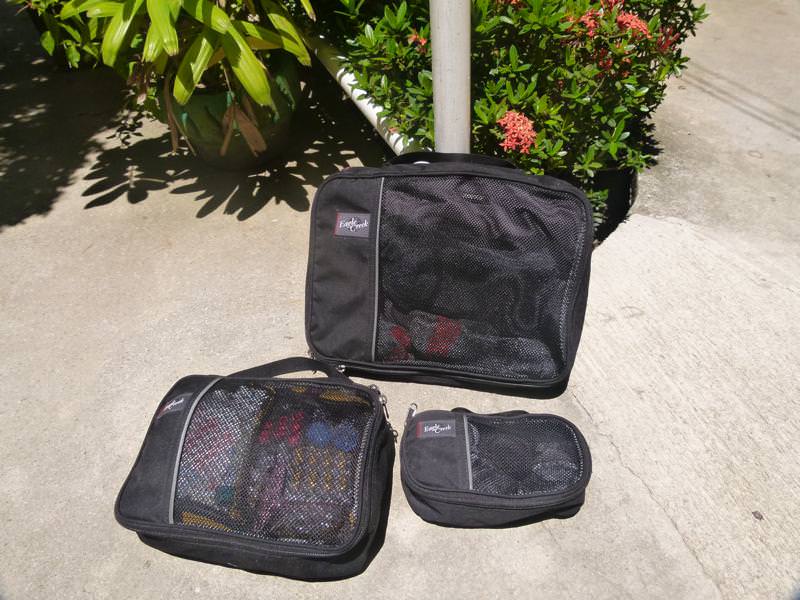
Compression zipper cubes, such as those manufactured by Eagle Creek, are now considered mandatory for minimalist travel. These systems allow for the segregation of clean and soiled garments while maximizing spatial density within a backpack. Durability remains a primary concern; high-quality zippers and tear-resistant mesh are essential for maintaining the integrity of the pack under the mechanical stress of over-packing.
Security and Asset Protection
International travel involves inherent risks to personal property. Journalistic investigations into hostel and transit security suggest that a multi-layered approach is most effective. This includes the use of TSA-approved locks, which allow security personnel to inspect luggage without damaging the locking mechanism, and portable doorstop alarms. The latter provides a 120-decibel alert in the event of unauthorized entry, offering a vital layer of protection in accommodations with substandard security infrastructure.
Sustainability and Environmental Responsibility
The environmental footprint of the tourism industry is under increasing scrutiny. In response, a significant portion of the travel community is adopting gear that reduces reliance on single-use plastics and minimizes ecological disruption.
Water Purification and Filtration
Access to potable water remains a challenge in many developing regions. Rather than contributing to the estimated 8 million tons of plastic that enter the oceans annually, modern travelers are utilizing UV-C sterilization tools like the Steri-Pen and high-capacity reusable bottles. This technology neutralizes 99.9% of bacteria, viruses, and protozoa, allowing for the safe consumption of tap water globally.
Ethical Apparel and Technical Fabrics
The apparel industry has seen a rise in "technical" clothing—garments that offer moisture-wicking properties, odor resistance, and high durability. Brands such as Prana have gained market share by focusing on Fair Trade Certified manufacturing and organic materials. The Halle Pant and similar versatile garments represent a trend toward "multi-use" fashion, where a single item is suitable for both wilderness trekking and urban social environments.
Health, Hygiene, and Personal Maintenance
Maintaining physical well-being on the road requires a compact but comprehensive medical and hygiene kit. The "off-track" nature of modern adventure travel means that professional medical assistance may not always be immediately available.
Medical Readiness
A standardized travel first-aid kit now includes broad-spectrum antibiotics (where legally prescribed), high-grade bandages, antiseptic wipes, and rehydration salts. The inclusion of these items is a proactive measure against common travel-related ailments such as gastrointestinal distress and minor soft-tissue injuries.
Innovative Personal Care
For female travelers, the adoption of silicone menstrual cups, such as the Diva Cup, represents a major shift in travel logistics. These reusable items eliminate the need for bulky sanitary products, which are often unavailable or difficult to dispose of in certain international contexts. Similarly, the use of microbial travel towels—manufactured from ultra-absorbent synthetic fibers—ensures that travelers can maintain hygiene without the slow drying times and bulk of traditional cotton towels.
Economic Implications and Market Forecast
The shift toward high-quality, durable travel gear has significant economic implications. While the initial investment in premium gear (such as a $400 drone or $250 noise-canceling headphones) is high, the "cost-per-use" and the savings associated with avoiding baggage fees often result in long-term financial benefits.
Industry experts suggest that the travel gear market will continue to innovate in the areas of "smart" luggage and integrated IoT (Internet of Things) tracking. As airlines tighten restrictions on lithium batteries and dimensions, the next generation of gear is expected to focus on modularity and regulatory compliance.
Conclusion: The Future of Global Mobility
The modern traveler is no longer a passive tourist but a mobile operator who requires specialized tools to navigate a complex global landscape. The 20 items identified by long-term travelers—ranging from the Handpresso for localized comfort to the Mavic Mini for professional-grade documentation—reflect a sophisticated understanding of the balance between weight, utility, and psychological well-being.
As global mobility continues to increase, the demand for gear that facilitates a seamless transition between different climates, cultures, and professional requirements will drive further innovation. The ultimate goal remains constant: to minimize the physical burden of travel while maximizing the ability to engage with the world safely, sustainably, and productively. The evolution of travel gear is, in essence, an evolution of human freedom in an increasingly interconnected world.
Related posts: