Navigating Uzbekistan: Essential Considerations for an Enriched Travel Experience

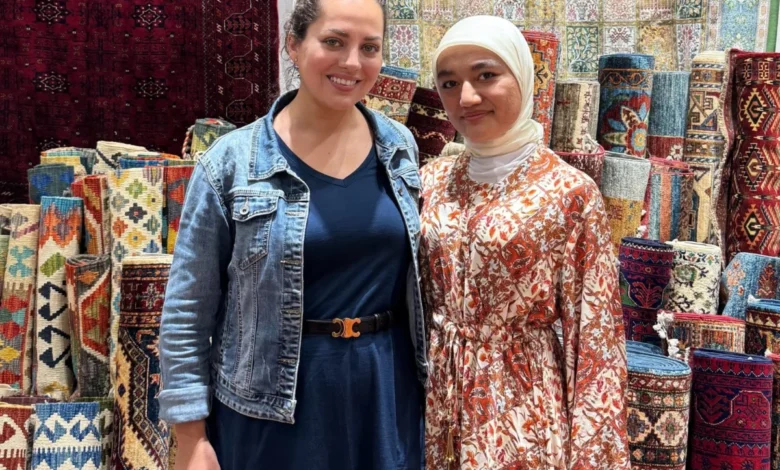
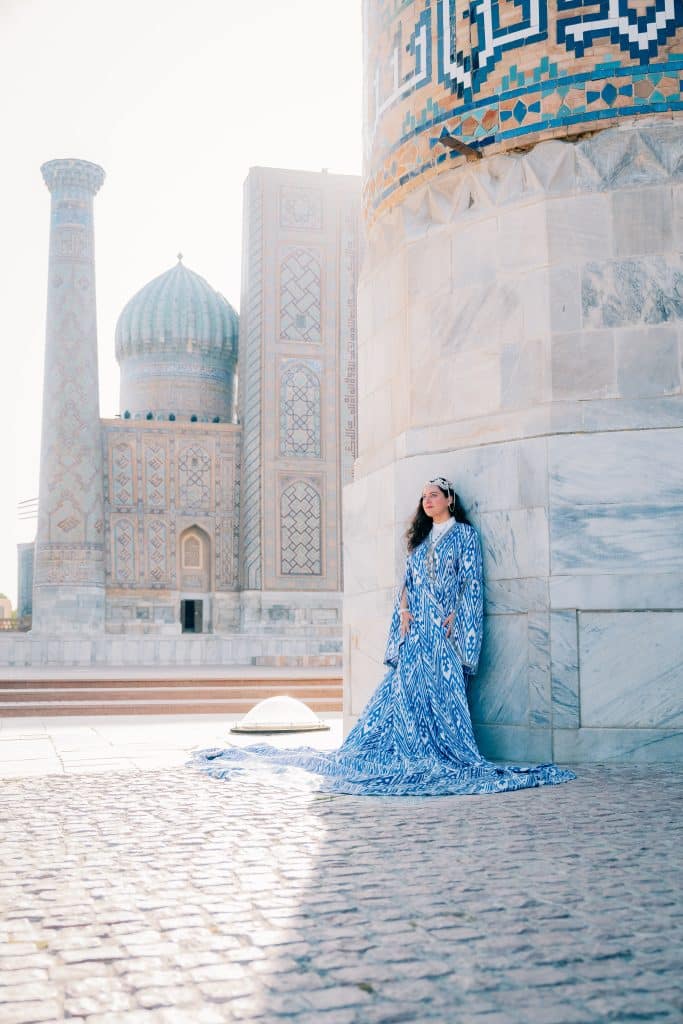
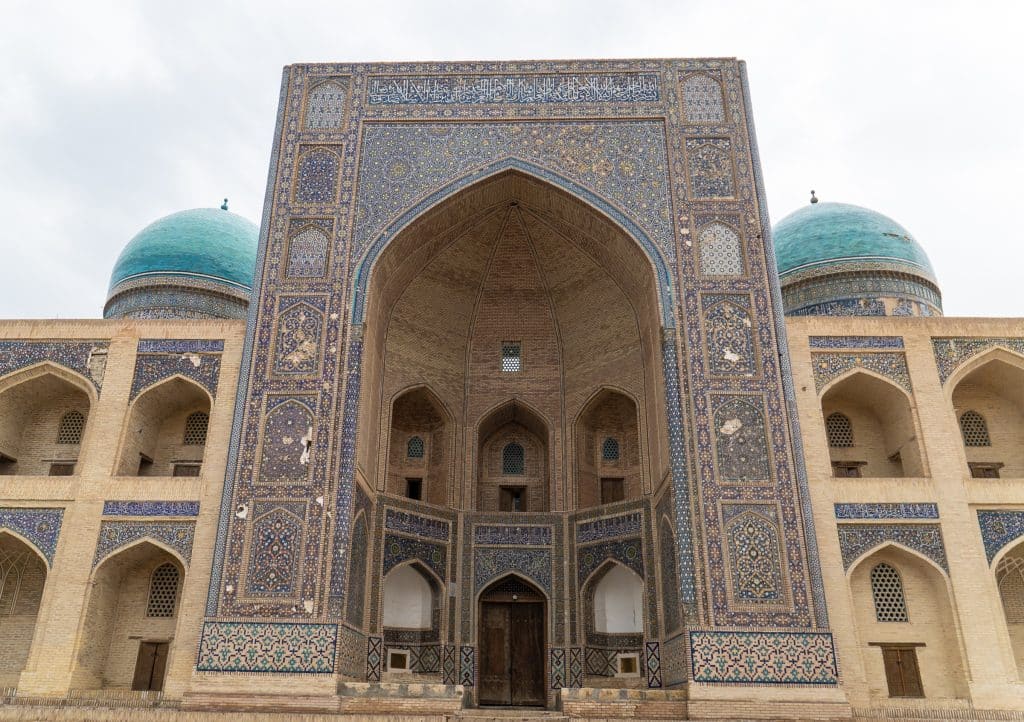
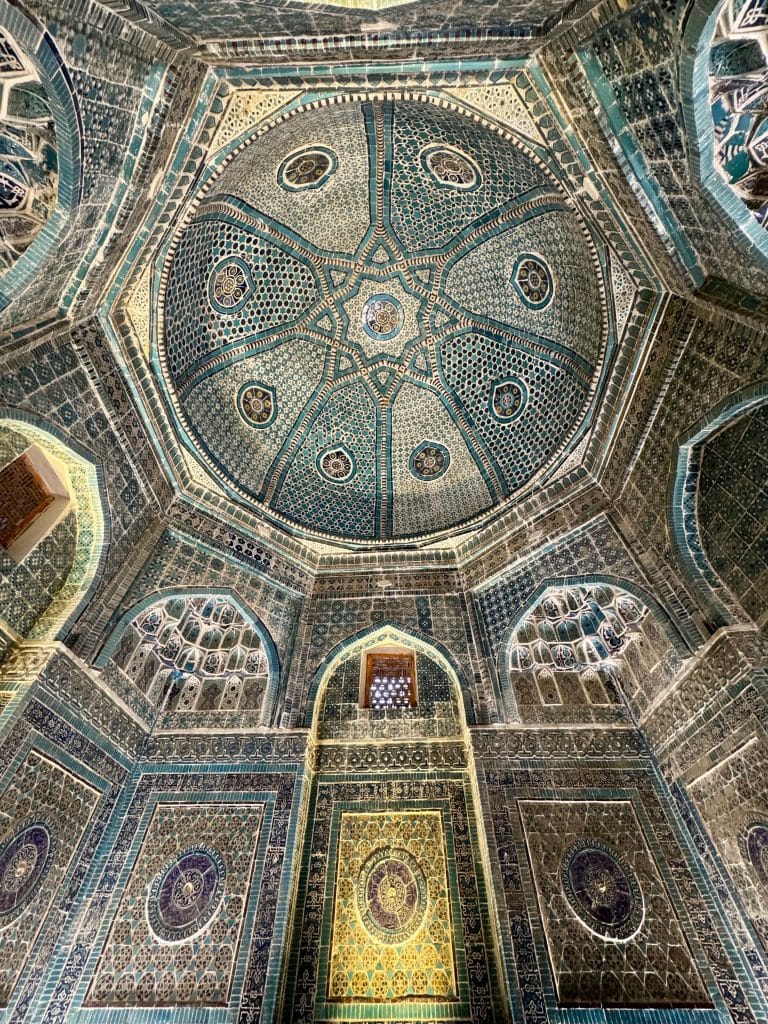
Uzbekistan, a country rich in Silk Road history, adorned with mesmerizing turquoise mosaics, and offering an unparalleled souvenir shopping experience, is rapidly emerging as a captivating destination for global travelers. A recent solo journey through its vibrant cities—Tashkent, Samarkand, Bukhara, and Khiva—highlights the country’s transformation into an increasingly accessible and rewarding locale, drawing significant interest from a diverse international audience. This comprehensive guide outlines crucial insights and practical advice for those planning to explore this Central Asian jewel.
Evolving Perceptions: Uzbekistan’s Accessibility and Safety Profile
For many international travelers, Uzbekistan, and Central Asia in general, has historically been perceived as an intimidating or challenging destination, often reserved for seasoned adventurers. This perception, partly fueled by geopolitical misunderstandings surrounding countries with "Stan" in their names, is rapidly being dispelled. Contrary to popular belief, Uzbekistan has established itself as a remarkably easy and safe country to navigate.
Official government reports and independent travel assessments consistently affirm Uzbekistan’s low rates of violent crime and minimal street harassment, contributing to a secure environment for visitors. The nation has invested significantly in its tourism infrastructure, offering a wide array of accommodations and services across various price points. This development caters to a broad spectrum of travelers, from budget-conscious backpackers to those seeking luxury experiences.
Affordability remains a key draw. Average hotel stays can range around $50 per night, while local taxi services like Yandex Go typically cost between $2-3 for rides across cities. Dining experiences, even at reputable establishments, are generally priced at $6-8 for a dinner, allowing travelers to comfortably enjoy higher quality services without excessive expenditure. The increasing presence of large senior tour groups from Europe and North America underscores the destination’s growing appeal and perceived ease of travel, challenging the notion that it is solely for expert explorers. This shift indicates successful efforts by the Uzbek government to promote the country as a welcoming and manageable destination.
Optimizing Logistics: Transportation and Digital Connectivity
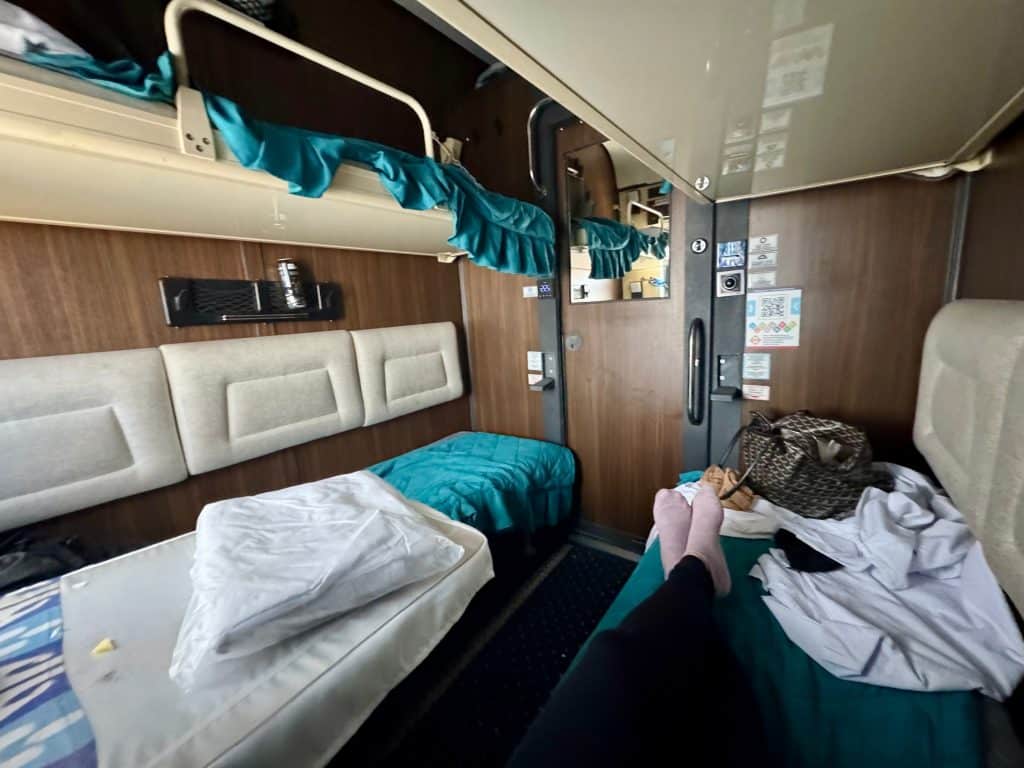
Efficient travel within Uzbekistan largely hinges on its robust intercity train network, which offers a fast, efficient, and cost-effective means of traversing the country. High-speed Afrosiyab trains, connecting major hubs like Tashkent, Samarkand, and Bukhara, are particularly popular. However, their popularity also means tickets sell out rapidly, often on the day they become available, typically 45-60 days in advance.
Travelers are strongly advised to book train tickets well ahead of their planned journey. While direct booking through railway.uz is possible, some visitors opt for Uzbek travel agencies for convenience, albeit with a significant markup. For instance, a ticket costing approximately $17 might be resold for $40 by an agency. In cases where trains are initially sold out, it is worth contacting agencies closer to the travel date, as they sometimes release held tickets. Alternatives like buses exist but entail considerably longer travel times (e.g., five to seven hours between Tashkent and Samarkand, compared to two hours by high-speed train).
Modern travel in Uzbekistan is greatly enhanced by digital tools. The Yandex Go application is indispensable for local transportation, effectively replacing international ride-hailing services like Uber. Travelers should download and set up Yandex Go before arriving, as it requires a local phone number for confirmation. The app facilitates taxi services, food delivery, and parcel delivery, with rides typically costing under $5. Its efficiency is notable, with drivers often available within minutes, even for early morning departures. However, waits might be longer at train stations immediately after arrivals, where phone signal can initially be limited.
Furthermore, securing an eSIM (embedded SIM) is highly recommended for uninterrupted connectivity. Providers like Holafly offer reliable service across major cities (Tashkent, Samarkand, Bukhara, Khiva), providing unlimited data that is crucial for navigation via Google Maps, translation apps, and communication platforms like WhatsApp. The prevalence of limited public Wi-Fi and the frequent requirement for an Uzbek phone number to access available networks make an eSIM a practical necessity, ensuring safety and convenience. Many eSIM services also include emergency data provisions, offering an additional layer of security.
Cultural Sensitivity: Dress Codes and Linguistic Considerations
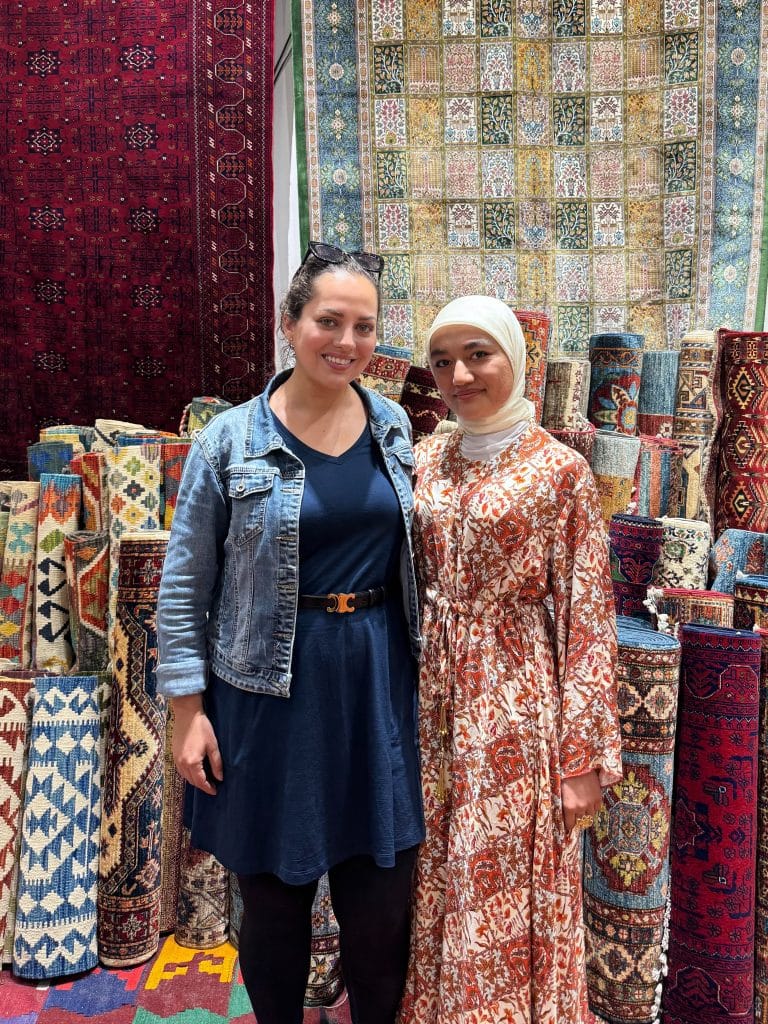
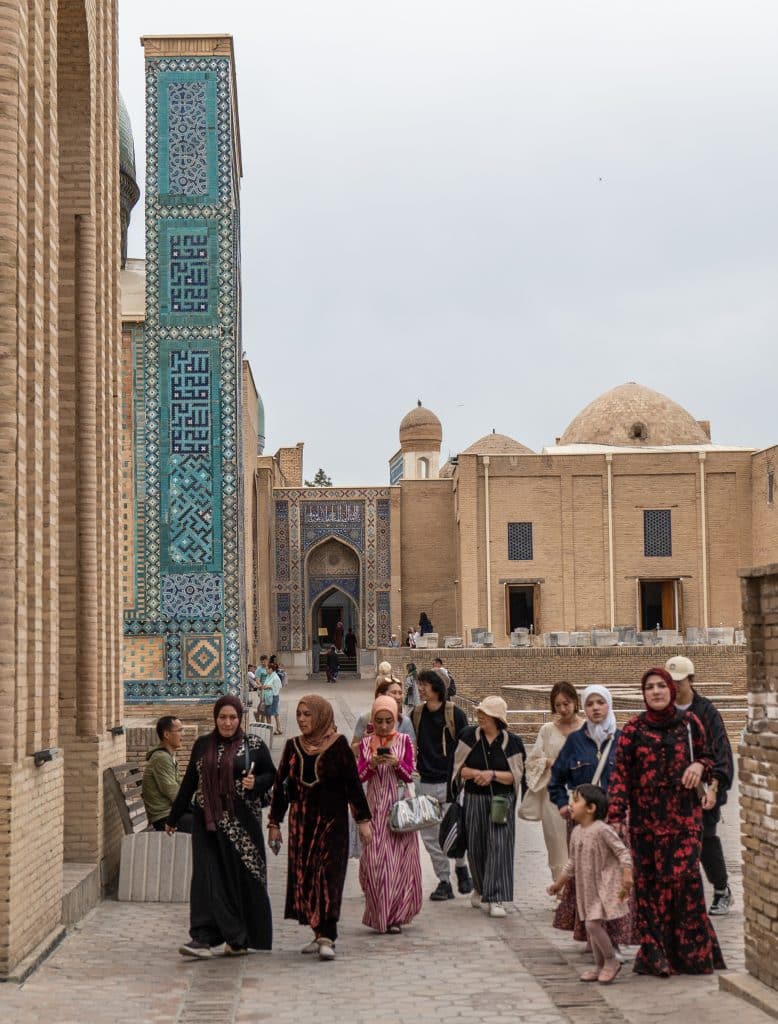
Respecting local customs, particularly regarding attire, is paramount in Uzbekistan, a predominantly Muslim country. While headscarves are generally only required when visiting active mosques, a modest dress code is widely observed. Uzbek women often dress traditionally in long, loose dresses or incorporate modern styles like blazers and wide-leg jeans, often with a hijab. Crucially, short skirts, overly tight clothing, or exposed cleavage are uncommon.
Female visitors are encouraged to pack clothing that covers knees, shoulders, and cleavage. Practical options include knee-length dresses worn over leggings with a jacket, or T-shirts and jeans. While Tashkent, as the capital, may feel slightly more relaxed, maintaining modesty across all regions is advisable to avoid attracting undue attention or appearing disrespectful. For male visitors, long pants are generally preferred over shorts, and shirtless jogging is considered inappropriate. Observing local dress standards contributes significantly to a positive and respectful travel experience.
Linguistic proficiency is another key consideration. Unlike many global tourist destinations where English serves as a primary second language, Russian is more commonly spoken as a second language in Central Asia, especially among individuals over 40 or in rural areas. While younger generations in urban centers may have some English proficiency, Russian is often the default for communication. Learning basic Russian phrases (yes, no, hello, thank you, numbers 1-5) can significantly ease interactions. Interestingly, mutual intelligibility between Tajik and Farsi can also facilitate communication for some travelers.
Deepening the Experience: Craft Workshops and Strategic Itinerary Planning
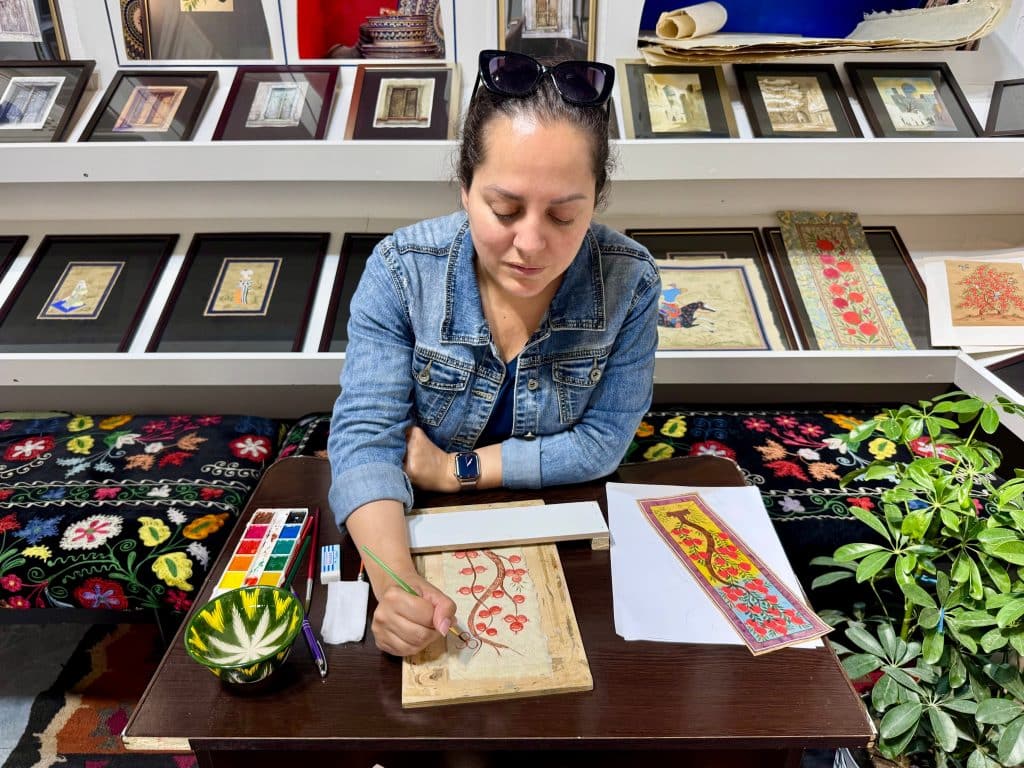
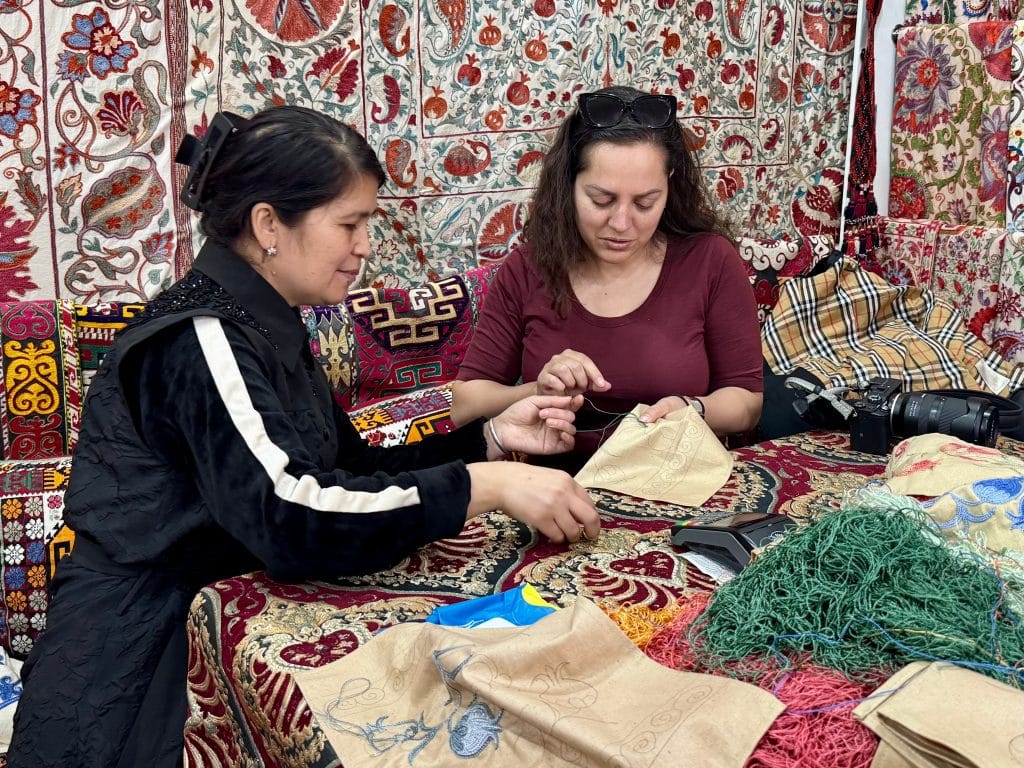
Beyond sightseeing, engaging with Uzbekistan’s rich artisanal heritage through craft workshops offers a profound cultural immersion. Traditional crafts such as Persian miniature painting, suzani embroidery, plov-cooking, bread-making, pottery, mosaic-making, knife-crafting, and wood-carving are integral to the country’s cultural identity. Companies like CraftnCulture Uzbekistan provide accessible workshops in Tashkent, Samarkand, and Bukhara, allowing travelers to learn from acclaimed local artists and gain a hands-on understanding of these ancient traditions. These experiences are often cited by travelers as highlights of their trips, offering a unique opportunity for creative engagement and direct interaction with local culture.
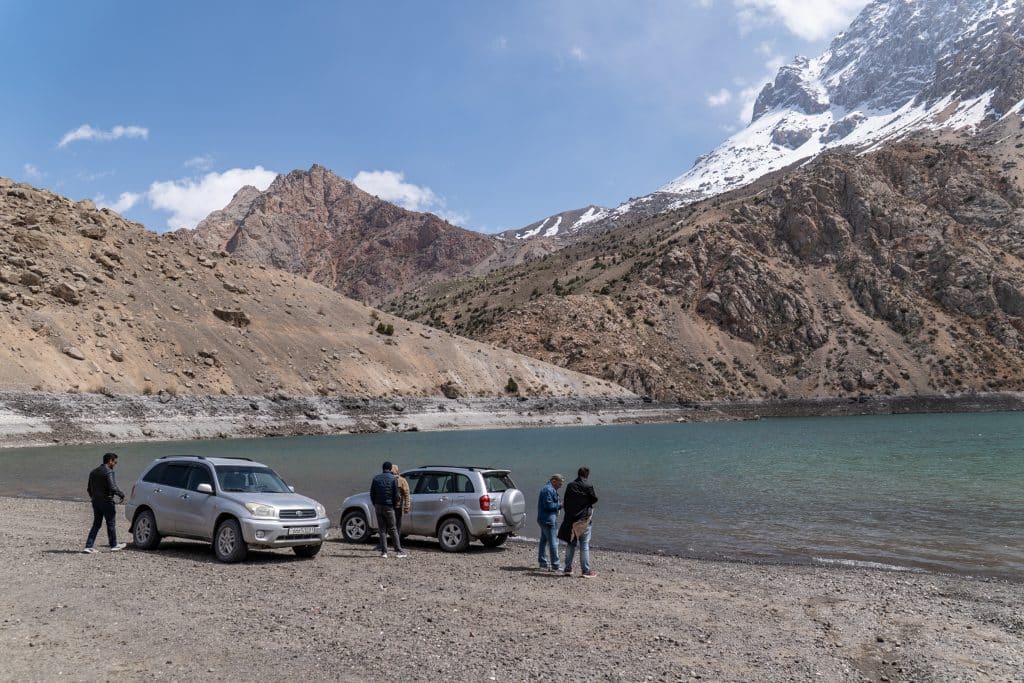
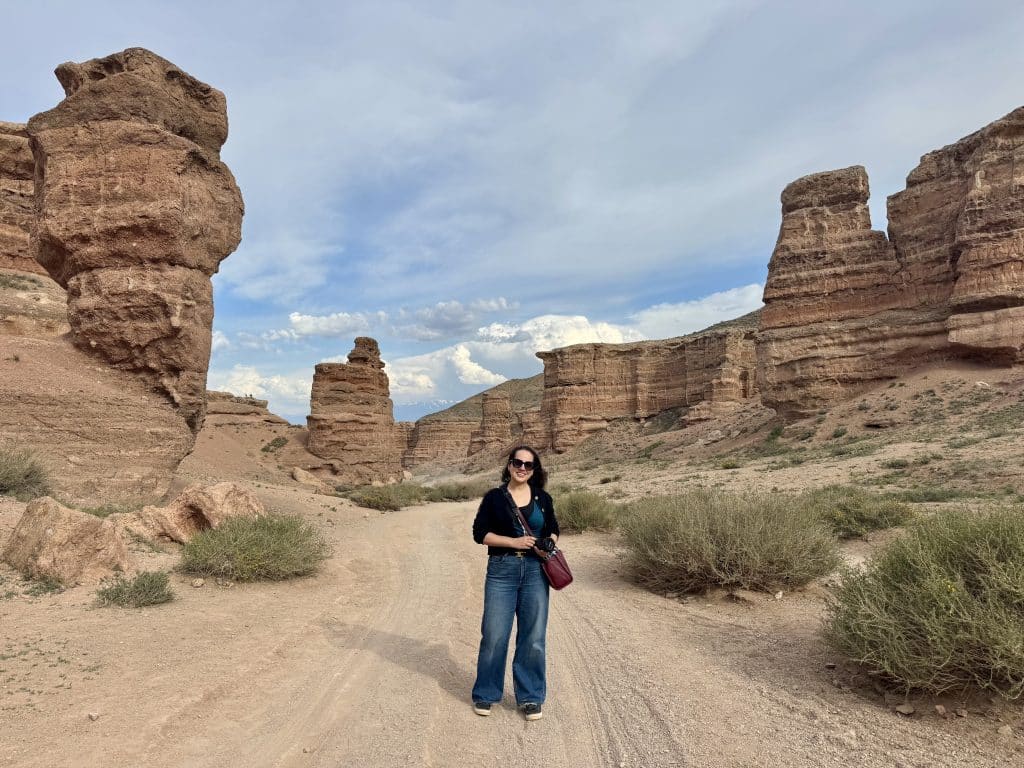
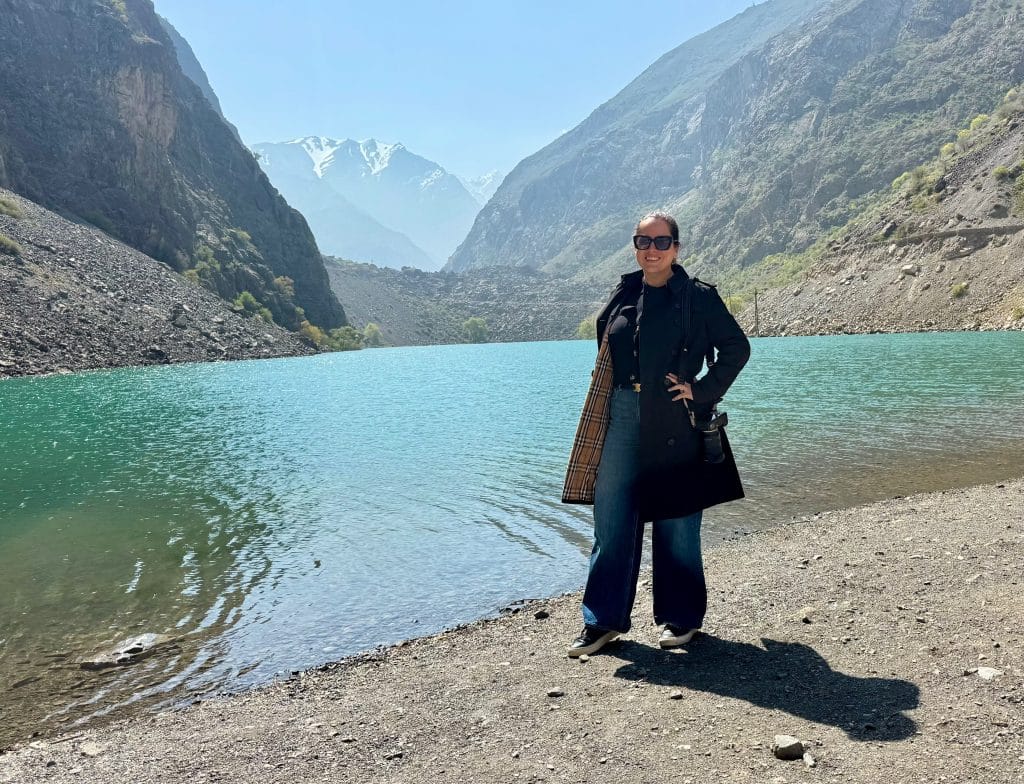
When planning itineraries, travelers should consider pacing and regional diversity. While the allure of a "Five Stans" tour (Turkmenistan, Uzbekistan, Tajikistan, Kazakhstan, Kyrgyzstan) might seem appealing for first-time visitors to Central Asia, such extensive three-week itineraries are often rushed. They tend to focus only on major tourist sites, potentially overlooking quieter, equally enriching experiences. A more balanced approach involves pairing Uzbekistan with one or two other countries, such as a 17-day trip combining five days in Kazakhstan (exploring Almaty and natural wonders like Charyn Canyon) with time in Uzbekistan, and potentially a day trip to Tajikistan.
Uzbekistan’s core itinerary typically includes Tashkent, Samarkand, Bukhara, and Khiva.
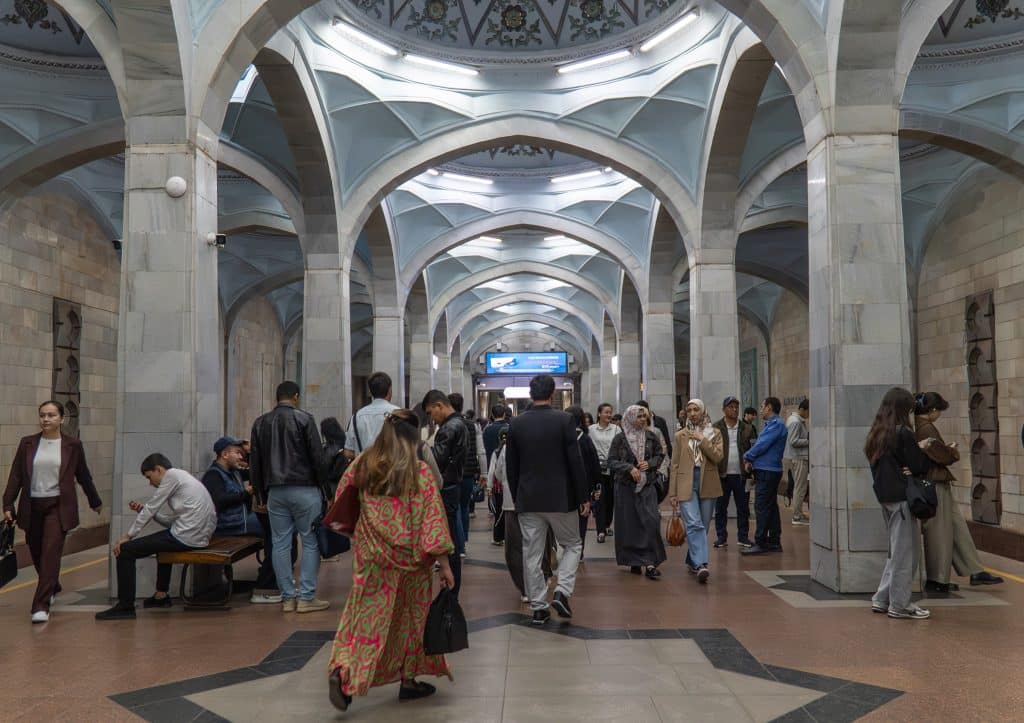
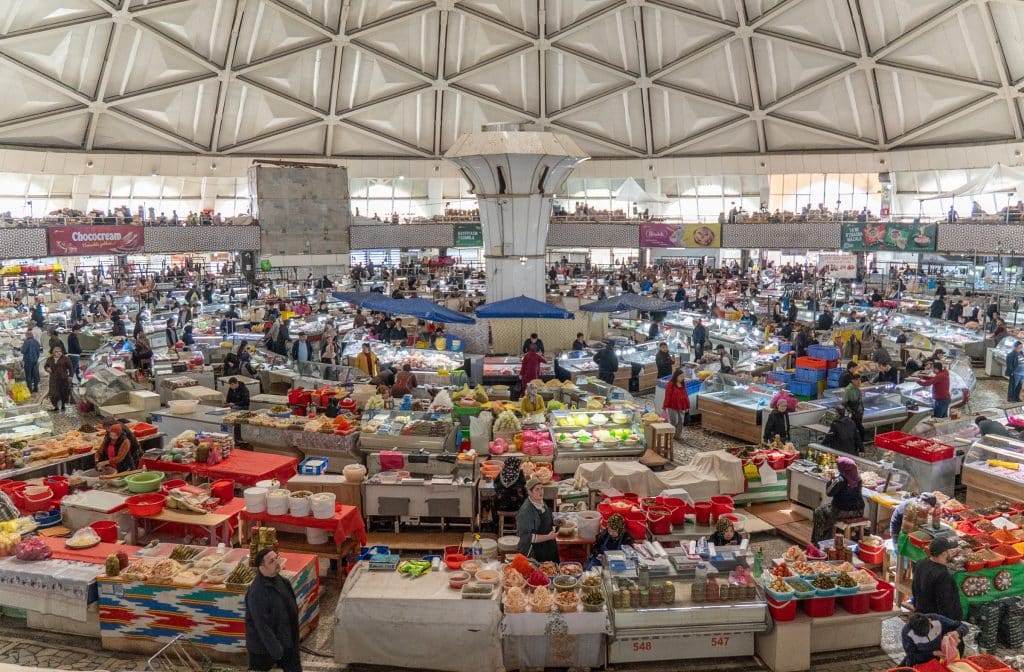
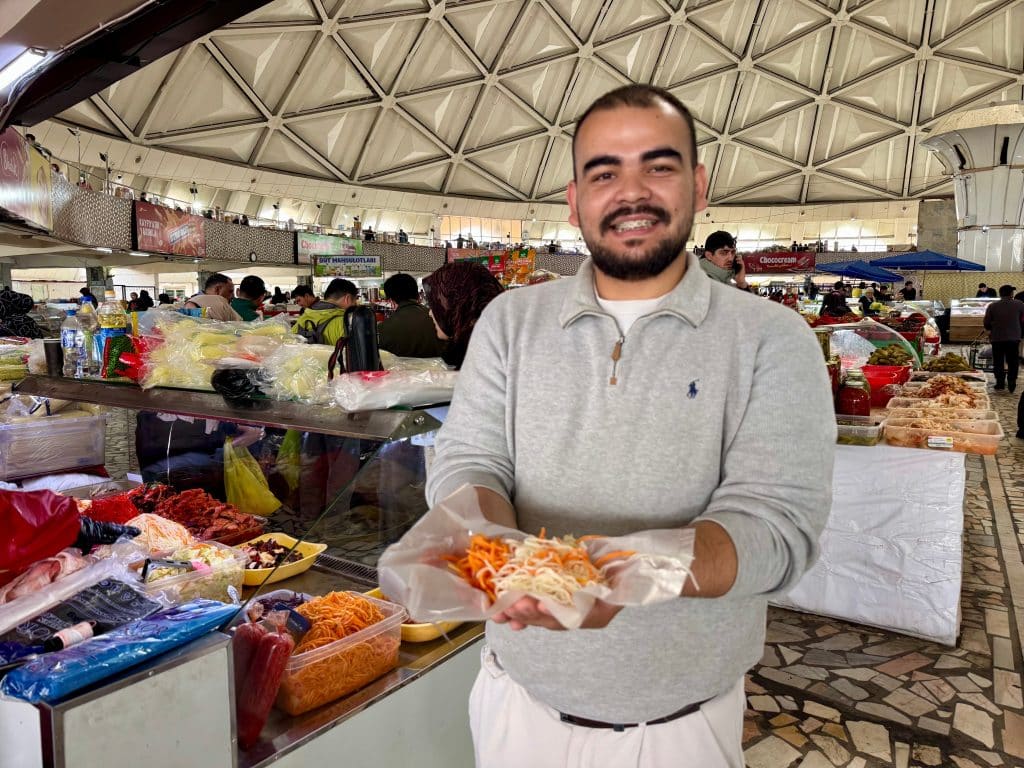
- Tashkent, the capital, often underestimated by travelers who deem it "boring," serves as an excellent introduction to Uzbek culture. Its stunning metro stations, each uniquely adorned, are attractions in themselves. Food and metro tours offer an ideal way to explore the city’s culinary scene, including the bustling Chorsu Bazaar, and appreciate its architectural marvels.
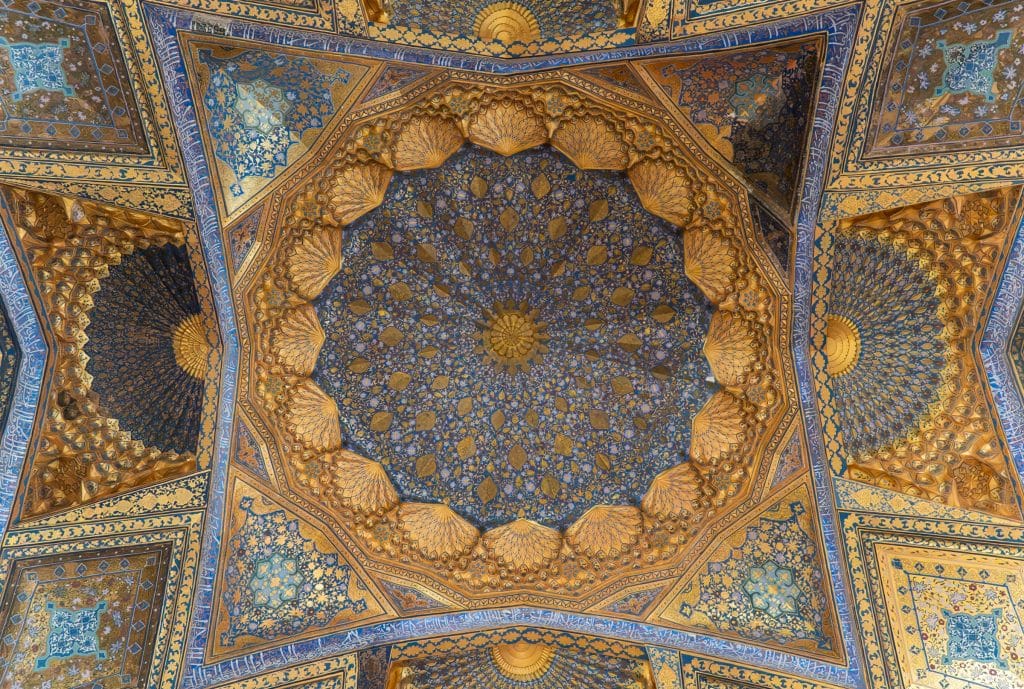
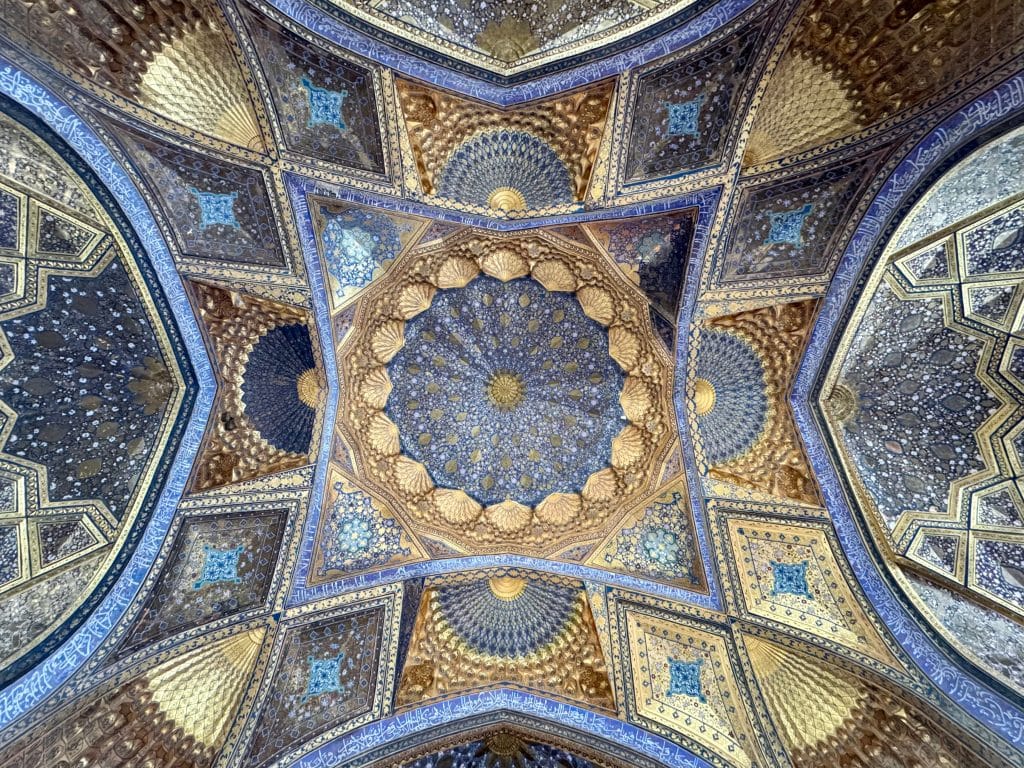
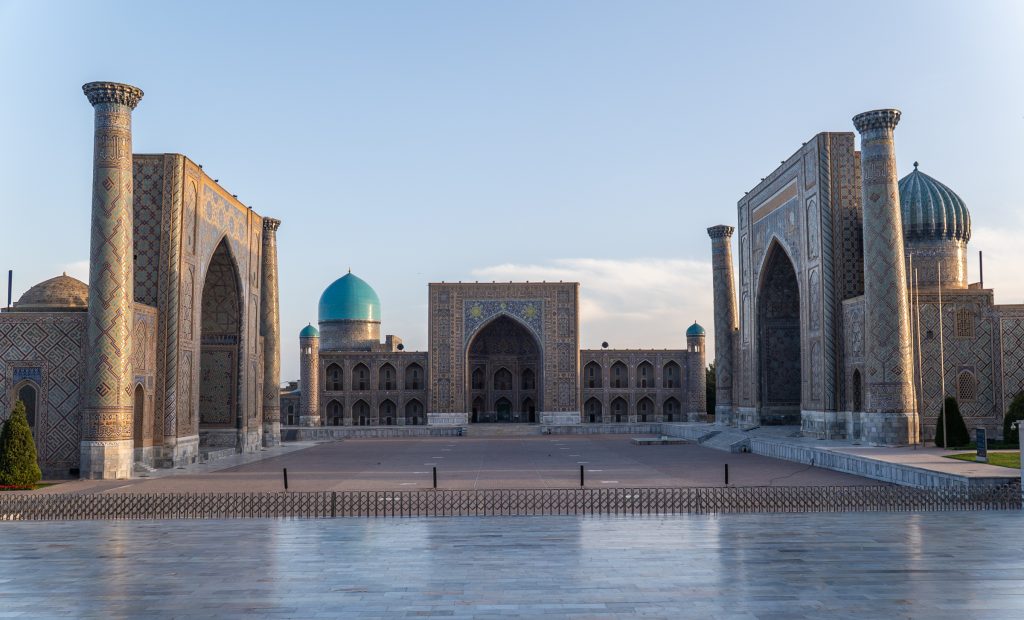
- Samarkand, renowned for its magnificent architecture, particularly the Registan and Shah-i-Zinda Mausoleum, is an absolute must-visit. However, its immense popularity can lead to a "theme park-y" atmosphere and heavy tourist traffic. Travelers often find three full days sufficient for Samarkand, including potential day trips to nearby sites like Shahrisabz or a cross-border excursion to Tajikistan.
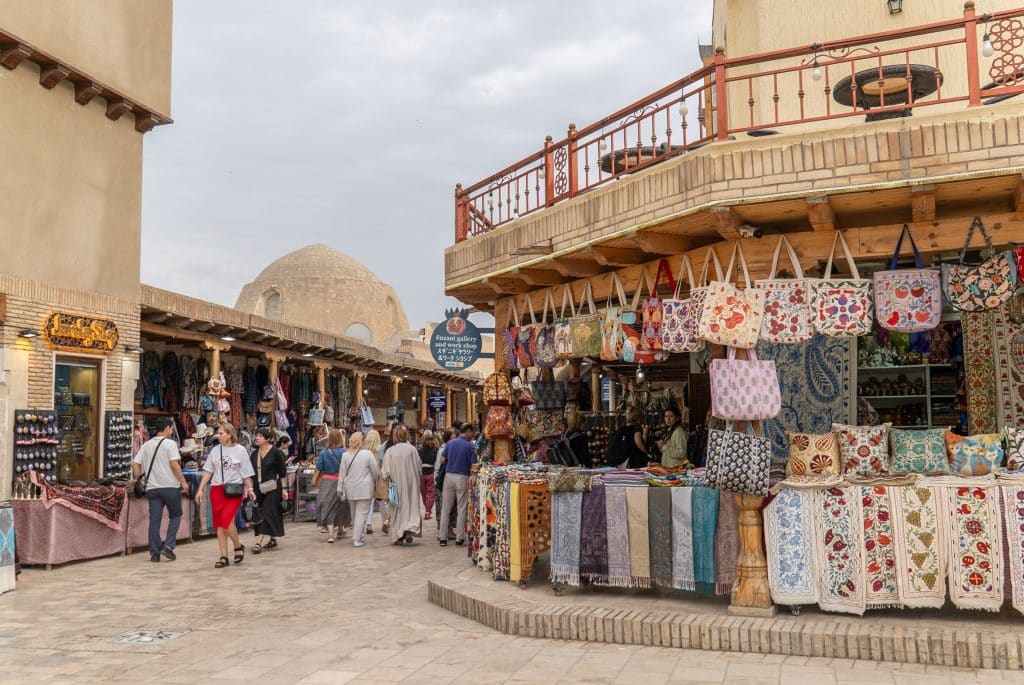
- Bukhara stands out for its exceptional souvenir shopping, featuring high-quality ikat silks, suzani embroidery, patterned pottery, miniature paintings, and intricate metalwork. The city’s three traditional trading domes, historical hubs for Silk Road merchants, remain active marketplaces. It is advisable to reserve significant souvenir purchases for Bukhara due to the superior quality and variety of goods.
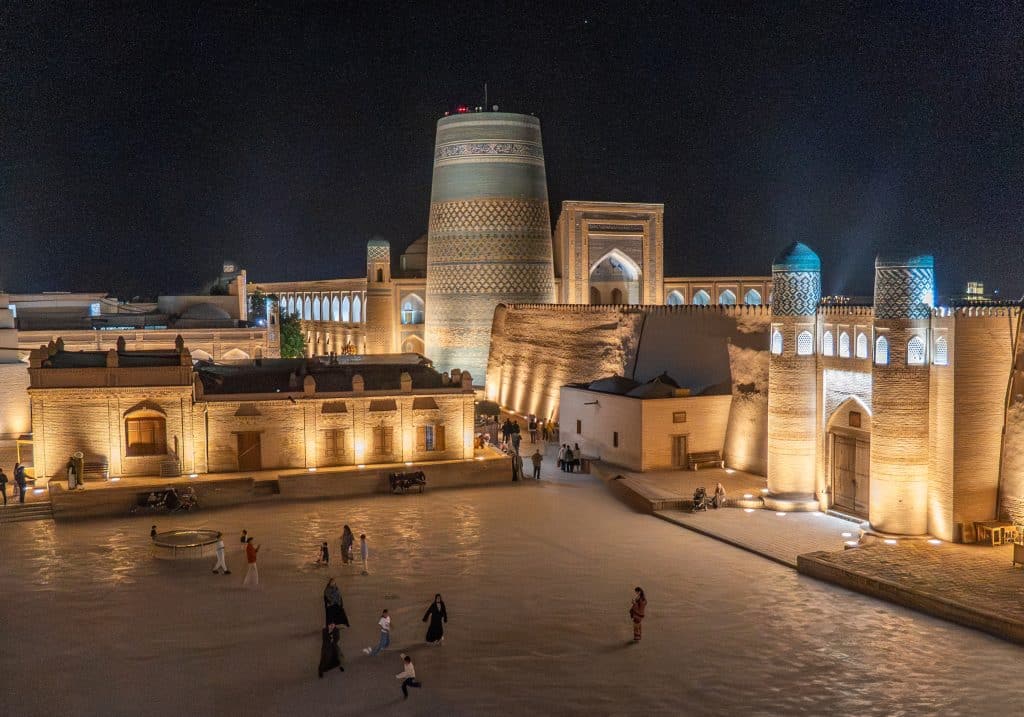
- Khiva, a stunning walled city in the desert, offers a distinct atmosphere akin to an ancient oasis. Despite its distance (a six-hour train ride from Bukhara or an 80-minute flight from Tashkent to Urgench Airport), the journey is highly recommended. While its central Ichan Kala district is tourist-oriented, its unique visual appeal and UNESCO World Heritage status make it a compelling stop. Further westward exploration to Nukus and the Aral Sea shipwrecks is also an option for intrepid travelers.
Culinary Exploration and Climate Considerations
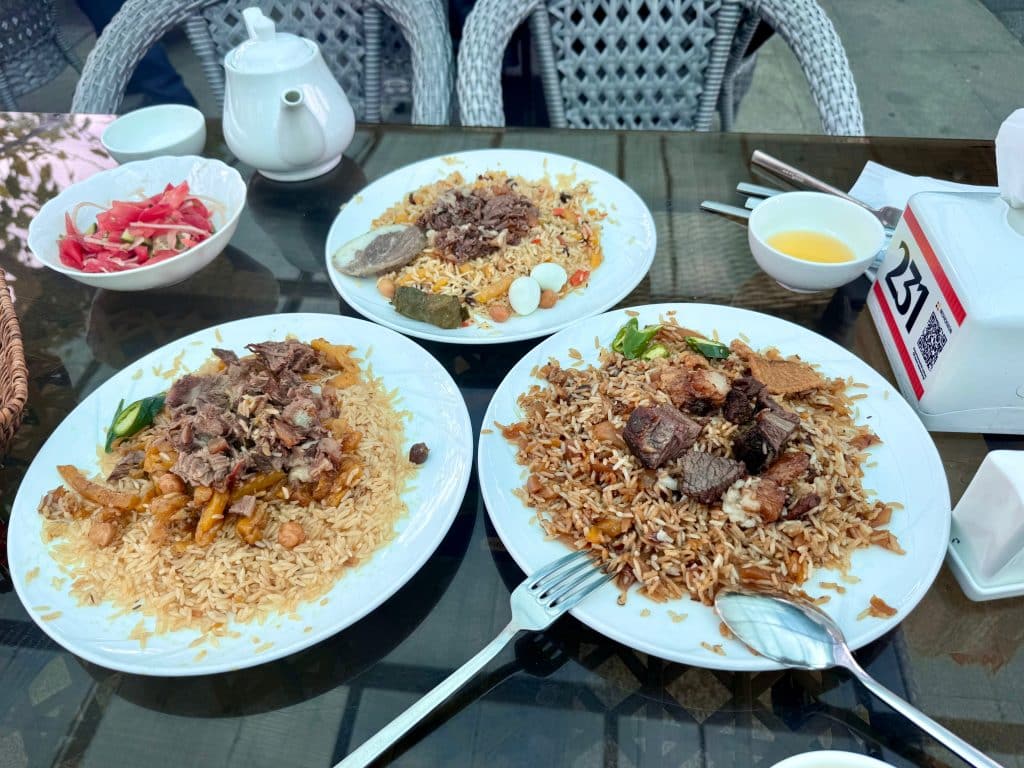
Uzbekistan’s culinary landscape extends far beyond its national dish, plov. While this delicious rice pilaf, with its regional variations of meat, onions, carrots, and other additions, is ubiquitous and affordable, visitors are encouraged to diversify their dining experiences. Other popular dishes include:
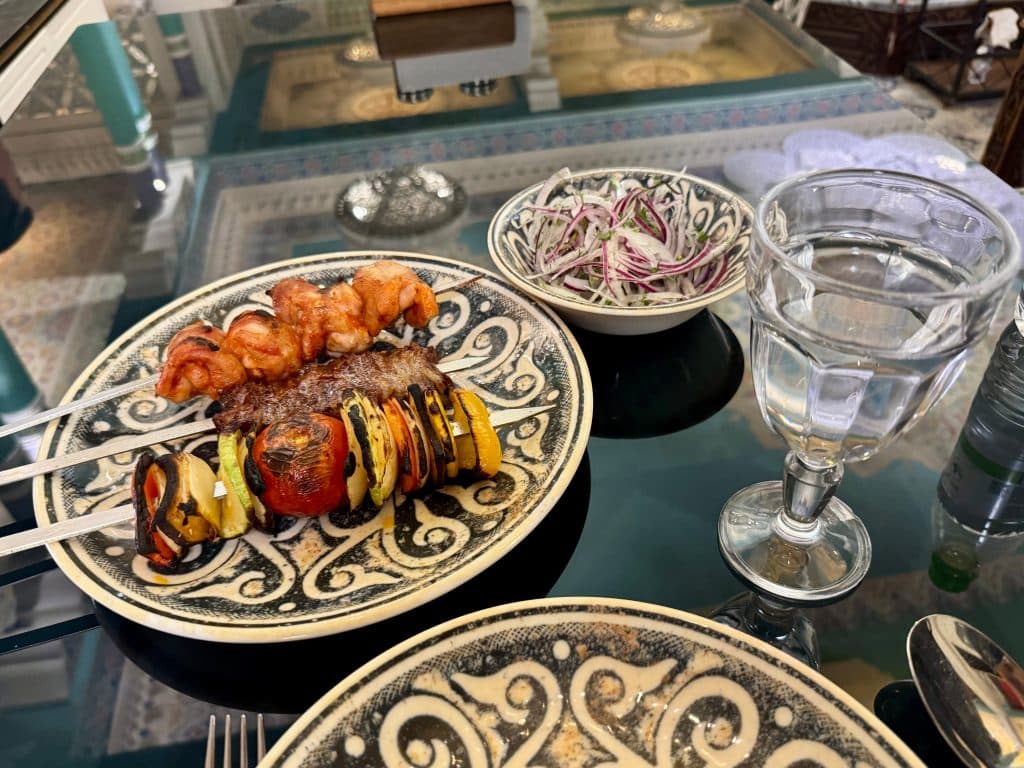
- Shashlik: Grilled meat skewers (beef, chicken, lamb, vegetables), a flavorful and often healthier alternative to heavier rice dishes.
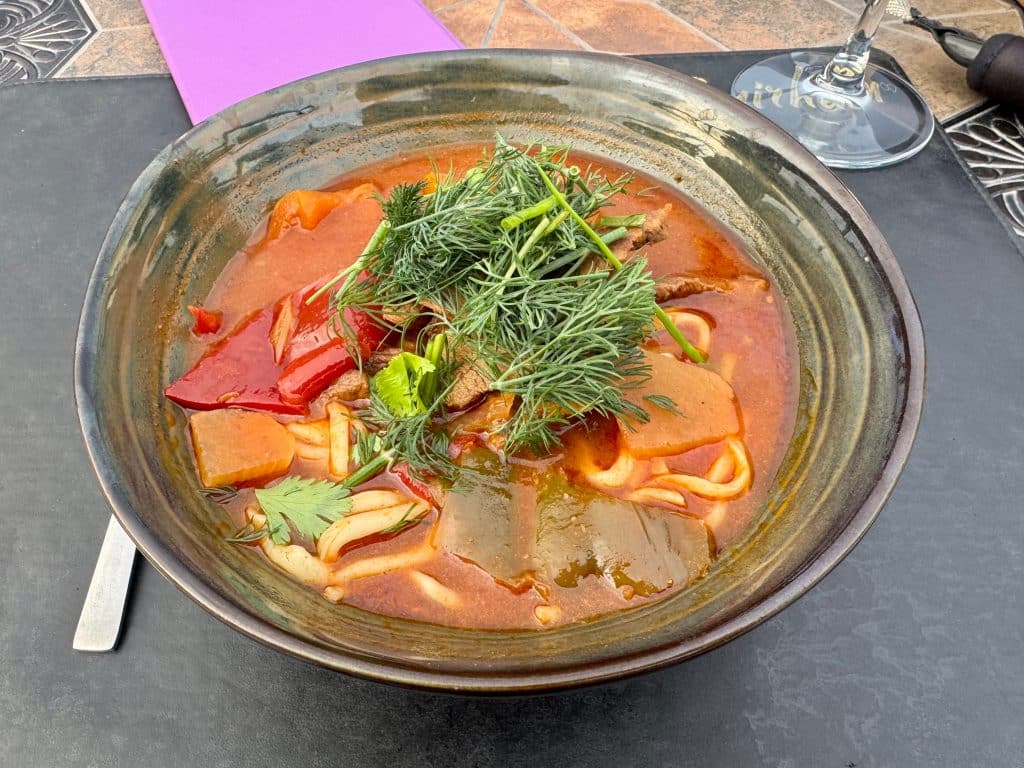
- Laghman: Hand-pulled noodles, a Central Asian staple influenced by Western Chinese Uyghur cuisine, typically served in a hearty soup with meat.
- Shivit Oshi: A regional specialty from Khiva, featuring distinctive dill-infused green noodles topped with beef and potatoes.
- Samsa: Savory pastries, often filled with meat, pumpkin, or a mix of sautéed potatoes and onions, perfect for a quick snack.
Regarding climate, spring (April-May) and fall (September-October) are generally considered the most favorable times to visit Uzbekistan. The summer months (June-August) can be intensely hot, particularly in desert-adjacent cities like Khiva, where midday temperatures can reach 90°F (32°C) even in April. Such heat necessitates limiting outdoor activities during peak afternoon hours. Winters (November-March) can be cold and bleak, making outdoor exploration less comfortable. For regions with high altitudes, such as parts of Kyrgyzstan or Tajikistan along the Pamir Highway, summer is often the only accessible travel window.
Financial Planning and Travel Flexibility
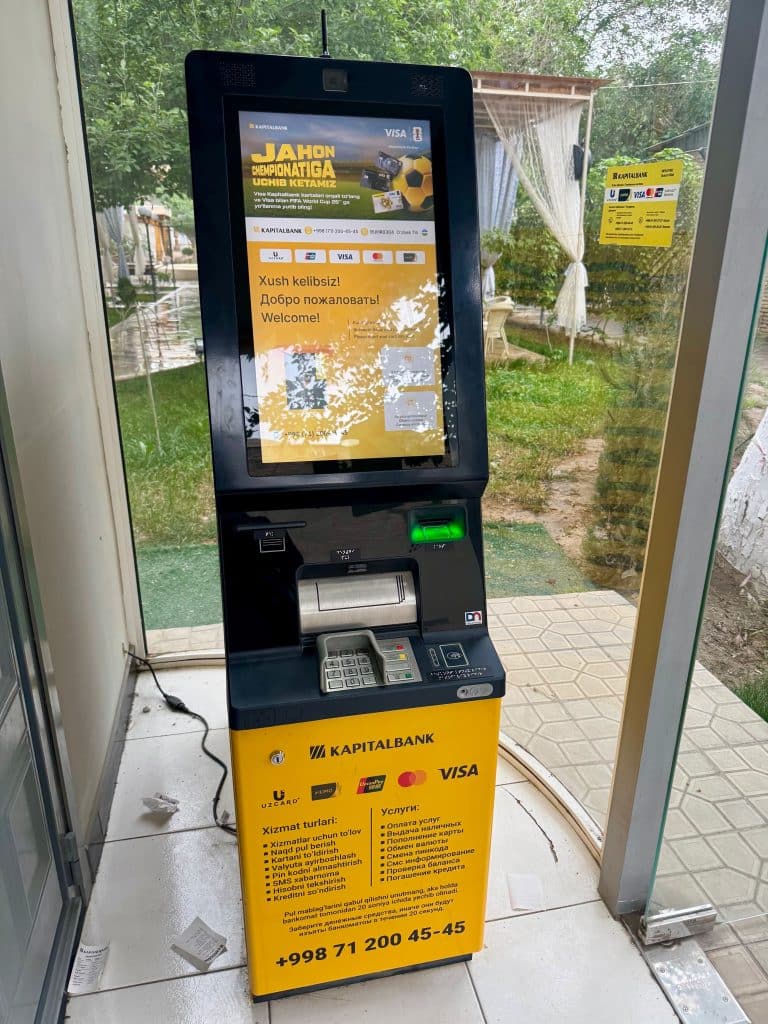
Uzbekistan operates predominantly as a cash-oriented economy. While credit cards are accepted in some larger establishments, cash is essential for most transactions, including smaller hotels, markets, and many local eateries. Travelers should anticipate needing to withdraw cash frequently from ATMs, particularly those of banks like Kapitalbank, which are generally accessible to international cards. It is also common to receive large denominations of local currency, requiring careful management of a substantial number of bills.
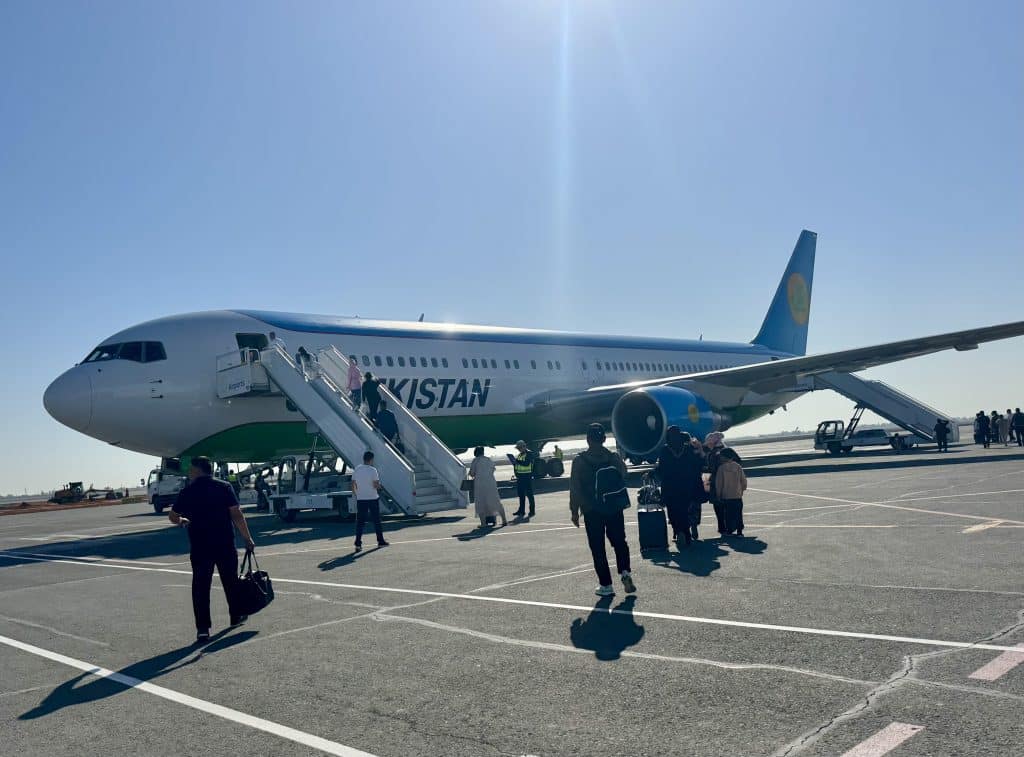
Finally, while initial travel plans may involve specific entry and exit points, maintaining flexibility with flight bookings can enhance the overall experience. Uzbekistan Airways, the national carrier, primarily handles domestic flights but may not accept most international credit cards for direct bookings. Using online travel agencies (OTAs) like Expedia for these specific flights can circumvent payment issues. Additionally, international carriers like Turkish Airlines offer direct flights from Istanbul to multiple Uzbek cities (Tashkent, Samarkand, Bukhara, Urgench), providing options for varied entry and exit points that might eliminate the need to backtrack to Tashkent. While an unplanned return to the capital might seem inefficient, it can also offer a welcome opportunity to decompress in a modern hotel after extensive travel through more traditional settings, rounding off a comprehensive Central Asian adventure.
Uzbekistan stands ready to welcome an increasing number of global travelers, offering a blend of ancient wonders and modern conveniences. By understanding these key considerations, visitors can ensure a smooth, respectful, and deeply enriching journey through this captivating Silk Road nation.