A Traveler’s Health Guide to East Africa Safaris: Comprehensive Preparation for an Unforgettable Journey

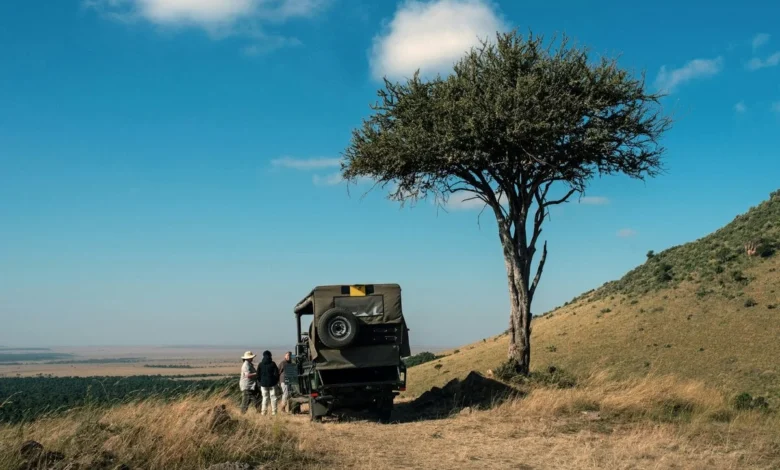
East Africa stands as an unparalleled destination for wildlife enthusiasts and cultural explorers, offering a tapestry of experiences from the iconic plains of the Serengeti and Masai Mara to the lush national parks of Uganda, and the pristine beaches of Zanzibar. This region promises encounters with a scale of wildlife and landscapes genuinely different from anywhere else, complemented by a cultural depth often overlooked in standard itineraries. However, embarking on an East African safari is distinct from a typical city break; it often involves navigating rural areas, undertaking extensive road transfers between lodges, and visiting regions where specific travel-related health risks are more prevalent. This reality does not necessitate worry but underscores the critical importance of meticulous preparation to ensure a safe and enjoyable adventure.
Before travelling to popular safari destinations like Kenya, Tanzania, Uganda, Rwanda, or the coastal haven of Zanzibar, it is imperative to plan your health needs with the same diligence applied to your safari itinerary. Proactive health management is key to mitigating potential risks and fully immersing oneself in the extraordinary experiences that await.
The Unique Health Landscape of East African Safari Travel
Safari travel inherently places visitors in environments that differ significantly from urban settings. Remote lodges, vast wilderness areas, and varied climates present a unique set of health considerations. The journey often involves long periods in vehicles, exposure to dust and sun, and changes in altitude, all of which can impact a traveler’s well-being. Furthermore, access to advanced medical facilities can be limited in certain remote regions, making preventative measures and a well-stocked personal health kit invaluable.
According to data from the World Health Organization (WHO), preventable diseases remain a significant concern for international travelers, with gastrointestinal issues and vector-borne diseases being among the most common. For East Africa, specifically, a layered approach to health preparation is essential, combining vaccinations, prophylactic medications, and diligent personal hygiene.
Strategic Health Planning: A Critical Timeline for Safari Preparation
The optimal time to commence health preparations for an East African safari is several weeks, ideally 6 to 8 weeks, before your scheduled departure. This timeframe is crucial for several reasons: some vaccines require multiple doses spaced weeks apart to achieve full efficacy, while certain malaria prevention medications must be started prior to arrival in the risk area and continued for a period after leaving.
1. Early Travel Health Consultation:
The cornerstone of safari health preparation is an early consultation with a specialized travel medicine doctor or visit to a travel clinic. These professionals offer tailored advice based on your precise itinerary, individual health history, the season of travel, and the specific activities planned. A brief urban stay in Nairobi, for instance, demands different precautions than a remote bush camp in the Serengeti, and a beach extension in Zanzibar might require distinct considerations compared to gorilla trekking in Uganda’s Bwindi Impenetrable National Park.
During your consultation, bring a detailed itinerary that includes:
- Specific countries and regions you plan to visit.
- Duration of stay in each location.
- Type of accommodation (e.g., luxury lodge, tented camp, city hotel).
- Planned activities (e.g., game drives, trekking, water sports, cultural visits).
- Any pre-existing medical conditions or medications you are currently taking.
- Your complete vaccination history.
This comprehensive information enables the clinician to provide highly relevant and personalized recommendations, minimizing generalized advice.
2. Essential Vaccinations: Routine and Travel-Specific:
Before any international journey, it is prudent to confirm that all routine vaccinations are current. These typically include measles, mumps, and rubella (MMR), tetanus, diphtheria, pertussis (Tdap), polio, and seasonal influenza. Depending on your age and home country guidelines, other routine immunizations may also be recommended.
For East Africa, a travel medicine specialist will likely discuss a range of travel-specific vaccines:
- Hepatitis A and Typhoid: Both are highly recommended due to the risk of contaminated food and water, which is a common concern for travelers in developing regions.
- Hepatitis B: Advisable for travelers who may require medical procedures, dental work, engage in unprotected sexual contact, or have prolonged exposure to blood or body fluids.
- Rabies: Recommended for those with potential animal exposure, especially if planning activities that involve close contact with animals (e.g., veterinary work, caving, extensive cycling) or for long-term travelers and children, who may not report bites.
- Meningitis (Meningococcal disease): May be recommended depending on the specific region and season, particularly during outbreaks or for close contact with local populations.
- Cholera: Though less commonly administered, it may be considered for those traveling to areas with active cholera transmission or those at higher risk due to specific activities or health conditions.
- Yellow Fever: This vaccine is particularly critical. Requirements can be complex, often depending on your country of origin, any transit countries, and the specific East African nations you plan to visit. Some countries, like Uganda and Rwanda, require proof of yellow fever vaccination for all travelers entering from any country, while others may only require it if you are arriving from a country with a risk of yellow fever transmission. It is imperative to check official entry requirements for every country on your itinerary, including transit points, well in advance, as rules can change and non-compliance can lead to denied entry.
Timing is paramount for vaccinations. Some, like Hepatitis B, require multiple doses over several months, while others, like Yellow Fever, may only be administered at approved clinics. Planning ahead ensures you complete the full course for maximum protection.
Understanding and Mitigating Malaria Risk
Malaria stands as one of the most significant health considerations for travelers to many safari destinations in East Africa. The risk is highly variable, influenced by factors such as country, specific region, altitude (higher altitudes generally have lower risk), season (risk increases during and after rainy seasons), and the exact nature of your itinerary. Therefore, generic advice is insufficient; a precise assessment by a medical professional is crucial.
1. Antimalarial Chemoprophylaxis:
A doctor may recommend malaria prevention tablets, known as chemoprophylaxis, for certain destinations. The selection of the appropriate medication (e.g., Malarone, Doxycycline, Lariam) is a personalized decision based on:
- The specific malaria strains prevalent in your travel areas (some strains are resistant to certain drugs).
- Your individual medical history, including any pre-existing conditions.
- Other medications you are currently taking, to avoid adverse drug interactions.
- Potential side effects of the antimalarial drug.
- Pregnancy status or plans.
- The duration of your trip.
It is critical to adhere strictly to the prescribed schedule for malaria medication. Many regimens require starting the medication before arrival in the malaria-risk area, continuing throughout your stay, and extending for a period after leaving. This sustained dosage ensures adequate protection.
2. Comprehensive Mosquito Protection:
Medication, however, is only one component of malaria prevention. Avoiding mosquito bites is equally, if not more, important, as it also protects against other mosquito-borne illnesses like Dengue Fever and Chikungunya, though these are less common in typical safari areas.
To minimize exposure, pack and consistently use a range of mosquito protection measures, particularly around dawn, dusk, and during the evening hours when mosquitoes are most active:
- Insect Repellent: Use repellents containing DEET (30-50% concentration), Picaridin (20% concentration), or oil of lemon eucalyptus (OLE) on exposed skin. Reapply as directed.
- Permethrin-Treated Clothing: Treat clothing, mosquito nets, and gear with permethrin. This insecticide repels and kills mosquitoes on contact and remains effective for several washes.
- Protective Clothing: Wear long-sleeved shirts, long trousers, and socks, especially during peak mosquito activity. Light-colored clothing is often preferred as it makes it easier to spot mosquitoes.
- Mosquito Nets: Many reputable safari lodges provide mosquito nets, especially in sleeping areas. Ensure yours is intact and properly tucked in. Consider bringing a lightweight, portable net if venturing into more rustic accommodations.
- Room Protection: Utilize mosquito coils or plug-in repellents in your accommodation, if available, or bring your own.
- Avoid Fragrances: Strong perfumes, colognes, and scented lotions can attract insects.
While many safari lodges are well-equipped with protective measures, bringing your own essentials provides an extra layer of security and personal comfort.
Preparing a Comprehensive Safari Travel Health Kit
Safari itineraries frequently lead travelers to remote locations where pharmacies or clinics may not be readily accessible. A thoughtfully assembled personal health kit can be instrumental in managing minor ailments and preventing disruptions to your journey.
Consider packing the following:
- Prescription Medications: Carry an adequate supply of all regular prescription medications, along with a copy of your prescription and a doctor’s letter explaining their medical necessity, especially for controlled substances. Keep medications in their original, clearly labeled containers.
- Over-the-Counter Medications:
- Anti-diarrheal medication: Such as Loperamide (Imodium) for symptomatic relief. Your doctor might also prescribe an antibiotic like Ciprofloxacin or Azithromycin for traveler’s diarrhea.
- Pain relievers/fever reducers: Ibuprofen or Acetaminophen.
- Antihistamines: For allergies, insect bites, or mild reactions.
- Antacids: For indigestion.
- Motion sickness medication: For long, bumpy road transfers.
- First-Aid Supplies:
- Antiseptic wipes or hand sanitizer.
- Bandages, gauze pads, and adhesive tape.
- Blister treatment (moleskin, hydrocolloid patches).
- Topical antiseptic cream or ointment.
- Hydrocortisone cream for skin irritations or insect bites.
- Oral rehydration salts (ORS) or electrolyte packets to prevent dehydration, especially after vomiting or diarrhea.
- Environmental Protection:
- Sunscreen (high SPF, broad-spectrum).
- After-sun lotion or aloe vera.
- Lip balm with SPF.
- Insect repellent (as discussed above).
- Eye drops (for dust or irritation).
- Small pair of tweezers (for splinters, ticks).
For individuals with chronic health conditions such as allergies, asthma, diabetes, or heart conditions, a detailed discussion with your doctor before traveling is essential. Always carry a written medical summary that includes diagnoses, current medications, dosages, and emergency contacts. Consider wearing medical alert jewelry if appropriate.
Diligent Food and Water Safety Practices
Gastrointestinal issues are a common complaint among travelers, and experiencing illness during a safari, particularly amidst long drives or remote settings, can be exceptionally uncomfortable and disruptive. Adhering to strict food and water safety guidelines is paramount.
To significantly reduce your risk:
- Drink Safe Water: Consume only bottled water from reputable sources, water that has been boiled, or water filtered with a certified purification device.
- Avoid Tap Water: Do not drink tap water, even for brushing teeth, unless specifically advised that it is safe.
- Ice Awareness: Steer clear of ice cubes unless you are certain they were made from purified water.
- Cook It Well: Eat only thoroughly cooked food that is served hot. Avoid lukewarm or undercooked dishes.
- Peel Fruits and Vegetables: "Peel it, boil it, cook it, or forget it." Only consume fruits and vegetables that you can peel yourself (e.g., bananas, oranges) or those that have been cooked. Avoid raw salads or unpeeled produce washed in questionable water.
- Dairy Caution: Avoid unpasteurized dairy products.
- Street Food Vigilance: Exercise extreme caution with street food. While often delicious, it carries a higher risk of contamination. Choose vendors who appear clean, popular, and prepare food fresh in front of you.
- Hand Hygiene: Wash your hands frequently with soap and clean water, especially before eating and after using the restroom. Carry an alcohol-based hand sanitizer for situations where washing facilities are unavailable.
Most reputable safari lodges and tour operators maintain high standards of food safety, but travelers should always apply common sense and remain vigilant.
Navigating Environmental Challenges: Heat, Sun, Dust, and Long Drives
Safari travel, while exhilarating, can be physically demanding. Early morning starts, extensive transfers, variable road conditions, intense heat, pervasive dust, and changes in altitude can all contribute to physical fatigue and impact well-being.
To stay healthy and comfortable:
- Stay Hydrated: Drink plenty of fluids, especially water, throughout the day to combat dehydration from heat and dust. Avoid excessive alcohol and caffeine, which can contribute to dehydration.
- Sun Protection: Wear a wide-brimmed hat, sunglasses, and lightweight, long-sleeved clothing to protect against intense equatorial sun. Apply high-SPF, broad-spectrum sunscreen regularly.
- Manage Dust: Use a scarf or bandana to cover your nose and mouth on dusty roads. Eye drops can alleviate irritation from dust.
- Comfort for Long Drives: Wear comfortable, loose-fitting clothing. Bring a neck pillow or cushion for support during extended bumpy rides. If prone to motion sickness, take appropriate medication beforehand.
- Pace Yourself: Build in sufficient rest time, especially if traveling with children, older adults, or individuals with pre-existing medical conditions. Recognize your physical limits and communicate them to your tour operator.
- Altitude Awareness: For itineraries including high-altitude areas (e.g., Mount Kilimanjaro, Mount Kenya, parts of Uganda and Rwanda), be aware of the symptoms of acute mountain sickness (AMS) and ensure adequate acclimatization time if undertaking strenuous activities at elevation.
Emergency Preparedness and Access to Medical Care
While diligent prevention is key, understanding emergency protocols and access to medical assistance is equally vital.
1. Emergency Protocols and Tour Operators:
Before departure, engage with your tour operator to clarify their emergency procedures. Inquire about:
- The proximity and nature of the nearest medical clinic or hospital.
- Communication channels in remote areas (e.g., satellite phones, two-way radios).
- Protocols for medical emergencies, including evacuation procedures.
- Whether staff are trained in basic first aid.
Reputable operators will have robust plans in place, but confirming these details provides peace of mind.
2. Comprehensive Travel Insurance with Medical Evacuation:
Travel insurance is non-negotiable for an East African safari. It must include robust medical coverage and, crucially, emergency medical evacuation. Given the remote nature of many safari destinations, air evacuation to a major medical facility or even repatriation to your home country might be necessary in severe cases. Confirm that your policy covers the specific activities you plan to undertake (e.g., trekking, hot air ballooning).
3. Digital Healthcare Platforms:
For non-emergency medical issues, digital healthcare platforms like Air Doctor can be invaluable. These services connect travelers with a vetted network of local doctors for clinic visits, home visits, or video consultations, often with multilingual support. This can be particularly useful for minor ailments or seeking professional advice without having to navigate unfamiliar local healthcare systems independently.
4. Post-Travel Vigilance:
Do not ignore symptoms that develop during your trip or after returning home. A fever, chills, severe headache, confusion, breathing difficulties, persistent vomiting, severe diarrhea, or dehydration warrant immediate medical attention. This is especially critical after visiting a malaria-risk area; always inform your doctor about your travel history, even if you have taken antimalarial medication. Malaria symptoms can appear weeks or even months after exposure.

Broader Implications: Responsible Tourism and Local Health Systems
Responsible health preparation by individual travelers has broader implications for sustainable tourism in East Africa. By taking proactive steps to stay healthy, tourists reduce the burden on local medical facilities, which may have limited resources. Furthermore, healthy tourism contributes positively to local economies, supporting conservation efforts and community development. Understanding the local context and respecting public health guidelines demonstrates a commitment to ethical and responsible travel.
Final Safari Health Checklist: Ensuring a Seamless Journey
To summarize your essential health preparations for an unforgettable East African safari:
- Consult a Travel Health Professional: Schedule an appointment 6-8 weeks before departure.
- Update Routine Vaccinations: Ensure MMR, Tdap, Polio, and Influenza are current.
- Receive Recommended Travel Vaccines: Yellow Fever (with certificate if required), Hepatitis A & B, Typhoid, Rabies, Meningitis, Cholera.
- Obtain Malaria Prophylaxis: If recommended for your itinerary, start and complete the full course.
- Secure Comprehensive Travel Insurance: Including emergency medical evacuation.
- Assemble a Practical Travel Health Kit: Stocked with prescription and over-the-counter essentials.
- Pack Adequate Personal Medications: With prescriptions and a doctor’s letter.
- Carry Effective Mosquito Repellents: DEET or Picaridin-based.
- Prepare for Sun Protection: Sunscreen, hat, sunglasses, protective clothing.
- Plan for Hydration: Carry a reusable water bottle and understand safe water sources.
- Commit to Food and Water Safety: "Boil it, cook it, peel it, or forget it."
- Know Emergency Procedures: Discuss with your tour operator and have relevant contacts.
- Practice Good Hygiene: Frequent handwashing or sanitizing.
- Consider a Medical Alert: If you have chronic conditions.
- Understand Environmental Risks: Heat, dust, altitude, and long drives.
An East African safari is an extraordinary, once-in-a-lifetime experience. With the right health preparation, travelers can embark on their adventure with confidence, focusing entirely on the breathtaking wildlife, majestic landscapes, and profound cultural encounters that make this region so special. The investment of time in health planning ensures that your memories are of awe and wonder, unmarred by preventable illness.
Frequently Asked Questions
Do I need a yellow fever vaccination certificate for East Africa?
Yes, it is highly likely, but the specific requirement depends on your exact itinerary and origin. Some countries, like Uganda and Rwanda, mandate proof of vaccination for all entrants. Others, such as Kenya and Tanzania, require it only if you are arriving from a country with a risk of yellow fever transmission, or if you have transited through such a country for more than 12 hours. It is crucial to check the official entry requirements for every country on your itinerary, including layovers, well in advance of travel. A valid certificate, issued at least 10 days before travel, is typically required.
What if I’m traveling on short notice and haven’t seen a doctor yet?
Even with short notice, it is vital to consult a travel clinic or doctor as soon as possible. While you may not be able to complete the full ideal vaccination schedule, a clinician can prioritize vaccinations and malaria prophylaxis that offer the most protection given the limited time. They can advise on rapid-acting options or interim measures to reduce your risk. Some vaccines can provide partial protection after a single dose, and starting antimalarials immediately is better than not at all.
Is bottled water alone enough to stay safe on safari?
While bottled water is the primary safe choice for drinking, relying solely on it is not always sufficient. Hidden risks include ice made from unsafe water, unpasteurized dairy products, and fresh juices or raw salads that may have been washed with contaminated tap water. Even when brushing your teeth, it’s best to use bottled or purified water. Always apply the "boil it, cook it, peel it, or forget it" rule to food and maintain rigorous hand hygiene.
What actually happens if I get sick at a remote lodge?
Most established and reputable safari lodges have robust emergency protocols. This typically includes staff trained in basic first aid, a medical kit on site, and reliable communication systems (e.g., satellite phones, two-way radios) to contact regional clinics or emergency medical evacuation services. They usually have arrangements with air ambulance providers for swift transfer to better-equipped facilities in larger towns or cities if needed. It is essential to confirm these specific procedures with your tour operator before your trip to understand the exact chain of command and expected response times.
Can older travelers or young children safely go on an East Africa safari?
Many older travelers and young children successfully enjoy East African safaris. The suitability of a safari for these groups depends less on age alone and more on the careful planning of the itinerary. Shorter driving days, lodges located closer to medical facilities, built-in rest days, and a slower pace make a significant difference. Consulting with a travel health clinician is particularly important for these vulnerable groups, as they may have specific vaccine or medication considerations, and their underlying health conditions need careful assessment in the context of safari travel.