The Ultimate Guide to Milan’s Thermal Baths: Where to Slow Down at Terme De Montel

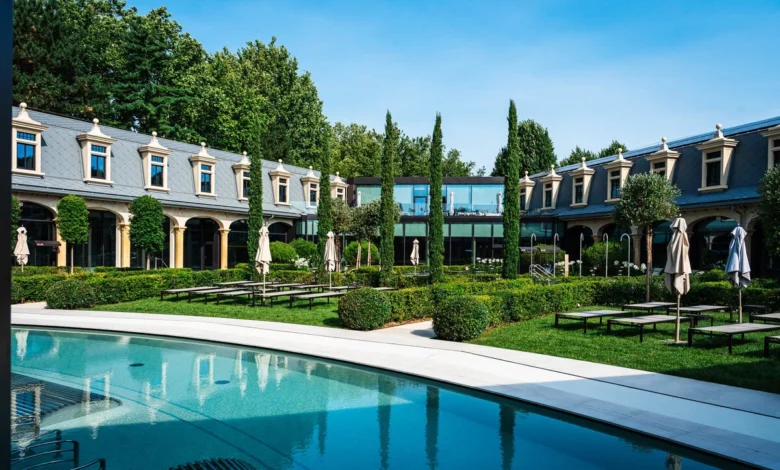
Milan is globally recognized as an epicenter of relentless productivity, operating at a breakneck pace driven by high-stakes fashion weeks, internationally acclaimed design fairs, and a gastronomy sector that continually reinvents itself. Within this bustling urban ecosystem, wellness and restorative leisure have historically taken a back seat to commerce, aesthetics, and high-octane social calendars. However, a significant paradigm shift is underway. Beneath the glossy surface of runways and design showrooms, the city is quietly cultivating a robust urban wellness infrastructure. At the vanguard of this movement is Terme De Montel, a sprawling thermal bath complex established within the historic, Liberty-era De Montel Stables in the city’s San Siro district. This development challenges the traditional narrative of Milanese lifestyle, offering residents and international travelers an unprecedented sanctuary to pause, recalibrate, and experience the ancient tradition of thermal hydrotherapy without ever leaving the municipal boundaries.
The Historical Transformation of the De Montel Stables
The realization of Terme De Montel represents a masterclass in architectural adaptive reuse, bridging early 20th-century urban history with contemporary wellness demands. Originally constructed in the early 1900s during the height of the Italian Liberty architectural movement—Italy’s distinct iteration of Art Nouveau—the De Montel complex was initially designed to serve as state-of-the-art stables for the elite cavalry horses of the era. Characterized by intricate ironwork, generous proportions, and ornamental masonry, the structures stood for decades as a testament to the decorative and functional craftsmanship of the period before eventually falling into disuse and architectural neglect.
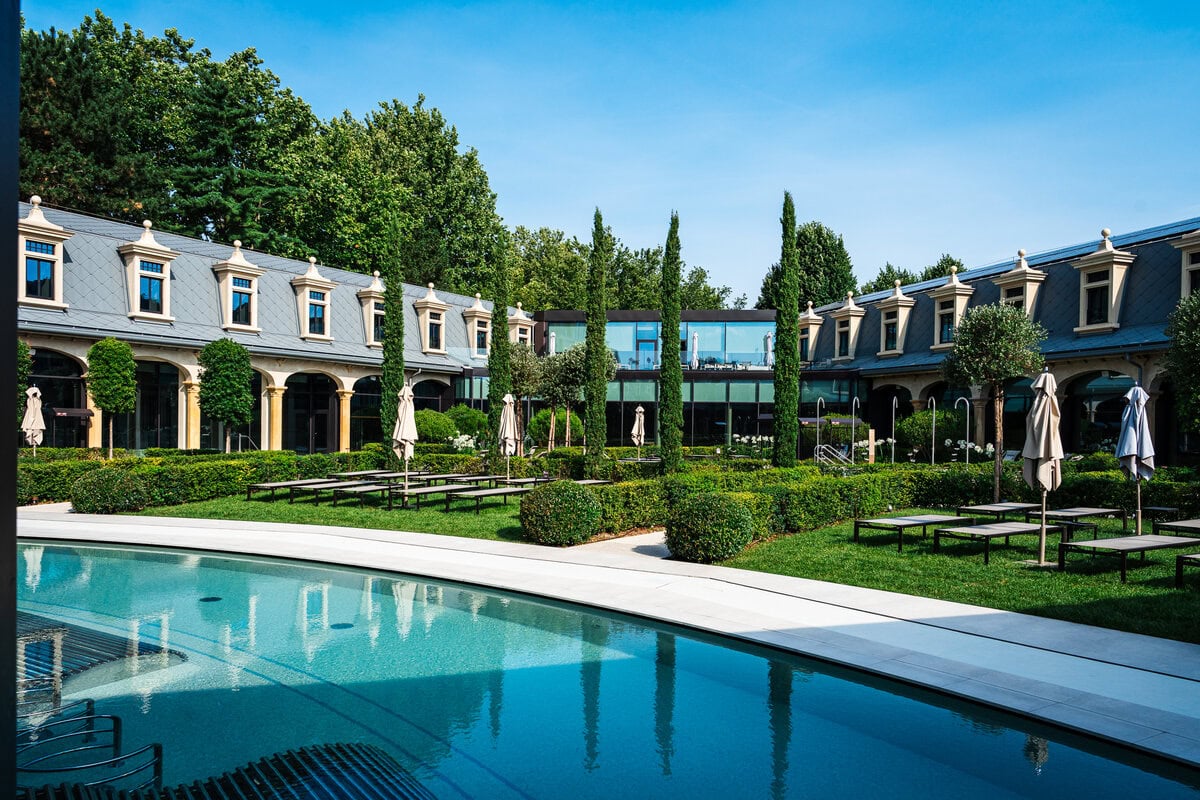
Urban planners and municipal authorities recognized the untapped potential of the sprawling site, initiating a meticulous restoration project aimed at preserving the historical integrity of the Liberty-era architecture while retrofitting the vast footprint into a cutting-edge thermal facility. Spanning more than 16,000 square metres, the completed complex successfully marries the grand, soaring aesthetics of the past with modern hydrotherapy engineering. Visitors stepping past the threshold are immediately insulated from the external urban cacophony, greeted not by sterile, modern wellness cubicles, but by high vaulted ceilings, historical detailing, and a spatial grandeur that fundamentally alters the psychology of an urban spa visit.
Hydrotherapy and the Science of Mineral Water
At the core of the Terme De Montel experience is an abundant supply of certified thermal mineral water, extracted from a depth of 396 meters below the surface. Officially certified by the Italian Ministry of Health, this subterranean resource possesses distinct chemical and physical properties that contribute to muscle relaxation, circulatory stimulation, and dermal rejuvenation. The facility houses ten distinct thermal pools, strategically distributed across indoor and outdoor environments to accommodate fluctuating seasonal climates and guest preferences.
Hydroacoustic studies and environmental psychology increasingly point to the therapeutic value of moving water in mitigating urban stress. Within the vaulted chambers of the historic stables, the acoustic profile is dominated by the gentle, rhythmic cadence of thermal streams and cascading pools. This natural soundscape organically suppresses human chatter and eliminates the low-frequency drone of metropolitan traffic. Municipal health analysts emphasize that integrating such deep-immersion thermal facilities directly into densely populated urban centers yields measurable public health benefits, offering accessible stress-reduction mechanisms for a working population chronically exposed to high-pressure environments.
Navigating the San Siro District: A Study in Contrasts
The geographic positioning of Terme De Montel within the San Siro district adds a compelling layer of sociological and urban contrast to the visitor experience. Historically, San Siro is synonymous with high-intensity sports and entertainment, dominated primarily by the legendary Giuseppe Meazza Stadium—widely known as San Siro Stadium—which draws hundreds of thousands of passionate fans for football matches and global concert tours.
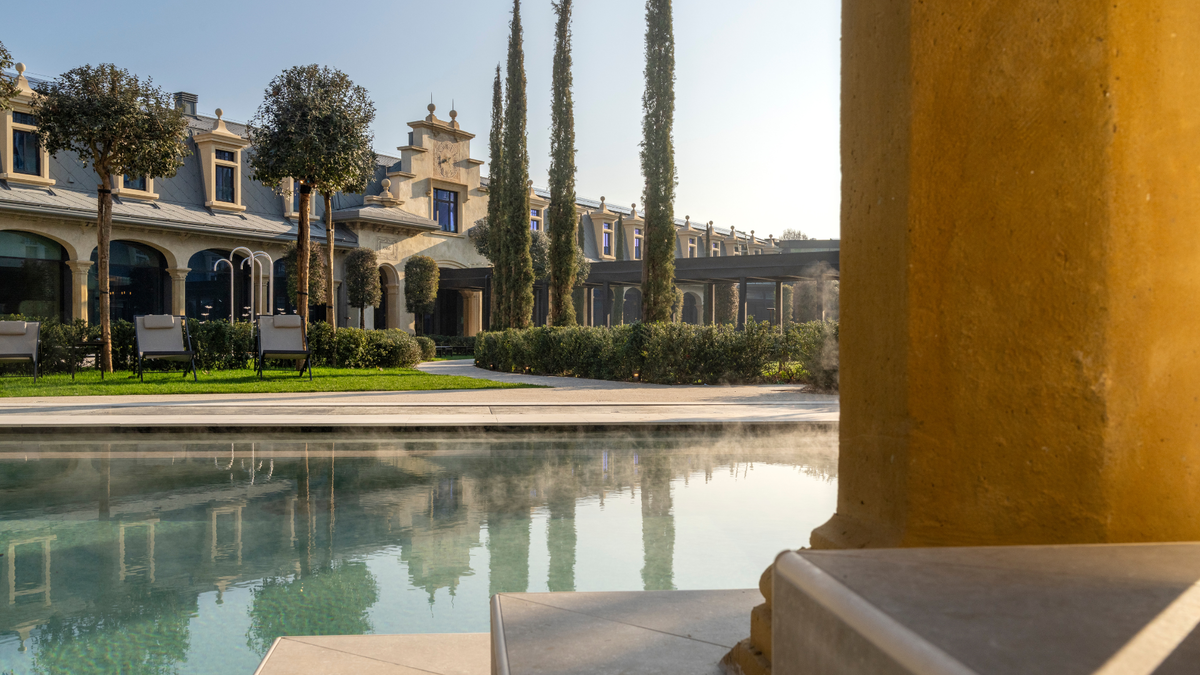
This juxtaposition of high-energy sporting culture and ultra-quiet thermal relaxation is entirely intentional. Urban development experts note that modern metropolitan planning increasingly favors multi-functional neighborhoods where residents can easily pivot from high-stimulus public spaces to absolute seclusion. By establishing a world-class wellness destination in an area traditionally defined by stadium crowds and match-day congestion, Milan has effectively diversified the cultural and recreational utility of the San Siro sector. Visitors can spend their mornings immersed in the sporting heritage or architectural grandeur of western Milan, and by afternoon, cross the threshold into a silent, vapor-wreathed sanctuary.
The Comprehensive Wellness Itinerary and Spatial Economics
Designed to counter the modern epidemic of time poverty, Terme De Montel operates on a model that rejects the hurried, "clock-in, clock-out" mentality of standard urban day spas. The premier five-hour wellness package has been strategically engineered to facilitate a physiological and psychological decompression cycle. Research in chronobiology indicates that genuine restorative relaxation requires a minimum unbroken window of three to four hours to significantly lower cortisol levels and normalize autonomic nervous function.
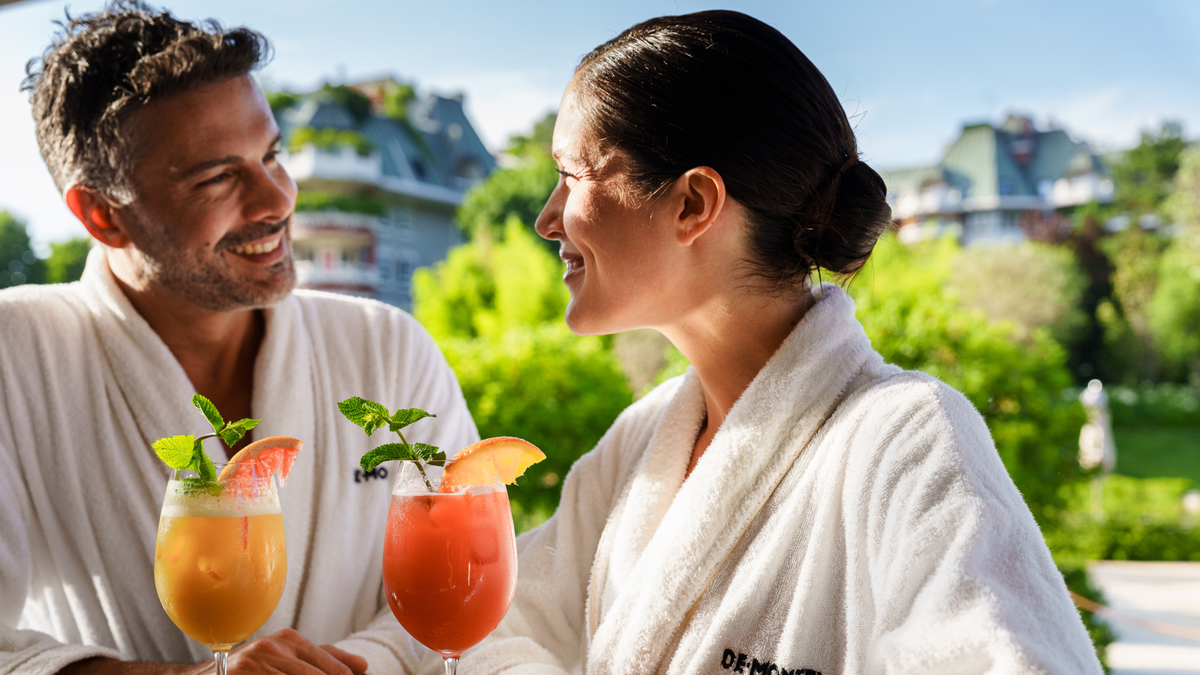
Upon entry, guests are provided with an all-inclusive spa kit comprising a high-grade bathrobe, towel, slippers, and a commemorative tote bag. The itinerary grants unrestricted access to indoor and outdoor thermal pools, advanced hydromassage stations, Finnish saunas, traditional Turkish baths (hammams), and designated quiet rooms. Furthermore, the complex integrates a strong gastronomic component, incorporating leisurely aperitivo sessions and balanced culinary offerings that celebrate regional Italian flavors without disrupting the tranquil rhythm of the day. This synthesis of hydrotherapy, thermal heat cycles, and unhurried dining establishes a holistic ecosystem where wellness is treated as a comprehensive lifestyle practice rather than a superficial aesthetic treatment.
Economic Implications and the Evolution of Milanese Tourism
The opening and rapid ascent of Terme De Montel reflect broader structural changes in European urban tourism and lifestyle economics. Historically, tourists visited Milan for compressed, high-velocity itineraries focused strictly on luxury shopping, historical monuments, and business conventions. The integration of a destination-scale thermal bath house signals a maturation of Milan’s tourism portfolio, encouraging longer average visitor stays and attracting a demographic specifically seeking health-oriented, slow-travel experiences.
Hospitality analysts observe that travelers are increasingly prioritizing destinations that offer mental restoration alongside cultural consumption. By positioning itself as both a capital of high design and a burgeoning hub for urban thermal wellness, Milan is successfully capturing a lucrative segment of the wellness tourism market that previously bypassed northern Italy in favor of traditional alpine spa towns or Tuscan thermal resorts.
Practical Considerations for Visitors
For travelers planning an excursion to Terme De Montel, understanding the operational rhythm of the facility is essential. Located in the western sector of the city, the complex is fully integrated into Milan’s extensive public transportation network, making it easily accessible via metro and tram lines from the historic center (Duomo) or major railway stations.
Because the experience is curated around multi-hour immersion rather than rapid-fire treatments, advance reservation is strongly recommended, particularly during weekends and peak fashion or design calendar windows. Meteorological shifts enhance the versatility of the venue: winter visits offer a dramatic thermal contrast, where guests float in steaming outdoor mineral water amidst crisp, cold air, while spring and summer months open up expansive garden terraces and sun-drenched pool decks. Ultimately, the integration of Terme De Montel into the Milanese landscape provides a long-overdue counterweight to the city’s frantic pace, institutionalizing the Italian art of prendersi il proprio tempo—taking one’s own time—within the very heart of Lombardy’s economic powerhouse.