The Enduring Heartbeat: Corn as the Unifying Foundation of Mexican Culture and Cuisine

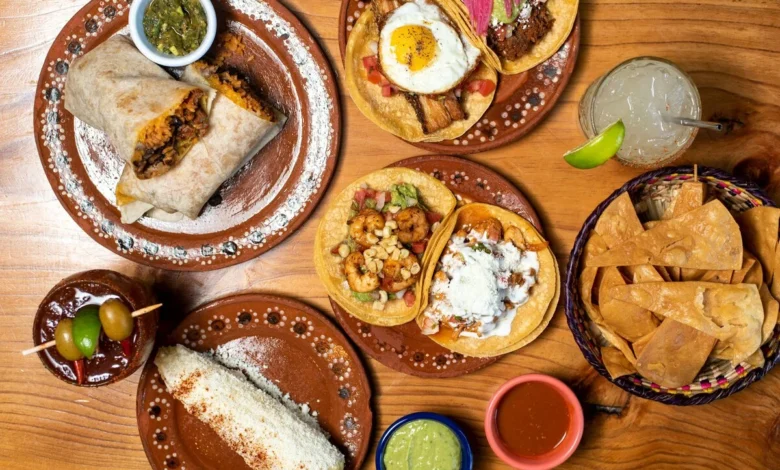
Few ingredients have sculpted a nation’s culinary landscape with the profound depth and omnipresence that corn has bestowed upon Mexico. Far more than a mere agricultural product, maize, or maíz, stands as the very bedrock of Mexican identity, its golden, white, blue, and red kernels interwoven into the tapestry of ancient mythologies, sophisticated agricultural practices, cherished family traditions, vibrant street food scenes, the pinnacle of fine dining, and the simplicity of daily meals across every socio-economic stratum. To truly grasp the essence of corn in Mexican cuisine is to embark on an unparalleled journey into the soul of Mexico itself.
The Ancient Roots: Mexico as Maize’s Cradle
Mexico proudly holds the undisputed title of maize’s birthplace. Scientific and archaeological consensus, bolstered by extensive genetic evidence, pinpoints the domestication of maize from its wild progenitor, a grass known as teosinte (Zea mays ssp. parviglumis), in the Balsas River Valley of Mesoamerica. This transformative agricultural revolution began approximately 10,000 years ago, marking a pivotal moment in human history. Early archaeological sites, such as the Coxcatlán Cave in Tehuacán, Puebla, have yielded some of the oldest known maize cobs, providing tangible proof of this ancient domestication process. These early forms were significantly smaller than modern maize, but their cultivation signaled a shift towards sedentary agriculture and the rise of complex societies.
Today, Mexico remains the global center of origin and diversification for maize, a living library of genetic heritage. The National Commission for the Knowledge and Use of Biodiversity (CONABIO) officially recognizes more than 60 native races of maize, encompassing hundreds of distinct local varieties (criollos) that continue to be cultivated by indigenous communities and small farmers across the country. This unparalleled biodiversity is a testament to millennia of careful selection and adaptation to diverse microclimates and culinary needs. Unlike many parts of the world where wheat, rice, or potatoes typically form the dietary cornerstone, corn has steadfastly maintained its position as Mexico’s primary staple for millennia. It provides a substantial portion of daily calories for millions of people, acting as a crucial element of food security and anchoring an almost limitless array of traditional dishes, from the tropical coasts to the arid highlands. In numerous rural communities, the specific corn varieties grown, processed, and consumed represent an unbroken chain of cultivation passed down through the same families for generations, embodying a deep-seated connection to land and heritage. When one dines in Mexico—whether at a bustling market stall, within the warmth of a family kitchen, or amidst the innovation of a Michelin-starred restaurant—corn is almost invariably the fundamental element upon which every other flavor and texture is built.
Nixtamalization: A Culinary and Nutritional Revolution
One of the most profound and consequential food innovations in human history originated with the Indigenous peoples of Mesoamerica: the process known as nixtamalization. This ingenious technique involves cooking dried corn kernels in an alkaline solution, typically composed of water and calcium hydroxide, commonly known as cal or slaked lime. Following this cooking, the kernels are soaked, meticulously rinsed, and then ground into a fine, moist dough called masa. This seemingly simple process triggers a complex series of chemical and physical transformations within the corn.
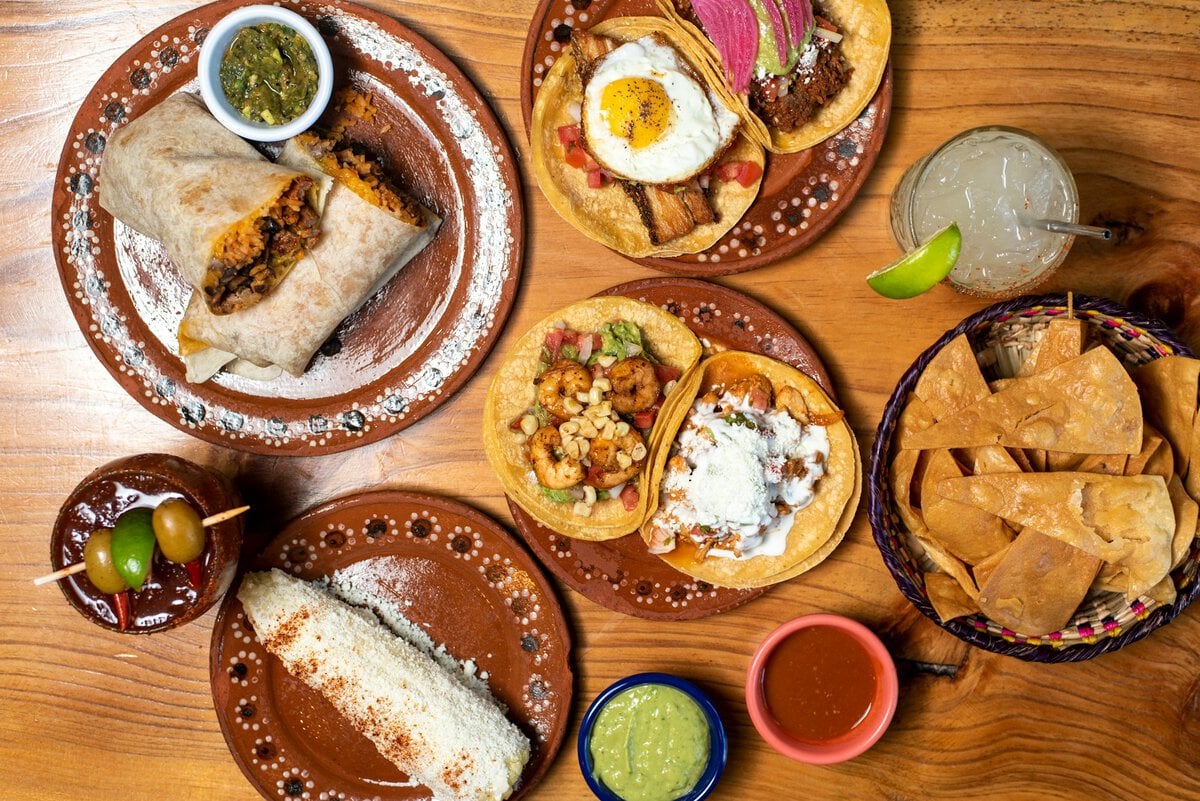
Nixtamalization dramatically enhances the nutritional profile of maize. Crucially, it liberates niacin (Vitamin B3), which is otherwise largely bound and unavailable in raw corn. This prevents deficiency diseases such as pellagra, which historically plagued corn-dependent populations elsewhere in the world who did not employ this technique. Furthermore, the process significantly increases the bioavailability of calcium, improves protein quality, and makes the corn more digestible. Beyond its nutritional benefits, nixtamalization fundamentally alters the corn’s texture and flavor, producing the distinctive earthy aroma, complex taste, and unparalleled pliability that raw corn flour simply cannot deliver.
Without nixtamalization, the defining foods of corn in Mexican cuisine as we know them today would not exist. The resulting masa becomes the indispensable base for an expansive universe of dishes: the ubiquitous tortillas, the comforting tamales, the hearty sopes, the dense tlacoyos, the elongated huaraches, the thick gorditas, and dozens of other culinary creations. Recognizing its profound significance, UNESCO formally acknowledged this intricate culinary system, citing nixtamalization as one of the foundational techniques of traditional Mexican cuisine, leading to its inscription as an Intangible Cultural Heritage of Humanity in 2010. The recognition underscores not just the technique itself, but the entire cultural ecosystem surrounding corn cultivation, processing, and consumption. The sensory difference between a fresh tortilla made from nixtamalized corn, meticulously prepared from scratch, and one produced from commercially processed masa flour, is immediate and striking: the former boasts a richer, earthier, and more complex flavor profile, coupled with a softness and elasticity that packaged products rarely achieve.
The Ubiquitous Grain: Corn’s Manifestations on the Mexican Table
Corn’s presence on the Mexican table is pervasive, manifesting in countless forms that range from daily staples to celebratory feasts.
Tortillas: The Daily Bread
The tortilla stands as the undisputed backbone of Mexican gastronomy. These thin, circular discs of masa accompany virtually every meal, ingeniously serving simultaneously as bread, plate, utensil, and integral ingredient. Their importance is underscored by statistics: an astounding 94% of Mexicans consume tortillas daily, with an average per capita consumption estimated at over 100 kilograms annually. Regional variations in tortilla preparation are significant, influenced by the specific corn varieties used; for instance, the criollo corn of Oaxaca yields tortillas with a distinct texture and flavor profile compared to those found in Jalisco or Veracruz. In countless households and dedicated tortillerías—small, local tortilla factories—they are still crafted from freshly ground masa, rather than dried flour, a tradition that preserves their superior taste and texture.
Tamales: Ancestral Delicacies
Tamales are among the oldest prepared foods in Mexico, their origins tracing back thousands of years to pre-Hispanic civilizations. The preparation involves mixing masa with fat (such as lard) or broth, filling it with a variety of savory or sweet ingredients, wrapping it in corn husks or banana leaves, and then steaming it until firm. Every region boasts a distinct approach: the large, banana-leaf-wrapped Oaxacan tamales, often filled with mole, differ substantially from the sweeter, often fruit-filled varieties served during holidays in central Mexico, or the more masa-heavy, simply filled versions common in the northern states. Tamales are deeply entwined with festive occasions, religious celebrations, and family gatherings, representing a communal effort in their preparation and consumption.
Pozole: The Celebratory Stew
Pozole, a hearty and iconic stew, relies on a specific heirloom corn variety known as cacahuacintle. Its large, plump kernels possess a unique characteristic: after nixtamalization, they "bloom" or expand significantly, developing a soft, chewy texture. Traditionally, pozole is combined with pork, but regional variations also feature chicken, seafood, or even vegetables in vegetarian versions. It has evolved into one of Mexico’s most deeply rooted celebratory dishes, served with great reverence at weddings, national holidays (like Independence Day), and significant family gatherings, embodying warmth, tradition, and communal joy. The broth can be white (plain), red (with chiles), or green (with tomatillos and herbs), each offering a distinct flavor profile.
Traditional Corn Beverages: Liquid Heritage
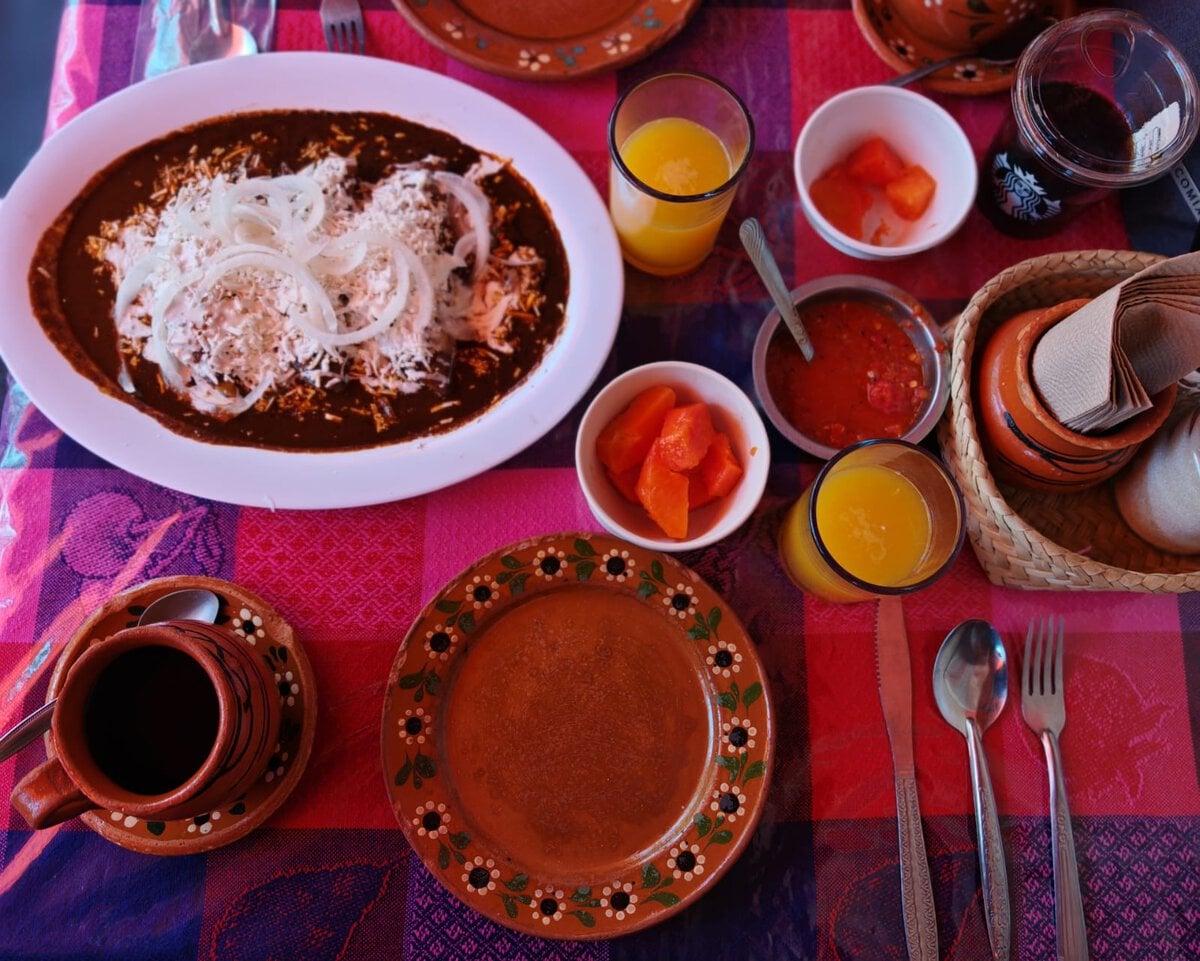
Long before the arrival of coffee, corn served as the primary base for a diverse array of traditional Mexican beverages. Atole, a warm, masa-thickened drink often flavored with chocolate (champurrado), vanilla, or fruit, is a comforting staple, particularly during colder months or for breakfast. Pozol, a fermented corn and cacao drink from southern Mexico, provides sustenance and refreshment in hot climates. Tejuino, popular in Jalisco and Colima, is a lightly fermented corn drink, often served cold with lime and salt. Tejate, an ancient, foamy cacao and corn drink from Oaxaca, is notable for its unique preparation and historical significance. Tesgüino, a more strongly fermented corn beer, holds ritualistic importance among indigenous groups in northern Mexico. While most travelers might only encounter atole, seeking out these other distinctive corn-based drinks offers a unique glimpse into Mexico’s liquid culinary heritage.
Street Food: The Everyday Canvas
Many of Mexico’s most beloved and iconic street foods begin with masa. From the thick, oval gorditas and tlacoyos to the boat-shaped memelas and sopes, the elongated huaraches, crispy tostadas, and stuffed quesadillas, corn forms the versatile and delicious foundation. Even elotes (grilled or boiled corn on the cob) and esquites (corn kernels served in a cup) celebrate the grain in its simpler, yet equally flavorful, forms. The fillings, toppings, and preparations for these dishes vary dramatically by region, reflecting local ingredients and preferences, but corn remains the constant thread, connecting them all in a vibrant culinary tapestry accessible to everyone.
Fine Dining: Elevated Heritage
In recent decades, Mexico’s leading chefs have spearheaded a profound resurgence and renewed appreciation for heirloom corn varieties and the traditional art of nixtamalization. Restaurants across the country, particularly those at the forefront of contemporary Mexican cuisine (like Enrique Olvera’s Pujol), now treat regional maize varieties, freshly prepared masa, and artisanal tortillas as premium ingredients, comparable in prestige and complexity to single-origin coffee or fine wine grapes. This movement not only elevates traditional ingredients but also supports small-scale farmers who cultivate these precious heirloom varieties, fostering a sustainable ecosystem that preserves both culinary heritage and agricultural biodiversity.
A Kaleidoscope of Kernels: Mexico’s Rich Corn Biodiversity
One of the most striking discoveries for visitors to Mexico’s markets is the incredible diversity of its corn. Far from being simply yellow, native varieties present a breathtaking palette of colors: white, blue, red, black, purple, pink, and multicolored forms. Each of these different races of corn is uniquely suited to specific culinary applications, a result of millennia of selective cultivation by indigenous communities. Some varieties are preferred for the delicate texture required for tortillas, others for the firm structure needed for tamales, and still others for the expansive kernels essential for pozole. CONABIO’s documentation of 64 types of corn in Mexico, with 59 being native, each possessing unique characteristics in terms of color, shape, size, starch content, and flavor, highlights this astonishing biodiversity.
This genetic and phenotypic richness explains why corn in Mexican cuisine tastes so remarkably different across the country. Traveling from the central valleys of Oaxaca to the highlands of Michoacán, one encounters market vendors selling heirloom varieties cultivated by the same families for centuries, each perfectly adapted to a specific local dish or preparation method. This system, often integrated into the traditional milpa polyculture system (where corn, beans, and squash are grown together), ensures ecological balance and the continuous evolution and preservation of these invaluable landraces.
Beyond Sustenance: Corn as the Fabric of Mexican Identity
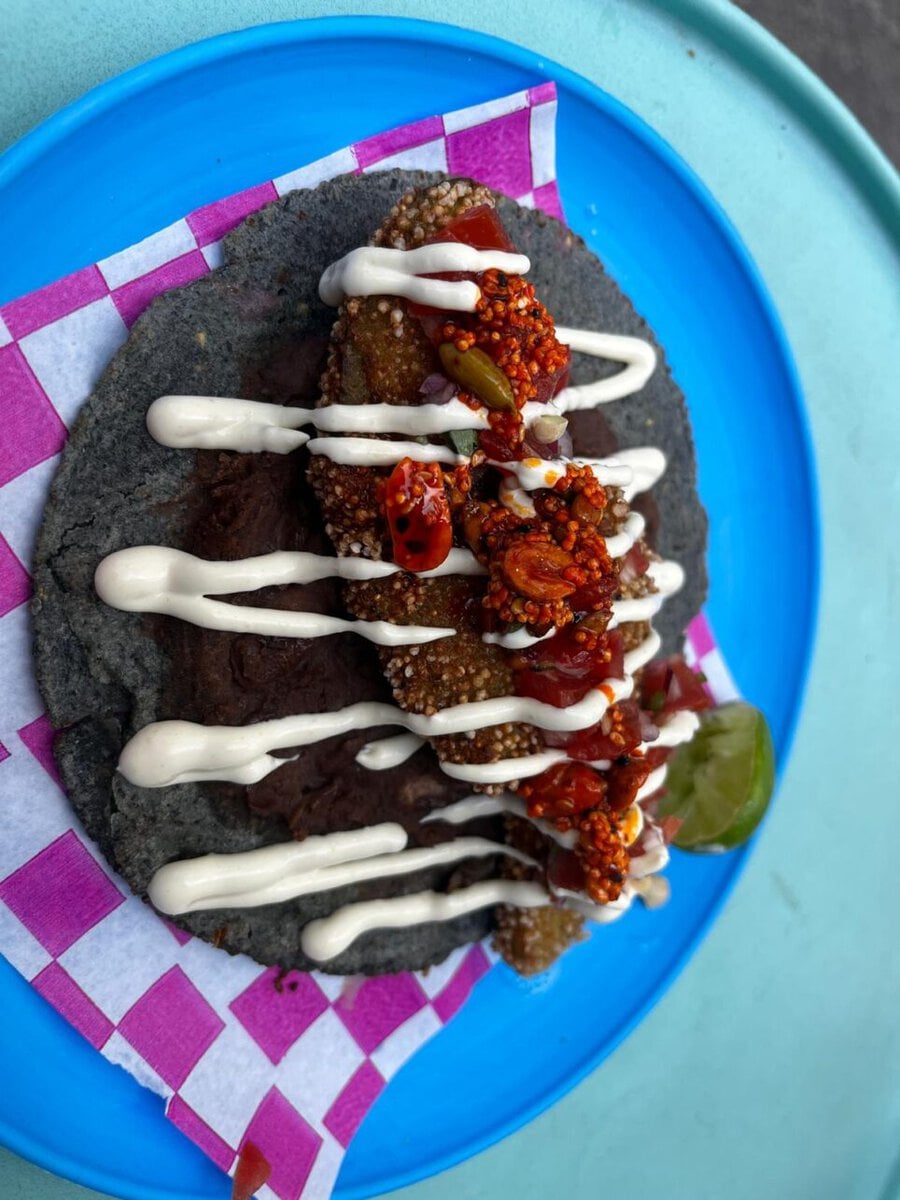
Corn’s significance in Mexican culture transcends its vital role in agriculture and sustenance; it is inextricably linked to the very essence of Mexican identity. For Mexico’s indigenous peoples, corn shapes not only daily meals but also dictates the rhythm of life, its growing cycle influencing the timing of festivals, rituals, and ceremonies. The image of corn appears as a recurring motif in ancient art, architecture, and contemporary crafts, symbolizing fertility, life, and creation. Ancient Mesoamerican creation stories, most famously recorded in the Popol Vuh of the Maya, vividly describe humanity as having been formed from corn itself. This origin story is not mere folklore in the way it might be elsewhere; it reflects a genuine, unbroken, and deeply spiritual relationship between people and crop that has endured for thousands of years. The concept of mestizaje, the blending of indigenous and European cultures, is also deeply intertwined with corn, as it became a foundational element of the new culinary landscape that emerged.
In the modern era, the preservation of native corn varieties and traditional nixtamalization techniques has become a critical cultural and political issue. Challenges from industrial agriculture, genetically modified organisms (GMOs), and globalized food systems threaten this precious biodiversity. However, strong movements, supported by academics, chefs, and indigenous communities, are actively working to protect these ancient strains and traditional practices, viewing them as crucial elements of national heritage and food sovereignty. This ongoing effort highlights that corn in Mexican cuisine is rarely just about food. The grain carries within its kernels the weight of heritage, the richness of biodiversity, and the enduring thread of cultural continuity in ways that few other agricultural products anywhere else in the world can genuinely claim. It is, quite simply, the soul of Mexico.
Economic and Cultural Implications: Protecting a Legacy
The profound relationship between Mexico and its corn has significant economic and cultural implications. Economically, corn cultivation, particularly of native varieties, sustains millions of small farmers and contributes to regional economies through local markets and culinary tourism. The resurgence of interest in heirloom corn in fine dining creates niche markets that can empower these traditional growers. Culturally, corn forms the backbone of Mexico’s culinary identity, a heritage recognized globally by UNESCO. Protecting this legacy involves advocating for sustainable agricultural practices, promoting fair trade for criollo corn farmers, and educating consumers about the value of biodiversity and traditional processing methods. The ongoing dialogue around GMOs in Mexico, for instance, is not merely a scientific debate but a deeply cultural and existential one, touching upon national sovereignty and the right to preserve an ancestral food source. The future of Mexican cuisine, and indeed Mexican identity, is inextricably linked to the fate of its corn.
Frequently Asked Questions
What is nixtamalization and why does it matter for corn in Mexican cuisine?
Nixtamalization is the ancient Mesoamerican process of soaking and cooking dried corn kernels in an alkaline solution (typically water and calcium hydroxide) before rinsing and grinding them into masa. It is crucial because it significantly improves the nutritional value of corn by making niacin (Vitamin B3) and calcium more bioavailable, preventing diseases like pellagra. Furthermore, it imparts the distinctive flavor, aroma, and pliable texture essential for creating authentic tortillas, tamales, and most other corn-based staples in Mexican cuisine.
Is all corn used in Mexican food the same variety?
No, absolutely not. Mexico is home to over 60 recognized native corn races, along with hundreds of local varieties. Each of these criollo types has been developed over millennia for specific climates, soil conditions, and culinary applications. For example, the white corn commonly used for everyday tortillas in Oaxaca differs substantially from the large-kernel cacahuacintle variety prized for pozole, or the distinct blue corn utilized for tlacoyos and specialty tortillas in central Mexico. This biodiversity contributes significantly to the regional variations in Mexican cuisine.
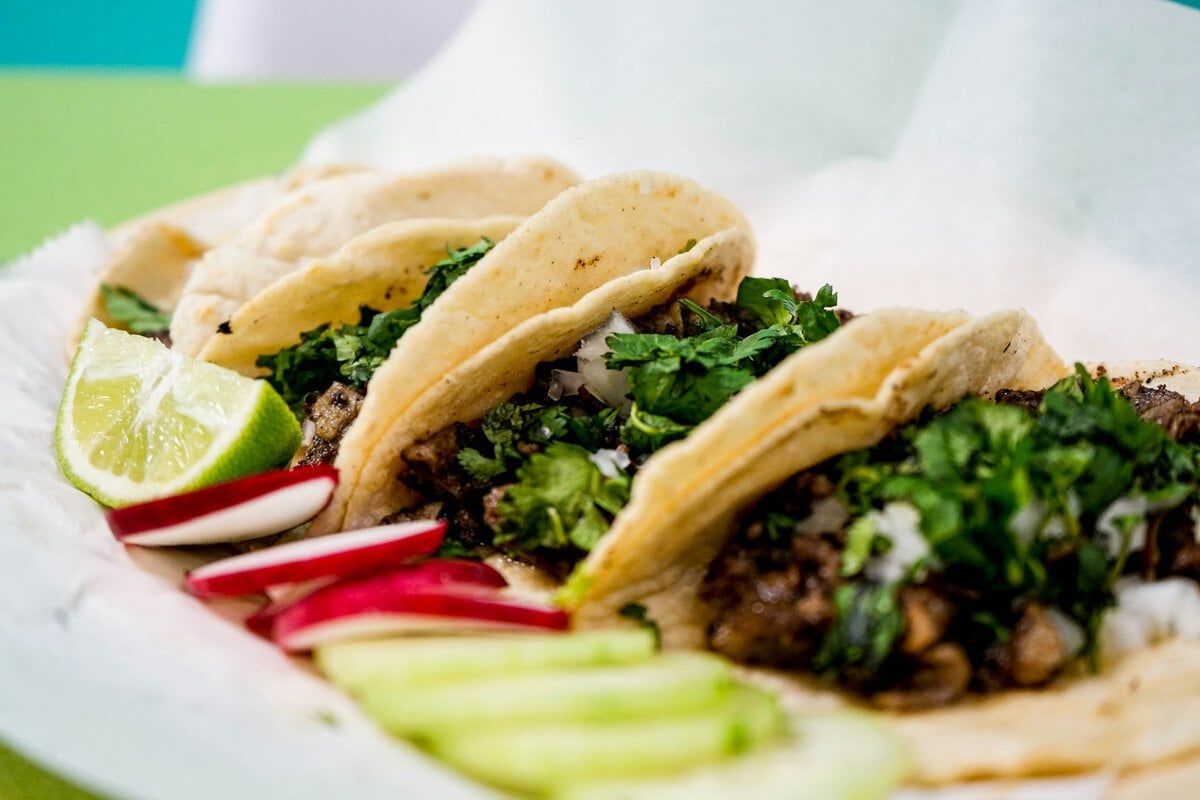
Can you taste the difference between fresh masa tortillas and packaged ones?
Yes, the difference is noticeable and profound. Tortillas made from freshly prepared, nixtamalized masa possess a richer, deeper, and more earthy flavor profile, along with a softer, more elastic texture that dried commercial masa flour simply cannot replicate. To truly experience the authentic taste of corn in Mexican cuisine, seeking out a local tortillería that uses fresh masa is highly recommended.
Where in Mexico are corn-based food traditions most distinct?
While corn is central nationwide, states in central and southern Mexico, such as Oaxaca, Puebla, Tlaxcala, and Mexico State, are often considered to have the most regionally specific and deeply rooted corn traditions. These areas boast unique heirloom varieties, distinct tamale styles, and a wide array of masa-based street foods that differ significantly from those found in northern Mexico, where wheat flour sometimes plays a more prominent role.
Are there corn-based drinks worth trying in Mexico?
Definitely. Atole, a warm, masa-thickened beverage often flavored with chocolate (champurrado) or fruit, is a comforting and widely available option. For those willing to explore further, tejuino (a lightly fermented cold corn drink from Jalisco and Colima) and tejate (an ancient, foamy cacao-and-corn drink from Oaxaca) offer unique and authentic flavor experiences that are among the most distinctive culinary encounters the country provides.
Is pozole always made with pork?
No. While pork is a very traditional and popular protein for pozole, especially in central Mexico, its preparation varies by region. In many coastal areas, particularly, pozole can be made with chicken or various types of seafood. Vegetarian versions, using mushrooms or other vegetables, are also increasingly common. The defining elements of pozole are the distinctive cacahuacintle corn and the rich, flavorful broth, rather than a specific type of meat.