A Comprehensive Guide to Traveling on the Eastern and Oriental Express Through Malaysia

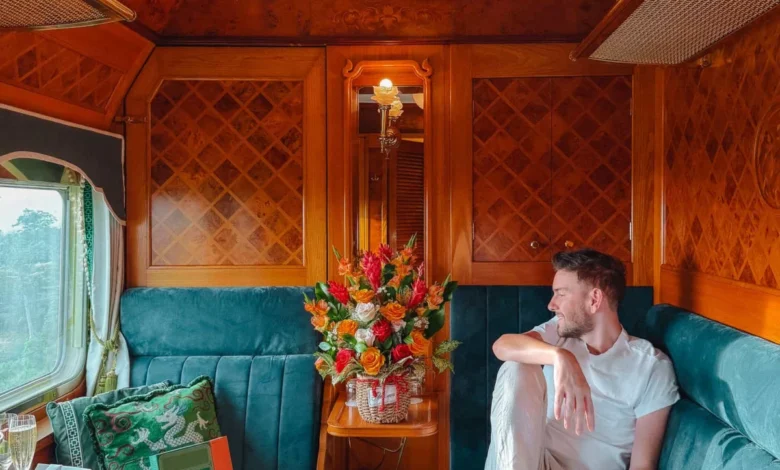
The Eastern and Oriental Express stands as one of the world’s most iconic rail experiences, offering a sophisticated intersection of colonial-era elegance and modern luxury travel. Operated by Belmond, the train provides a curated journey through the heart of Southeast Asia, primarily connecting the vibrant metropolis of Singapore with the diverse landscapes of Peninsular Malaysia. For travelers seeking an immersive, high-end transit experience, the train offers more than just transportation; it serves as a moving boutique hotel, complete with fine dining, personalized butler service, and exclusive access to regional heritage sites.

Historical Context and Operational Excellence
The Eastern and Oriental Express, often likened to the legendary Venice Simplon-Orient-Express, was inaugurated in 1993. It was conceptualized to fill a void in luxury rail travel within Asia, providing a level of comfort that had not been seen in the region since the height of the steam era. The carriages themselves are historical treasures, many having been refurbished from retired trains previously operated in New Zealand and Japan.

The service is defined by its meticulous attention to detail. Every aspect of the journey, from the moment of booking to the final disembarkation, is managed to ensure a seamless experience. This high-touch service model is a hallmark of the Belmond brand, which manages a global portfolio of luxury trains, river cruises, and hotels. By integrating comprehensive concierge services—such as pre-trip coordination for spa treatments and excursions—the operator effectively removes the logistical friction typically associated with cross-border travel.

Logistics and Pre-Departure Procedures
Travelers embarking on this journey typically begin at the Woodlands Train Station in Singapore. Because the train crosses international borders, passengers must complete standard immigration procedures at the Woodlands checkpoint before boarding. The logistical planning begins well in advance; the onboard concierge team proactively reaches out to guests approximately one month prior to departure. This phase is critical for securing reservations for the train’s limited-capacity offerings, such as the Dior Spa and specific guided excursions at each stop.

For guests staying in Singapore, Belmond facilitates a private car transfer from central hotels to the station. This 25-minute transit is part of a broader commitment to a frictionless experience. Upon arrival at the platform, guests are greeted by the train staff, signaling the start of an itinerary that prioritizes hospitality and comfort over the rigid schedules of traditional public rail networks.

Cabin Categories and Accommodations
The train’s capacity is divided into three distinct cabin classes, each designed to optimize the limited space of a rail carriage while maintaining a high standard of comfort.

- The Pullman Cabin: The most compact option, featuring bunk-style sleeping arrangements and a private ensuite shower room.
- The State Cabin: A mid-tier offering that provides more floor space, with two single beds that can be converted into sofas during the day to create a more spacious lounge area.
- The Presidential Suite: The most opulent category, offering the largest floor plan and premium amenities.
Regardless of the category, all guests have access to the full range of communal carriages. The cabin staff—butlers assigned to each carriage—are responsible for the daily transformation of these spaces. The conversion of beds into sofas during breakfast, and the nightly preparation of sleeping quarters while guests are at dinner, ensures that the living environment remains orderly and functional throughout the trip.

Communal Spaces and Onboard Amenities
The train layout is designed to encourage social interaction while providing quiet corners for relaxation. The Observation Car, typically located at the rear of the train, is a focal point for passengers. It features a bar and an outdoor deck, offering panoramic views of the Malaysian countryside. This area is frequently utilized during the transition between major stations.

The culinary experience is anchored by two primary restaurant carriages, Malaya and Adisorn. These cars are designed with period-appropriate aesthetics, featuring rich wood paneling and intricate detailing. Dining is a communal affair, with seating arrangements often placing guests together, fostering a social environment that many long-distance rail enthusiasts find to be a highlight of the trip. While shared dining is the standard, requests for two-seater tables can be accommodated, allowing for more intimate experiences.

The Piano Car serves as the social hub during the evenings. It is equipped with a bar offering a wide selection of cocktails, champagne, and spirits, and features live musical performances. This carriage remains active late into the night, acting as a gathering place for passengers to reflect on their daily excursions.

For wellness, the train includes a dedicated Dior Spa carriage. The inclusion of high-end, branded spa services on a train moving through the tropical landscapes of Malaysia represents a niche intersection of luxury wellness and transit. The spa consists of two treatment rooms, requiring advance booking due to high demand. Additionally, a boutique onboard sells branded merchandise, including the distinctive tiffin boxes and glassware used during the service, though inventory management is a noted consideration for those looking to purchase souvenirs.

The Essence of Malaysia: Itinerary and Excursions
The most popular route, the Essence of Malaysia, focuses on a selection of cultural and historical hubs. Key stops on this journey include:

- Penang: Famous for its colonial architecture and street art in George Town.
- Langkawi: Known for its natural beauty and coastal excursions.
- Ipoh: A historic city that provides a glimpse into the colonial mining history of the region.
Excursions at these stops are fully included in the ticket price. This all-inclusive model is a significant departure from standard rail travel, where shore excursions are often optional add-ons. By pre-booking these activities, the operator ensures that guests are integrated into local tours—ranging from culinary workshops to heritage walks—without the stress of local coordination.

Analysis of the Luxury Rail Market
The resurgence of luxury rail travel can be attributed to a growing demand for "slow travel" experiences that offer a reduced carbon footprint compared to regional aviation, combined with the desire for high-level service. The Eastern and Oriental Express is a significant contributor to this market in Southeast Asia.

From an economic perspective, the operation of such a train involves significant overhead, including the maintenance of vintage rolling stock, the provision of high-end catering, and the management of international border logistics. The premium pricing model reflects these operational complexities. However, for a segment of the luxury travel market, the value proposition—which includes exclusivity, convenience, and the aesthetic experience of historical rail travel—remains a powerful draw.

Fact-based observation suggests that travelers should remain mindful of the train’s motion and the nature of rail travel. While the cabins are well-insulated and designed for quiet, the physical movement of the train can be a factor for light sleepers. Furthermore, the schedule is often packed, with guests frequently balancing early morning excursions with late-night social activities in the Piano Car, leading to what many returnees describe as a "burning the candle at both ends" pace.

Global Connectivity and Future Outlook
The Eastern and Oriental Express is part of a wider ecosystem of luxury rail travel managed by Belmond. Other notable routes include the Royal Scotsman in Scotland, the Andean Explorer in Peru, and the British Pullman in the UK. The success of the Malaysian route underscores the viability of regional luxury rail circuits that cater to international tourists who prefer a comprehensive, hassle-free travel experience.

As travel preferences shift toward more meaningful, slower-paced journeys, the demand for luxury rail is likely to remain stable. The ability of the Eastern and Oriental Express to adapt its services—such as the integration of the Dior Spa—demonstrates a commitment to evolving with modern luxury standards while maintaining the nostalgic allure of the golden age of train travel. Potential passengers are advised to book well in advance, particularly for peak seasonal dates, as the limited capacity of the train frequently results in early sell-outs. Through its synthesis of heritage, hospitality, and regional exploration, the train continues to define the pinnacle of Southeast Asian rail tourism.