The United Kingdom boasts a diverse and historic collection of theme parks that cater to millions of domestic and international visitors annually. From the sprawling, immersive landscapes of Staffordshire to the traditional seaside pleasure grounds of the Lancashire coast, the UK’s amusement industry represents a significant pillar of the nation’s tourism sector. As of the current fiscal period, the industry has seen a resurgence in attendance, driven by post-pandemic travel trends and heavy investment in record-breaking infrastructure.

The Evolution of the UK Amusement Landscape
The history of the British theme park industry is a blend of Victorian seaside tradition and modern, high-octane engineering. While early 20th-century parks focused on simple boardwalk amusements and mechanical dark rides, the late 1980s and 1990s marked a pivot toward massive, themed destination resorts. This shift was largely catalyzed by the Merlin Entertainments Group, which transformed regional sites into national hubs of entertainment. Today, these venues serve as economic engines for their respective regions, often operating as year-round resorts with integrated hotel and conference facilities.

Alton Towers: Engineering and Environmental Constraints
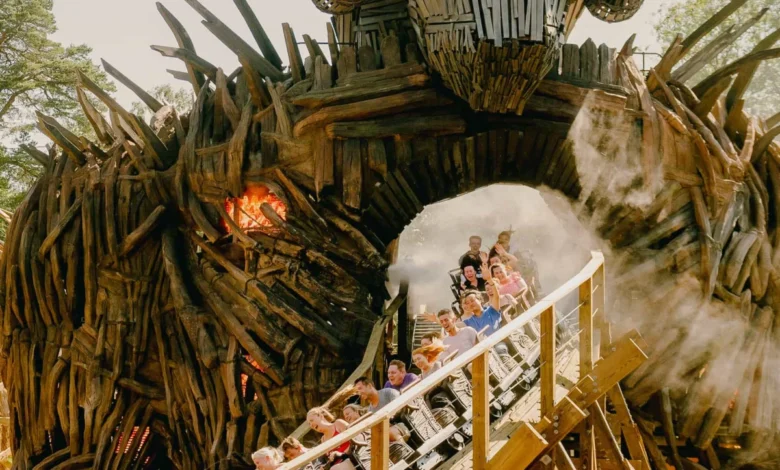
Alton Towers, located in the heart of the Staffordshire countryside, remains the benchmark for themed environments in the UK. Spanning over 500 acres of the former Earl of Shrewsbury’s estate, the park is unique for its strict planning regulations. Due to local council restrictions regarding the visual impact of structures on the landscape, many of the park’s signature rollercoasters are built into trenches and excavations rather than rising above the tree line.

This constraint has led to innovative engineering solutions, such as the subterranean drop sections of the Thirteen coaster and the sprawling layout of Nemesis Reborn. While the park offers world-class attractions, its popularity presents a significant operational challenge: capacity management. During peak summer months and holiday periods, the park experiences high guest density, leading to extended queue times that often exceed 120 minutes per major attraction. To mitigate these pressures, the park has implemented dynamic pricing and tiered Fast-track systems, which allow for a more streamlined guest experience at an additional cost.

Thorpe Park and the Proximity Advantage
Situated in Chertsey, Surrey, Thorpe Park serves as the primary thrill-seeker destination for the Greater London area. Its strategic proximity to the capital and Heathrow Airport makes it a critical component of the UK’s tourism infrastructure. In 2024, the park solidified its status as a premier destination with the opening of Hyperia. Standing at 236 feet, it is currently the tallest and fastest roller coaster in the UK.

From an operational standpoint, Thorpe Park operates on a high-velocity model, designed to process large volumes of guests within a relatively compact footprint. The site, built on former gravel pits, features a high density of water-based and high-G-force attractions, including Stealth and The Swarm. Industry analysts note that such parks are increasingly focusing on "destination-lite" strategies, where the park experience is supplemented by onsite accommodation to extend visitor stays, thereby increasing per-capita spending.

Family-Oriented Destinations: Paultons, Legoland, and Chessington
The UK market maintains a strong emphasis on family-centric theme parks, which often outperform larger thrill-focused parks in terms of repeat visitor loyalty. Paultons Park, located on the edge of the New Forest, has seen sustained growth following the success of its Peppa Pig World development. This strategic branding move—aligning a theme park with globally recognized intellectual property—has proven to be a blueprint for modern attraction development.

Similarly, Legoland Windsor continues to dominate the mid-market segment. Its model relies on a blend of interactive educational experiences and moderate-intensity rides. Chessington World of Adventures, also managed by Merlin Entertainments, provides a hybrid model by combining a zoo, a Sea Life centre, and a theme park. This multi-faceted approach allows the park to remain viable during inclement weather, a perennial challenge for outdoor British attractions.

Regional Gems and Seaside Heritage
Beyond the major destination resorts, regional parks play a vital role in local economies. Blackpool Pleasure Beach represents the historical heart of the UK amusement industry. Unlike many modern parks that function as enclosed resorts, Blackpool Pleasure Beach is woven into the fabric of the promenade. Its historical significance is anchored by rides like the Big One, which, at the time of its 1994 opening, was the tallest and steepest roller coaster in the world.

Flamingo Land in Yorkshire and Pleasurewood Hills in Suffolk demonstrate the success of the "park-and-zoo" hybrid model in northern and eastern England. These parks often benefit from lower population densities in their immediate vicinities, resulting in shorter average queue times compared to their southern counterparts. Meanwhile, Dreamland Margate provides a unique case study in urban regeneration. By restoring vintage attractions and integrating them into a modern arts and culture scene, the site has become a focal point for the revitalization of the Kent coastline.

Supporting Data and Economic Implications
The UK theme park sector contributes billions to the national economy, supporting tens of thousands of jobs in hospitality, engineering, and logistics. According to industry reports, attendance figures in 2023 reached 90% of pre-2019 levels, with a significant uptick in the "staycation" market.

Key metrics for potential visitors include:

- Operational Efficiency: Booking tickets in advance is no longer merely a recommendation; it is an operational necessity. Most major UK parks now use dynamic, data-driven pricing where entry costs fluctuate based on predicted demand.
- Queue Management: The "Reserve and Ride" and "Fast-track" systems represent a significant revenue stream for park operators, often accounting for 10-15% of total gate revenue.
- Infrastructure Investment: Annual capital expenditure across the top ten UK parks is estimated to exceed £100 million, focusing primarily on replacing aging mechanical rides with digital, immersive, or high-capacity steel coasters.
Strategic Planning for Visitors
For those planning to visit these sites, the consensus among travel experts and industry observers is clear: research and advance procurement are paramount. The traditional "turn-up-and-pay" model is largely obsolete at major parks due to limited capacity and the implementation of digital ticketing systems. Furthermore, visitors are advised to monitor official park apps for real-time updates on maintenance schedules, as the UK’s temperate, unpredictable climate can frequently necessitate the temporary closure of outdoor attractions for safety reasons.

As the industry moves toward 2026, the focus is expected to remain on sustainability and integration. Future developments are likely to emphasize energy-efficient ride systems and the expansion of on-site eco-resorts. Whether through the high-speed thrills of Surrey or the coastal charm of Blackpool, the UK’s theme parks remain an essential, albeit evolving, facet of the national leisure landscape.