The Cursed and Consecrated: How Spain’s Only Excommunicated Village Reclaimed Its Witchcraft Legacy


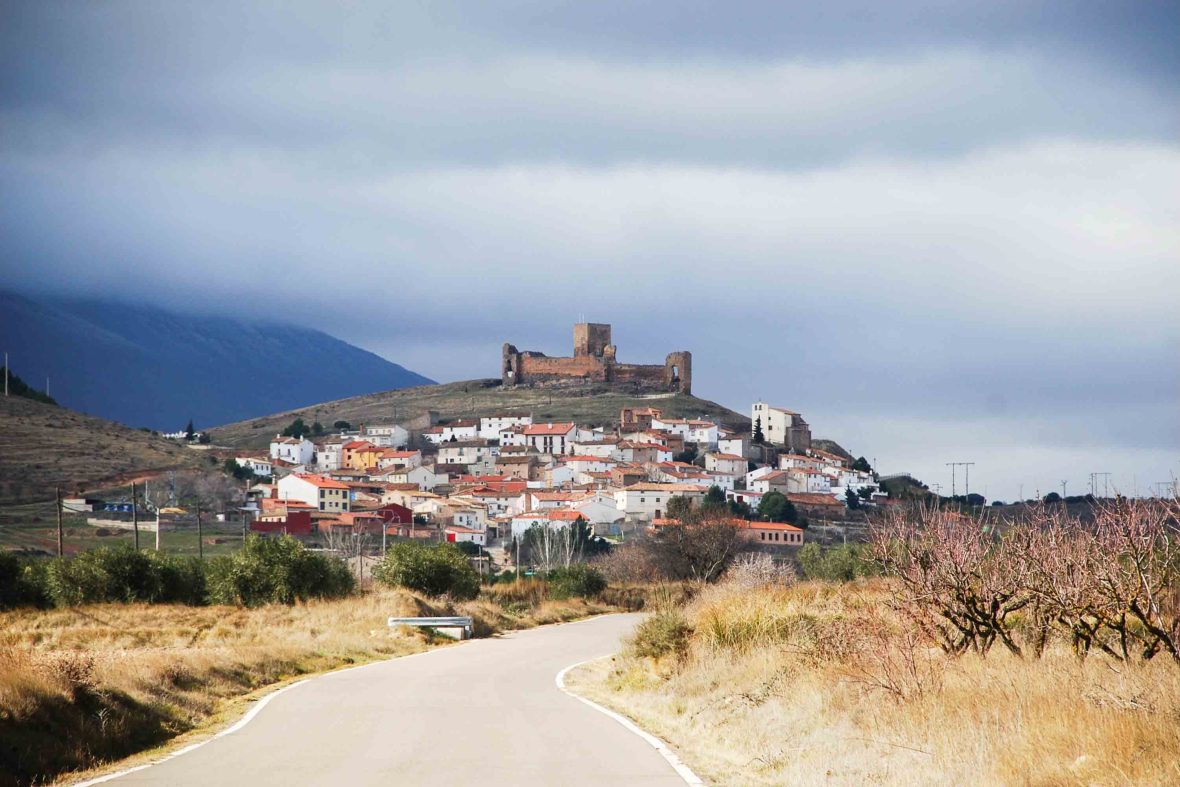
Nestled on a rocky outcrop in northwestern Spain, the medieval village of Trasmoz commands a dramatic view of the snow-capped Moncayo mountain range. With a permanent population hovering just above one hundred residents, this Aragonese settlement holds a singular distinction within the Iberian Peninsula: it is the only municipality officially excommunicated and cursed by the Roman Catholic Church. Yet, rather than shunning this dark historical legacy, contemporary Trasmoz has transformed its reputation for sorcery into a powerful engine for cultural preservation, community resilience, and rural tourism.
A historical anomaly in the low-density region of Aragon, Trasmoz operates far from the sun-drenched coastal hubs that typically dominate Spanish tourism narratives. Surrounded by wild badlands and sparse scrubland, the village is a physical and temporal contrast to modern urban centers. However, beneath its tranquil, traffic-free stone alleys lies a complex past defined by medieval turf wars, economic deception, and the historical persecution of independent women.

Origins of a Medieval Smokescreen
The mythology of witchcraft in Trasmoz did not originate from esoteric rituals or dark magic, but rather from 13th-century geopolitical and economic subterfuge. Historical records and local lore indicate that residents of the village castle engaged in the illicit counterfeiting of currency. To deter prying eyes and discourage outsiders from investigating the deafening sounds of metalwork echoing from the fortress, inhabitants fabricated terrifying rumors that local witches were actively forging cauldrons and practicing dark arts.
This calculated deception proved effective in keeping authorities at bay, but it ultimately triggered severe friction with neighboring ecclesiastical powers. The nearby Monastery of Veruela, situated just a few miles away, clashed repeatedly with Trasmoz over valuable timber harvesting rights and the propagation of witchcraft rumors.
The Dual Anathemas of the Catholic Church
The tensions between the secular community of Trasmoz—historically a diverse enclave comprising Christian, Jewish, and Muslim residents—and the powerful Cistercian monastery culminated in two major historical confrontations.

The first occurred around 1252, when the Monastery of Veruela, exasperated by ongoing resource disputes and the persistent occult rumors, formally excommunicated the village. The wealthy inhabitants refused to repent, maintaining their economic and social independence.
Over two and a half years later, a second and more severe conflict erupted when the monastery was accused of systematically diverting the village’s vital water supply. Armed conflict ensued, resulting in a military victory for Trasmoz. Seeking retribution, the church imposed an official curse—a rare and severe spiritual sanction that, under canon law, traditionally requires papal intervention to lift.
Despite the gravity of these ecclesiastical decrees on parchment, their practical application was far more nuanced. While technically barred from partaking in the sacraments of communion, the residents of Trasmoz remained baptized Christians. Religious worship, baptisms, and daily parish life never actually ceased within the village walls. Today, the Archdiocese views the centuries-old anathema as a forgotten relic of medieval jurisdictional disputes, while local residents wear the historical censure as a badge of honor.
Reversing the Narrative: From Stigma to Celebration
While Trasmoz never experienced the mass hysteria or deadly witch trials seen in other parts of Europe—such as Salem in Massachusetts or Pendle Hill in Lancashire—it shares a grim history regarding the targeted persecution of non-conforming women. In the 19th century, female herbalists and midwives, locally known as healers, were frequently scapegoated for regional epidemics and unexplained hardships. A prominent local tragedy involved La Tía Casca, a 19th-century herbalist who was blamed for an inexplicable local outbreak and ultimately murdered by an agitated mob. A commemorative monument in the castle courtyard now stands as a somber reminder of this systemic violence against autonomous women.
In the year 2000, local civic leaders and residents sought to permanently alter this narrative by establishing the Asociación Cultural El Embrujo de Trasmoz. The cultural organization was founded to formalize the village’s connection to folklore and turn historical ostracization into a sustainable identity.
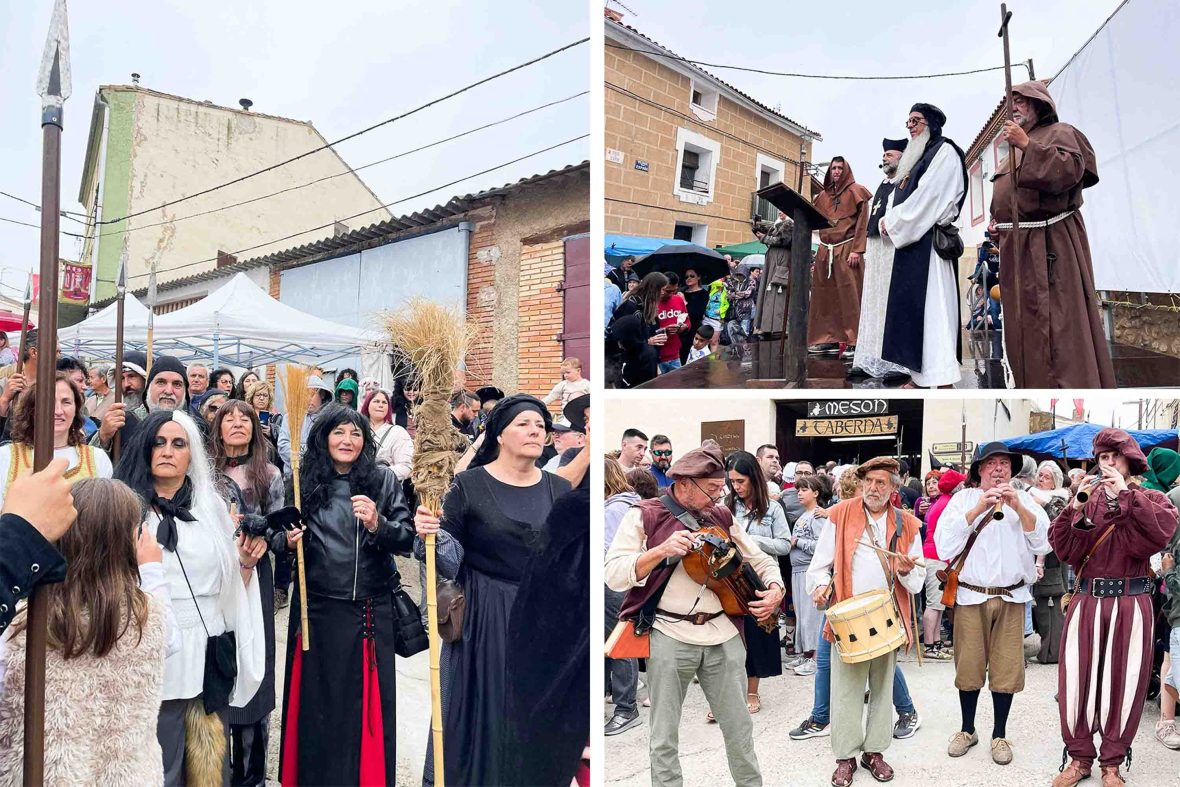
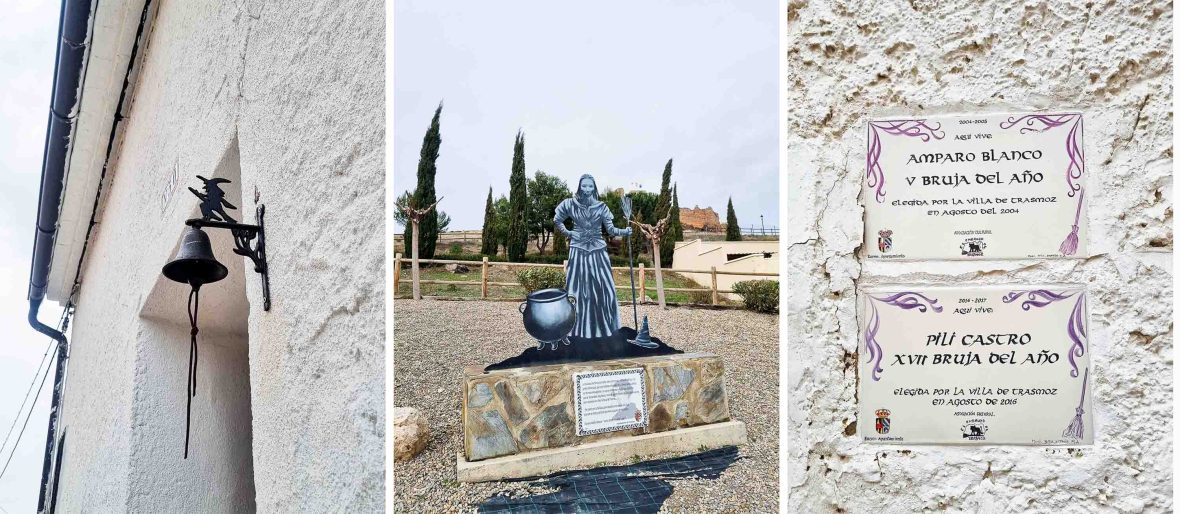
The association inaugurated several annual traditions, most notably the Witchcraft Fair held on the first Saturday of July, and the Luz de las Ánimas (Light of the Souls) observed on October 31. The summer fair attracts approximately 6,000 visitors annually—dwarfing the local population—and features elaborate historical reenactments of witch trials, medieval skirmishes, and the lifting of the village curse. Additionally, the municipality instituted the annual "Witch of the Year" award. Decided by popular vote, the title honors women who demonstrate exceptional commitment to community service, local heritage, and the preservation of regional folklore.
Economic Revitalization and Demographic Impact
The deliberate embracing of a supernatural identity has served as a vital economic lifeline for Trasmoz, helping to combat the severe depopulation crisis affecting rural Spain, widely known as España vaciada (the emptied Spain).
Following its medieval peak as a prosperous fiefdom supporting an estimated 10,000 residents—numbers drastically reduced following the historical expulsion of Jewish and Muslim populations and subsequent urban migration—Trasmoz saw its permanent population dwindle to double digits. However, in recent years, community-led initiatives and tourism promotion have yielded measurable demographic stabilization.
According to municipal data provided by Mayor Jesús Andía, the registered resident population has grown from 68 to 103 individuals. While basic infrastructure and municipal services—such as healthcare and large-scale retail—still require residents to travel ten miles to the nearby town of Tarazona, the local housing market has experienced a complete revival. Properties previously vacant or relegated to seasonal second-home status have been fully acquired, and the summer population regularly swells to roughly 500 people.
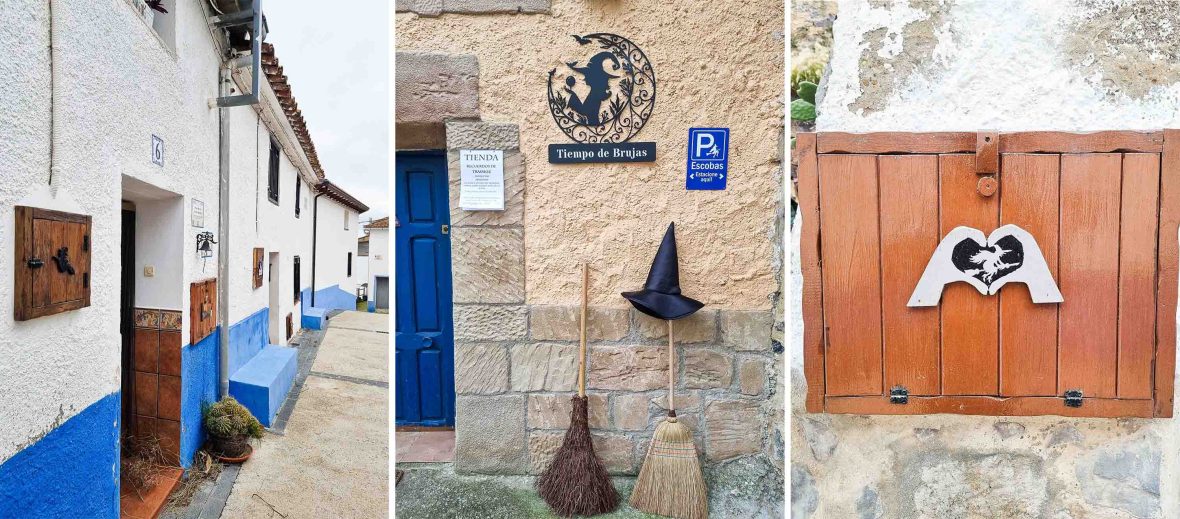
The village now features localized tourism infrastructure, including the Witchcraft Museum housed within the partially restored Trasmoz Castle keep, artisanal cheese production at Quesería El Acebo de Moncayo, homestyle dining at Bar El Aquelarre, and themed artisan shops such as Tiempo de Brujas.
Sociological Implications and Modern Identity
The ongoing cultural evolution of Trasmoz offers a compelling case study in heritage-based destination branding and the subversion of historical trauma. By converting an ecclesiastical curse and medieval stigma into a celebration of female autonomy, non-conformity, and historical education, the village has secured its economic survival without compromising its architectural and cultural integrity.
Modern residents emphasize that the concept of the "witch" in Trasmoz represents independence, scientific curiosity, and community leadership rather than supernatural malevolence. As contemporary community figures and titleholders note, the historical women targeted by superstition were frequently the empirical scientists, botanists, and medical practitioners of their era.
Through meticulous preservation, community-driven tourism, and a steadfast refusal to yield to rural economic stagnation, Trasmoz has successfully bridged its turbulent medieval past with a progressive future. The true magic of the village lies not in mythical incantations, but in the collective determination of its people to rewrite their own history.