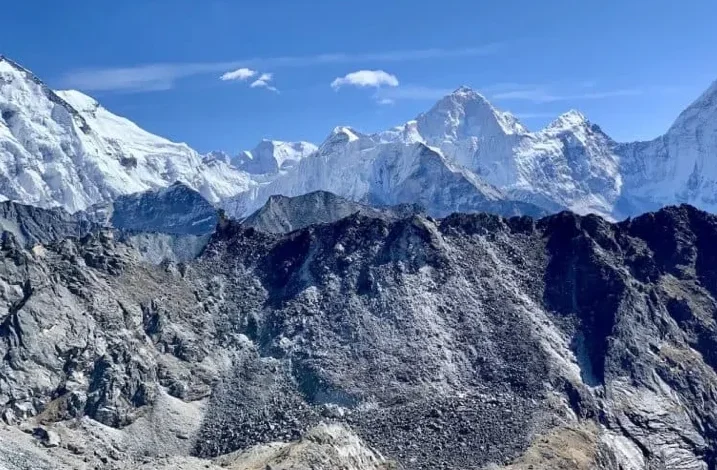
A 26-year-old Australian national, Joshua Patrick Cherubino, is currently recovering in an intensive care unit in Kathmandu following a life-threatening fall in the Everest region of Nepal. The incident occurred near the treacherous Kongma La Pass, an area notorious for its high altitude and unstable terrain. Cherubino’s accident has reignited a contentious debate regarding the enforcement of safety regulations within the Sagarmatha National Park and the wider Khumbu region, specifically concerning the mandate that requires foreign trekkers to be accompanied by licensed guides.
The Incident and Rescue Chronology
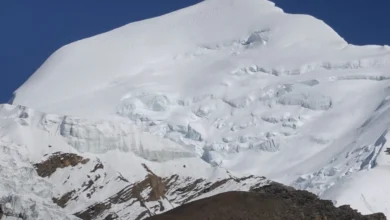
The sequence of events leading to the medical evacuation began in the high-altitude reaches of the Everest Three Passes circuit. Kongma La Pass, situated at approximately 5,535 meters, serves as the highest point of this challenging trekking route. It connects the Imja Valley near Chhukung with the settlement of Lobuche.
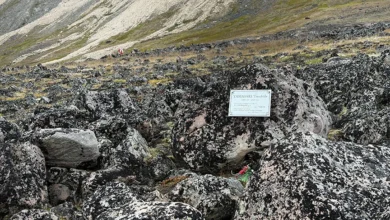
According to reports verified by local authorities, Cherubino was trekking solo when he lost his footing on the loose, moraine-covered descent toward Lobuche. The fall resulted in severe head injuries, leaving the trekker incapacitated in a remote, high-altitude environment where temperatures frequently plummet well below freezing.
Following the discovery of the injured trekker, local responders facilitated an initial transfer to a medical facility in Lobuche. Recognizing the severity of his condition, emergency services coordinated an aerial evacuation. On October 27, a helicopter transported Cherubino from the mountains to Kathmandu, where he was admitted to a specialized hospital for intensive care. As of the latest updates from medical personnel, his condition is described as stable but critical, marking the beginning of a long recovery process.
Geographic and Environmental Context
The Everest Three Passes circuit is widely regarded as one of the most demanding trekking itineraries in the Himalayas. The Kongma La is particularly feared by experienced mountaineers due to its steep, unstable scree slopes and the sheer exhaustion experienced by trekkers who have already spent significant time at extreme altitude.
The descent into Lobuche involves navigating long stretches of glacial moraine and loose rock. Even for seasoned climbers, the risk of a slip or fall is constant. When combined with the physiological effects of hypoxia—which can impair cognitive function, balance, and decision-making—the route becomes a high-risk corridor. Statistics from the Himalayan Rescue Association (HRA) indicate that a significant portion of medical emergencies in the Khumbu region are linked to altitude-related illness, slips on loose terrain, and exposure. By traveling alone, Cherubino lacked the immediate assistance of a guide, who would have been trained to identify early signs of physical distress and provide critical support in the event of an accident.
Regulatory Conflict: The Guide Mandate
The incident has brought the fractured nature of Nepal’s tourism regulations into sharp focus. In March 2023, the Nepal Tourism Board (NTB) implemented a nationwide mandate requiring all foreign trekkers to be accompanied by a licensed guide when entering protected areas and national parks. The objective of this policy was twofold: to increase the safety of tourists and to provide employment opportunities for local Sherpa and mountain guides.
However, the implementation of this rule has been inconsistent. The Khumbu Pasang Lhamu Rural Municipality, which holds administrative authority over the Everest region, has historically prioritized its own autonomy. The local government has continued to issue its own permits for trekkers, often ignoring or openly defying the NTB’s mandate. This has created a "regulatory gray area" where independent trekking remains not only possible but common.
For many solo trekkers, the lack of enforcement is viewed as a freedom, allowing for a more solitary and affordable experience. However, from the perspective of the Nepal Tourism Board and regional search and rescue agencies, this defiance poses a significant public health and safety concern. Local officials quoted by The Tourism Times have described unguided travel in the region as a clear violation of safety protocols and a direct contributor to the rising number of preventable rescues that strain limited local resources.
Analysis of Rescue Statistics and Safety Trends
The economic and logistical impact of rescue operations in the Everest region cannot be understated. A high-altitude helicopter rescue is an expensive and logistically complex undertaking. When a solo trekker is incapacitated, the burden often falls on local guides, porters, or other passing hikers to initiate the rescue process.
Data from the past decade shows an upward trend in the number of emergency evacuations within the Khumbu. While improved communication infrastructure and the availability of satellite tracking devices have saved lives, they have also encouraged a culture of over-reliance on technology among trekkers who may not be adequately prepared for the physical challenges of the terrain.
Experts in mountain medicine argue that the presence of a guide acts as a "safety buffer." A guide is not only a navigator but also a medical advocate, capable of monitoring a client’s SpO2 levels, assessing the weather, and recognizing the onset of HAPE (High Altitude Pulmonary Edema) or HACE (High Altitude Cerebral Edema). In the case of a trauma-related injury, such as a fall, a guide is often the primary link in the chain of communication that connects an injured party to a rescue helicopter.
Broader Implications for the Future of Khumbu Tourism
The case of Joshua Patrick Cherubino is likely to prompt a renewed push from central government authorities to unify the permitting system in the Khumbu. The lack of synergy between the Nepal Tourism Board and the Khumbu Pasang Lhamu Rural Municipality has created a persistent administrative bottleneck that arguably compromises tourist safety.
If the central government succeeds in mandating stricter compliance with the guide rule, it could lead to a significant shift in the demographic of visitors to the Everest region. While it may reduce the number of accidents caused by solo navigation errors, critics argue it could also lead to a decline in independent tourism, affecting the local economy which relies heavily on a diverse range of trekkers.
Furthermore, there is a growing conversation regarding the potential for mandatory insurance and "safety briefings" for all international arrivals in the Everest region. As the number of trekkers attempting the Three Passes and other high-altitude routes increases annually, the capacity of local medical facilities in villages like Pheriche and Lobuche remains limited.
Final Observations
The accident near Kongma La serves as a sobering reminder of the inherent volatility of the Himalayas. Despite the commercialization of Everest and its surrounding trails, the environment remains a high-risk wilderness where small errors can lead to catastrophic consequences.
As Cherubino continues his recovery, the diplomatic and administrative discussions regarding his trek are expected to continue. Whether this incident will serve as the catalyst for the Khumbu Pasang Lhamu Rural Municipality to finally align with national guide policies remains to be seen. For now, the event stands as a stark case study in the consequences of navigating one of the world’s most unforgiving landscapes without professional support. The international community, along with the Nepali authorities, remains watchful, as the balance between personal freedom and state-mandated safety continues to evolve in the shadow of the world’s tallest peaks.