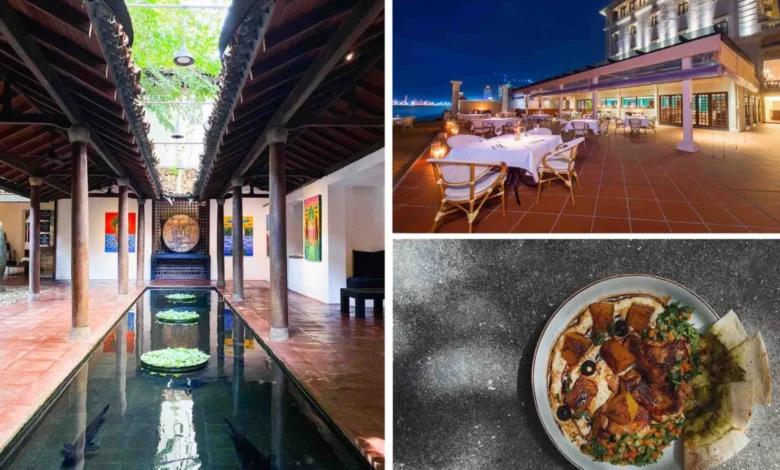
Lydia Swinscoe, a resident of Sri Lanka and an acclaimed travel writer, embarked on a unique gastronomic odyssey through Colombo, meticulously tracing the footsteps of a 2001 Lonely Planet guidebook. Her mission: to uncover which of the Sri Lankan capital’s historic restaurants had not only survived but thrived in the quarter-century since the guide’s publication, long before the advent of digital trip-planning dominated by platforms like TikTok. Her findings offer a compelling narrative of resilience, adaptation, and the enduring spirit of a city that has weathered profound historical and economic challenges.
Contextualizing Colombo’s Dynamic Culinary Landscape
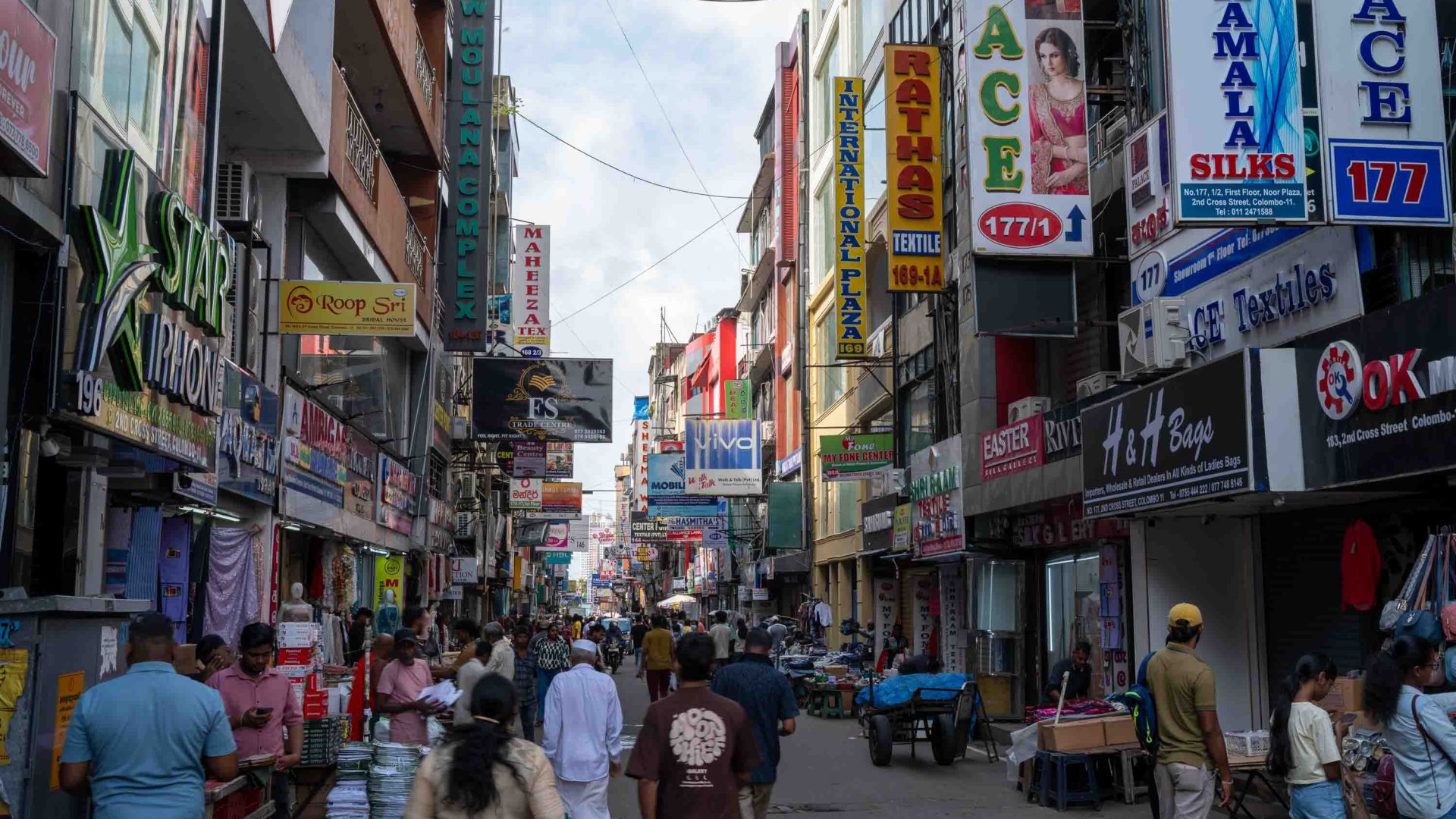
Colombo, a vibrant port city on Sri Lanka’s west coast, has always been a melting pot of cultures and cuisines. Its strategic location on ancient trade routes has infused its culinary identity with influences from India, the Middle East, Europe, and Southeast Asia. Over the past few decades, however, Colombo has undergone accelerated transformation. Sky-piercing buildings now punctuate a skyline once dominated by colonial-era architecture, and businesses, like the ocean waves crashing onto Galle Face Green, appear and recede with remarkable frequency. This rapid evolution makes the longevity of any establishment, particularly in the fickle hospitality sector, a testament to exceptional resilience.

The period between 2001 and 2026, the timeframe of Swinscoe’s investigation, was particularly tumultuous for Sri Lanka. The country endured a devastating civil war from 1983 to 2009, which cast a long shadow over daily life and economic stability, particularly in the capital. This was followed by the catastrophic 2004 Indian Ocean tsunami, claiming over 35,000 lives and severely impacting coastal infrastructure and livelihoods. Most recently, the nation grappled with an unprecedented economic collapse in 2022, characterized by severe shortages of essential goods, rampant inflation, and widespread social unrest. For restaurants to not only survive but, in some cases, flourish through such a gauntlet of crises speaks volumes about their inherent strength, loyal patronage, and capacity for adaptation.
The Guidebook’s Genesis: A Journey Through Time

Swinscoe’s culinary quest began serendipitously during an overnight stay at Number 11, the former Colombo residence of Geoffrey Bawa, one of Sri Lanka’s most celebrated architects. Amidst a heavy monsoonal downpour, she found herself perusing a stack of books, her attention drawn to a well-thumbed 2001 Lonely Planet guidebook, its crimson cover depicting silhouetted coconut palms. As a former keen backpacker who rarely ventured without an LP in her pack, Swinscoe, now a two-year resident of Sri Lanka, realized with a touch of irony that she had neglected to consult one for her adopted home.
The 2001 publication date immediately sparked her curiosity. How had Colombo, a city she had already witnessed "morph and transform overnight," changed in the intervening quarter-century? Her fascination led her to devour the city section, making notes and focusing particularly on restaurant recommendations. For Swinscoe, food is a primary conduit for connecting with a place, and the prospect of a culinary journey through time, contrasting the analog past with the digital present, was irresistible. The central question that emerged was clear: Which of these establishments had outlived the seismic shifts of the digital era and the nation’s profound trials?
Enduring Institutions: The Pillars of Colombo’s Dining Scene
Swinscoe’s deep dive into the 41 restaurants listed in the 2001 guidebook revealed a remarkable survival rate. Seventeen establishments, nearly half, had not only weathered the storms of civil war, tsunami, pandemic, and economic collapse but continued to thrive. Among these enduring bastions of Colombo’s dining scene were familiar names she had already frequented:
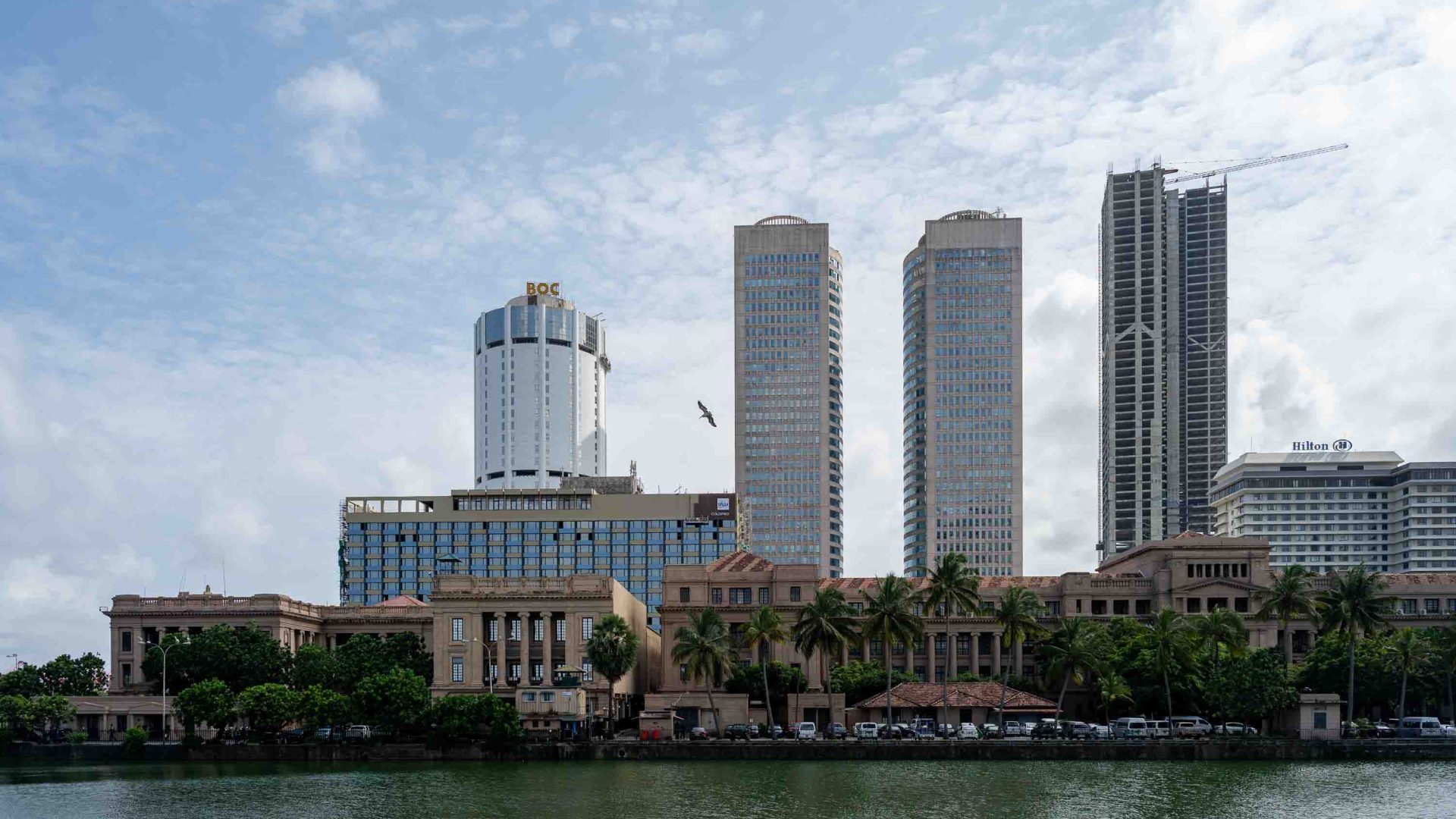
- Barefoot Garden Café: Still "set in a pretty courtyard next to a gallery and bookshop," it retains its charm and artistic ambiance, much as described decades ago.
- The Gallery Café: Another architectural marvel by Geoffrey Bawa, this restaurant continues to be a popular spot, blending art and gastronomy seamlessly.
- Shanti Vihar: A testament to timeless appeal, Swinscoe recounted enjoying a masala dosa there, a dish advertised for a mere 13 cents back in 2001 (approximately LKR 10 at the time). The price point difference highlights the significant inflation and economic changes experienced over the years, with a similar dish likely costing several hundred rupees today.
- Sea Spray (now King of the Mambo): Housed within the majestic Galle Face Hotel, this beachfront eatery has adapted its name and perhaps its menu, but its prime location and commitment to quality have ensured its continued presence.
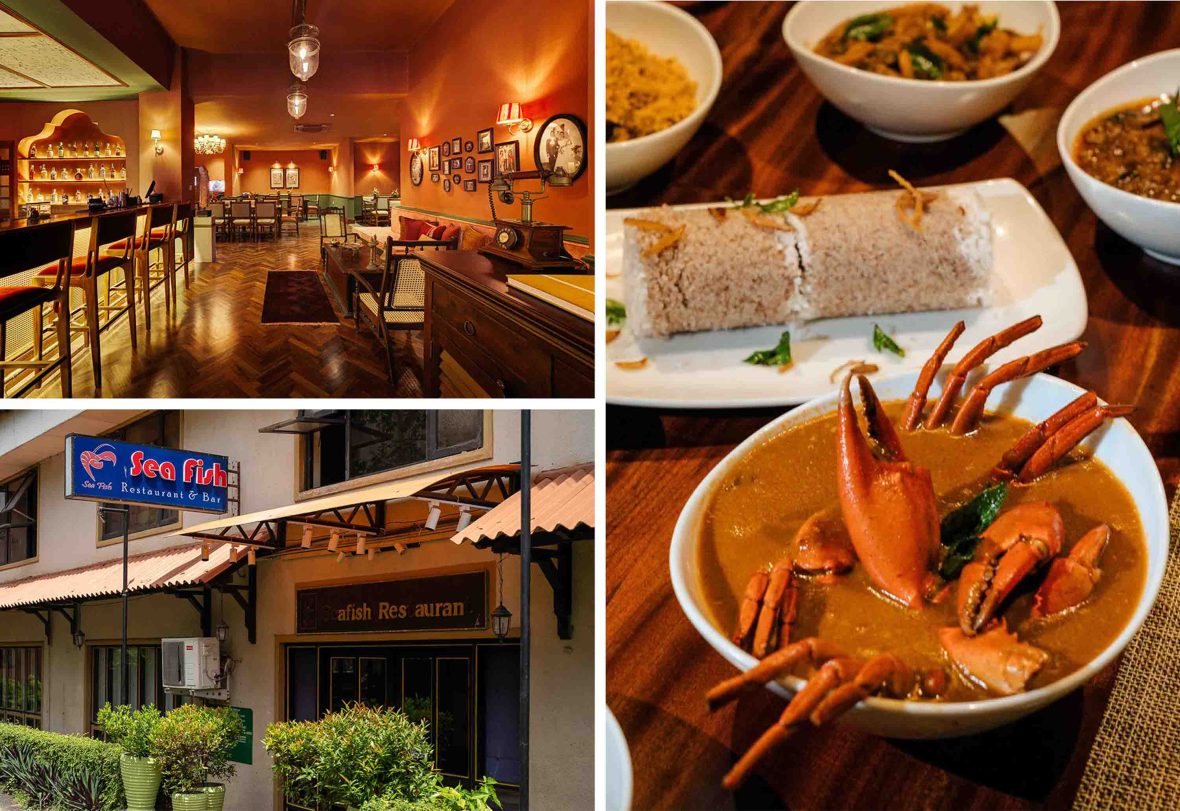
- Palmyrah: This Sri Lankan restaurant, specializing in Jaffna cuisine, is a shining example of not just survival but enhanced success. Adored by both tourists and locals, it remains a firm favorite. Restaurateur Anitra Ratnayake praises its mutton paal poriyal, noting, "The food is completely different from what I grew up eating at home, and that’s what makes it special to me." Palmyrah’s focus on regional specialties, particularly its authentic pittu and spicy crab curry, offers a unique culinary experience that has resonated deeply, appealing to a growing appreciation for diverse Sri Lankan flavors.
- The Commons: Located in the upscale Colombo 7 neighborhood, this relaxed café was described as frequented by a "trendy crowd" in 2001. Remarkably, it is still run by Sri Lankan DJ-turned-restaurateur Harpo Gooneratne, who attributes its success to "loyal clients, consistency, and brilliant staff." Its colossal menu, spanning traditional string hoppers to Mongolian rice and the pancakes with maple syrup mentioned in the guidebook, caters to a broad clientele, proving that variety and steadfast service can overcome transient trends.
- The Bavarian: Situated opposite the iconic Galle Face Hotel, this German-inspired establishment, initially described as serving "all things German" and promoting a 7-8 pm happy hour for draft beers and wines, has largely maintained its original appeal. Its happy hour, now extended from 5-7 pm on weekdays, continues to draw a crowd seeking hearty plates of sausages, mash, and schnitzels. For foreign Europeans, it offers a comforting taste of home, while for locals like Shanil Dayawansa, who now runs the city’s hot new restaurant GINI, it evokes nostalgic childhood memories of unique European fare.
- The Cricket Club Café: This establishment, steeped in cricket memorabilia, was a popular social hub 25 years ago. Despite relocating from Queen’s Road to Flower Road, it still delights patrons with its menu of pies, each named after a famous cricketer, proving that a strong concept and niche appeal can transcend geographical changes.
- Ginza Hohsen: Sri Lanka’s first authentic Japanese restaurant, once housed within the Hilton Hotel, continues to flourish. It has since moved to a large space opposite Port City, a burgeoning "lifestyle hub" destined for new apartment blocks. While it serves fresh sushi, sashimi, and udon, appealing to Japanese, Chinese, and Taiwanese tourists, it now faces stiff competition from a growing number of Japanese restaurants in Colombo. This highlights the expansion and diversification of Colombo’s culinary scene over two decades.
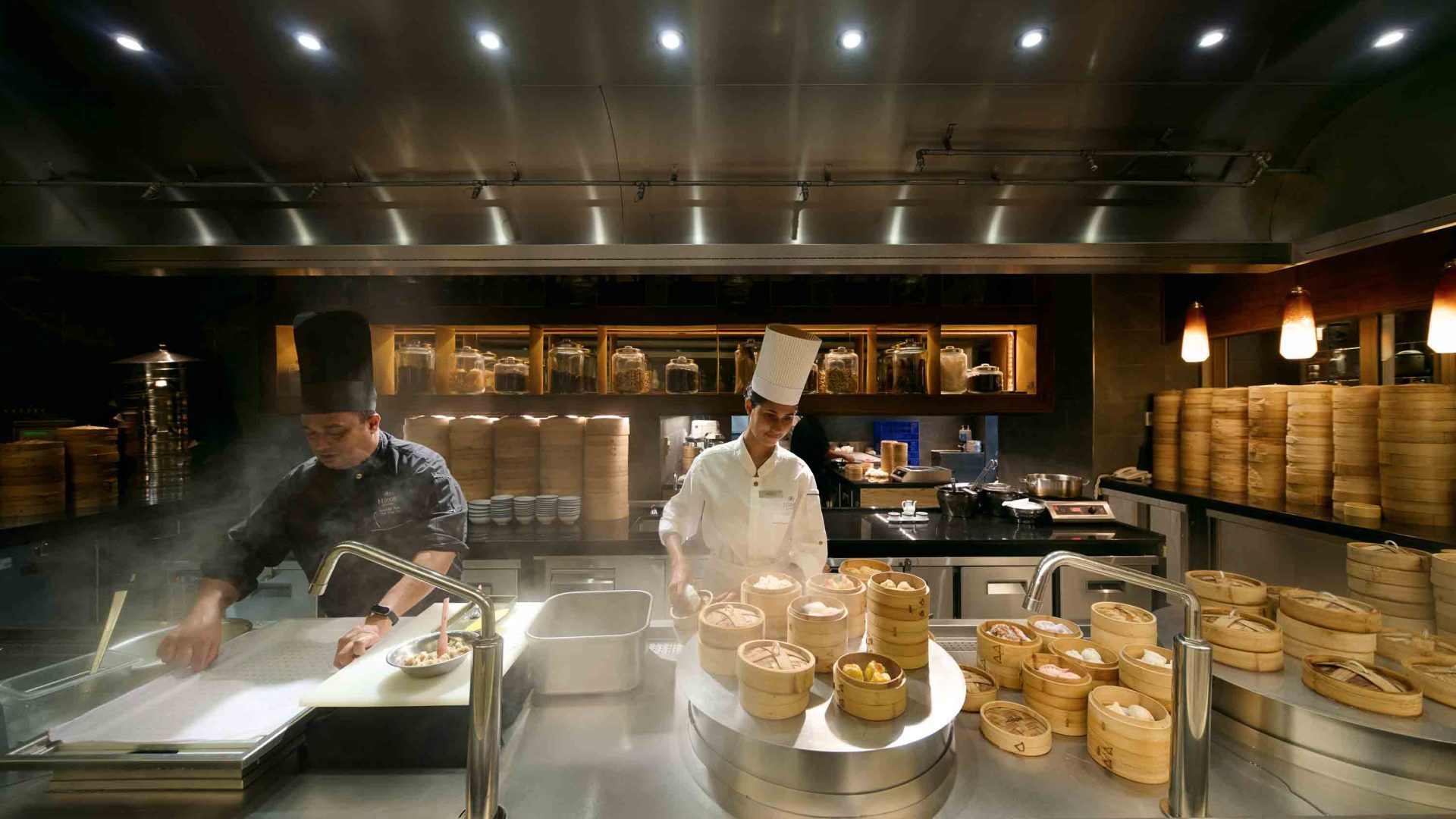
- The Emperor’s Wok: Located within the Hilton Hotel, this Chinese restaurant was once considered the most popular in Sri Lanka. Consultant chef Rashen John recalls a time when chefs, many of whom started as dishwashers, learned traditional techniques from original Chinese masters, producing hundreds of dim sums daily with remarkable consistency. Despite the proliferation of over 60 Chinese restaurants in Colombo today, The Emperor’s Wok retains its popularity and, for John, a special place rooted in nostalgia.
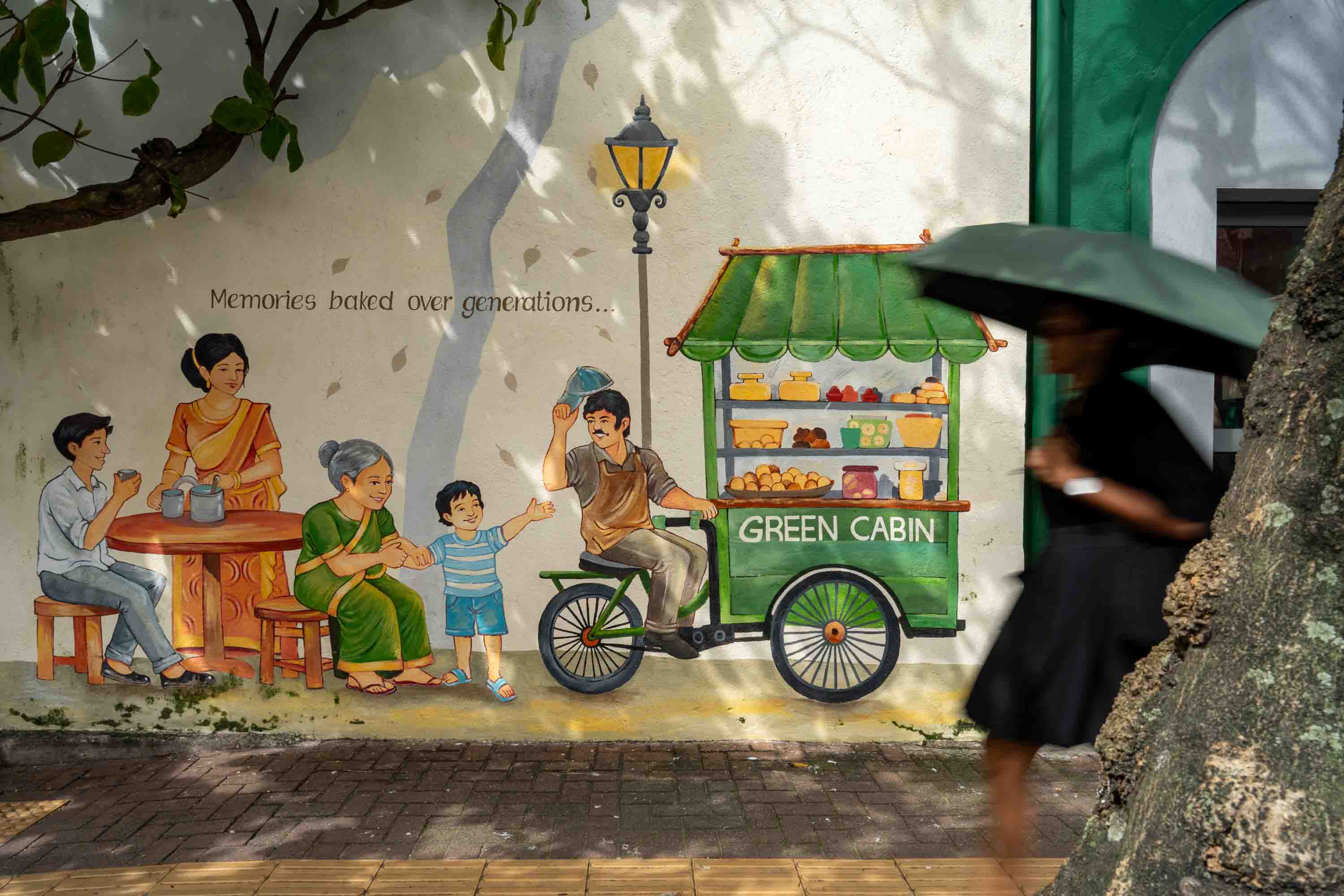
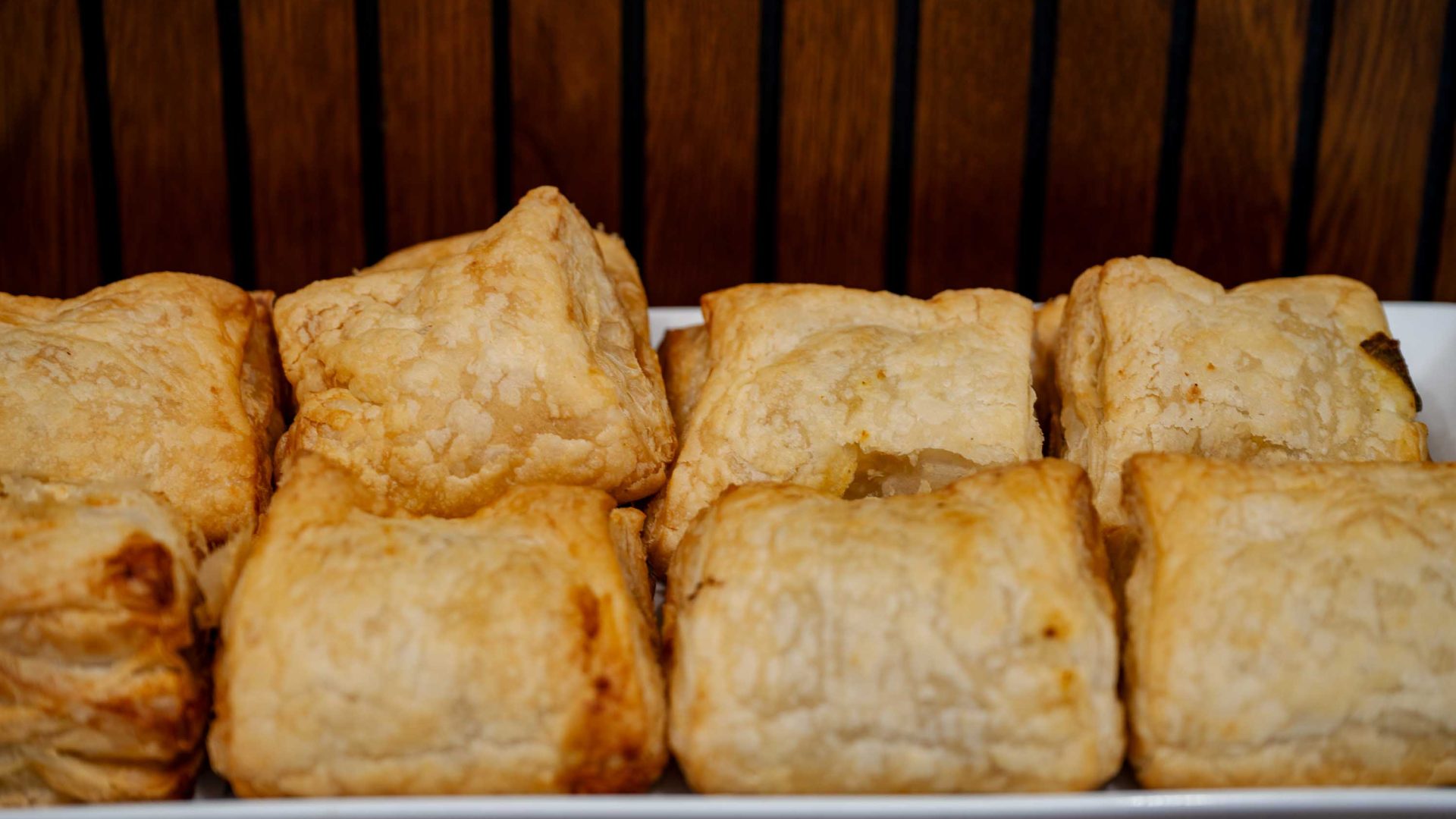
- Green Cabin: Perhaps the most compelling story of evolution belongs to Green Cabin, a fifth-generation restaurant serving Sri Lankan tea and dishes since 1884. Initially known as Ceylon Tea Kiosk, founded by British planters at Colombo harbor, it underwent several relocations and transformations, including a period as the Pagoda Tea Rooms. Under the stewardship of Ceylonese entrepreneur Thomas Rodrigo, and later merging with Green Cabin, the brand has endured. Today, Rodrigo’s great-great-grandson, Chirath Devasurendra, leads 12 branches with a strong social media presence, showcasing how embracing modern marketing can preserve a century-old legacy. The price of their recommended vegetable pastries, 48 cents (LKR 160) today compared to 13 cents (LKR 12) in 2001, reflects the country’s economic shifts but also its continued affordability for local patrons.
Evolution and Adaptation: New Life for Old Spaces
While many establishments endured, others adapted dramatically, breathing new life into historic spaces. The Pagoda Tea Room, once a stunning old creation in the De Mel Building within the Fort area, is a prime example. After sitting empty for years, this historic café – famously featured as a backdrop in Duran Duran’s "Hungry Like the Wolf" music video – has been transformed into Radicle, an exciting art gallery and specialty coffee shop.
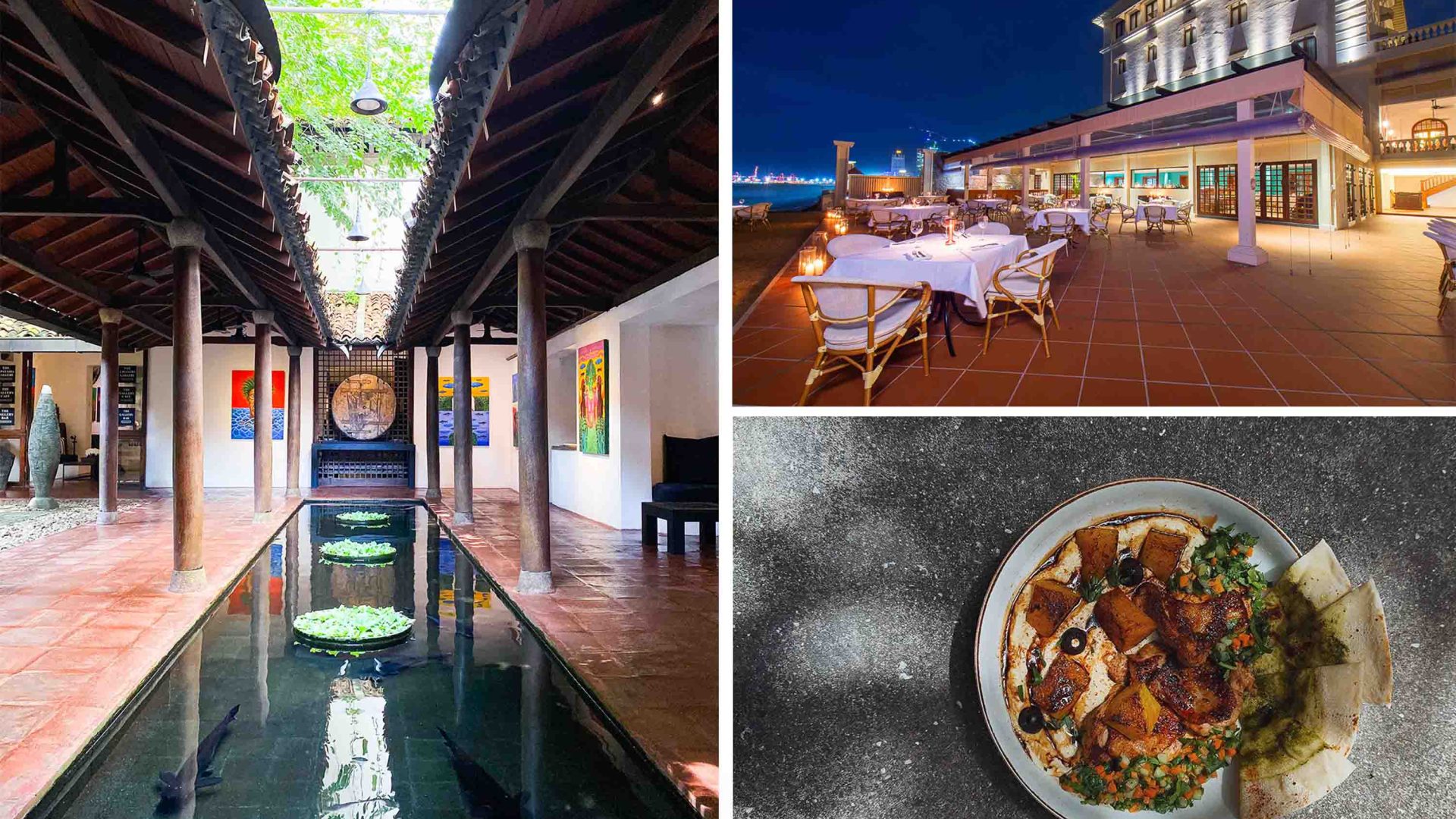
This reinvention showcases a fundamental shift in the hospitality landscape. Radicle, with its Instagrammable blue spirulina matcha lattes and Japanese-style egg sandos, has successfully captured the attention of a younger generation. Its photogenic dishes and aesthetic appeal are tailor-made for the "guidebooks of today": TikTok and Instagram. This transformation underscores how businesses must now cater to visual appeal and digital trends to remain relevant, a stark contrast to the purely textual recommendations of traditional guidebooks.
Challenges and Changes: The Fading Echoes
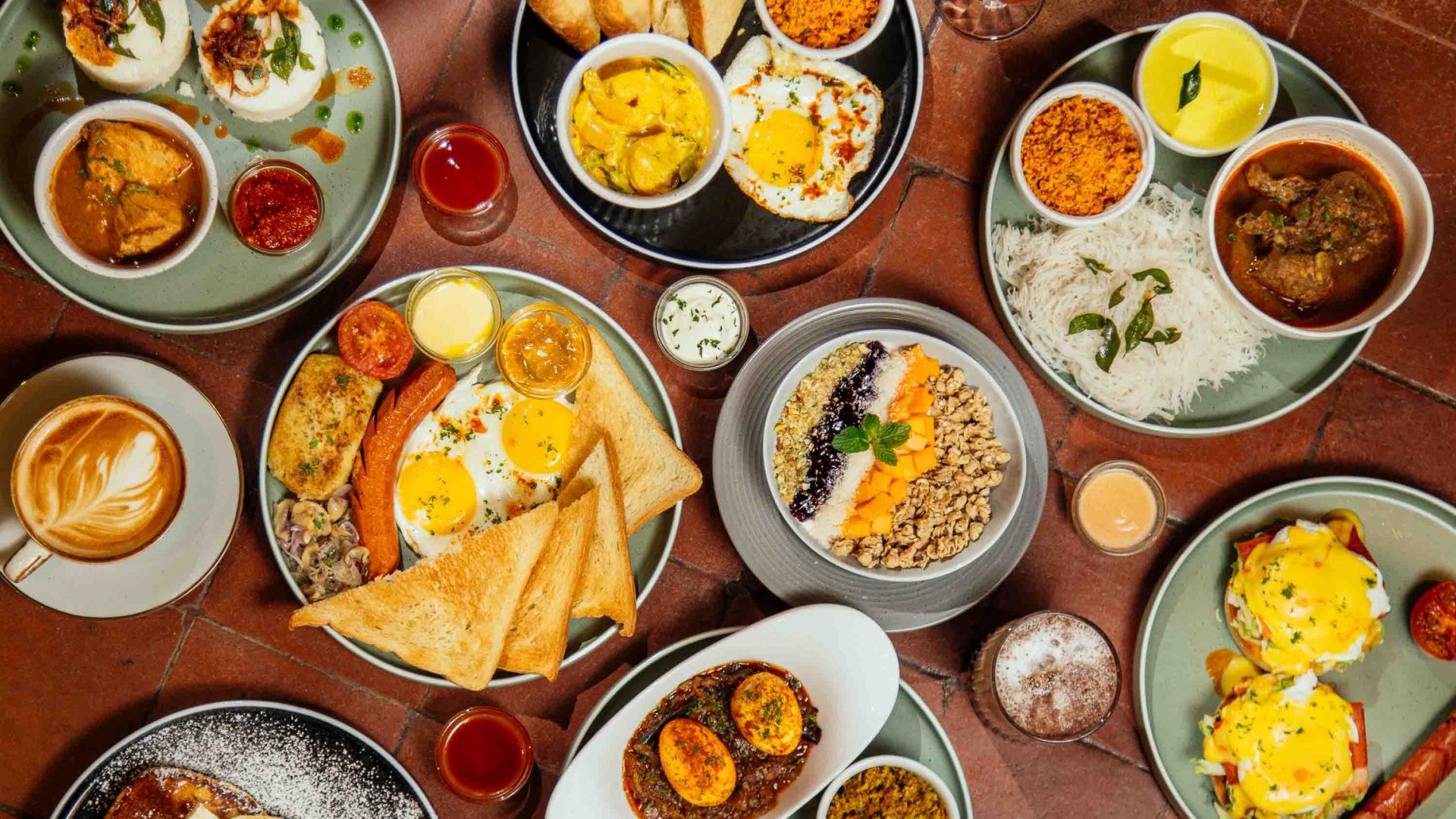
Not all stories were of triumph or successful reinvention. Some establishments, once vibrant hotspots, have faded into shadows of their former selves, victims of the very adversities that others overcame.
- Beach Wadiya: Located further south, past stands selling king coconut and aloe vera juice, Beach Wadiya was a low-key beachfront structure accessed by crossing rusting railway tracks. Mostly destroyed by the 2004 tsunami, which ravaged Sri Lanka’s coastline and disproportionately affected coastal communities, the restaurant never fully recovered its former glory. Once frequented by dignitaries like Princess Anne, it now sees far fewer visitors. The 2001 Lonely Planet highlighted its crab with vegetables (USD 1.11) and fried fish (57 cents) as main draws, alongside "photoboards of people—many famous (i.e., cricketers), others drunk, some both—who have visited." The decline of Beach Wadiya is a poignant reminder of the tsunami’s enduring impact on local businesses and the difficulty of rebuilding lost momentum.
- Seafish: Situated just south of Fort, in a slightly hidden part of Colombo 2, Seafish exudes a similar faded vibe. During Swinscoe’s visit, the interior was empty. Flipping through its bright blue menu, she noted seafood specialties like fried cuttlefish and grilled seer fish. A framed photo on the wall, emblazoned with "1969," its opening year, depicted the original staff. Swinscoe couldn’t help but feel a nostalgic pang, regretting not experiencing the restaurant’s heyday, when it was known for "excellent seafood" and the pioneering family behind the city’s oldest seafood restaurant was at its helm before new management took over. The empty tables and the reliance on a framed photograph to evoke past glory underscore the struggles faced by establishments that fail to adapt or maintain their original spark amidst changing consumer preferences and fierce competition.
The Digital Shift: From Pages to Pixels
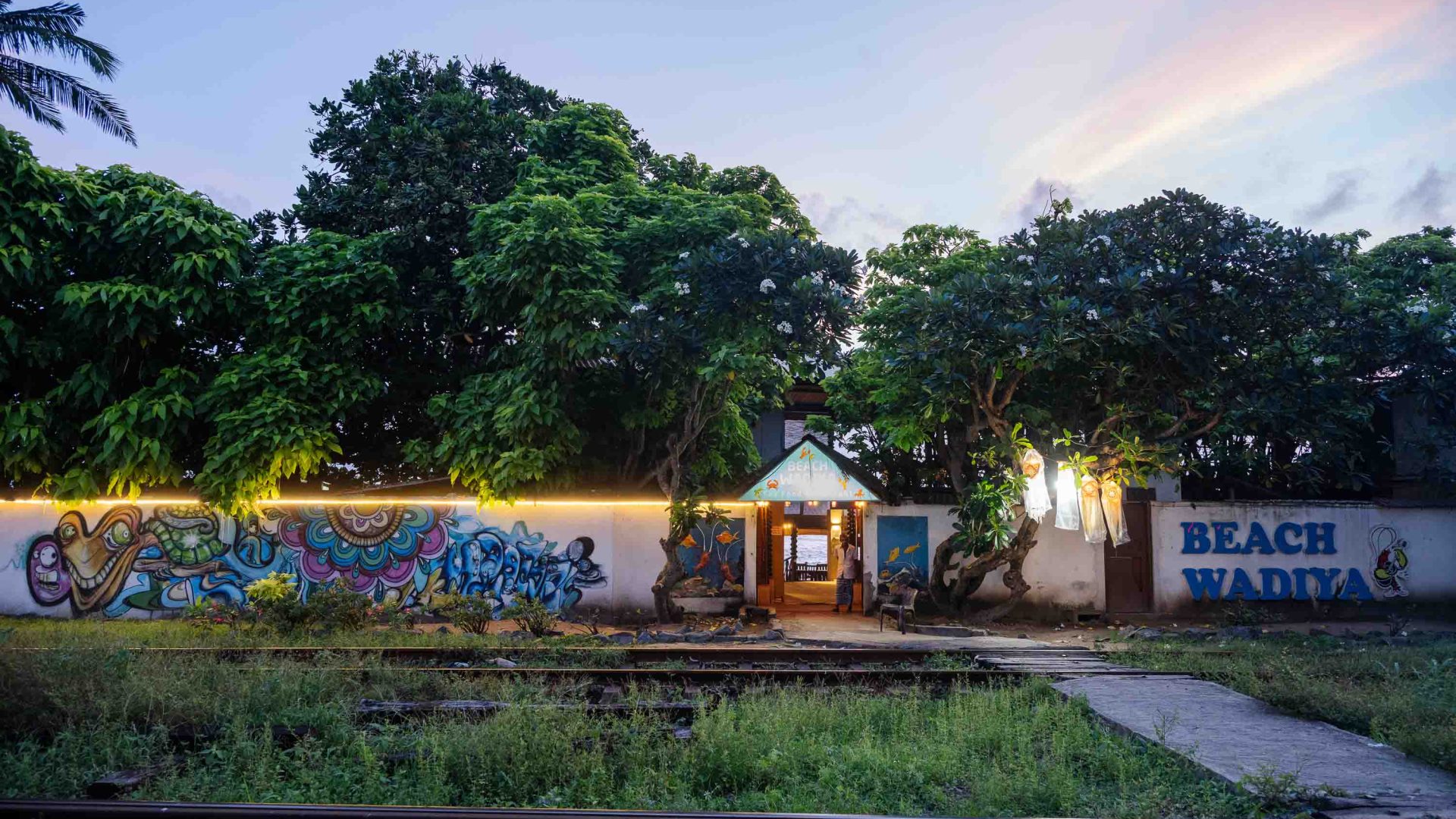
Swinscoe’s journey vividly illustrates the seismic shift in how travelers discover and engage with dining experiences. The 2001 Lonely Planet was a tangible artifact, a compendium of meticulously researched recommendations, often dog-eared and marked by countless travelers. Its authority was built on expert opinion and on-the-ground investigation.
Today, the landscape is dominated by ephemeral, visually driven platforms. TikTok and Instagram have become the new "guidebooks," where viral trends, influencer endorsements, and highly curated visuals dictate popularity. The rise of "Instagrammable" food, where presentation often rivals taste in importance, reflects a new consumer expectation. Radicle’s success with blue spirulina matcha lattes is a direct response to this. This digital shift has democratized restaurant discovery but also introduced new pressures, requiring businesses to invest in digital marketing, high-quality photography, and active social media engagement, a far cry from simply securing a mention in a printed guide.

Voices from the Scene: Restaurateurs and Critics Weigh In
The insights from local restaurateurs and critics provide a valuable microcosm of Colombo’s culinary philosophy. Harpo Gooneratne’s emphasis on "loyal clients, consistency, and brilliant staff" for The Commons highlights the timeless virtues of customer service and quality. Anitra Ratnayake’s passion for Palmyrah’s Jaffna cuisine and her own venture, Biling (named after a "small sour green fruit that’s kind-of gone out of fashion"), demonstrate a commitment to both preserving traditional flavors and offering innovative interpretations. Biling, which opened in early 2026, serves family favorites with an "elevated twist," such as biling seeni sambol tarts and Appi’s Kalu Pol Pork, catering to a sophisticated local palate while also intriguing visitors.
The comments from Rashen John, on the legacy of The Emperor’s Wok and the traditional techniques of its chefs, underscore the importance of heritage and skill. Anithra Basnayake, a creative director and one of Sri Lanka’s few female mixologists, offers a contemporary perspective, remembering Ginza Hohsen from her teenage years but now rating Yoroko for its "beautifully executed, authentic food and varied options of sake." These diverse voices collectively paint a picture of a culinary scene that respects its past while eagerly embracing innovation and new global influences.
Resilience Amidst Adversity: A City’s Culinary Spirit

The most profound implication of Swinscoe’s journey is the remarkable hardiness of Colombo’s culinary establishments. These restaurants have not only survived but often thrived despite decades of profound national upheaval. The civil war deterred tourism and disrupted supply chains. The tsunami devastated coastal areas and deeply impacted the national psyche. The 2022 economic crisis brought unprecedented challenges, from power cuts and fuel shortages to soaring food prices and a drastic reduction in consumer spending.
For businesses to navigate these multifaceted crises requires more than just good food. It demands astute management, adaptable business models, strong community ties, and an unwavering commitment to quality. The survivors exemplify a deep-seated resilience inherent in Colombo’s entrepreneurial spirit. They represent continuity in a city that has often faced discontinuity, offering familiar comfort and cultural anchors amidst rapid change.
Looking Ahead: Colombo’s Dynamic Future
As Colombo continues its inexorable march towards modernity, with colossal projects like Port City reshaping its coastline and economic landscape, the question remains whether the enduring establishments will persist for another 25 years. Swinscoe aptly concludes that "it’s guaranteed that Colombo will continue to change, and new businesses will open where old favorites once stood." The constant reinvention of the city is its defining characteristic.
However, the survival stories documented by Swinscoe offer a powerful lesson: adaptation is key. Whether through embracing social media, diversifying menus to appeal to both tourists and a growing local middle class, or simply maintaining an unwavering commitment to quality and consistency, these businesses demonstrate that history and heritage can coexist with innovation. Beneath the shiny new facades and the ever-shifting digital trends, Colombo’s culinary heart beats strong, a testament to the resilience of its people and the enduring power of good food to connect generations and transcend adversity.
Adventure.com strives to be a low-emissions travel publication. We are powered by, but editorially independent of, Intrepid Travel, the world’s largest travel B Corp, who help ensure Adventure.com maintains high standards of sustainability in our work and activities. You can visit our sustainability page or read our Contributor Impact Guidelines for more information.