Dublin’s vibrant artistic landscape, a wellspring of Irish culture and a significant economic contributor, faces an existential threat as at least 52 arts venues have shuttered their doors over the past two decades. The ongoing displacement of vital cultural spaces by rampant redevelopment, escalating rents, and insufficient protective policies has ignited a fierce resistance, spearheaded by figures like musician and activist Eoghan Ó Ceannabháin. His defiant stance – "I don’t think there’s any option to give up" – echoes the sentiment of a community determined to safeguard the city’s unique cultural identity against the pressures of commercialization.
The Heartbeat of Dublin: The Cobblestone’s Enduring Spirit
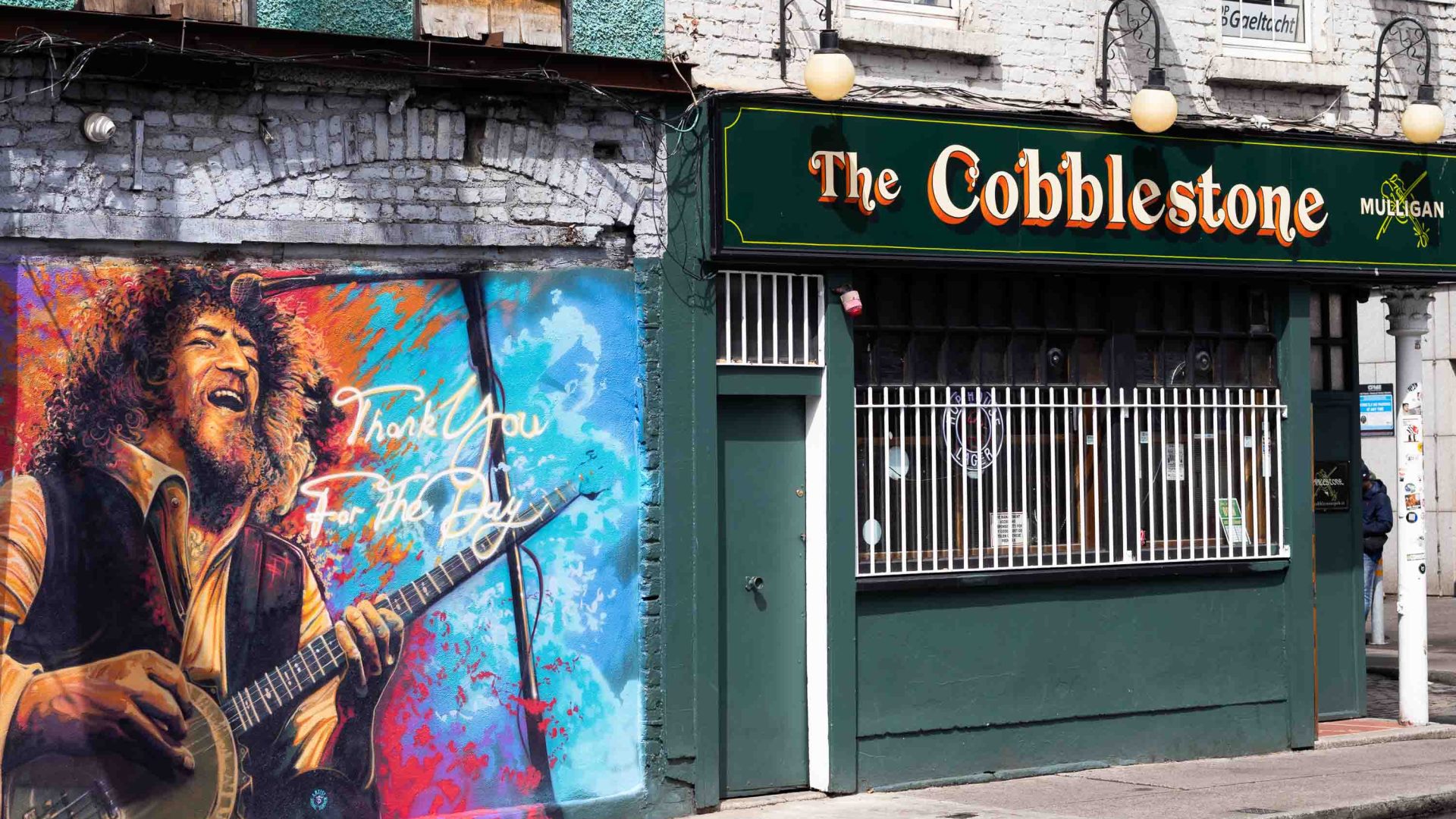
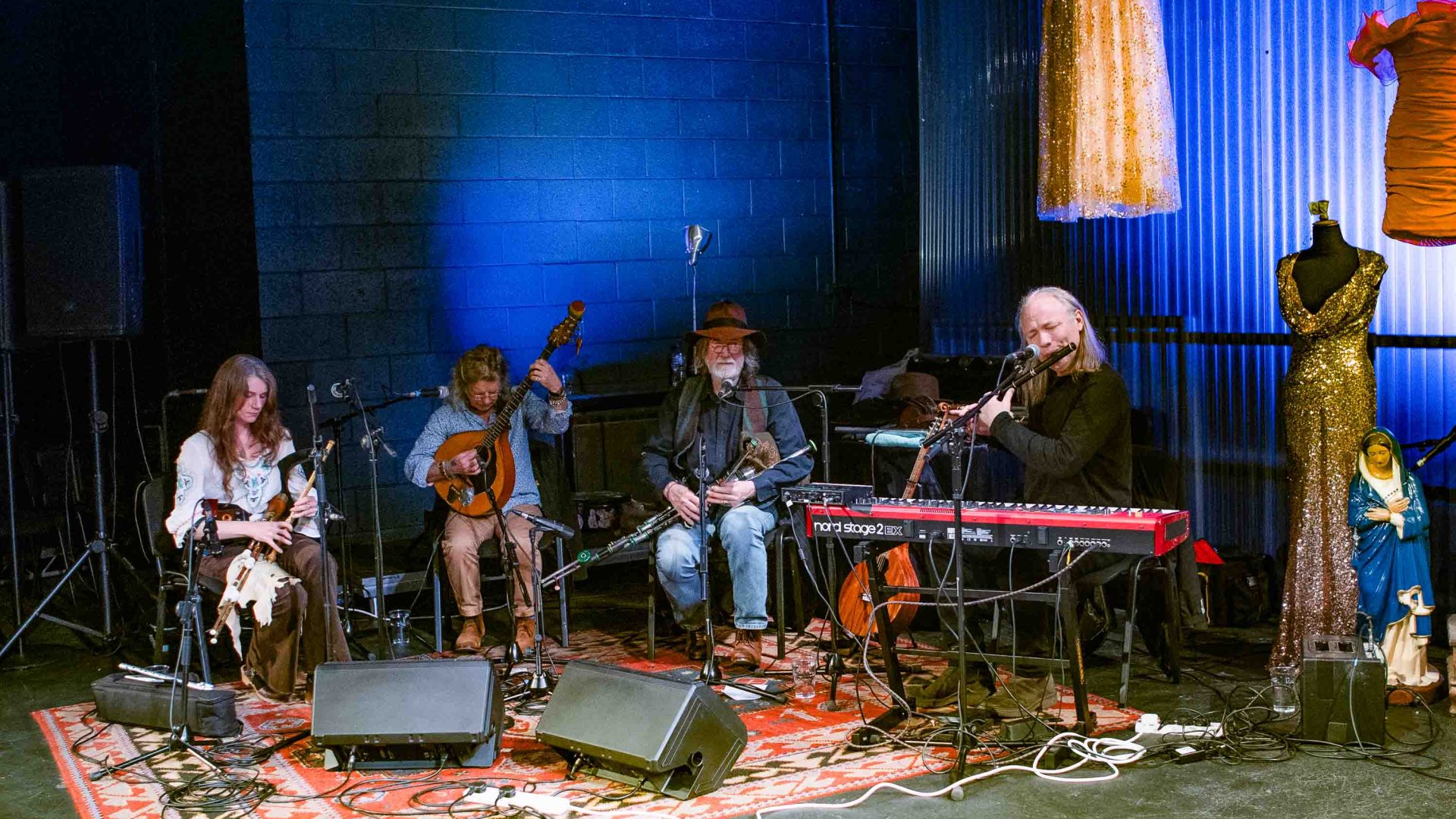
The scene unfolds in a dimly lit corner of The Cobblestone, a venerable pub nestled in Smithfield. Sixteen musicians, generations of talent, are seated shoulder-to-shoulder, their faces illuminated by the soft glow of tradition. A young uilleann piper, his movements a symphony of breath and fingerwork, conjures melodies that ripple through the air, his elbow pumping the bellows, fingers dancing across the chanter, tapping against his thigh to reach the ethereal high notes. Newcomers, their mouths agape, marvel at the seemingly effortless mastery. Soon, fiddles and flutes weave into the tapestry of sound, as feet instinctively tap a rhythm on the worn wooden floor, causing pints of Guinness to tremble gently on nearby tables.
For many, The Cobblestone is more than just a pub; it is a spiritual home, a living archive of traditional Irish music. Owned by Tom Mulligan, who took over in the late 1980s to preserve his father’s legacy, it proudly declares itself a "drinking pub with a music problem." Devoid of modern distractions like televisions or pool tables, its focus remains singular: authentic "trad" sessions that attract musicians and enthusiasts from across the globe. Beyond its lively main bar, the back room serves as a crucial community hub, hosting Irish language lessons, dance classes, and informal music meet-ups, nurturing the very roots of Irish cultural expression.
However, even this cherished institution found itself on the precipice. In October 2021, a development proposal sought to demolish the majority of The Cobblestone to erect a nine-story hotel. The threat galvanized an extraordinary community response. Over 35,000 people signed a petition, and hundreds marched along the historic River Liffey, their collective voice demanding protection for their cultural heritage. In a significant victory, Dublin City Council ultimately rejected the plan, citing its detrimental impact on Irish culture. This success, however, stands as a stark reminder of the constant vigilance required, and a painful contrast to the fate of many other less fortunate venues.
A City Losing Its Soul: The Scale of Cultural Erosion
The struggle of The Cobblestone is not an isolated incident but symptomatic of a wider, alarming trend. According to the Labor Party, the political wing of the Irish trade union movement, Dublin has witnessed the closure of at least 52 arts venues in the past two decades. This relentless erosion of cultural infrastructure is mirrored in cities worldwide, where undervalued grassroots venues are increasingly displaced by soaring rents, aggressive redevelopment schemes, and a pervasive lack of strategic cultural planning. The economic boom and subsequent housing crisis in Dublin have fueled speculative development, pushing property values to unsustainable levels for non-profit cultural entities. Developers often prioritize high-yield projects like hotels and luxury apartments, viewing arts spaces as economically inefficient rather than culturally invaluable.
These closures represent more than just lost buildings; they signify the dismantling of vital ecosystems that foster artistic talent and community cohesion. Each shuttered venue diminishes the opportunities for emerging artists to hone their craft, for communities to gather, and for Dublin to maintain its unique character.
The Complex: A Battle Lost
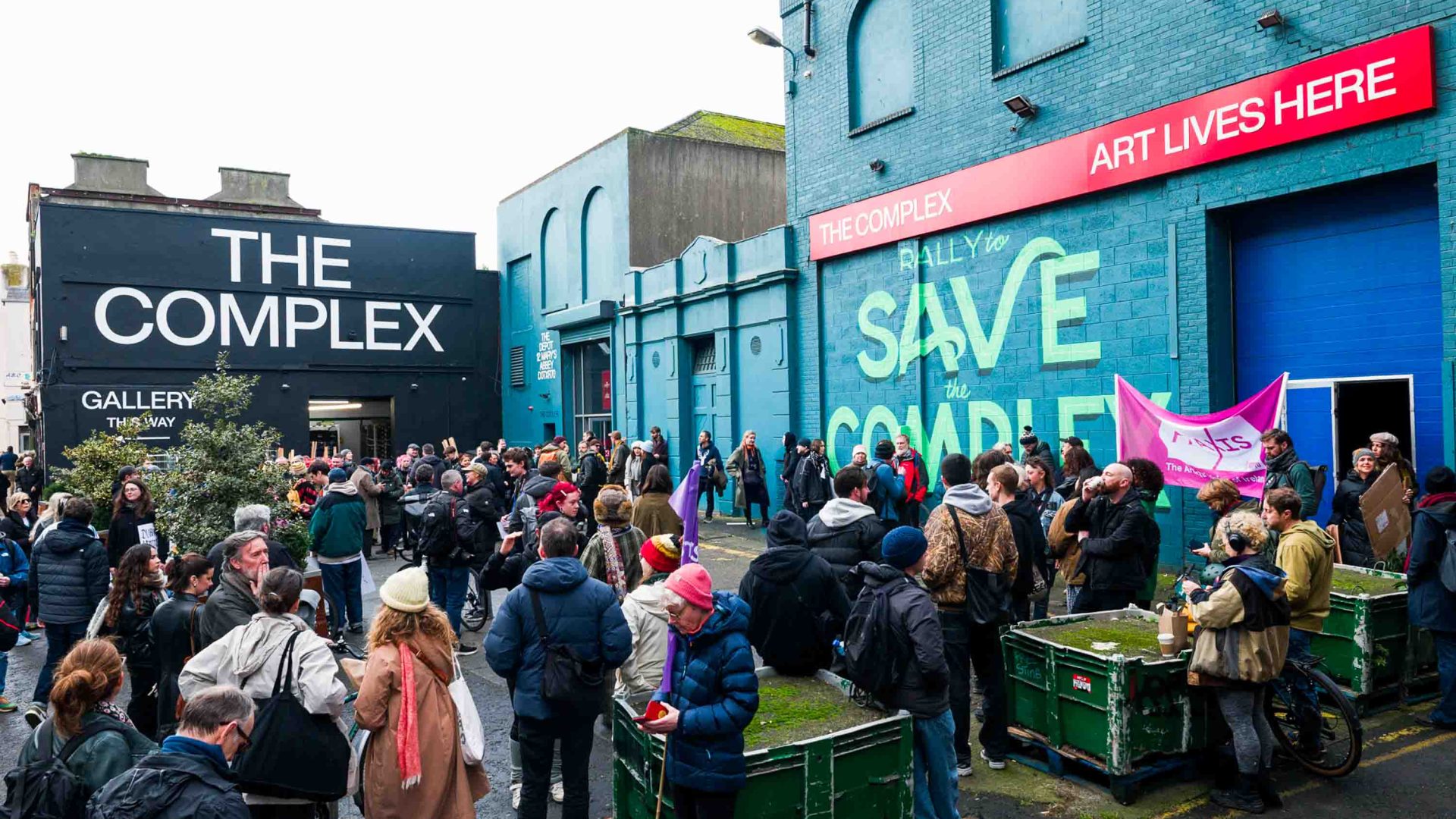
One of the most poignant recent losses is The Complex, a multidisciplinary arts center in Dublin’s north inner city. Repurposed from a former banana-ripening unit, it was a unique and crucial space, boasting 18 studios, a performance space, a gallery, and a 50-seat jazz club. As founder Vanessa Fielding lamented, it was "a rare space in Dublin where you could conceive a project in a studio, rehearse and perform it all in one space." This integrated model fostered collaboration and innovation, serving as a vital incubator for diverse artistic practices.
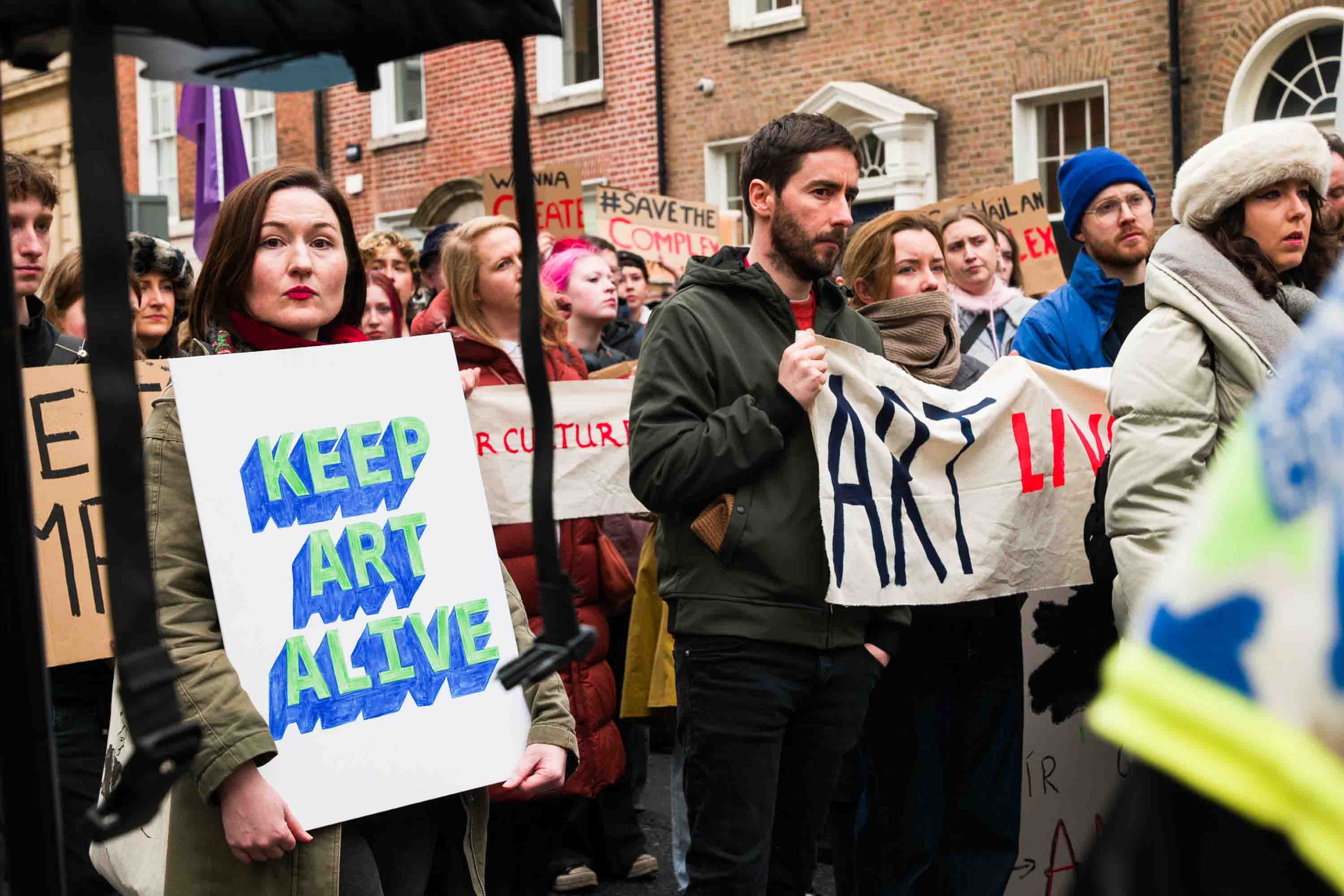
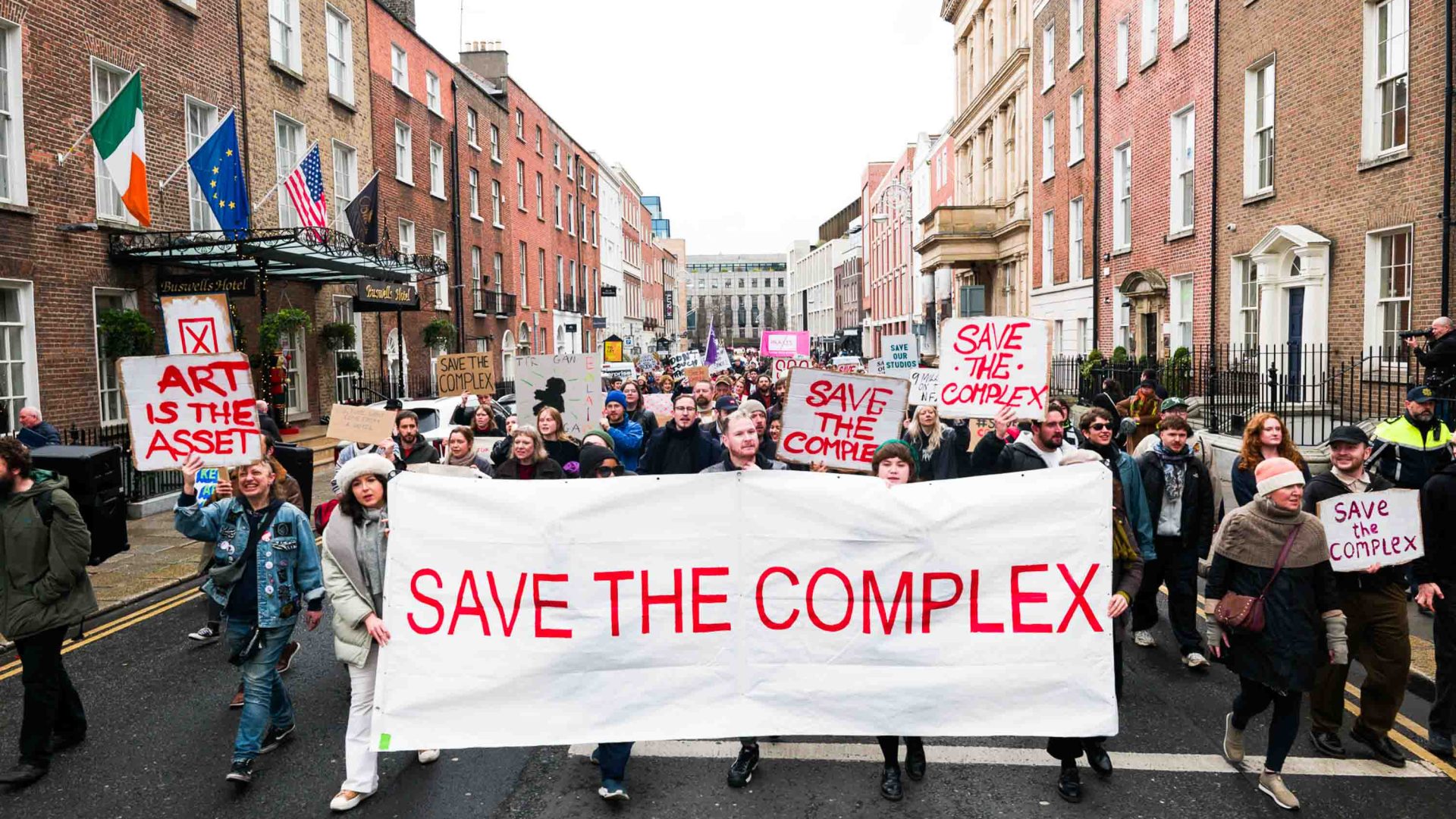
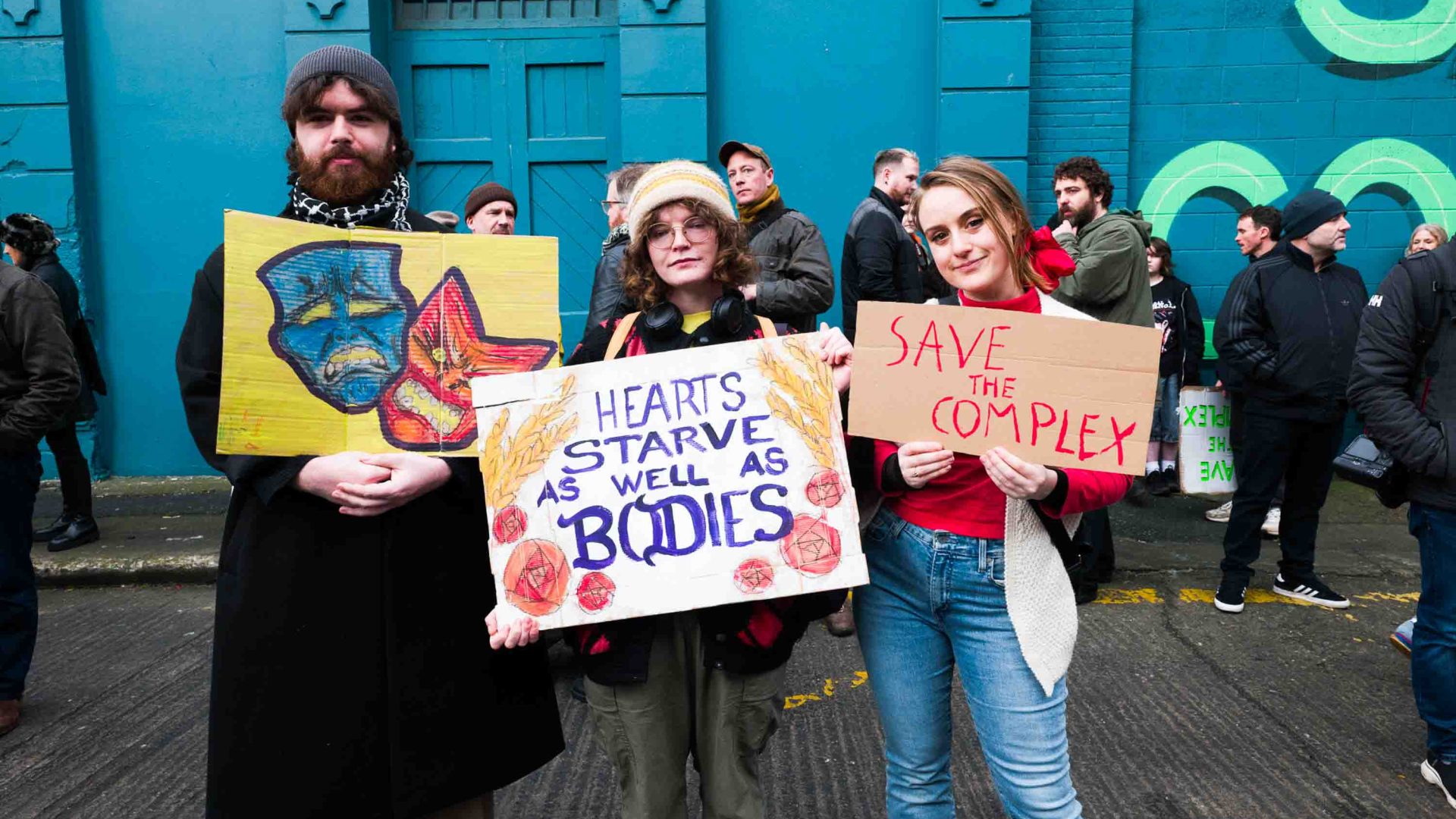
Despite its undeniable value, The Complex closed its doors in January 2026 when its landlord opted to sell the property. The community rallied, mirroring the efforts to save The Cobblestone. Dublin City Council initially supported Fielding’s vision for The Complex to be integrated into any redevelopment plans. Over 16,500 people signed a petition, and Eoghan Ó Ceannabháin led a passionate protest. Yet, these efforts proved insufficient. A critical flaw in existing policy became apparent: there was no mechanism for the State to acquire the building for cultural use unless it qualified as national heritage, a classification rarely applicable to contemporary arts spaces. Fielding’s frustration is palpable when she considers the implications: "I suppose in the end, it will become a place of no destination." Her words paint a grim picture of a future Dublin, stripped of its distinctive cultural landmarks and reduced to a homogenous urban sprawl.
Eoghan Ó Ceannabháin: A Voice for the Creative Soul
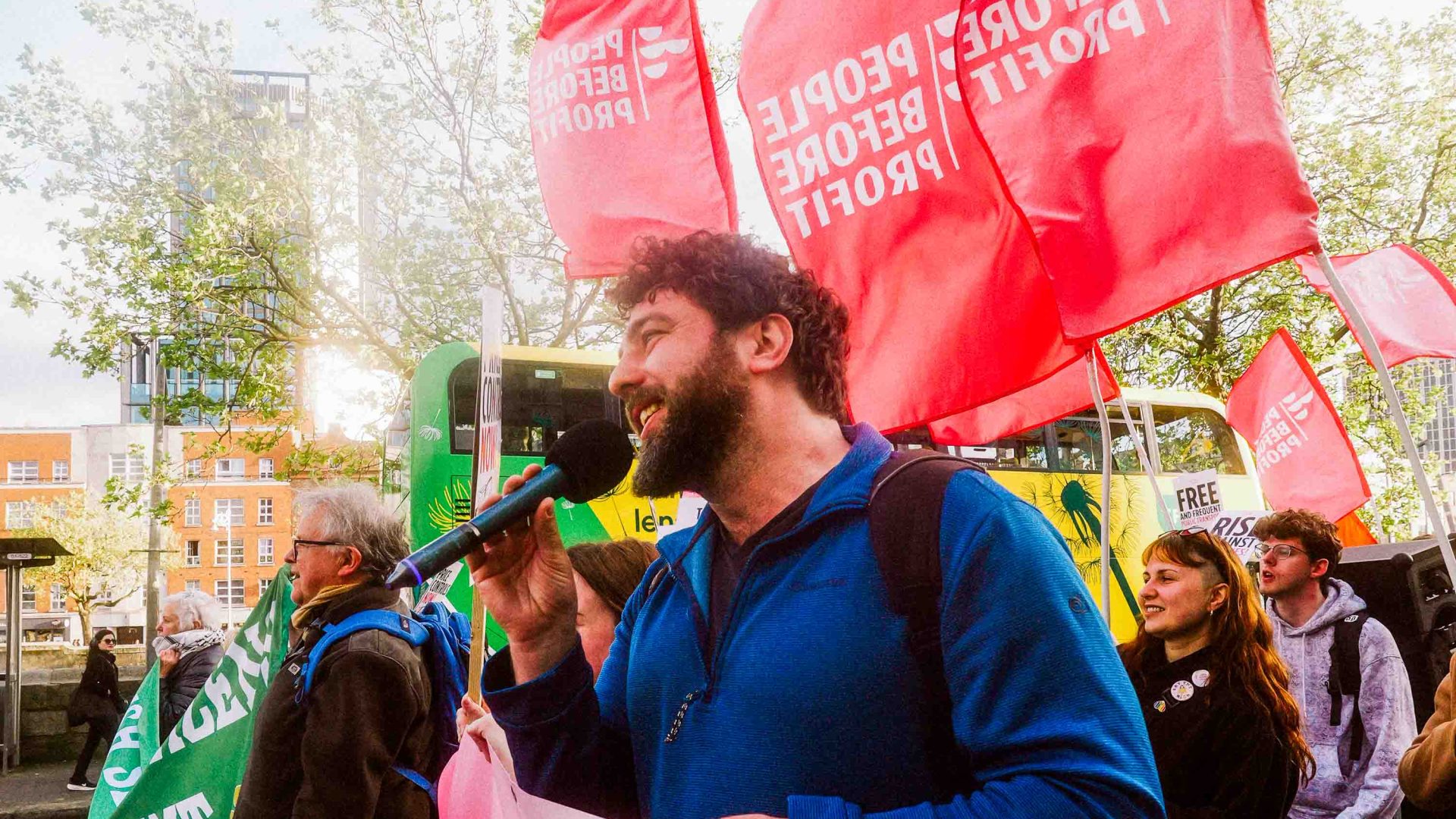
At the forefront of this cultural defense is Eoghan Ó Ceannabháin, a 36-year-old musician and activist whose commitment transcends mere artistic advocacy. As a candidate for the eco-socialist People Before Profit party in a local election (though the seat was ultimately won by the Social Democrats), Ó Ceannabháin’s political engagement is deeply rooted in a belief that society must foster human creativity. "Human beings are innately creative," he explains, "and we don’t get a chance under capitalism to fulfill our full creative potential."
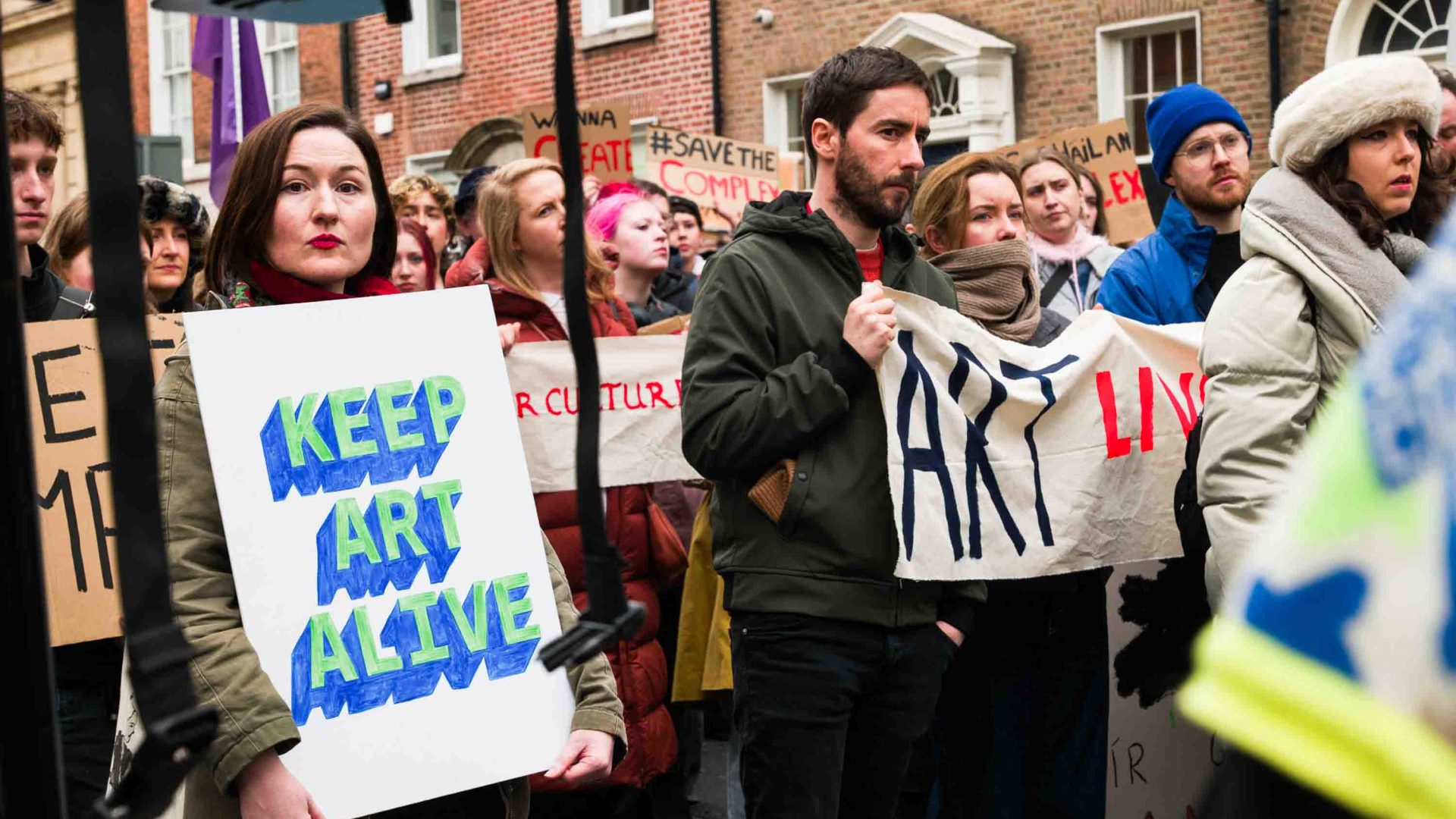
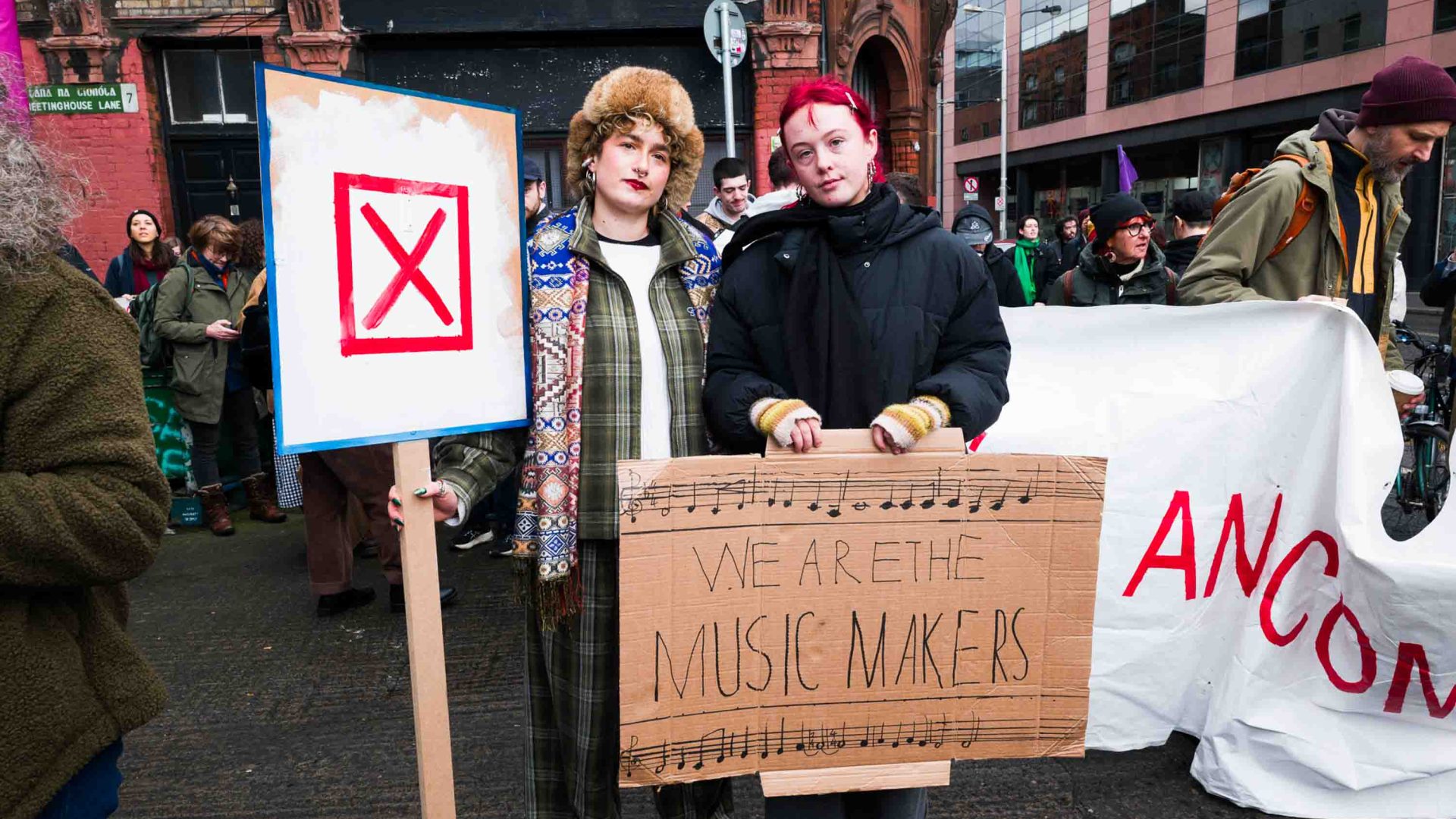
His impassioned speeches, delivered with emphatic gestures that have even led some Instagram followers to wonder if he’s Italian, resonate with a populace grappling with rising living costs and diminishing public spaces. At a February protest on Dame Court, wrapped in winter coats beneath a drizzly gazebo, Ó Ceannabháin electrified the crowd. A DJ spun tunes, and a man in a nearby Hoxton hotel, possibly unaware of the protest’s target, swayed to the bass. Protesters cheered, hoisting signs higher, as Ó Ceannabháin seized the microphone: "We need a city we can live in! We need a city we can sing in! We need a city we can dance in!" The collective roar underscored the deep-seated yearning for a city that prioritizes its people and their cultural needs over corporate profit.
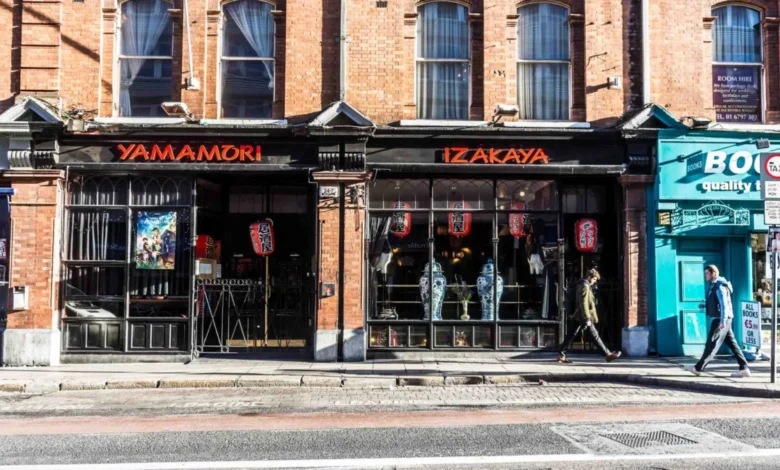
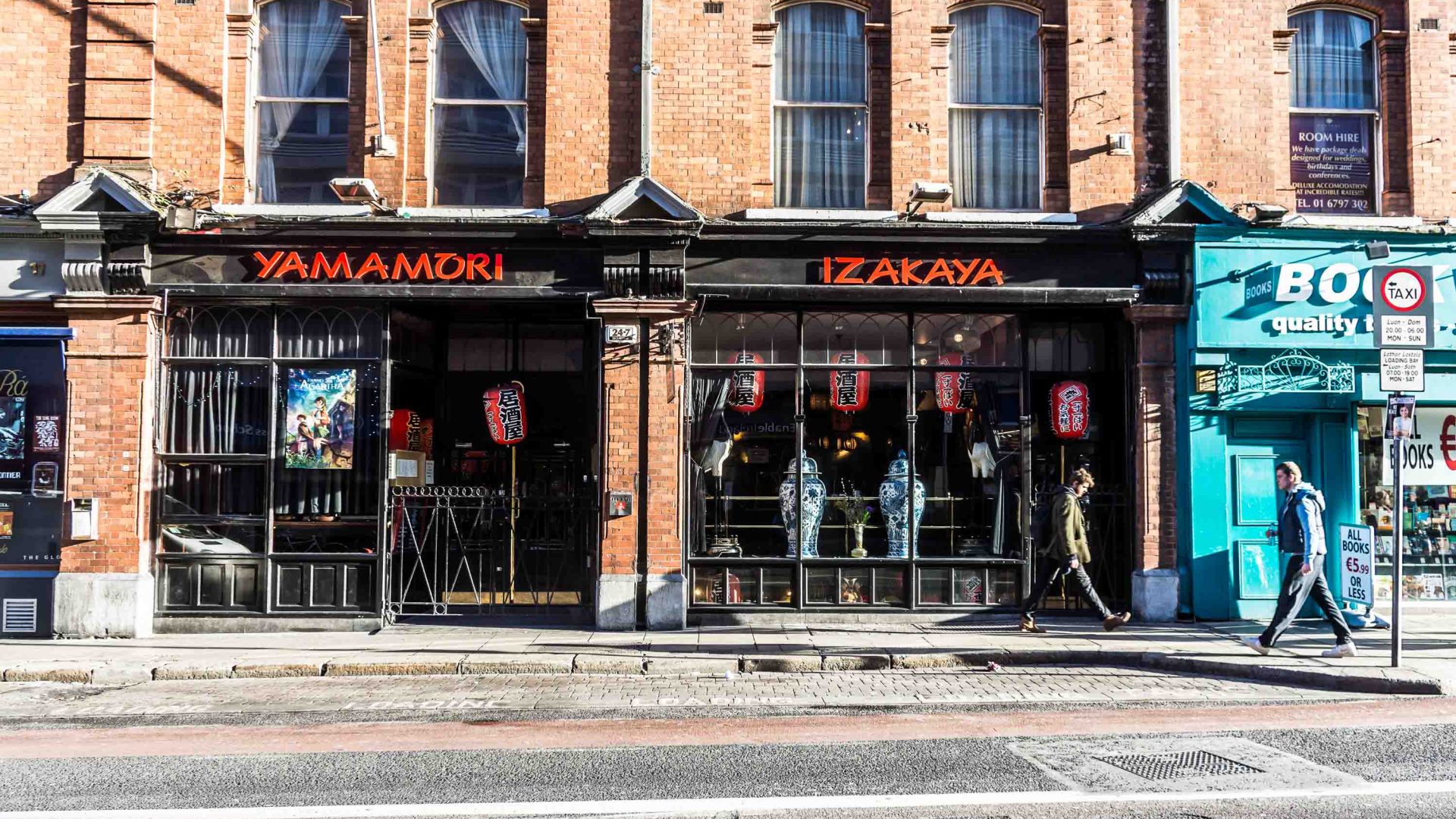
This particular demonstration targeted the High Court injunction faced by Yamamori Izakaya, an independent restaurant and nightclub on South Great George’s Street, from its new neighbor, The Hoxton hotel, over a noise complaint. Ó Ceannabháin articulated the broader grievance: "So many of us are paying exorbitant rents and are stuck at home while [the government] are prioritizing the profits of corporate landlords and big vulture funds. The same model for developing the city is impacting on our cultural space and the things we need to breathe."
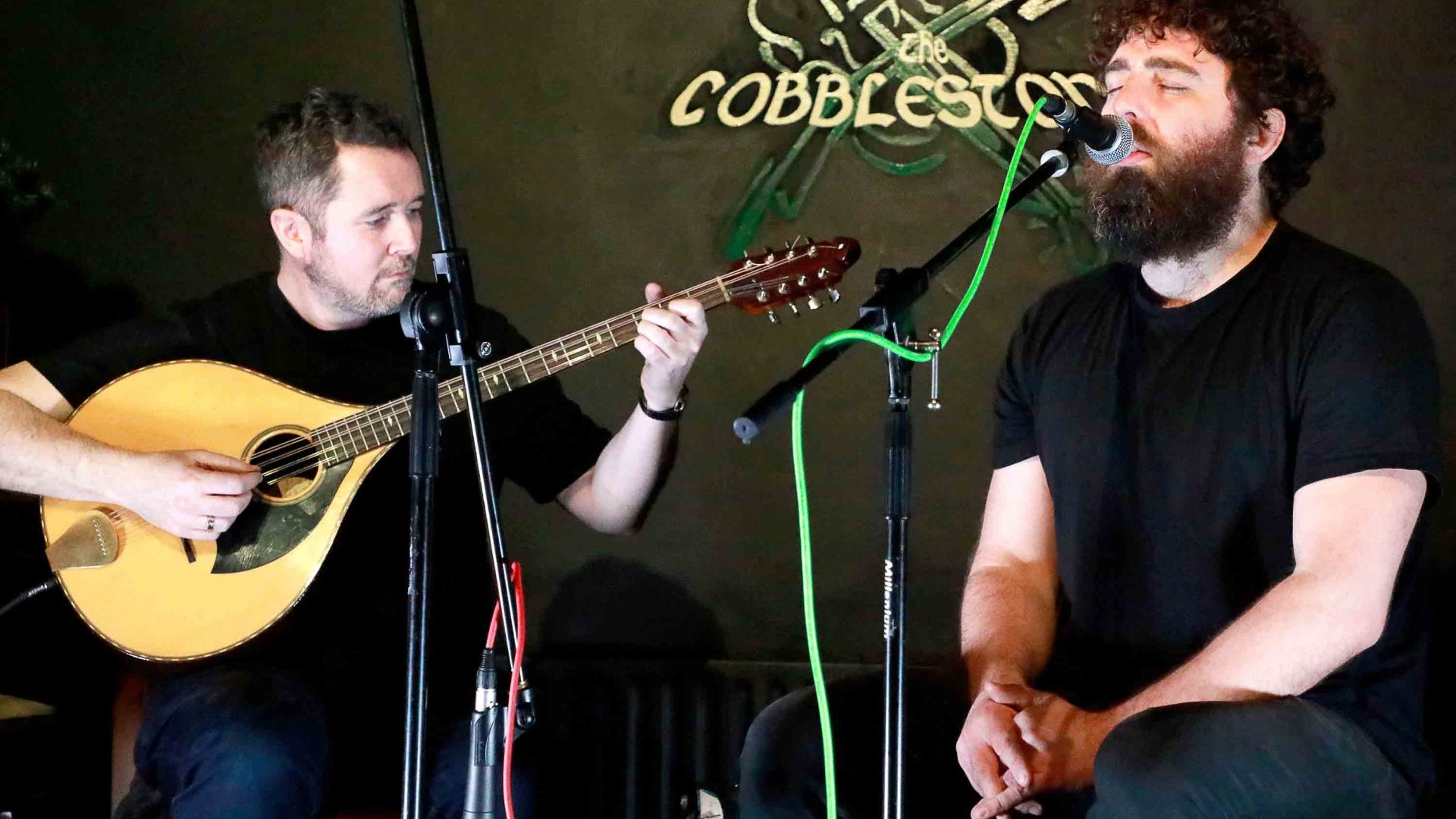
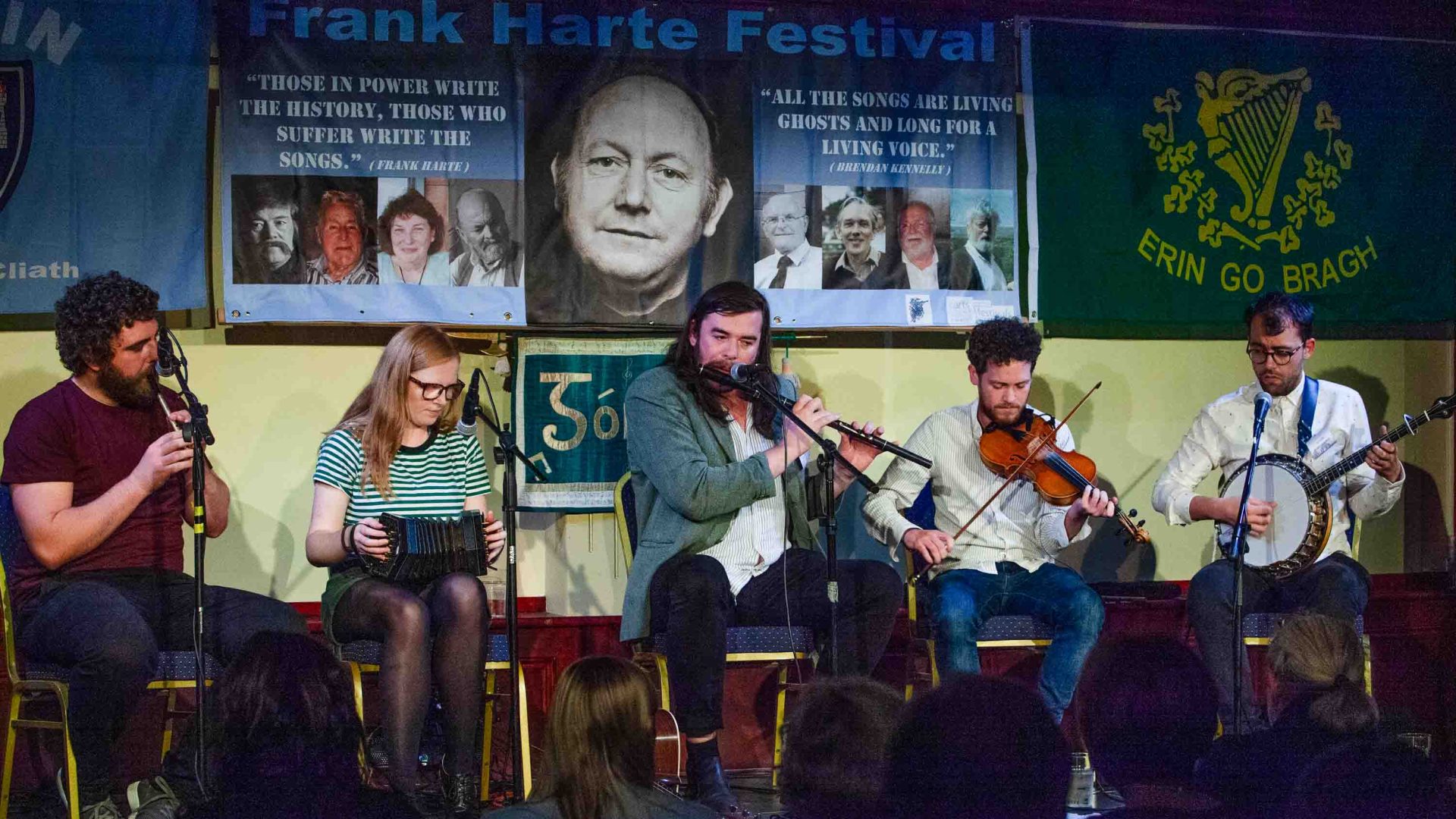
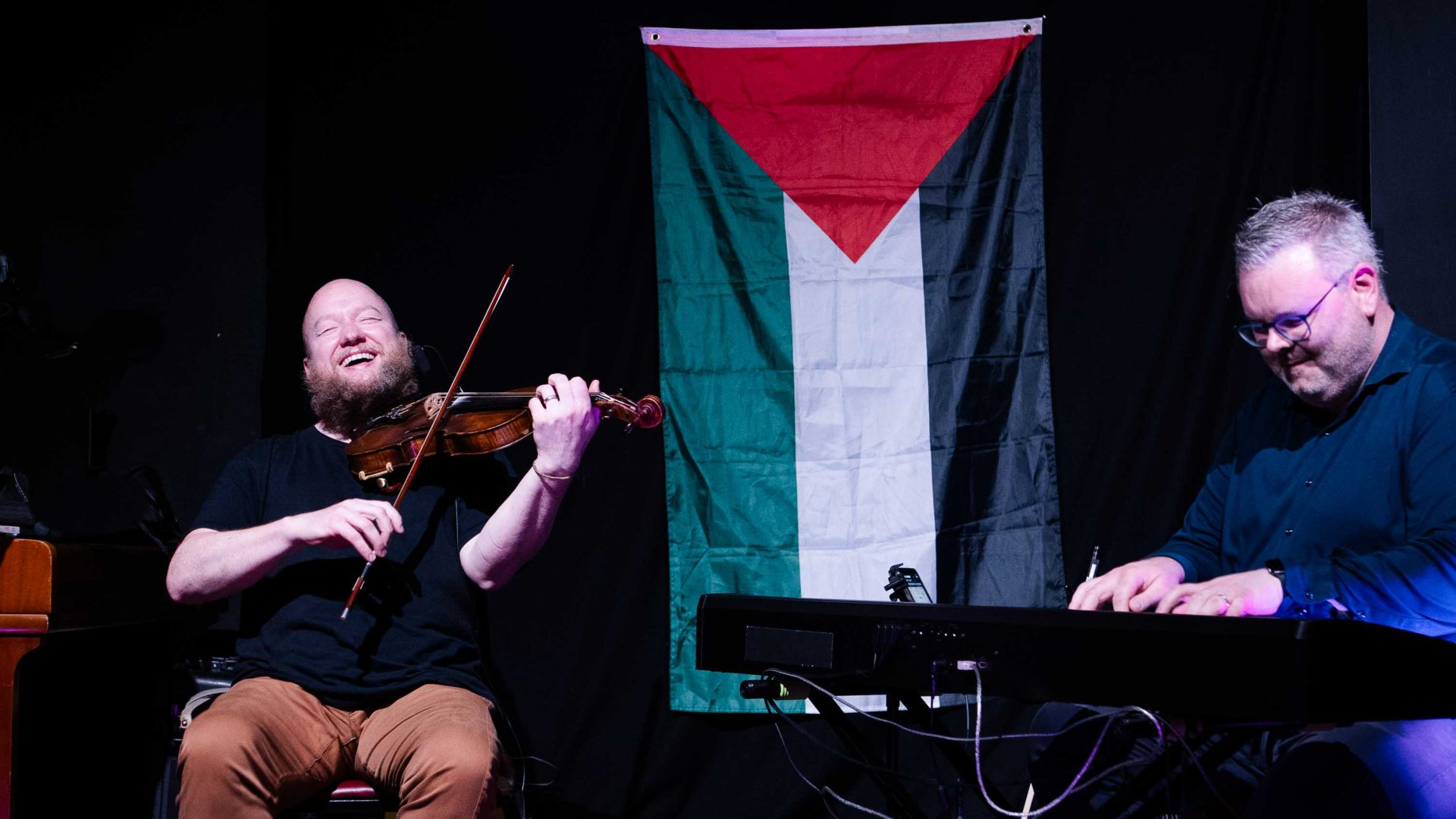
Ó Ceannabháin’s commitment to politics, stemming from around 2015, is driven by a vision for a society where basic needs are met, allowing individuals to pursue richer, more expressive lives. His activism finds its most profound expression in music. At a campaign céilí – a traditional Irish gathering of music, dancing, and singing – at The Cobblestone, his stage presence transforms. With eyes closed and a concertina cradled in his upturned palms, he sings "Where Oh Where Is Our James Connolly?", a rebel ballad honoring the Dublin trade union leader who fought for a fairer city. It is a powerful fusion of his artistic soul and his political conviction.
The Economic and Cultural Imperative of Arts Spaces
Dublin has long been a fertile ground for literary, musical, and artistic talent, giving rise to global icons such as James Joyce, Oscar Wilde, The Dubliners, and Sinéad O’Connor. The creative industries remain a significant economic engine for Ireland, accounting for 8.9 percent of national employment – the second highest in the European Union. This statistic underscores not only the cultural richness but also the tangible economic contribution of the arts sector.
However, the pipeline that nurtures this talent is increasingly under threat. Before songs grace grand stages or productions open in theaters, they are typically conceived and refined in the informal, often "scrappy" environments of back rooms, independent studios, and grassroots venues. These spaces, frequently operating on short-term or "meanwhile" leases, are inherently vulnerable to market fluctuations and redevelopment pressures. When these foundational spaces disappear, the talent pool feeding larger venues dwindles, the authentic cultural experience that attracts visitors begins to hollow out, and local communities lose irreplaceable gathering places.
BAFTA-winning Irish actor Paul Mescal has eloquently voiced this frustration. In an interview with lovedublin, he recalled his anger during drama school at the constant demolition of cultural institutions. "We have such brilliant artists in this country," he stated, "and I don’t feel like we can cultivate the kind of talent that’s here that’s beneficial to the industry." His words highlight a critical disconnect between the nation’s artistic potential and the infrastructure needed to support it. Politicians, Ó Ceannabháin notes, are often keen to appear alongside artists at events but are less inclined to fund initiatives that do not yield immediate profit. This short-sighted view jeopardizes the long-term health of the creative sector.
Policy Responses and Persistent Gaps
Amidst the closures and protests, there have been some policy developments. Ó Ceannabháin points to Ireland’s Basic Income for the Arts (BIA) as a testament to the power of public pressure. Launched as a pilot program in 2022 and made permanent in 2026, the BIA provides 2,000 eligible artists with a weekly income of €325 (approximately US$370). It is a world-first scheme, widely hailed as a progressive step towards recognizing the value of artistic labor and providing financial stability. While Ó Ceannabháin acknowledges it as a victory, he argues for its expansion, believing it should encompass all eligible artists. "If you introduce a pilot program that works, you should expand it to everyone who’s eligible," he asserts, though he concedes, "But it’s still a good thing."
Dublin City Council has also initiated efforts to restore some buildings for artist studios, and new developments are now often mandated to allocate five percent of their space for cultural use. These measures, while positive, are frequently perceived as insufficient to stem the tide of closures. The fate of The Complex, which could not be saved despite public and council support due to the lack of a state mechanism to purchase it for cultural purposes, starkly illustrates the enduring policy gaps.
The Government of Ireland’s Department of Culture, Communications and Sport maintains that "support for artists is at record levels," and anticipates the announcement of a new "capital support scheme which will support wider participation in the arts" in the coming weeks. However, a report from the Arts Council of Ireland (An Chomhairle Ealaíon) offers a more sobering assessment. It states that "despite significant recent increases, it is not in line with EU averages or able to keep pace with rising costs." This suggests that while funding may be numerically high, it remains inadequate in real terms, especially when faced with Dublin’s escalating economic pressures. The challenge lies not just in providing funding, but in establishing robust legal and financial frameworks that explicitly protect and sustain cultural spaces.
Optimism Amidst the Struggle: The Unyielding Spirit of Creativity
Back at The Cobblestone, the céilí is in full swing. Laughter and music fill the air as Chris Marron, a musician, playfully guides a visitor through the steps of "Shoe the Donkey," proclaiming, "No-one does!" when met with a hesitant "I don’t know what I’m doing!" This convivial spirit, a testament to the venue’s enduring community, masks a persistent vulnerability. Despite the triumph in saving its back room from demolition nearly five years prior, The Cobblestone’s owner, Tom Mulligan, still rents the property from a private landlord, leaving its long-term future uncertain. "I don’t know where it’s going to end up," Mulligan confides, "but one thing that has always kept me going is optimism."
This deep-seated optimism is a sentiment shared wholeheartedly by Ó Ceannabháin. When asked if he would ever concede defeat, his response is immediate and unequivocal: "I don’t think there’s any option to give up. The fact that people all over the world are making art and music and beautiful things under these difficult circumstances is a demonstration of what it is to be human. We have to fight for that, and fight for more space for it."
The battle for Dublin’s grassroots arts venues is a microcosm of a global struggle to preserve cultural authenticity in the face of unchecked commercial development. It is a fight for the spaces where creativity is born, where communities connect, and where the soul of a city finds its expression. The resilience of artists and activists, their unwavering commitment to cultural preservation, offers a powerful counter-narrative to the forces that threaten to turn Dublin into "a place of no destination." The future of Ireland’s rich artistic legacy, and indeed its identity, hinges on their continued fight.