Guardians of the Reef and Ridge: How the Cook Islands Balance Paradise, Tourism, and Modern Development

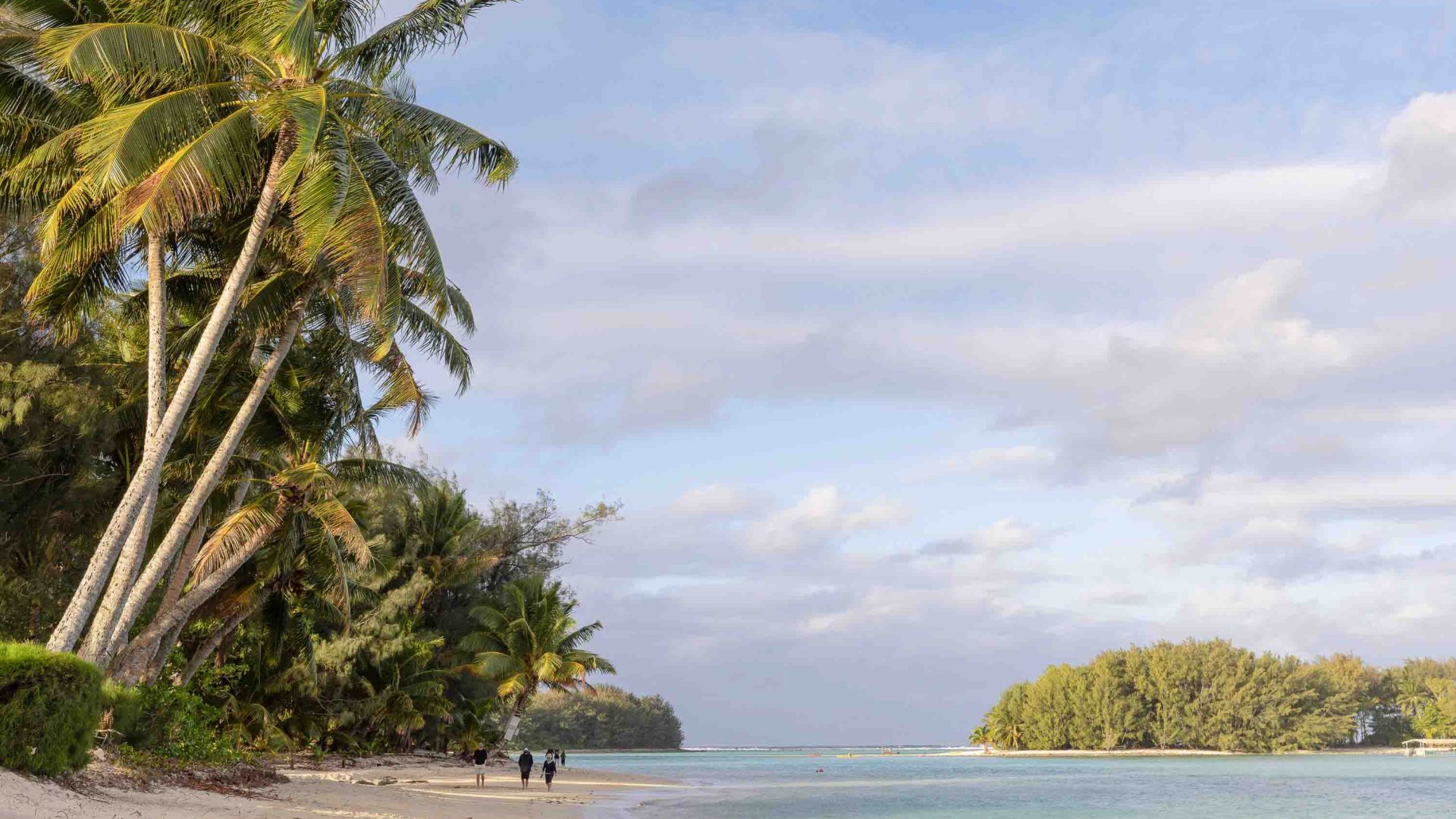
The Cook Islands stand as a remarkable anomaly in the modern South Pacific: an idyllic archipelago where no building stands higher than the tallest coconut tree, and where a deep-rooted cultural ethos known as Mana Tiaki protects the local environment from the unchecked sprawl of global tourism. Spread across roughly 770,000 square miles of ocean—an expanse nearly comparable to the landmass of Greenland—the self-governing island state comprises 15 volcanic islands and coral atolls. While international developers routinely cast covetous eyes toward its luminous lagoons and pristine white-sand shores, a potent combination of rigorous government policy, traditional governance, and community-driven activism has thus far kept multinational chains and franchises at bay.
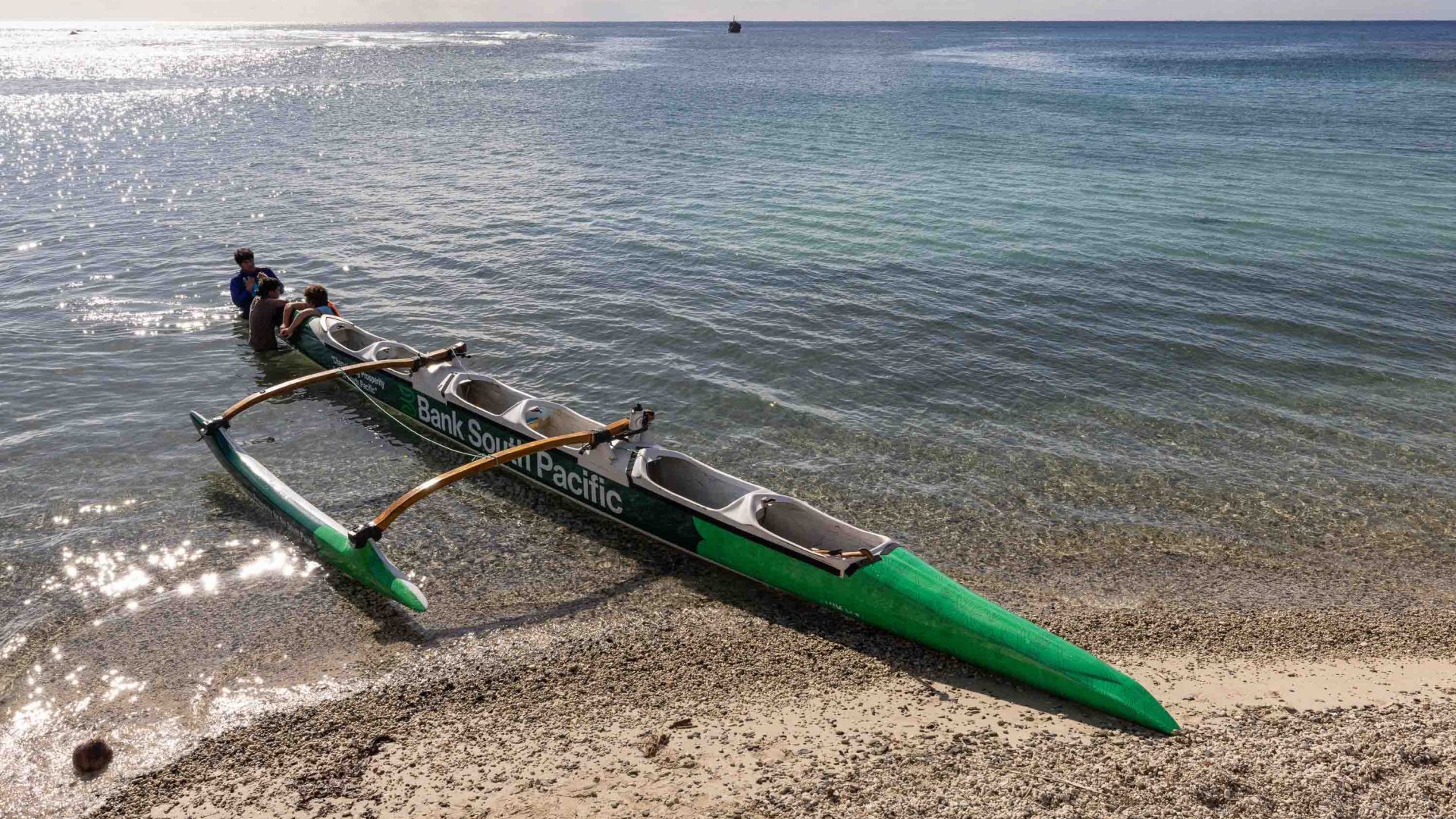
To understand the socio-political framework shielding the Cook Islands from hyper-development, one must examine the legal bedrock established nearly six decades ago. Settled initially by Polynesian voyagers who navigated the vast Pacific by sea and stars in double-hulled outrigger canoes known as vaka around 800 to 1000 AD, the islands later became a British protectorate following Captain James Cook’s explorations in the late 18th century. In 1965, the territory transitioned into a self-governing nation in free association with New Zealand, granting islanders New Zealand citizenship alongside administrative assistance in health, education, and finance. Crucially, however, the 1965 Constitution entrenched hereditary bloodlines into the nation’s legal framework. Under this mandate, land cannot be owned outright by non-citizens; it passes strictly through generational Indigenous succession. Foreigners seeking property rights are legally restricted to 60-year leases, a statutory safeguard that has effectively blocked out-of-control real estate speculation and corporate hotel monopolies.
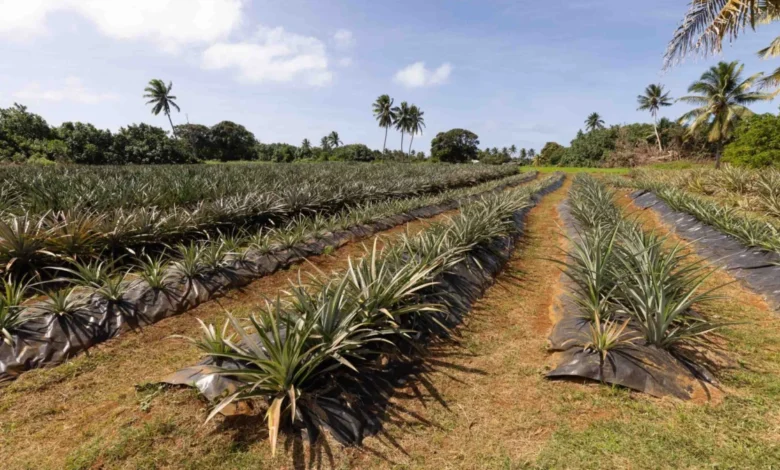
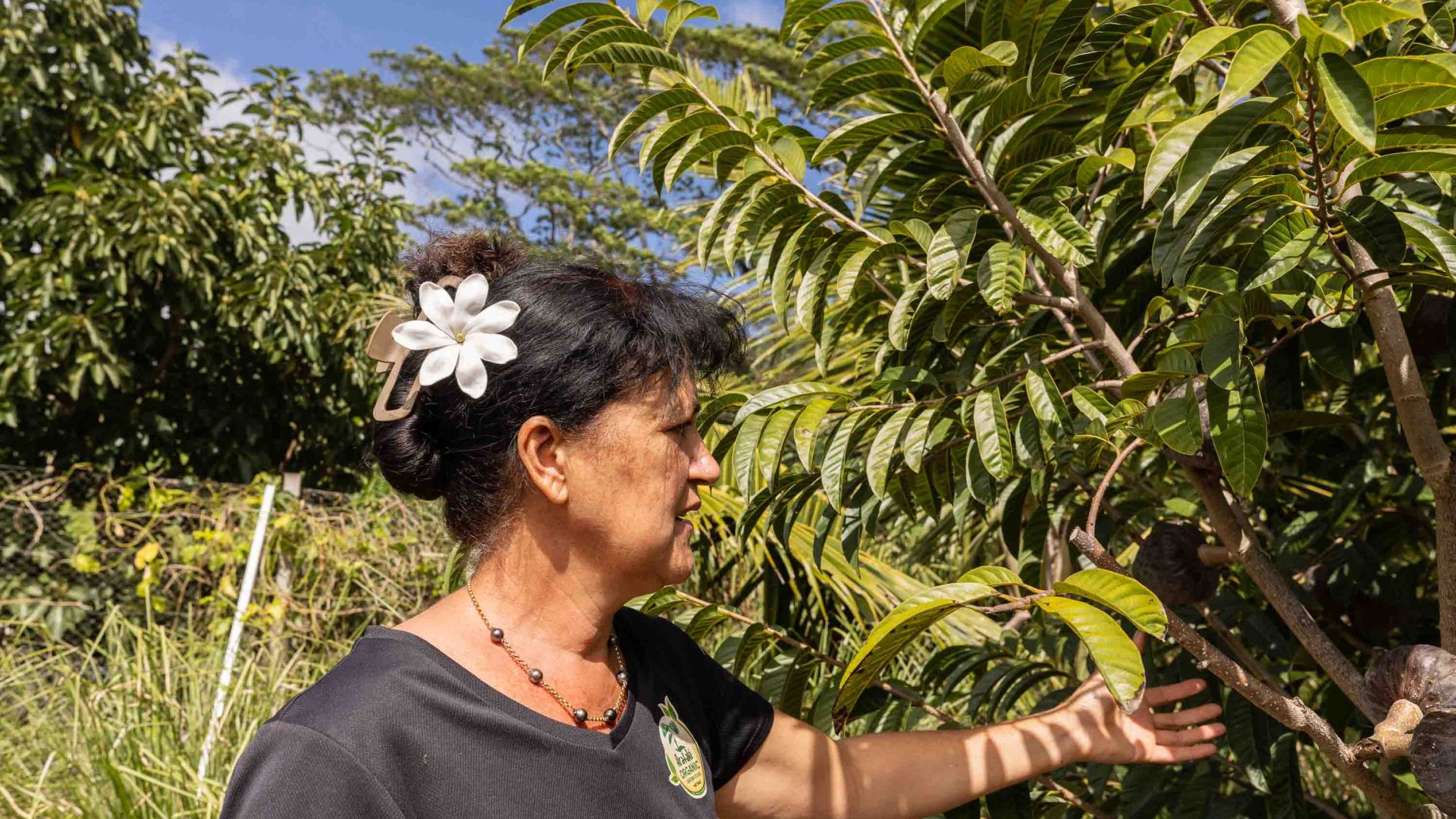
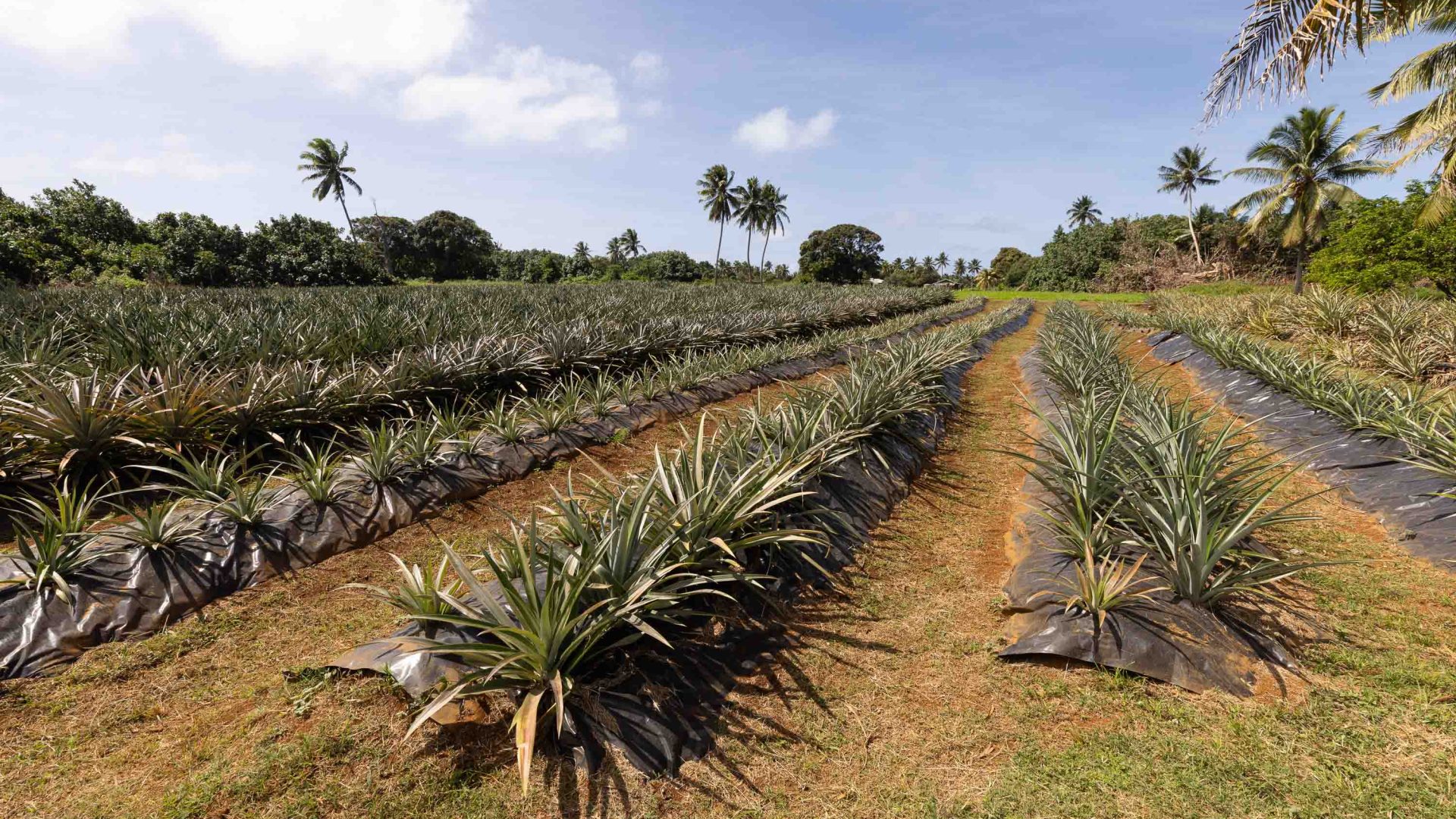
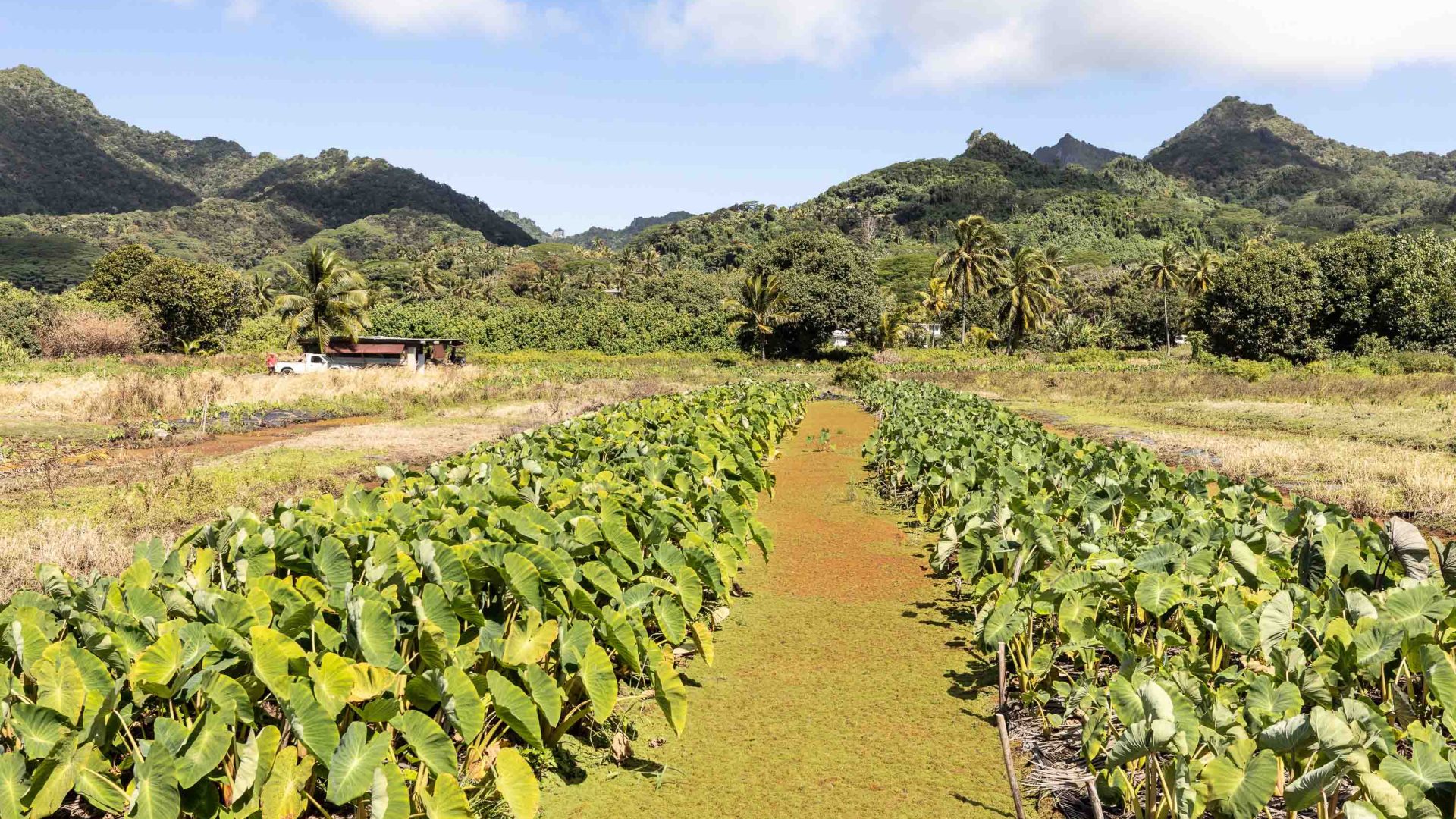
This resistance to traditional commercialization is reinforced daily by the philosophy of Mana Tiaki. Derived from tiaki (keeper or guardian) and mana (influence or power), the concept demands sacred stewardship over both cultural heritage and the natural environment. During the COVID-19 pandemic, when global supply chains froze and international tourism vanished overnight, islanders revived the ancient practice of Tapora Kai Enua—a communal system of sharing local produce. This self-reliance inspired residents like Mirella and Katoa Mairi to establish the Arataki Organic Garden on Rarotonga. Utilizing natural composting techniques, homemade chili-and-soap insect repellents, and government-provided seedlings, the garden exemplifies how traditional indigenous wisdom translates into modern regenerative agriculture, completely bypassing chemical fertilizers and imported pesticides.
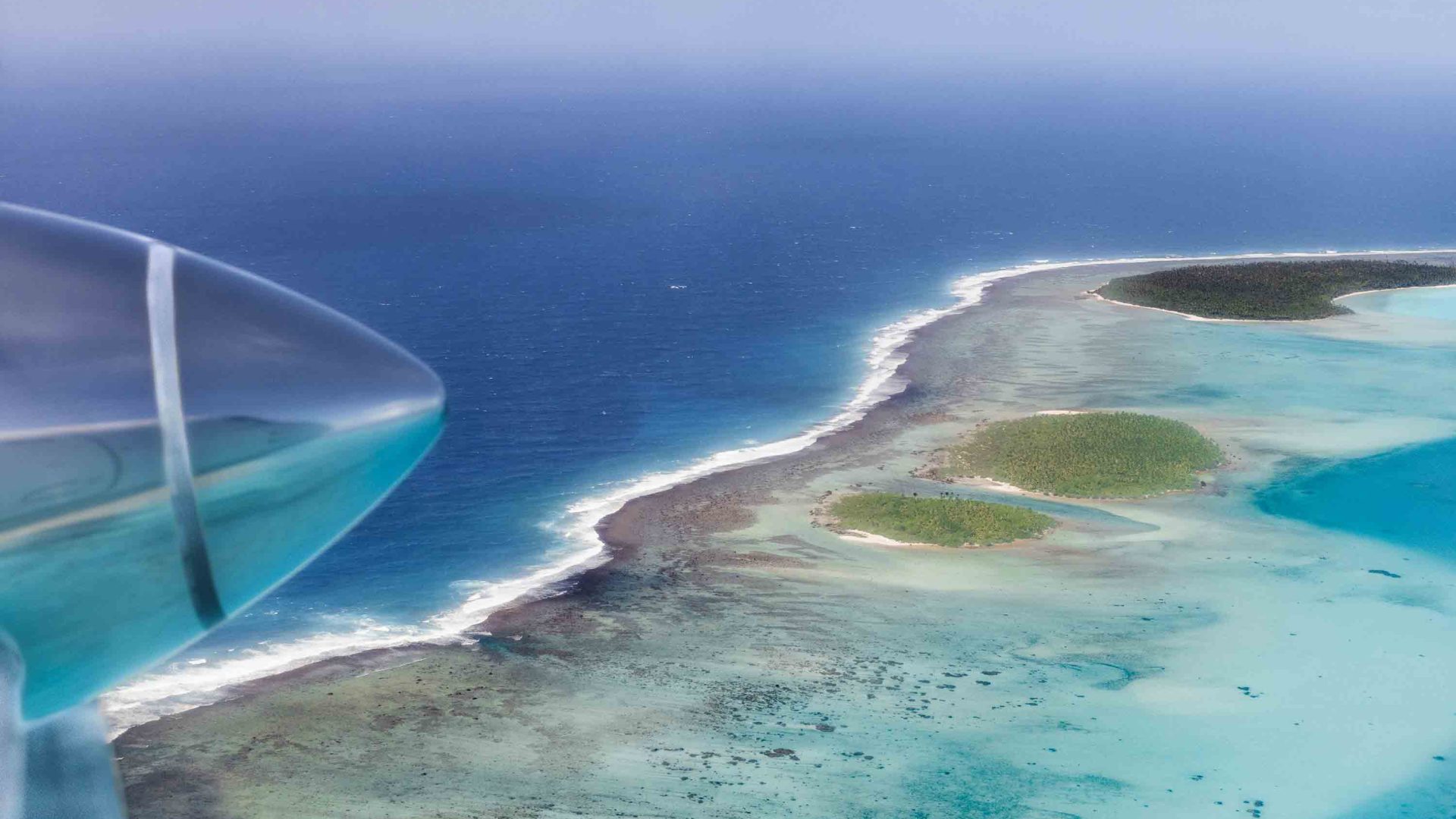
Despite these grassroots protections, the modern economy exerts immense pressure. Tourism accounts for approximately 70 percent of the Cook Islands’ Gross Domestic Product, forcing the nation into a perpetual balancing act between generating vital revenue and preserving its delicate ecosystems. The economic imperative was underscored in 2017 with the establishment of Marae Moana, the world’s largest marine park. Spanning 734,000 square miles, the marine sanctuary was designed to protect marine biodiversity while accommodating sustainable fishing and localized tourism. Yet, this delicate equilibrium faces friction. Recent governmental explorations into deep-sea mining in partnership with foreign corporations have sparked intense public debate and local condemnation, drawing sharp warnings from environmental advocates.
Among the prominent voices challenging industrial expansion is Sabine Janneck, Vice President of the Te Ipukarea Society, the archipelago’s sole non-governmental environmental organization. Originally arriving from Germany to operate a scuba-diving enterprise, Janneck transitioned into full-time ecological conservation, creating luxury upcycled accessories from discarded car tires and industrial waste. Operating as a papa’a (foreigner) deeply integrated into island values, Janneck represents the cross-cultural coalition necessary to monitor the impacts of climate change and commercial overreach on fragile coral reefs.
The tension between economic expansion and environmental preservation is further mirrored in the hospitality sector. While global platforms like Airbnb have found a foothold—allowing homeowners to directly capture tourist revenue—large-scale brick-and-mortar hospitality projects navigate a complex labyrinth of local oversight. The upcoming debut of the five-star Grand Resort Rarotonga, slated to open its doors on the Arorangi Sunset Coast, illustrates this dynamic. Owned and developed locally by figures including tennis veteran Brett Baudinet rather than an international mega-chain, the project pushes architectural limits while attempting to harmonize with the island’s low-rise visual identity. Baudinet notes that architectural height restrictions function more as a philosophical guideline than an absolute structural mandate, pointing out that surrounding coconut palms still tower over the modern multi-story framework.
This cautious approach to infrastructure contrasts sharply with cautionary historical tales from the archipelago’s past. Real estate development in the Cook Islands carries deep historical sensitivities, exemplified by the infamous, long-abandoned Sheraton resort project in Vaimaanga on Rarotonga. Begun in the 1980s, the massive hotel complex was never completed, becoming entangled in financial collapse, political scandals, and local folklore. According to Indigenous elders and master carvers like Mike Tavioni, the failed development is shadowed by a traditional curse, or makutu, originating from a 1911 land dispute and subsequent murder. For many residents, the decaying concrete skeleton serves as a permanent, cautionary monument against unchecked foreign investment and the disruption of ancestral land rights.
As the Cook Islands look toward the future, tourism operators and local leaders continue to debate the trajectory of visitor growth. While peak-season surges during the Australasian winter months strain local resources, operators like skipper Onu Hewett advocate for sustainable, year-round tourism models that prioritize ecological respect—such as regulated humpback whale-watching excursions—over sheer volume. Meanwhile, the overarching question remains whether traditional governance and the unyielding spirit of Mana Tiaki can indefinitely withstand the encroaching tides of global capitalism. When asked by visiting journalists if franchises like McDonald’s will eventually make their way to Rarotonga, local developers offer pragmatic concessions, noting that the global pressure for commercial homogenization is relentless. Nevertheless, for the people of the Cook Islands, protecting their ancestral Eden remains an active, daily commitment—a fight for cultural and ecological survival that they are resolved to win.